Choosing between one large burner and multiple smaller burners is a critical decision in industrial furnace design. The burner arrangement directly affects temperature uniformity, energy efficiency, process control, maintenance requirements, and equipment reliability. This decision is not merely a matter of preference or cost; it is a fundamental design choice that influences the thermal performance, operational flexibility, and long-term economics of the entire heating system.
Many industrial users assume that a single large burner is better because it appears simpler and may have a lower initial investment. However, multiple smaller burners can often provide significant advantages in large furnaces or processes requiring precise temperature control. The apparent simplicity of a single burner must be weighed against the potential limitations in heat distribution, control flexibility, and operational redundancy.
The correct choice depends on:
Furnace size and geometry, defining the space available for combustion and heat distribution.
Heating uniformity requirements, determining the acceptable temperature variation across the furnace.
Production process, including batch or continuous operation and load variability.
Temperature control accuracy, specifying the precision needed for product quality.
Energy efficiency goals, influencing the operating cost and sustainability performance.
Maintenance strategy, affecting downtime, service access, and spare parts management.
Emission requirements, setting environmental compliance targets.
The objective is not to use the largest possible burner, but to create the most effective heat distribution inside the furnace. The burner configuration should deliver heat where it is needed, in the manner required, while providing the control and reliability that the process demands.
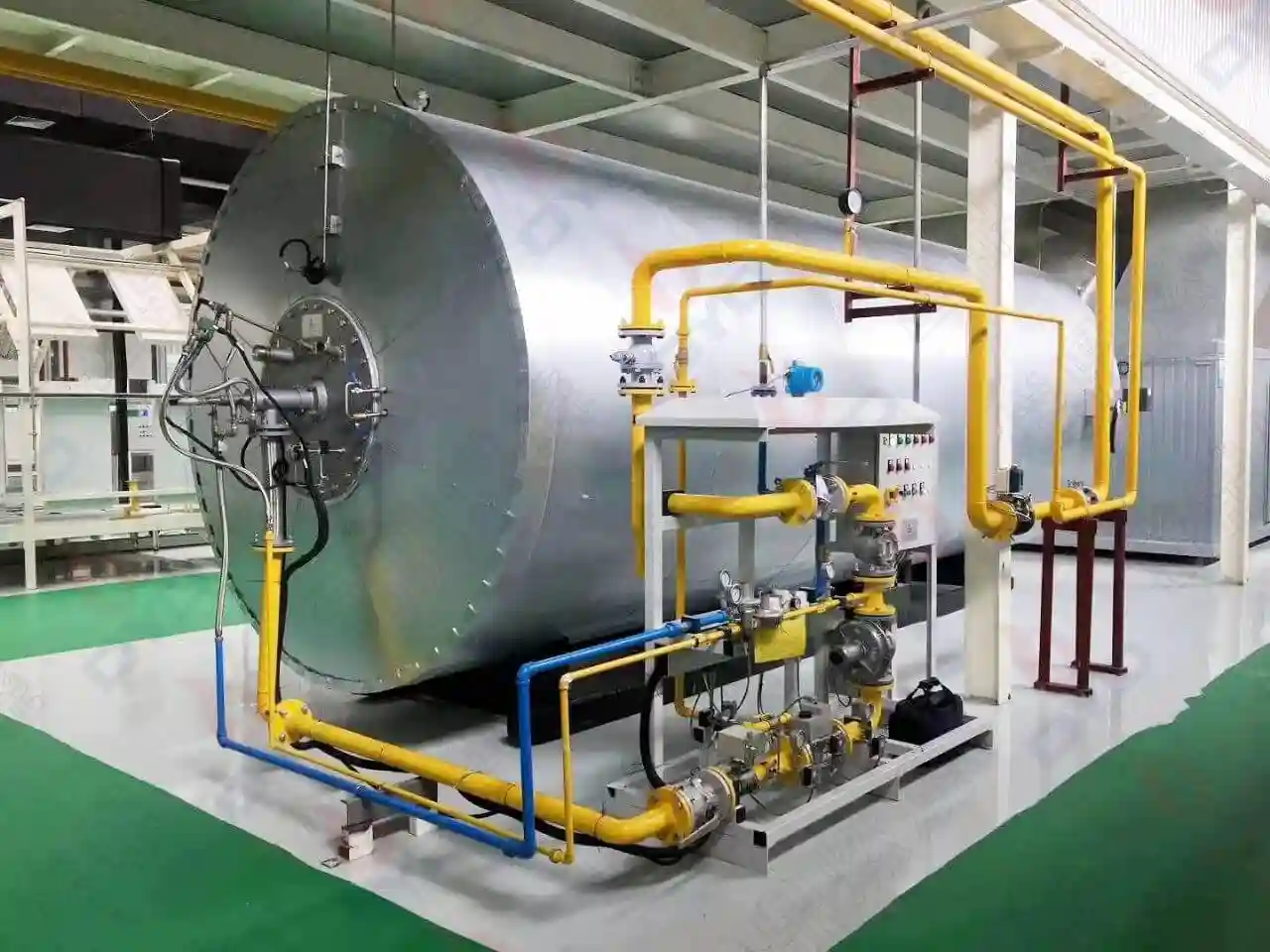
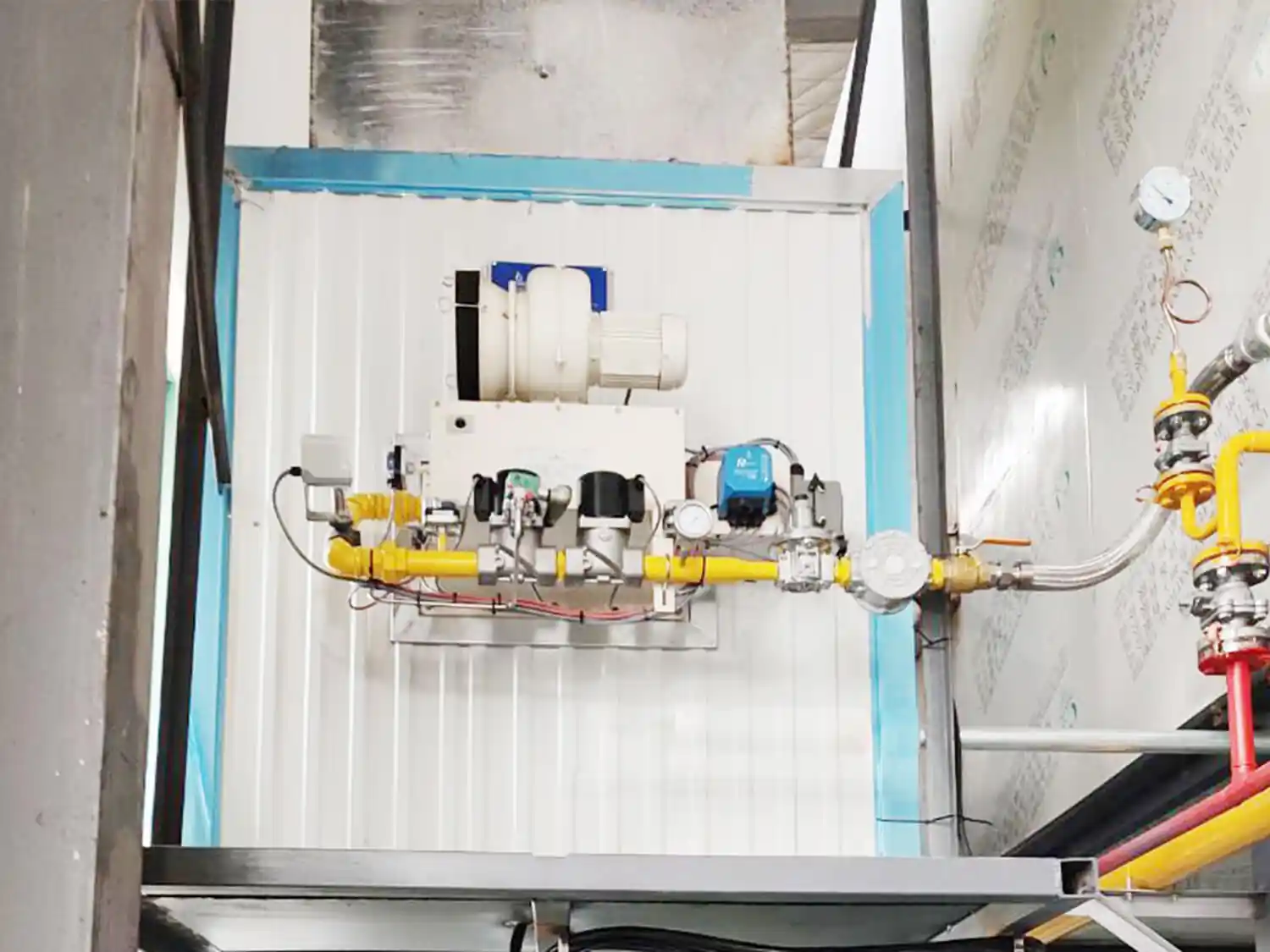
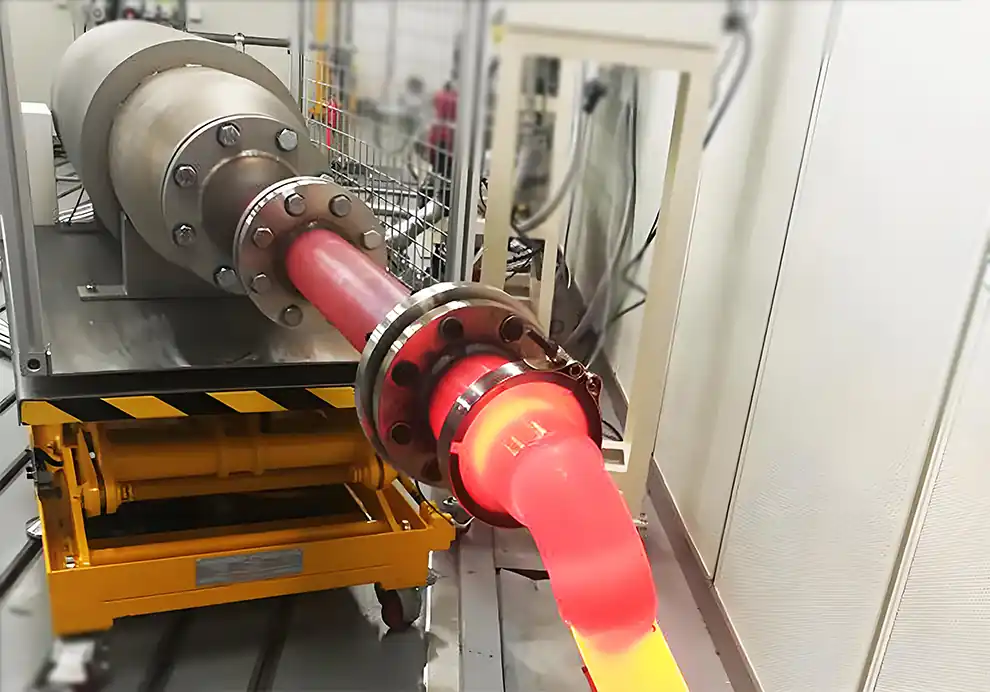
A single high-capacity burner provides all required heat input from one combustion point, typically located at one end or side of the furnace. The flame extends into the chamber from a single source, and the heat is distributed through radiation and convection as the combustion gases circulate through the furnace volume.
Advantages:
Simpler installation, with a single mounting point and connection set.
Fewer components, reducing the number of valves, sensors, and control elements.
Lower control complexity, with a single control loop managing the heat input.
Easier maintenance, with only one burner system to inspect and service.
Common applications:
Small and medium furnaces with limited chamber volume.
Simple heating processes where temperature gradients are acceptable.
Applications with uniform heat demand and stable operating conditions.
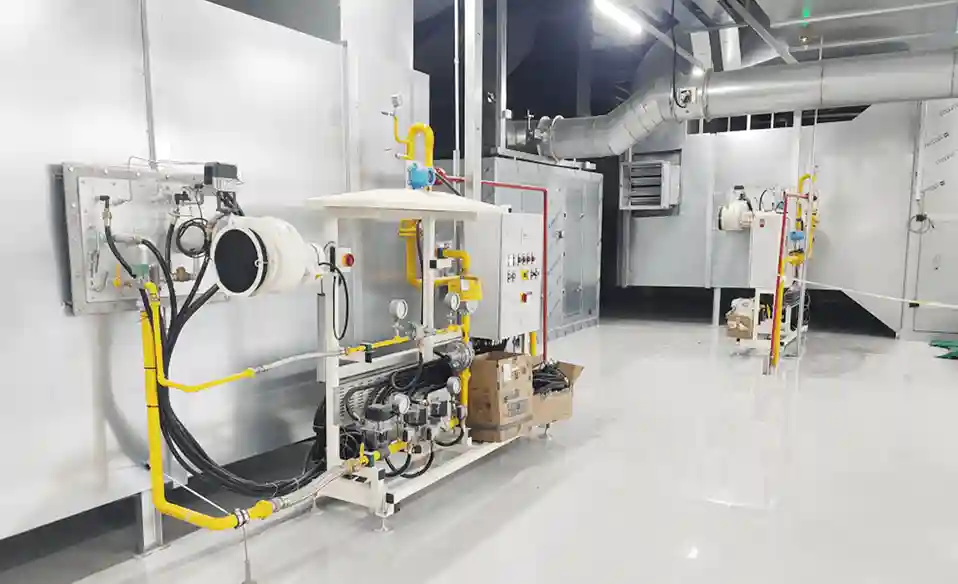
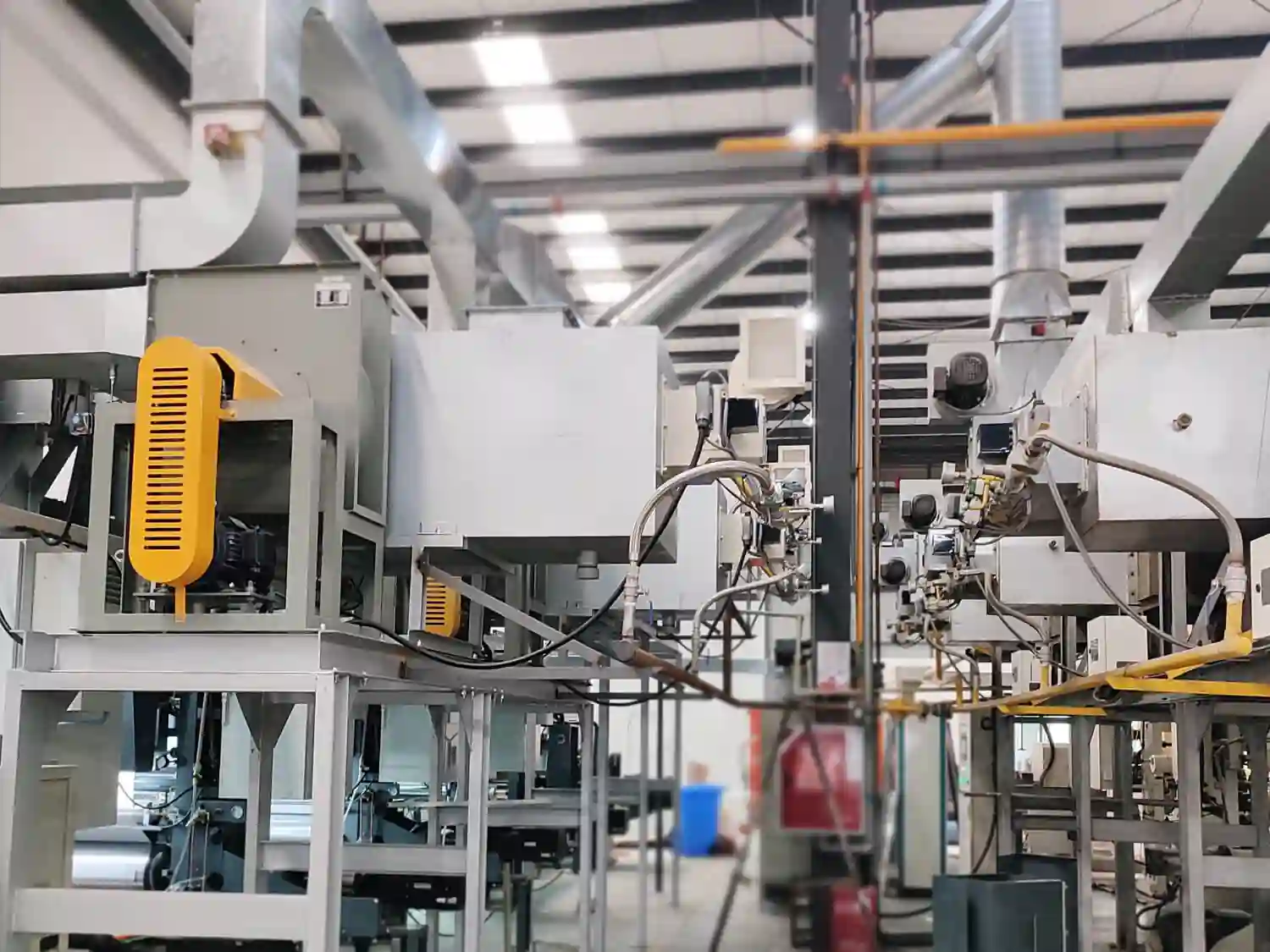
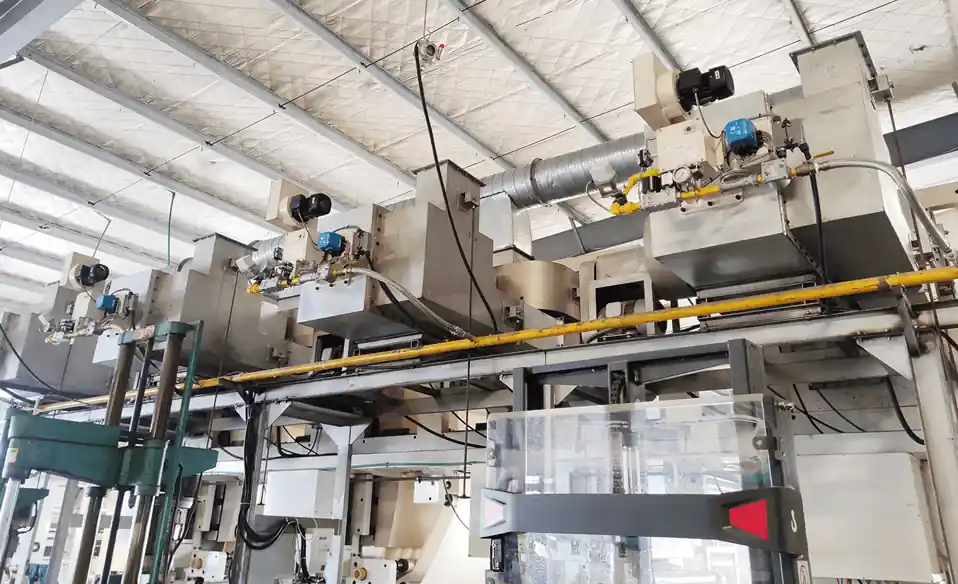
Several burners are installed throughout the furnace, typically arranged along the walls, roof, or in zones. Each burner provides a portion of the total heat input, and the combined effect creates a distributed heat source that covers the chamber more evenly.
Advantages:
Better heat distribution, with heat released from multiple locations.
Independent zone control, allowing different sections of the furnace to operate at different temperatures.
Higher operational flexibility, adapting to varying load conditions.
Common applications:
Large furnaces where a single flame cannot effectively cover the chamber.
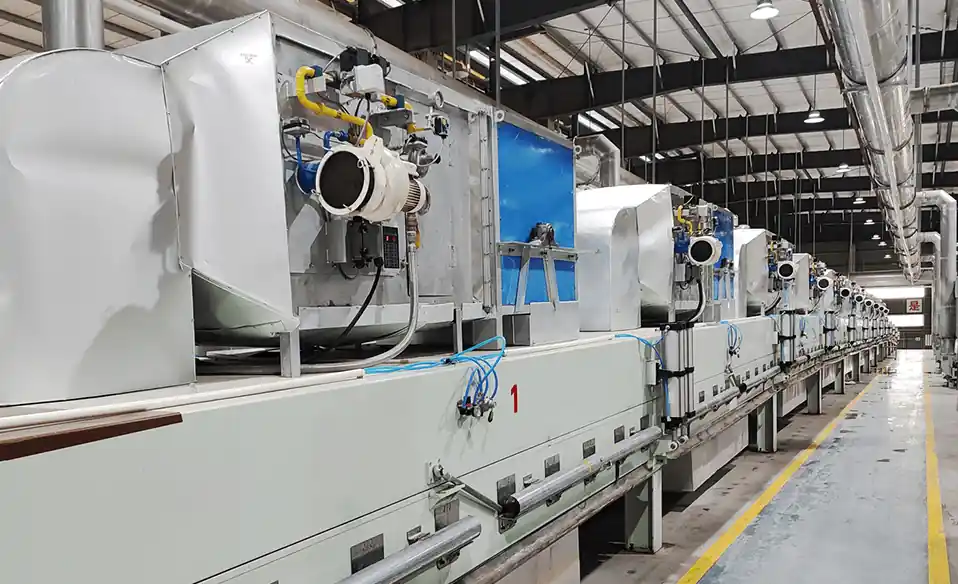
Continuous production lines requiring different temperature zones.
Processes requiring precise temperature profiles across the furnace length.
A single large burner may be suitable when the furnace geometry, process requirements, and thermal conditions do not demand the complexity of multiple burners.
Small furnaces often have:
Short heating distances, allowing heat to reach all parts of the chamber without extensive circulation.
Limited internal volume, where a single flame can effectively fill the space.
Simple heat distribution requirements, with acceptable temperature variation.
A single burner can provide sufficient circulation and temperature uniformity without the need for multiple heat sources.
Examples:
Small heat treatment furnaces with moderate size.
Small drying ovens with limited capacity.
Laboratory or pilot equipment where simplicity is valued.
Applications with stable production conditions, constant temperature requirements, and limited load variation can often use one burner effectively. When the heat demand is predictable and does not vary significantly, the control simplicity of a single burner is an advantage.
A single burner requires one mounting position, fewer fuel and air connections, and simpler piping arrangement. In retrofits or space-constrained installations, this can be a decisive advantage.
A single burner means fewer valves, fewer flame detectors, and simpler control logic. This reduces the engineering effort required for design, installation, and commissioning.
Compared with multiple burners, one large burner may require fewer components and less instrumentation, reducing the capital expenditure for the burner system.
Maintenance teams only need to manage one combustion system, one ignition system, and one control loop. Spare parts inventory is simpler, and maintenance procedures are less extensive.
Although simple, one large burner also has limitations that can become significant in larger or more demanding applications.
A single flame source may struggle to heat a large chamber evenly. The heat release is concentrated at one point, and the combustion gases must travel a significant distance to reach the far end of the furnace.
Possible problems:
Hot zones near the flame, where temperatures are consistently higher.
Cold zones far from the burner, where heat penetration is insufficient.
Uneven product heating, leading to inconsistent quality.
A large burner may have difficulty adjusting different furnace areas independently. The entire furnace temperature is controlled by a single heat input, which cannot respond to different thermal requirements in different zones.
For example, a continuous furnace may require higher heat input at the entrance zone and lower heat input in the holding zone. A single burner cannot easily provide this independent control.
If one large burner stops, the entire furnace may stop heating, and production interruption may occur. There is no redundancy, and the furnace cannot operate at reduced capacity while the burner is being repaired.
Multiple burners are usually preferred when the furnace size, process requirements, or control needs demand the flexibility and coverage that a single burner cannot provide.
Large furnaces have longer heating distances, larger temperature gradients, and more complex heat transfer patterns. A single flame source cannot effectively heat a large chamber without creating significant temperature differences.
Multiple burners improve:
Heat coverage, with heat released from multiple points.
Gas circulation, creating a more uniform thermal environment.
Temperature uniformity, reducing gradients across the chamber.
Applications:
Tunnel kilns, requiring heat along the entire length.
Large heat treatment furnaces, where uniform properties are critical.
Aluminum melting furnaces, requiring consistent bath temperatures.
Industrial drying systems, where air temperature uniformity is essential.
Some processes require very small temperature differences, often within ±5°C or tighter, to achieve the desired material properties or product quality.
Examples:
Heat treatment, where microstructure and hardness depend on precise temperature.
Ceramic firing, where temperature variations can cause dimensional or color differences.
Precision material processing, where tight tolerances are essential.
Multiple burners allow better zoning, more accurate control, and reduced thermal variation.
Continuous industrial equipment often has different thermal requirements in different sections.
Example:
A heat treatment line may include:
Preheating zone, for gradual temperature rise.
Heating zone, for reaching the treatment temperature.
Soaking zone, for maintaining temperature.
Cooling transition zone, for controlled cooling.
Each zone may require independent burner control to achieve the desired temperature profile.
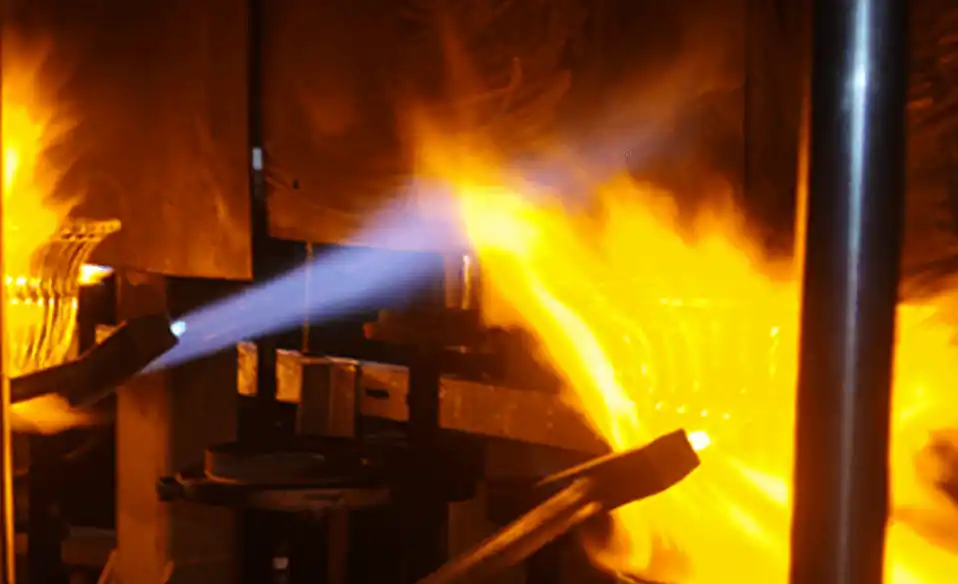
Multiple flame sources provide more uniform heat release, better furnace coverage, and reduced hot spots. Heat is released from multiple locations, reducing the distance that combustion gases must travel to reach all parts of the furnace.
Each burner can be adjusted independently, enabling zone temperature adjustment, better response to production changes, and improved product consistency. The control system can fine-tune the heat input in each area to match the process requirements.
If one burner fails, other burners may continue operating, and production may continue at reduced capacity. This redundancy reduces the risk of complete production stoppage and provides time for maintenance without full shutdown.
Multiple burners can operate according to demand, matching the heat input to the actual process load. At low production load, fewer burners can be run. At high production load, more burners can be operated. This staging improves efficiency by avoiding the inefficiency of a single large burner operating at low fire.
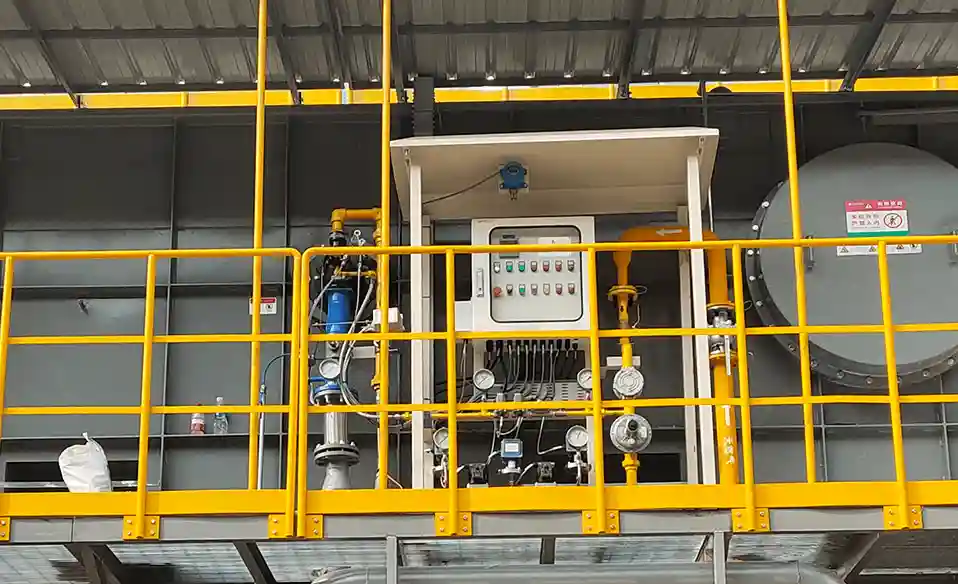
More burners require more fuel valves, more control systems, and more flame monitoring devices. The control logic is more complex, and the engineering effort for design and commissioning is greater.
Additional equipment includes burner assemblies, piping, electrical connections, and control components. The capital investment is higher, and the installation requires more space and labor.
More components mean more inspections and more potential failure points. The maintenance program must cover multiple burners, and spare parts inventory is larger. However, modern burner management systems can simplify operation and monitoring, partially offsetting this disadvantage.
| Factor | One Large Burner | Multiple Small Burners |
|---|---|---|
| Installation complexity | Lower | Higher |
| Initial investment | Lower | Higher |
| Temperature uniformity | Moderate | Excellent |
| Zone control | Limited | Excellent |
| Large furnace suitability | Limited | Excellent |
| Maintenance points | Fewer | More |
| Operating flexibility | Lower | Higher |
| Failure impact | Higher | Lower |
| Energy optimization | Moderate | Better |
| Redundancy | None | Partial |
✅ Furnace size is small or medium, with a single flame capable of covering the chamber.
✅ Heating requirements are simple, with stable and predictable heat demand.
✅ Temperature uniformity requirements are moderate, allowing some thermal gradient.
✅ Installation simplicity is important, with limited space or resources.
✅ Heat demand is relatively constant, without significant load variations.
✅ Furnace is large, requiring distributed heat release for uniform coverage.
✅ Temperature uniformity is critical, with tight tolerances.
✅ Multiple heating zones are required for different process stages.
✅ Production conditions change frequently, requiring flexible heat input.
✅ Energy optimization is important, with the ability to stage burners to match load.
Large aluminum furnaces often benefit from multiple burners because they provide better heat distribution, reduced local overheating, and improved melting efficiency. However, large high-efficiency burners may also be suitable for specific furnace designs, particularly in smaller melting units or where oxy-fuel systems are used.
Multiple burners are often preferred because temperature uniformity directly affects product quality, and different zones require different heat inputs. The ability to control each zone independently is essential for achieving the required metallurgical properties.
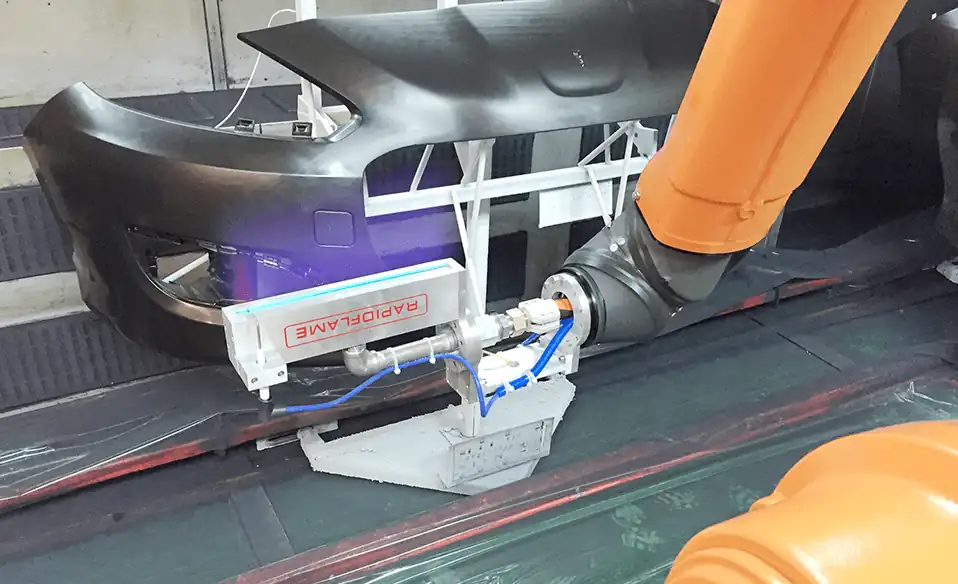
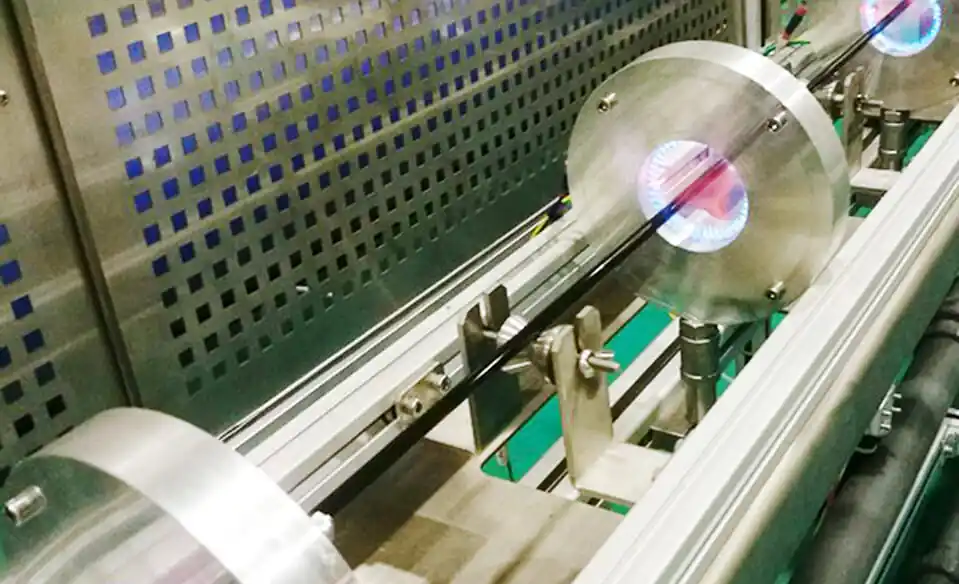
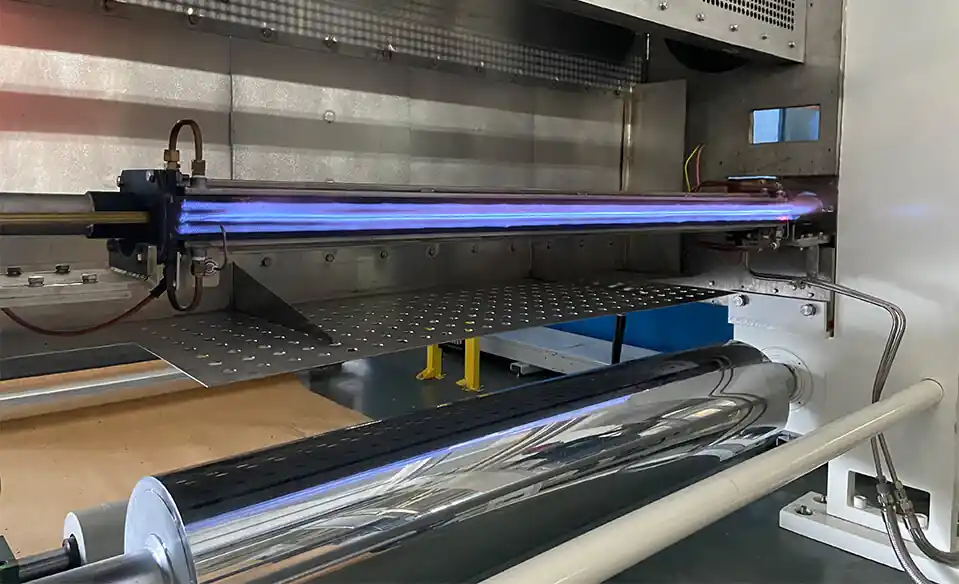
Multiple burners or linear burner systems may improve hot air uniformity and drying consistency. Distributed heat sources reduce the risk of temperature stratification and ensure that all parts of the product receive consistent thermal input.
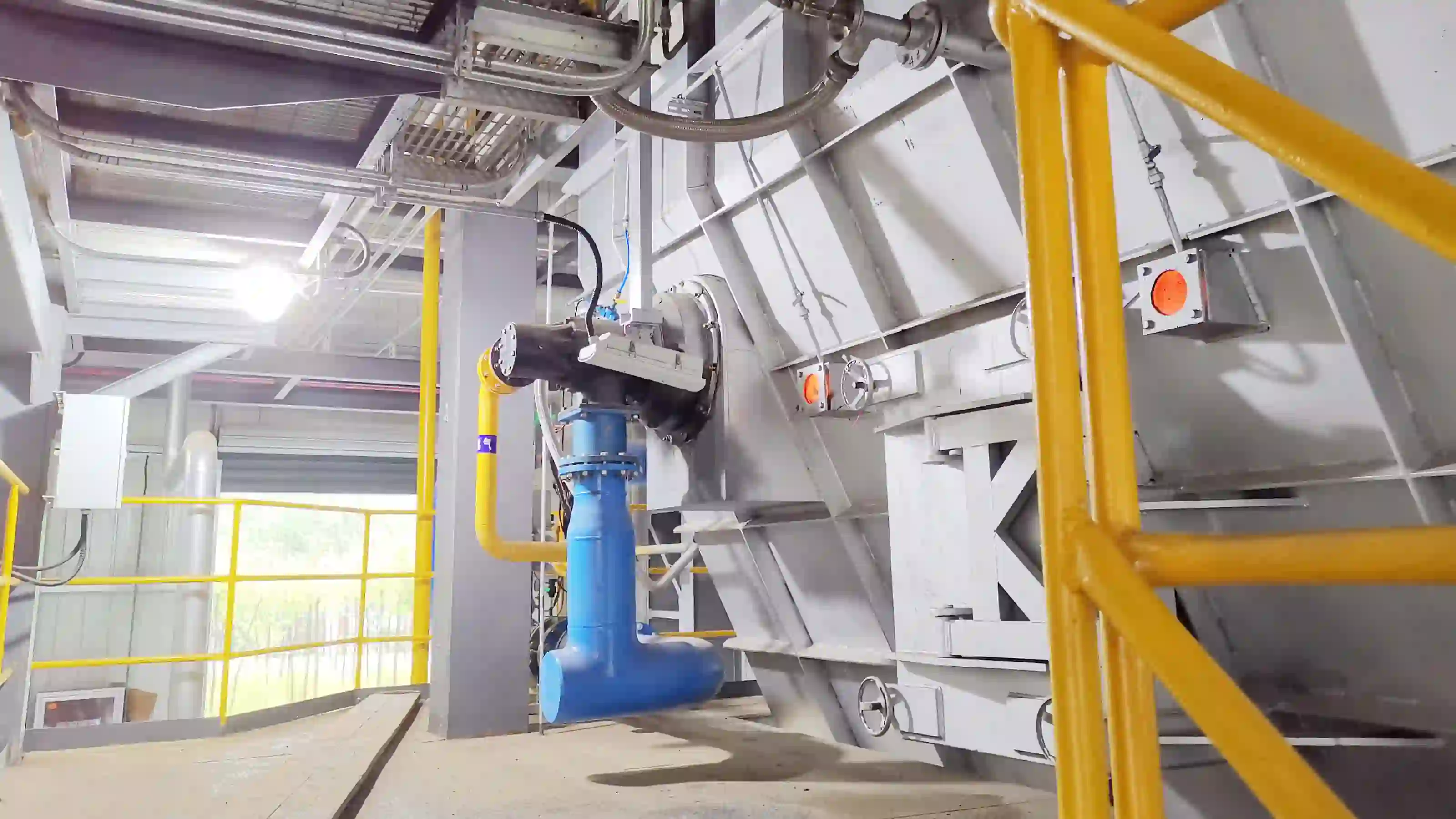
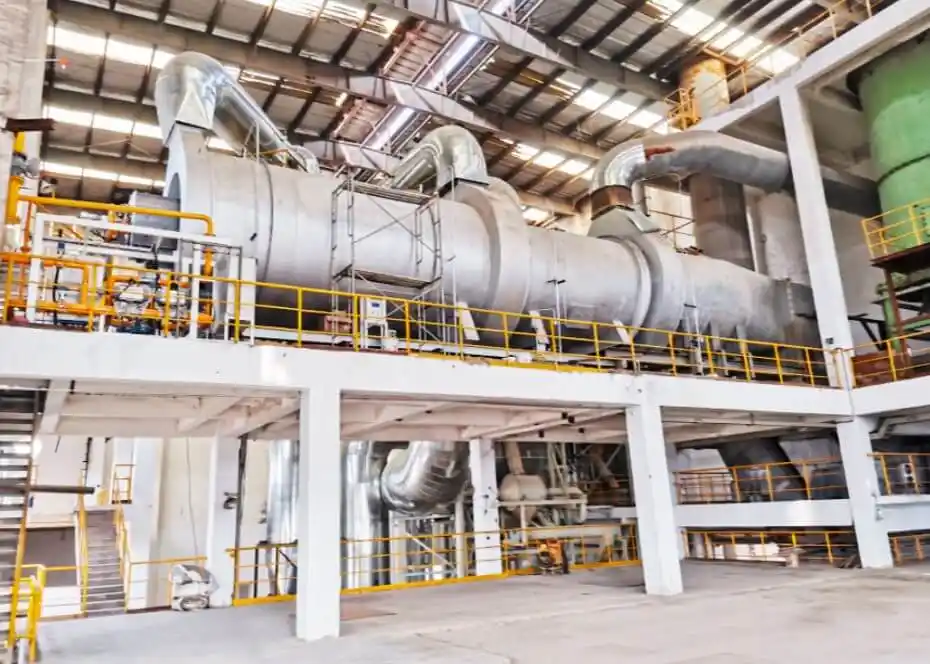
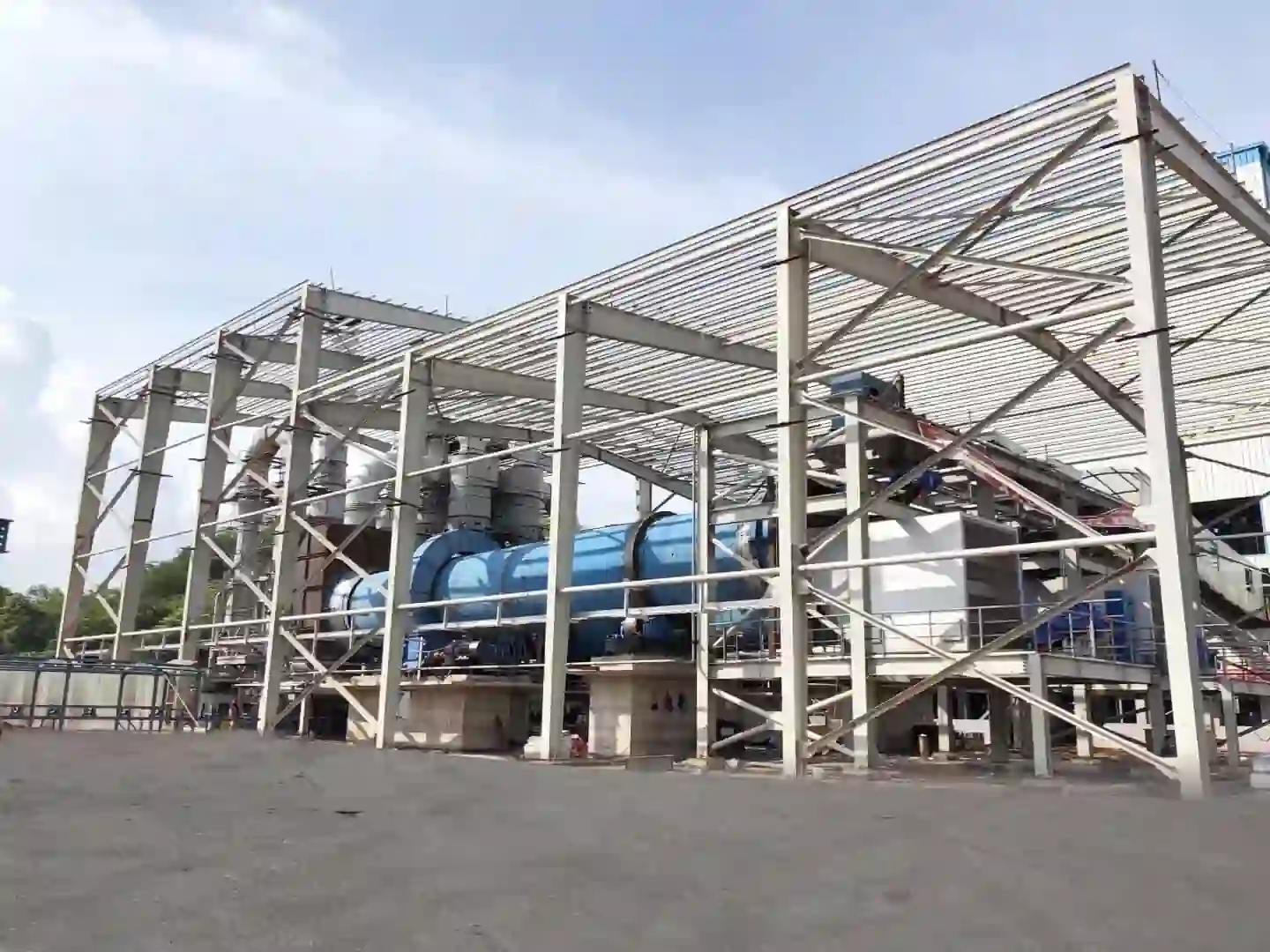
A single high-capacity burner is commonly used because the flame must penetrate deeply along the kiln axis, and strong flame momentum is required to reach the material bed. Multiple burners would not provide the same penetration and would be impractical in the rotating cylinder.
The number of burners is only one part of furnace design. Other important factors interact with the burner quantity decision and must be considered together.
Consider the flame length, flame velocity, and heat release pattern. The flame characteristics must be compatible with the furnace geometry regardless of the number of burners.
Gas circulation strongly affects heat transfer and temperature uniformity. The burner arrangement should promote effective circulation, whether through the momentum of a single flame or the combined effect of multiple flames.
Modern systems can optimize fuel distribution, burner staging, and temperature zones. The control system must be matched to the burner configuration to achieve the desired performance.
Not necessarily. Efficiency depends on furnace design, heat transfer, operating conditions, and control strategy. Multiple burners can improve efficiency by better matching heat input to load and improving temperature uniformity.
Usually they provide better control, but the final choice depends on furnace geometry and process requirements. Some large furnaces, such as rotary kilns, are better suited to a single burner.
Not necessarily. Multiple burners can reduce fuel consumption by allowing better load matching and more efficient operation. Staging burners to match demand avoids the inefficiency of operating a single burner at low fire.
It depends on furnace size and design. Large melting furnaces often benefit from multiple burners for better heat distribution and oxidation control. Smaller furnaces may use a single burner effectively.
Because heat treatment requires precise temperature uniformity and independent control of different furnace zones. Multiple burners provide the zoning and control needed to achieve consistent metallurgical properties.
The choice between one large burner and multiple small burners depends on the relationship between heat input and furnace design. There is no universally correct answer; the optimal configuration is determined by the specific combination of furnace geometry, process requirements, and performance objectives.
A single large burner provides simplicity, lower installation complexity, and easier maintenance. It is well-suited to small and medium furnaces with simple heating requirements and moderate temperature uniformity needs.
Multiple smaller burners provide better temperature uniformity, greater control flexibility, and higher operational reliability. They are preferred for large furnaces, processes requiring tight temperature control, and applications with multiple heating zones.
The best burner configuration is the one that delivers the right heat distribution, the right temperature control, and the right operating flexibility for the specific industrial process. By carefully evaluating the furnace size, uniformity requirements, process demands, and operational priorities, engineers can select the configuration that provides the optimal balance of performance, reliability, and cost.
DYDTEC Combustion specializes in industrial burner technology, combustion systems, and customized thermal solutions. The company provides industrial burner solutions for furnaces, kilns, aluminum melting systems, drying equipment, and industrial process heating applications, focusing on optimized burner configuration, flame control, energy-efficient combustion, low-emission technology, and reliable long-term operation. With deep expertise in combustion system design and furnace integration, DYDTEC supports customers in determining the optimal burner configuration for each unique application, ensuring efficient heat distribution, consistent process conditions, and cost-effective operation.