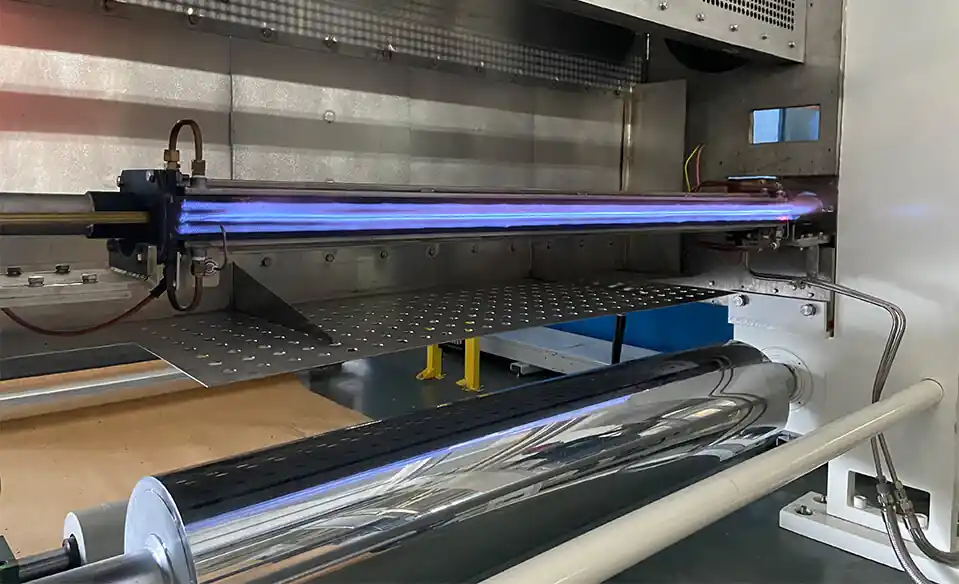
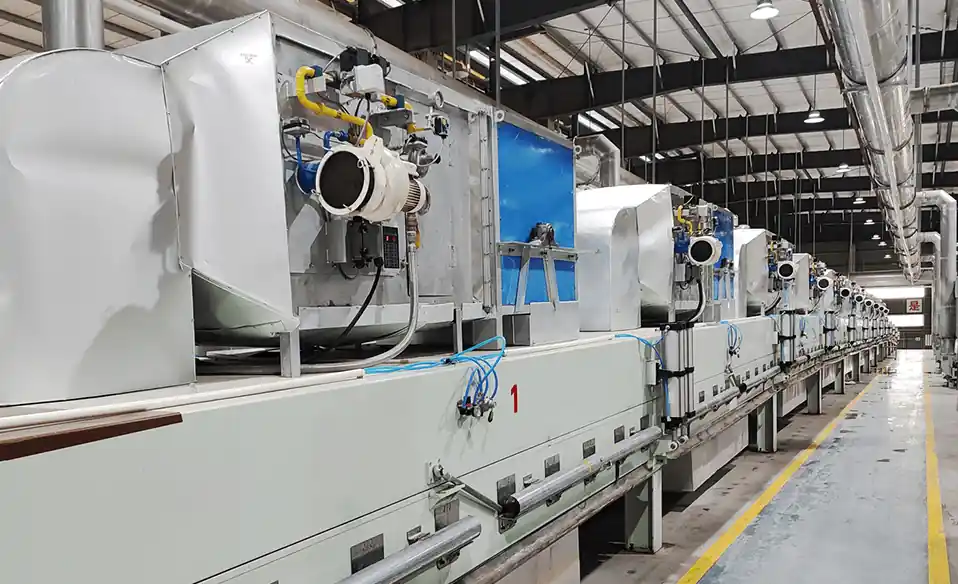
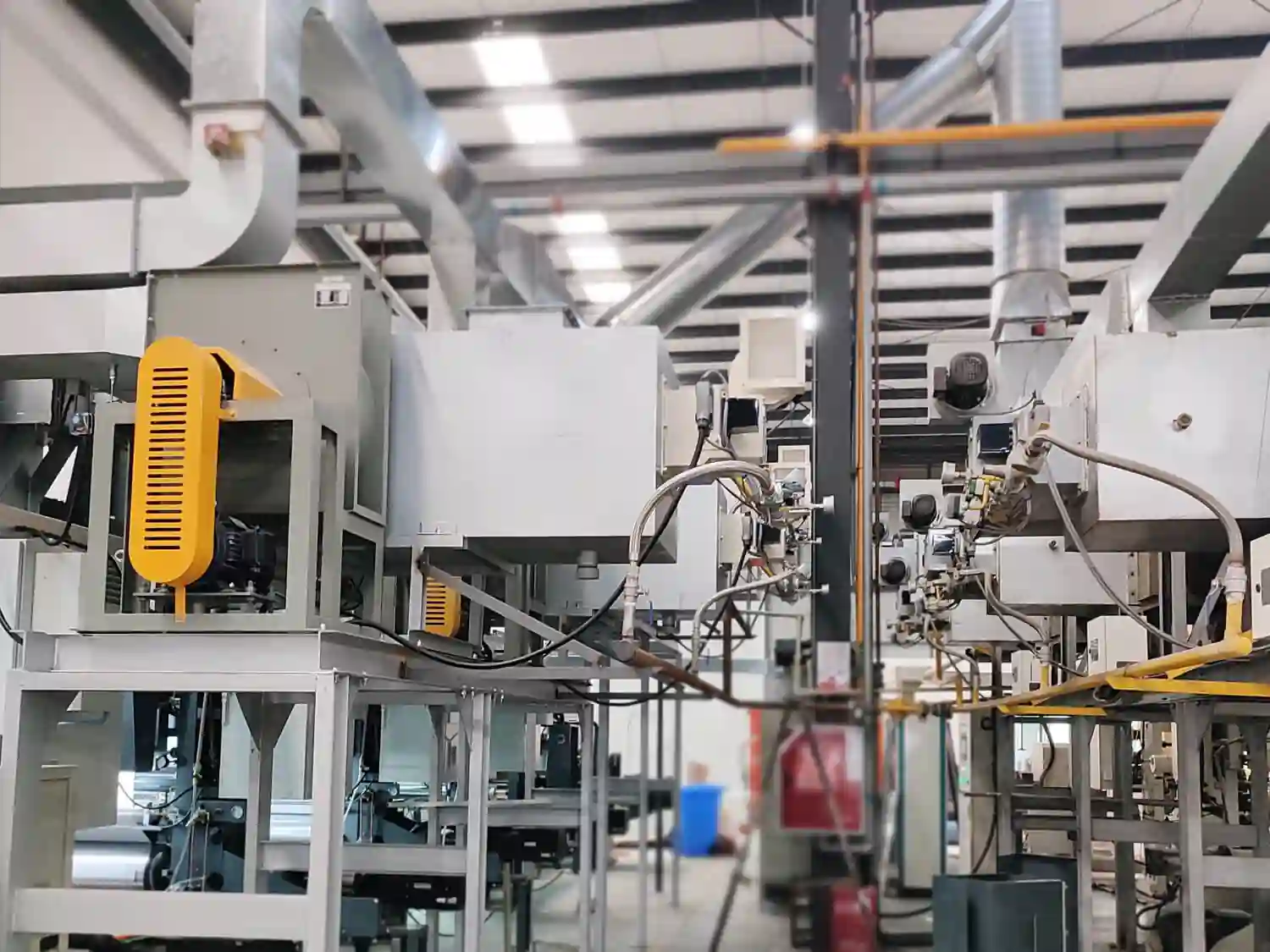
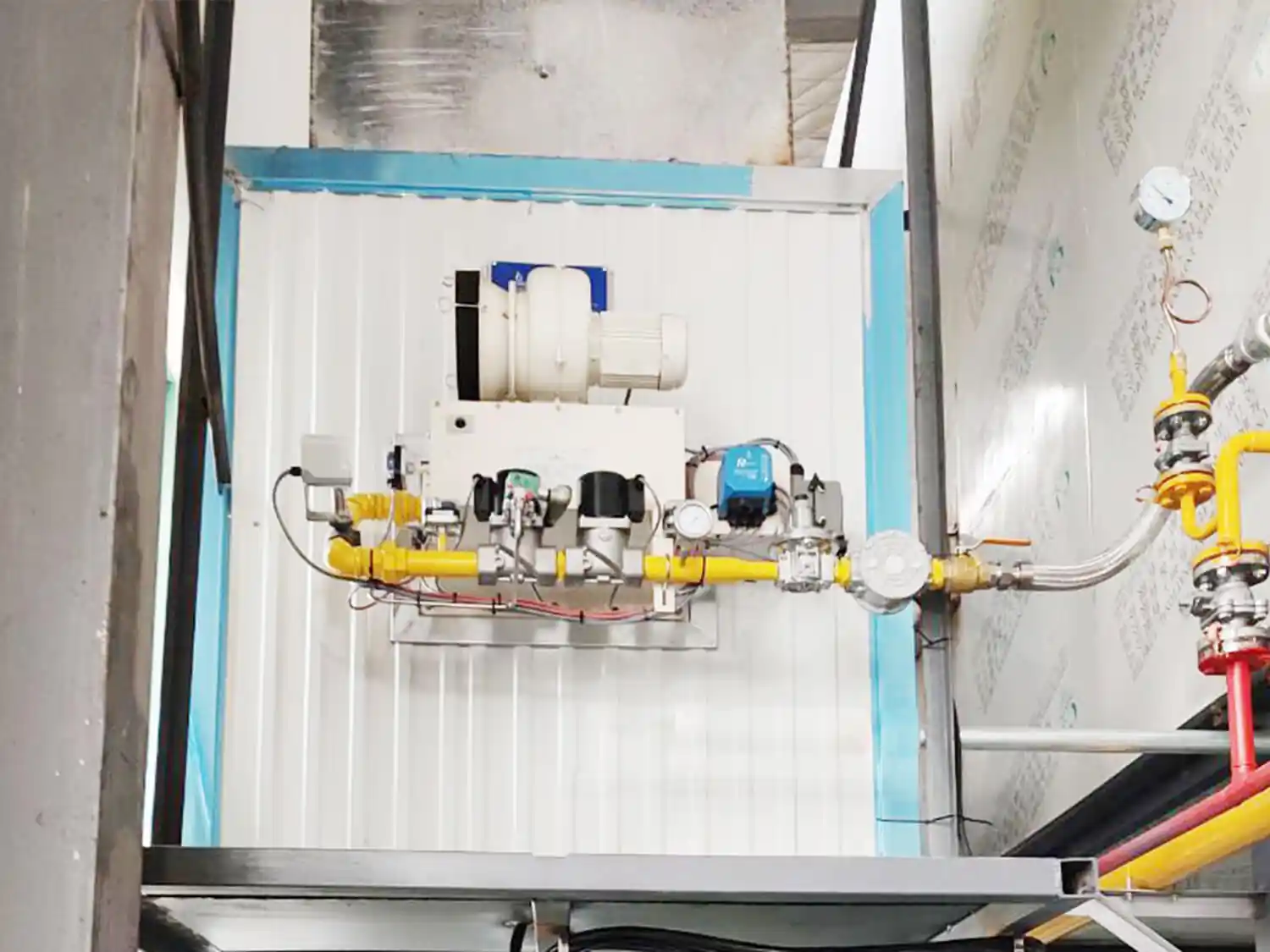
Determining how many burners a furnace needs is an important part of thermal system design. The correct number of burners affects temperature uniformity, heating efficiency, production stability, energy consumption, and equipment reliability. This decision is not merely a mathematical division of total heat demand by individual burner capacity; it is a multidimensional engineering judgment that must account for furnace geometry, process requirements, control strategy, and economic considerations.
There is no universal answer to the question:
"How many burners does a furnace need?"
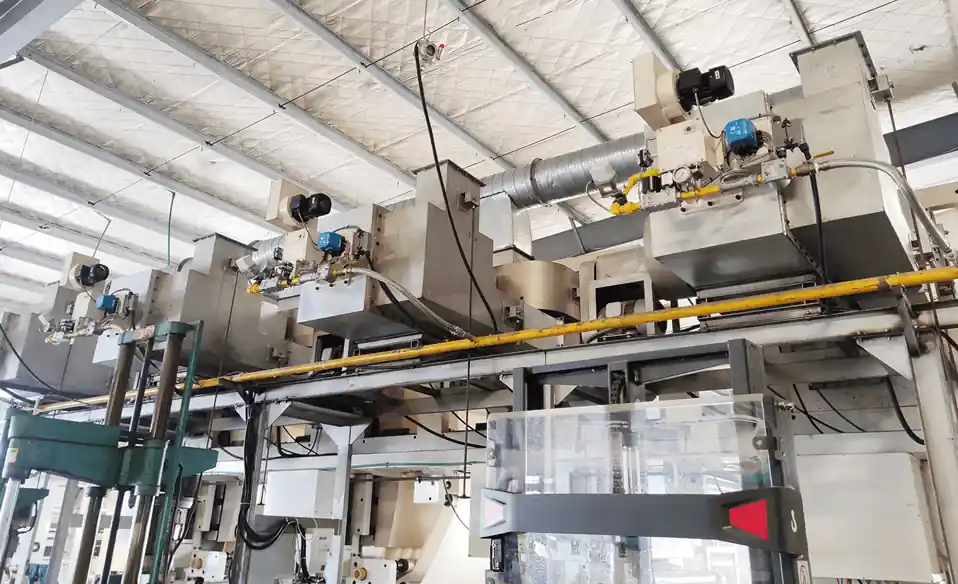
A small furnace may require only one burner, while a large industrial furnace may need dozens of burners arranged across multiple heating zones. The appropriate number varies widely depending on the specific application, and the optimal solution for one furnace may be entirely unsuitable for another.
The required burner quantity depends on:
Furnace size and geometry, defining the spatial constraints for heat distribution.
Required heat input, establishing the total thermal capacity needed.
Temperature uniformity requirements, setting the acceptable thermal gradient.
Heating process, including batch or continuous operation and thermal sensitivity.
Burner capacity, determining how much heat each burner can supply.
Flame characteristics, governing how effectively each burner covers its zone.
Production requirements, including load variability and throughput targets.
Control strategy, defining how burners will be modulated and staged.
The goal is not to install as many burners as possible, but to achieve the best balance between heat distribution, control flexibility, and operating efficiency. The optimal burner quantity is the minimum number that achieves the required thermal performance with adequate uniformity, control, and reliability.
The number of burners is mainly determined by five interconnected factors, each of which constrains the possible configurations and must be considered in relation to the others.
Total furnace heat demand, establishing the required aggregate capacity.
Furnace dimensions, defining the physical space for heat release.
Heat distribution requirements, setting the coverage needed for uniformity.
Process temperature control requirements, determining the precision needed.
Burner capacity and flame coverage, governing how much area each burner can serve.
The first step is calculating the required thermal input. This establishes the total capacity that must be provided, which is the starting point for determining burner quantity.
The total heat requirement includes:
Energy needed to heat the material from its initial condition to the process temperature.
Affected by:
Material type, with different specific heat capacities.
Production rate, establishing the continuous or batch energy demand.
Initial temperature, typically ambient but may vary.
Target temperature, the required process temperature.
Required for processes involving phase transformation that consumes significant energy:
Melting, requiring the latent heat of fusion.
Drying, requiring the latent heat of vaporization.
Evaporation, for moisture removal.
Examples:
Aluminum melting, with high latent heat requirements.
Powder drying, where moisture evaporation is the primary thermal load.
Heat losses occur through multiple pathways that must be compensated by additional burner input:
Furnace walls, through conduction and radiation.
Doors and access openings, during loading and unloading.
Exhaust gases, carrying sensible heat out of the system.
Other openings, including inspection ports and material entry/exit points.
The basic principle:
Total Burner Capacity = Required Furnace Heat Load ÷ System Efficiency
After determining total heat demand, the burner quantity can be calculated as a first approximation:
Number of Burners = Total Required Capacity ÷ Individual Burner Capacity
However, this is only the starting point and must be refined by considering the other factors.
A furnace may require a certain total heat input, but one large burner is not always the best solution. The reason is fundamental to the physics of heat transfer:
Heat distribution matters as much as heat quantity.
A single large burner may provide enough energy to meet the total heat demand but still create uneven temperature zones, hot spots, cold areas, and poor product quality. The flame from a single source is concentrated at one point, and the heat must travel through the furnace by radiation and convection. In large chambers, this results in significant temperature gradients that compromise process performance.
Multiple burners can distribute heat more effectively by releasing thermal energy from multiple locations, reducing the distance heat must travel and minimizing temperature variations across the chamber.
Furnace dimensions strongly influence burner quantity by determining the space available for flame development and the distance heat must travel to reach all parts of the chamber.
Characteristics:
Small chamber volume, with limited space for multiple burners.
Short heating distance, allowing a single flame to cover the chamber.
Simple heat distribution, with minimal thermal gradients.
Usually, one burner or 1–2 burners may be sufficient.
Applications:
Small ovens for laboratory or pilot-scale work.
Laboratory furnaces for research and development.
Compact heat treatment equipment for small components.
Characteristics:
Larger heating space, requiring more than one heat source.
More complex temperature requirements, with tighter uniformity needs.
Common configuration: 2–8 burners, depending on the furnace geometry and process requirements.
Applications:
Industrial ovens for batch production.
Medium heat treatment furnaces for automotive or aerospace components.
Small kilns for ceramic or material processing.
Characteristics:
Large volume, with a single burner unable to cover the entire chamber.
Long heating zones, requiring heat release along the furnace length.
Strict temperature requirements, demanding precise uniformity.
May require multiple burners arranged in zones, with independent control for each section.
Applications:
Tunnel kilns for continuous ceramic production.
Large heat treatment furnaces for heavy components.
Aluminum melting furnaces for high-volume production.
Continuous heating lines for steel or metal processing.
The required temperature uniformity often determines burner quantity. Tighter uniformity demands more burners to distribute heat more evenly across the chamber.
Examples:
Simple air heating, where moderate temperature variation is acceptable.
General drying, where the product can tolerate some temperature gradient.
Coarse material processing, where uniformity is not critical.
A smaller number of burners may be acceptable. The furnace can operate with moderate thermal gradients without compromising the process outcome.
Examples:
Heat treatment, where material properties depend on precise and uniform temperature.
Ceramic firing, where temperature variations cause dimensional or color differences.
Precision thermal processing, where tight tolerances are essential.
More burners are often needed to achieve the required uniformity. Benefits of additional burners include:
More even heat distribution across the entire chamber.
Independent zone adjustment, fine-tuning temperature in each area.
Reduced temperature differences, minimizing thermal gradients.
The size of each burner affects the required quantity. Larger burners provide more heat but cover a larger area less precisely, while smaller burners offer finer control but require more units to achieve the same total capacity.
A large-capacity burner provides:
Higher heat output, reducing the number of burners needed.
Longer flame, penetrating deeper into the furnace.
Stronger flame momentum, creating more circulation.
A smaller burner provides:
Better distribution flexibility, with heat released from more points.
More precise control, with each burner serving a smaller zone.
Finer adjustment, enabling tighter temperature regulation.
A furnace requires 4 MW total heat input.
Possible solutions:
Advantages: simple system with lower installation cost and fewer components.
Limitations: limited heat distribution, with a single flame source creating potential temperature gradients.
Advantages: better heat coverage across the chamber, independent control of each burner, improved temperature uniformity, and redundancy if one burner fails.
Limitations: higher system complexity, more components, and greater installation cost.
The better solution depends on furnace design, process requirements, and the value placed on temperature uniformity and operational flexibility.
Many industrial furnaces are divided into different temperature zones, each with its own thermal requirements. The burner quantity must support these zone configurations.
Examples:
May include distinct zones along the production line:
Preheating zone, gradually raising the material temperature.
Heating zone, reaching the treatment temperature.
Soaking zone, maintaining temperature for the required duration.
Cooling transition zone, beginning the controlled cooling process.
Each zone may require separate burners with independent control to achieve the desired temperature profile.
May include:
Preheating section, raising the product temperature before firing.
Firing section, achieving the peak firing temperature.
Cooling section, gradually reducing temperature after firing.
Burners are distributed according to the temperature requirements of each section, with more burners in the firing zone and fewer in the preheating and cooling zones.
(Actual selection depends on furnace design, heat demand, and process requirements.)
| Application | Typical Burner Arrangement |
|---|---|
| Small industrial oven | 1 burner, sufficient for limited chamber volume |
| Drying oven | 1 to multiple burners, depending on airflow design and temperature uniformity needs |
| Heat treatment furnace | Multiple burners, arranged by temperature zones for precise control |
| Tunnel kiln | Many burners, distributed along the length with zone-specific heat input |
| Aluminum melting furnace | One or multiple burners, depending on furnace size and melting capacity |
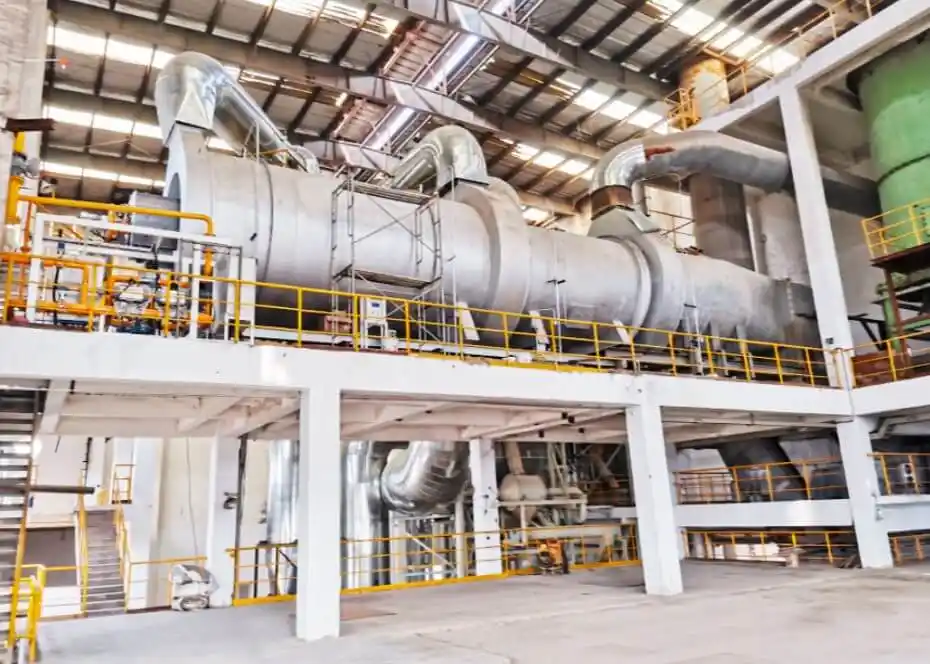
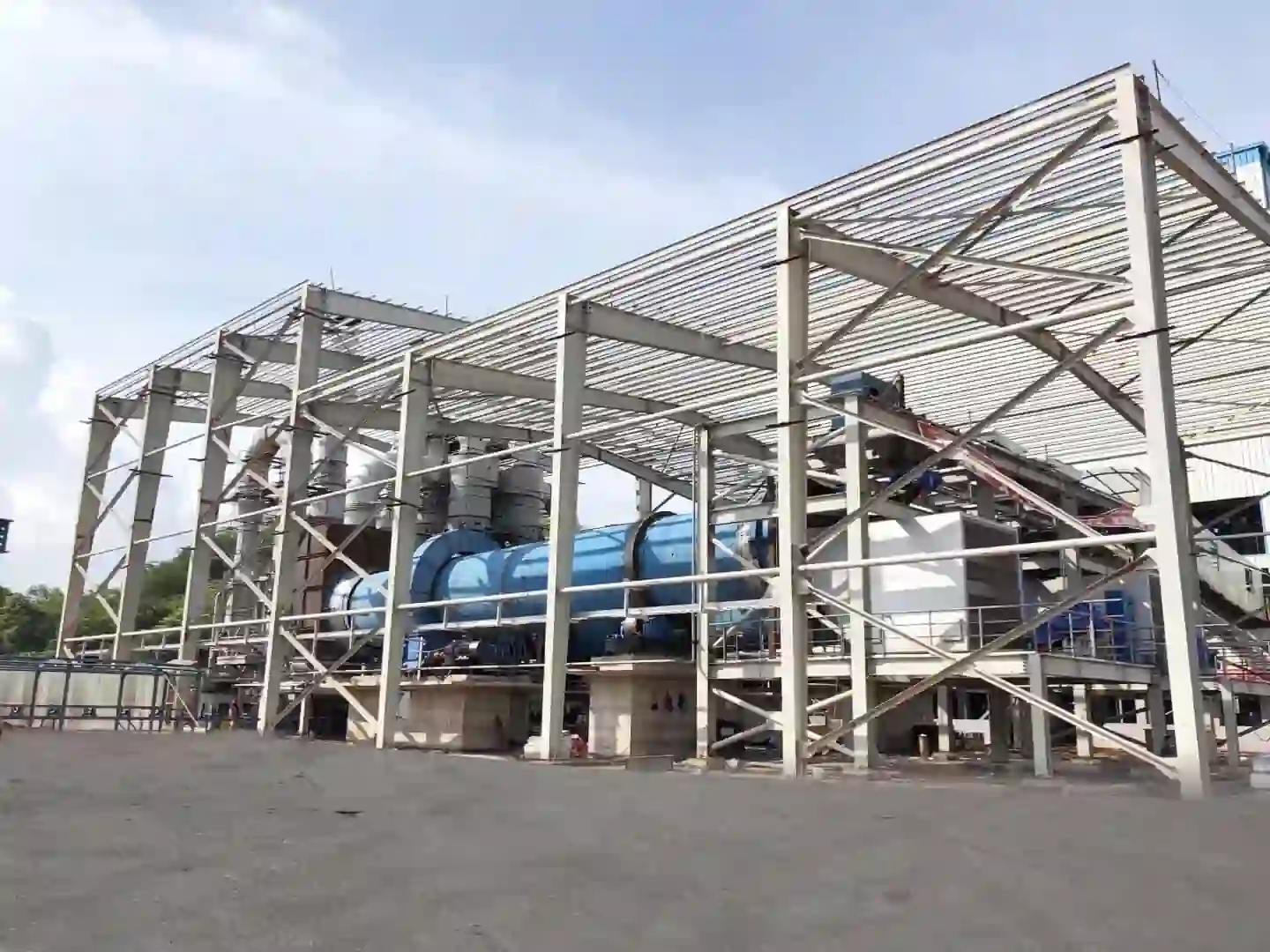
| Rotary kiln | Usually one main burner with high momentum for deep penetration |
Advantages:
Simple structure, with minimal components and connections.
Lower installation cost, reducing capital expenditure.
Easier maintenance, with only one system to service.
Suitable for small furnaces and simple heating processes where temperature gradients are acceptable.
Limitations:
Limited temperature control, with no zone-level adjustment.
Lower redundancy, with no backup if the burner fails.
Potential for thermal stratification in larger chambers.
Advantages:
Better temperature uniformity, with heat released from distributed sources.
Independent control, enabling zone-specific adjustment.
Improved flexibility, adapting to varying load conditions.
Partial redundancy, with continued operation if one burner fails.
Suitable for large furnaces, continuous production lines, and precision heating applications.
Limitations:
More complex control, requiring a sophisticated burner management system.
More components, increasing the number of potential failure points.
Higher installation and maintenance costs.
Determine the required thermal power based on product heating, phase change energy, and furnace heat losses. This establishes the aggregate capacity that the burner system must provide.
Consider the furnace size, required flame length, flame momentum, and fuel type to determine the appropriate individual burner capacity. The burner capacity should be compatible with the furnace geometry and heat distribution requirements.
Ask critical questions about thermal coverage:
Can one flame effectively cover the entire furnace?
Are there potential cold zones that need additional heat sources?
Is temperature uniformity critical for product quality?
Determine the number of temperature zones required and the need for independent control. Each zone may require separate burners or burner groups.
Balance the competing factors:
Equipment cost, including installation and commissioning.
Control accuracy, meeting the process requirements.
Energy efficiency, operating at optimal conditions.
Reliability, with adequate redundancy and serviceability.
Two systems with the same total power may perform very differently. A 5 MW furnace may need one 5 MW burner or five 1 MW burners, depending on the process requirements and furnace geometry. Total power alone does not determine the optimal configuration.
A burner must match the furnace length, chamber shape, and heat transfer distance. A burner that provides the correct capacity but insufficient flame coverage will not achieve the required temperature uniformity.
More burners do not always mean better performance. Too many burners may cause higher system complexity, increased maintenance, and higher investment without proportional improvement in uniformity or control.
If production conditions vary, burner flexibility becomes important. A configuration that works well for current production may be inadequate if load, throughput, or product requirements change in the future.
Before determining the number of burners, collect comprehensive information:
✅ Furnace type and configuration
✅ Furnace dimensions, length, width, and height
✅ Heating zones, if applicable
✅ Operating temperature, normal and maximum
✅ Insulation condition and thermal performance
✅ Material type and thermal properties
✅ Production capacity, throughput or batch size
✅ Heating cycle, ramp and soak times
✅ Temperature uniformity requirement, allowable variation
✅ Required total capacity, based on heat load calculation
✅ Individual burner capacity, selected for the application
✅ Flame length, compatible with furnace geometry
✅ Flame momentum, providing adequate circulation
✅ Turndown ratio, covering the operating range
✅ Load variation, expected range of heat demand
✅ Energy efficiency target, fuel consumption goals
✅ Emission limits, applicable environmental standards
✅ Maintenance strategy, service access and frequency
Sometimes, but not always. A single burner may provide enough heat but may not achieve the required temperature uniformity. The decision depends on the furnace size, geometry, and process requirements.
It depends on furnace size, heat demand, and temperature control requirements. Large furnaces often require multiple burners arranged by heating zones to achieve the necessary uniformity and control.
Not automatically. The correct number of burners improves efficiency by optimizing heat distribution and operating conditions. More burners can improve efficiency if they enable better load matching and reduce thermal gradients, but excess burners can increase losses and complexity.
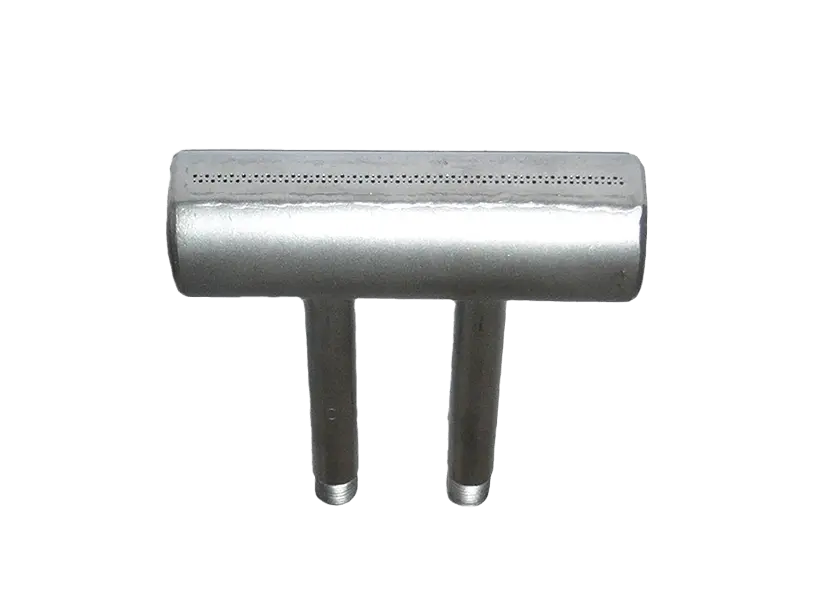
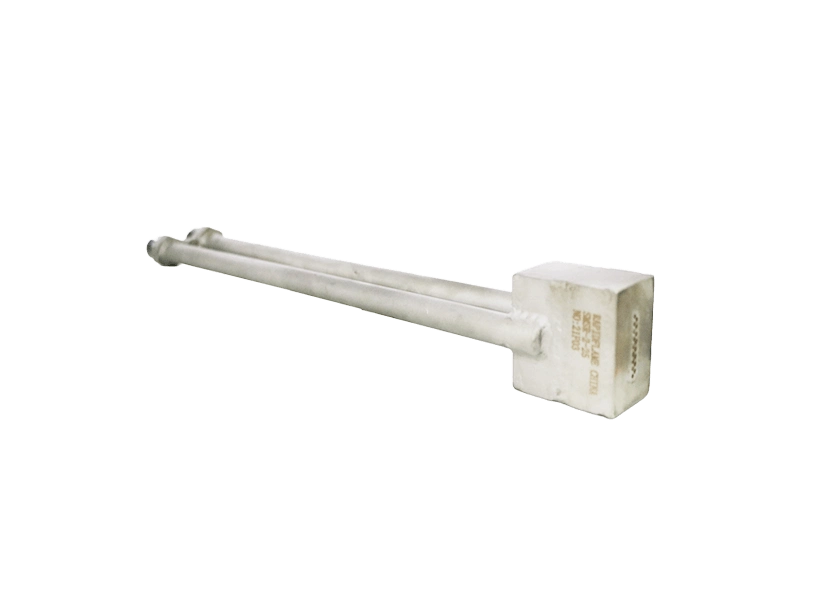
It depends on airflow design, drying capacity, and temperature uniformity requirements. Some systems use one burner with a hot air generator, while others use multiple burners or linear burner systems for improved air temperature consistency.
Because continuous furnaces require precise temperature profiles along the production line, which is easier to achieve with multiple controlled heating zones. Each zone can be independently adjusted to maintain the required thermal gradient.
The number of burners a furnace needs depends on more than heat output. It depends on how effectively heat must be distributed and controlled inside the furnace. The burner quantity is a design variable that must be optimized based on the specific combination of furnace geometry, process requirements, and operational objectives.
A correct burner quantity selection should balance:
Total heat demand, ensuring sufficient capacity.
Furnace geometry, providing adequate coverage.
Temperature uniformity, meeting product quality requirements.
Production requirements, accommodating load variations.
Control flexibility, enabling zone-level adjustment.
Operating cost, balancing initial investment with energy efficiency.
For small and simple furnaces, one burner may be sufficient and cost-effective. For large industrial systems requiring precise thermal control, multiple burners are often the better solution.
The best furnace burner configuration is not the one with the most burners or the largest burner—it is the one that delivers uniform heating, stable combustion, efficient energy use, and reliable operation for the specific industrial process. By carefully evaluating the furnace, process, and operational requirements, engineers can determine the optimal burner quantity that achieves the required performance with the most cost-effective configuration.
DYDTEC Combustion specializes in industrial burner technology, combustion systems, and customized thermal solutions. The company provides industrial burner solutions for furnaces, kilns, aluminum melting systems, drying equipment, and industrial process heating applications, focusing on furnace burner selection, optimized heat distribution, combustion efficiency, low-emission technology, and reliable long-term operation. With deep expertise in thermal system design and burner configuration engineering, DYDTEC supports customers in determining the optimal burner quantity and arrangement for each unique application, ensuring efficient heat delivery, consistent process conditions, and cost-effective operation.