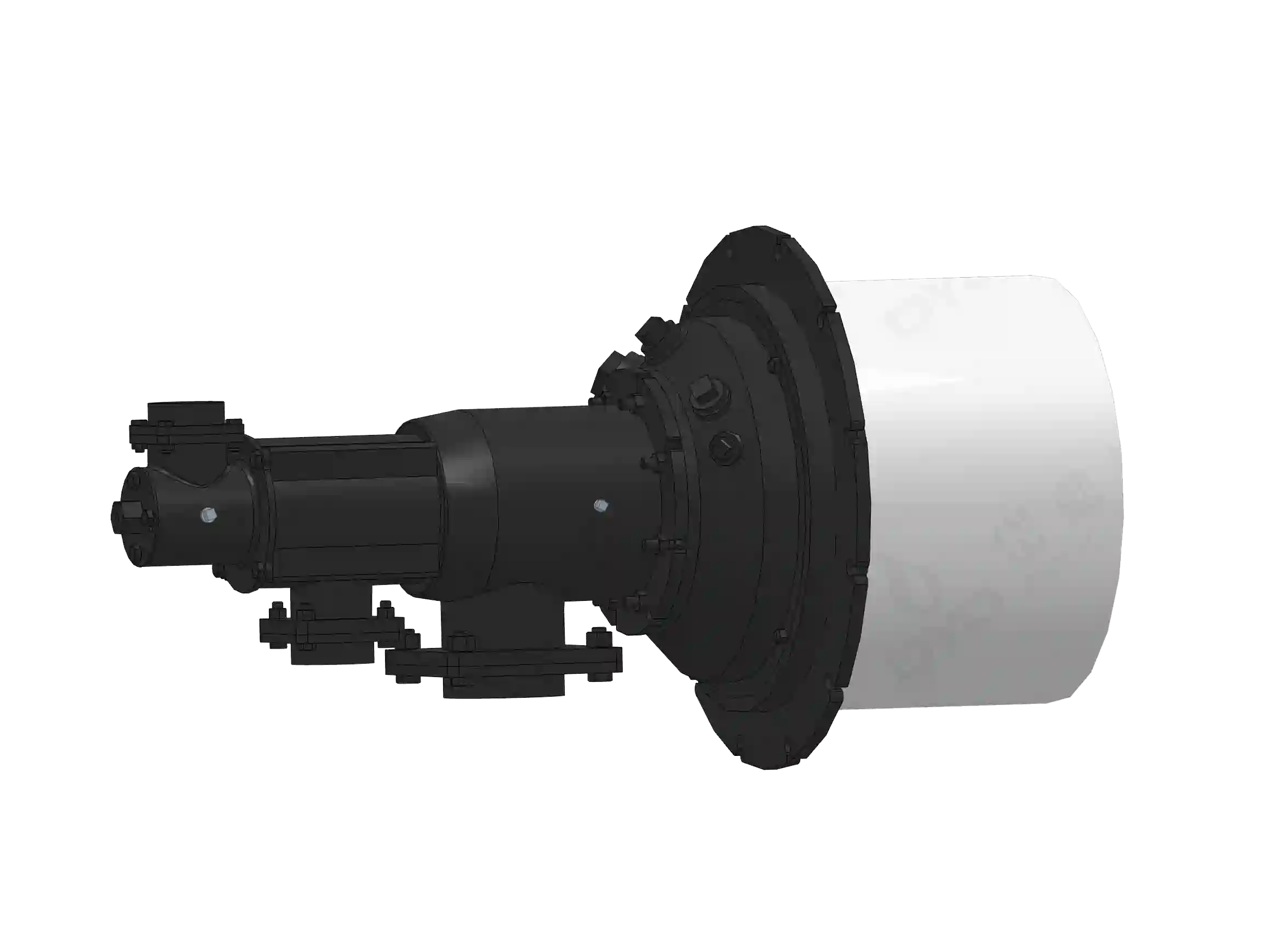
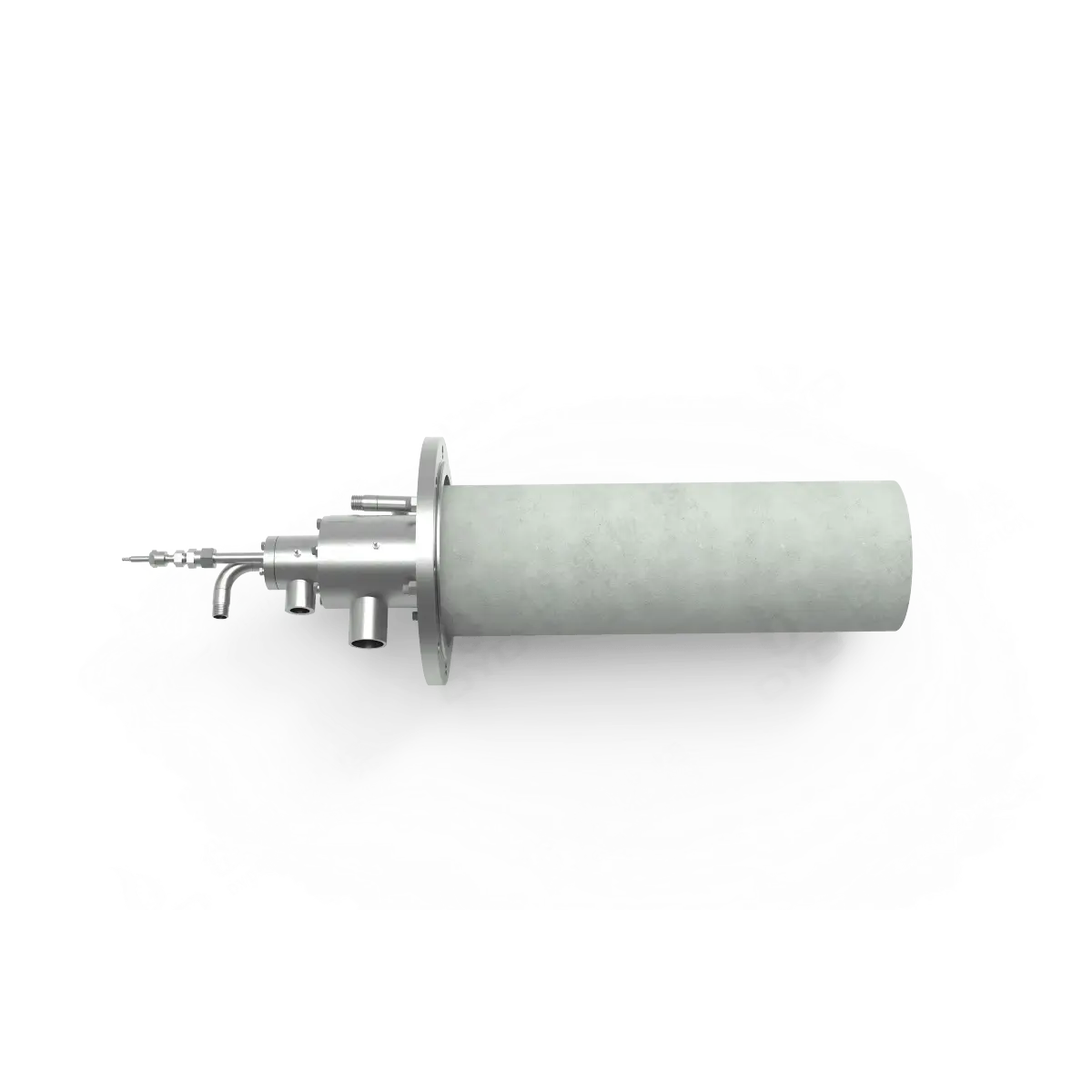
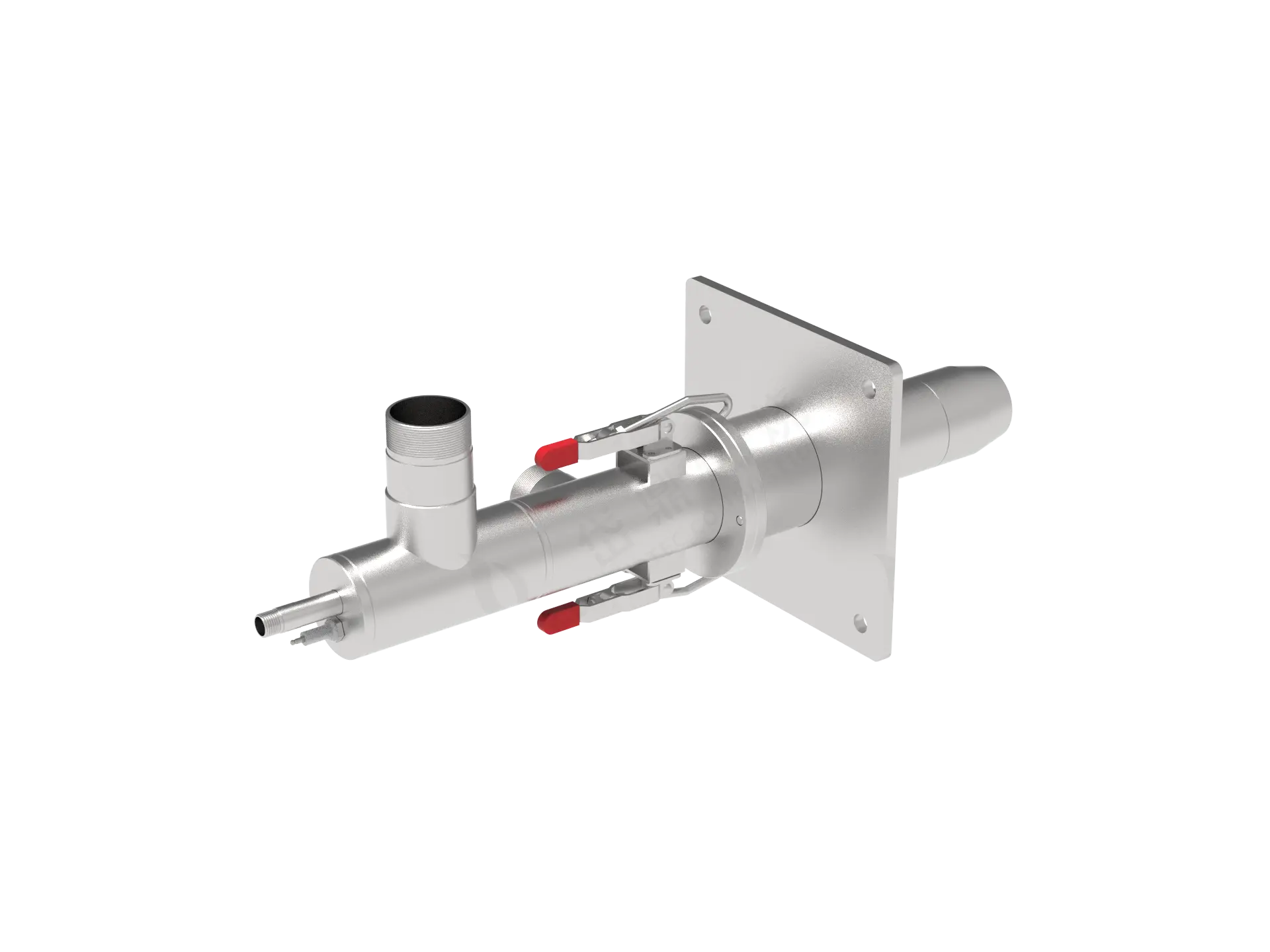
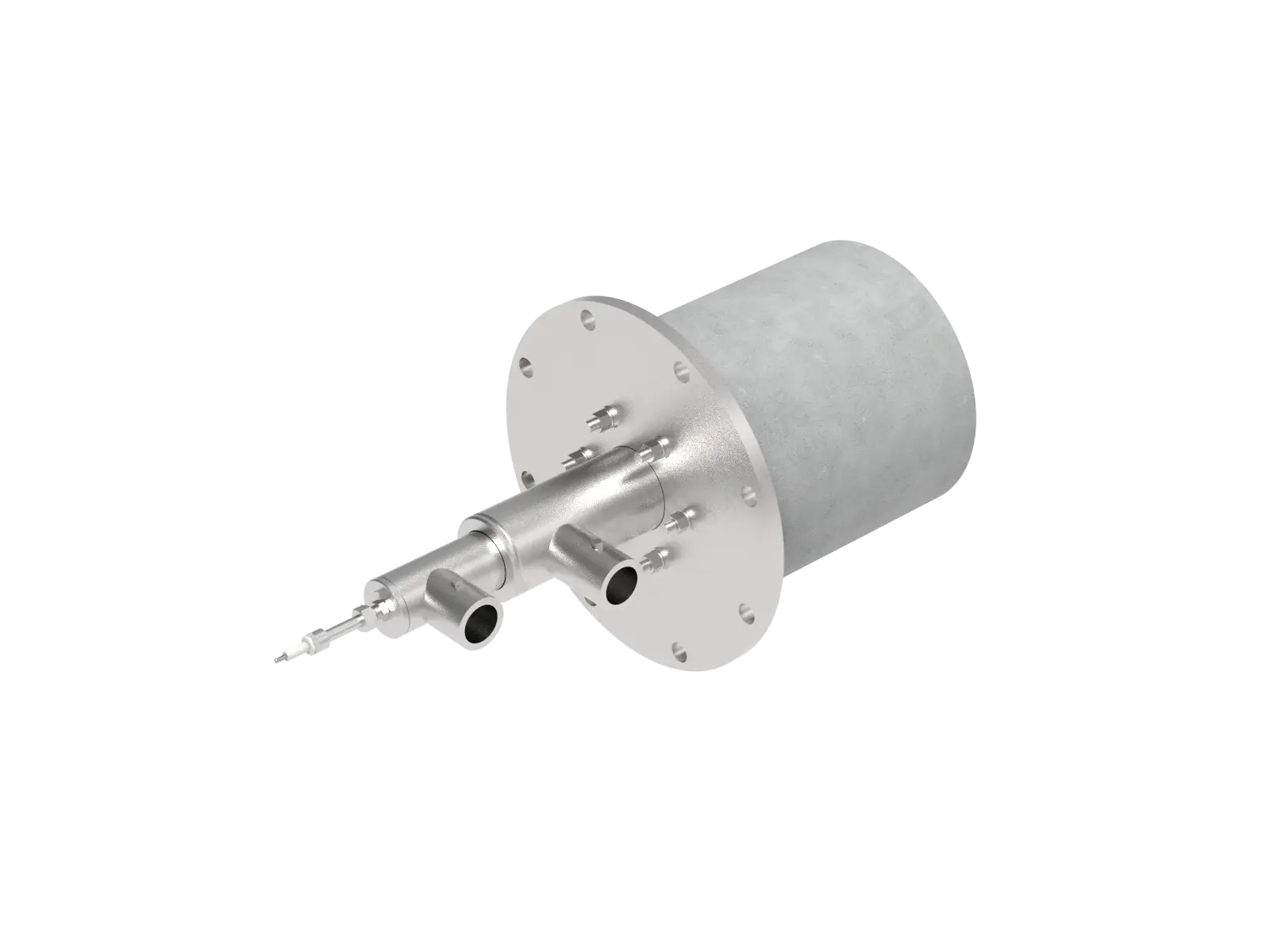
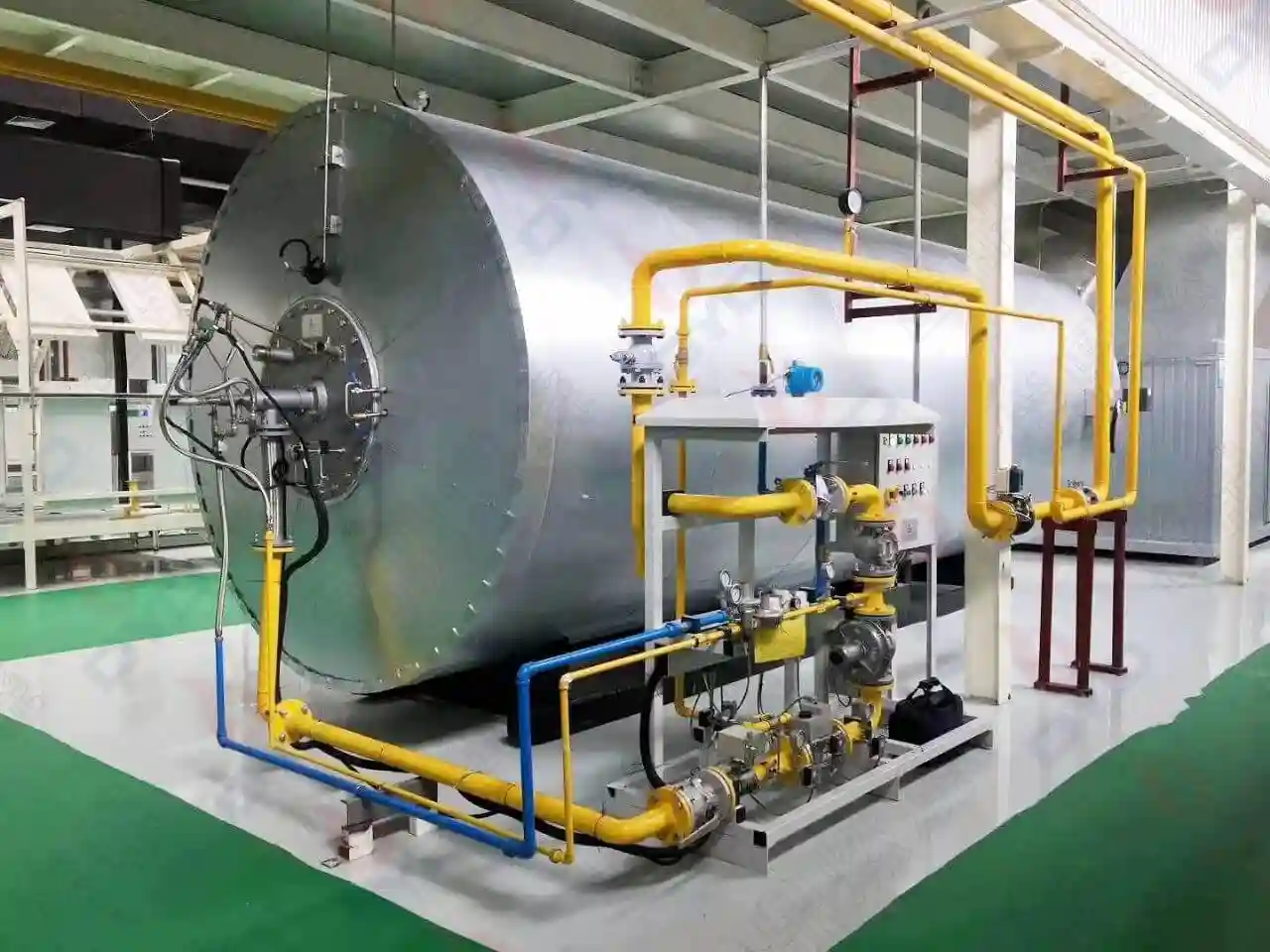
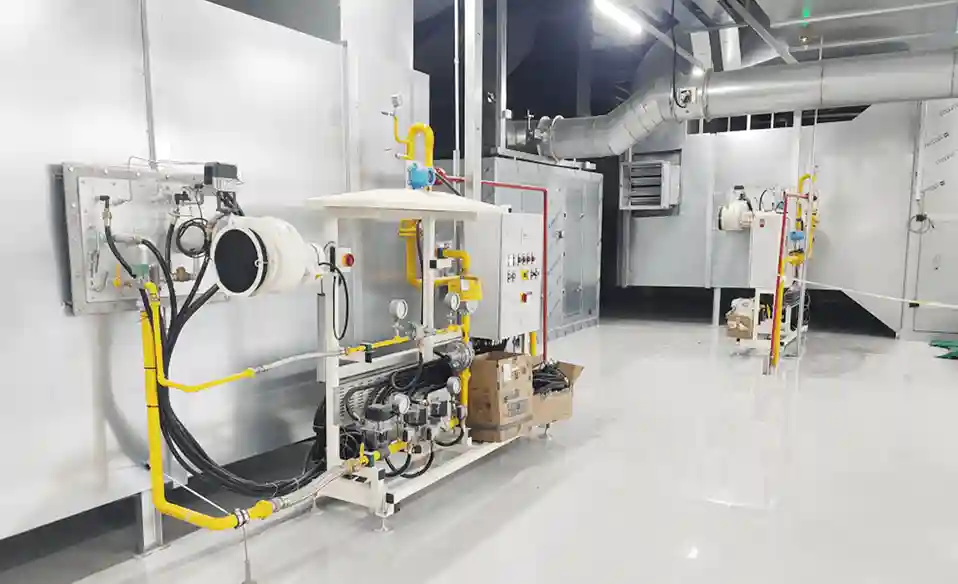
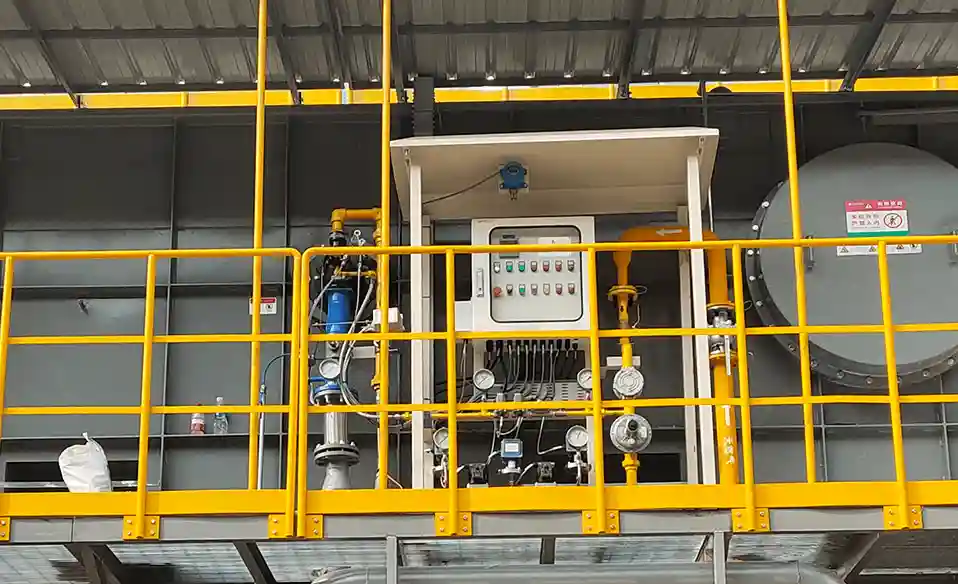
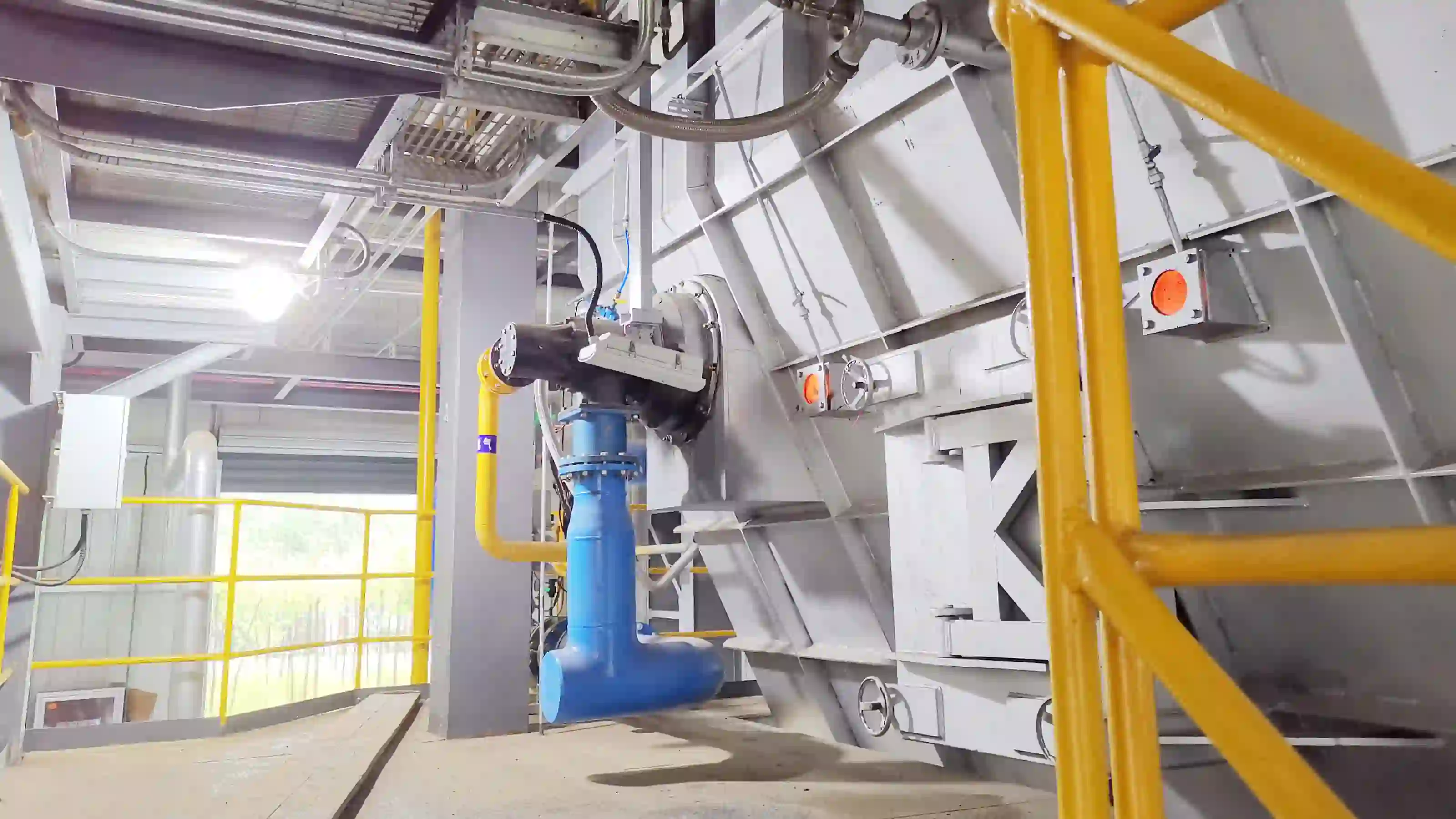
An undersized burner can prevent an industrial heating system from achieving the required performance, leading to slow heating, unstable operation, reduced production capacity, and increased operating costs. While the previous discussion of oversized burners focused on control problems, cycling losses, and inefficiency at low fire, an undersized burner creates a fundamentally different set of challenges: it simply cannot provide enough thermal energy to meet the process demand. The burner operates at its maximum limit, yet the system falls short of its thermal objectives.
While an oversized burner creates control problems, an undersized burner creates a different set of challenges: it simply cannot provide enough thermal energy to meet the process demand. The consequences ripple through the entire production operation, limiting output, increasing costs, and compromising quality.
An undersized burner may cause:
Failure to reach target temperature, making the process impossible to complete.
Extended heating cycles, reducing production throughput.
Reduced production output, limiting plant capacity.
Continuous operation at maximum load, accelerating wear.
Poor temperature recovery, delaying production after each interruption.
Increased fuel consumption per unit of production, raising operating costs.
Product quality issues, from inadequate or inconsistent thermal treatment.
The correct burner should not only provide enough maximum heat output but also operate efficiently within the actual process range. Adequate capacity with appropriate turndown is the goal.
A burner is considered undersized when its maximum heat output is lower than the actual heat demand of the furnace or thermal process. The burner cannot provide sufficient thermal energy to achieve the required temperature, heating rate, or production throughput, even when operating at its maximum capacity.
Example:
Required furnace heat demand: 2 MW
Installed burner capacity: 1 MW
The burner must operate continuously at maximum capacity but still cannot provide sufficient heat to meet the process requirements. The gap between demand and supply results in a chronic inability to achieve the thermal objectives of the operation.
Several factors can lead to insufficient burner capacity, often resulting from incomplete analysis or changes that were not anticipated.
The most common cause is underestimating the actual heat requirement. Important factors may be overlooked: material heating load, moisture evaporation, furnace heat losses, production increases, and seasonal temperature changes. A heat balance that fails to include all energy inputs and losses will result in a calculated demand that is lower than reality.
A furnace may initially operate at lower capacity, but later production increases require higher throughput. For example, an initial requirement of 500 kg/h material throughput may grow to 800 kg/h. The original burner, sized for the lower demand, may no longer provide enough heat for the increased production rate.
Furnace volume alone does not determine burner capacity. A large furnace with excellent insulation may require less heat than a smaller furnace with poor insulation, frequent openings, or high production rates. The relationship between furnace size and heat demand is not linear.
The original burner may become undersized after higher production targets, different materials, higher operating temperatures, or shorter heating cycles are introduced. Any change that increases the thermal demand without a corresponding increase in burner capacity can render the burner undersized.
The most obvious symptom of an undersized burner is insufficient heating capacity. The burner operates continuously at maximum output, but the furnace temperature plateaus below the required setpoint.
The burner operates continuously, but furnace temperature stops increasing, target temperature cannot be reached, and the heating process becomes unstable.
A heat treatment furnace requires 900°C operating temperature, but the burner can only maintain 750–800°C. The required metallurgical transformation does not occur, and the material fails to achieve its specified properties.
Possible causes:
Insufficient burner capacity for the thermal load.
Excessive heat loss through walls or openings.
Poor combustion efficiency, reducing effective heat input.
An undersized burner increases heating duration. The burner must operate for a longer period to deliver the same total heat energy.
Example:
Required heating time: 2 hours
Actual heating time: 4 hours
Consequences:
Lower production efficiency, as fewer batches can be processed.
Increased labor cost, with operators spending more time per cycle.
Reduced equipment utilization, as the furnace is occupied longer.
A properly sized burner should have operating flexibility, with capacity to handle load variations and some margin for recovery. An undersized burner often operates at 90–100% output continuously, leaving no room for adjustment or reserve.
This causes:
No capacity margin, making the system vulnerable to any increase in demand.
Poor response to load changes, as the burner has no reserve to draw upon.
Increased component stress, from continuous operation at maximum rated output.
Industrial furnaces frequently experience heat losses from door opening, material loading, and cold product entering the furnace. A correctly sized burner should quickly restore temperature after these disturbances. An undersized burner may cause slow recovery after loading, temperature fluctuations, and production delays.
The burner simply cannot deliver enough heat to overcome the thermal losses and bring the system back to setpoint within an acceptable time.
Many industrial processes depend on heating speed. An undersized burner can limit material throughput, production speed, and furnace utilization.
Insufficient burner capacity may cause longer melting cycles, lower melting rate, and reduced output. A furnace that should melt a full charge in two hours may take three or four hours, cutting production capacity by 30% to 50%.
Insufficient burner capacity may cause incomplete drying, higher moisture content, and lower production speed. The system cannot evaporate moisture at the required rate, forcing slower material flow.
Insufficient heating may cause longer cycles and inconsistent material properties. The required metallurgical transformations do not complete within the planned cycle time.
Some users assume that a smaller burner consumes less fuel and is therefore more economical. However, an undersized burner can increase energy cost per unit of product.
Reasons:
Longer operating time, with the burner running for extended periods.
More heat loss during extended cycles, as heat escapes during the longer process.
Lower production efficiency, with more energy consumed per batch or per tonne.
Example: Two furnaces may consume similar fuel per hour, but the undersized system produces less output. The result is higher energy consumption per ton of product. While the fuel rate may be lower, the total fuel consumed per unit of output is higher.
Operating continuously near maximum capacity may create problems with combustion stability. The burner is being asked to deliver its maximum output, leaving no margin for fluctuations in fuel pressure, air supply, or other operating variables.
Potential issues:
Reduced flame adjustment range, with the burner fixed near maximum.
Less flexibility during load changes, as the burner cannot increase output to meet temporary spikes in demand.
Difficulty maintaining air-fuel ratio, with possible drift toward rich or lean combustion.
Possible results:
Increased CO emissions, from incomplete combustion.
Flame instability, with fluctuations that affect temperature control.
Reduced combustion efficiency, from suboptimal air-fuel ratio.
Insufficient heating affects process quality by preventing the material from receiving the required thermal treatment.
Possible problems:
Incorrect hardness, from incomplete phase transformation.
Uneven mechanical properties, from inconsistent temperature exposure.
Incomplete heat treatment, with residual stresses or insufficient property development.
Possible problems:
Under-firing, with incomplete vitrification or phase transformation.
Uneven firing, with variations across the load.
Product defects, including dimensional instability or poor surface quality.
Possible problems:
Residual moisture, below specification.
Uneven drying, with some areas over-dried and others wet.
Material degradation, from prolonged heating.
Common signs that indicate a burner may be undersized:
✅ Burner operates near maximum output most of the time.
✅ Furnace struggles to reach set temperature, with the temperature plateauing below target.
✅ Heating time is longer than expected for the batch size.
✅ Temperature drops significantly after loading, with slow recovery.
✅ Burner rarely reduces output or operates at modulation.
✅ Production capacity cannot be increased because the furnace is the bottleneck.
✅ Product quality becomes inconsistent, with batch-to-batch variation.
✅ Energy cost per product increases, despite lower fuel rate.
✅ Operators frequently adjust settings manually to compensate for inadequate heating.
Several solutions are possible, ranging from modifications to the existing system to complete replacement.
The most direct solution is installing a burner that matches the actual heat demand. This addresses the root cause by providing sufficient capacity.
Benefits:
Faster heating, reducing cycle times.
Better temperature recovery, improving response to load changes.
Increased production capacity, removing the furnace bottleneck.
Instead of replacing one burner, additional burners can be installed to increase capacity while potentially improving heat distribution.
Example:
Existing: 1 × 500 kW burner
Upgrade: 2 × 500 kW burners
Advantages:
Increased total capacity, meeting the heat demand.
Better heat distribution, with heat released from multiple points.
Improved control flexibility, with staging capability.
Before increasing burner capacity, reduce unnecessary heat losses to make better use of existing heat input.
Possible improvements:
Upgrade insulation to reduce wall losses.
Reduce air leakage through doors and openings.
Improve furnace sealing, minimizing infiltration.
Recover exhaust heat, preheating combustion air or incoming materials.
A poorly adjusted burner may appear undersized even when its capacity is sufficient. Before concluding that replacement is necessary, check:
Fuel pressure, ensuring adequate supply.
Combustion air supply, verifying proper airflow.
Air-fuel ratio, confirming correct settings.
Burner adjustment, checking for mechanical or control issues.
Proper selection requires considering multiple factors rather than taking a simple approach.
Include material heating, melting energy, moisture evaporation, and heat losses. The heat load calculation should be based on actual process conditions with appropriate margins.
Consider current production, future expansion, and peak operating conditions. The burner should support the highest anticipated demand.
A faster process requires higher heat input and better heat transfer. The heating rate should match the production cycle requirements.
Consider furnace size, insulation, burner location, and exhaust system. The burner capacity must be compatible with the furnace geometry and thermal characteristics.
| Item | Undersized Burner | Correctly Sized Burner |
|---|---|---|
| Heating speed | Slow | Optimized |
| Target temperature | Difficult to reach | Easily achieved |
| Production capacity | Limited | Meets requirements |
| Energy efficiency | Lower | Higher |
| Temperature recovery | Poor | Good |
| Operating stress | High | Balanced |
| Process stability | Poor | Stable |
| Aspect | Oversized Burner | Undersized Burner |
|---|---|---|
| Primary symptom | Cycling, poor control | Cannot reach temperature, slow heating |
| Efficiency impact | Poor at low fire, cycling losses | Low output per unit of fuel |
| Production impact | Inconsistent quality | Reduced throughput |
| Equipment impact | Thermal stress, cycling wear | Continuous max load, accelerated wear |
| Solution direction | Reduce capacity or improve turndown | Increase capacity or improve efficiency |
Usually it does not damage the furnace directly, but continuous operation at maximum load may increase stress on combustion components and reduce process reliability. Extended heating cycles may also increase thermal stress on refractory.
Signals include difficulty reaching temperature, long heating times, continuous maximum firing, and reduced production capacity. If the burner operates at 90% to 100% of maximum output during normal production, it is likely undersized.
No. Oversizing creates its own problems, including cycling, poor efficiency, and emissions issues. The correct approach is accurate heat load calculation and proper capacity matching, selecting a burner that provides adequate capacity without excessive oversizing.
Yes. Longer heating cycles and lower productivity can increase energy consumption per unit of product. While the burner may consume less fuel per hour, the extended operating time results in higher fuel per tonne.
It depends on the furnace. Additional burners may improve heat distribution and provide staging capability, while replacement may be better for simple systems with single-burner configurations. The choice depends on the specific furnace design and process requirements.
An undersized burner cannot provide the thermal energy required by the process, resulting in slower heating, reduced production efficiency, and unstable operation. The consequences are not limited to temperature control; they affect production capacity, product quality, and operating costs. The burner becomes a bottleneck that limits the entire operation.
A properly selected burner should provide:
Sufficient heat capacity to meet maximum demand.
Adequate operating margin for normal variations.
Stable combustion across the firing range.
Good temperature recovery after load changes.
Efficient fuel utilization at the normal operating point.
The best burner selection balances current production needs, future capacity requirements, furnace design, and energy efficiency goals. Neither oversizing nor undersizing is acceptable; the correct approach is matching the burner to the actual thermal demand.
Choosing the correct burner size helps industrial users achieve:
Faster heating cycles, improving productivity.
Higher productivity, maximizing output.
Lower energy cost per product, reducing operating expenses.
Better process stability, supporting consistent quality.
Longer equipment life, minimizing capital replacement costs.
A burner should be neither oversized nor undersized—it should be correctly matched to the thermal process. Accurate heat load analysis, consideration of future requirements, and careful matching of burner characteristics to furnace geometry are the keys to successful burner sizing.
DYDTEC Combustion specializes in industrial burner technology, combustion systems, and customized thermal solutions. The company provides industrial burner solutions for furnaces, kilns, drying equipment, aluminum melting systems, and industrial process heating applications, focusing on burner sizing, combustion optimization, energy-efficient heating solutions, low-emission technology, and reliable long-term operation. With deep expertise in heat load analysis and burner capacity selection, DYDTEC supports customers in accurately sizing burners to match their process requirements, ensuring efficient, reliable, and cost-effective thermal performance across a wide range of industrial applications.