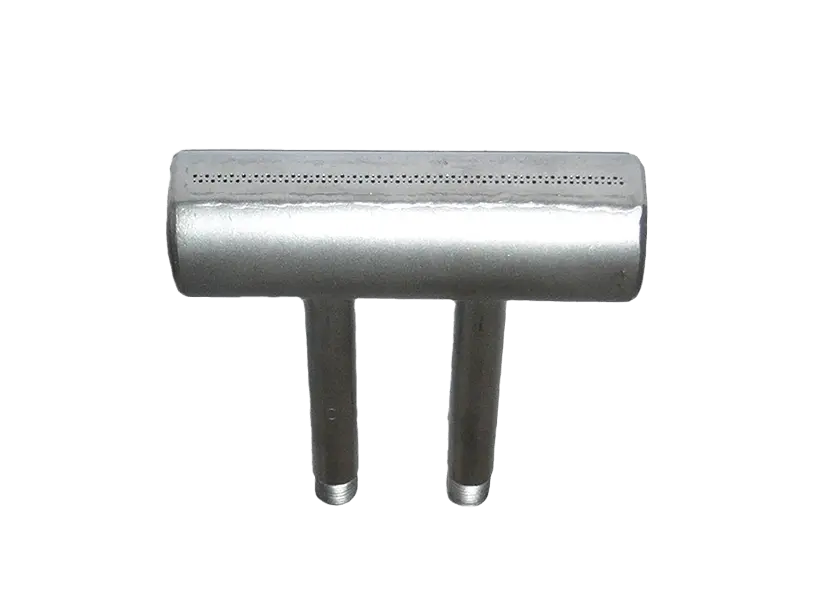
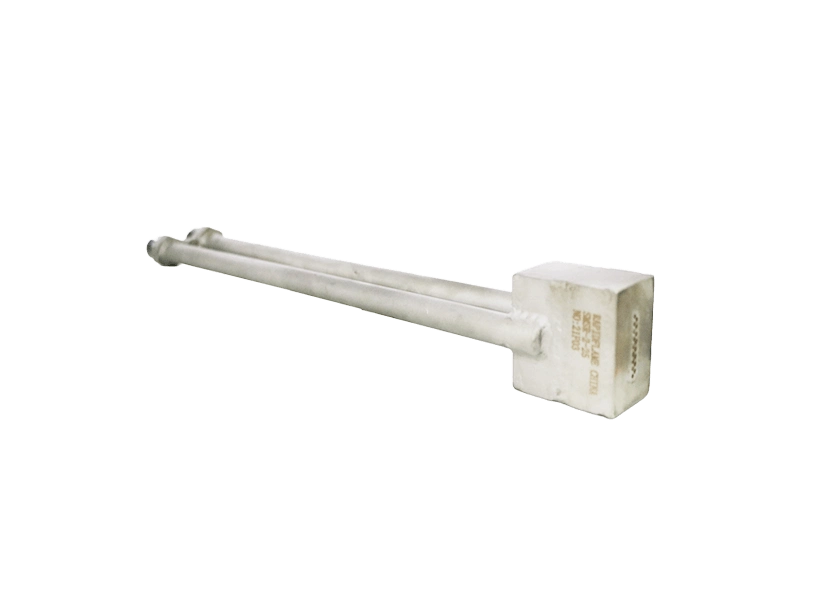
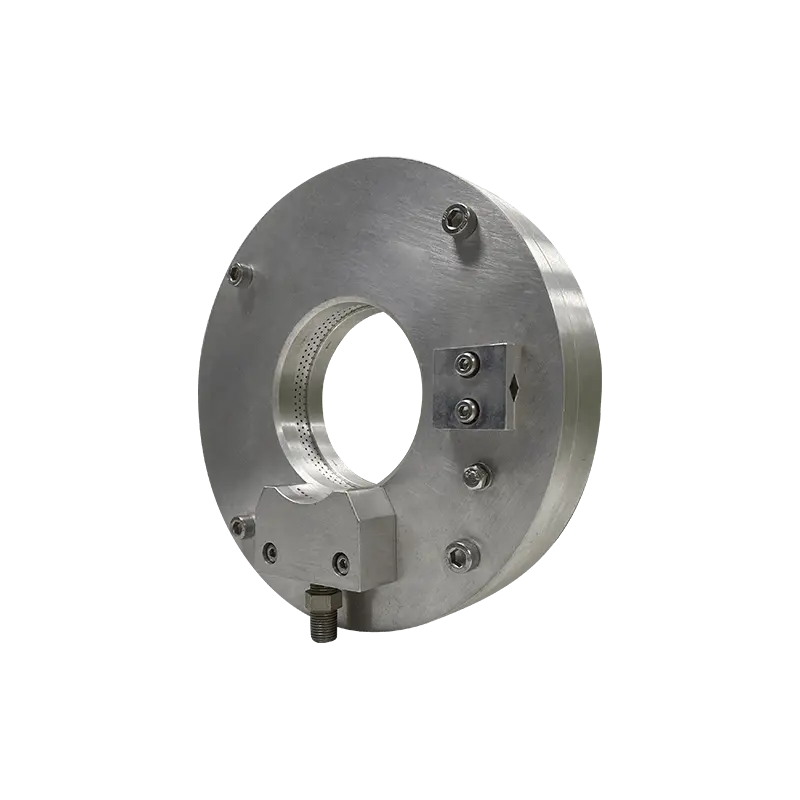
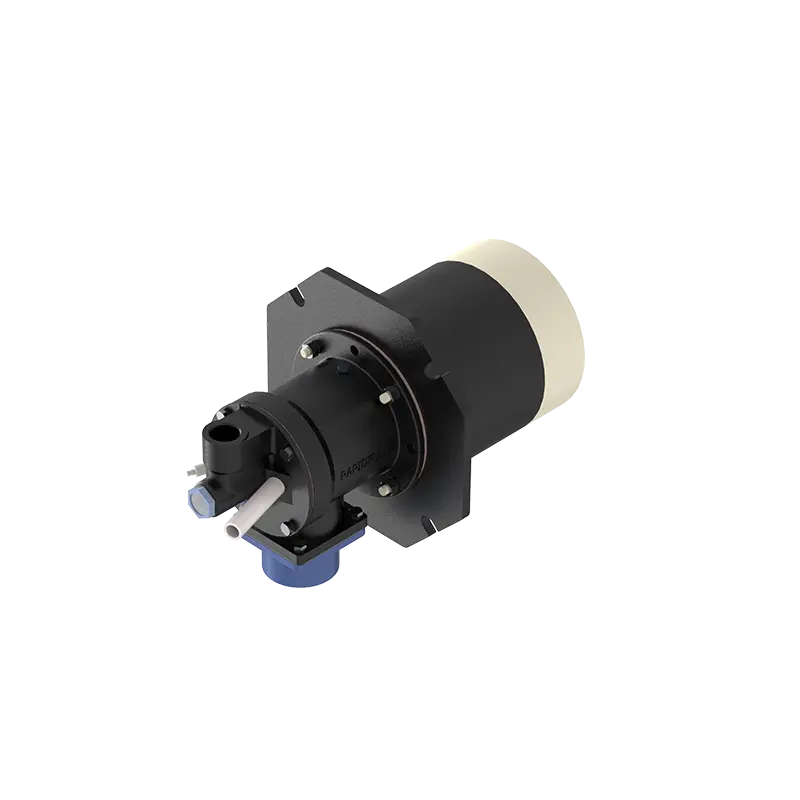
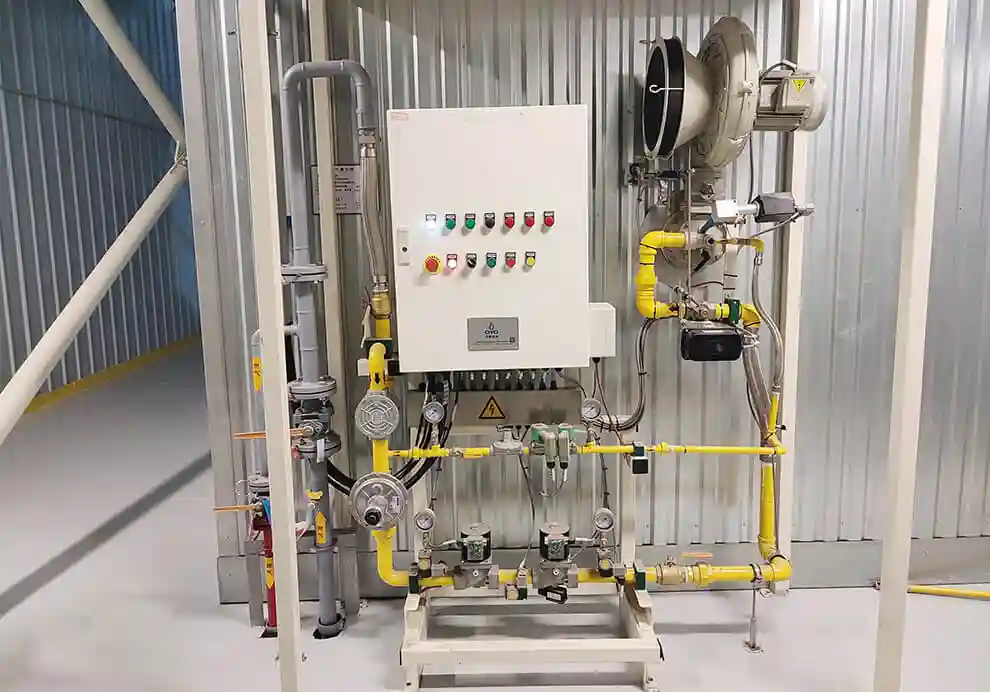
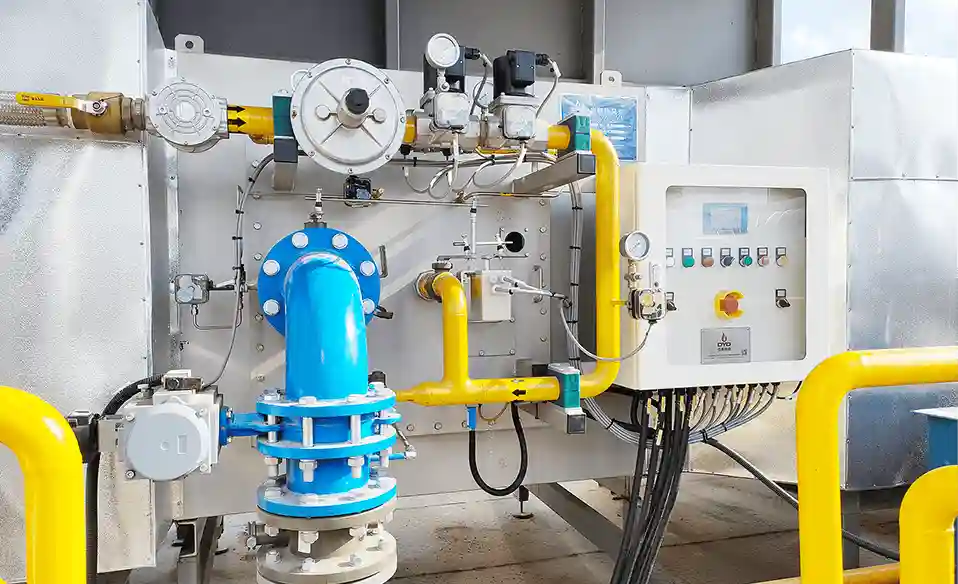
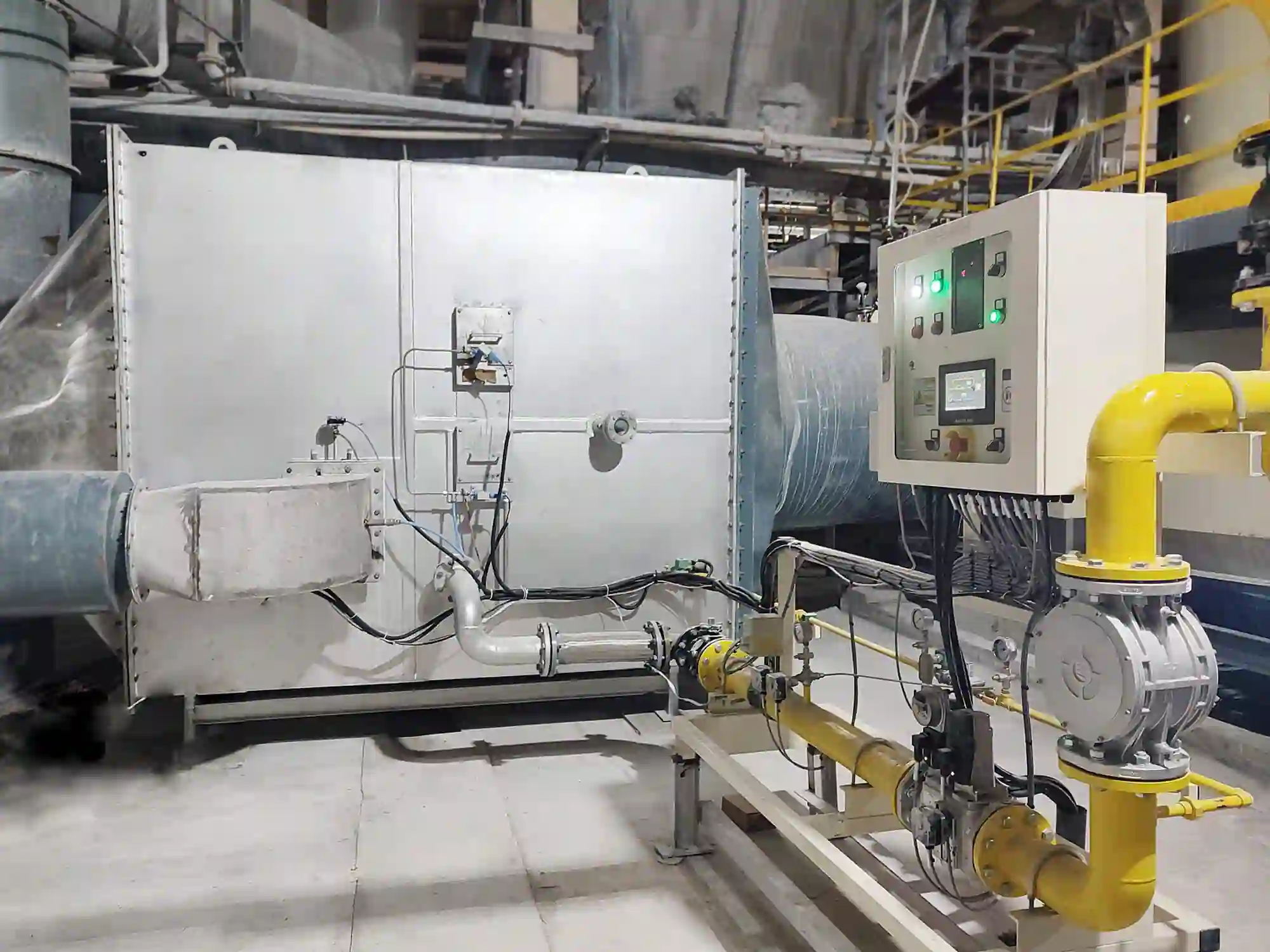
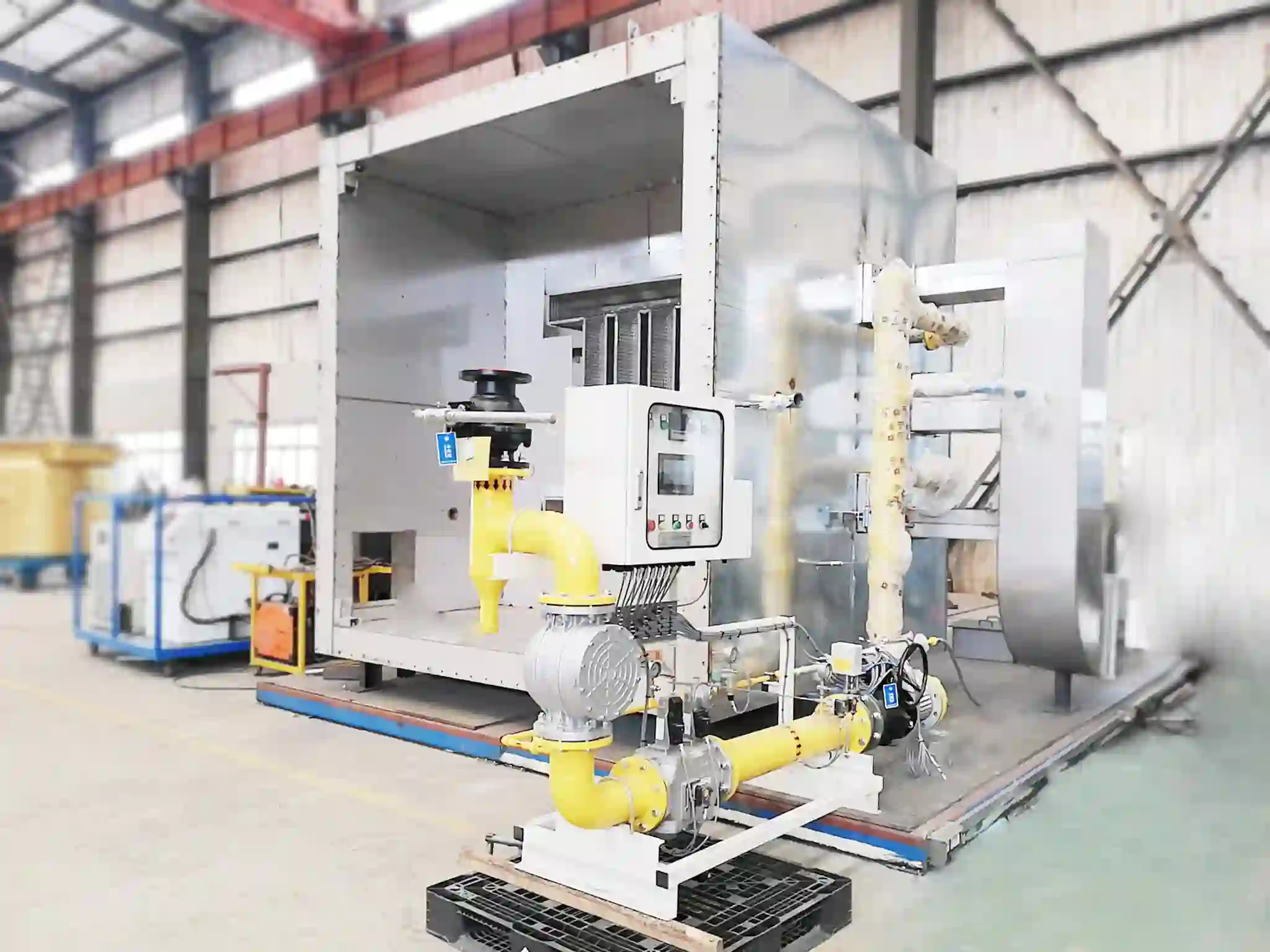
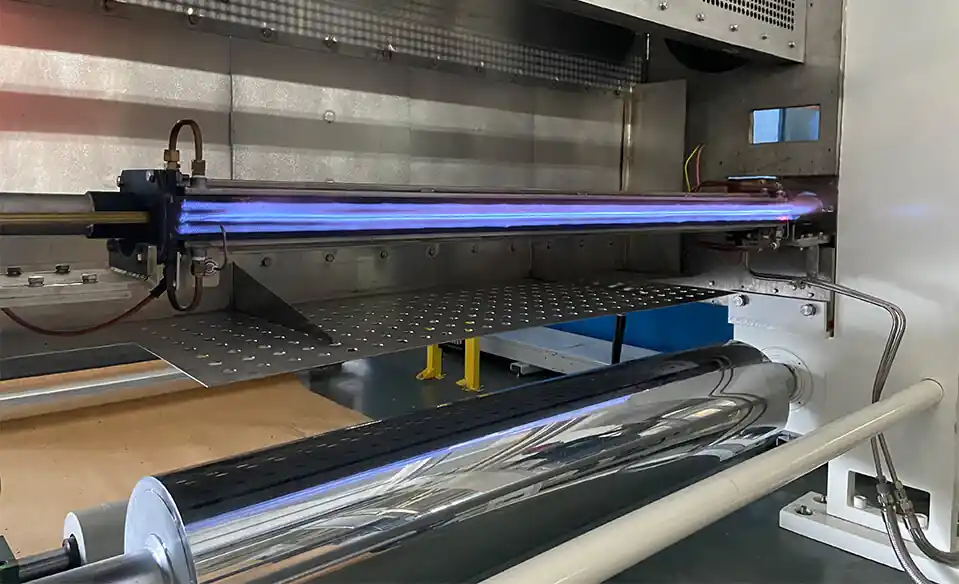
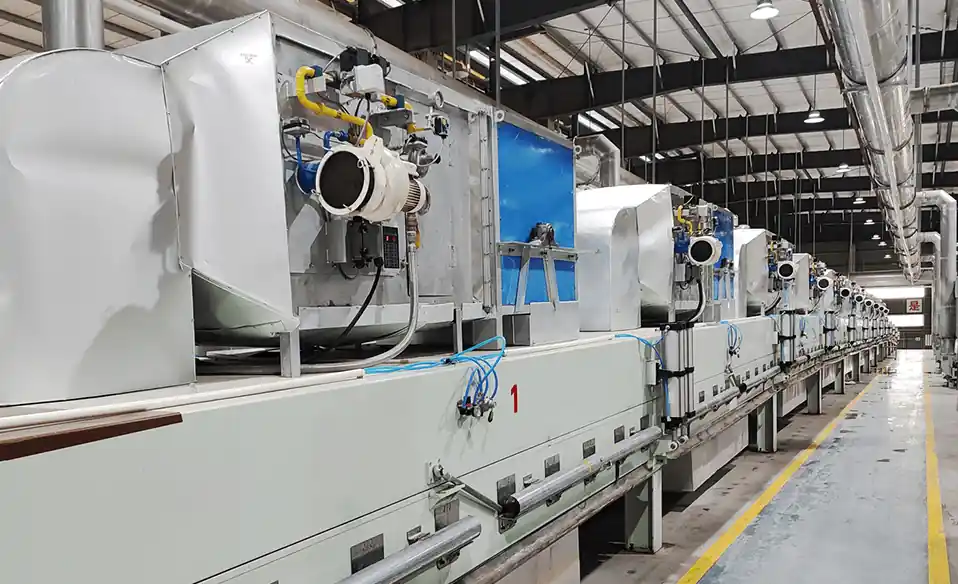
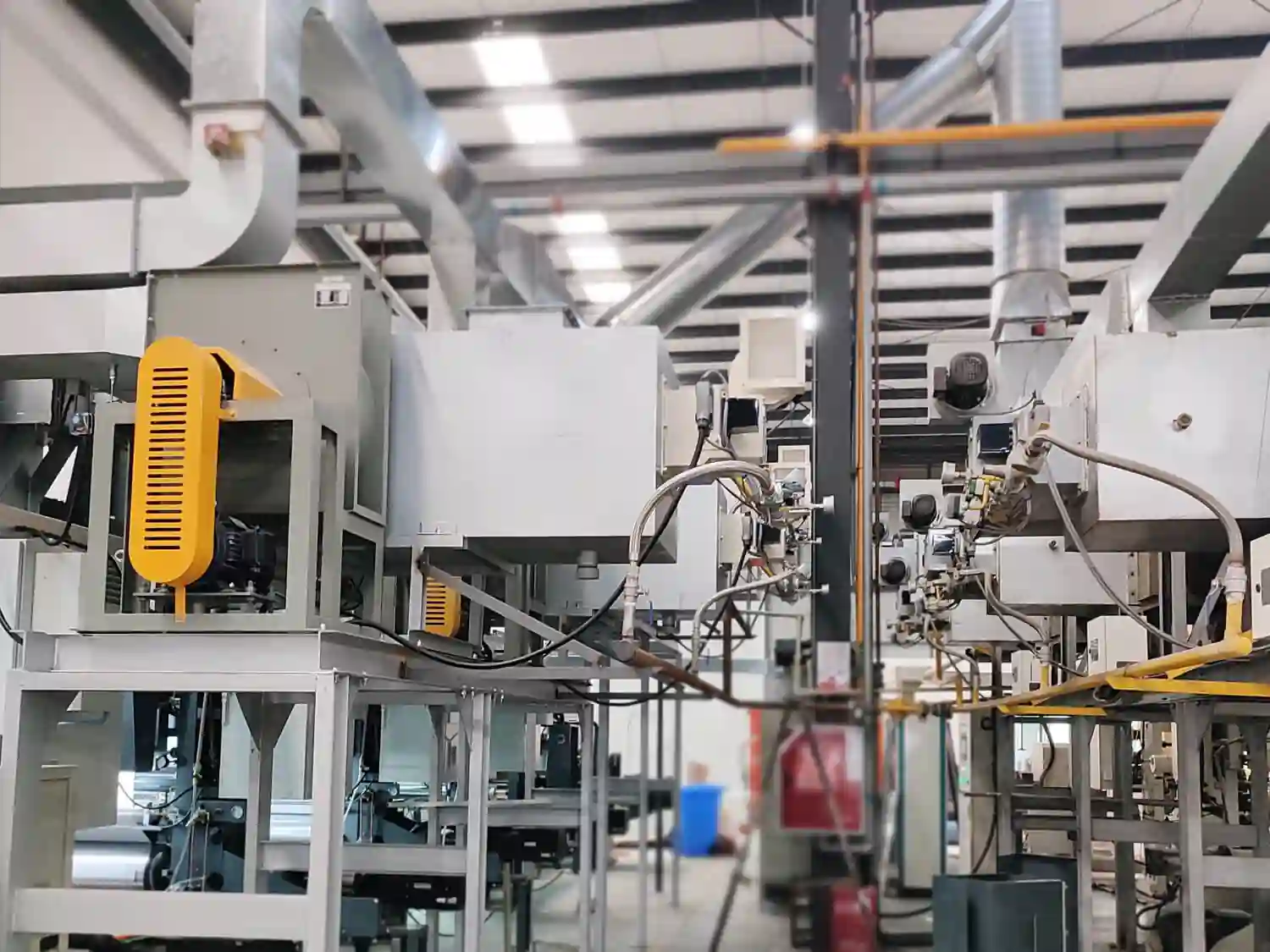
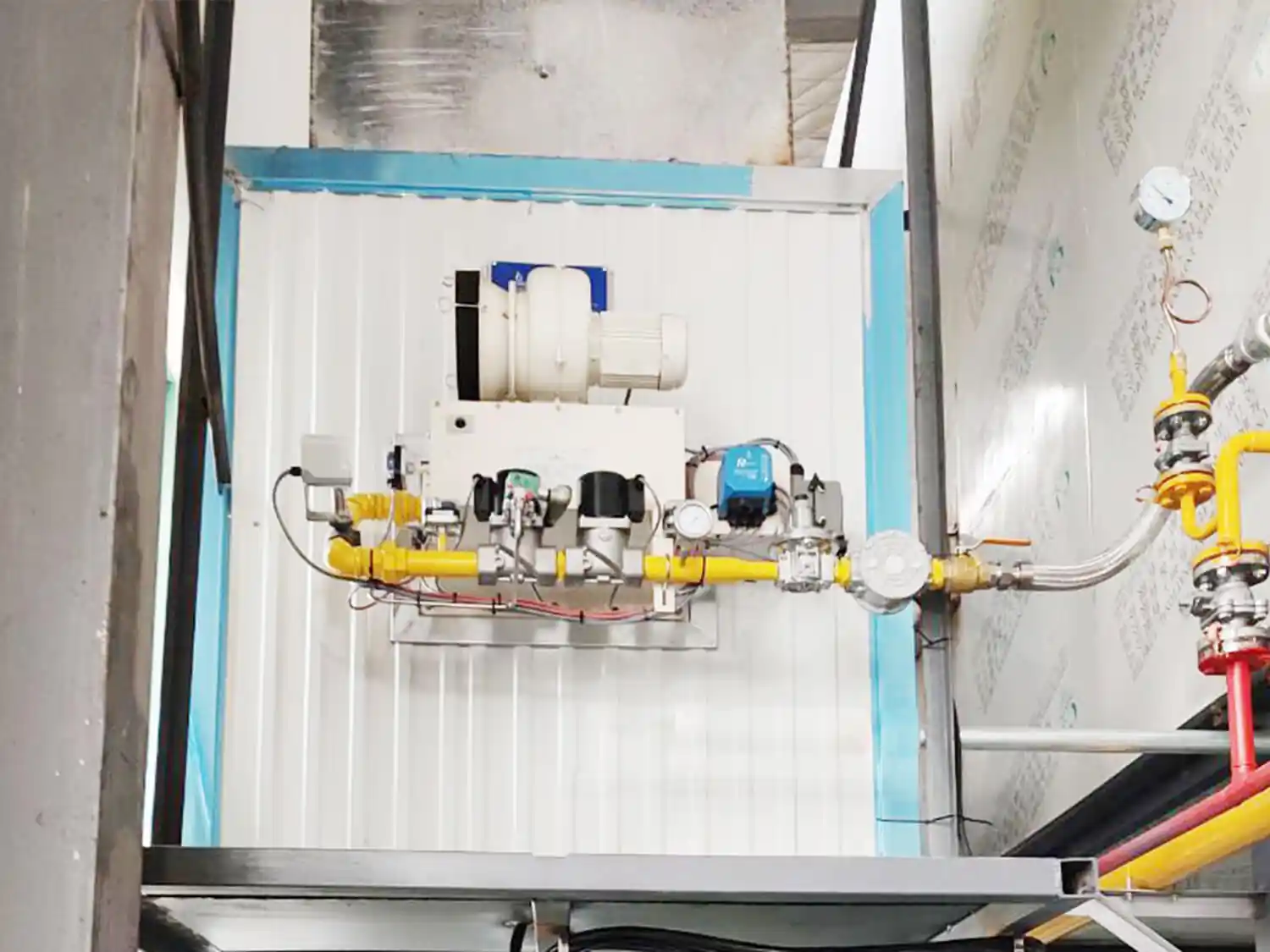
Buying an industrial burner is not simply a matter of selecting a burner with the required power rating. A burner is the core heat source of an industrial thermal system, and its selection directly affects energy consumption, production efficiency, product quality, emissions, and equipment reliability. The purchase decision is not a routine procurement transaction; it is a strategic investment that will influence operating costs and process performance for years to come.
Before purchasing an industrial burner, users should evaluate whether the burner supplier understands:
The actual heating process and its thermal requirements.
Furnace or equipment requirements, including geometry and structural constraints.
Combustion conditions, including airflow, pressure, and stability needs.
Fuel characteristics, including type, quality, and future availability.
Control requirements, including automation level and integration needs.
Long-term operating needs, including maintenance, support, and future changes.
Choosing the wrong burner may result in:
Unstable combustion, causing process interruptions and safety risks.
Excessive fuel consumption, increasing operating costs.
Temperature control problems, affecting product quality.
High emissions, risking regulatory non-compliance.
Frequent maintenance, reducing uptime and increasing costs.
Production interruptions, from equipment failure or performance issues.
A professional burner selection process should begin with the right questions. The quality of the answers received—and the quality of the questions asked—will determine the success of the entire thermal system.
Before contacting a burner supplier, first clarify your own process requirements. This internal assessment is the foundation upon which all subsequent decisions are built.
The application determines the burner design. Different thermal processes have fundamentally different requirements in terms of temperature, heat transfer mode, flame characteristics, and control precision.
Examples:
Industrial furnace heating for metal processing.
Kiln firing for ceramics or building materials.
Aluminum melting for foundry and casting operations.
Drying system for moisture removal.
Hot air generator for process air heating.
Heat treatment furnace for metallurgical property modification.
RTO thermal oxidation system for VOC abatement.
Different applications require different flame characteristics, heat distribution patterns, and control methods. A burner that performs well in a drying oven may be entirely unsuitable for an aluminum melting furnace.
The material affects burner selection through its thermal properties, sensitivity, and process requirements.
Consider:
Material type, including specific heat, thermal conductivity, and melting point.
Weight or throughput, determining the total heat demand.
Moisture content, affecting the drying or evaporation load.
Temperature sensitivity, influencing allowable heating rates and uniformity.
Heating requirements, including any special atmosphere or oxidation protection needs.
For example, a metal melting furnace and a powder drying system may require completely different burner solutions, even if they operate at similar temperatures, because the heat transfer mechanisms and product sensitivities are fundamentally different.
Important information that defines the thermal envelope:
Normal operating temperature, the typical process condition.
Maximum temperature, the upper limit the burner and furnace must withstand.
Temperature accuracy requirement, the allowable deviation from setpoint.
Temperature requirements influence burner capacity, flame design, control strategy, and material selection for both the burner and the furnace components.
Heating speed affects burner capacity and the required heat transfer rate.
Ask:
How quickly should the furnace reach temperature from cold start?
How much material is processed per hour or per batch?
Are production cycles increasing or expected to change in the future?
A faster heating process usually requires higher heat input and more efficient heat transfer. The burner must be sized to achieve the required ramp rate within the available time.
The burner must match the equipment where it will operate. The furnace geometry and structural characteristics define the physical constraints within which the burner must perform.
Provide accurate dimensions:
Length, width, and height of the combustion chamber.
Volume, providing a reference for heat distribution.
However, furnace volume alone is not enough to determine burner capacity. Also consider furnace structure, burner position, and heat circulation patterns. Two furnaces of identical volume may have very different heat demands based on their aspect ratio and design.
Burner location affects flame direction, heat distribution, and flame length requirement. The installation position must be compatible with the furnace design and the desired heat release pattern.
Important questions:
Side wall installation, with the flame directed horizontally.
End wall installation, firing along the furnace axis.
Roof installation, with downward firing.
Poor insulation increases heat demand and reduces efficiency.
Consider:
Refractory thickness and type.
Insulation material and its thermal conductivity.
Furnace age and condition of the lining.
Heat leakage through doors, joints, or damaged sections.
A furnace with degraded insulation will require a larger burner to compensate for increased heat losses.
Furnace pressure affects combustion stability, flame behavior, and air infiltration.
Consider:
Positive pressure operation, with gases tending to leak outward.
Negative pressure operation, with air drawn inward through leaks.
Exhaust system design, affecting draft and pressure control.
Poor pressure matching may cause flame instability, poor combustion, and air leakage. The burner must be compatible with the furnace pressure regime.
Correct burner sizing is one of the most important decisions in the selection process. Capacity must match both the maximum demand and the normal operating range.
Burner capacity may be expressed in kW, MW, kcal/h, or BTU/h. The required capacity should be based on a comprehensive heat balance that includes:
Product heating load, the energy required to raise material temperature.
Moisture evaporation, where drying or vaporization is involved.
Furnace losses, through walls, openings, and exhaust.
Operating margin, for normal variations and startup conditions.
Do not select a burner only based on maximum capacity. The burner should operate efficiently at the typical load, which is often significantly lower than maximum.
Ask:
What is the average operating load during normal production?
What is the minimum load during low-demand periods?
How often does production change or cycle?
Turndown ratio determines operating flexibility and the burner's ability to match variable demand. A higher turndown ratio provides better temperature control and reduced cycling.
Example: A 10:1 turndown burner can operate from 10% to 100% of its maximum capacity.
Benefits:
Better temperature control, with smooth adjustment.
Lower fuel consumption, avoiding cycling losses.
Reduced cycling, extending component life.
Consider the furnace size, temperature uniformity requirements, heating zones, and process requirements.
Multiple burners may provide:
Better heat distribution, with heat released from multiple points.
Independent control, enabling zone-level adjustment.
Higher reliability, with redundancy if one burner fails.
Fuel characteristics directly affect burner design and combustion performance. Any change in fuel type or quality can significantly impact burner operation.
Common fuels include natural gas, LPG, diesel, heavy oil, hydrogen blends, and industrial waste gas. Different fuels require different burner designs because of variations in flame speed, heating value, density, and combustion chemistry.
Provide information on the fuel supply:
Supply pressure at the burner inlet.
Pressure stability, including any fluctuations.
Available adjustment range.
Incorrect fuel pressure may cause unstable flame, poor combustion, and reduced capacity. The burner must be designed for the available pressure range.
Fuel quality affects the required flow rate, burner capacity, and combustion performance. Variations in heating value can change the burner's effective capacity and must be accounted for in the selection.
Consider future plans for fuel switching, hydrogen blending, or alternative fuel use. A flexible burner design that accommodates anticipated changes may reduce future modification costs and extend the useful life of the equipment.
The flame must match the furnace. The flame characteristics determine how heat is released and distributed within the furnace.
Flame length affects heat coverage and furnace temperature distribution.
If too long, the flame may cause wall overheating and refractory damage. If too short, the flame may provide poor heating coverage and create cold zones. The flame must fit within the furnace geometry.
Consider the required flame profile:
Narrow flame, for deep penetration.
Wide flame, for broad heat coverage.
Flat flame, for surface heating.
High-velocity flame, for strong circulation and heat transfer.
Different processes require different flame patterns. The burner's flame shape must be compatible with the furnace geometry and the thermal requirements of the process.
Flame momentum affects gas circulation, heat transfer, and temperature uniformity. Higher momentum provides better penetration and circulation, which is important for large furnaces, kilns, and heat treatment systems. However, excessive momentum can cause impingement or product disturbance.
Environmental requirements should be considered before purchasing. The burner must meet applicable emission limits now and should anticipate future regulatory changes.
Consider the applicable limits for NOx, CO, and other pollutants based on local regulations and industry standards. These limits directly influence the combustion technology that must be applied.
Low-NOx technologies include staged combustion, FGR (flue gas recirculation), premixed combustion, and oxy-fuel combustion. If the burner must meet strict NOx limits, one of these technologies will likely be required.
Selecting a burner with emission margin—capable of achieving lower emissions than currently required—may reduce future upgrade costs if regulations become stricter.
Modern industrial burners require reliable control to achieve the precision, efficiency, and safety demanded by contemporary processes.
Options include manual control for simple systems, automatic temperature control for consistent operation, PLC integration for system-level coordination, and remote monitoring for off-site supervision and diagnostics.
Important components include:
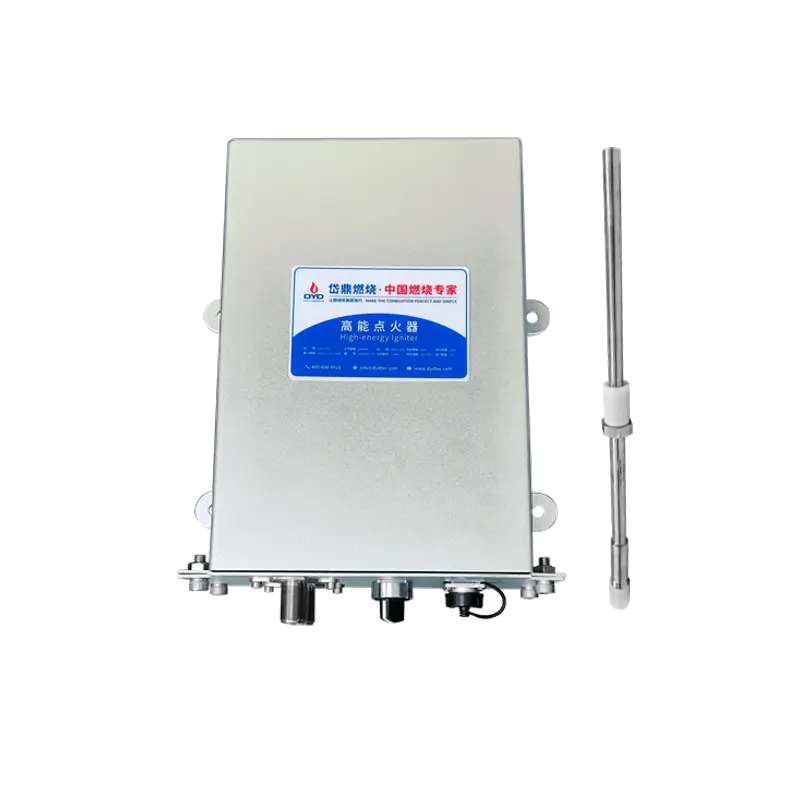
Ignition system, for reliable startup.
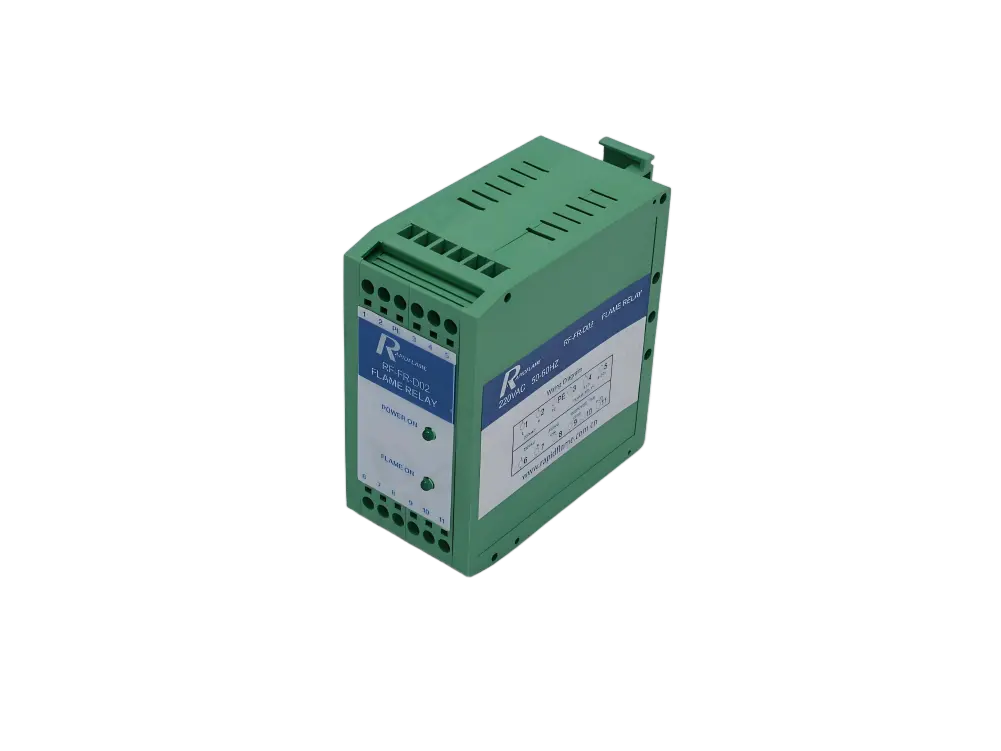
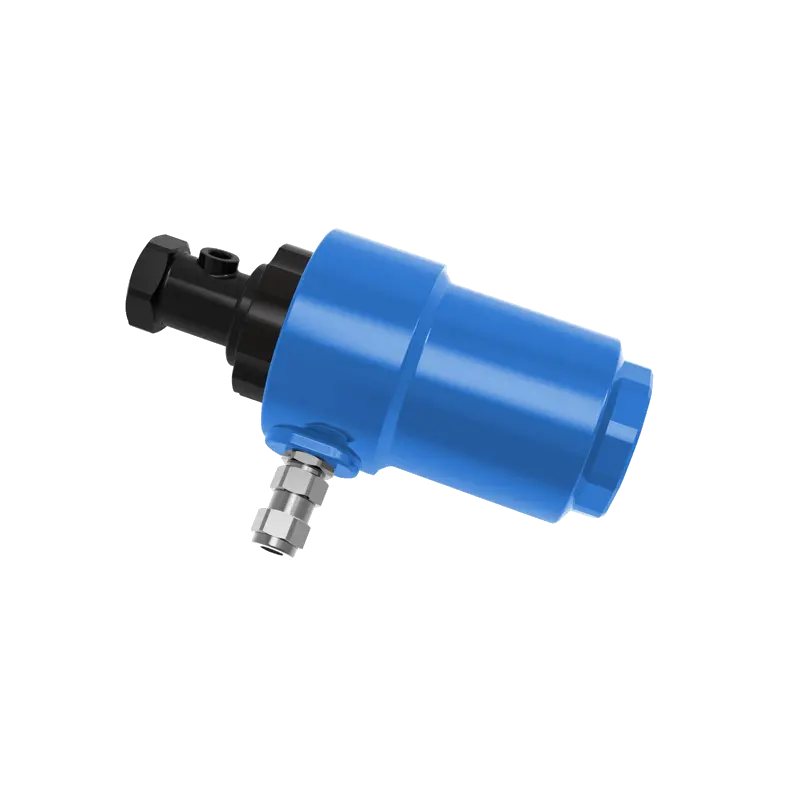
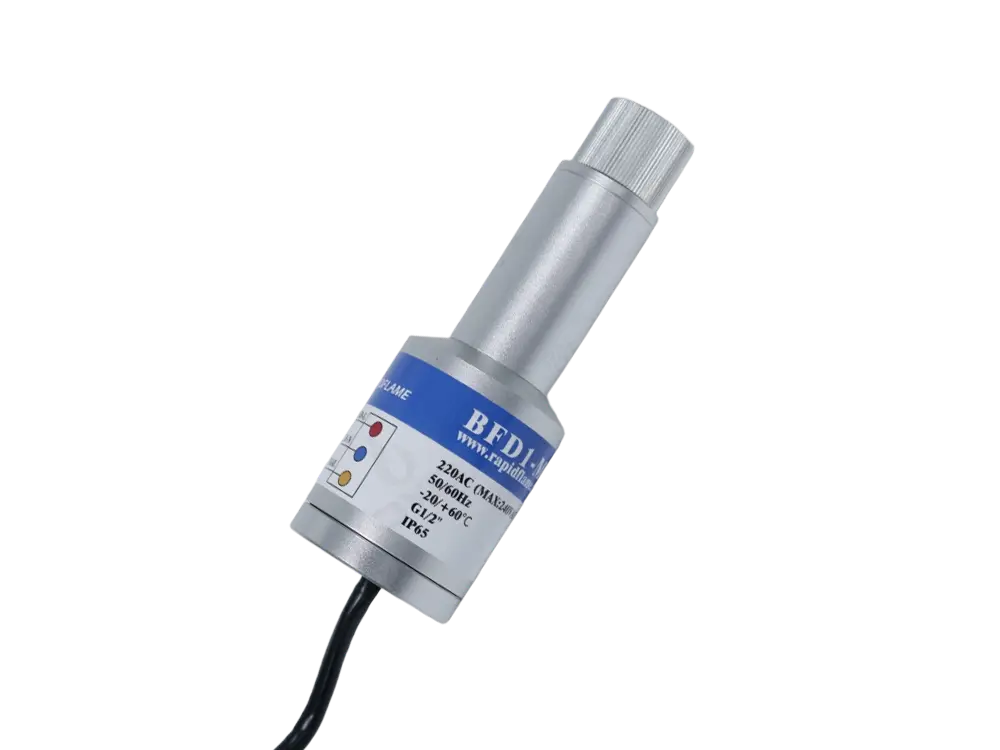
Flame detector, for continuous flame monitoring.
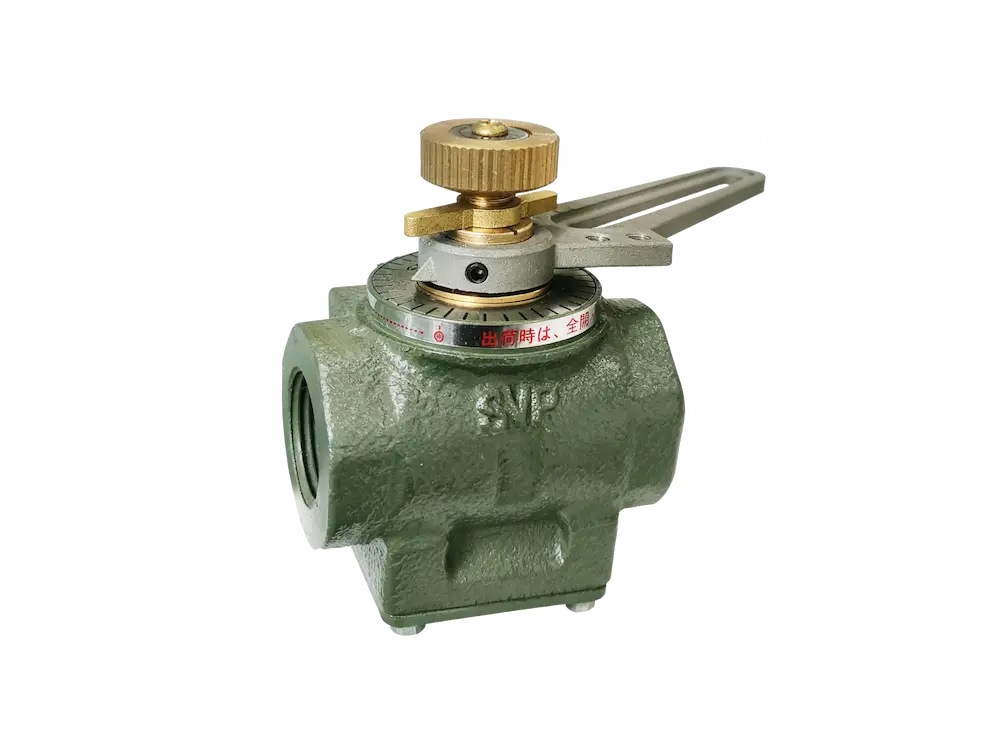
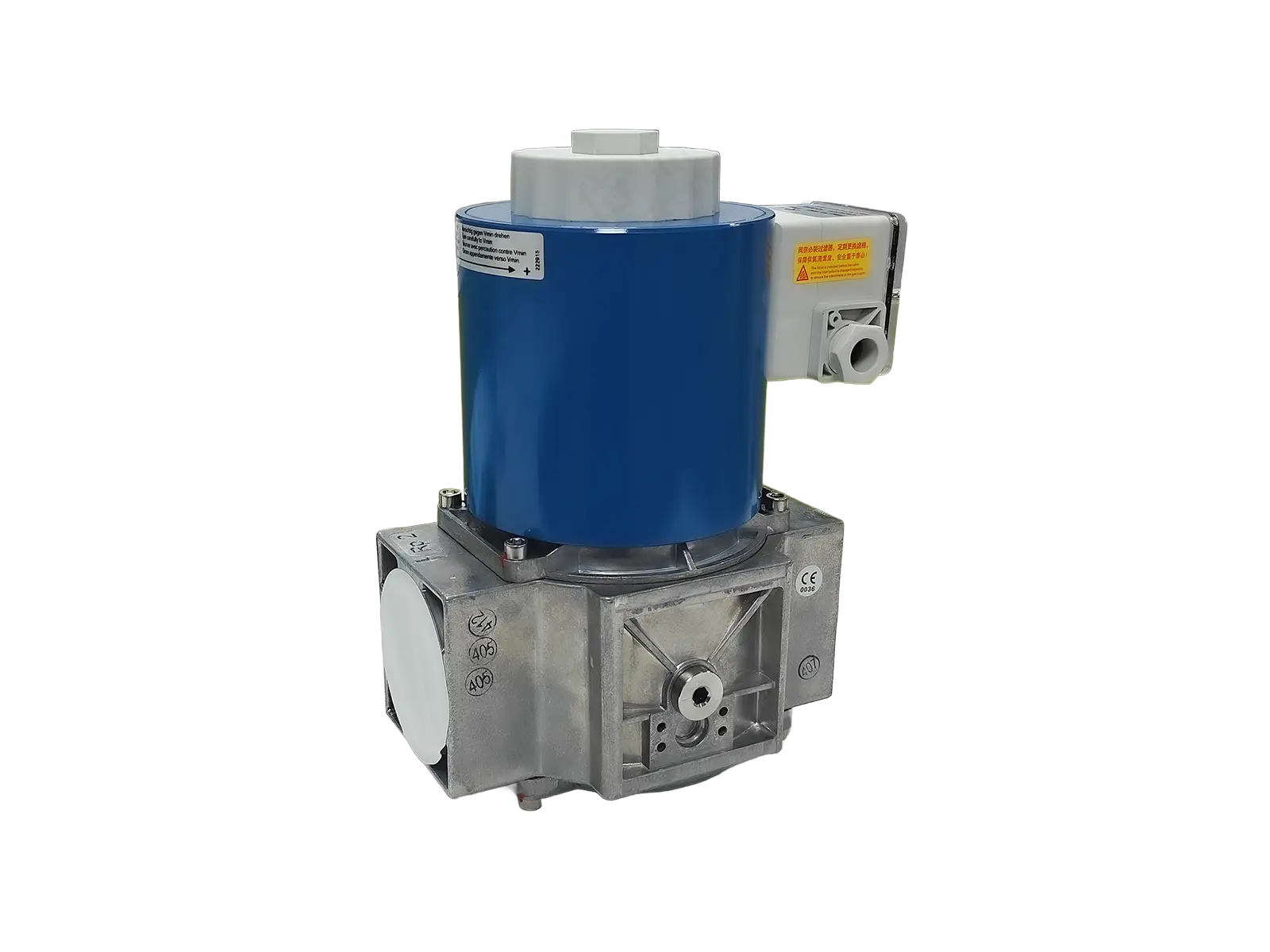
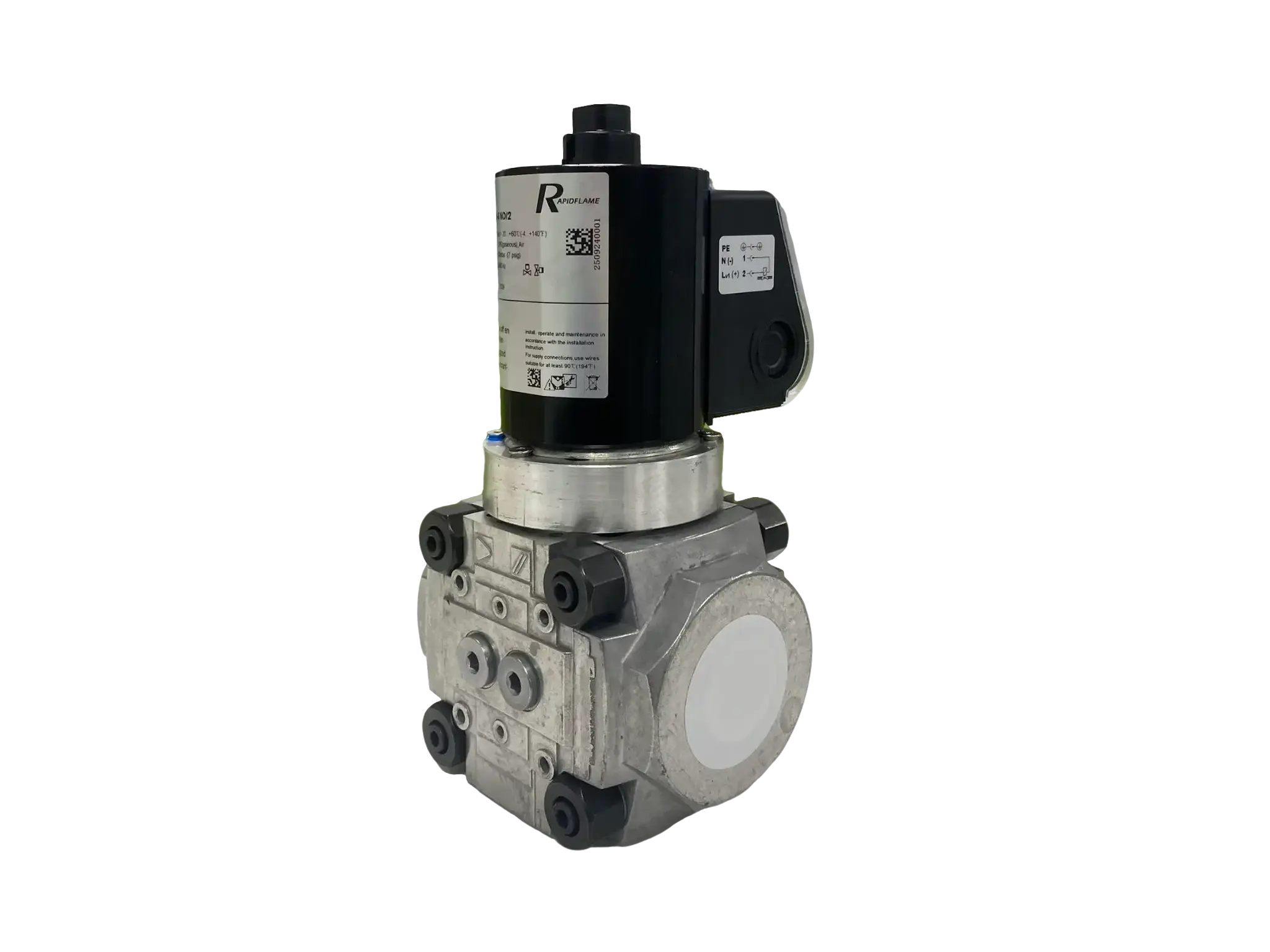
Gas safety valves, for fuel isolation.
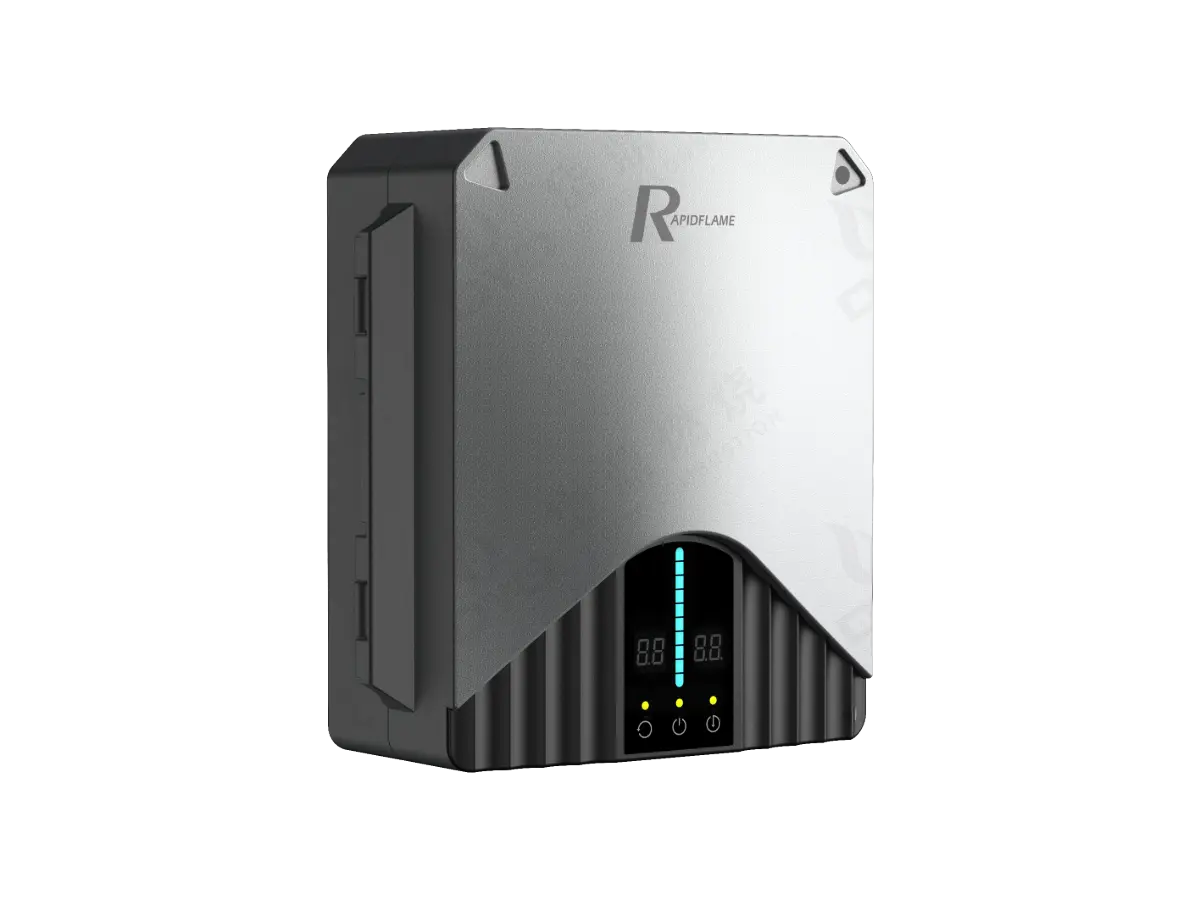
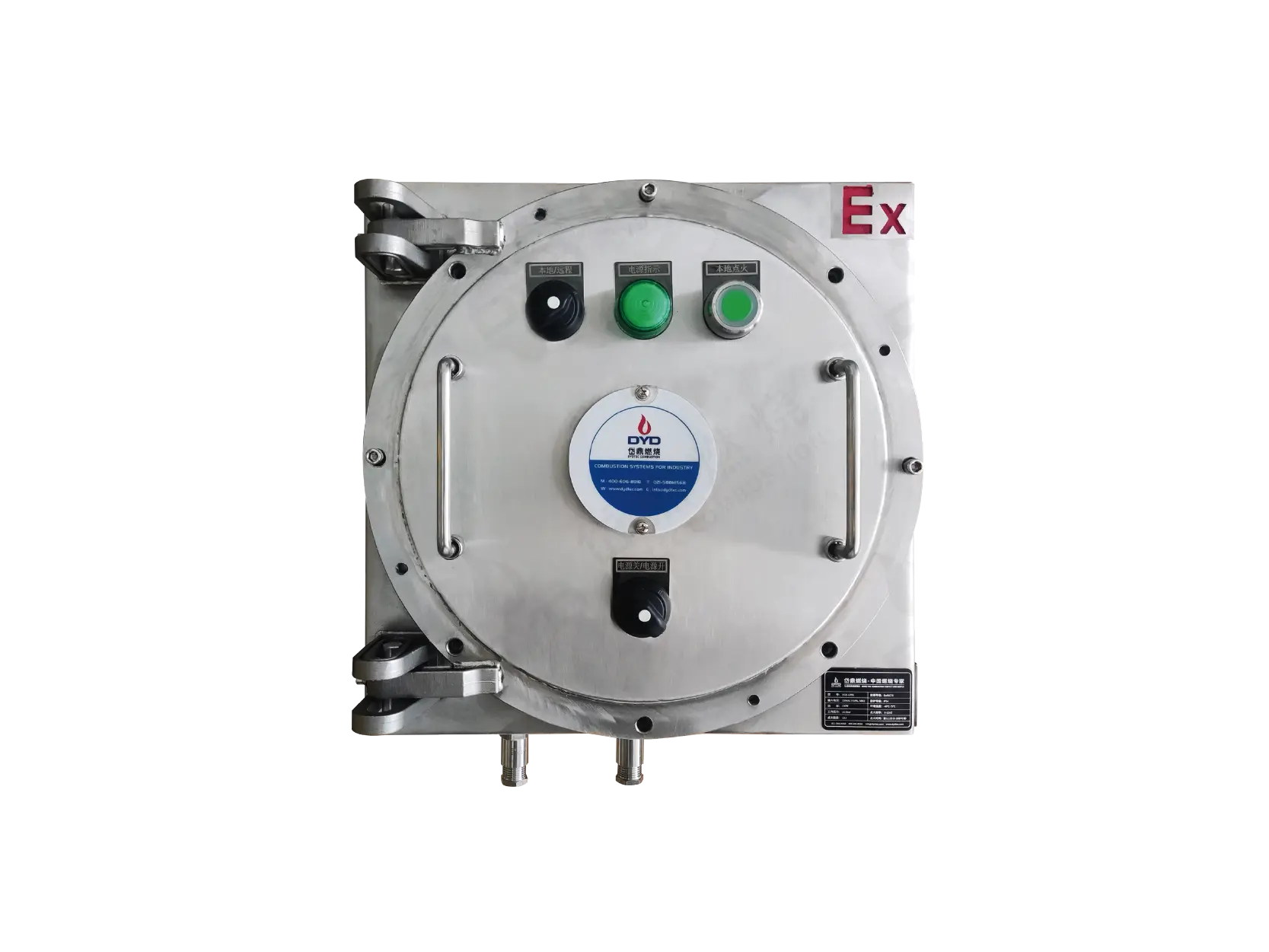
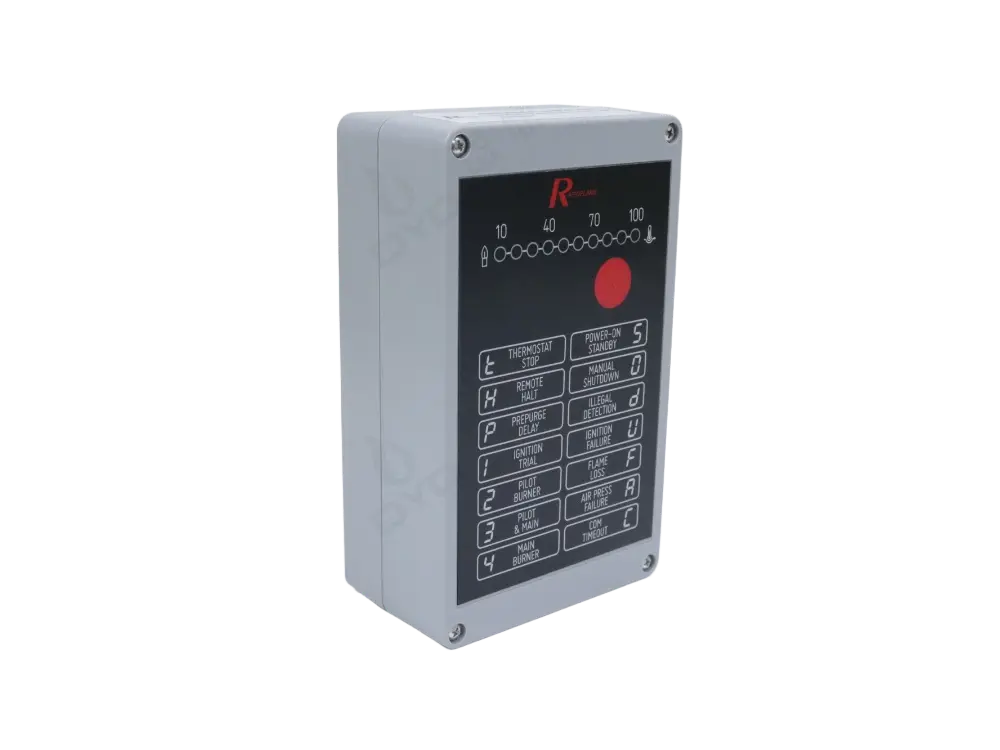
Burner management system, for sequence control and safety interlocks.
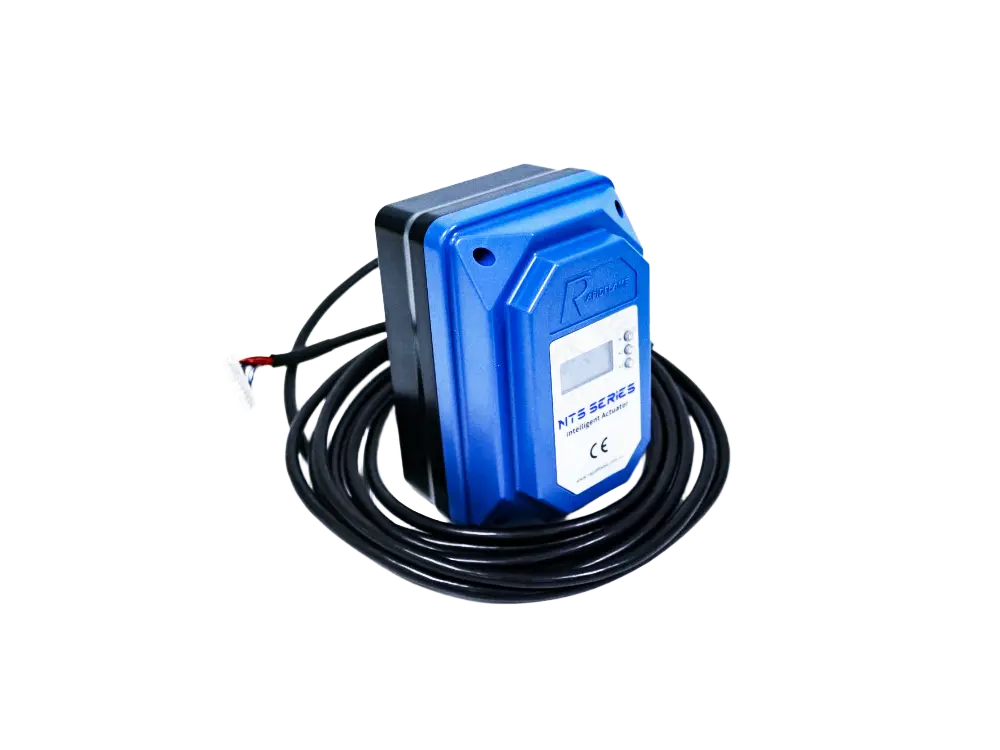
Modulating control improves temperature stability, fuel efficiency, and process accuracy. If the process requires tight temperature control, modulation is essential.
The lowest purchase price is not always the lowest operating cost. Long-term reliability and maintenance requirements should be evaluated as part of the purchasing decision.
Consider hours per day, days per year, and whether the burner operates continuously or intermittently. Continuous operation places higher demands on component durability and reliability.
Ask about:
Spare parts availability and lead times.
Standardization of components.
Ease of inspection and access.
Recommended service intervals.
Important services to evaluate:
Installation guidance and supervision.
Commissioning support and tuning.
Troubleshooting and diagnostics.
Optimization services for ongoing performance improvement.
Before making a purchase decision, ask the supplier specific questions to evaluate their capability and suitability.
A supplier experienced in aluminum melting may not have the same expertise in battery material drying, RTO systems, or ceramic kilns. Application experience matters because each industry has unique requirements and challenges.
A professional supplier should analyze heat load, furnace design, fuel conditions, and process requirements, rather than simply quoting a standard model. The selection should be based on a thorough understanding of the application.
Request information about capacity range, efficiency, emissions, and flame characteristics. The data should be relevant to the specific application conditions.
Burner performance depends heavily on installation, adjustment, and air-fuel ratio tuning. Supplier support during commissioning can significantly affect the ultimate performance of the system.
Before buying a burner, prepare comprehensive information for your own reference and to share with potential suppliers:
✅ Application and industry
✅ Material/product being processed
✅ Operating temperature and accuracy
✅ Production capacity and throughput
✅ Heating cycle and time requirements
✅ Furnace dimensions, including length, width, and height
✅ Insulation condition and type
✅ Burner installation location
✅ Furnace pressure and control method
✅ Fuel type and composition
✅ Fuel pressure available at the burner
✅ Heating value of the fuel
✅ Anticipated fuel changes
✅ Burner capacity, based on heat load calculation
✅ Flame length and shape requirements
✅ Turndown ratio needed
✅ Emission limits and applicable regulations
✅ Application experience and references
✅ Technical support and engineering capability
✅ Commissioning and startup support
✅ Spare parts availability and lead times
The most important question is whether the burner is correctly matched to the heating process, furnace design, and operating conditions. Without proper matching, even a high-quality burner will not perform effectively.
No. Capacity is important, but flame characteristics, control capability, fuel compatibility, and furnace matching are equally important. A burner with the correct capacity but the wrong flame shape will not achieve the required process performance.
Not necessarily. A lower purchase cost may lead to higher fuel consumption, more frequent maintenance, and shorter service life over the equipment lifetime. Total cost of ownership should be considered, not just the initial price.
Compare technical understanding, application experience, burner performance, service capability, and long-term reliability. The quality of the engineering support and the supplier's willingness to understand the process are often more important than the product specification alone.
Some burners have flexible designs, but industrial applications usually require customization based on furnace and process conditions. A burner that is adequate for multiple applications may not be optimal for any of them.
Before buying an industrial burner, the most important step is asking the right questions. The purchase decision should be based on a systematic evaluation of process requirements, furnace design, fuel conditions, and operational needs. The quality of the questions asked—and the completeness of the answers received—determines whether the selected burner will deliver the required performance.
A successful burner purchase should consider:
Process requirements, including temperature, throughput, and heating rate.
Furnace design, including geometry, insulation, and pressure conditions.
Heat demand, based on accurate load calculation.
Fuel conditions, including type, pressure, and future changes.
Flame characteristics, matching the furnace and process.
Control system, providing the required precision.
Emission targets, meeting current and future regulations.
Long-term operation, including maintenance and support.
The right burner is not simply the one with the highest power or lowest price. It is the burner that provides stable combustion, efficient energy use, precise temperature control, reliable operation, and long service life. A professional burner supplier should help customers select a combustion solution that matches the complete thermal process, not just a standard product from a catalog.
DYDTEC Combustion specializes in industrial burner technology, combustion systems, and customized thermal solutions. The company provides industrial burner solutions for furnaces, kilns, drying systems, aluminum melting equipment, hot air generators, and industrial process heating applications, focusing on burner selection, combustion optimization, energy-efficient heating, low-emission technology, and reliable industrial operation. With a commitment to understanding each customer's unique application, DYDTEC provides the technical guidance and engineering support needed to make informed burner purchasing decisions.