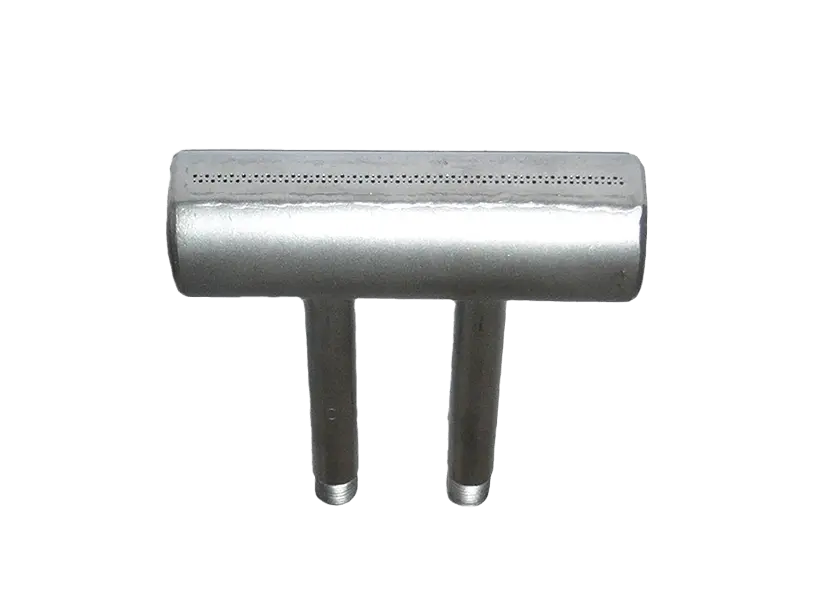
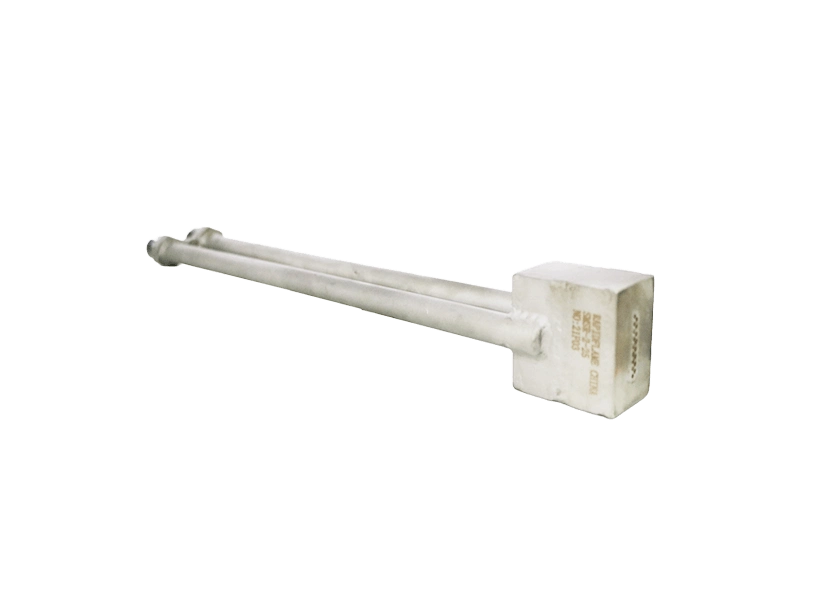
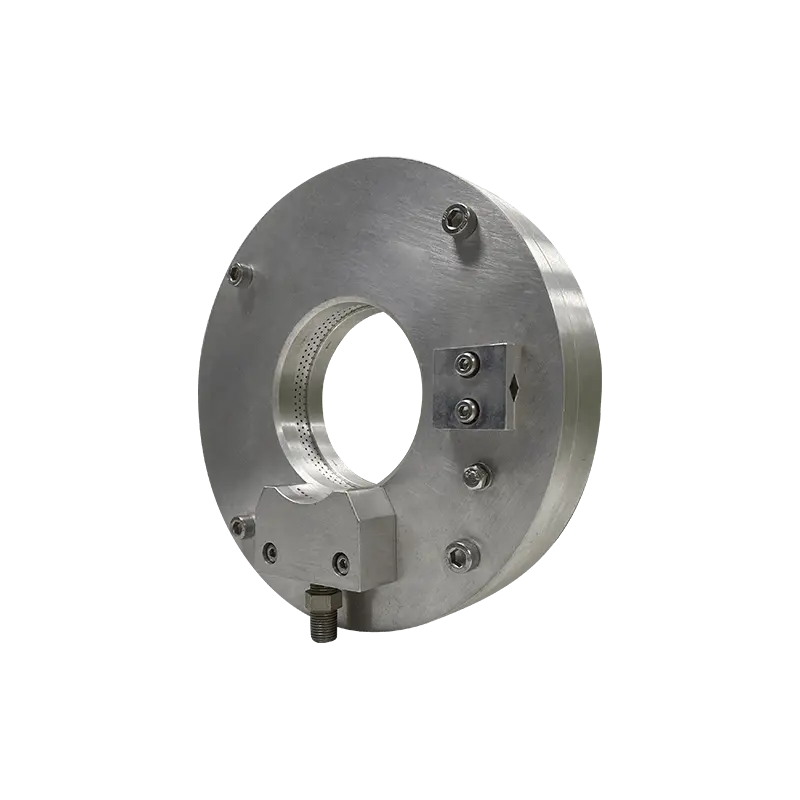
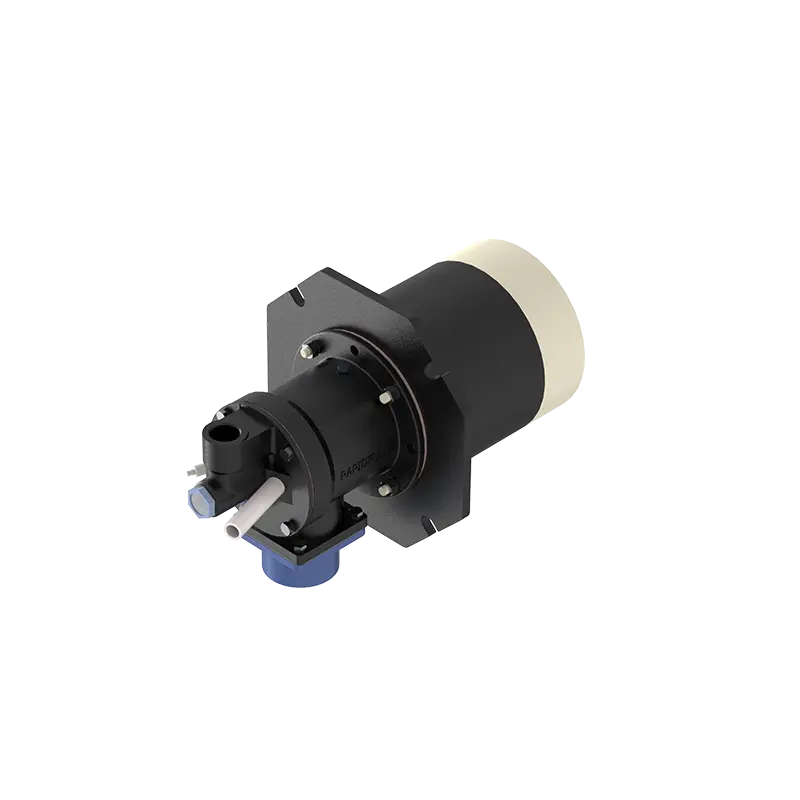
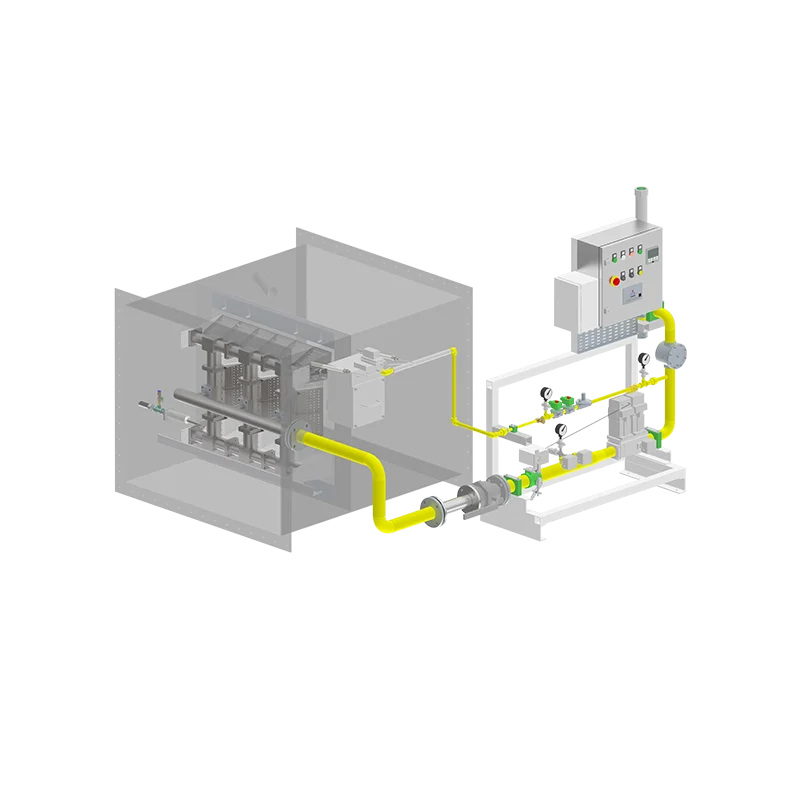
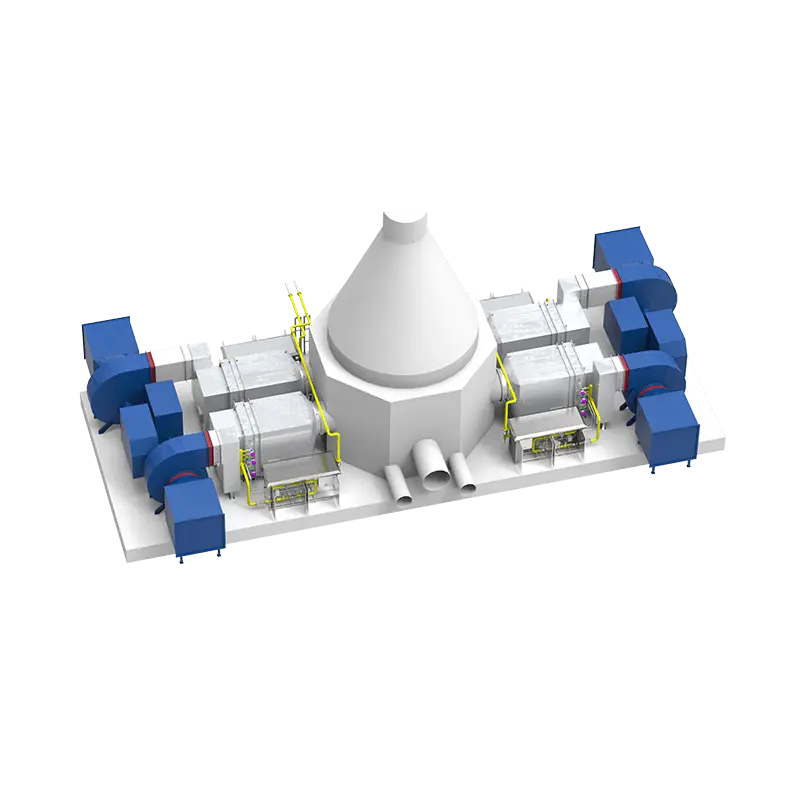
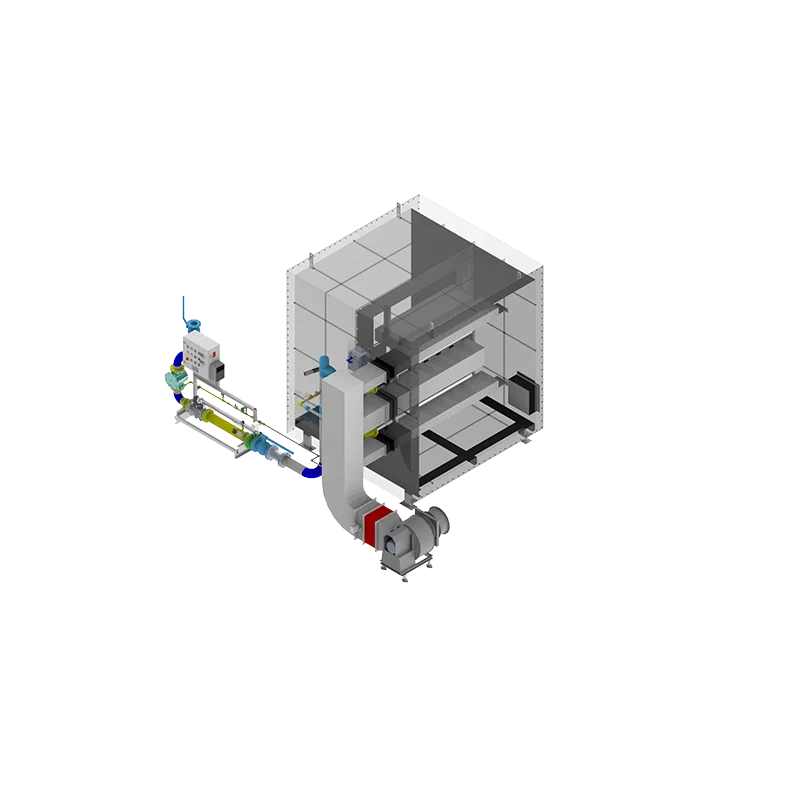
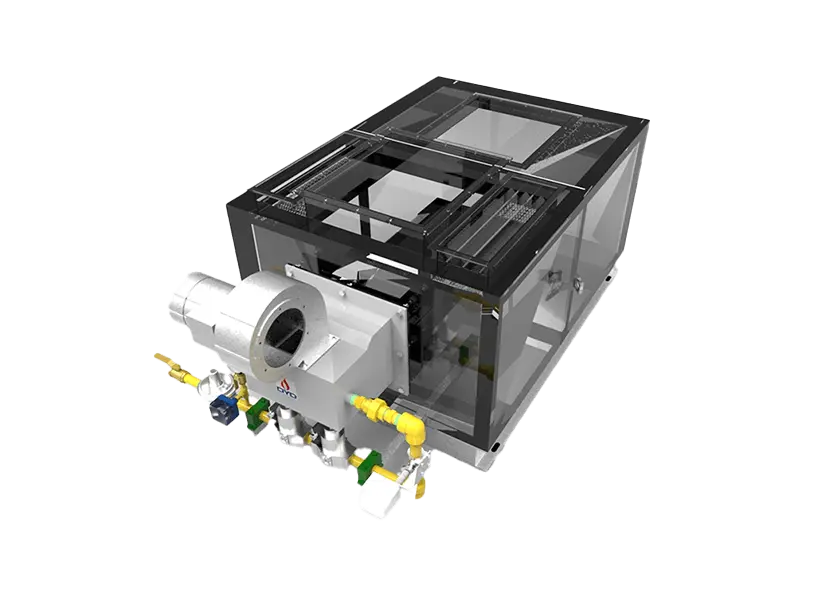
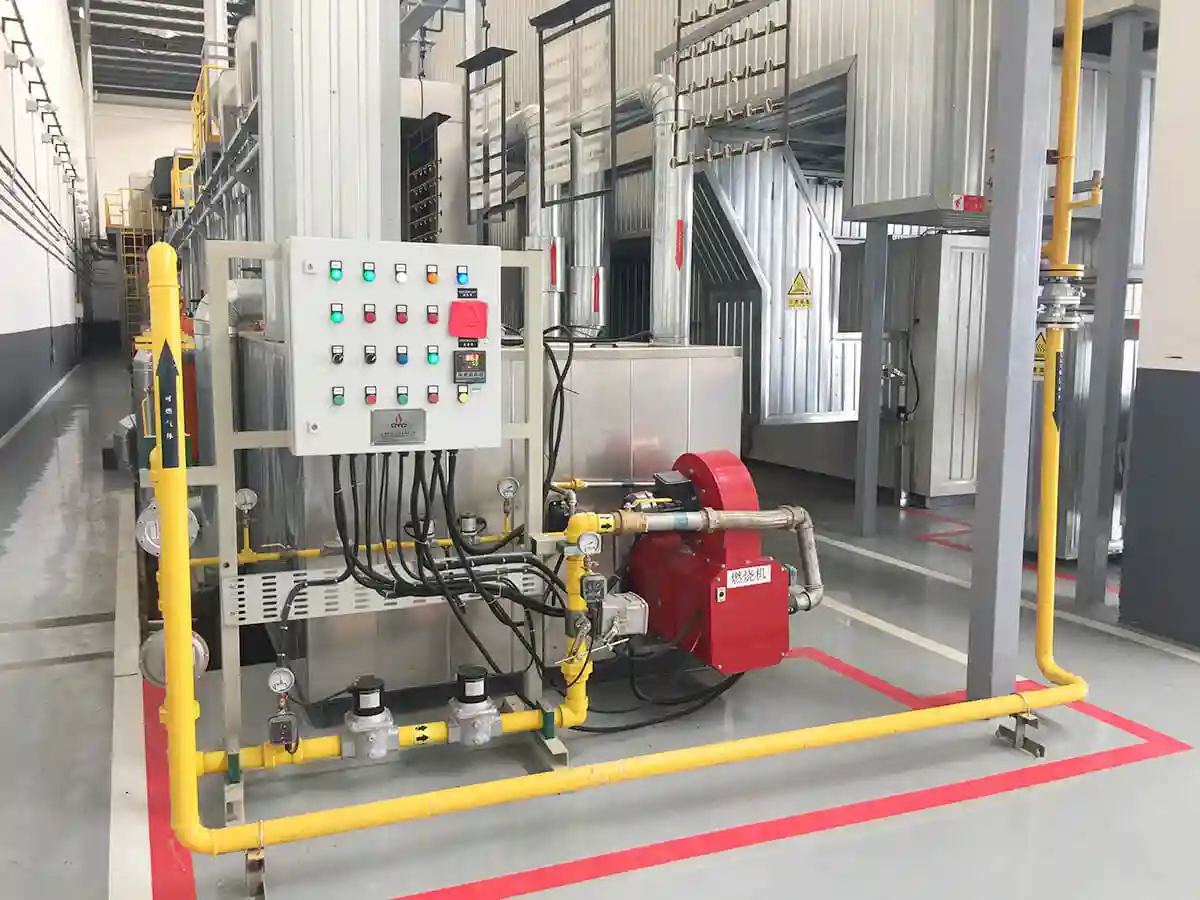
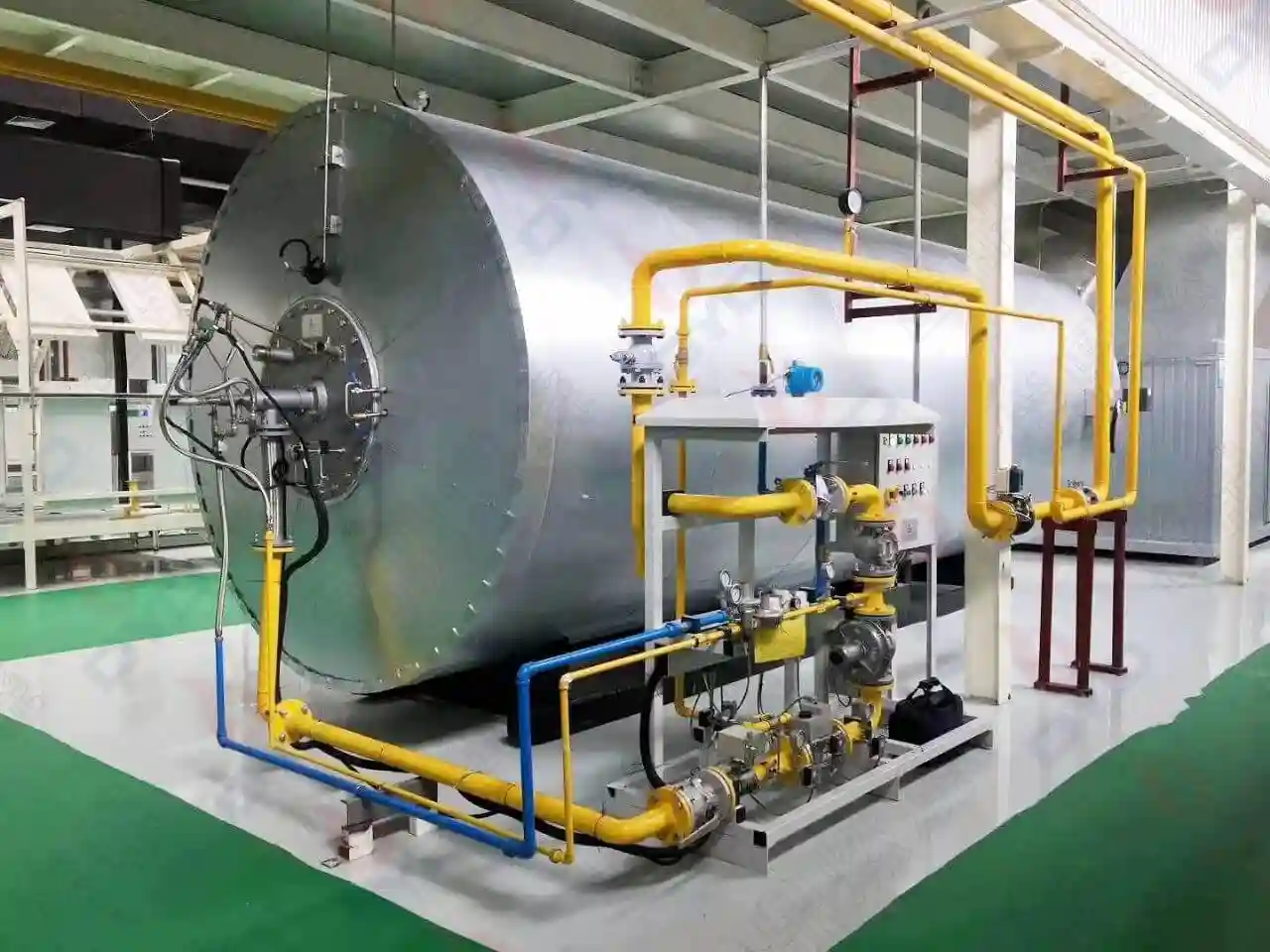
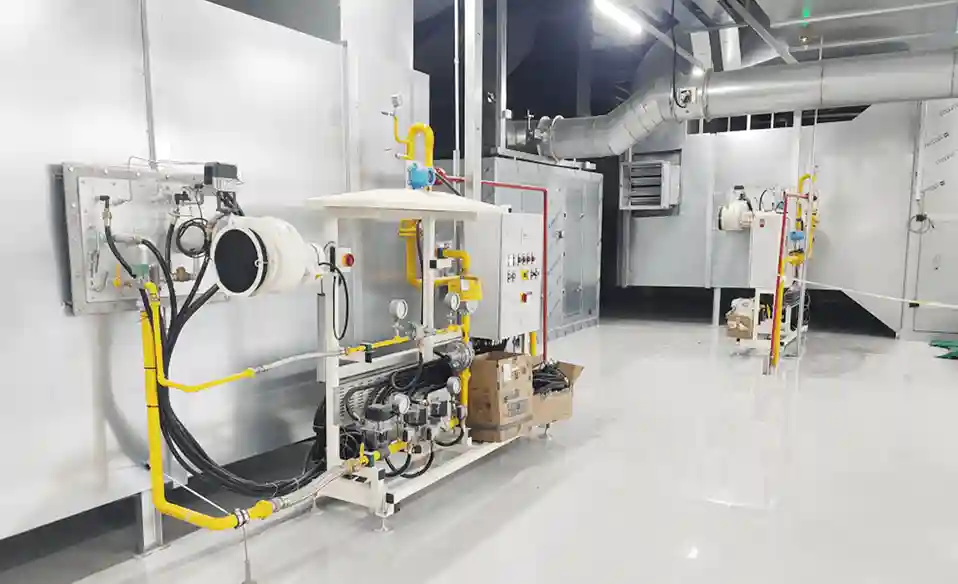
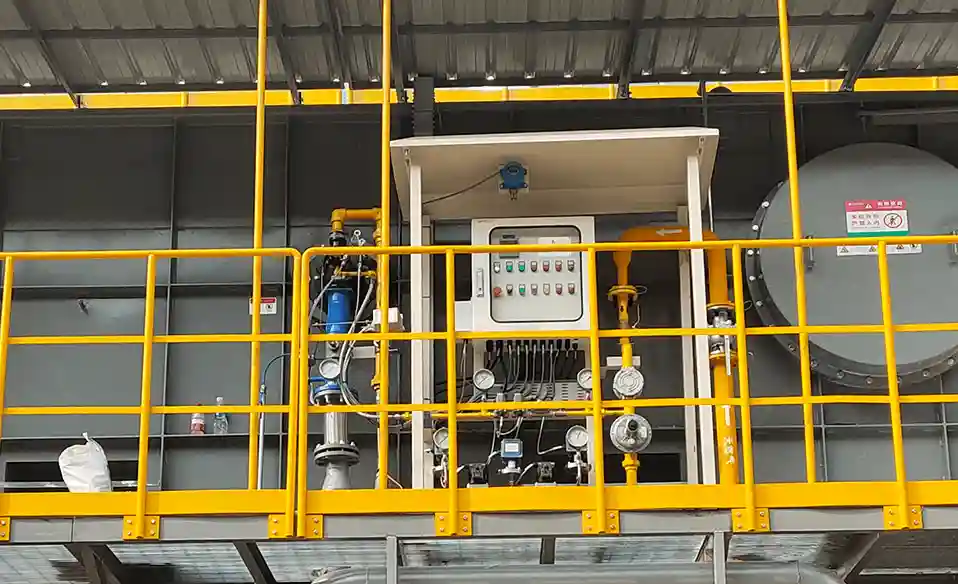
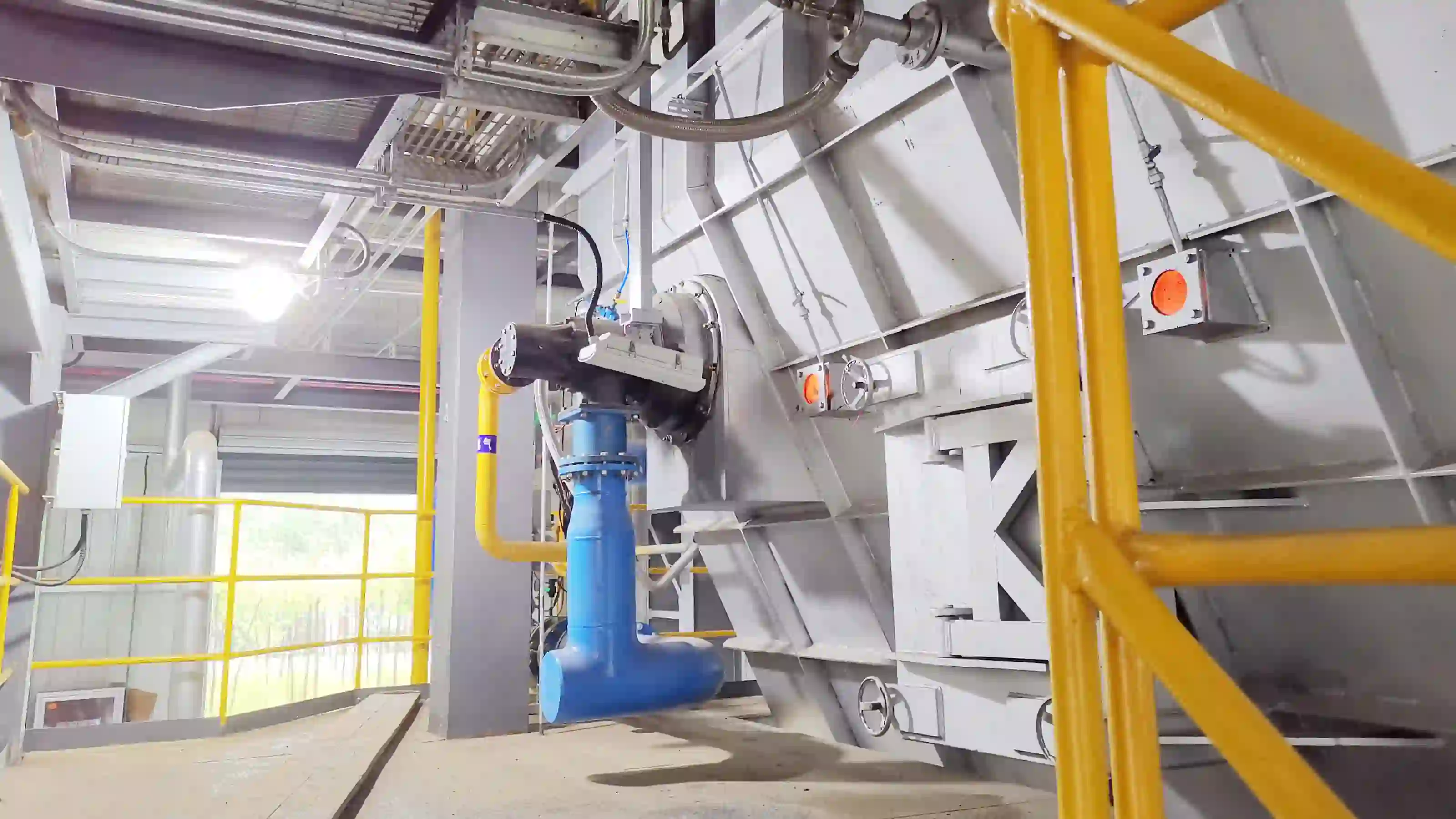
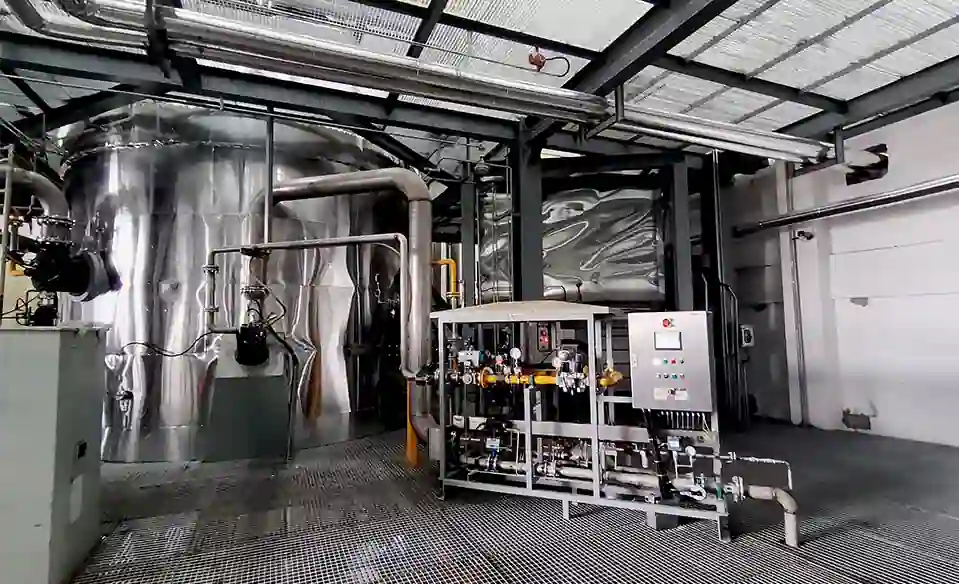
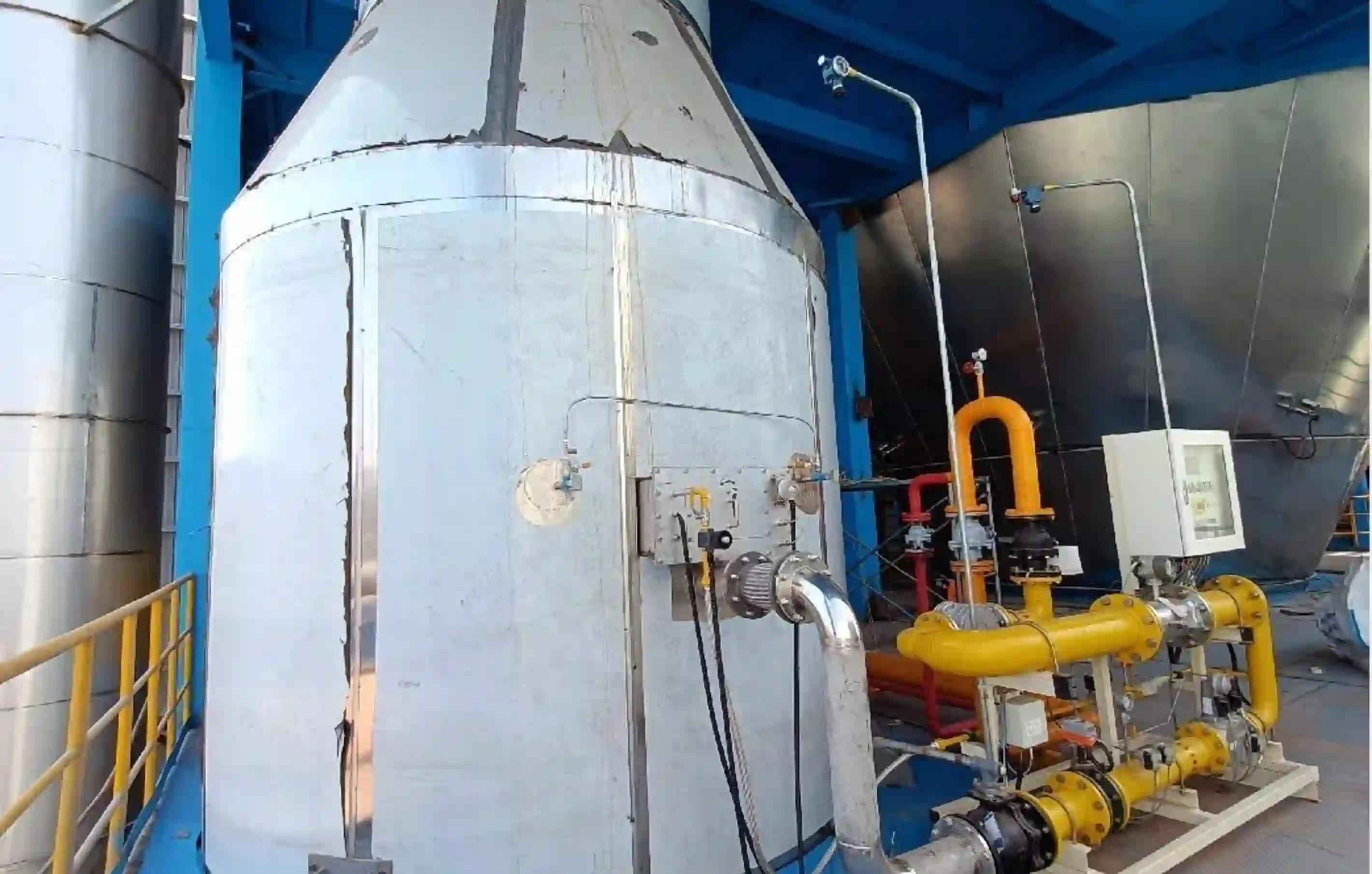
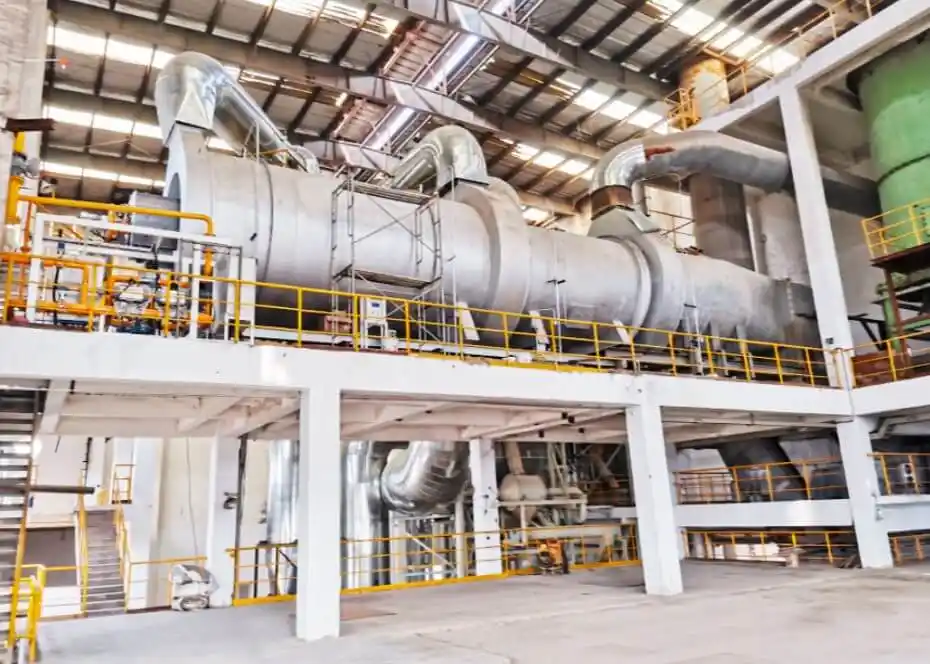
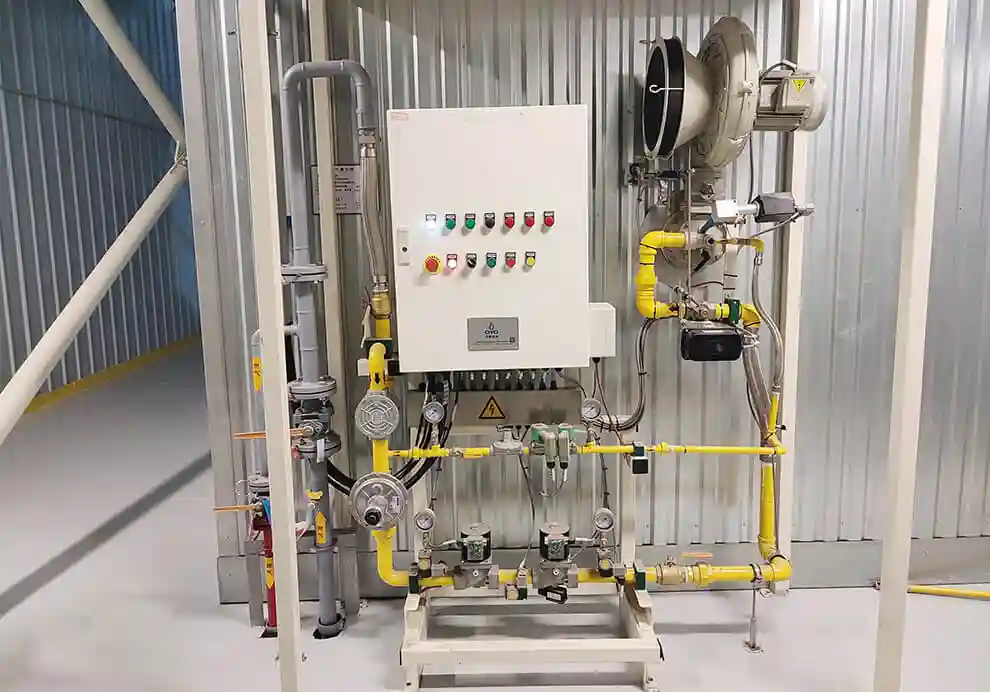
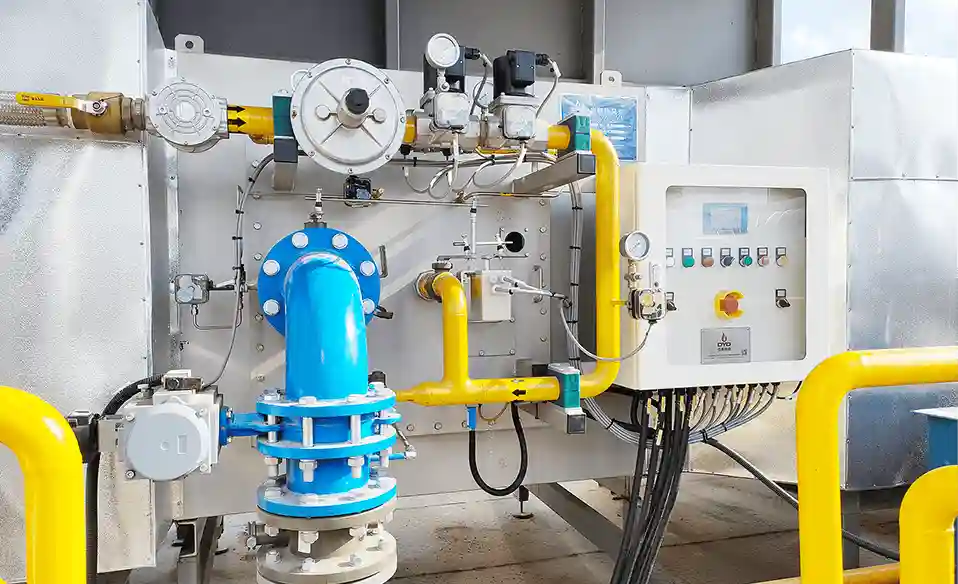
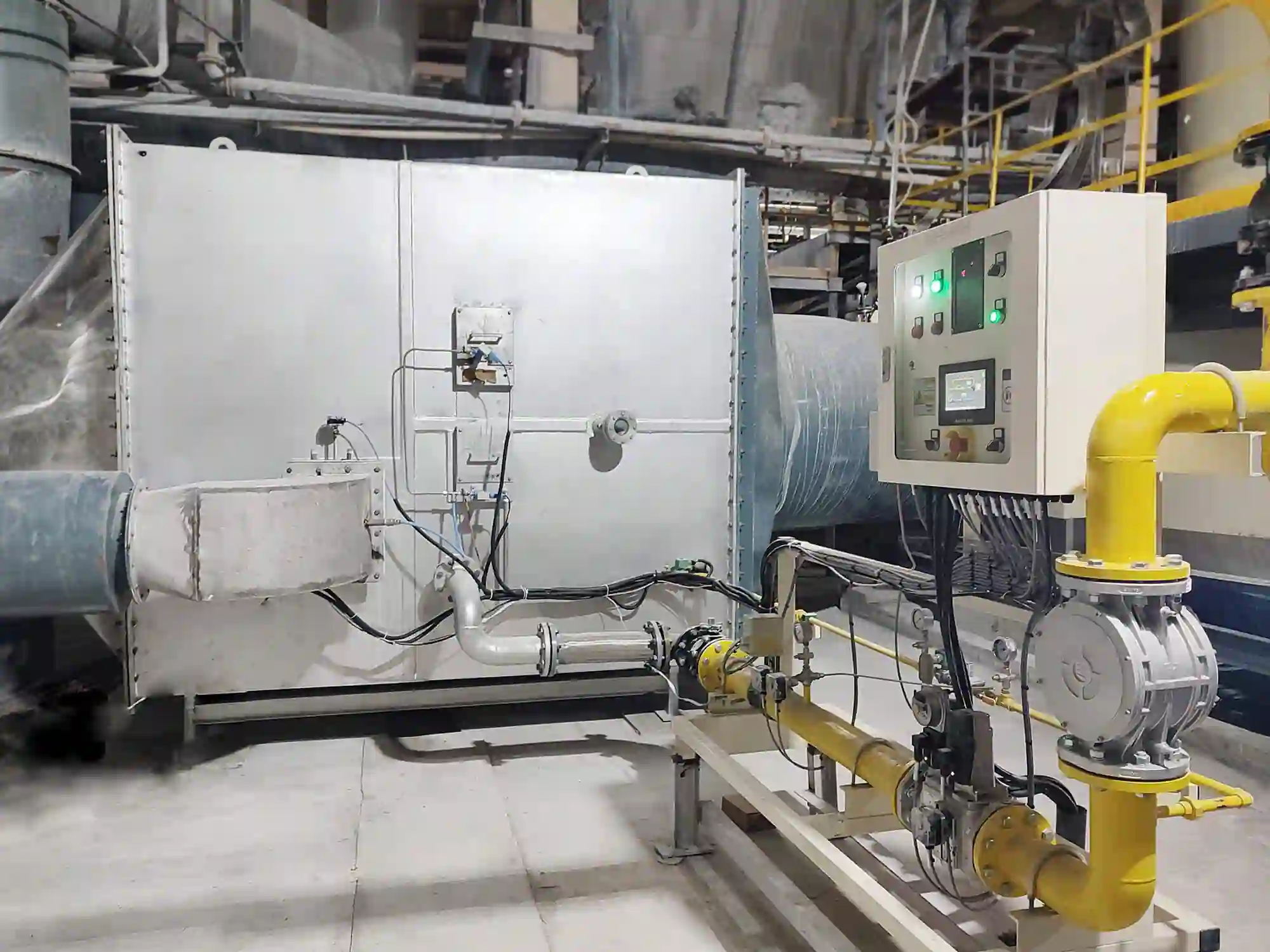
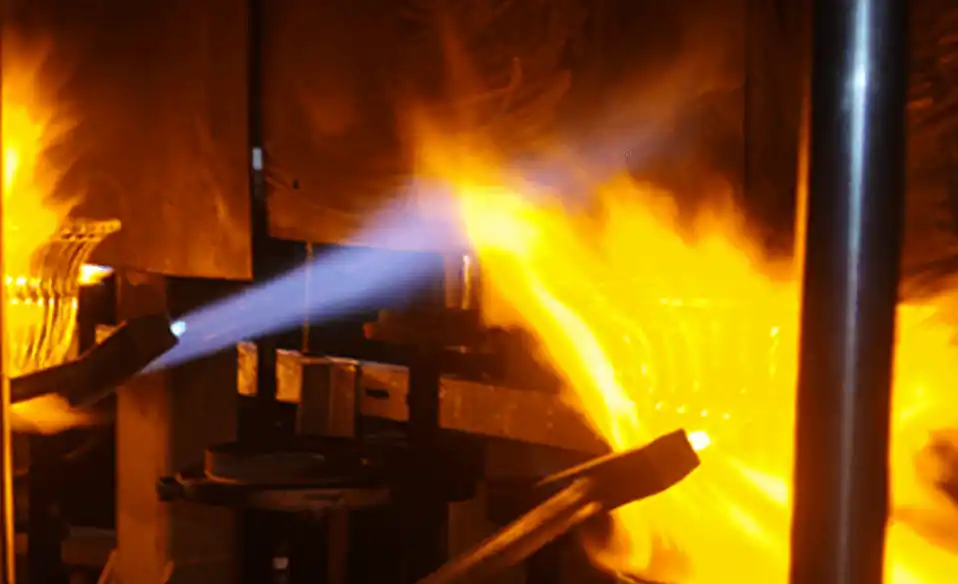
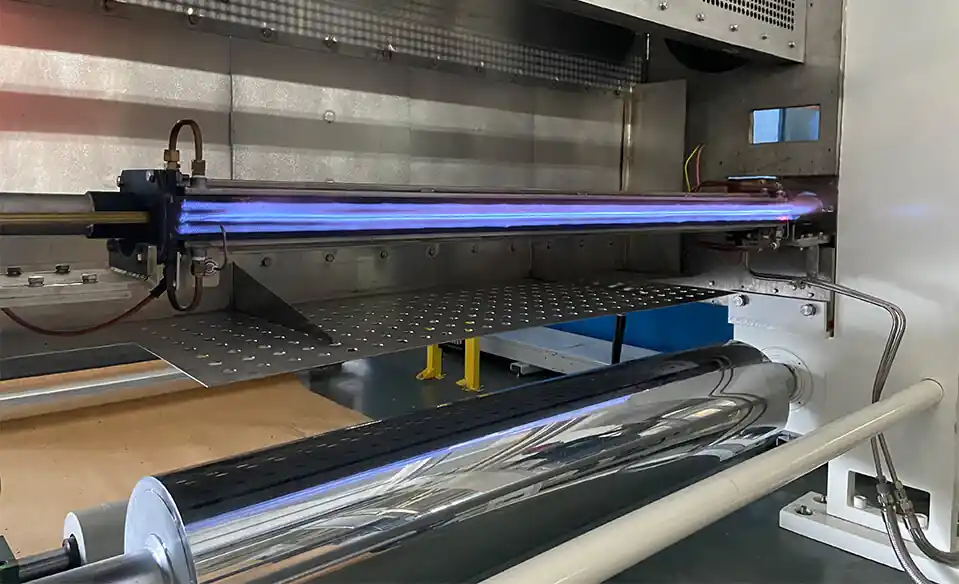
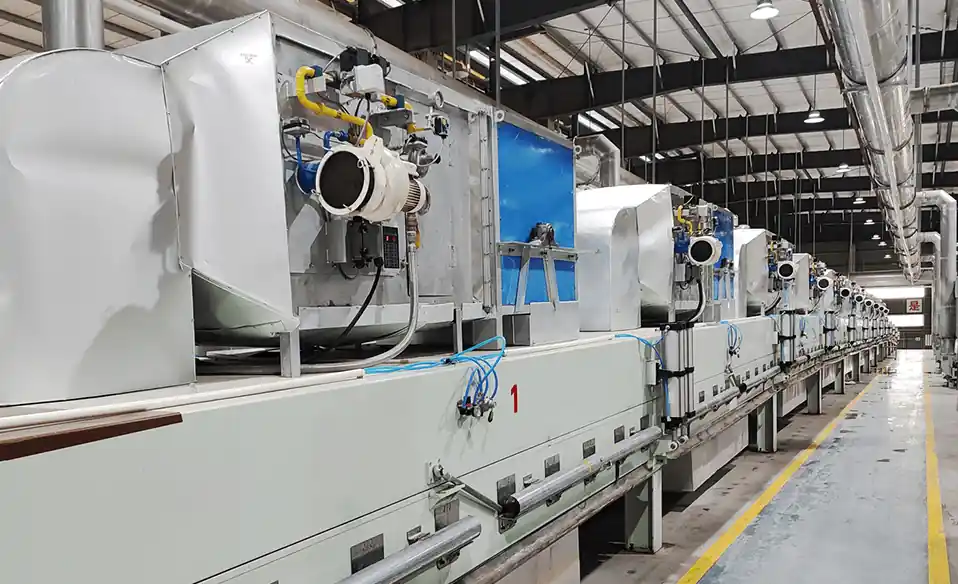
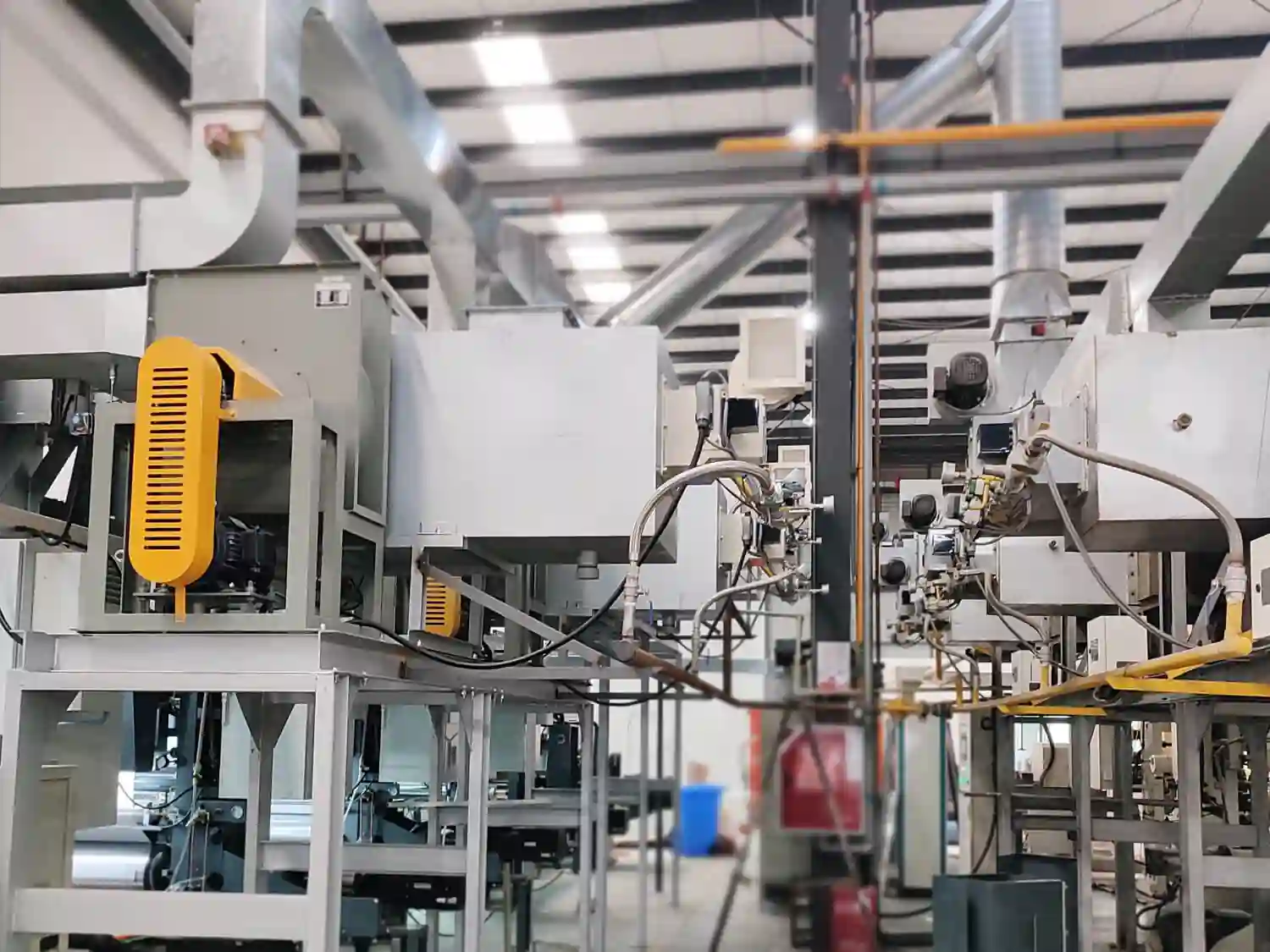
Burner position has a major influence on heat distribution, flame stability, furnace temperature uniformity, energy efficiency, and equipment life. Even a well-designed burner—with correct capacity, appropriate flame characteristics, and suitable fuel compatibility—can perform poorly if it is installed in the wrong location or at an unsuitable angle. The burner's physical position within the furnace is not a secondary detail; it is a primary design variable that determines how effectively the combustion energy is utilized.
The burner is not simply a device that adds heat to a furnace. Its position determines where the heat is released, how combustion gases circulate, how heat is transferred, and whether the flame interacts correctly with the furnace chamber and product. The flame is a highly directional energy source, and its trajectory, momentum, and thermal profile are all governed by the burner's placement. A position change of even a few centimeters can significantly alter the temperature distribution within the furnace.
Incorrect burner placement can cause:
Hot spots and cold zones, creating thermal imbalances that affect product quality.
Uneven product heating, leading to inconsistent material properties.
Flame impingement, concentrating heat on structural surfaces.
Refractory damage, from localized overheating and thermal stress.
Poor combustion, due to unfavorable pressure or flow conditions.
Higher fuel consumption, from reduced heat transfer efficiency.
Increased emissions, resulting from incomplete combustion or temperature excursions.
Flame instability, from adverse interaction with furnace geometry or draft.
Therefore, burner selection and burner positioning should be treated as part of the same combustion-system design process. The burner and its position are inseparable; the performance of one depends critically on the other.
Burner position includes more than simply deciding where to mount the burner. It encompasses a comprehensive set of spatial parameters that collectively define the flame's relationship with the furnace environment.
It includes:
Burner location, the specific mounting point on the furnace wall, roof, or floor.
Installation height, the vertical position relative to the chamber floor and product.
Installation angle, the orientation of the burner axis relative to horizontal or vertical planes.
Flame direction, the path the flame takes as it enters and traverses the chamber.
Distance from the product, ensuring adequate heat transfer without direct impingement.
Distance from furnace walls, providing sufficient clearance to avoid overheating structural surfaces.
Distance between multiple burners, managing interaction and coverage.
Relationship with exhaust outlets, controlling the path of combustion gases through the chamber.
These factors determine how the flame and hot combustion gases move through the furnace, where heat is released, and how effectively that heat is transferred to the product.
A burner releases heat through a combination of flame radiation, hot combustion gases, convection, furnace-wall radiation, and gas circulation. Its position determines how these mechanisms interact and whether the heat reaches the intended locations.
A correctly positioned burner should create a controlled flow of hot gases that provides efficient and uniform heat transfer without damaging the furnace or product. The position must balance multiple objectives: adequate heat penetration, uniform temperature distribution, protection of structural materials, and compatibility with the exhaust system.
One of the most important reasons for carefully positioning a burner is temperature distribution. The flame is a concentrated heat source, and its location relative to the chamber geometry determines the thermal gradient within the furnace.
Imagine a large furnace with one burner installed too close to one side. The area near the flame may become extremely hot, while the opposite side remains relatively cool. The temperature profile across the chamber is skewed, with a steep gradient from hot to cold.
This can create:
Hot zone → temperature gradient → cold zone
Possible consequences include:
Uneven heating, with some areas reaching temperature while others lag behind.
Longer process times, as the furnace must wait for the cold zone to catch up.
Product quality variations, with inconsistent treatment across the load.
For precision processes such as heat treatment, this can be particularly problematic, as material properties depend on uniform thermal exposure.
The flame must fit the geometry of the furnace. The flame envelope—defined by its length, diameter, angle, and momentum—must be compatible with the chamber dimensions and the location of the load.
Important factors include:
Flame length, determining how far the heat release extends into the chamber.
Flame diameter, affecting the cross-sectional coverage.
Flame angle, directing the heat release.
Flame momentum, influencing penetration and circulation.
A burner installed in the wrong location may produce a flame that does not reach the required area, hits a wall too early, extends into an exhaust opening, or directly contacts the product. Therefore, flame shape and burner position must be considered together. The burner must be positioned so that its flame envelope fits within the furnace volume and delivers heat to the intended zones.
Flame impingement occurs when the flame directly contacts furnace walls, refractory, metal, product, or furnace components. Direct flame contact is not always desirable and can be damaging in many applications.
For example, excessive flame impingement on refractory can cause:
Local overheating, exceeding the material's design temperature.
Thermal stress, leading to cracking and spalling.
Accelerated refractory degradation, shortening the lining's service life.
In metal heating applications, direct flame contact may cause:
Surface overheating, with potential for melting or excessive scaling.
Oxidation, degrading surface quality and material properties.
Uneven heating, with localized hot spots on the product.
The burner should therefore be positioned so that the flame provides the required heat transfer without creating excessive localized heating or direct impingement on sensitive surfaces.
Burner placement determines the path of hot combustion gases through the furnace. The circulation pattern of the gases—driven by flame momentum, buoyancy, and furnace geometry—governs how effectively heat is transferred from the combustion zone to the product.
A good arrangement encourages the gases to:
Leave the burner with the designed velocity and direction.
Enter the furnace chamber and expand.
Circulate through the heating zone, mixing with furnace gases.
Transfer heat to the product and furnace surfaces.
Reach the exhaust system after releasing their thermal energy.
If the burner and exhaust outlet are too close together, hot gases may travel directly from the burner to the exhaust. This is sometimes called short-circuiting of the combustion gases. The gases leave the furnace before transferring their heat, bypassing the load.
The result can be:
Reduced heat transfer, with less energy delivered to the product.
Higher exhaust temperature, indicating wasted energy.
Greater energy loss, increasing fuel consumption.
The burner and exhaust system should be considered together as a single flow system. The relative positions of the heat source and the gas outlet determine the path and residence time of the combustion gases within the furnace.
A furnace needs controlled gas circulation to achieve effective heating. For example:
Burner → heating zone → circulation → exhaust
is generally more effective than:
Burner → exhaust
The objective is to make the combustion gases travel through the areas where heat is needed before leaving the furnace, maximizing the energy extracted from the hot gases before they exit.
This is particularly important in large furnaces, drying systems, kilns, and heat treatment furnaces, where the residence time of gases within the chamber directly affects efficiency and uniformity.
The installation angle determines the direction of flame movement and the trajectory of the combustion jet. A seemingly small change in angle can significantly alter the heat distribution pattern and the interaction of the flame with furnace surfaces.
A burner may be installed:
Horizontally, firing parallel to the furnace floor.
Vertically, firing downward or upward.
At an upward angle, directing the flame toward the crown.
At a downward angle, directing the flame toward the hearth or product.
Tangentially, firing at an angle to the chamber wall to create rotational flow.
The correct angle depends on furnace geometry, product location, desired circulation pattern, and flame characteristics. The angle should be selected to achieve the required heat distribution while maintaining adequate clearance from walls and product.
In some furnaces, burners are arranged tangentially to create a rotating gas flow. The flames are directed at an angle to the chamber wall, and the combined effect of multiple burners creates a swirling pattern.
Potential benefits include:
Better mixing of combustion gases and furnace atmosphere.
Improved temperature uniformity, with reduced stratification.
Reduced localized heating, avoiding hot spots.
However, the exact arrangement must be designed according to the furnace geometry, and tangential firing requires careful coordination of burner angles and firing rates.
Installation height influences the distance between the flame and the product, as well as the vertical temperature distribution within the furnace. The height should be selected to achieve the required heat transfer without overheating the product or structural components.
If the burner is too low, the flame may directly hit the material, local heating may become excessive, and the product may be damaged. If it is too high, heat may not reach the intended heating zone efficiently, and the upper parts of the chamber may be overheated while the lower areas remain cold.
The correct height depends on flame length, flame trajectory, product location, and furnace dimensions. The burner should be positioned so that the flame envelope provides adequate coverage without excessive vertical gradient.
Large furnaces often cannot be heated effectively from a single point. As furnace size increases, heat travel distance increases, temperature gradients become more significant, and gas circulation becomes more important for achieving uniform temperatures.
A single burner in a large furnace creates a steep temperature gradient, with intense heat near the burner and diminishing temperatures farther away. The furnace volume is too large for a single flame to cover effectively.
This is why large furnaces frequently use:
Multiple burners, distributing heat across the chamber.
Multiple heating zones, with independent temperature control.
Opposing burner arrangements, to balance heat input.
Staggered burner layouts, to avoid cold spots between burners.
The objective is to distribute heat across the chamber volume rather than simply increasing burner capacity. Multiple burners provide better coverage and more uniform temperature distribution.
When multiple burners are used, spacing becomes critical. The distance between burners must be selected to achieve uniform heat coverage without creating excessive interaction or leaving cold zones.
If burners are too close together, local heat release may become excessive, flames may interact and merge, and hot spots may develop. If burners are too far apart, cold zones may develop between them, and temperature uniformity may deteriorate.
The ideal arrangement depends on burner capacity, flame length, flame momentum, furnace dimensions, and process temperature. Each burner should serve its assigned zone, with adequate overlap to avoid gaps in coverage.
Combustion does not occur in isolation. The burner interacts with the combustion air system, fuel system, furnace pressure, and exhaust system. The burner position affects how these interactions occur and how the furnace pressure is distributed.
Furnace pressure can affect flame behavior and combustion efficiency. For example, excessive negative pressure may draw additional air into the furnace through doors, gaps, seals, and inspection openings. This uncontrolled air can alter the air-fuel ratio, flame stability, furnace temperature, and energy consumption.
Therefore, burner placement should be considered together with furnace pressure management. The burner position should support the intended pressure distribution and minimize the risk of uncontrolled air infiltration.
Different industrial applications require different burner arrangements based on their specific thermal objectives, product characteristics, and operating conditions.
The primary objective is usually temperature uniformity. Multiple burners may be positioned along the furnace walls or in different zones to minimize temperature gradients and achieve consistent material properties. The burner arrangement must support the required thermal profile across the entire load.
The burner must provide efficient heat transfer while avoiding excessive direct flame interaction with molten aluminum. Important considerations include flame direction, flame momentum, distance from the metal, and furnace circulation. Poor positioning can contribute to excessive oxidation, dross formation, and local overheating of the melt or refractory.
The objective is often to produce uniform hot-air circulation. Burner position should be coordinated with the air circulation system, recirculation fan, and exhaust system. A poorly positioned burner can create temperature differences across the drying chamber, resulting in inconsistent moisture removal.
The burner is usually positioned at the kiln end so that the flame extends into the combustion zone along the kiln axis. Important factors include flame length, flame momentum, kiln diameter, material movement, and secondary air conditions. Incorrect flame positioning can result in poor heat transfer, refractory overheating, incomplete combustion, and unstable operation.
Mechanical convenience should not be the primary design criterion. The burner location should be determined by heat transfer, flame trajectory, furnace airflow, and product requirements, not simply by the availability of a mounting location.
If the exhaust is too close to the burner, combustion gases may leave before transferring sufficient heat. The burner and exhaust positions should be coordinated to maximize gas residence time in the heating zone.
Direct flame contact can create localized overheating and oxidation. Unless the process specifically requires direct flame impingement, the burner should be positioned to deliver heat indirectly through radiation and convection.
Burner placement must be customized according to furnace geometry, process, and burner characteristics. A position that works well in one furnace may be unsuitable for another.
If furnace production or material loading changes, the existing burner arrangement may no longer provide optimal heat distribution. The positioning should accommodate anticipated changes in operating conditions.
A systematic approach is recommended to ensure that the burner position supports the thermal objectives of the furnace.
Determine the length, width, height, heating volume, and product location. The furnace geometry defines the available space for the flame and the distance heat must travel.
Identify the desired temperature profile, including hot zones, cold zones, and required temperature uniformity. The burner position should support the thermal objectives of the process.
Consider capacity, flame length, flame shape, and flame momentum. The burner characteristics must be compatible with the furnace geometry and the desired heat distribution.
Determine how hot combustion gases should travel through the furnace to achieve the required heat transfer and temperature uniformity.
Ensure that the exhaust system supports the desired circulation pattern and that gases do not short-circuit from burner to exhaust.
Verify that the flame will not excessively impinge on refractory, product, or furnace components. Adequate clearance should be maintained.
Depending on the application, validation may include temperature mapping, combustion testing, CFD analysis, and commissioning adjustment. The design should be verified before finalizing the installation.
Before installing an industrial burner, check the following parameters:
Furnace dimensions and geometry
Insulation condition
Operating temperature
Furnace pressure
Burner capacity
Flame length and diameter
Flame momentum
Turndown ratio
Burner height
Installation angle
Distance from walls
Distance from product
Distance between burners
Combustion air direction
Furnace circulation pattern
Exhaust location
Recirculation system
Temperature uniformity required
Heating rate
Product sensitivity
Production capacity
Yes. Poor positioning can reduce heat transfer efficiency, increase exhaust losses, and create temperature gradients that require longer heating times. The fuel consumed per unit of production increases when heat is not effectively transferred to the product.
Yes. Burner location, angle, flame direction, and burner spacing can significantly influence temperature distribution. Even a small change in position can alter the circulation pattern and reduce temperature gradients.
Not necessarily. In many applications, direct flame impingement should be avoided unless the process and burner are specifically designed for it. Heat is often transferred more effectively through radiation and convection than through direct flame contact.
There is no universal distance. It depends on burner flame geometry, furnace construction, operating temperature, and burner mounting design. The flame should maintain adequate clearance to avoid localized overheating of the refractory.
Yes. Excessive flame impingement, high local temperatures, and poor airflow can accelerate wear of burner components and refractory materials. Proper positioning extends component life by reducing thermal stress and avoiding direct flame contact on sensitive surfaces.
Burner position matters because combustion performance depends not only on how much heat the burner produces, but also on where that heat is released and how it moves through the furnace. The burner is a directional heat source, and its placement governs the trajectory of the flame, the circulation of combustion gases, and the temperature distribution within the chamber.
A properly positioned burner can help achieve:
More uniform temperatures across the furnace.
Better heat transfer, with more energy delivered to the product.
Lower fuel consumption, through efficient combustion and circulation.
Stable combustion, with favorable pressure and flow conditions.
Reduced emissions, from complete and controlled combustion.
Longer refractory and equipment life, by avoiding localized overheating.
The best burner position is therefore not simply the most convenient mounting location. It is the position that creates the right relationship between the burner, flame, furnace, product, airflow, and exhaust system. The position must be engineered to support the thermal objectives of the process, not merely to accommodate mechanical constraints.
For industrial furnace design, burner selection and burner positioning should be engineered as one integrated combustion solution. The burner and its position are inseparable; the performance of one depends on the design of the other.
DYDTEC Combustion specializes in industrial burner technology, combustion systems, and customized thermal solutions. The company provides industrial burner solutions for furnaces, kilns, aluminum melting systems, drying equipment, hot air generators, and industrial process heating applications, focusing on optimized burner positioning, flame control, combustion efficiency, low-emission technology, and reliable industrial operation. With deep expertise in furnace aerodynamics and burner integration, DYDTEC supports customers in determining the optimal burner position for each unique application, ensuring efficient heat distribution, consistent process conditions, and cost-effective operation.