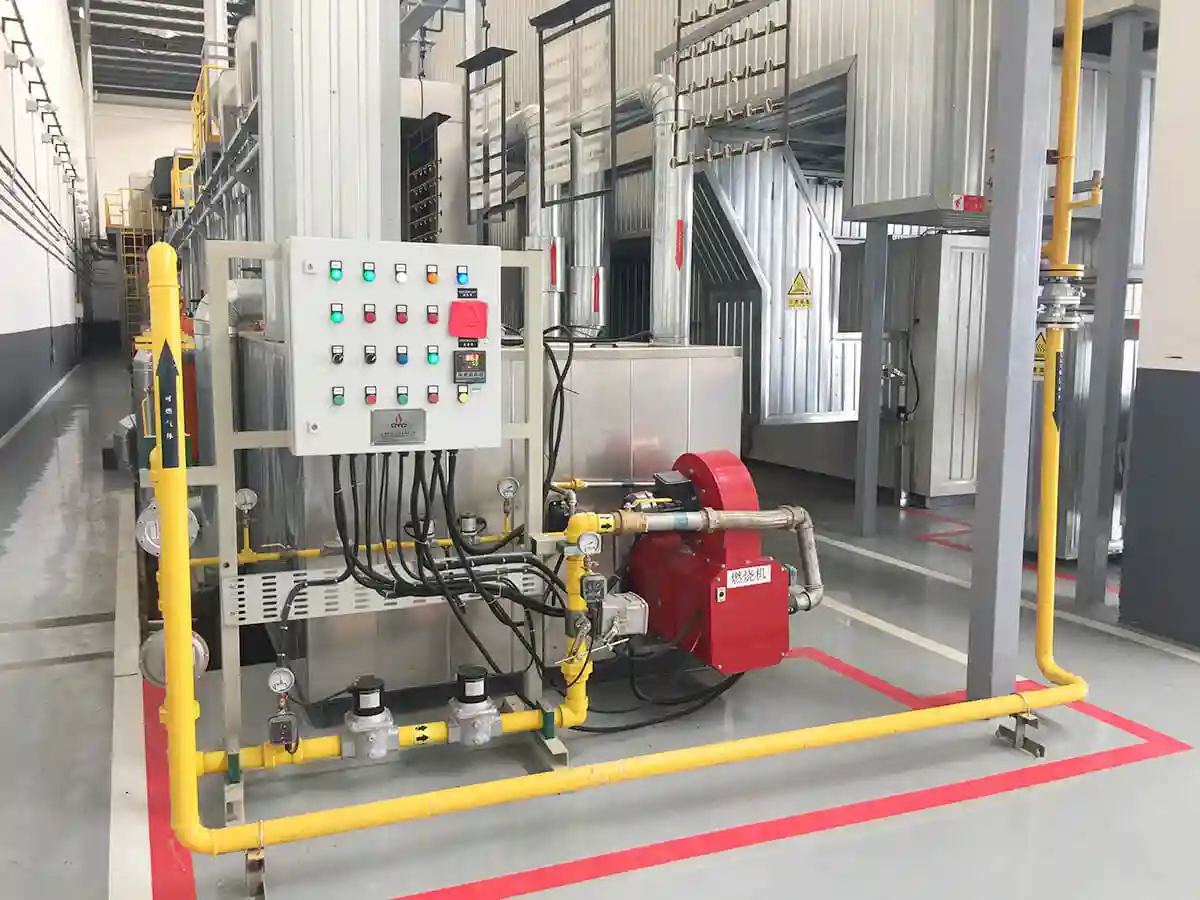
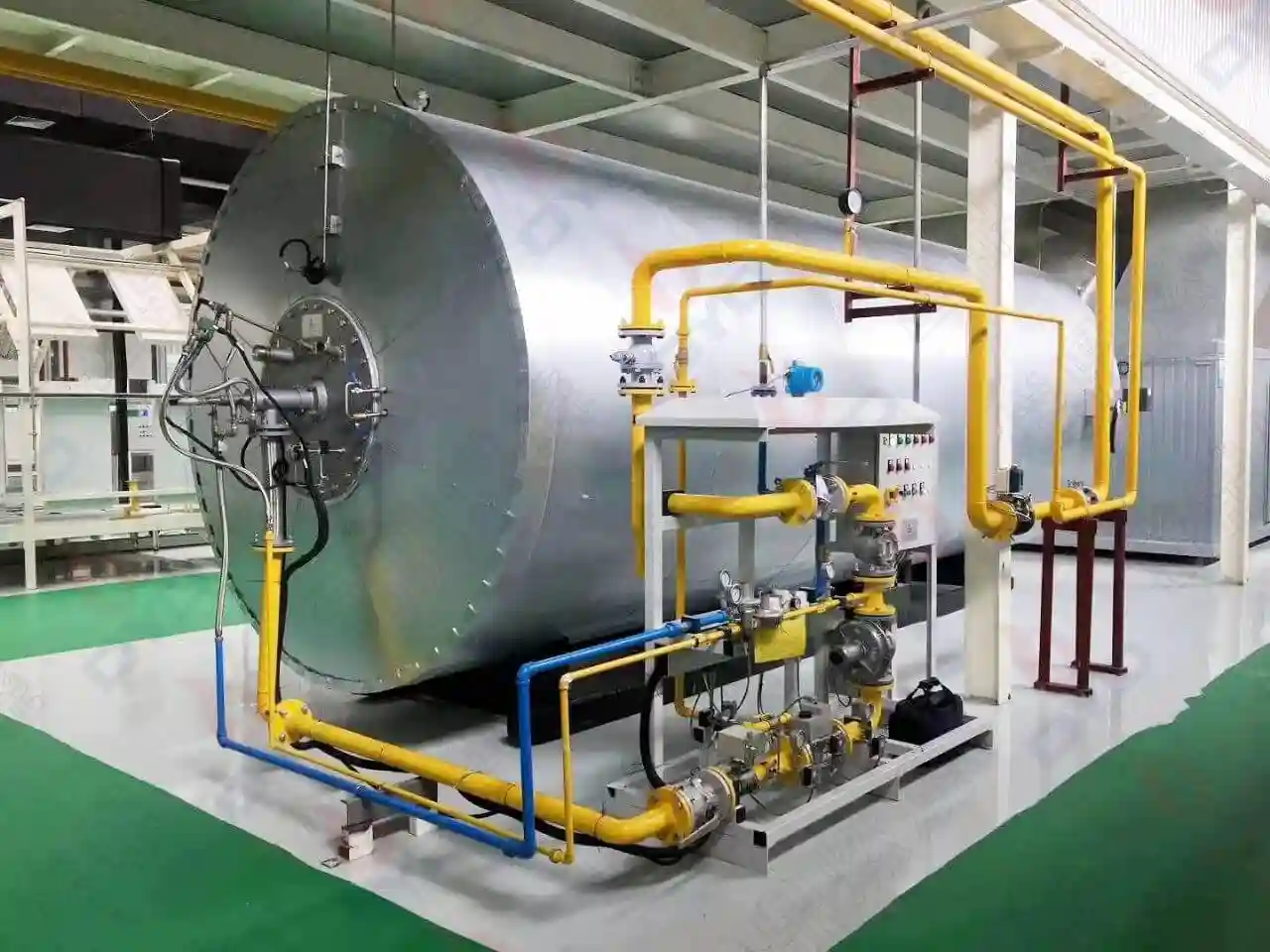
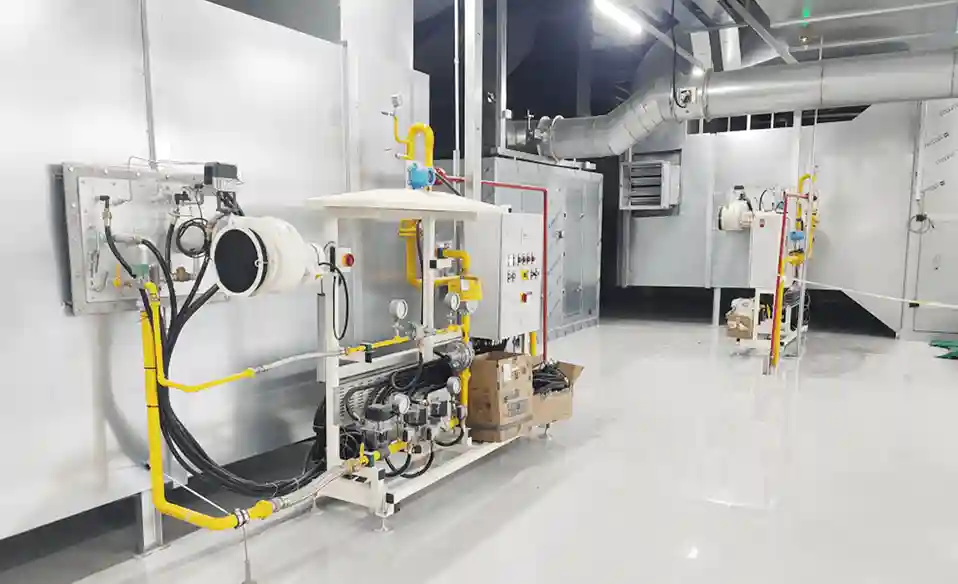
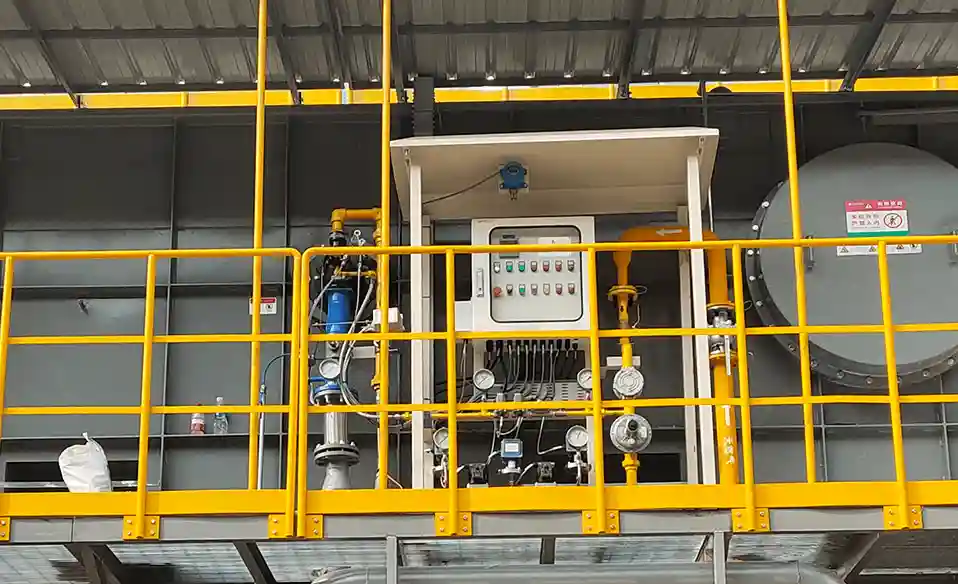
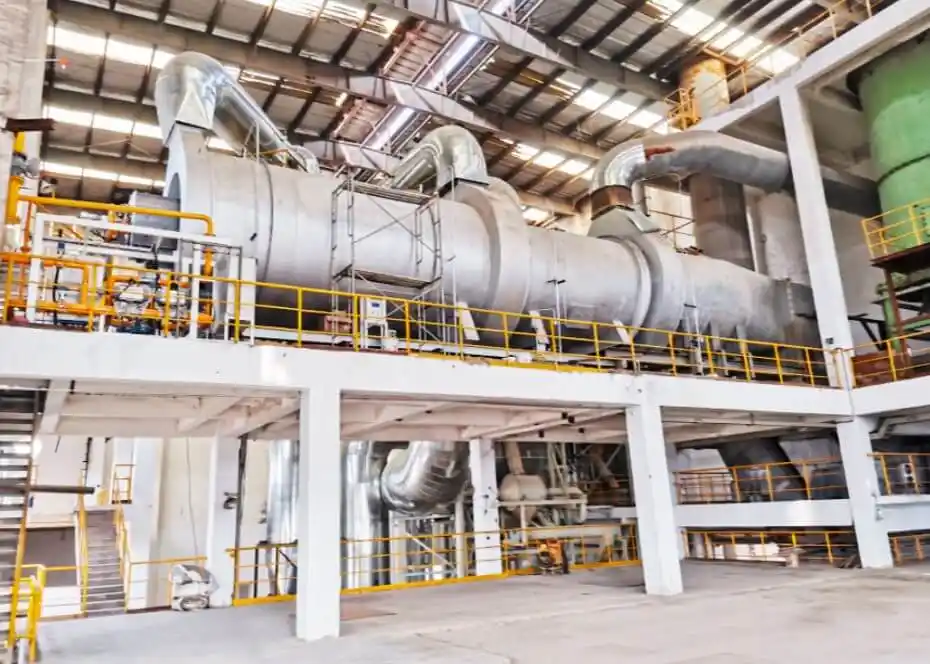
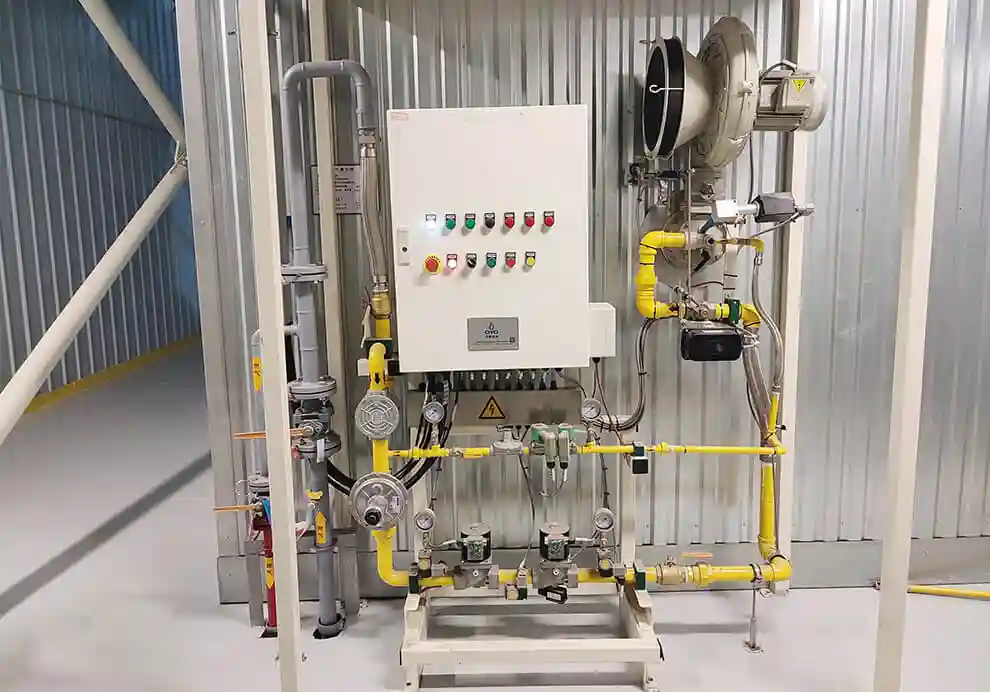
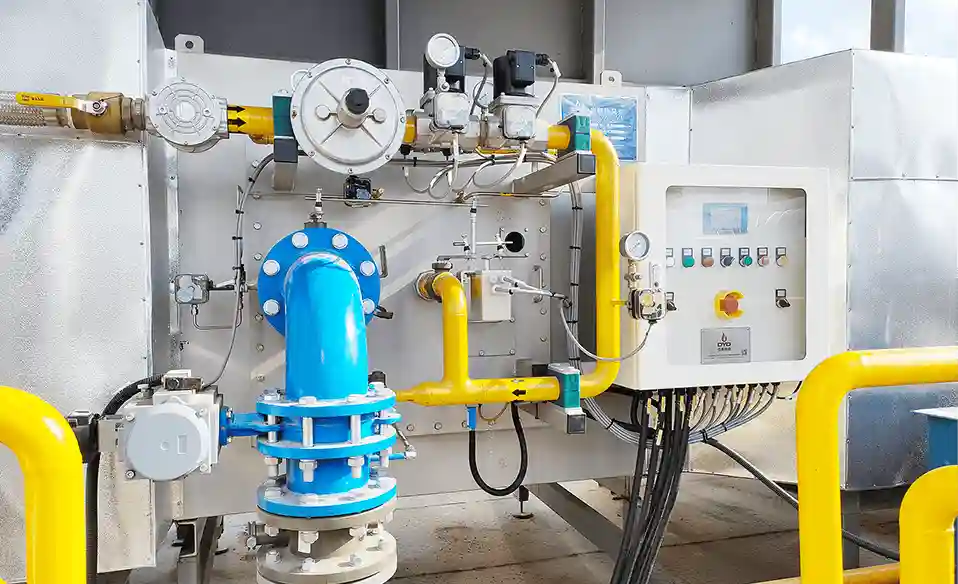
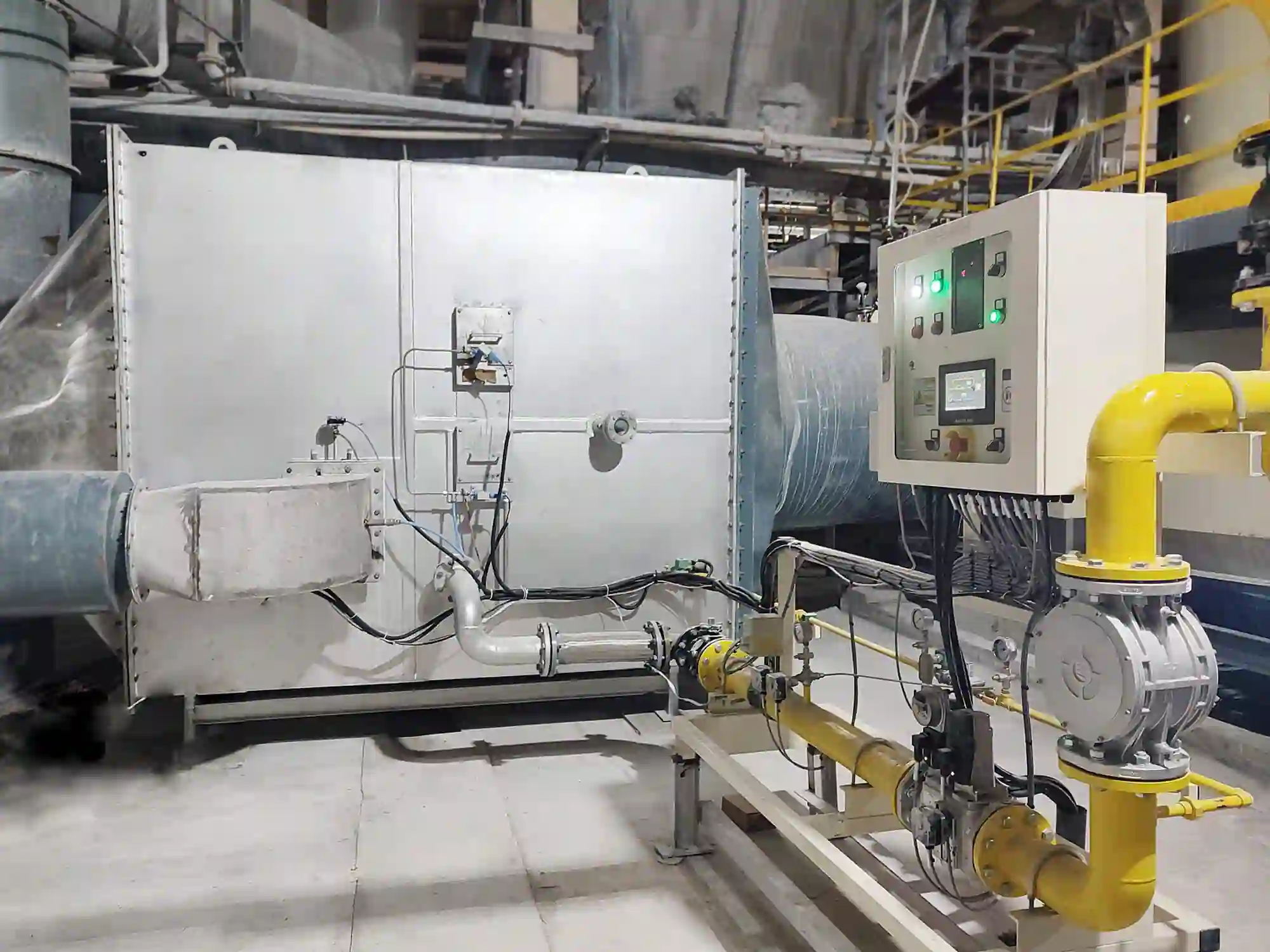
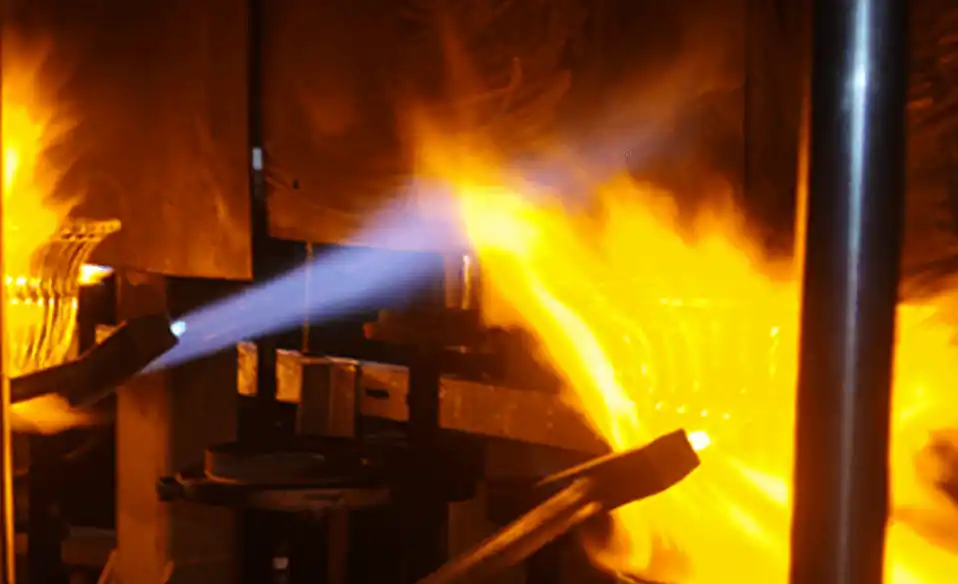
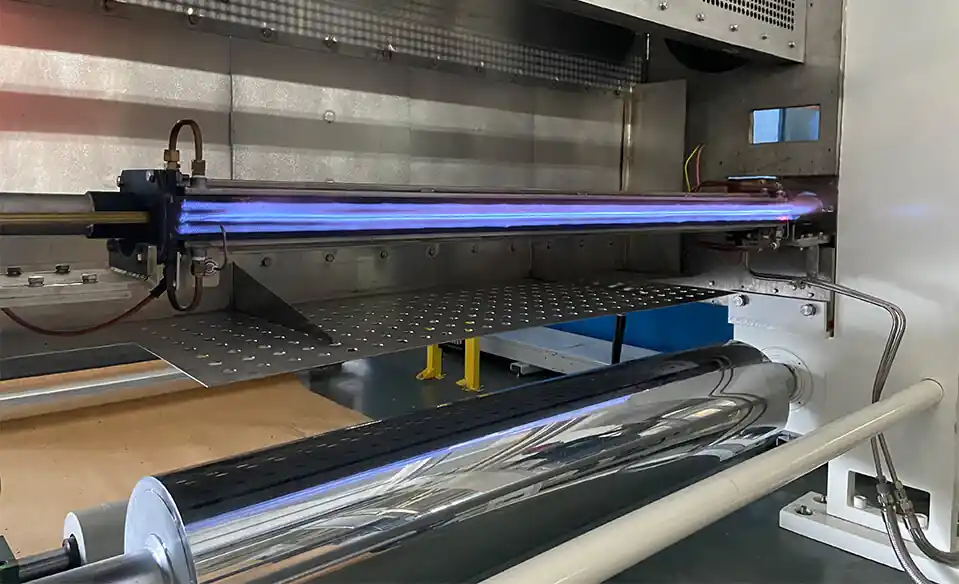
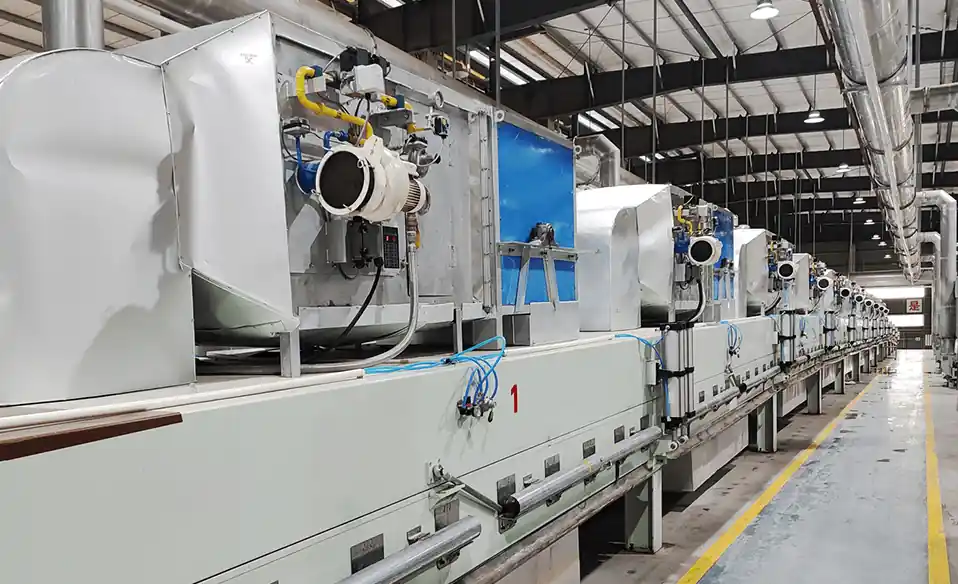
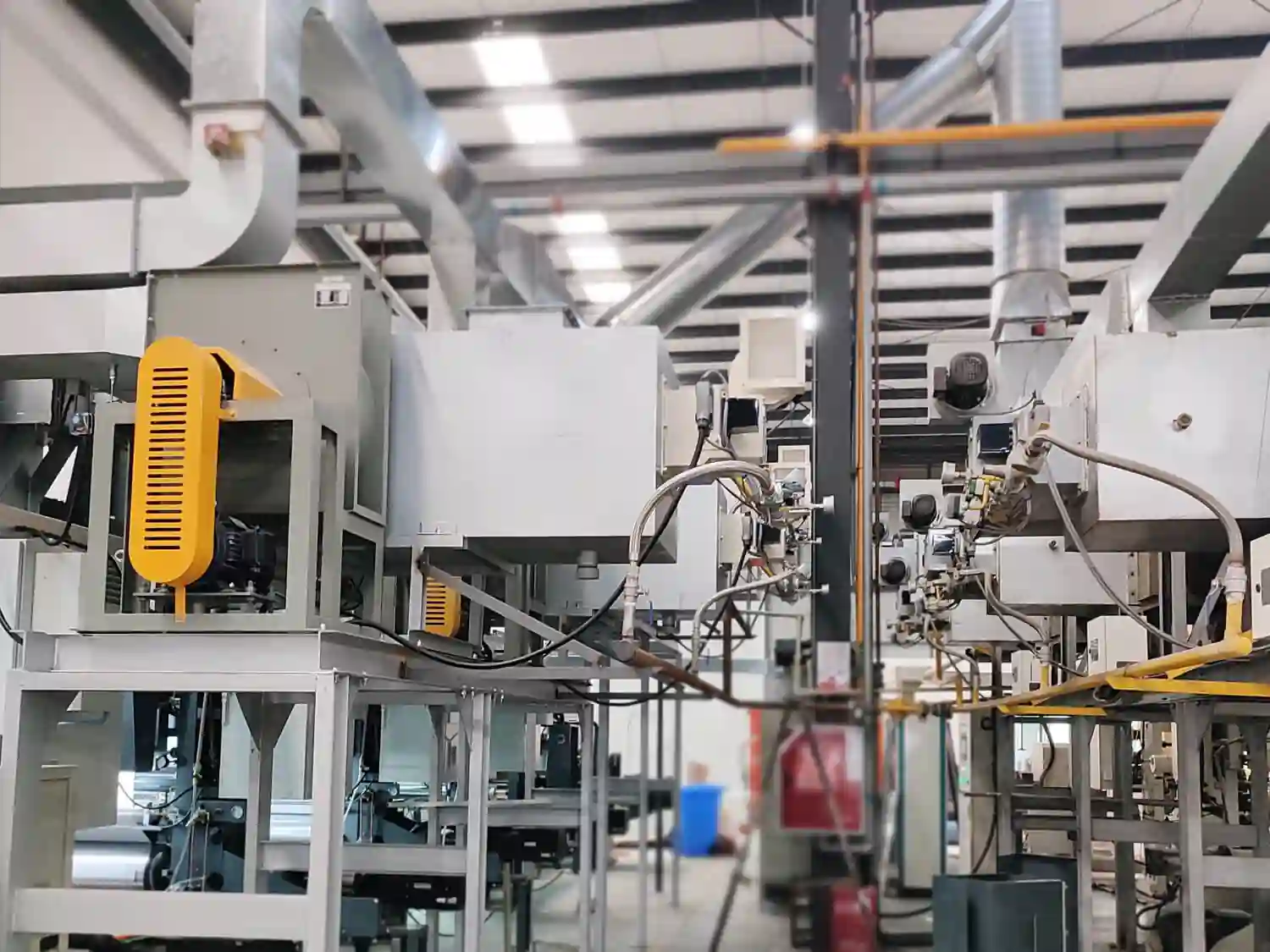
The angle at which an industrial burner is installed inside a furnace may seem like a simple mechanical detail, but it can have a significant influence on combustion, heat transfer, temperature uniformity, flame stability, refractory life, and overall furnace performance.
A burner does not simply release heat at a fixed point. Its installation angle affects the direction and trajectory of the flame, the movement of combustion gases, the location of heat release, and how effectively heat is transferred to the workpiece and furnace.
For this reason, burner angle should be considered as part of the overall furnace combustion design rather than treated as an installation detail.
The appropriate burner angle depends on several factors, including furnace geometry, burner type, flame length, flame momentum, fuel and combustion-air conditions, target temperature, workpiece arrangement, exhaust location, and required temperature uniformity.
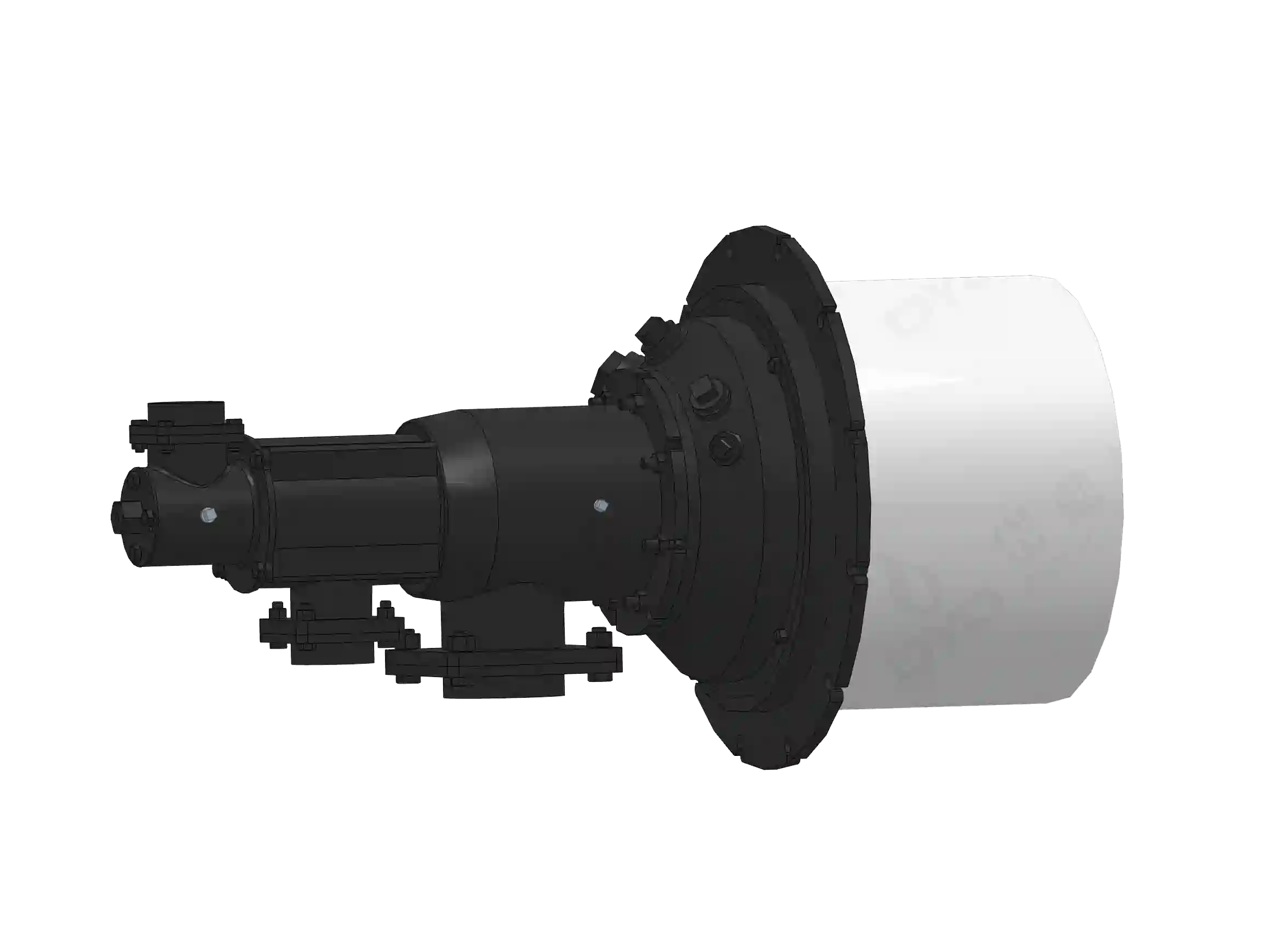
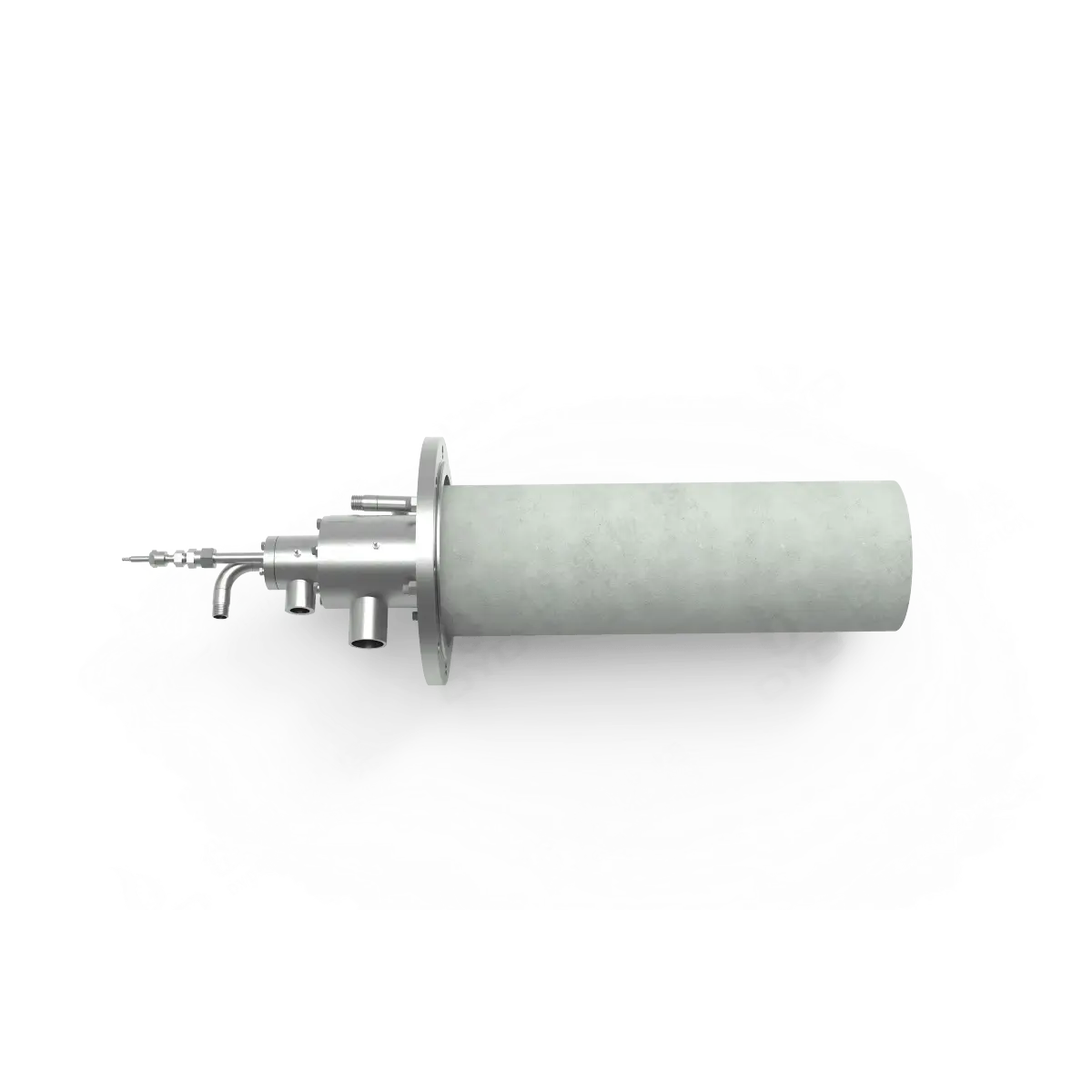
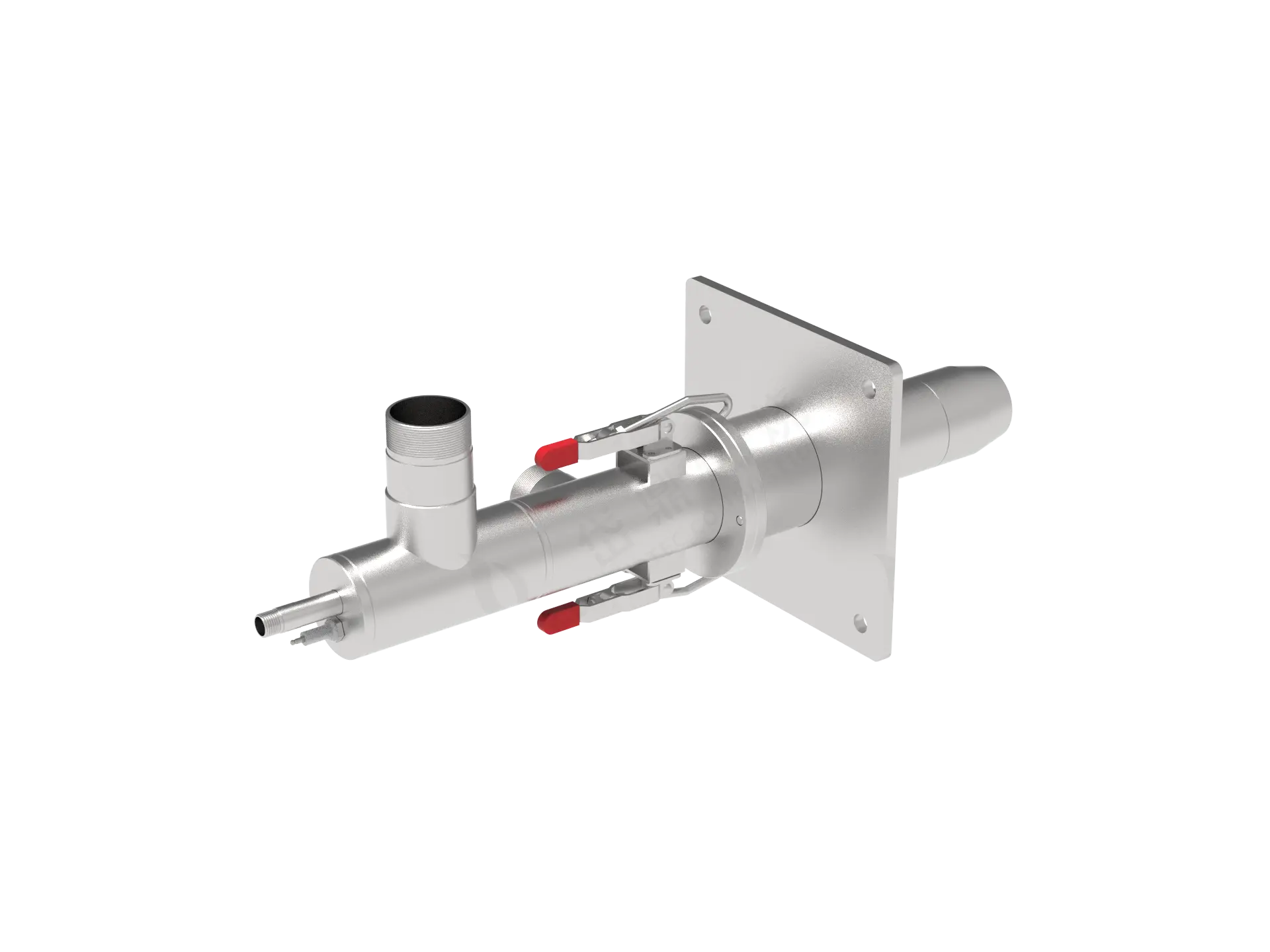
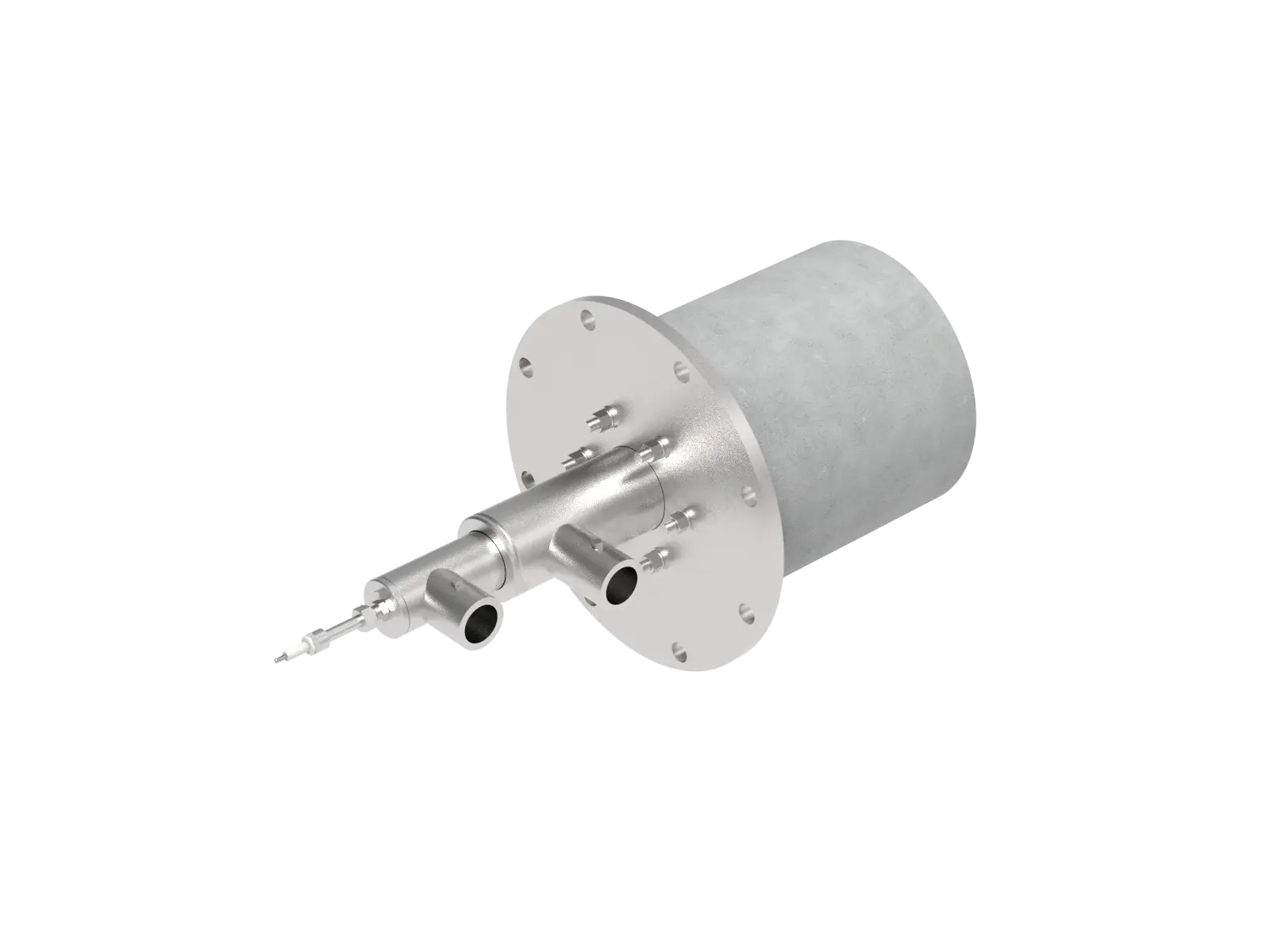
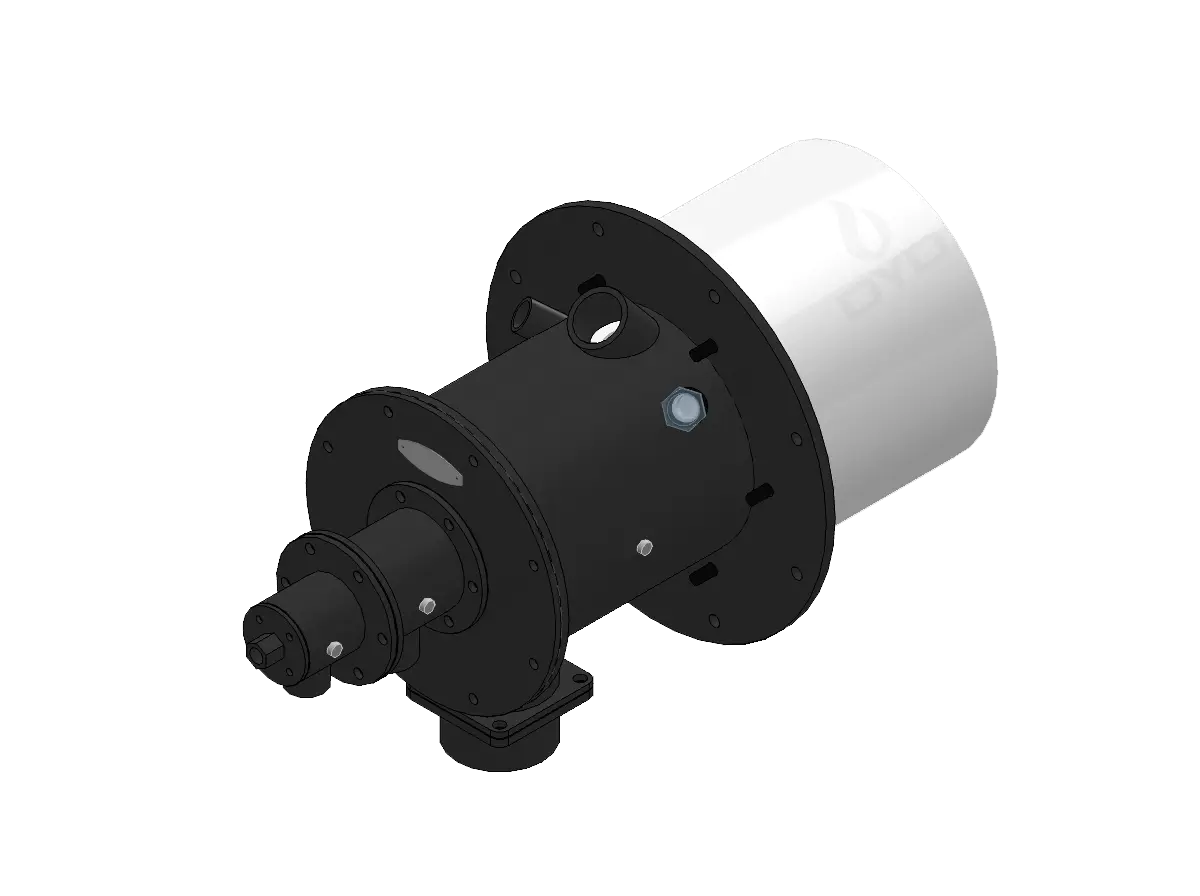
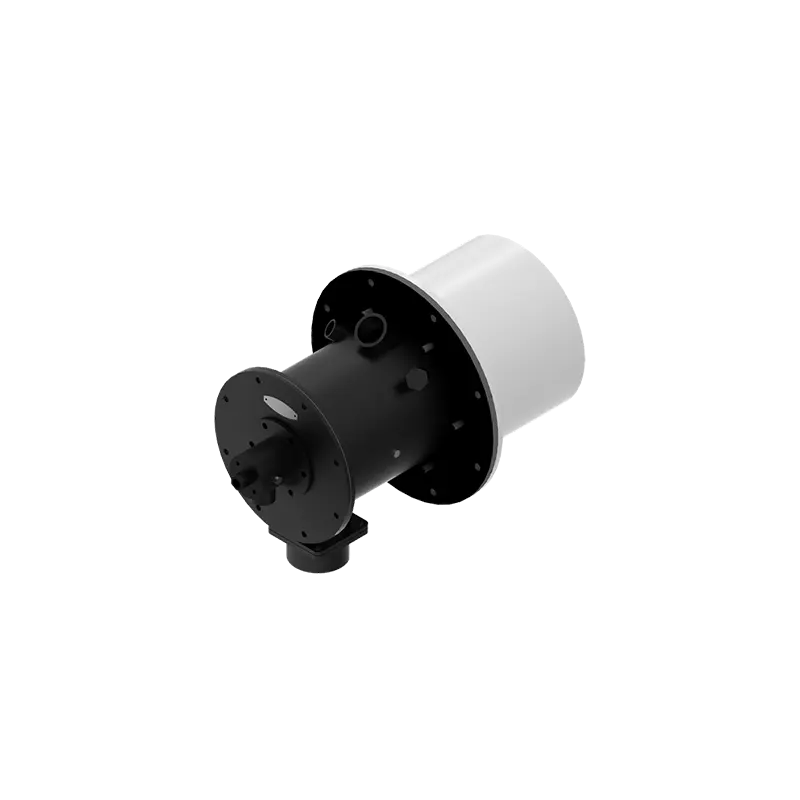
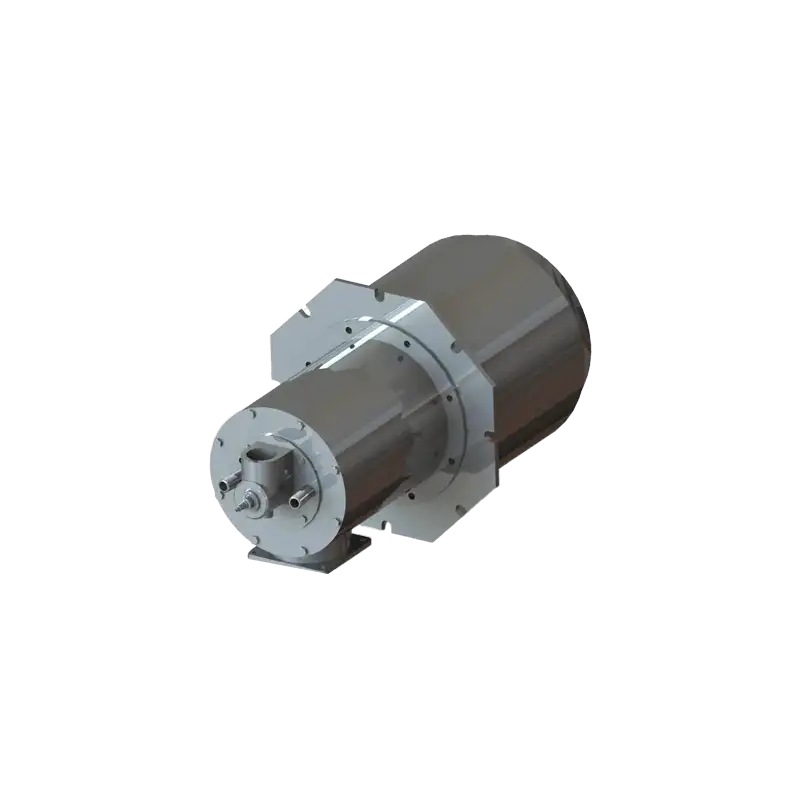
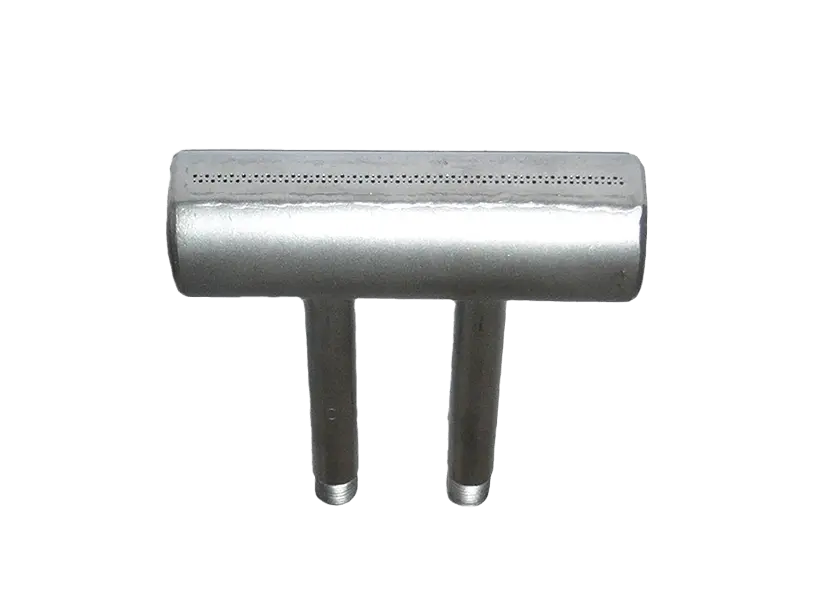
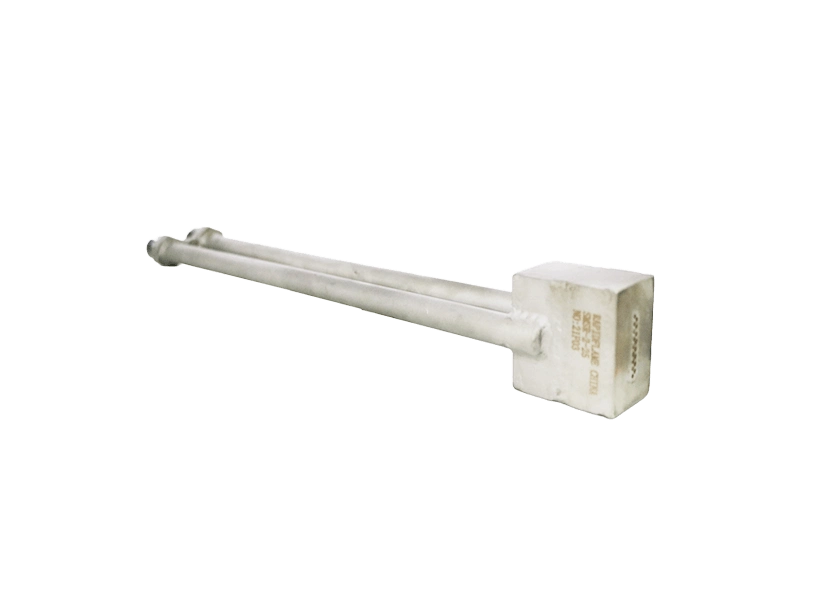
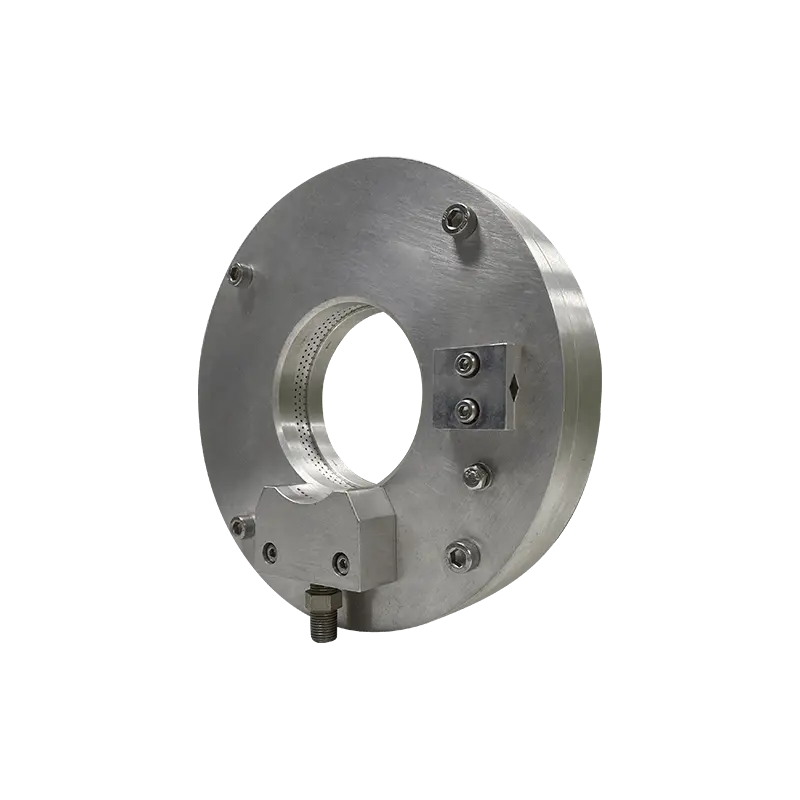
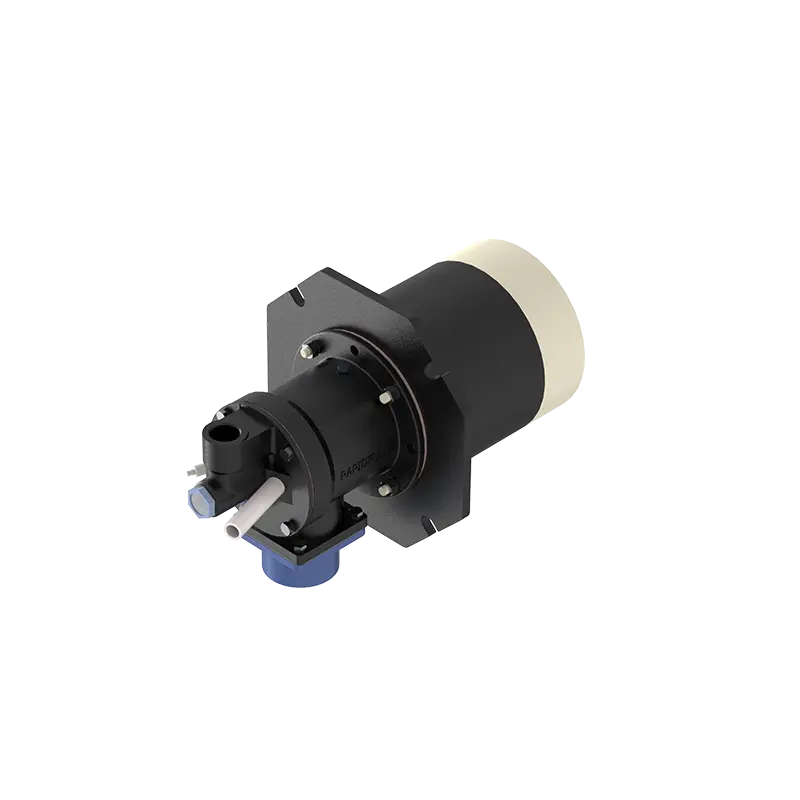
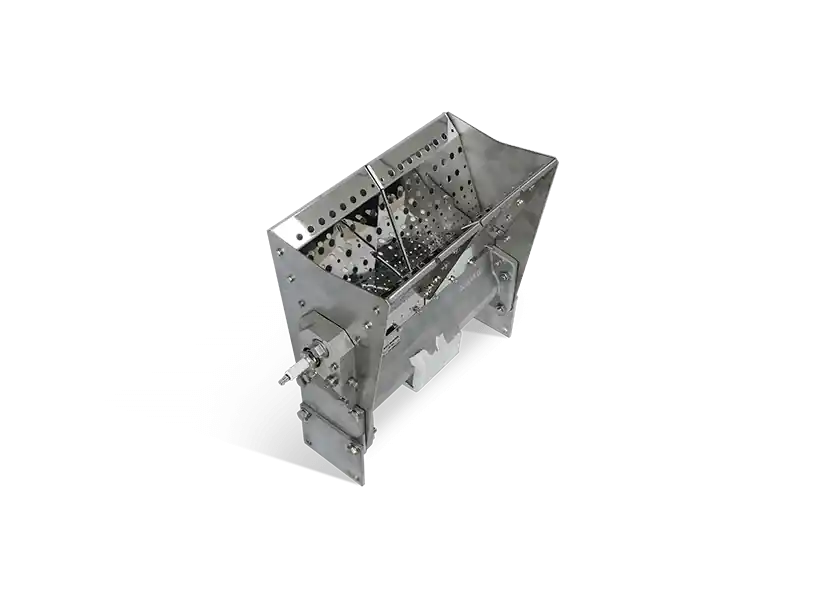
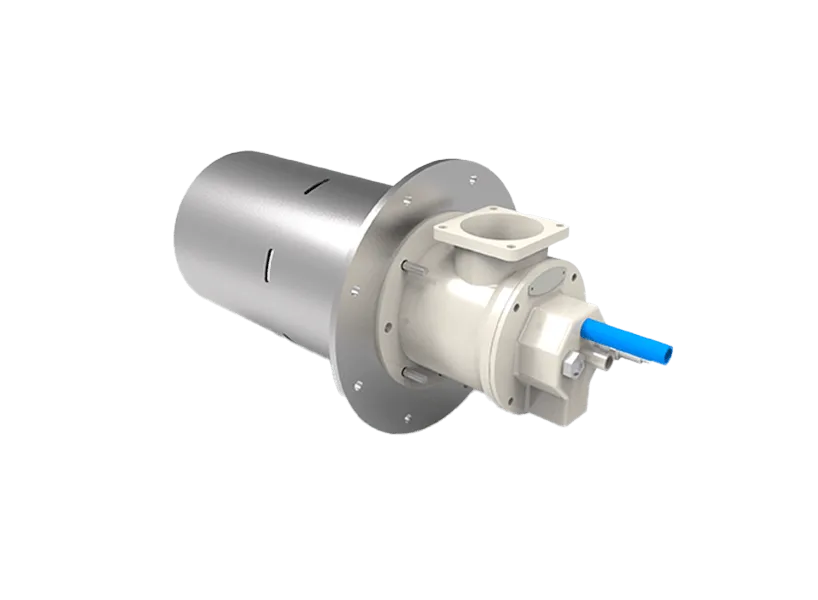
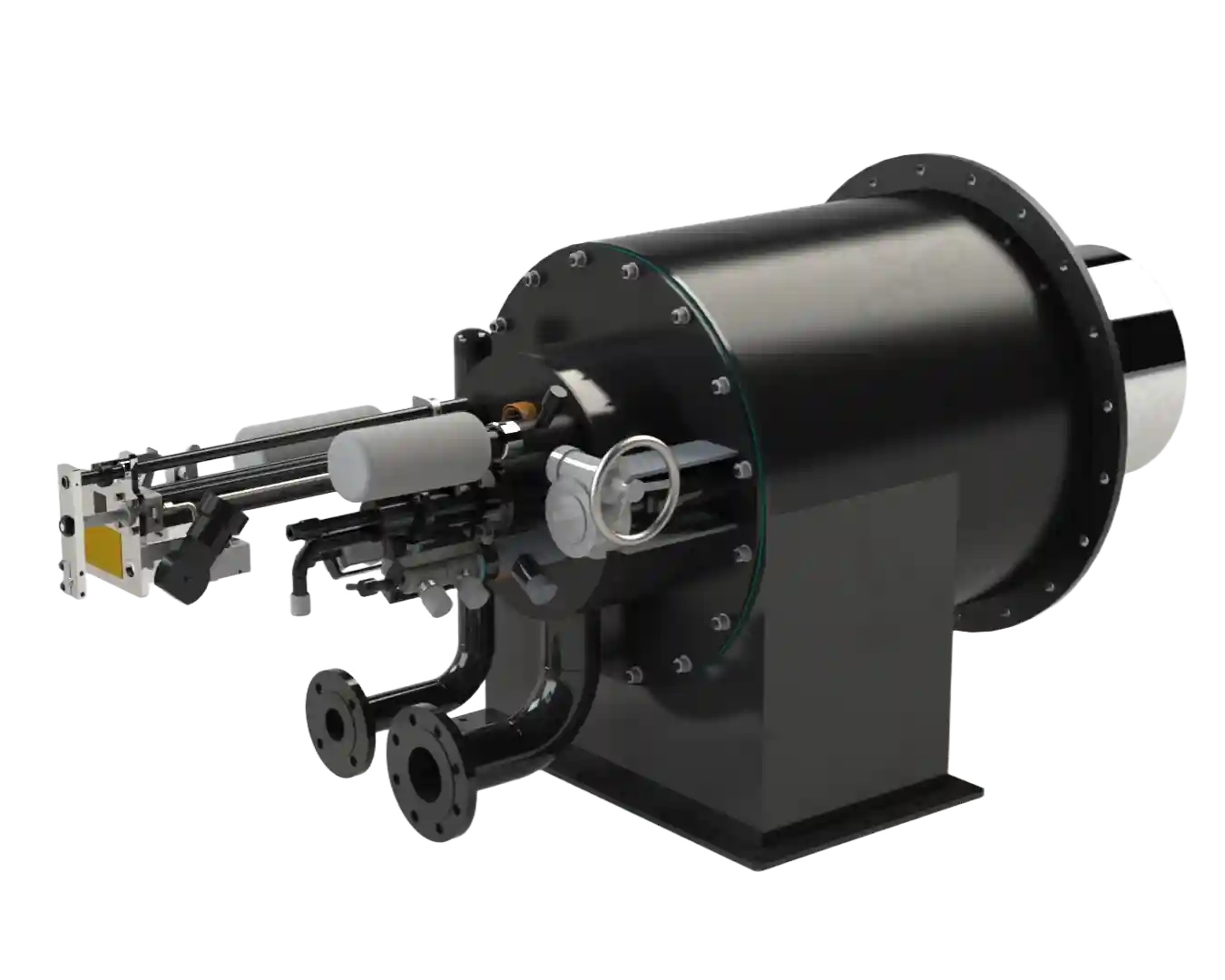
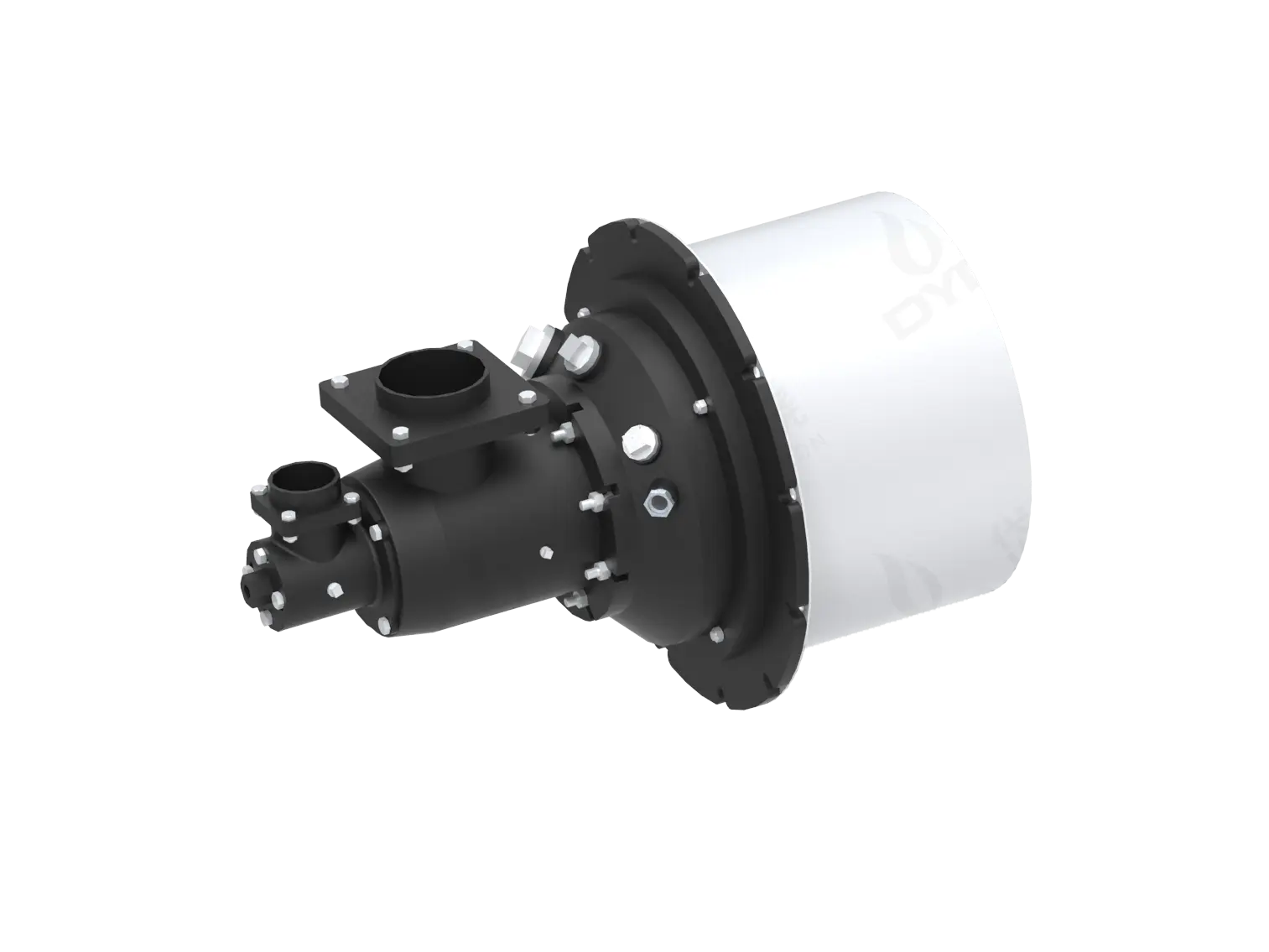
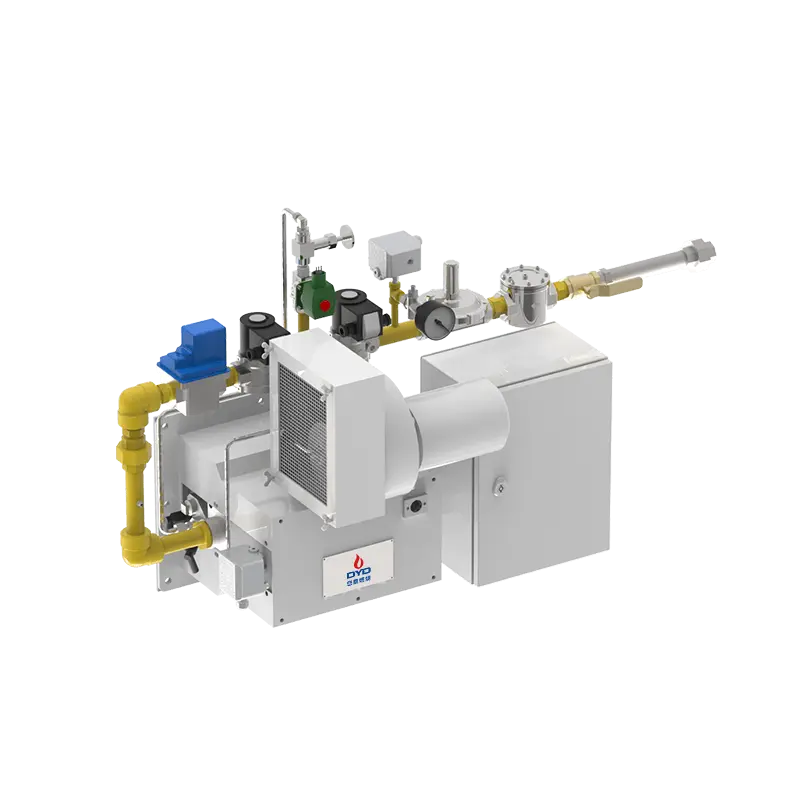
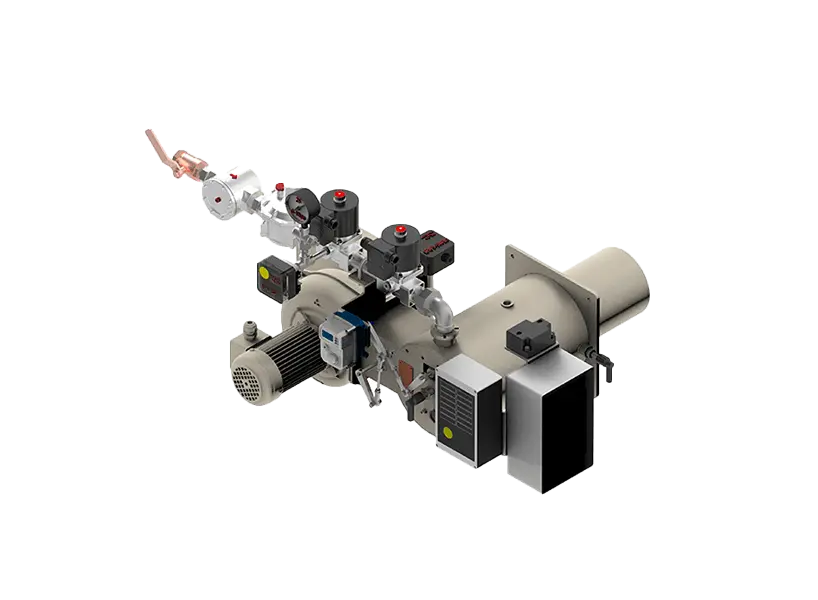
DYDTEC Combustion develops and manufactures industrial burners and combustion equipment for a wide range of industrial heating processes. Its product portfolio includes industrial gas burners, linear burners, low-NOx burners, oxygen burners, hydrogen burners, low-calorific-value burners, oil burners, flame-treatment burners, and combined-fuel burners. The company has developed more than 100 burner models covering more than 200 application scenarios.
Burner angle refers to the direction in which a burner or its flame is oriented relative to the furnace wall, furnace axis, workpiece, or another reference plane.
Depending on the furnace design, burners may be installed:
Horizontally
Upward at an angle
Downward at an angle
Tangentially
Radially
Opposite each other
In staggered arrangements
At different angles in different furnace zones
Burner angle does not work independently. It interacts with:
Flame velocity
Flame length
Flame momentum
Furnace dimensions
Burner spacing
Fuel-to-air ratio
Furnace pressure
Exhaust-gas flow
Workpiece position
Required temperature distribution
Changing the burner angle therefore changes the location and path of heat release inside the furnace.
The purpose of controlling burner angle is not simply to point the flame in a particular direction.
The real objective is to control how heat is distributed throughout the furnace.
A suitable burner angle can help achieve:
More uniform furnace temperature
Better heat transfer to the workpiece
Reduced hot spots
Reduced cold zones
More stable flame development
Better utilization of furnace volume
Lower risk of direct flame impingement
Better combustion-gas circulation
More consistent product quality
An unsuitable angle can have the opposite effect.
The burner may still operate, but the furnace can experience uneven temperature distribution, excessive wall heating, local overheating, incomplete utilization of furnace volume, or unstable process conditions.
The most direct effect of burner angle is on flame trajectory.
Once a flame leaves the burner head, its trajectory is influenced by its initial direction, velocity, density, surrounding gases, furnace geometry, and air movement.
When the burner angle changes, the initial direction of the flame changes as well.
A horizontally installed burner produces a flame that initially travels along the horizontal direction.
This arrangement can be suitable for long furnace chambers where heat needs to travel across a relatively large distance.
An upward angle can direct the flame toward the upper part of the furnace.
This may help distribute heat through the upper furnace volume, but excessive upward inclination can cause unnecessary heating of the roof or upper refractory.
A downward angle can direct heat toward the lower furnace area.
This may be useful when the lower zone requires additional heat, but the flame must be positioned carefully to prevent excessive direct heating of the workpiece or furnace floor.
Tangentially arranged burners can promote rotational gas movement within certain furnace geometries.
This can improve mixing and circulation in some applications and may help reduce large temperature gradients.
However, the appropriate arrangement depends strongly on furnace structure and combustion characteristics.
Temperature uniformity is one of the most important reasons to pay attention to burner angle.
A furnace does not necessarily achieve uniform temperature simply because all burners have the same firing rate.
If several flames release heat in the same area, a large amount of energy can become concentrated in one region while other areas receive insufficient heat.
This can create:
Hot spots
Cold spots
Uneven heating
Longer heating times
Product quality variation
Thermal stress
By changing burner orientation, combustion engineers can distribute heat across different regions of the furnace.
Instead of directing multiple flames toward the same area, burners can be positioned at different angles so that their combustion gases sweep through different furnace zones.
The objective is to create a more balanced thermal field.
This is particularly important for:
Heat treatment
Drying
Curing
Preheating
Melting
Firing
Calcination
Metal heating
Ceramic processing
Industrial burners from DYDTEC Combustion are used across heating, incineration, curing, drying, melting, and other industrial processes.
Yes.
One of the common consequences of poor burner positioning is localized overheating.
A hot spot may occur when the flame or high-temperature combustion gases repeatedly concentrate on a limited area.
This can happen when:
The flame is too close to the furnace wall
The flame directly impinges on the workpiece
Several flames overlap excessively
Burner angles are not coordinated
Flame length is incompatible with furnace dimensions
Furnace gas circulation is poor
Hot spots can contribute to:
Refractory damage
Localized oxidation
Material deformation
Uneven product properties
Coating defects
Excessive thermal stress
Reduced equipment life
Therefore, burner angle should always be evaluated together with flame length and flame shape.
Direct flame impingement on a furnace wall is generally undesirable unless the furnace has been specifically designed for that operating condition.
When a flame continuously contacts a refractory wall, the local heat load can become significantly higher than in surrounding areas.
Potential consequences include:
Local refractory overheating
Accelerated refractory wear
Uneven furnace-wall temperature
Increased thermal stress
Reduced refractory service life
Flame impingement can also alter the expected combustion pattern.
For this reason, burner angle should be selected so that the flame develops within the intended combustion zone rather than unintentionally terminating against the furnace wall.
Burner angle influences not only where combustion occurs but also how hot combustion gases move through the furnace.
Heat transfer inside an industrial furnace occurs through a combination of:
Radiation
Convection
Conduction
Burner orientation affects the movement and distribution of high-temperature combustion gases, which in turn affects convective heat transfer and the thermal environment surrounding the workpiece.
A well-designed burner arrangement can encourage hot gases to sweep around the workpiece and utilize a greater portion of the furnace volume.
This is particularly important when the furnace contains:
Large workpieces
Multiple heating zones
Complex internal structures
Long heating paths
Different thermal requirements in different zones
Burner angle can be used as one of the design parameters for influencing furnace gas circulation.
Consider a furnace with several burners.
If every burner points directly toward the center, the flames may interact strongly in the same region.
If burners are arranged at different orientations, the combustion gases may create a circulation pattern that distributes heat more broadly.
Depending on furnace geometry, designers may use:
Opposing flames
Staggered burners
Tangential firing
Cross-firing
Multi-zone firing
Different burner elevations
The goal is not to maximize gas movement at any cost.
The goal is to achieve the right circulation pattern for the process.
Too little circulation can create temperature stratification.
Excessive or poorly controlled circulation can disturb the flame, increase pressure losses, or move heat toward unwanted areas.
Burner angle does not directly determine combustion efficiency by itself.
However, it can indirectly influence combustion performance by changing:
Mixing conditions
Flame development
Residence time
Recirculation
Local oxygen concentration
Furnace-gas movement
Flame interaction with surrounding gases
A properly oriented burner allows the flame to develop within the intended combustion environment.
A poorly oriented burner may create unfavorable local conditions, especially if the flame interacts with furnace walls, workpieces, exhaust flows, or other flames.
Therefore, burner angle should be considered together with:
Burner design
Combustion-air velocity
Fuel pressure
Excess air
Furnace pressure
Flame characteristics
Flame stability depends on the relationship between flame propagation and the flow conditions around the flame.
Changing the burner angle can change how the flame interacts with the furnace atmosphere.
For example, a flame directed into a strong furnace-gas flow may behave differently from a flame developing in a relatively stable region.
Potential problems include:
Flame instability
Flame lift-off
Flashback risk in applicable burner designs
Flame distortion
Uneven flame length
Poor ignition reliability
This means that a burner cannot always be rotated freely after installation.
The burner, flame characteristics, and furnace flow field should be considered as a complete system.
Not necessarily.
This is an important misconception about burner installation.
The purpose of an industrial burner is usually to provide the required thermal environment—not simply to point a flame directly at the product.
Direct flame impingement may be appropriate for certain specialized processes, including some flame-treatment applications. However, many furnace heating processes require indirect heat transfer through controlled combustion-gas circulation and radiation.
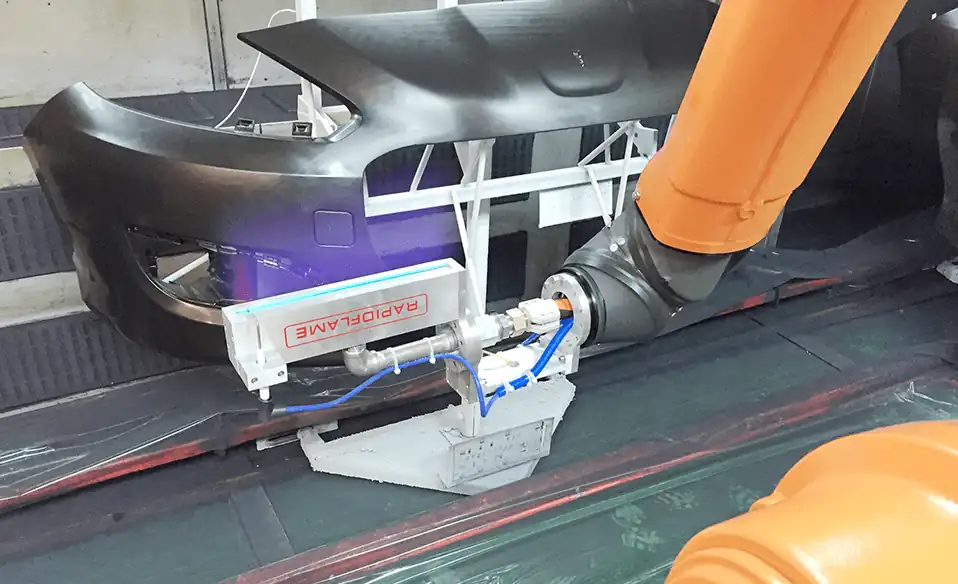
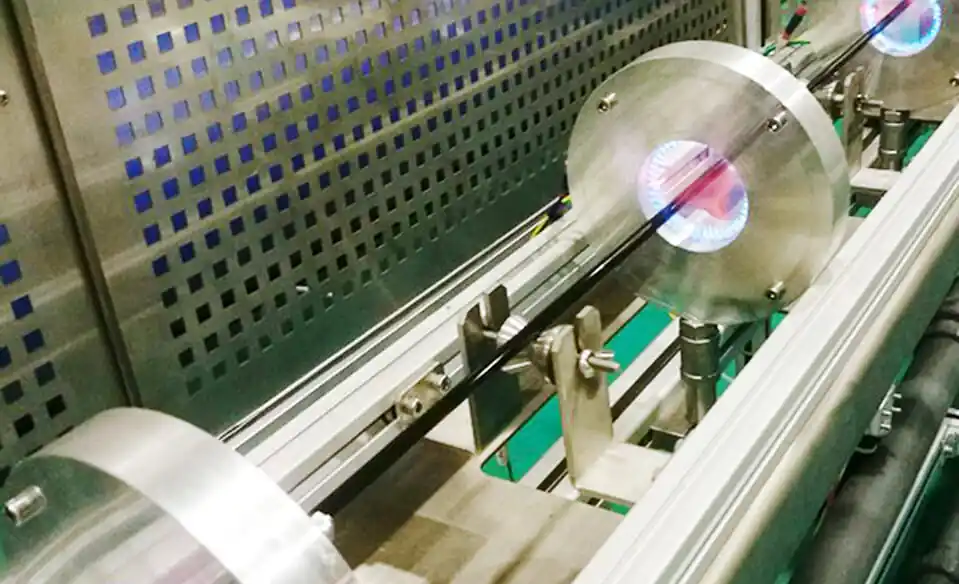
DYDTEC Combustion develops flame-treatment burners for applications including surface activation, deburring, stress relief, preheating, mold heating, hot forming, and glass flame polishing.
For conventional furnace heating, the better question is:
Where should the heat be delivered—not simply where should the flame point?
Furnace geometry is one of the most important factors in burner-angle selection.
A small furnace and a large industrial furnace may require completely different flame trajectories.
Important parameters include:
Furnace length
Furnace width
Furnace height
Heating-zone dimensions
Workpiece dimensions
Burner-to-wall distance
Burner-to-workpiece distance
Exhaust location
Number of burners
Burner elevation
A long furnace may require a flame trajectory that extends along the furnace length.
A tall furnace may require vertical distribution of heat.
A wide furnace may require multiple burners arranged to avoid large cold zones.
Therefore, there is no universal burner angle suitable for every furnace.
When multiple burners are installed, burner angle becomes even more important.
The interaction between burners must be considered.
Designers need to evaluate whether flames:
Overlap excessively
Interfere with one another
Create localized high-temperature zones
Leave cold areas
Hit furnace walls
Interact with exhaust flow
Create undesirable recirculation
The burner arrangement should therefore be designed as a combined combustion field, rather than as a collection of independent burners.
This is particularly important for large furnaces and multi-zone heating systems.
Burner angle can also influence the overall combustion environment of a furnace using low-NOx burners.
Low-NOx combustion technologies may rely on controlled mixing, staged combustion, internal recirculation, or other methods to control peak flame temperature and oxygen availability.
DYDTEC Combustion manufactures low-NOx burners for applications including hot-air furnaces, drying furnaces, preheating furnaces, ceramic kilns, glass tempering furnaces, heat-treatment furnaces, waste-gas incineration systems, and thermal oxidizers.
However, burner orientation should not be considered a substitute for low-NOx burner technology.
Instead, the installation angle should support the intended combustion pattern of the selected burner.
Different industrial processes have different thermal requirements.
Heat-treatment processes generally require controlled and uniform temperatures.
Burner angle should be selected to minimize hot spots and help ensure that the entire heating zone reaches the required thermal condition.
The flame should normally be positioned so that it does not create excessive localized heating of the workpiece.
Drying processes often require uniform hot-air distribution rather than concentrated flame heating.
In many applications, a linear burner or thermal-air system may be more appropriate than simply changing the angle of a conventional burner.
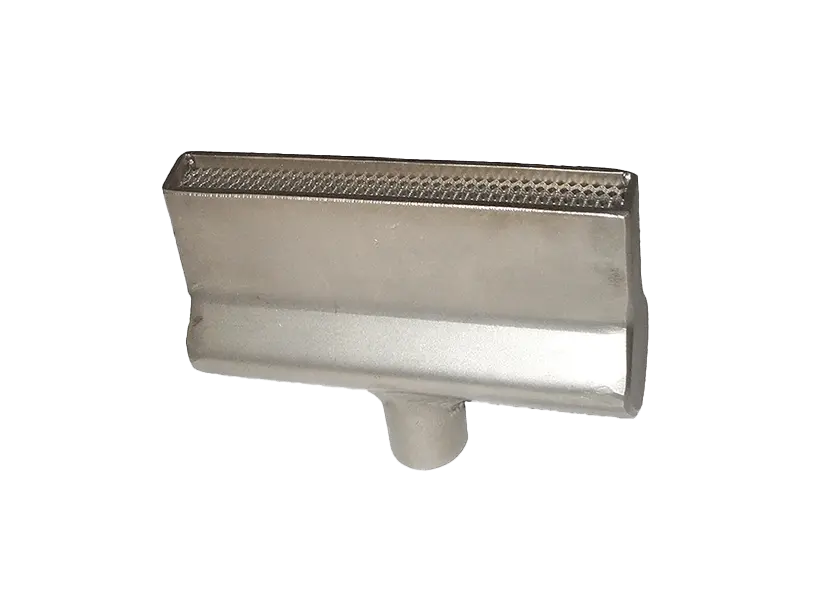
DYDTEC Combustion manufactures linear burners designed to provide large-area, clean, reliable, and uniform heat in air ducts. These burners are used in industrial drying and air-heating applications.
Metal heating requires careful control of heat distribution because localized overheating can affect material properties and downstream processing.
Burner angle, flame length, furnace circulation, and burner placement should therefore be considered together.
Ceramic firing requires careful control of temperature distribution.
Improper burner orientation may create localized high-temperature areas and uneven heating.
Burner angles should therefore be coordinated with:
Burner spacing
Firing zones
Furnace geometry
Exhaust-gas flow
Flame characteristics
Melting processes often require high heat flux and carefully controlled thermal distribution.
Burner orientation can influence:
Flame coverage
Furnace-wall heating
Melt-surface heating
Combustion-gas circulation
In these applications, burner angle should be designed together with the entire combustion system rather than adjusted independently.
There is no single standard angle that works for every industrial furnace.
A practical burner-angle selection process should include the following steps.
Determine:
Furnace dimensions
Heating zones
Burner locations
Workpiece locations
Exhaust positions
Determine whether the process requires:
Uniform heating
Rapid heating
Localized heating
High-temperature heating
Gentle drying
Controlled heat treatment
Evaluate:
Flame length
Flame diameter
Flame velocity
Flame momentum
Flame shape
Turndown characteristics
Confirm that the flame will not unintentionally:
Hit the furnace wall
Hit the workpiece
Interfere with another burner
Enter the exhaust directly
Consider the relationship between:
Burner direction → Flame trajectory → Hot-gas circulation → Heat distribution
For complex furnaces, computational analysis and thermal simulation can be useful before finalizing burner positions.
DYDTEC Combustion has developed combustion and thermal digital-twin simulation capabilities and CFD thermal simulation technology to support the analysis and development of combustion and thermal systems.
In some applications, adjustable burner positioning can be useful, especially during commissioning or when process requirements may change.
However, an adjustable mechanism does not mean the burner should be freely repositioned during operation.
The burner angle should ultimately be based on the designed combustion and thermal field.
For automated or specialized flame-treatment applications, multi-angle positioning can be particularly valuable.
DYDTEC Combustion's flame-treatment equipment can use robot-mounted burners to achieve rotating or multi-angle flame treatment for pipes, bottles, irregular components, and other products.
The easiest angle to install is not necessarily the best angle for combustion.
A burner angle that works with a short flame may be unsuitable for a long flame.
Direct flame contact may create localized overheating.
The exhaust system can strongly influence combustion-gas movement.
In multi-burner furnaces, burner interaction must be considered.
Changing burner orientation can alter the overall thermal and flow field.
Burner-angle changes should therefore be evaluated together with:
Burner capacity
Air supply
Fuel supply
Furnace pressure
Flame characteristics
It is important to understand that burner angle alone cannot solve every furnace-performance problem.
A furnace's performance depends on the interaction of several parameters:
**Burner selection
Burner capacity
Flame characteristics
Burner angle
Burner location
Air/fuel ratio
Furnace pressure
Exhaust design
Furnace insulation
Heat-transfer characteristics
Temperature control**
A poor burner system cannot be transformed into an efficient system simply by changing the angle.
Conversely, a properly selected burner can perform much better when its installation position and orientation are matched to the furnace geometry.
For OEM furnace manufacturers and industrial equipment designers, burner angle should ideally be considered before the furnace is fabricated, rather than after the equipment has already been built.
Early-stage combustion design allows engineers to coordinate:
Furnace dimensions
Burner positions
Burner angles
Heating zones
Exhaust locations
Flame trajectories
Control systems
Inspection and maintenance access
This approach can reduce the risk of discovering thermal-distribution problems after commissioning.
It also makes it easier to select the appropriate burner type for the actual process.
A professional burner manufacturer should not only provide a burner with a specified thermal capacity.
For complex industrial applications, the supplier should be able to evaluate the relationship between:
Burner → Flame → Furnace → Heat Transfer → Process
This may include:
Burner selection
Flame analysis
Burner positioning
Burner-angle recommendations
Combustion-system design
Air and gas supply design
Temperature-control strategy
CFD or thermal simulation
Commissioning support
Customized burner development
DYDTEC Combustion has developed more than 100 burner models covering more than 200 application scenarios. Its industrial burner portfolio includes gas burners, linear burners, low-NOx burners, oil burners, oxygen burners, hydrogen burners, low-calorific-value burners, flame-treatment burners, and combined-fuel burners.
The company also provides customized burner solutions according to project-specific technical requirements, allowing combustion systems to be adapted to different industrial processes.
Yes. Burner angle changes the direction of flame and combustion-gas movement, which can influence the distribution of heat inside the furnace.
There is no universal best angle. The correct angle depends on furnace geometry, burner characteristics, heating requirements, workpiece position, burner arrangement, and exhaust-gas flow.
Not necessarily. In many furnace applications, the objective is to create a uniform thermal environment rather than direct flame impingement.
It can, if the hot spots are caused by poor flame positioning or uneven heat distribution. However, burner capacity, flame characteristics, burner spacing, and furnace gas flow must also be evaluated.
Indirectly, it can. Better heat distribution can improve the utilization of generated heat and reduce unnecessary localized heating, but fuel consumption depends on the entire combustion and furnace system.
It can. Burner orientation changes the interaction between the flame and furnace-gas flow. The effect depends on the specific burner and furnace design.
Typical warning signs include persistent hot spots, cold zones, uneven product heating, flame impingement, refractory damage, unstable flame behavior, or poor temperature uniformity.
Sometimes, but the permissible installation orientation depends on the burner design and application. The flame characteristics and furnace geometry should be checked before changing the installation angle.
Yes. Burner selection and burner positioning should be treated as related design decisions, particularly for complex industrial furnaces.
Yes. For complex furnace geometries, thermal and CFD simulation can help evaluate flame trajectories, gas circulation, and temperature distribution before equipment commissioning.
Burner angle is not simply an installation detail. It is one of the factors that determines how combustion energy is distributed inside an industrial furnace.
A suitable burner angle can help improve flame development, heat distribution, temperature uniformity, and furnace utilization, while an inappropriate angle may contribute to hot spots, cold zones, flame impingement, and uneven heating.
The correct approach is not to ask:
"What is the standard burner angle?"
Instead, the better question is:
"What burner orientation creates the right combustion and thermal field for this furnace and process?"
For this reason, burner angle should be designed together with burner capacity, flame characteristics, furnace geometry, burner arrangement, combustion-air conditions, furnace pressure, and exhaust-gas flow.
For industrial furnace OEMs and end users, working with a burner manufacturer capable of burner selection, customized combustion-system design, and thermal/CFD analysis can make burner positioning a part of the engineering solution rather than a last-minute installation decision.
With more than 100 burner models, more than 200 application scenarios, and a product portfolio covering gas, linear, low-NOx, oxygen, hydrogen, low-calorific-value, flame-treatment, and other specialized burners, DYDTEC Combustion provides customized industrial combustion solutions for different process requirements.