Furnace geometry is one of the most important factors in industrial burner selection.
A burner cannot be selected correctly based only on required heat output. Two furnaces may require the same total thermal capacity but need completely different burners because their dimensions, shape, internal structure, heating zones, and exhaust arrangements are different.
A long and narrow furnace requires a different flame development strategy from a short and wide furnace. A tall furnace may require different burner positioning from a low-profile chamber. A furnace with a large open volume behaves differently from one filled with workpieces, trays, rollers, or other internal structures.
This is why burner selection should be based on the relationship between:
Furnace geometry → Flame characteristics → Heat distribution → Temperature uniformity → Process performance
The correct burner is not simply the burner with enough capacity.
It is the burner whose flame characteristics, installation arrangement, combustion behavior, and thermal output match the physical characteristics of the furnace.
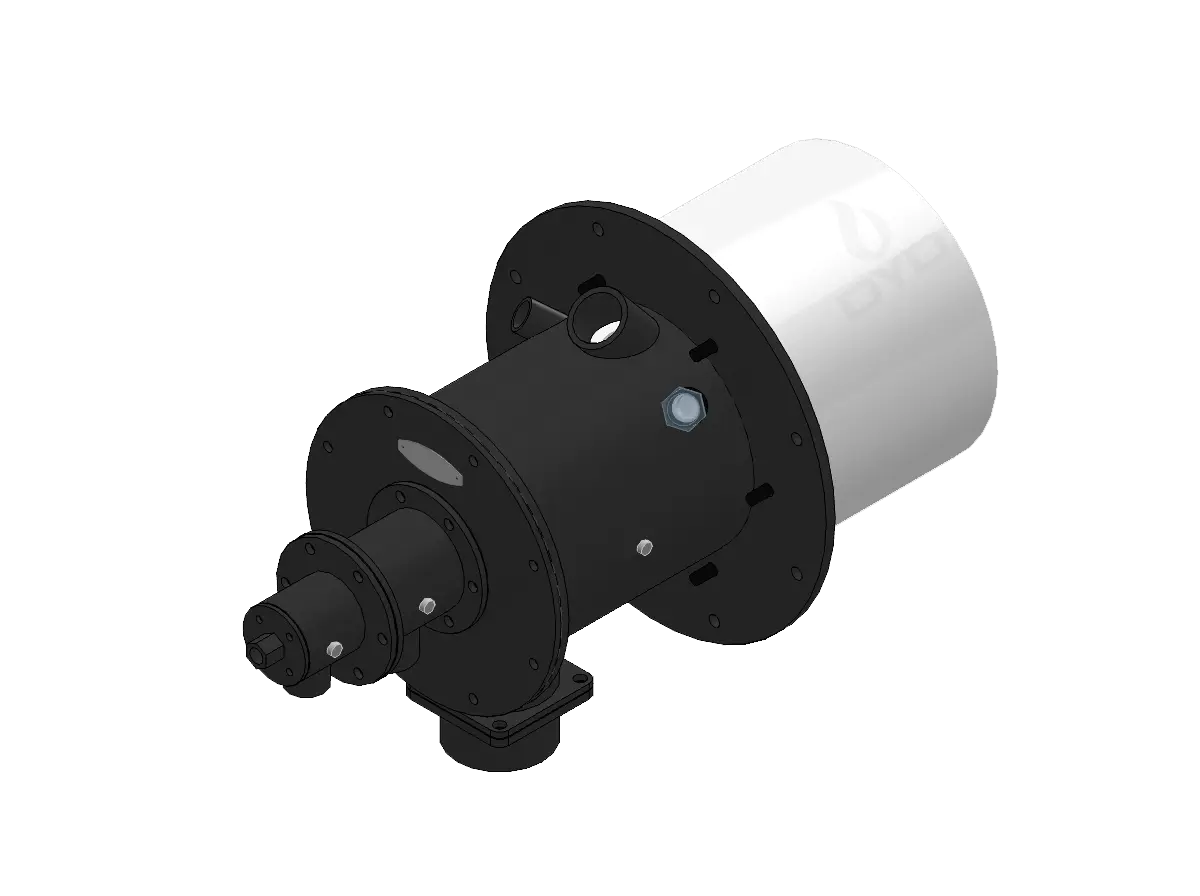
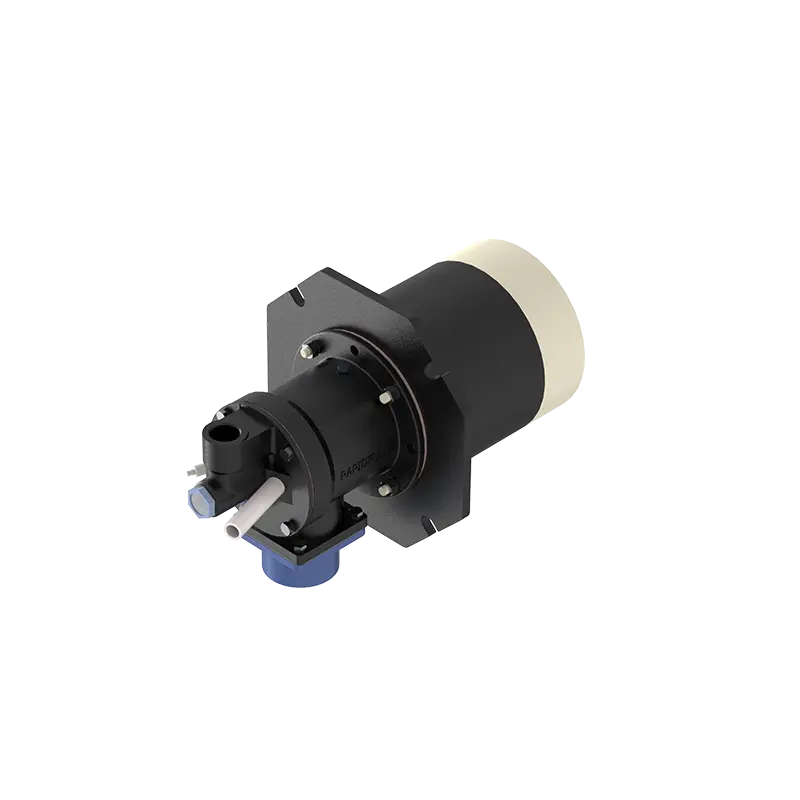
DYDTEC Combustion develops industrial burners and combustion systems for different industrial heating processes. Its product range includes industrial gas burners, linear burners, low-NOx burners, oxygen burners, hydrogen burners, low-calorific-value burners, flame-treatment burners, oil burners, and combined-fuel burners.
A burner releases heat into a physical space.
That space determines how the flame develops, how combustion gases move, where heat is transferred, and how quickly hot gases reach the exhaust.
The same burner can therefore perform very differently in two furnaces with different geometries.
Furnace geometry affects:
Flame trajectory
Flame length requirements
Flame momentum requirements
Burner installation position
Burner angle
Burner quantity
Burner spacing
Gas circulation
Heat-transfer area
Temperature distribution
Exhaust-gas movement
Risk of flame impingement
A burner that works well in one furnace may be unsuitable for another even when the required thermal capacity is similar.
When selecting a burner, engineers should normally consider more than the total furnace volume.
The most important geometric parameters include:
Furnace length
Furnace width
Furnace height
Cross-sectional area
Heating-zone length
Burner-to-workpiece distance
Burner-to-wall distance
Workpiece dimensions
Internal structures
Exhaust location
Furnace openings
Each dimension can influence burner selection in a different way.
Furnace length has a direct relationship with required flame development.
A long furnace may require the flame and hot combustion gases to travel through a significant portion of the heating chamber.
If a burner has a flame that is too short, heat may become concentrated near the burner while the downstream section remains relatively cold.
If the flame is excessively long, however, it may reach the furnace wall, workpiece, or exhaust area before the desired heat distribution is achieved.
Therefore, for a long furnace, engineers may need to consider:
Longer flame characteristics
Higher flame momentum
Multiple burners
Distributed heating zones
Burner spacing
Burner angle
Controlled gas circulation
The objective is not necessarily to select the longest possible flame.
The objective is to make the flame and combustion gases occupy the right portion of the furnace volume.
Furnace width primarily affects lateral heat distribution.
A burner installed on one side of a wide furnace may not adequately heat the opposite side.
This can create:
Lateral temperature differences
Uneven product heating
Cold zones
Localized overheating
For wide furnaces, multiple burners may be arranged across the furnace width or installed from opposing sides.
The burner arrangement may use:
Opposing burners
Staggered burners
Multiple burner rows
Symmetrical arrangements
Different firing zones
The correct arrangement depends on the required thermal profile.
A wide furnace therefore often requires consideration of burner distribution, not just individual burner capacity.
Furnace height influences vertical temperature distribution and gas circulation.
Hot combustion gases naturally interact with buoyancy, so a tall furnace can develop significant vertical temperature differences if the burner arrangement is not properly designed.
For tall furnaces, engineers may need to consider:
Burner elevation
Flame direction
Flame momentum
Vertical gas circulation
Burner angle
Multiple heating levels
A burner that produces a strong upward flame may be useful in some tall-furnace configurations.
In other applications, an upward flame may create excessive heating of the roof or upper refractory.
Therefore, furnace height should be evaluated together with the intended flame trajectory.
Furnace volume provides a useful overall indication of how much space is available for combustion gases to develop.
However, volume alone is not enough to determine burner selection.
Two furnaces can have the same internal volume but completely different shapes.
For example:
Long + narrow furnace
versus
Short + wide furnace
The same volume can produce very different requirements for:
Flame length
Burner location
Gas circulation
Burner quantity
Heat distribution
Therefore, burner selection should be based on furnace dimensions and geometry, not volume alone.
The furnace cross-section determines how much space is available around the flame.
A narrow cross-section can restrict flame development.
A large cross-section may allow greater flame expansion but can also make it more difficult to distribute heat uniformly.
The relationship between flame diameter and furnace cross-section is therefore important.
If the flame occupies too much of the available cross-section, it may interact with walls or workpieces.
If the flame occupies too little of the furnace volume, large regions may receive insufficient direct thermal influence.
This is one reason burner selection should include analysis of flame shape, not just heat output.
The distance between the burner and the workpiece is particularly important in direct-fired heating systems.
A burner with a long, high-momentum flame may require greater clearance from the workpiece.
A compact flame may be more suitable for a small heating chamber.
If the burner is too close to the material, direct flame impingement can cause:
Local overheating
Surface oxidation
Uneven heating
Material deformation
Thermal stress
If it is too far away, the burner may not provide the required heat intensity where it is needed.
Therefore:
Burner selection and burner-to-workpiece distance should be considered together.
Flame length is one of the most important characteristics to consider when matching a burner to furnace geometry.
The ideal flame length depends on:
Furnace dimensions
Burner position
Workpiece location
Heating-zone requirements
Burner angle
Combustion conditions
A useful principle is:
The flame should develop within the intended combustion and heating zone without prematurely hitting a wall, workpiece, another burner, or the exhaust.
A flame that is too short may leave part of the furnace underutilized.
A flame that is too long may cause unwanted flame impingement.
Flame momentum determines how strongly the flame penetrates into the furnace.
A high-momentum burner can project combustion gases farther into a large furnace volume.
This can be useful in:
Long furnaces
Large heating chambers
High-throughput heating systems
Furnaces requiring strong gas circulation
However, high momentum is not automatically better.
If the furnace is small, a high-momentum flame may hit the opposite wall or workpiece.
Therefore, burner momentum should be matched to furnace dimensions.
The relationship can be simplified as:
Small furnace → Controlled flame penetration
Large furnace → Greater flame penetration may be required
But the final selection must also consider burner angle, flame shape, and gas circulation.
Furnace geometry can affect how many burners are required.
The total thermal capacity provides the starting point, but it does not determine burner quantity by itself.
For example, a furnace requiring a certain total heat input could potentially use:
One large burner
Several medium burners
Multiple smaller burners
The best configuration depends on how heat needs to be distributed.
Multiple burners can provide:
Better zoning
More flexible temperature control
More uniform heat distribution
Better adaptation to long furnaces
Reduced dependence on one heating point
However, too many burners can increase system complexity and create unwanted flame interaction.
Therefore, burner quantity should be determined from both thermal capacity and furnace geometry.
Burner spacing becomes particularly important when multiple burners are used.
If burners are installed too close together, their flames may overlap excessively.
This can create:
Localized high-temperature areas
Flame interaction
Uneven heat release
Refractory overheating
If burners are installed too far apart, cold zones may appear between heating areas.
The ideal spacing depends on:
Burner capacity
Flame length
Flame diameter
Flame momentum
Furnace dimensions
Workpiece arrangement
Therefore, burner spacing should be designed around the expected thermal field, not simply mechanical convenience.
Burner angle determines the initial direction of the flame.
Furnace geometry determines where that flame needs to go.
These two factors are therefore closely connected.
For example:
A horizontal or slightly angled flame may help distribute heat along the furnace length.
An upward or multi-level arrangement may help address vertical temperature differences.
Opposing or angled burners may help distribute heat across the furnace width.
A short and controlled flame may be preferable to a high-momentum long flame.
There is no universal burner angle because there is no universal furnace geometry.
Burner location should be selected based on the desired flame trajectory and heat distribution.
Important questions include:
Where should heat be released?
Where should the flame travel?
Where should hot gases circulate?
Where is the workpiece located?
Where is the exhaust?
Where are the cold zones likely to occur?
For this reason, burner location should ideally be determined during furnace design.
Installing a burner wherever there is available space can produce a mechanically convenient installation but a thermally inefficient furnace.
The exhaust outlet influences the path taken by combustion gases.
If the exhaust is positioned close to the burner, hot gases may be pulled out of the furnace before fully utilizing the available heating volume.
If the exhaust is located too far away, excessive gas circulation or pressure loss may occur.
Therefore, burner selection should be evaluated together with the exhaust arrangement.
The basic relationship is:
Burner → Flame → Hot combustion gases → Heat transfer → Exhaust
A burner cannot be evaluated independently from this flow path.
Furnaces often contain structures that are not obvious from their external dimensions.
Examples include:
Rollers
Trays
Shelves
Baffles
Supports
Conveyors
Workpiece fixtures
Heat exchangers
Internal refractory structures
These structures can obstruct the flame or alter gas circulation.
A burner that appears suitable based on furnace dimensions may become unsuitable once internal obstacles are considered.
Therefore, burner selection should be based on the effective combustion space, not merely the empty furnace dimensions.
The furnace geometry can change significantly when the furnace is loaded.
A furnace operating empty has a different gas-flow pattern from the same furnace filled with products.
Workpieces can:
Block gas flow
Absorb radiation
Change local temperature
Reduce available free volume
Create additional pressure losses
Alter flame interaction
For continuous industrial processes, burner selection should therefore consider the actual production condition rather than only the empty furnace.
Different furnace geometries may favor different burner configurations.
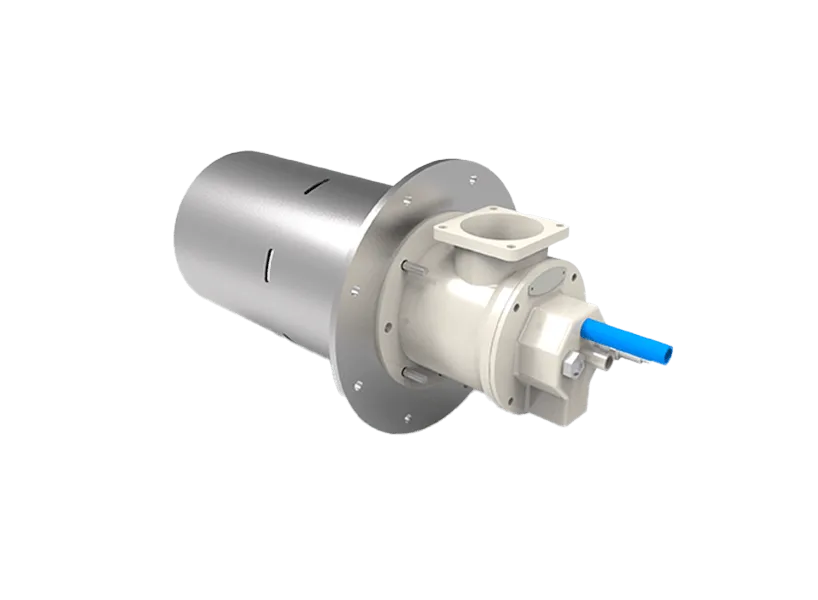
Point-type burners with appropriate flame length and multiple heating zones may be suitable.
Multiple burners or opposing arrangements may provide better thermal distribution.
Short-flame burners may be more appropriate.
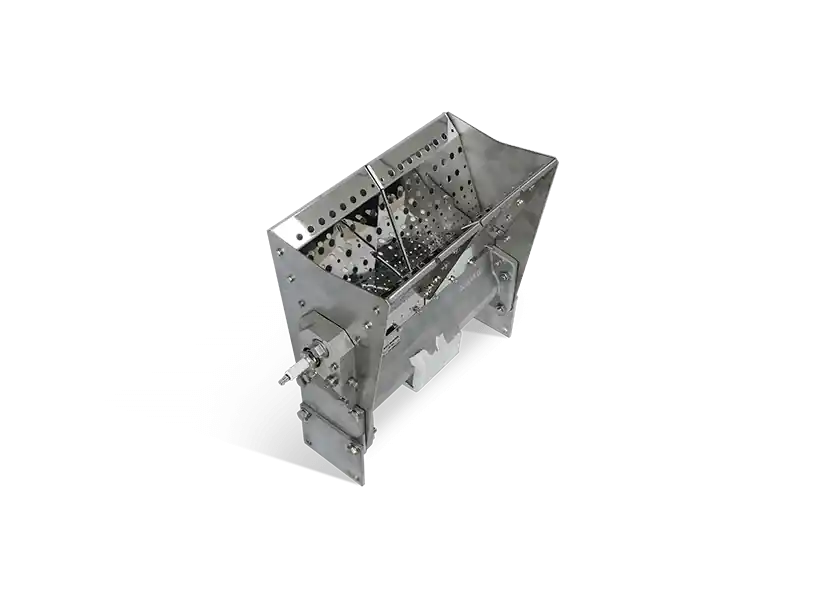
Linear burners may provide better large-area heat input than a single point burner.
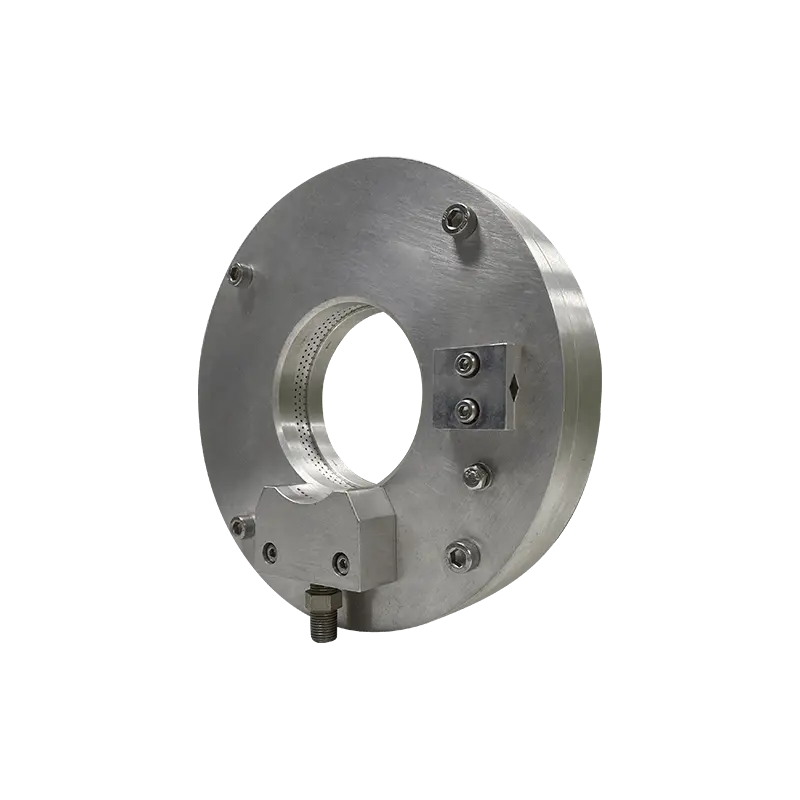
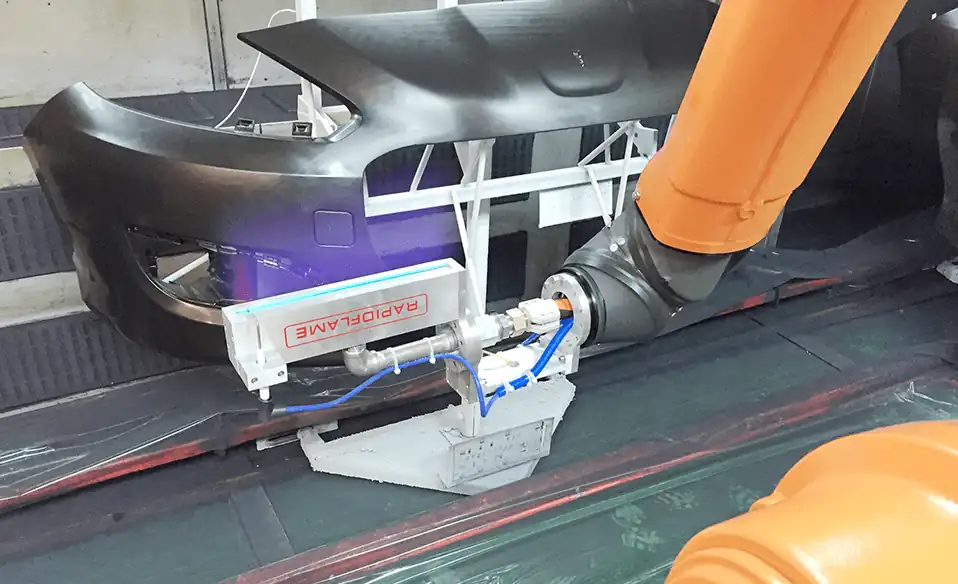
Flame-treatment burners may be designed around the movement and geometry of the product rather than a fixed furnace chamber.
DYDTEC Combustion provides different burner types for these different combustion environments, including industrial gas burners, linear burners, low-NOx burners, oxygen burners, hydrogen burners, and specialized flame-treatment burners.
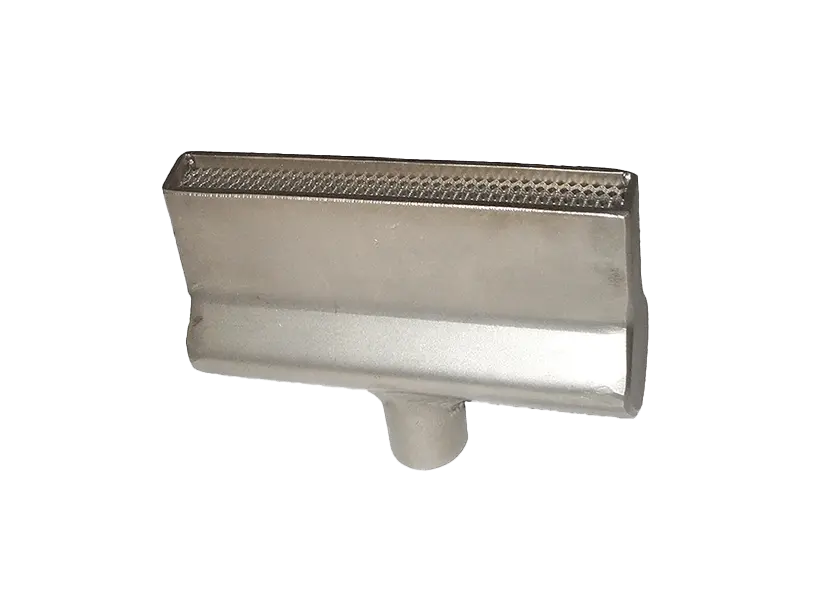
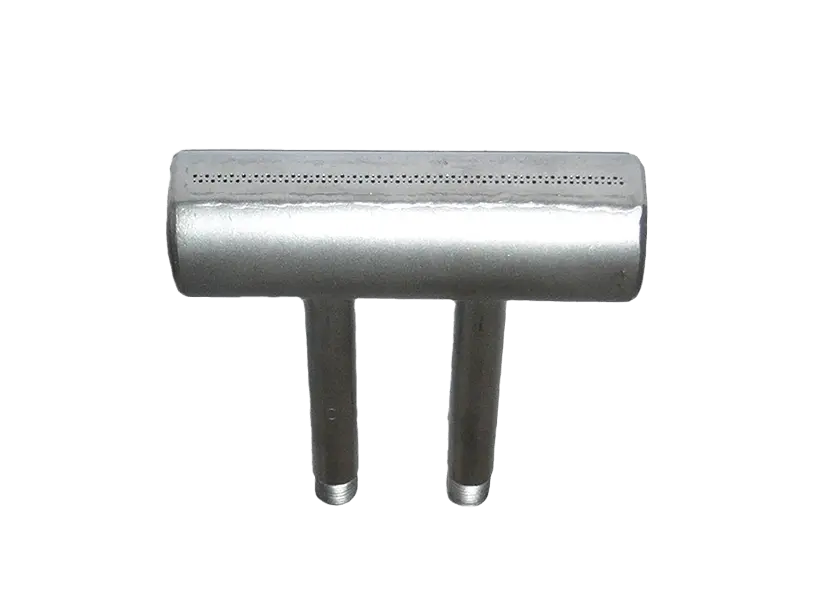
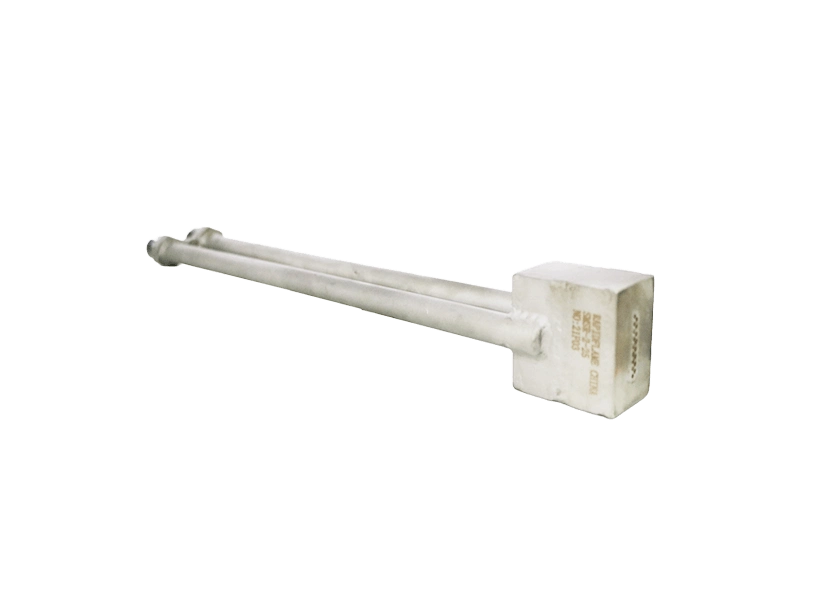
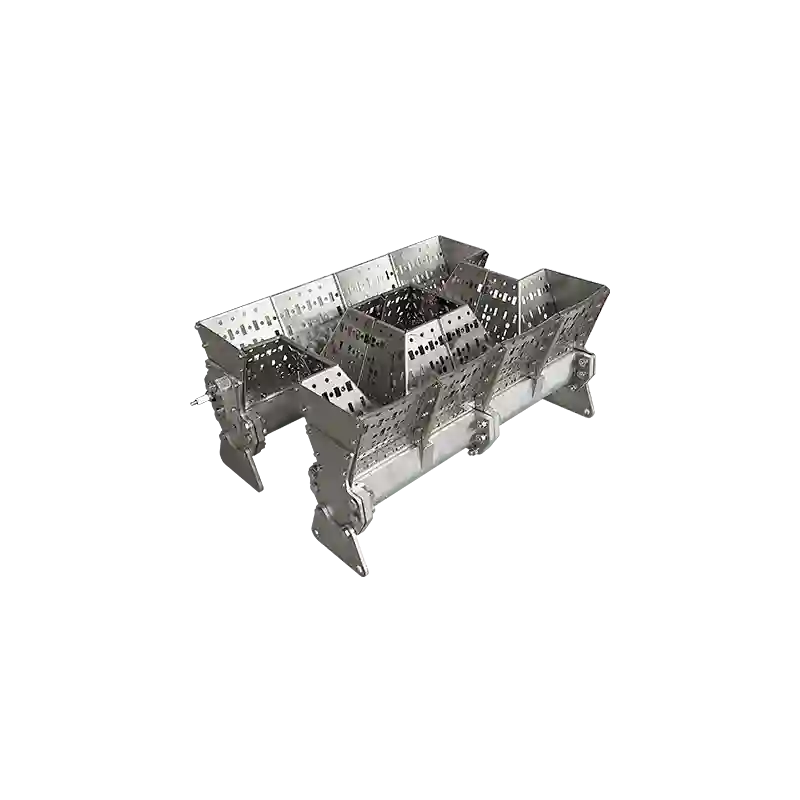
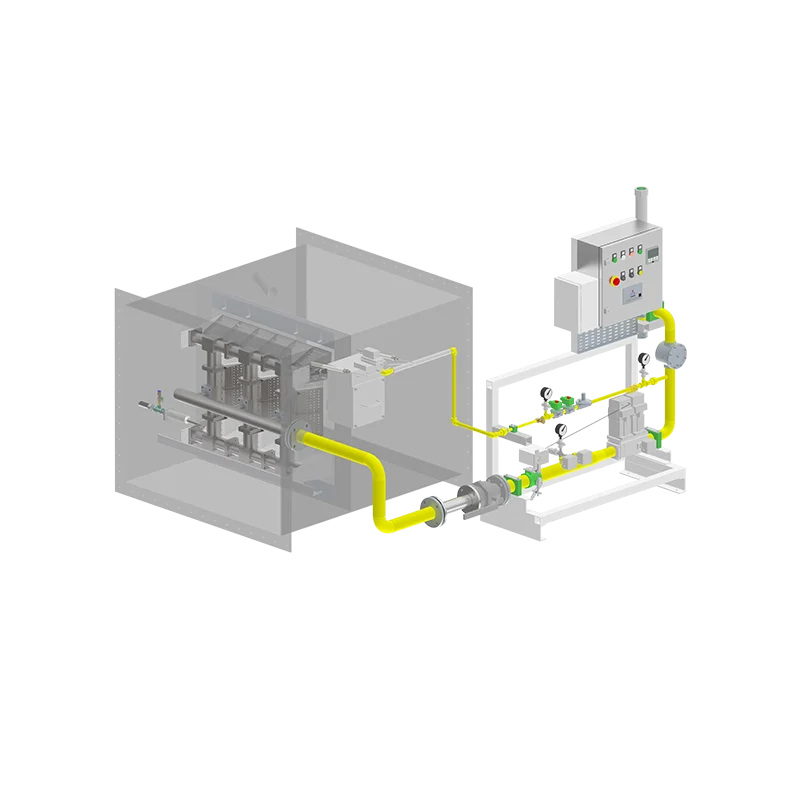
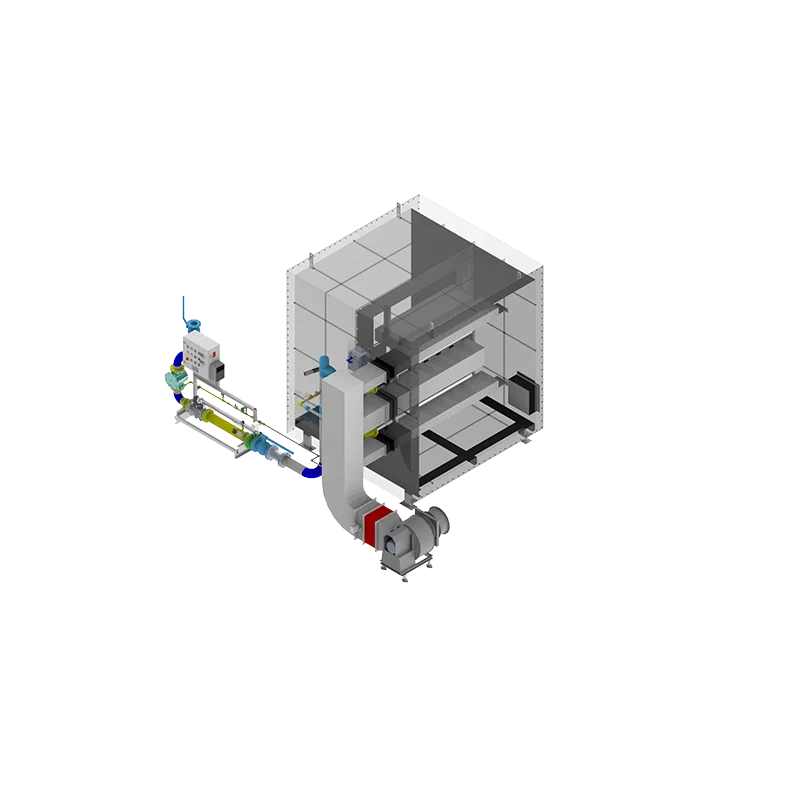
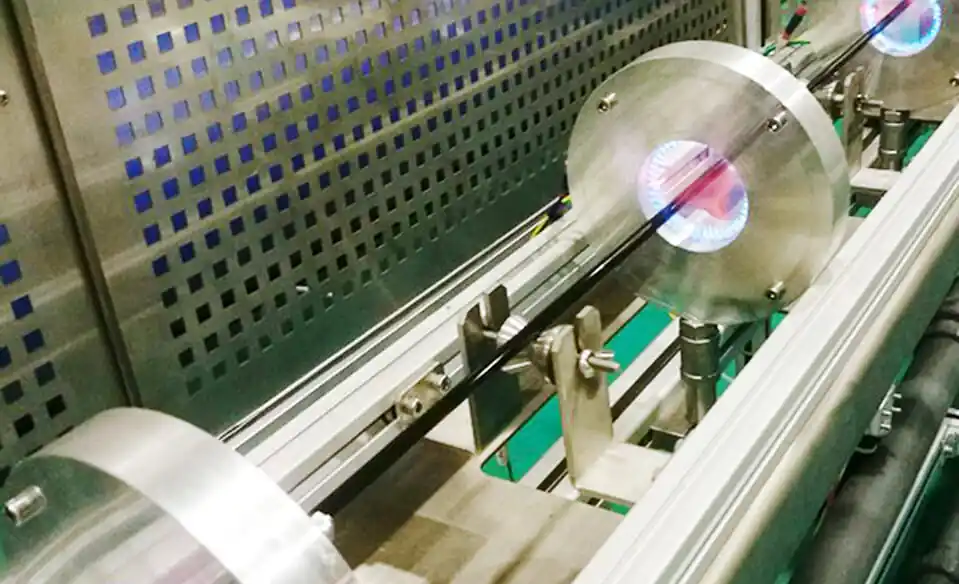
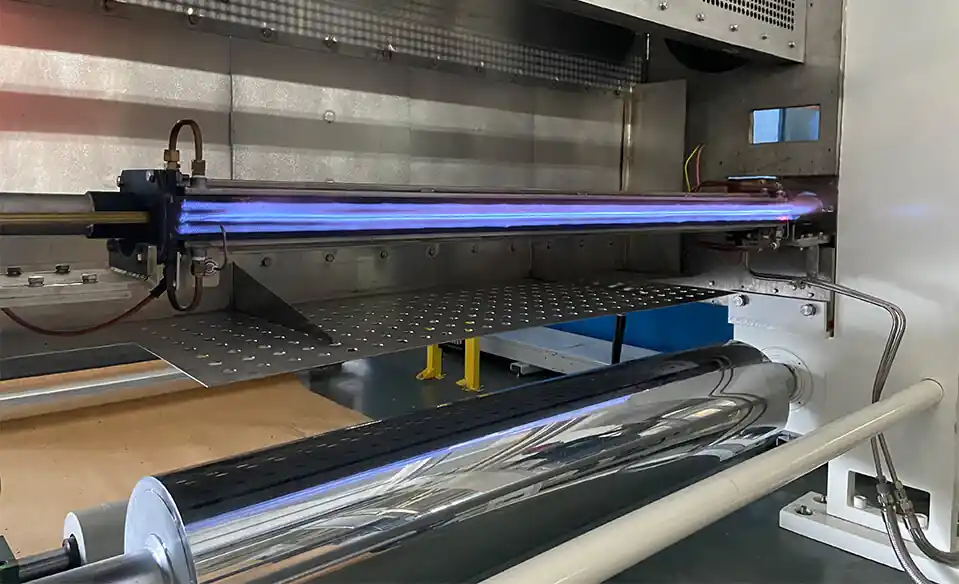
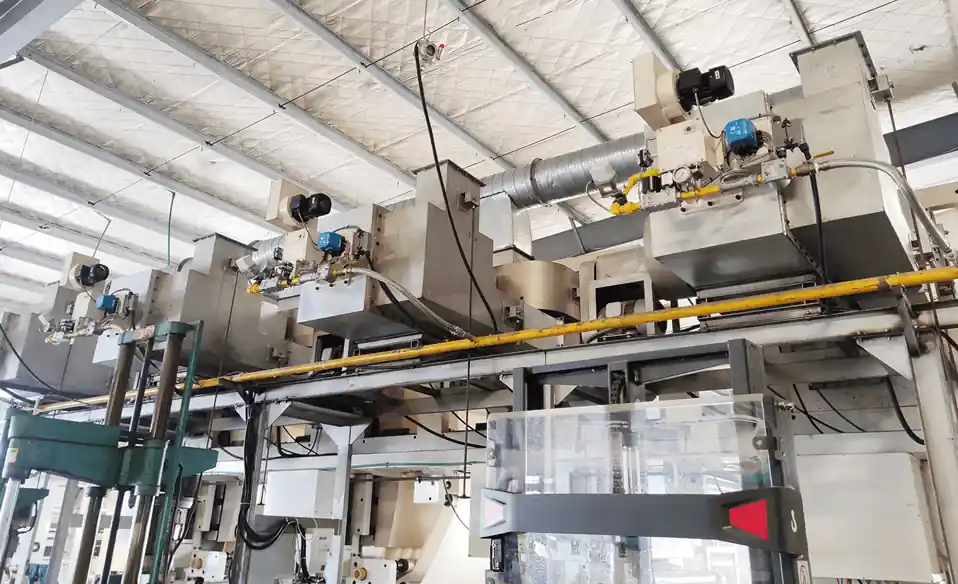
A linear burner is particularly useful when the furnace or air-heating system requires heat distribution over a relatively large area rather than from a single point.
This makes linear burners relevant to:
Industrial drying
Hot-air systems
Air ducts
Drying equipment
Process-air heating
Some HRSG supplementary heating systems
The geometry of the air duct or heating chamber becomes an important part of burner selection.
DYDTEC Combustion develops linear burners for large-area heat input in air ducts, including applications such as industrial drying, grain drying, malt drying, baking, chemical drying, fresh-air heating, curing, and metal forming.
Low-NOx burners require the combustion process to develop under the conditions for which the burner was designed.
Furnace geometry can influence:
Flame temperature distribution
Gas recirculation
Residence time
Oxygen availability
Flame development
A low-NOx burner should therefore not be selected only because it has a lower emissions specification.
Its combustion characteristics must also be compatible with the furnace.
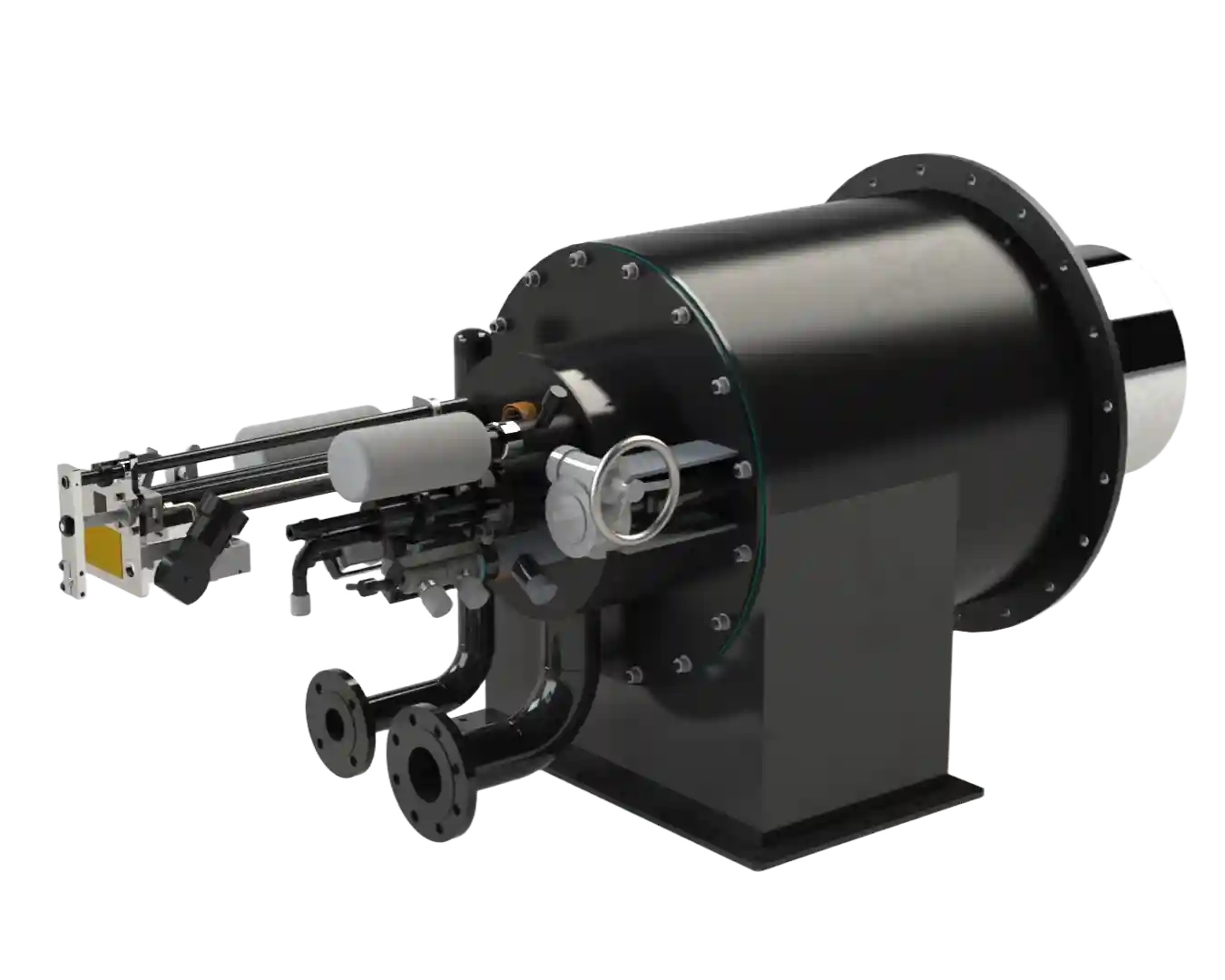
DYDTEC Combustion develops low-NOx burners for applications including hot-air furnaces, drying furnaces, preheating furnaces, ceramic kilns, glass tempering furnaces, heat-treatment furnaces, waste-gas incineration systems, and thermal oxidizers.
Oxygen combustion can produce a very different thermal environment from conventional air combustion.
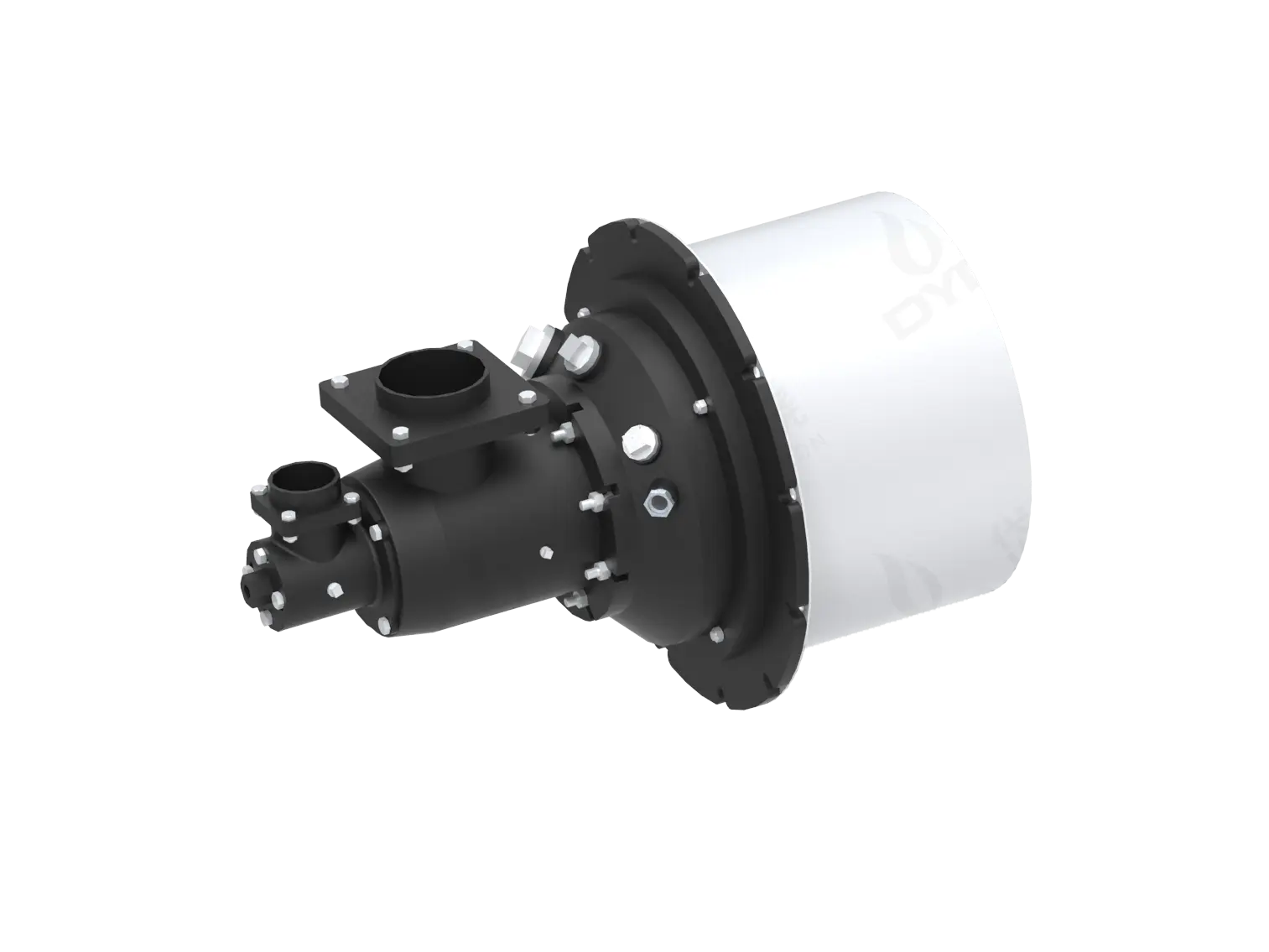
Oxygen burners can generate high heat intensity and high flame temperatures, which makes burner placement particularly important.
In a compact furnace, excessive heat concentration may damage refractory or create local overheating.
In a large furnace, oxygen combustion may provide high heat flux where conventional combustion cannot achieve the required thermal intensity.
Therefore, oxygen burner selection should consider:
Furnace volume
Heating-zone size
Workpiece position
Refractory condition
Required heat flux
Flame trajectory
The geometry determines where the high-intensity combustion should occur.
Hydrogen has different combustion characteristics from conventional natural gas.
When hydrogen burners are used, the furnace geometry still determines how the flame should develop and where heat should be distributed.
Important considerations include:
Burner position
Flame characteristics
Mixing conditions
Furnace volume
Workpiece clearance
Exhaust arrangement
Required temperature distribution
Hydrogen burner selection should therefore be treated as a combustion-system design problem rather than simply replacing one fuel with another.
One of the main reasons furnace geometry matters is temperature uniformity.
A furnace may have enough total thermal capacity but still produce poor temperature uniformity if the burner arrangement does not match its geometry.
Typical problems include:
Long furnace + short flame → Downstream cold zone
Wide furnace + concentrated burners → Lateral temperature difference
Tall furnace + poor vertical distribution → Top/bottom temperature difference
Small furnace + excessive flame momentum → Local overheating
Poor burner arrangement + poor exhaust flow → Uneven thermal field
This is why furnace geometry should be considered one of the first inputs into burner selection.
Sometimes, but not necessarily with the same configuration.
The same burner model may be capable of operating in different furnaces if:
Thermal capacity is appropriate
Flame characteristics are compatible
Installation position is suitable
Air and fuel conditions are appropriate
The furnace provides sufficient clearance
However, the burner angle, position, quantity, and control strategy may need to change.
Therefore:
The same burner does not necessarily mean the same burner arrangement.
No.
Furnace volume can help estimate the overall thermal environment, but it does not capture the complete geometry.
Two furnaces with identical volume may have different:
Length-to-width ratios
Flame travel distances
Workpiece positions
Burner locations
Exhaust locations
Internal obstacles
Therefore, burner selection based only on furnace volume can be misleading.
A more complete assessment requires three-dimensional furnace information.
When requesting burner selection, providing only the required heat output is usually insufficient for complex industrial applications.
Useful information includes:
Length
Width
Height
Internal volume
Target temperature
Heating time
Production capacity
Temperature uniformity requirement
Heating zones
Material
Size
Weight
Loading arrangement
Position inside furnace
Fuel type
Fuel pressure
Combustion-air pressure
Required thermal capacity
Emission requirements
Refractory structure
Burner openings
Exhaust position
Furnace pressure
Internal structures
Door locations
The more complete the information, the more accurately the burner and burner arrangement can be matched to the furnace.
A practical selection process can follow these steps.
Record the furnace's length, width, height, zones, openings, and internal structures.
Determine total heat demand and how that heat must be distributed.
Determine whether the process requires:
Uniform heating
Rapid heating
Localized heating
Multi-zone heating
Hot-air heating
Flame treatment
Estimate the required:
Flame length
Flame shape
Flame momentum
Flame direction
Choose the burner configuration that best matches the furnace and process.
Divide the thermal requirement into practical heating zones while considering temperature uniformity.
Position the burners so that flames and hot gases occupy the intended thermal zones.
Ensure that combustion gases travel through the useful heating volume before leaving the furnace.
For complex furnaces, thermal or CFD simulation can help evaluate:
Flame trajectories
Temperature distribution
Gas circulation
Potential hot spots
Cold zones
Exhaust flow
Actual furnace temperature measurements should be compared with the design target after commissioning.
A common mistake is to start burner selection with the question:
"How many kilowatts do I need?"
Thermal capacity is important, but it is only the beginning.
A better sequence is:
1. What does the furnace look like?
2. What process temperature is required?
3. Where does the product need heat?
4. How should heat move through the furnace?
5. What flame characteristics are required?
6. Which burner can produce those characteristics?
7. How many burners are needed?
8. Where should they be installed?
This approach connects burner selection to the actual process instead of treating the burner as an isolated component.
For complex industrial furnaces, burner selection can become part of the overall thermal engineering process.
A capable burner manufacturer may support:
Burner type selection
Thermal-capacity calculation
Flame analysis
Burner positioning
Burner-angle design
Burner quantity selection
Multi-zone combustion design
Fuel and air system design
Low-NOx combustion design
CFD analysis
Thermal simulation
Commissioning
Customized burner development
DYDTEC Combustion has developed more than 100 burner models covering more than 200 application scenarios and provides customized industrial combustion solutions according to different process requirements.
Its product portfolio covers industrial gas burners, linear burners, low-NOx burners, oxygen burners, hydrogen burners, low-calorific-value burners, flame-treatment burners, oil burners, and combined-fuel burners.
This range allows burner selection to be based on the actual combustion environment rather than forcing different furnace geometries into the same burner configuration.
Not by itself. Burner capacity should be determined from the process heat requirement, while furnace dimensions determine how that heat needs to be distributed.
Not necessarily. Burner quantity depends on total heat demand, furnace geometry, required temperature uniformity, burner capacity, and heating-zone design.
A long furnace may require longer flame development, multiple burners, or distributed heating zones to prevent downstream cold areas.
A wide furnace can develop lateral temperature differences if heat is concentrated on one side. Multiple or opposing burners may be required.
Yes. Furnace height affects vertical gas circulation and temperature distribution, which can influence burner elevation, angle, and flame characteristics.
Sometimes, but not always. Multiple burners can provide better zoning and temperature control, particularly in long or large furnaces.
Yes. Burner angle should direct the flame and combustion gases toward the intended heating zone while avoiding unwanted wall or workpiece impingement.
Yes. The required flame length depends strongly on the available furnace space and the desired heat-release location.
Potentially, but the installation position, burner quantity, angle, and operating conditions may need to be different.
No. Furnace length, width, height, workpiece position, internal structures, and exhaust location are also important.
Yes. The combustion environment created by furnace geometry can influence flame development, gas circulation, and temperature distribution.
Yes. Oxygen combustion can produce high heat intensity, making burner location and thermal distribution especially important.
Ideally, yes. Integrating burner selection with furnace design allows the furnace geometry, burner position, flame characteristics, and exhaust system to be designed together.
Yes. CFD and thermal simulation can be useful for complex furnace geometries where flame trajectory, gas circulation, and temperature uniformity are difficult to predict analytically.
Furnace geometry is not just a mechanical constraint on burner installation. It is a fundamental input into burner selection.
Furnace length affects flame travel.
Furnace width affects lateral heat distribution.
Furnace height affects vertical temperature distribution.
Furnace cross-section affects flame development.
Internal structures affect gas circulation.
Workpiece position affects heat-transfer requirements.
Exhaust location affects the path of combustion gases.
Together, these factors determine what type of burner, flame characteristics, burner quantity, installation position, and burner angle are appropriate.
The correct approach is therefore not:
"Choose a burner first and find a place to install it."
It is:
"Understand the furnace geometry first, then select the burner that can create the required thermal field within that geometry."
For industrial furnace manufacturers and end users, this approach can improve temperature uniformity, reduce the risk of flame impingement, optimize heat distribution, and create a more reliable combustion system.
The best burner is not simply the burner with the right capacity. It is the burner whose combustion characteristics match the furnace geometry and the process.