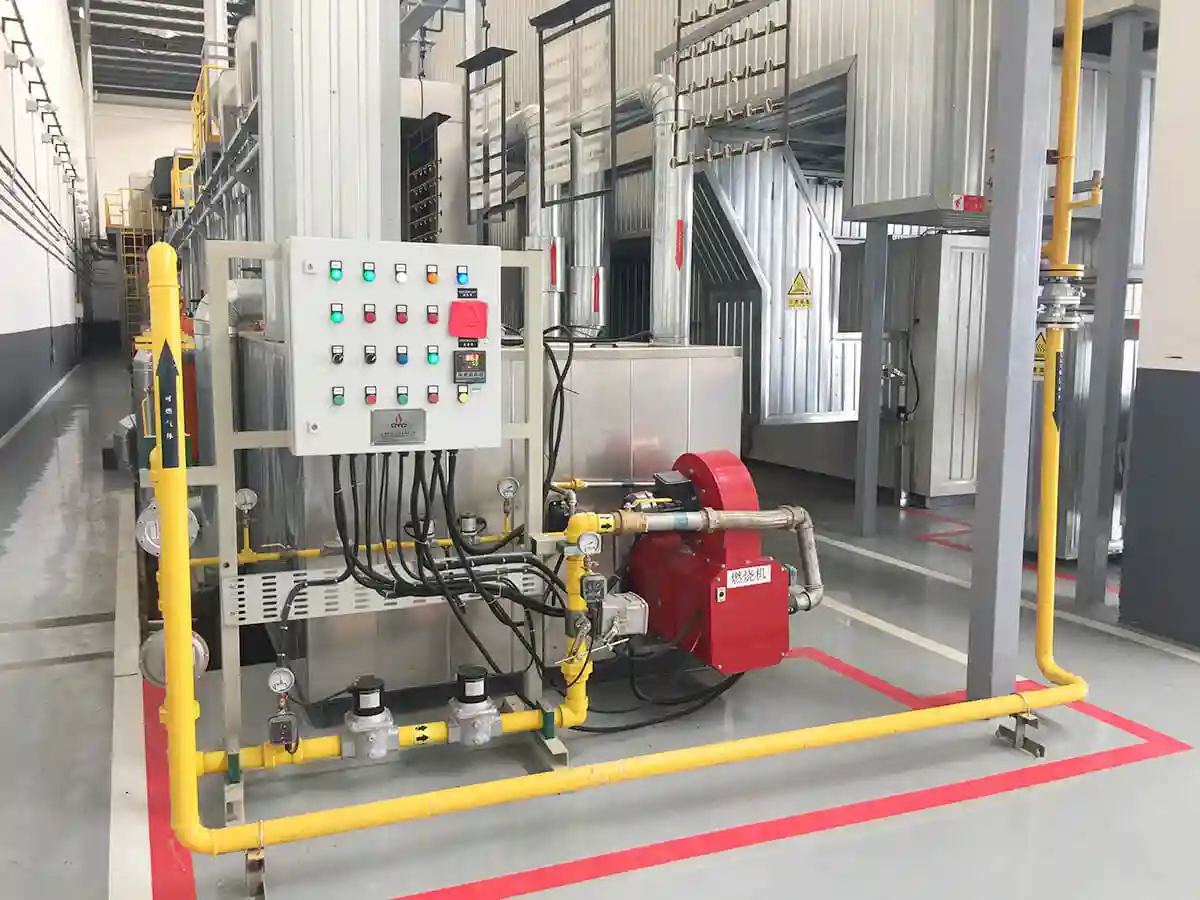
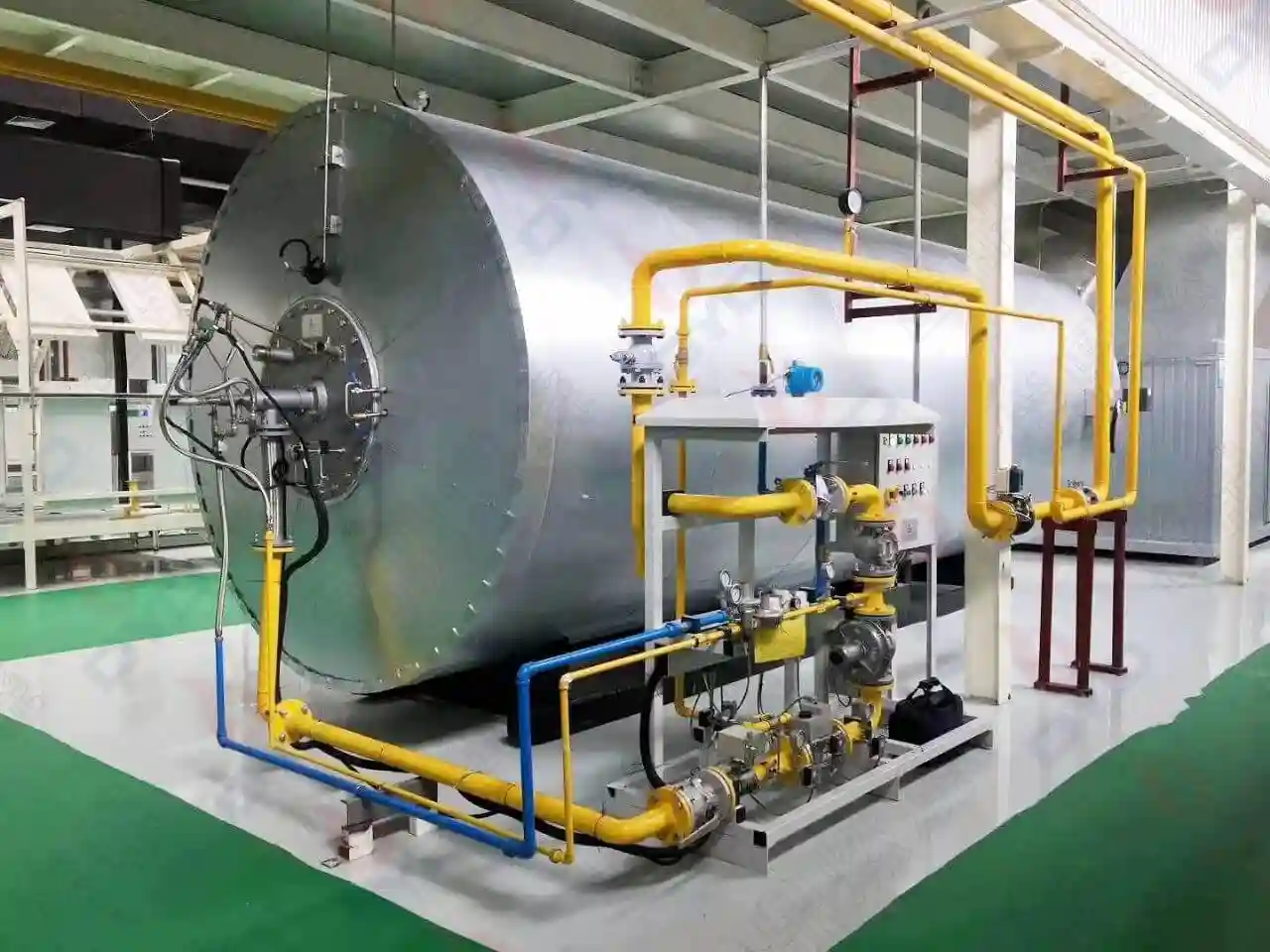
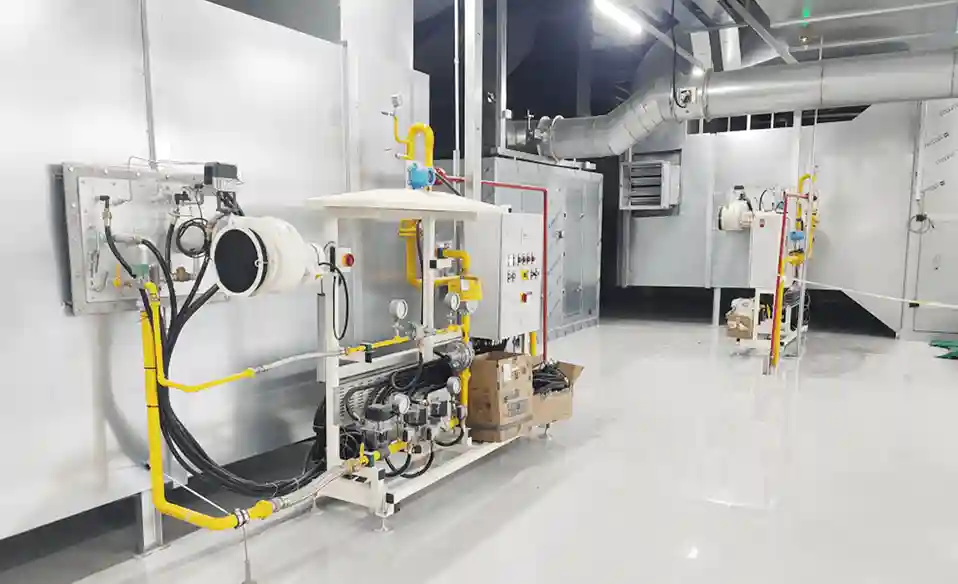
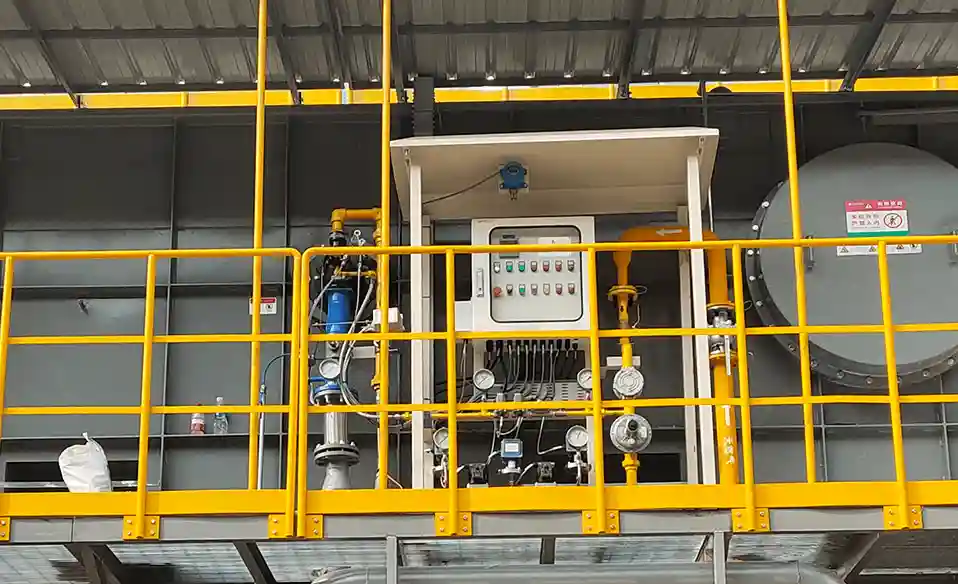
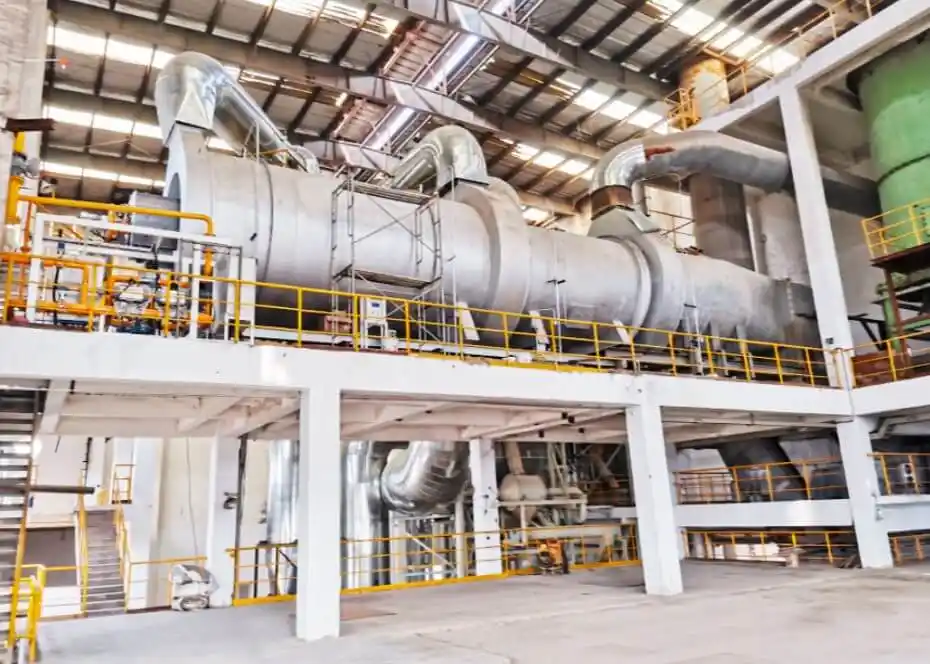
Furnace geometry is one of the most important factors in industrial burner selection.
A burner should not be selected based only on required heat input or burner capacity. The length, width, height, internal volume, heating-zone arrangement, workpiece position, exhaust location, and available burner space all influence whether a particular burner can produce the required flame shape, heat distribution, and combustion performance.
A burner that performs well in one furnace may be unsuitable for another furnace with the same thermal capacity but a different geometry.
The basic relationship is:
Furnace geometry → Flame requirements → Burner characteristics → Burner arrangement → Thermal performance
This is why burner selection should begin with the furnace and process, rather than starting with a burner model and trying to adapt it afterward.
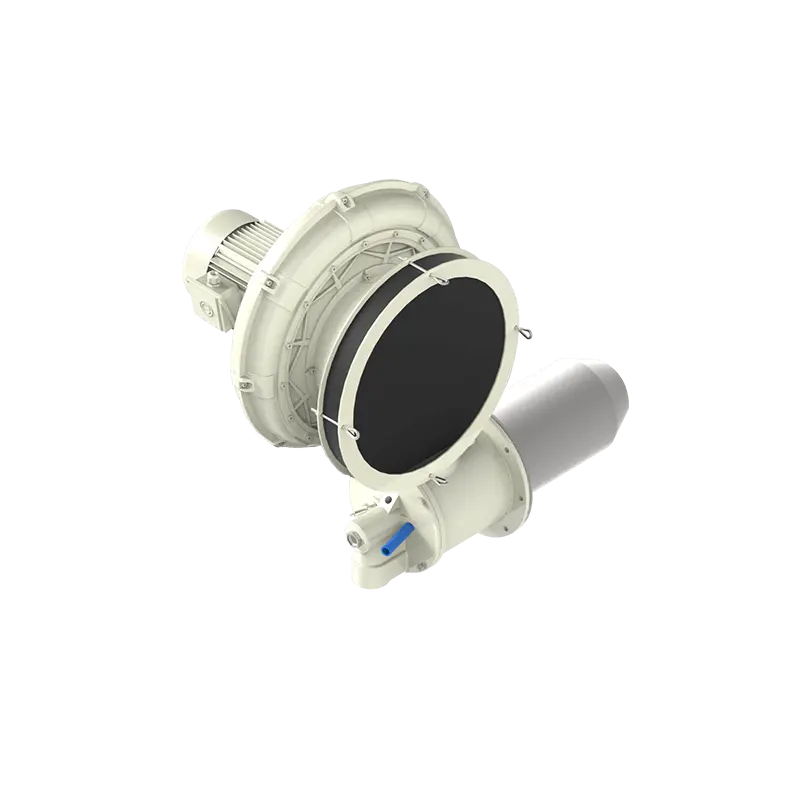
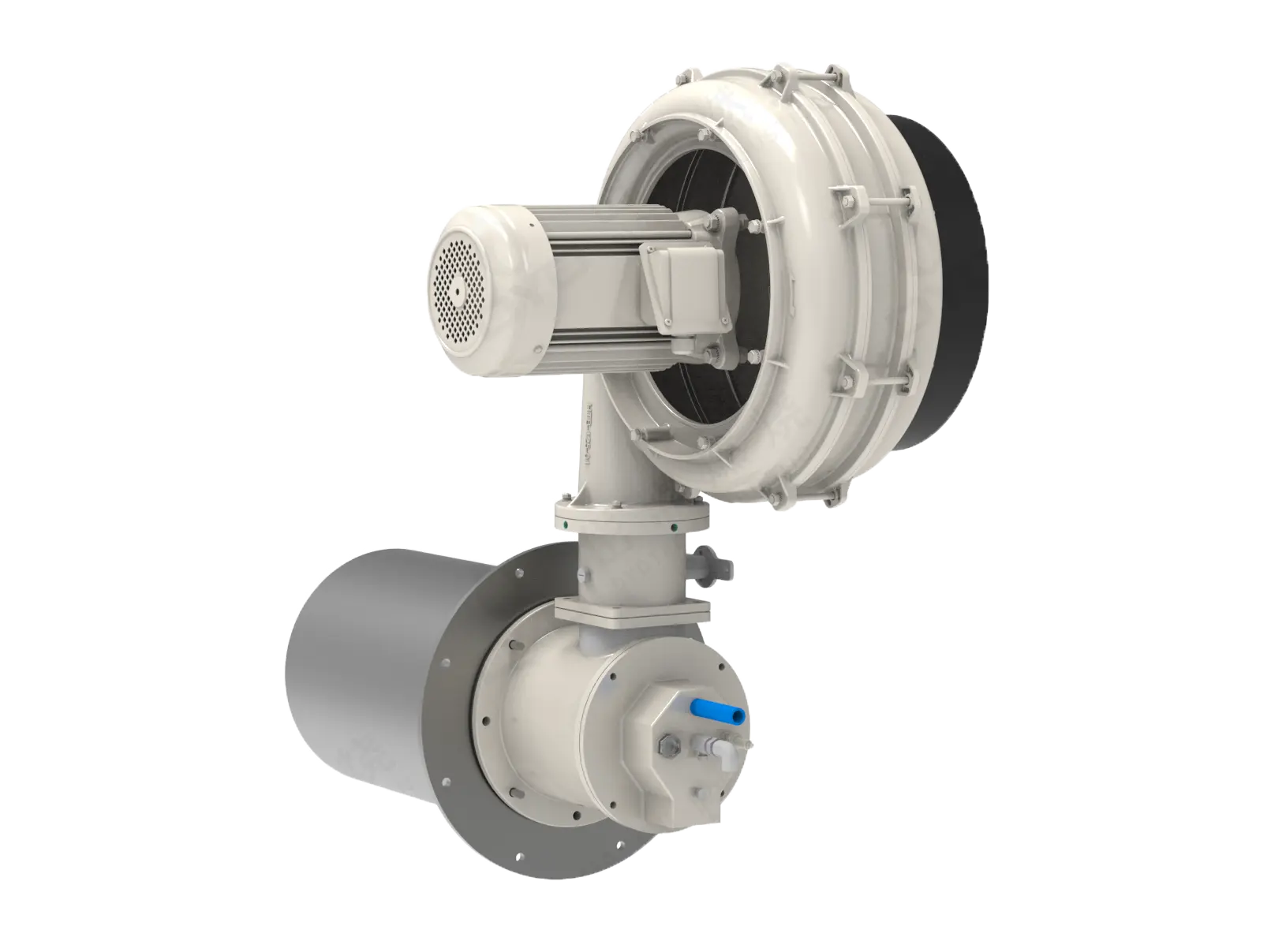
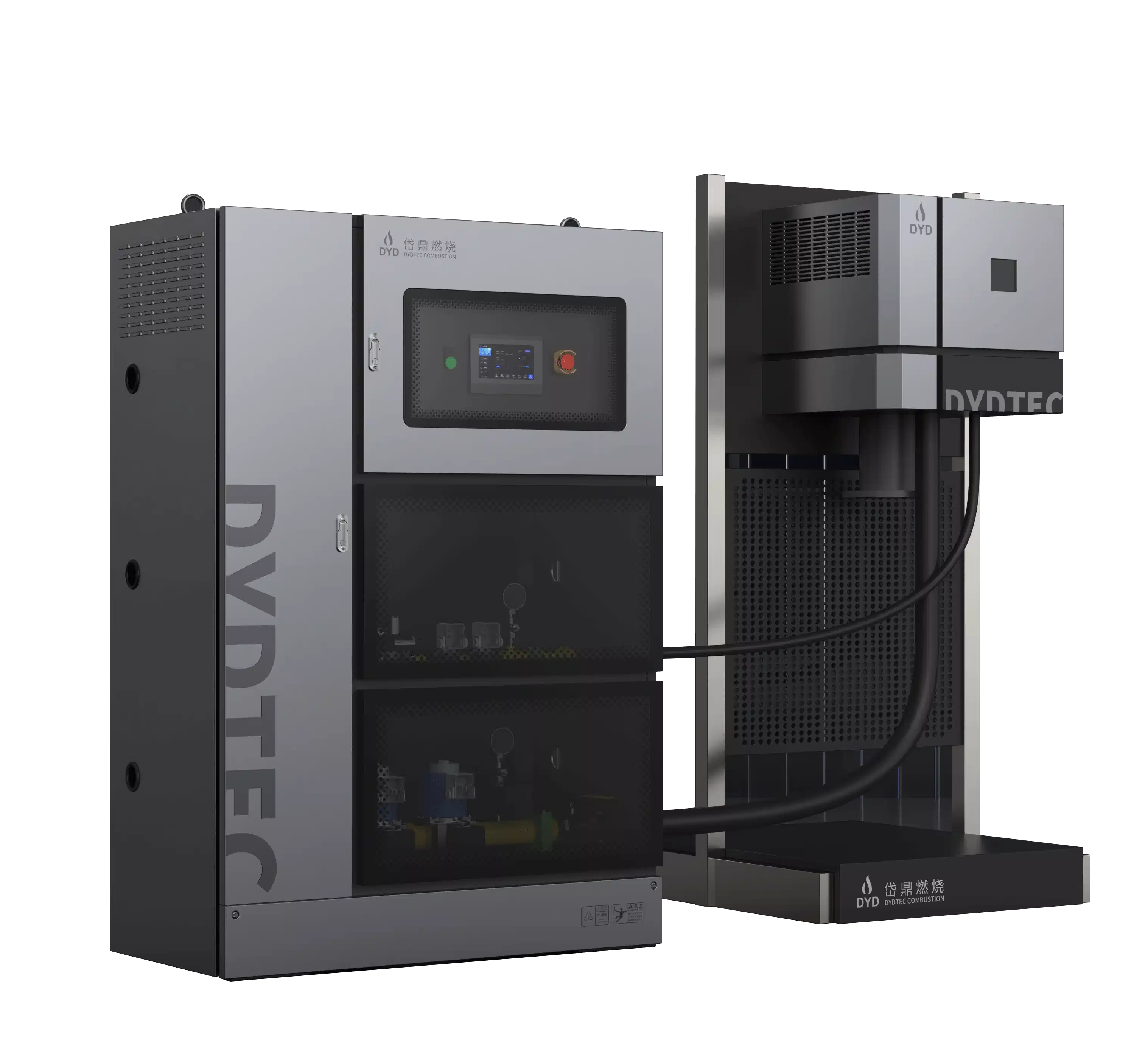
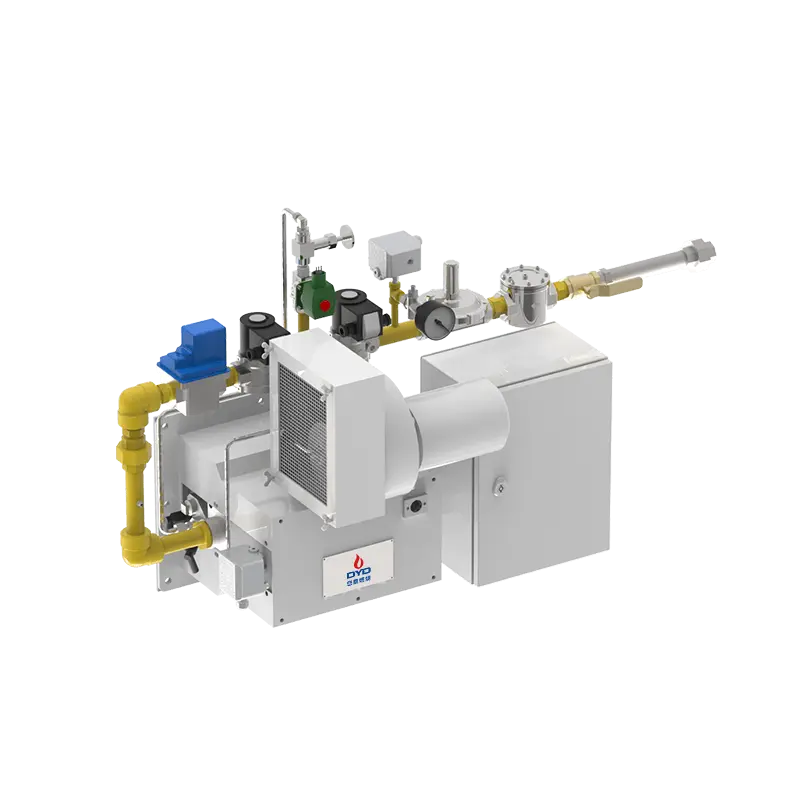
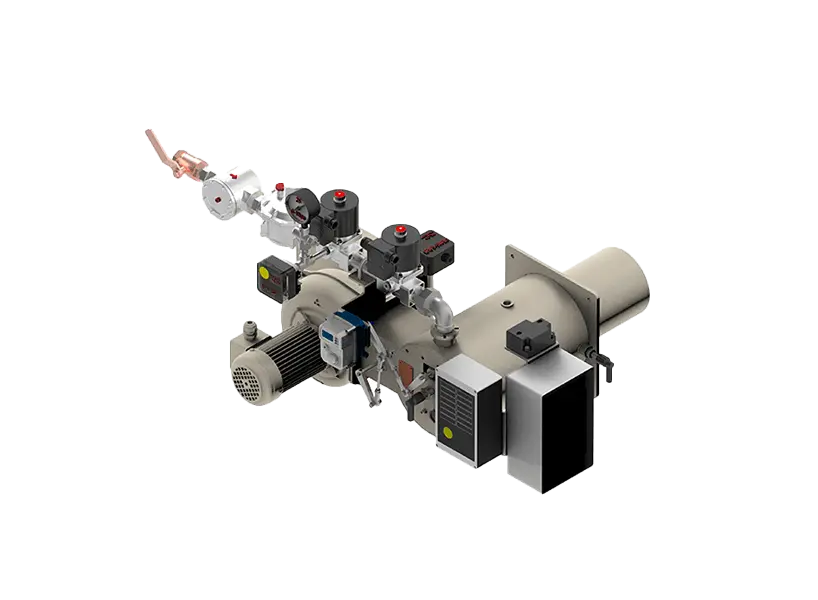
DYDTEC Combustion develops industrial burners and combustion systems for different industrial heating requirements, with a product portfolio covering gas burners, linear burners, low-NOx burners, oxygen burners, hydrogen burners, low-calorific-value burners, flame-treatment burners, and other specialized combustion solutions.
A burner produces a flame inside a physical space.
That space determines how the flame can develop and how combustion gases move after leaving the burner.
The same burner may behave differently in:
A short furnace
A long tunnel furnace
A wide furnace
A tall furnace
A compact heating chamber
A multi-zone furnace
A furnace with internal obstacles
Furnace geometry therefore influences several burner-selection parameters:
Burner capacity
Flame length
Flame diameter
Flame velocity
Flame momentum
Flame shape
Burner quantity
Burner location
Burner angle
Burner spacing
Heating-zone configuration
The objective is not simply to fit the burner physically into the furnace.
The objective is to make sure the flame and combustion gases interact with the furnace volume in the intended way.
Furnace length has a direct influence on the required flame characteristics.
A long furnace provides more space for combustion gases to travel before reaching the exhaust.
A short furnace provides much less space.
Long furnaces may require burners with:
Longer flame development
Appropriate flame momentum
Controlled heat release
Stable operation over a larger volume
However, simply selecting the longest possible flame is not necessarily the best solution.
If the flame is excessively long, it may reach:
The opposite furnace wall
The workpiece
Another burner
The exhaust area
This can create localized overheating or poor combustion-gas distribution.
Short furnaces generally require more compact flame characteristics.
A long flame inside a small chamber may cause direct flame impingement and excessive local heat loading.
Therefore:
Furnace length should be considered together with flame length—not independently.
Furnace width affects how heat needs to be distributed across the horizontal direction.
A narrow furnace may require relatively concentrated heat input.
A wide furnace may require multiple burners or a burner arrangement capable of covering a larger area.
If a single burner is installed in a very wide chamber, the center may become excessively hot while the outer regions remain relatively cold.
Possible solutions include:
Multiple burners
Distributed burner arrangements
Opposing burners
Staggered burner layouts
Linear burners
Different burner angles
The correct solution depends on the process and required temperature uniformity.
Furnace height affects vertical heat distribution.
Hot combustion gases naturally interact with buoyancy, so a tall furnace can develop significant vertical temperature differences.
A burner selected for a low-profile furnace may not be appropriate for a tall heating chamber.
For tall furnaces, engineers may need to consider:
Burner elevation
Flame direction
Flame momentum
Burner angle
Number of burner levels
Gas recirculation
The objective is to avoid excessive heating of either the upper or lower furnace region.
Furnace volume provides an important reference for estimating the required thermal load, but furnace volume alone should not determine burner capacity.
Two furnaces with the same volume may have very different heat requirements.
For example, heat demand depends on:
Furnace operating temperature
Product throughput
Product temperature
Product-specific heat capacity
Moisture evaporation
Furnace wall heat loss
Exhaust-gas losses
Required heating rate
Insulation performance
Therefore, burner capacity should be calculated from the actual process heat balance.
Furnace volume is an important geometric parameter, but it is not a substitute for thermal-load analysis.
Furnace shape influences flame development and gas circulation.
A simple rectangular furnace may allow relatively straightforward burner placement.
A furnace with irregular geometry may require customized burner positioning or specialized burner designs.
Examples include:
Circular furnaces
Vertical furnaces
Tunnel furnaces
Chamber furnaces
Rotary furnaces
Multi-zone furnaces
Duct heating systems
Specialized process chambers
The burner should be selected according to how heat needs to move through the actual geometry.
Many industrial furnaces are divided into different thermal zones.
Each zone may have a different heating requirement.
For example:
Preheating → Main heating → Soaking → Temperature stabilization
The burner capacity and characteristics do not necessarily need to be identical in every zone.
Different zones may require different:
Burner capacities
Flame characteristics
Burner quantities
Control ranges
Installation positions
A furnace with multiple thermal zones should therefore be evaluated as a complete heating system rather than as one large chamber.
The furnace is not an empty space.
The workpiece occupies part of the furnace volume and can significantly affect combustion-gas movement and heat transfer.
Workpieces may be:
Flat sheets
Coils
Pipes
Profiles
Large metal components
Ceramic products
Building materials
Granular materials
Powder
Continuous web materials
The shape and arrangement of the product can influence:
Flame clearance
Heat-transfer area
Gas circulation
Temperature uniformity
Burner position
A burner that works well in an empty furnace may behave differently after the production line is loaded with material.
Burner selection and burner-to-workpiece distance are closely connected.
If the burner is installed close to the workpiece, the flame characteristics must be carefully controlled.
A high-momentum flame may create excessive local heat flux.
A burner with a more distributed flame may be better suited to applications requiring uniform heating.
The key considerations include:
Flame length
Flame temperature
Flame velocity
Flame diameter
Heat-release profile
Required product temperature
The goal is not necessarily to maximize direct flame exposure.
For many industrial heating applications, the objective is to create a stable thermal environment around the workpiece.
Flame length is one of the most important parameters connecting burner selection with furnace geometry.
The flame should have enough space to develop without unnecessarily contacting furnace components.
An unsuitable combination can produce:
Flame too long → Wall or product impingement
Flame too short → Inadequate heat coverage
Flame too concentrated → Hot spots
Flame too dispersed → Insufficient local heat intensity
Therefore, flame length should be selected according to:
Furnace dimensions + Workpiece position + Burner location + Required heat distribution
Flame momentum determines how strongly the flame penetrates into the furnace.
A high-momentum flame can transport combustion gases deeper into a large furnace.
This can be useful when the furnace has a long heating path.
However, excessive momentum in a compact furnace may cause:
Wall impingement
Product impingement
Excessive turbulence
Flame interaction
Uneven heat distribution
A lower-momentum flame may be more appropriate for compact chambers.
Therefore, furnace dimensions should be considered when selecting burner velocity and momentum characteristics.
Furnace geometry can influence how many burners are required.
A large furnace may need multiple burners to distribute heat effectively.
However, burner quantity should not be determined simply by dividing the total heat load by a standard burner capacity.
For example:
Required heat = 1 MW
does not automatically mean:
2 × 500 kW burners
or:
4 × 250 kW burners
The appropriate configuration depends on:
Furnace geometry
Heating zones
Required temperature uniformity
Burner turndown
Flame characteristics
Burner locations
Maintenance requirements
Control strategy
Sometimes multiple smaller burners provide better heat distribution than one large burner.
In other applications, one larger burner may be more appropriate.
Burner arrangement determines how individual flames interact with each other.
Possible arrangements include:
Single-side firing
Opposite-side firing
Staggered firing
Tangential firing
Multi-level firing
Multi-zone firing
The best arrangement depends on the shape of the furnace and the required thermal field.
For example, a wide furnace may benefit from burners distributed across the width.
A long furnace may benefit from burners distributed along its length.
A tall furnace may require burners at different elevations.
Therefore, burner arrangement should be considered part of burner selection.
Burner angle determines the initial direction of the flame.
Changing the angle changes the flame trajectory and therefore the location where combustion gases release and transfer heat.
A burner may be installed:
Horizontally
Upward
Downward
Tangentially
Radially
The correct angle depends on furnace geometry.
For example, an upward angle may help distribute heat through a tall chamber, while a horizontal flame may be more appropriate for a long tunnel furnace.
The important point is:
Burner angle should be designed together with furnace geometry and flame characteristics.
The exhaust outlet determines where combustion gases leave the furnace.
This affects the required gas-flow path.
If the exhaust is located close to the burner, combustion gases may leave the furnace before effectively transferring heat to the workpiece.
If the exhaust is positioned at the opposite end, the flame and hot gases may need to travel across a longer distance.
Therefore, burner selection should consider:
Exhaust location
Exhaust capacity
Furnace pressure
Gas-flow direction
Flame length
Heat-transfer requirements
The burner and exhaust system should be designed as a connected flow system.
Industrial furnaces often contain internal components such as:
Rollers
Supports
Shelves
Trays
Baffles
Heat exchangers
Product fixtures
Conveyor systems
These components can obstruct flame development.
A burner that appears suitable based only on furnace dimensions may become unsuitable when internal structures are considered.
Before selecting the burner, engineers should identify potential flame-obstruction areas.
The flame should have sufficient clearance from these components.
Not every heating application requires a conventional point-type burner.
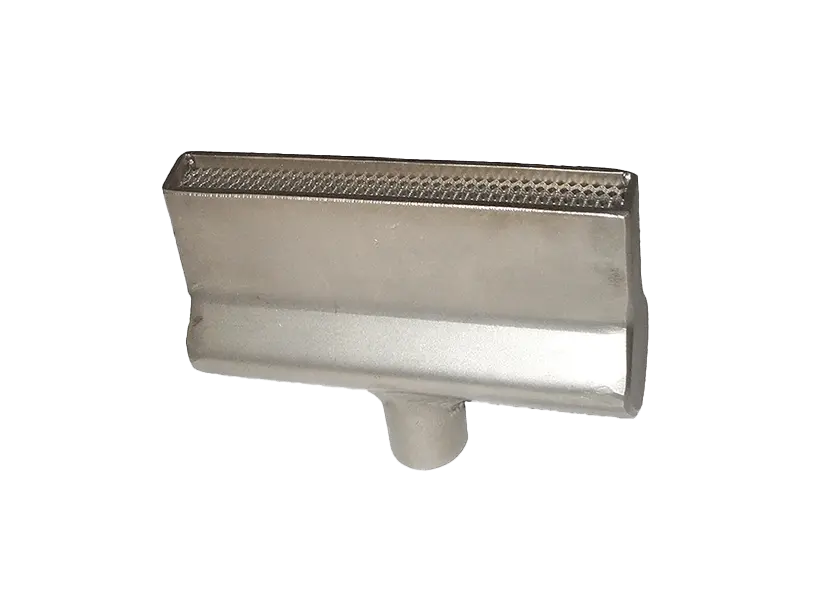
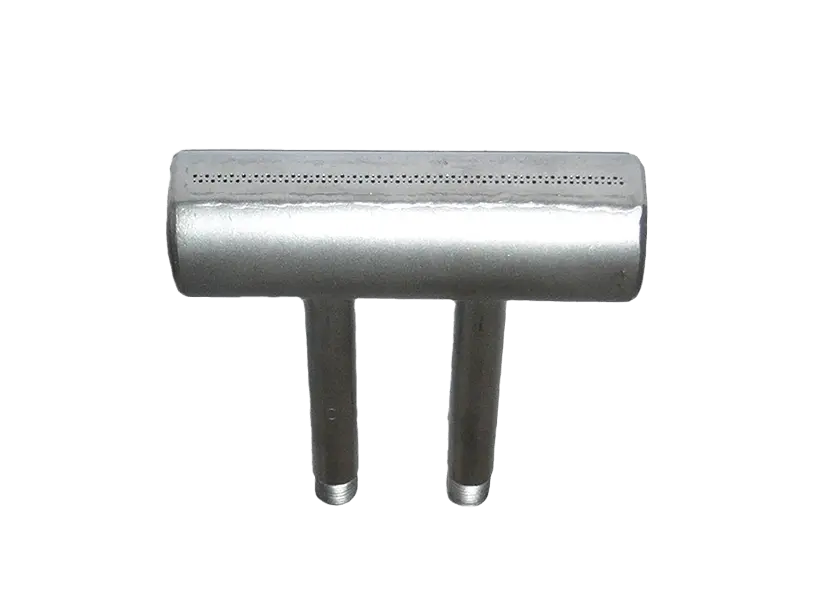
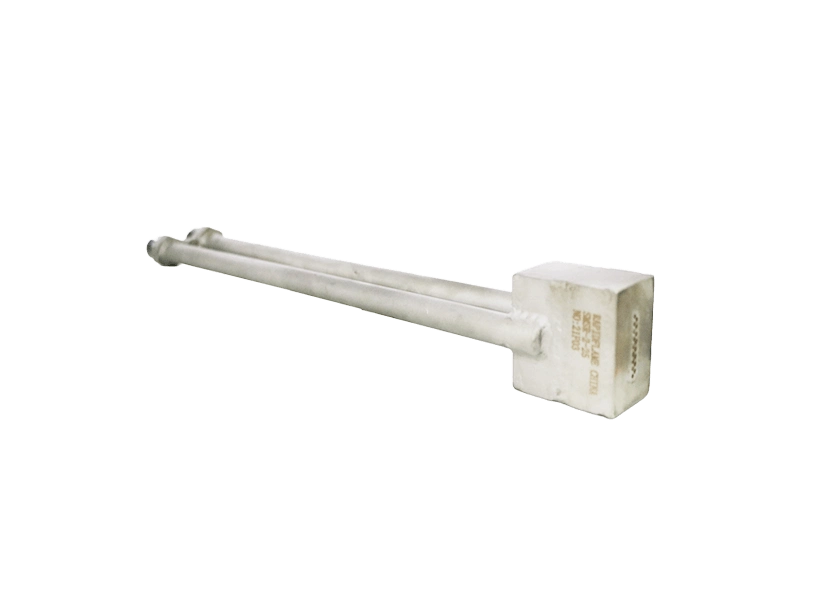
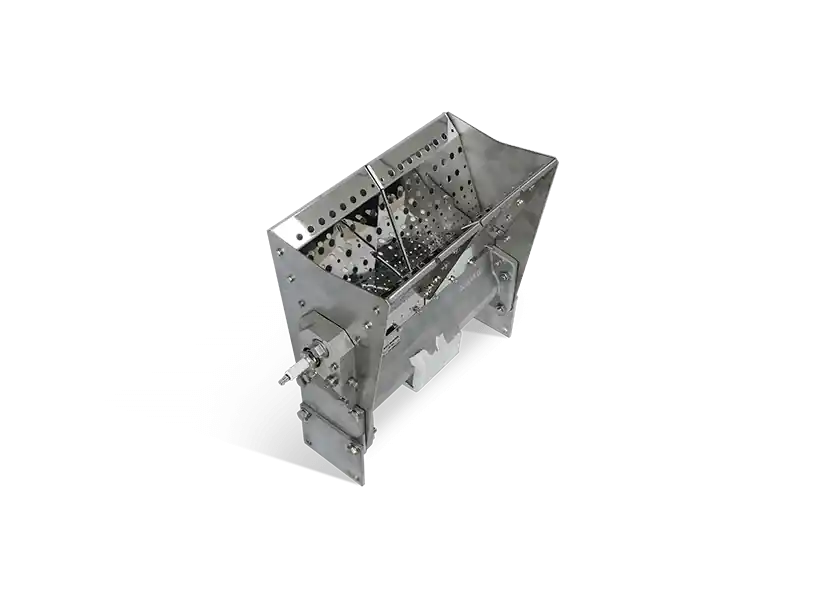
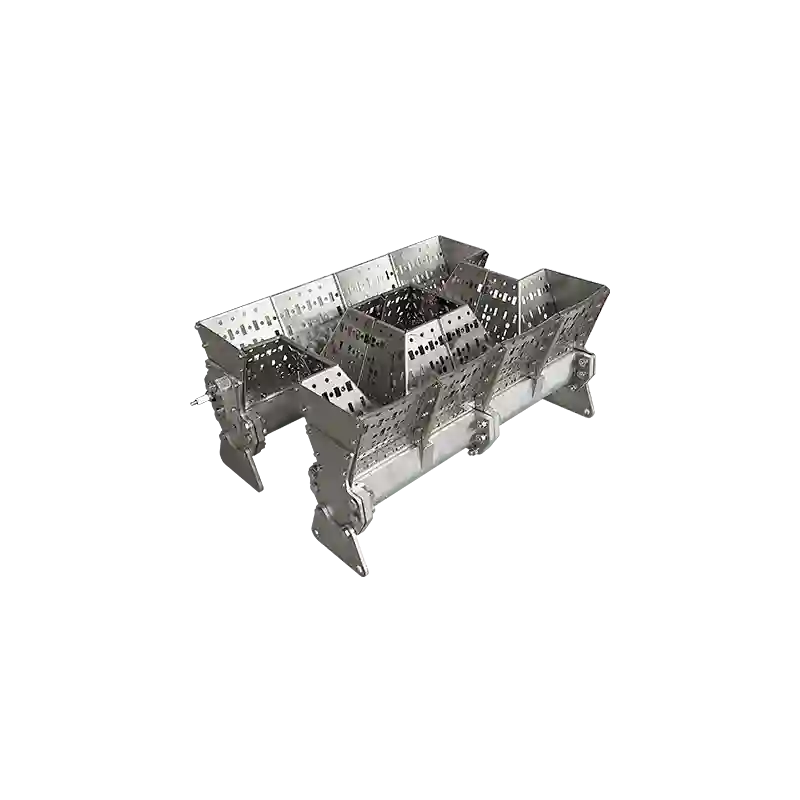
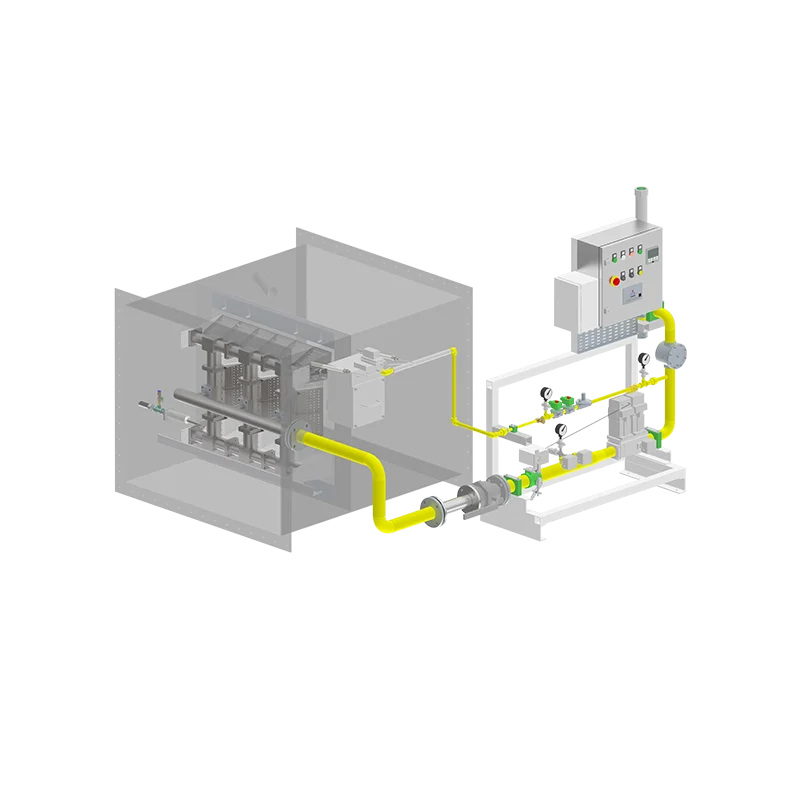
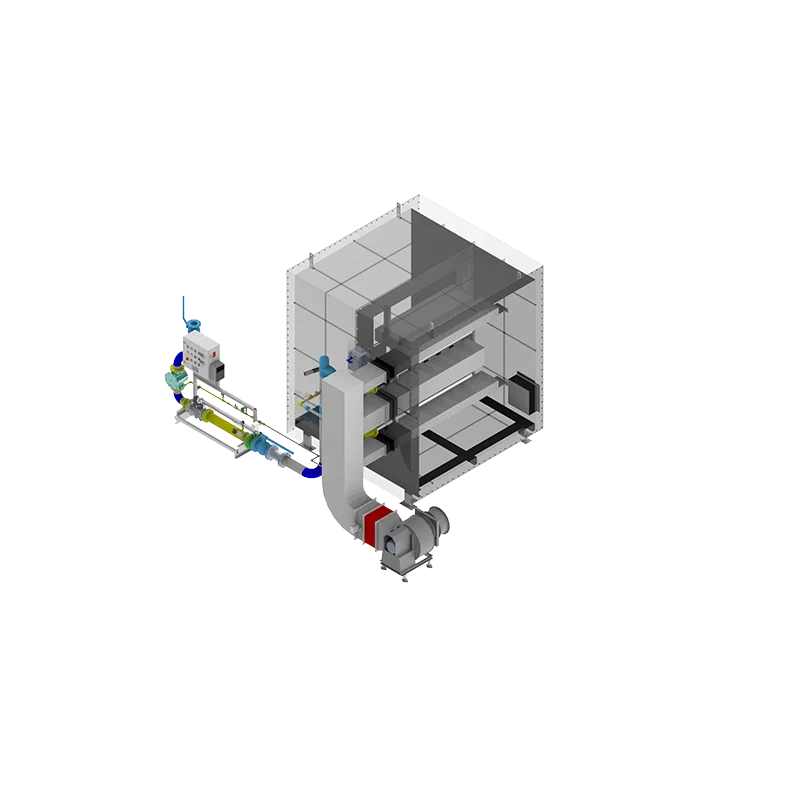
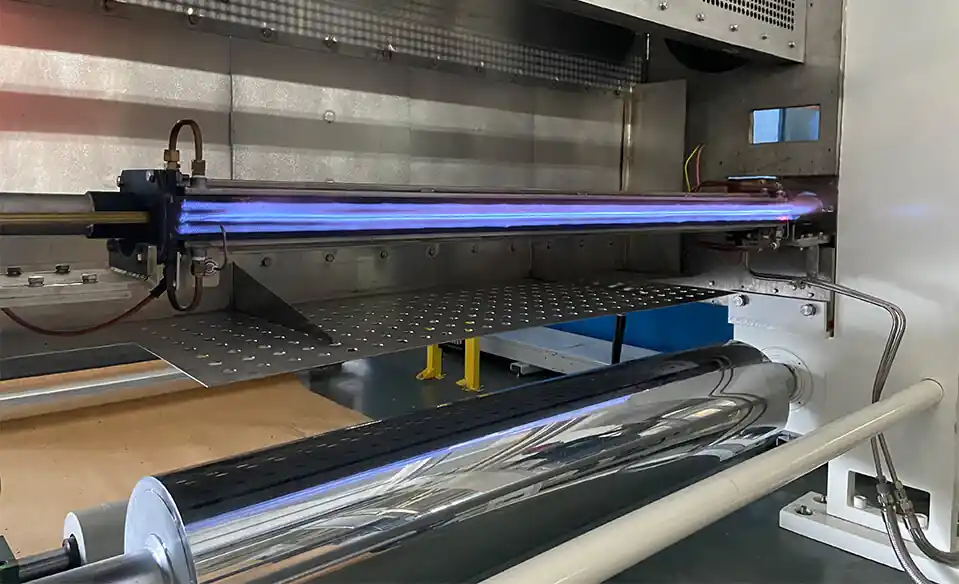
For large-area air heating, drying, and duct applications, a linear burner may be more appropriate.
A linear burner distributes heat along a larger area rather than concentrating combustion at a single point.
This can be useful when furnace or duct geometry requires:
Wide heat distribution
Uniform air heating
Large cross-sectional coverage
Controlled hot-air generation
DYDTEC Combustion develops linear burners for applications including industrial drying, air heating, grain drying, malt drying, baking, chemical drying, air dryers, fresh-air heating, curing, and other industrial processes.
Therefore, furnace geometry can influence not only which size of burner should be selected but also which type of burner is appropriate.
Low-NOx burner selection also needs to account for furnace geometry.
Low-NOx combustion technologies may depend on specific combustion-air and fuel-mixing conditions.
The available furnace volume, flame-development space, recirculation environment, and exhaust arrangement can influence how the burner performs.
A low-NOx burner should therefore be evaluated according to:
Furnace size
Furnace operating temperature
Burner location
Flame-development space
Exhaust arrangement
Required emission performance
DYDTEC Combustion develops low-NOx burners for applications including drying furnaces, preheating furnaces, ceramic kilns, glass tempering furnaces, heat-treatment furnaces, waste-gas incineration systems, and thermal oxidizers.
Furnace geometry can influence the fundamental burner type selected.
These are suitable for many conventional industrial heating applications where heat can be distributed through flame development and furnace-gas circulation.
These are particularly useful where heat must be distributed across a large air or duct cross-section.
Oxygen combustion can provide high-temperature heat release and may be considered where the process requires high heat intensity or specific combustion conditions.
These are selected when the process requires controlled flame exposure to a material surface rather than general furnace heating.
These are selected where combustion emissions are an important design requirement in addition to thermal performance.
The furnace geometry therefore contributes to determining the appropriate burner architecture, not merely the burner capacity.
Compact furnaces generally provide limited space for flame development.
This means the burner may need:
Compact flame geometry
Controlled flame length
Appropriate heat-release intensity
Stable turndown
Careful installation positioning
A long, high-momentum flame in a compact chamber can create serious thermal problems.
The burner should therefore be selected based on the available combustion space.
Large furnaces provide more space but introduce different challenges.
The main concerns may include:
Heat distribution
Flame penetration
Gas circulation
Multiple heating zones
Burner interaction
Temperature uniformity
Large furnaces often benefit from multiple coordinated burners rather than simply increasing the capacity of one burner.
However, the final configuration should be determined from the thermal and flow requirements of the process.
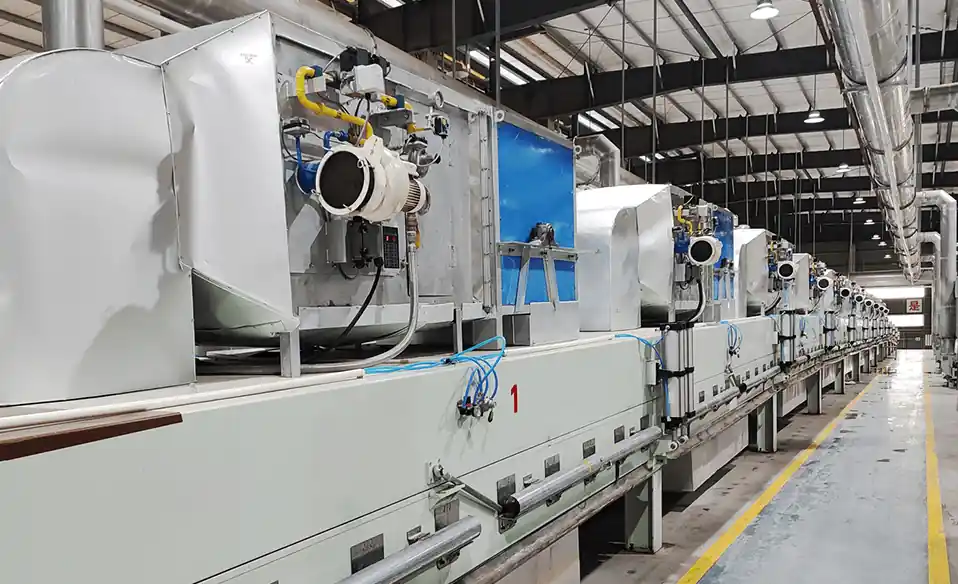
Tunnel furnaces typically have a long, continuous heating path.
Burner selection should therefore consider:
Furnace length
Product movement
Heating zones
Required residence time
Burner spacing
Flame direction
Exhaust location
The burner system may need to provide different heat inputs in different sections of the tunnel.
The goal is to match the thermal profile with the product's movement through the furnace.
Vertical furnaces have a different thermal-flow environment from horizontal furnaces.
Burner selection may need to consider:
Vertical gas movement
Buoyancy
Burner elevation
Product movement
Upper and lower temperature zones
The burner should be selected to provide the required heat distribution without creating excessive temperature stratification.
Furnace temperature uniformity is strongly influenced by the interaction between burner characteristics and geometry.
A useful way to think about the system is:
Burner heat release
↓
Flame trajectory
↓
Combustion-gas circulation
↓
Heat transfer
↓
Temperature distribution
If any stage is poorly matched to the furnace geometry, temperature uniformity can suffer.
This is why simply increasing burner capacity is not always an effective solution to a cold zone.
The problem may actually be burner positioning, flame trajectory, gas circulation, or furnace geometry.
Furnace geometry also affects how burners should be controlled.
A multi-zone furnace may require independent burner control for different sections.
A compact furnace may require a wide turndown range because the thermal load can change significantly.
A continuous process may require rapid modulation as production speed changes.
Therefore, burner selection should consider:
Turndown ratio
Modulation method
Zone control
Temperature sensors
Fuel-air control
Ignition sequence
Flame detection
Burner capacity without appropriate control capability may not deliver stable furnace performance.
For OEM furnace manufacturers, burner selection should ideally occur before the furnace structure is finalized.
This allows engineers to coordinate:
Furnace dimensions
with
Burner capacity
with
Flame characteristics
with
Burner position
with
Exhaust location
with
Control strategy
This integrated approach is usually more effective than designing the furnace first and selecting a burner afterward.
Once the furnace structure is fixed, burner installation may be restricted by:
Wall thickness
Structural supports
Refractory
Access doors
Piping
Exhaust ducts
Maintenance space
Early burner selection provides much greater design flexibility.
A practical selection process can follow several steps.
Record:
Length
Width
Height
Internal volume
Heating-zone dimensions
Determine:
Required operating temperature
Heating rate
Product throughput
Product heat load
Moisture load
Wall heat loss
Exhaust losses
Identify:
Product location
Product dimensions
Product movement
Loading density
Required temperature uniformity
Determine:
Exhaust location
Exhaust direction
Required exhaust flow
Furnace pressure
Evaluate:
Burner capacity
Flame length
Flame shape
Flame velocity
Flame momentum
Turndown ratio
Fuel type
Develop the burner layout based on the required thermal field.
Make sure flames will not unintentionally contact:
Furnace walls
Refractory
Workpieces
Internal structures
Other burners
Use commissioning measurements and, where appropriate, thermal or CFD simulation to evaluate the expected temperature field.
Yes, but this does not mean the burner can be installed identically in every furnace.
The same burner model may operate in different applications if its:
Capacity
Flame characteristics
Installation position
Burner angle
Air/fuel conditions
Control strategy
are appropriately configured.
This is why a burner model should not be evaluated only by its catalog specifications.
The actual application environment matters.
When requesting a burner recommendation, providing furnace geometry can significantly improve the quality of the selection.
Useful information includes:
Furnace length
Furnace width
Furnace height
Furnace operating temperature
Required heating rate
Product dimensions
Product throughput
Product location
Fuel type
Fuel pressure
Available combustion air
Exhaust location
Existing burner quantity
Existing burner position
Required temperature uniformity
Emission requirements
Photos, drawings, CAD files, and furnace cross-sectional diagrams can also help clarify the actual installation environment.
DYDTEC Combustion's product development covers industrial burners, linear burners, low-NOx burners, oxygen burners, hydrogen burners, low-calorific-value burners, flame-treatment burners, and other combustion technologies.
Its technical approach is based on matching combustion equipment to the actual industrial process rather than selecting burners from capacity alone.
For complex applications, burner selection can involve consideration of:
Furnace geometry
Process requirements
Flame characteristics
Heat distribution
Burner arrangement
Fuel characteristics
Emission requirements
Control requirements
DYDTEC Combustion also develops customized burner solutions for specific industrial applications.
Not by itself. Furnace dimensions provide important information, but burner capacity should ultimately be based on the actual thermal load and process requirements.
Yes. Furnace length is an important factor when determining whether a flame can develop without excessive wall or product impingement.
It can. Wide furnaces may require multiple burners or a distributed heating arrangement to achieve better temperature uniformity.
Yes. Tall furnaces may require different burner elevations, flame directions, or burner arrangements to control vertical temperature distribution.
No. Furnace volume is only one parameter. Process heat load, operating temperature, product load, insulation, exhaust losses, and heating rate must also be considered.
Potentially, but its installation position, angle, operating conditions, and control strategy may need to be different.
The flame must fit the available combustion space. An excessively long flame can cause impingement, while an excessively short flame may not distribute heat effectively.
Yes. Flame shape, momentum, and heat-release distribution interact with furnace geometry and can strongly influence temperature distribution.
Furnace dimensions, burner location, combustion space, gas circulation, and exhaust conditions can all affect the operating environment of a low-NOx burner.
Yes. Burner quantity depends not only on total heat demand but also on how that heat needs to be distributed throughout the furnace.
Ideally, yes. Early coordination allows the burner, furnace, exhaust, and control system to be designed as one integrated system.
For complex furnace geometries, CFD and thermal simulation can help evaluate flame trajectories, combustion-gas circulation, temperature distribution, and potential hot spots.
Furnace geometry directly influences burner selection because the burner must develop its flame and release heat within a specific physical and thermal environment.
Furnace length affects flame-development requirements.
Furnace width affects heat distribution.
Furnace height affects vertical temperature distribution.
Internal structures affect flame clearance.
Workpiece geometry affects heat transfer.
Exhaust location affects gas flow.
Heating zones affect burner quantity and control.
Therefore, choosing an industrial burner should never be reduced to a simple question of:
“How many kW do I need?”
A better question is:
“What burner characteristics can produce the required thermal field inside this specific furnace geometry?”
The most reliable burner-selection process connects:
Furnace Geometry → Thermal Load → Flame Characteristics → Burner Type → Burner Quantity → Burner Position → Burner Control
When these factors are designed together, the burner has a much better chance of delivering stable combustion, uniform heating, efficient heat utilization, and reliable long-term furnace operation.
The right burner is not simply the burner with the right capacity. It is the burner whose characteristics match the furnace geometry and the process.