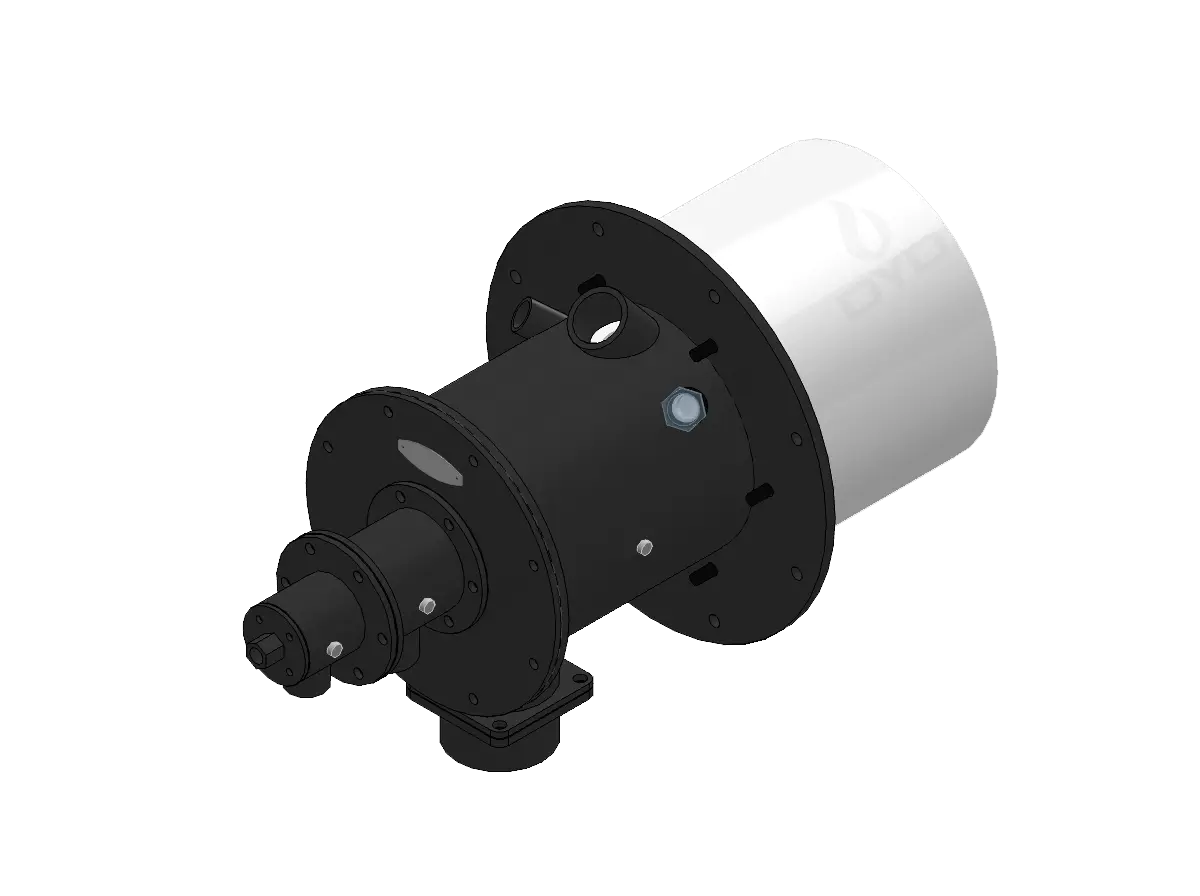
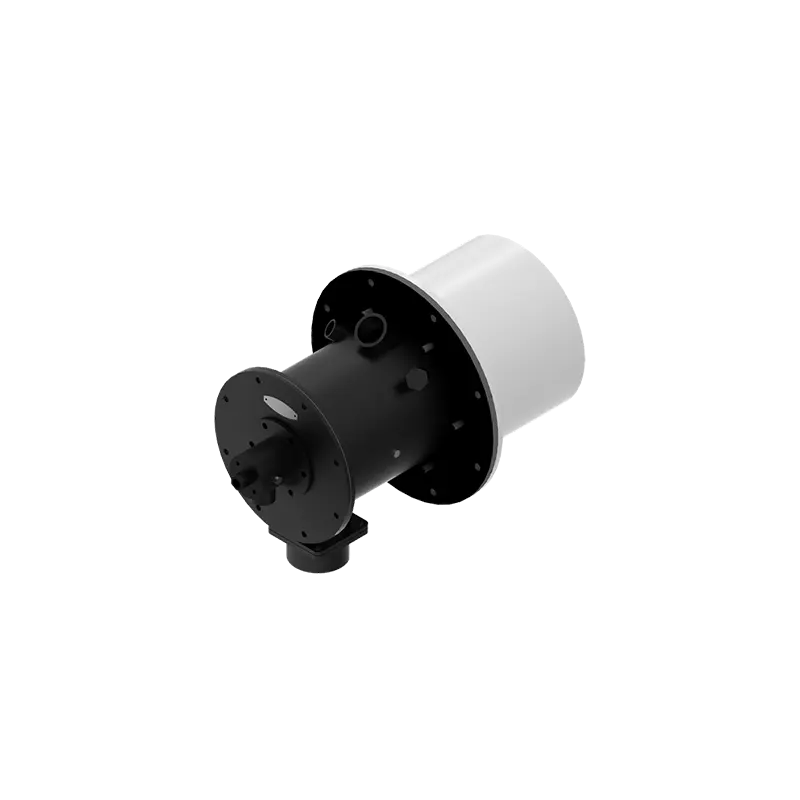
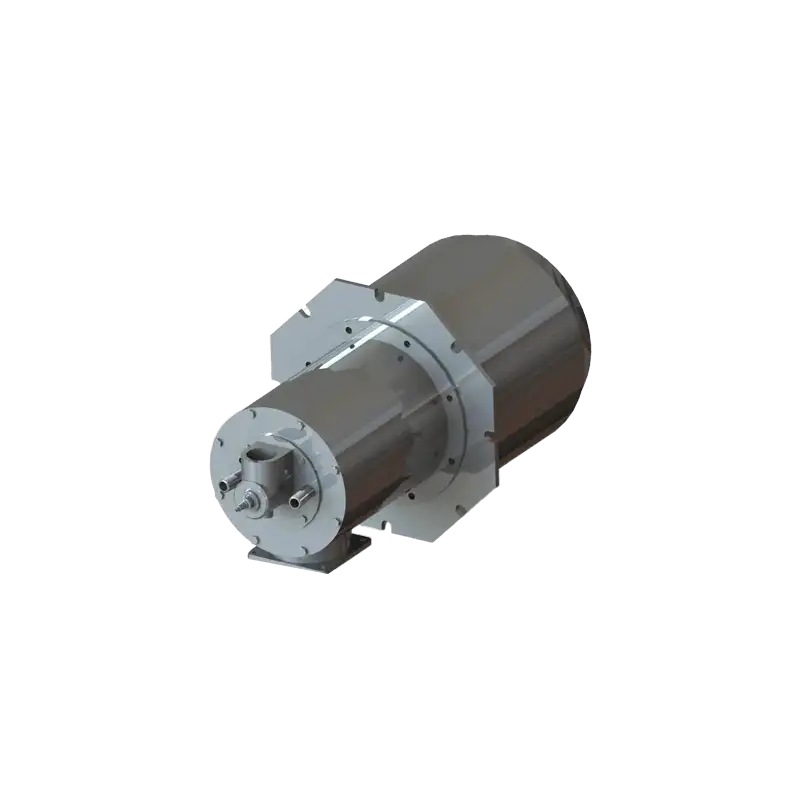
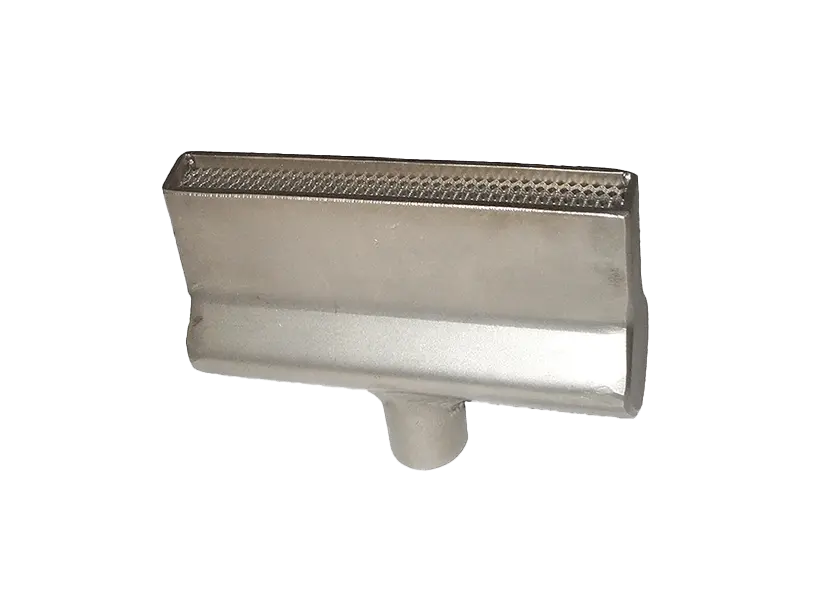
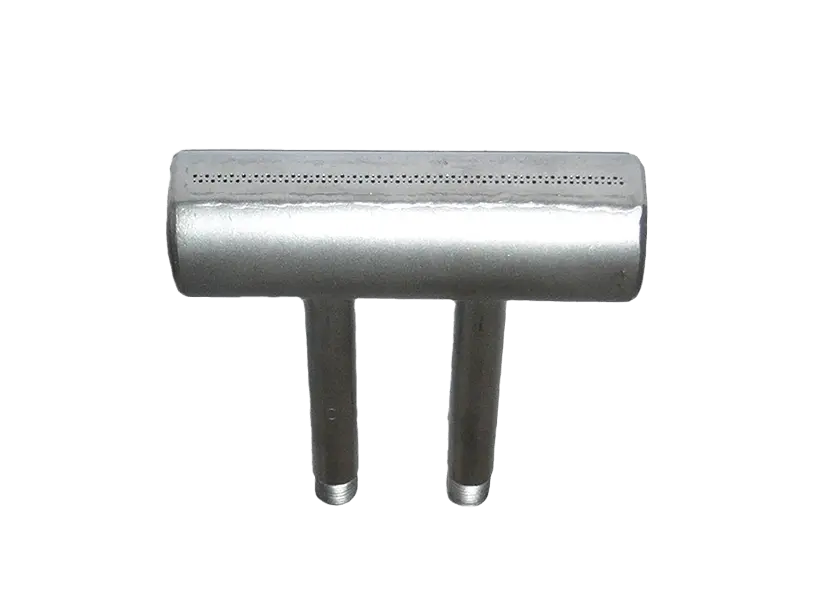
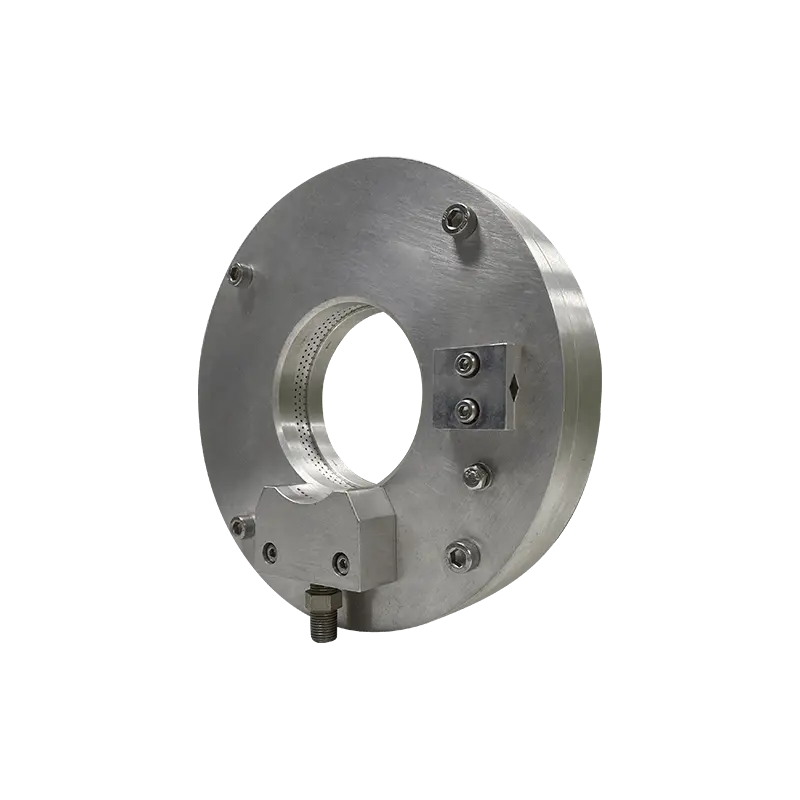
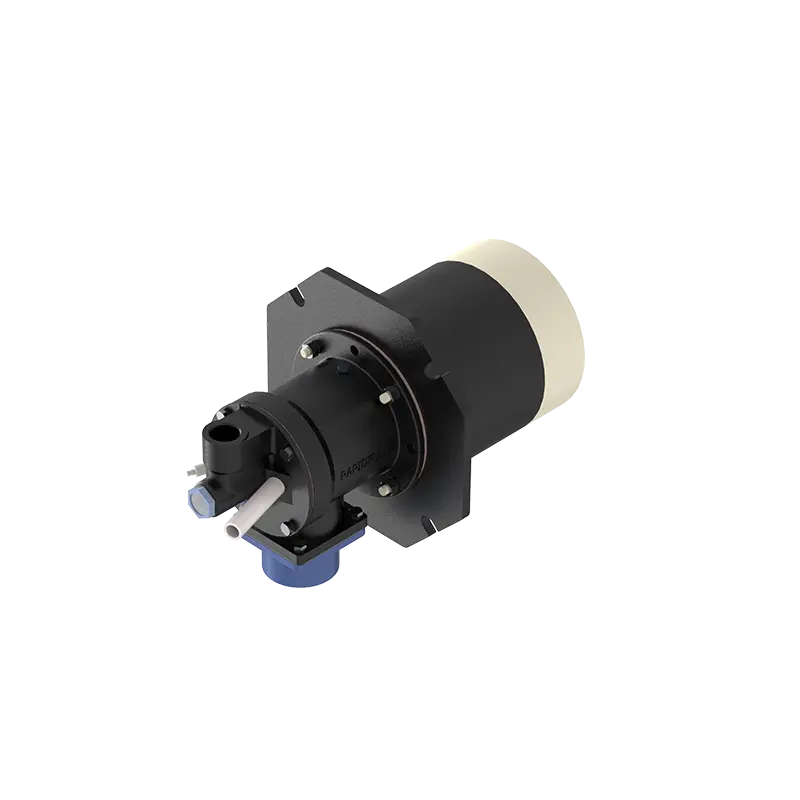
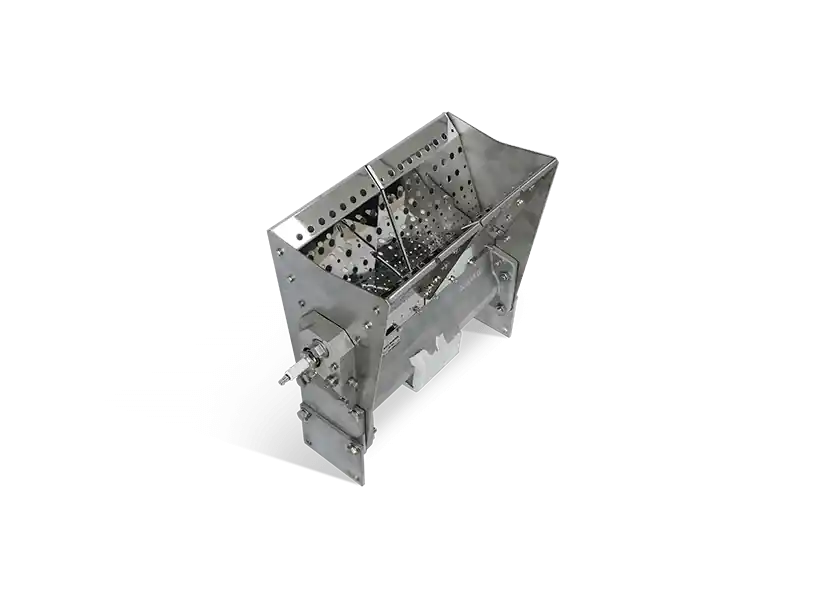
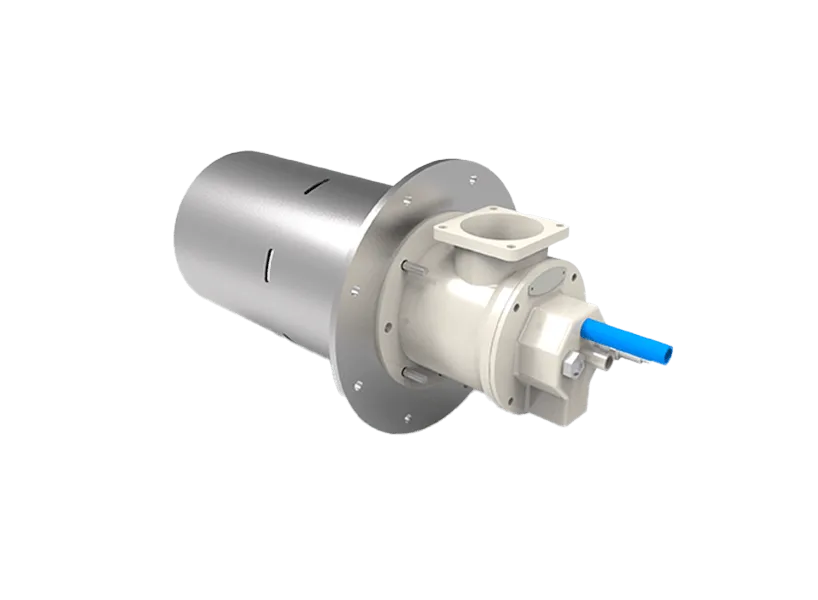
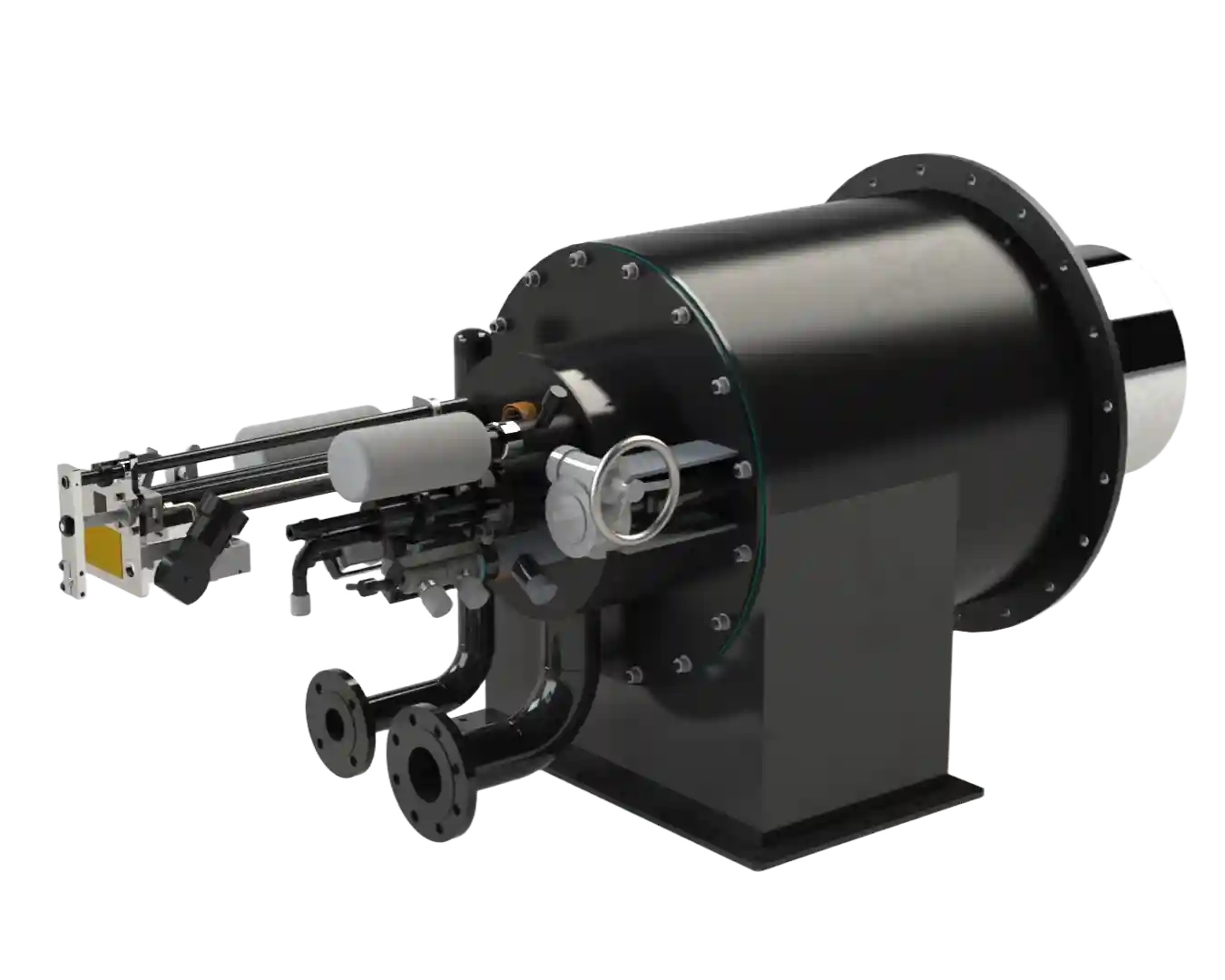
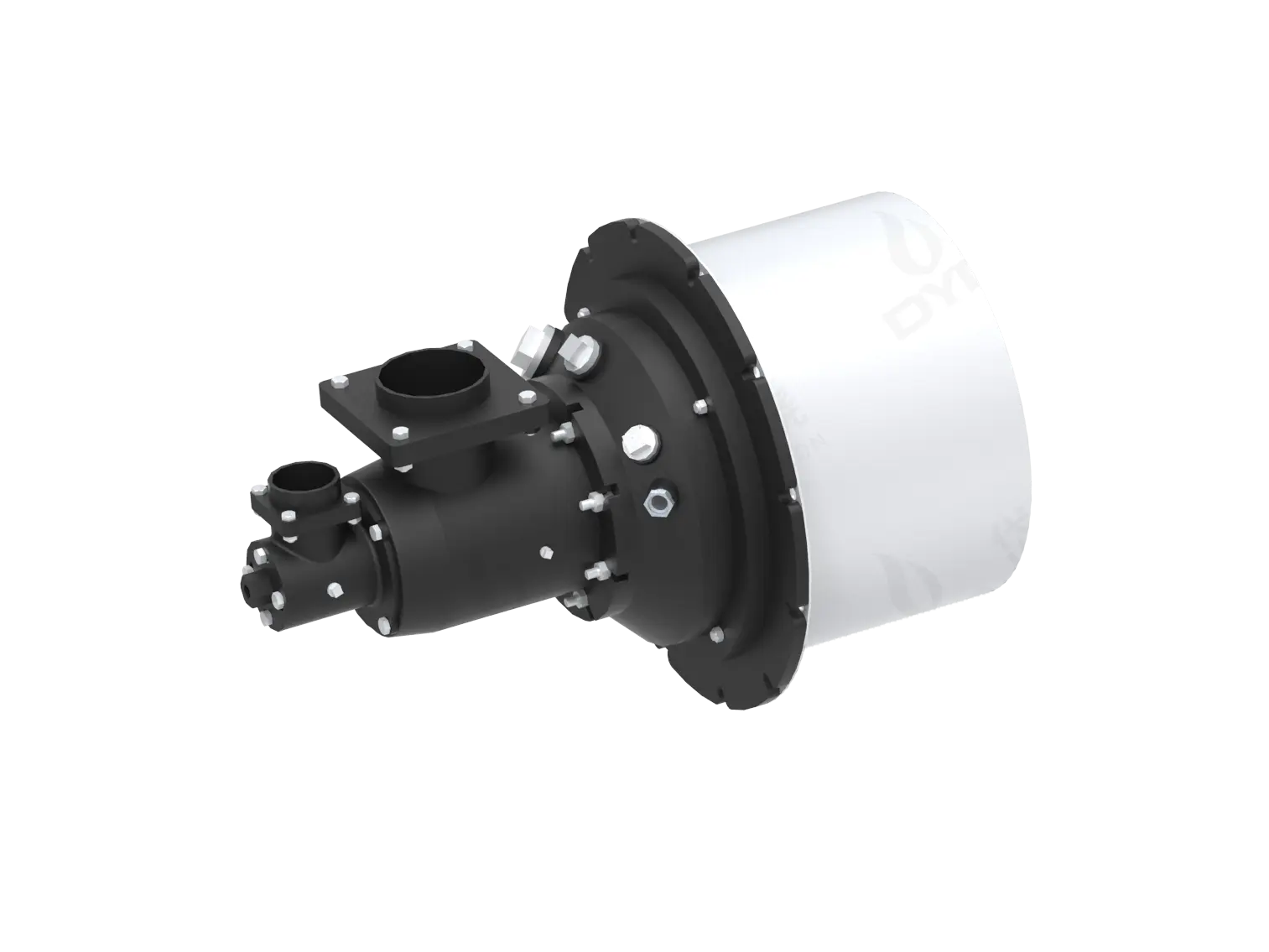
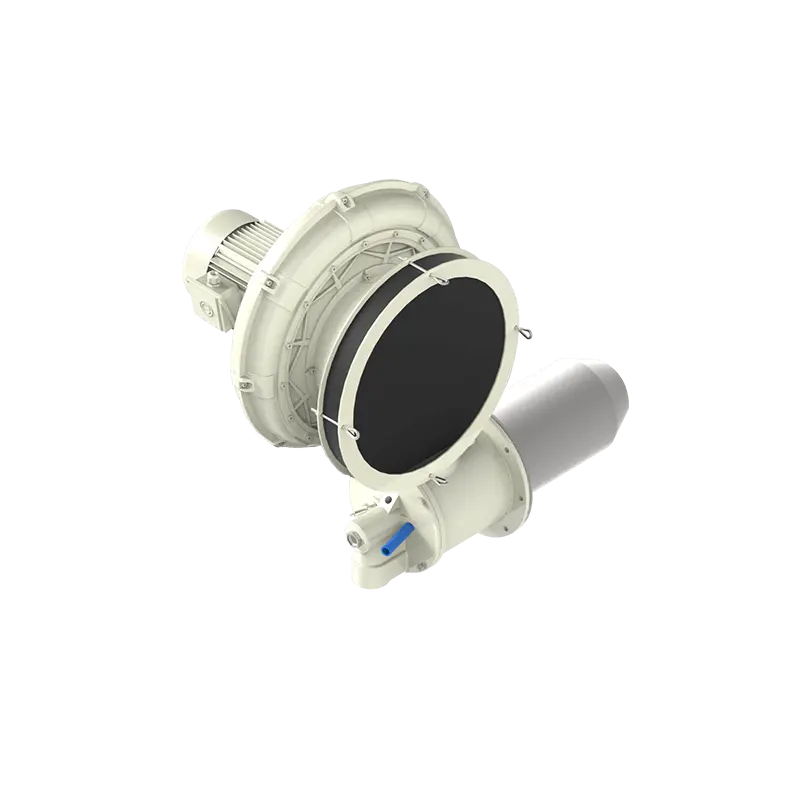
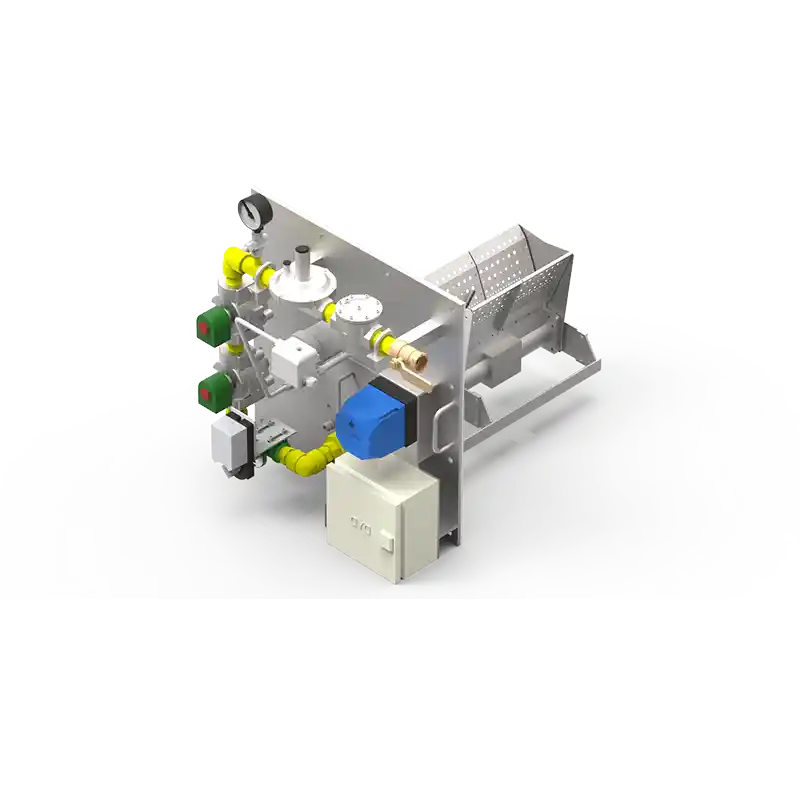
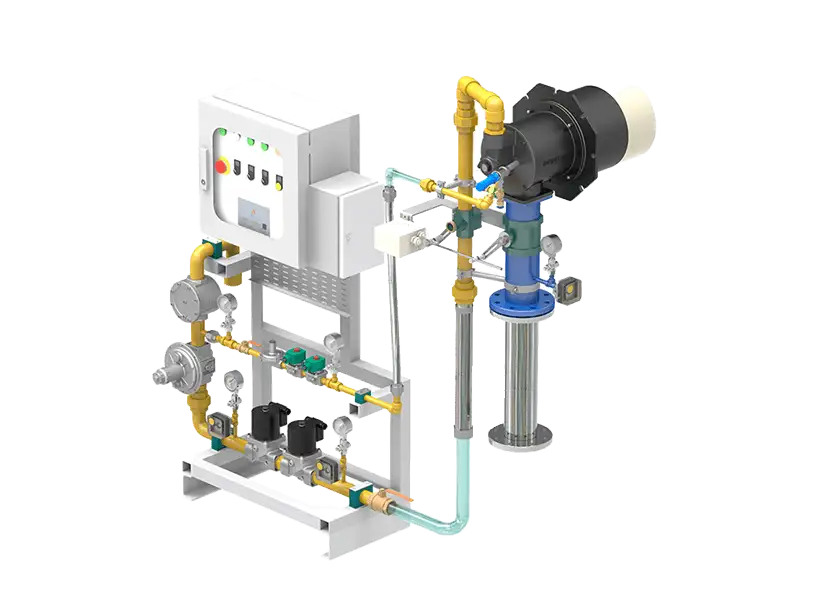
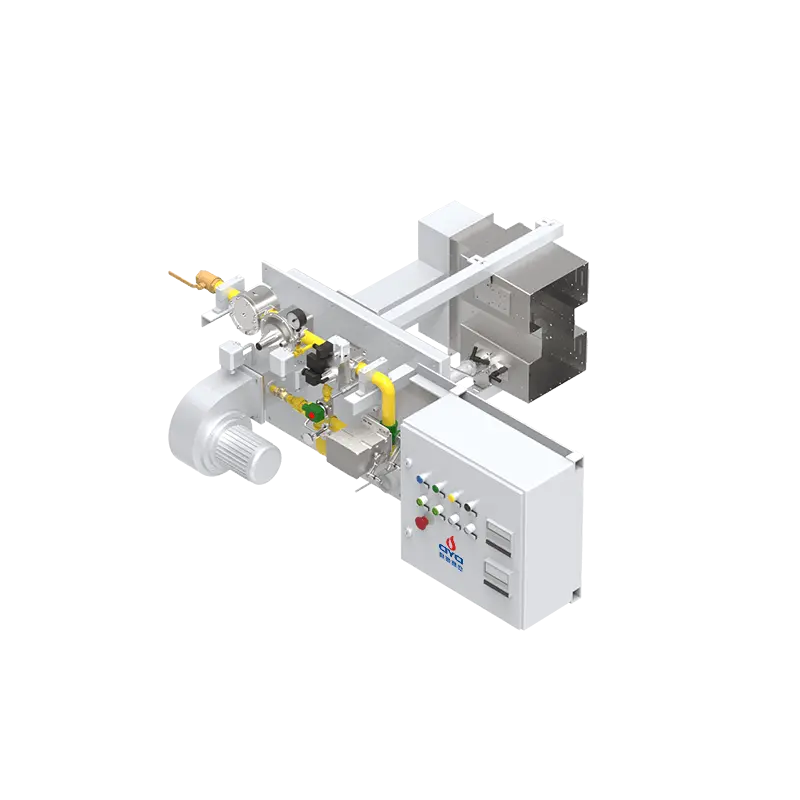
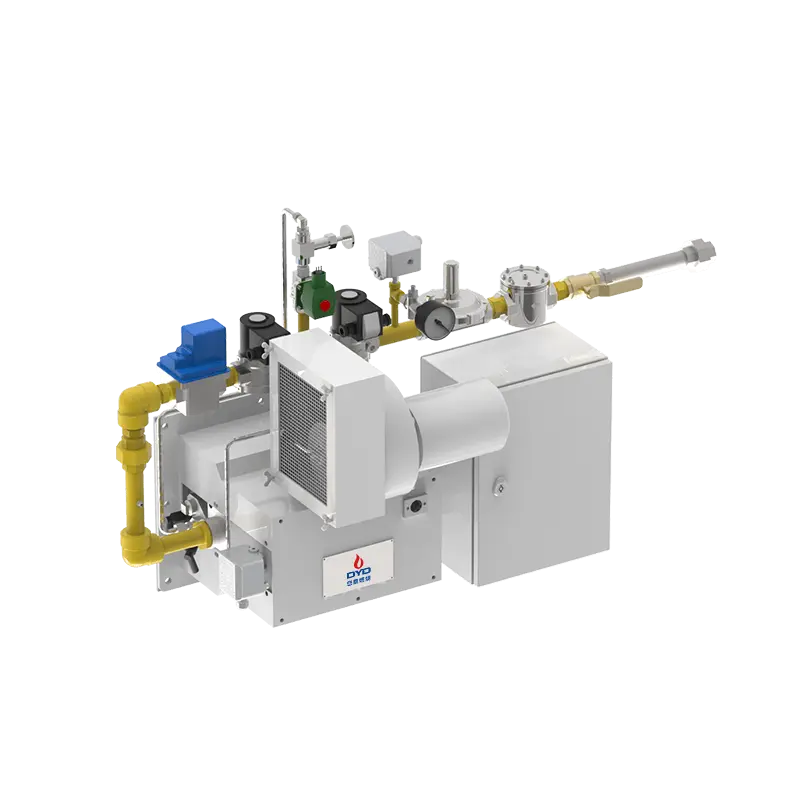
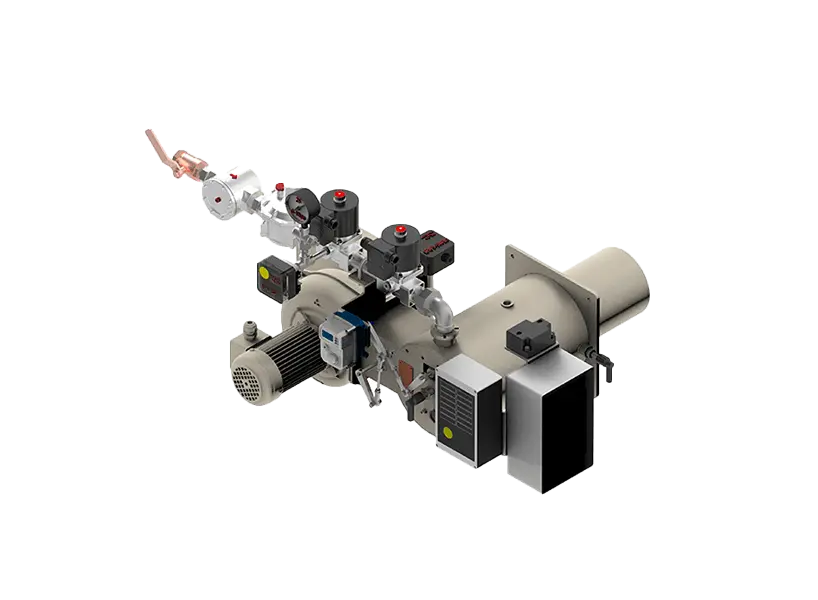
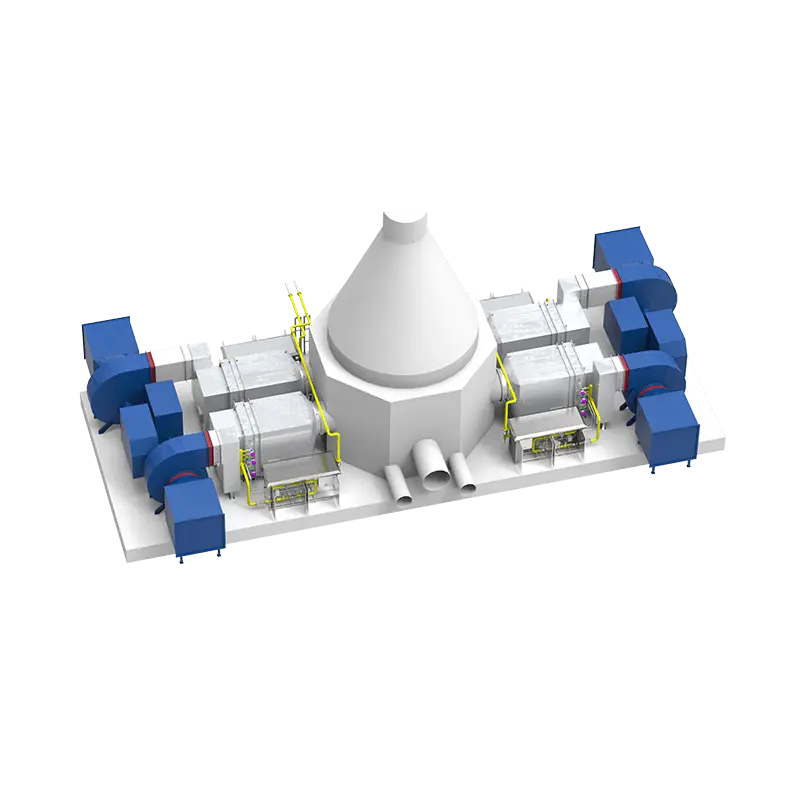
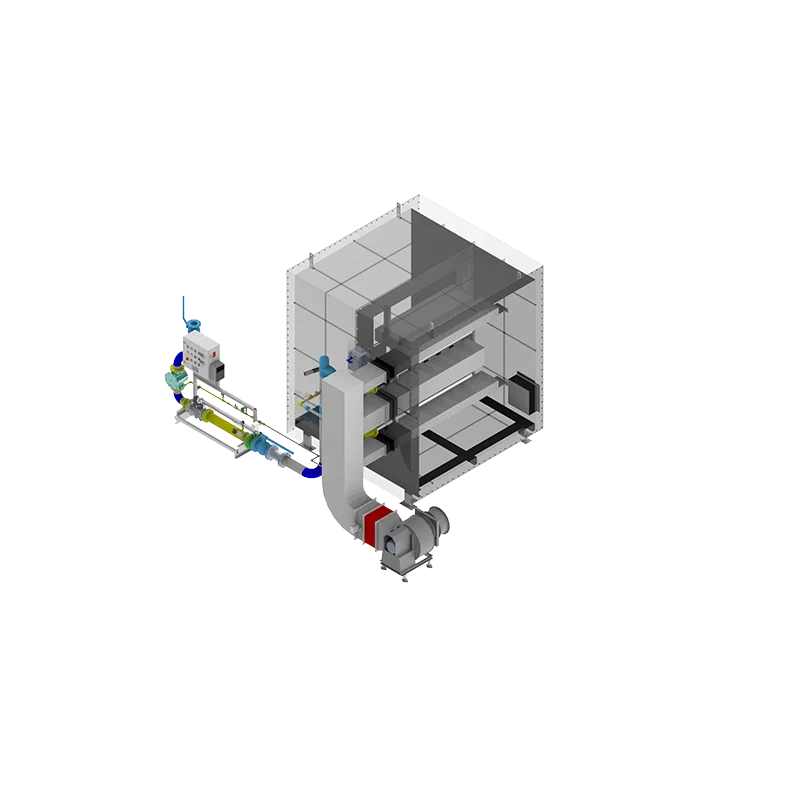
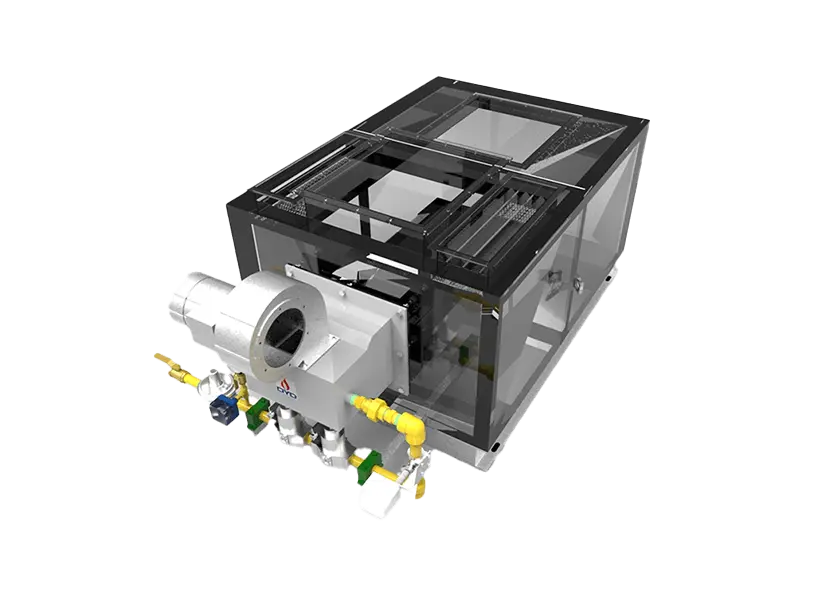
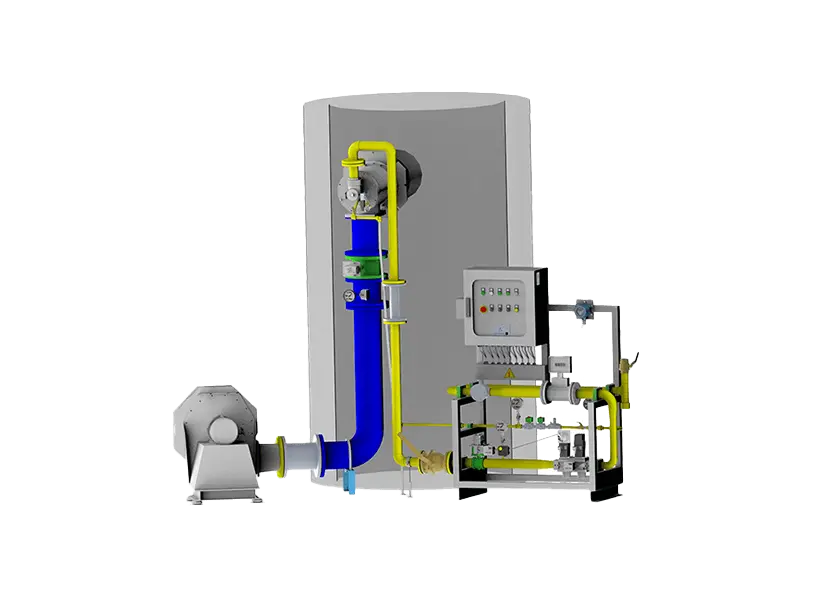
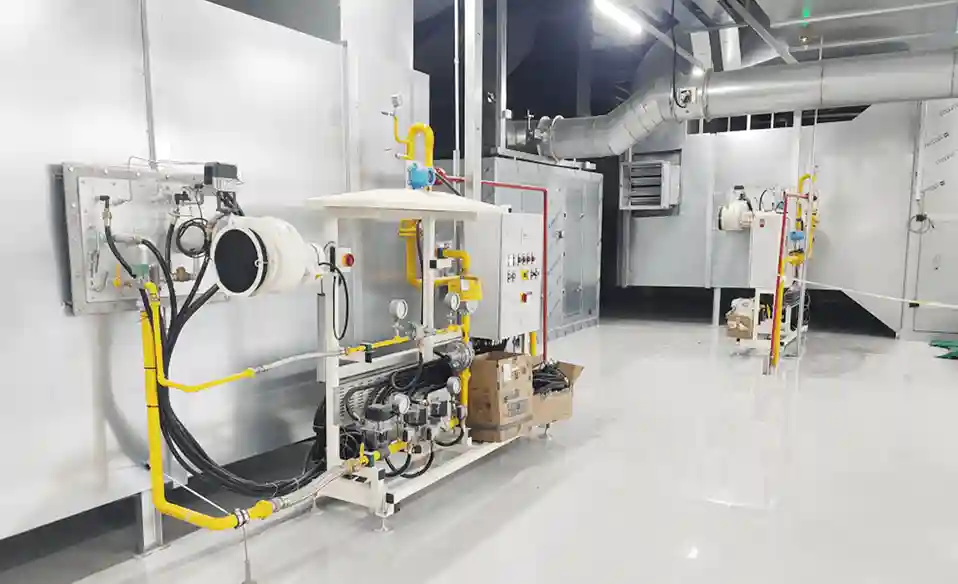
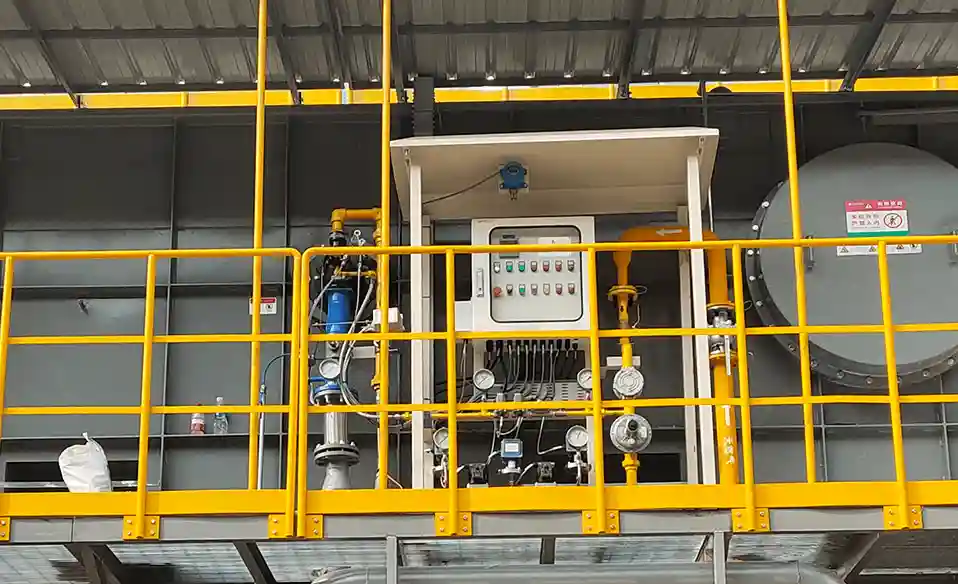
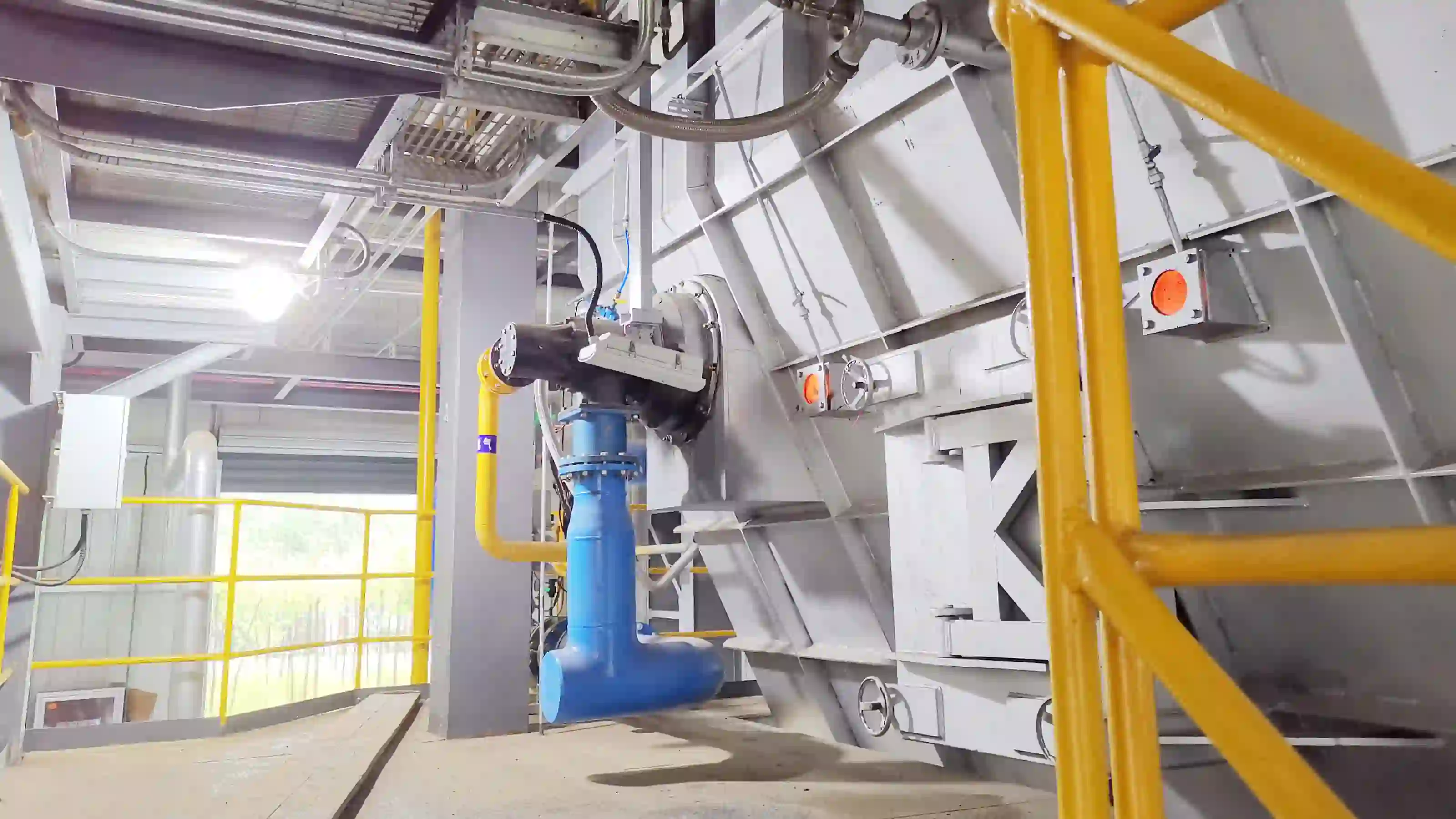
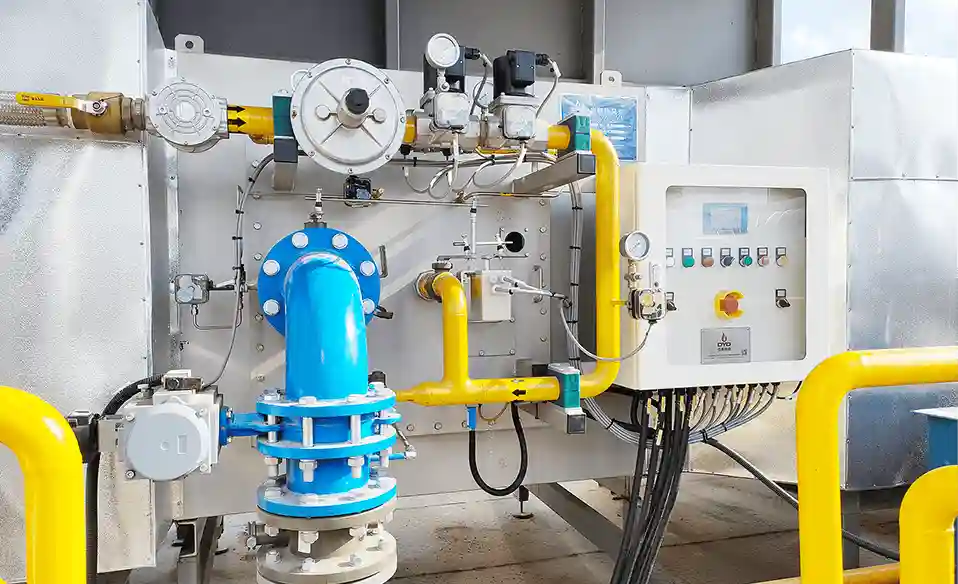
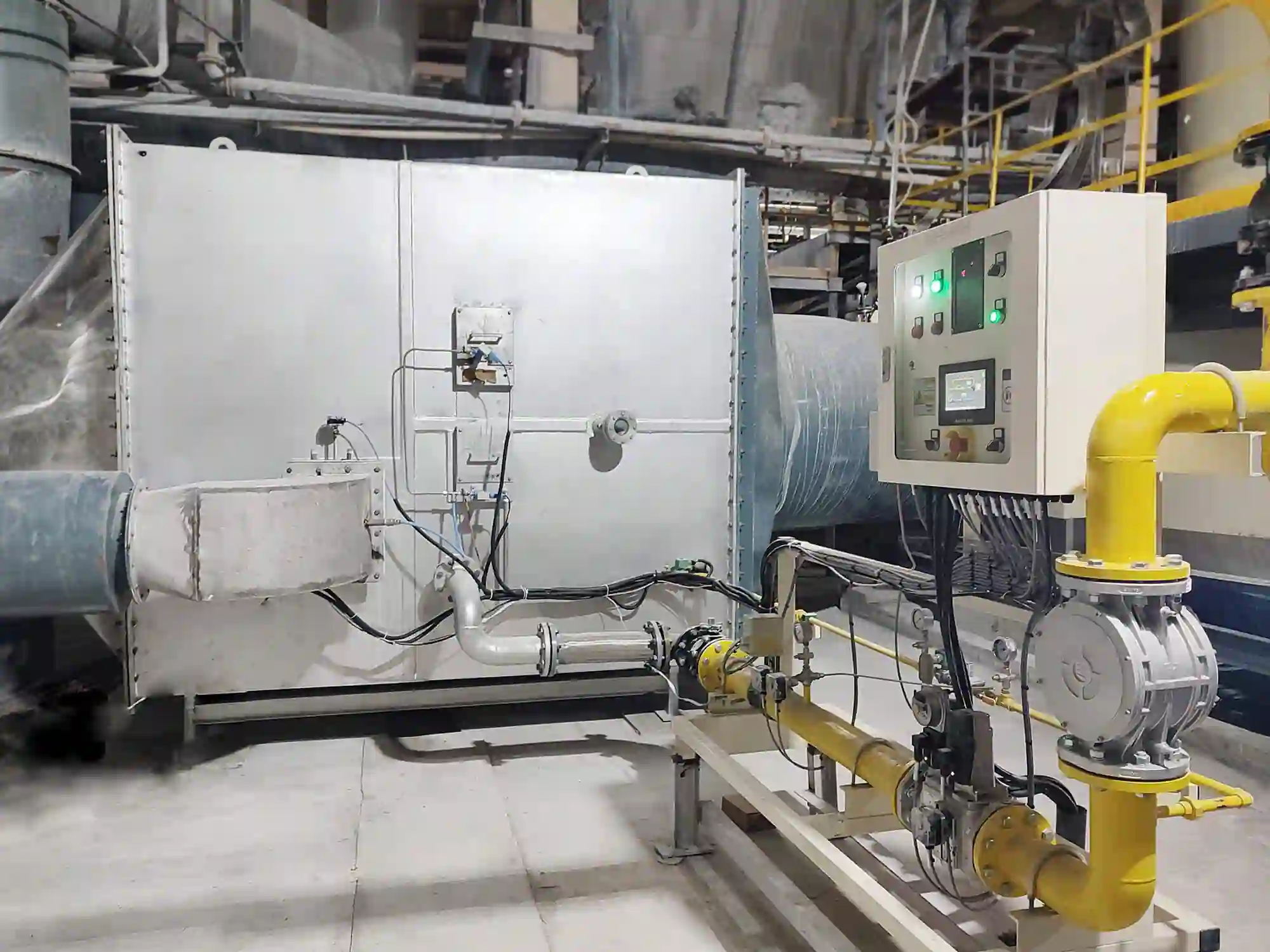
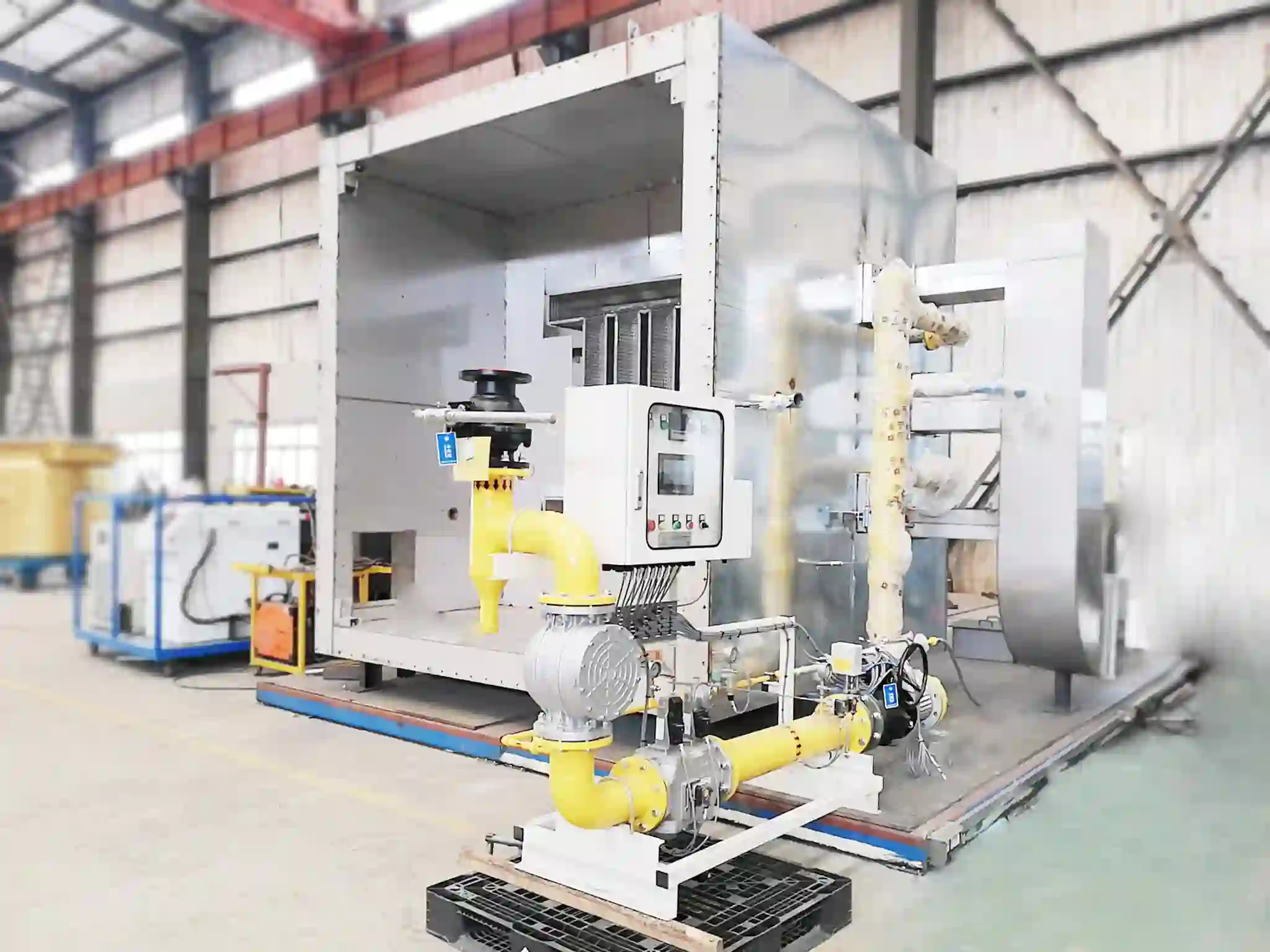
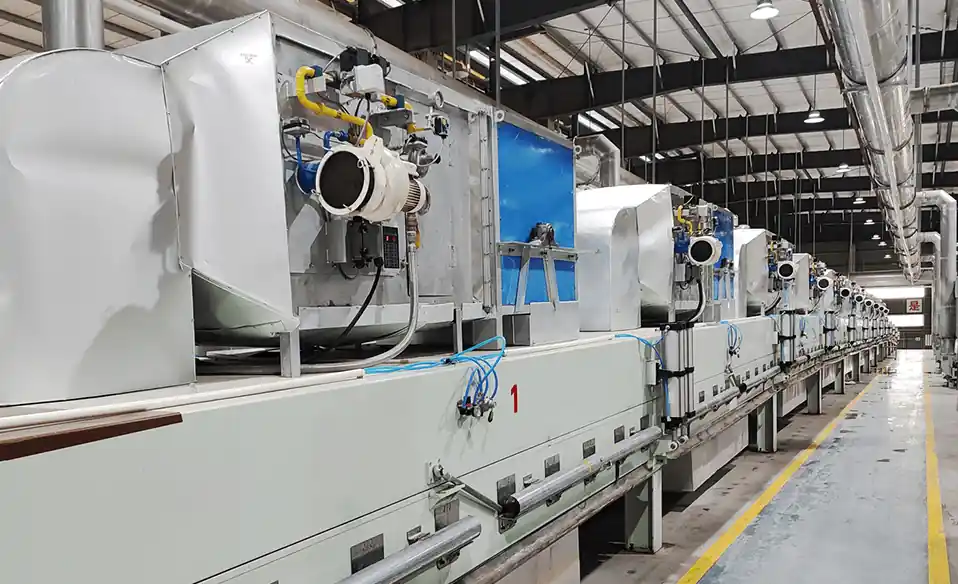
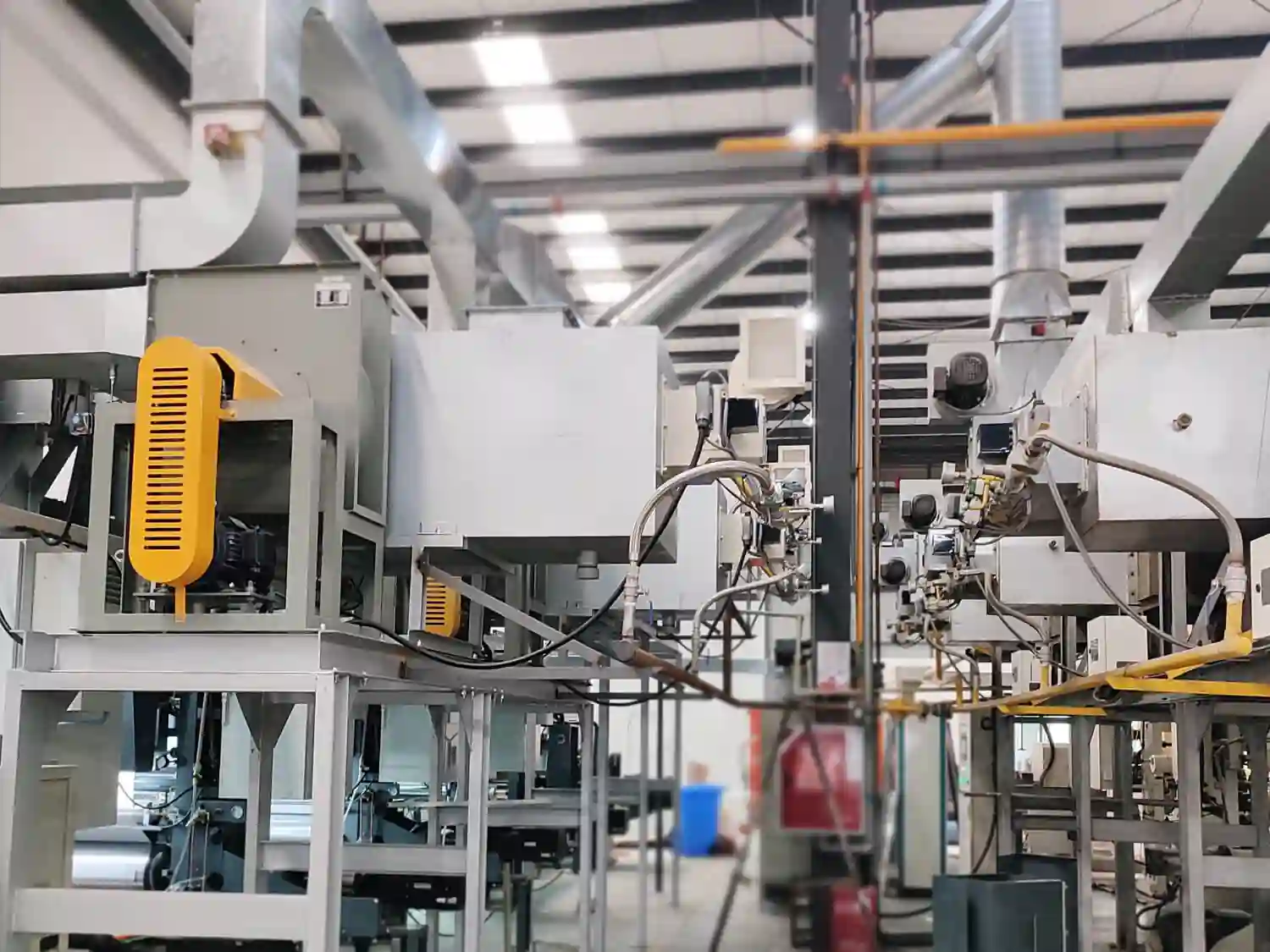
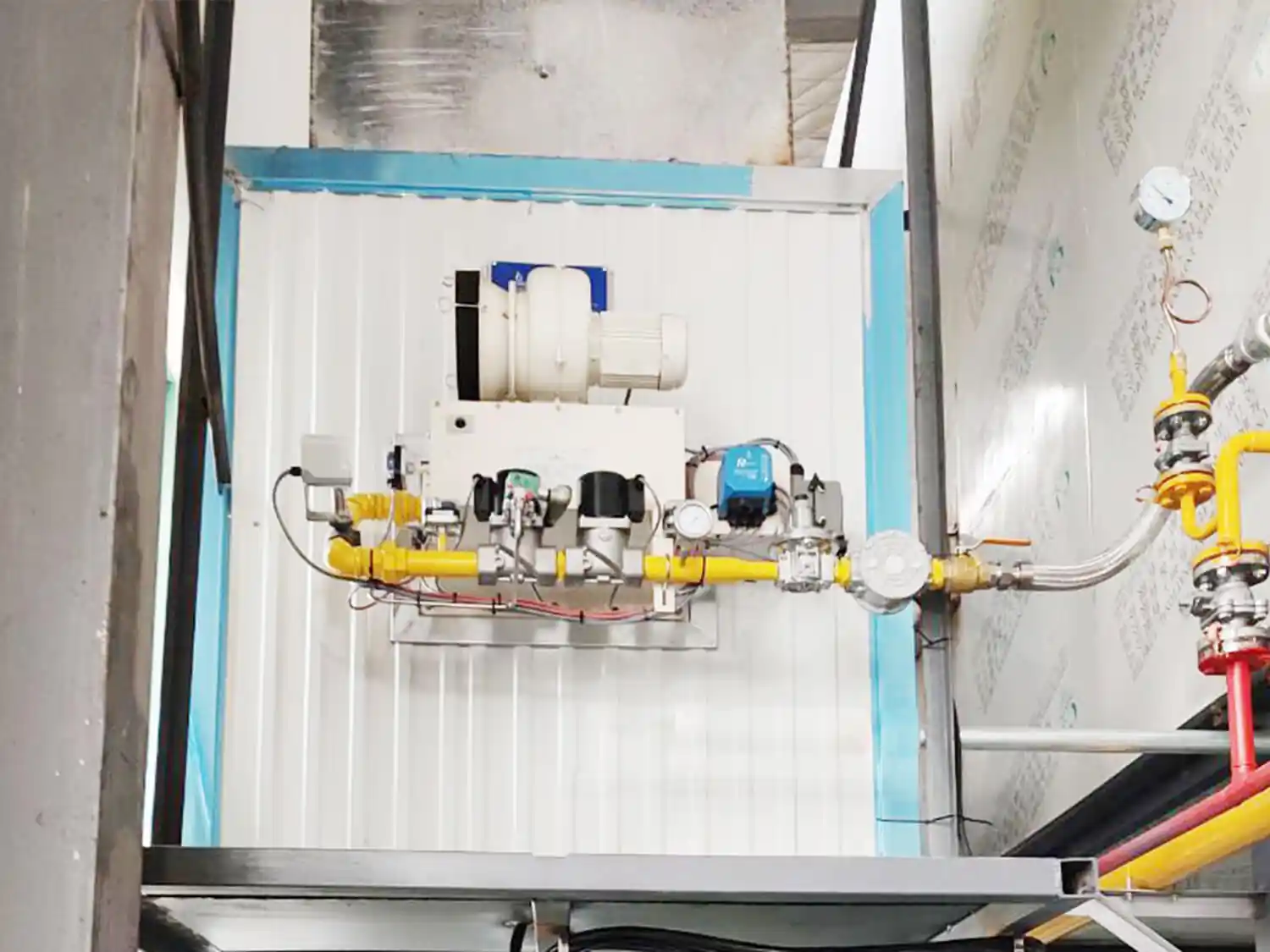
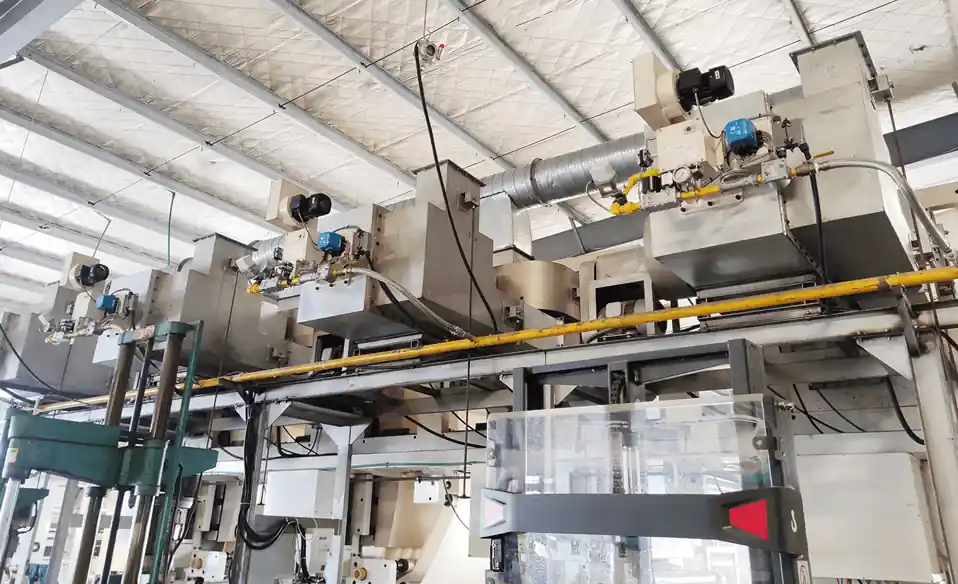
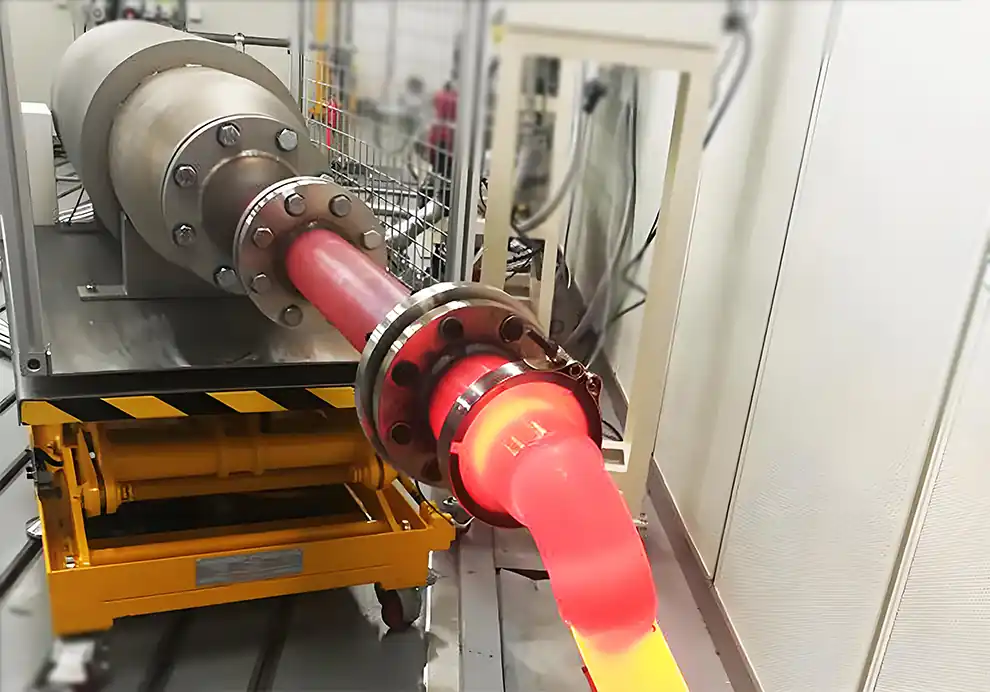
Regenerative Thermal Oxidizers (RTOs) use burners to provide the thermal energy required to oxidize volatile organic compounds (VOCs) and other combustible pollutants in industrial exhaust gas.
Unlike a conventional industrial heating system, the primary purpose of an RTO burner is not simply to heat a product. Its main role is to bring the process gas to the temperature required for thermal oxidation and maintain stable combustion conditions in the oxidation chamber.
A simplified RTO process is:
Industrial Process Exhaust
↓
RTO Inlet
↓
Regenerative Heat Exchange
↓
Oxidation Chamber
↓
Burner
↓
Thermal Oxidation
↓
Regenerative Heat Recovery
↓
Cleaned Exhaust Gas
The burner therefore operates as part of a larger system involving regenerative heat exchangers, switching valves, oxidation chambers, fans, controls, and safety systems.
An RTO is a thermal pollution-control system designed to destroy combustible pollutants in industrial exhaust gas through high-temperature oxidation.
RTO systems are commonly used for exhaust streams from processes such as:
Coating
Painting
Printing
Chemical processing
Solvent-based production
Composite manufacturing
Industrial drying
Other processes generating VOC-containing exhaust
The exact RTO configuration depends on the exhaust characteristics and required treatment conditions.
The burner primarily provides supplementary heat to maintain the oxidation chamber at its required operating temperature.
An RTO can recover a substantial amount of heat from its own exhaust stream through regenerative heat exchange. However, the recovered heat may not always be sufficient to maintain the required oxidation conditions.
The burner compensates for the difference.
A simplified relationship is:
Required Oxidation Heat
−
Recovered Heat + Heat from VOC Oxidation
=
Burner Heat Input
When the incoming process gas contains sufficient combustible material and the system has favorable heat recovery, burner demand can be relatively low.
When the process load changes, startup occurs, or the incoming gas has a low combustible concentration, the burner may need to provide more heat.
An RTO needs to maintain appropriate conditions for thermal oxidation.
The burner helps establish and maintain:
Oxidation temperature
Stable combustion conditions
Temperature recovery during load changes
Startup heating
Thermal stability
Without sufficient heat input, the oxidation chamber may not remain at the required operating condition.
The burner therefore acts as a thermal balancing component within the RTO.
The basic burner operation can be represented as:
Fuel
Combustion Air
↓
Ignition
↓
Stable Flame
↓
Heat Release
↓
Oxidation Chamber
The burner is normally controlled according to the thermal condition of the RTO.
When the oxidation chamber temperature drops, burner output can increase.
When the chamber has sufficient thermal energy, burner output can decrease.
This creates a feedback loop:
Temperature Sensor
↓
RTO Controller
↓
Burner Modulation
↓
Heat Input
↓
Oxidation Chamber Temperature
The defining characteristic of an RTO is its regenerative heat-recovery system.
Hot treated gas transfers heat to ceramic heat-storage media.
During another part of the operating cycle, the stored heat is transferred to incoming process gas.
This can significantly reduce the amount of external fuel needed to maintain oxidation temperature.
The overall concept is:
Hot Clean Gas → Ceramic Media → Stored Heat → Incoming Process Gas
The burner then supplies only the additional heat required to compensate for thermal losses and changing process conditions.
This is why an RTO burner should not be selected simply by looking at the maximum oxidation-chamber temperature.
The actual burner duty depends on the complete RTO heat balance.
VOC concentration can have a significant effect on burner demand because VOC oxidation releases heat.
A higher combustible load can contribute more thermal energy to the oxidation process.
A lower VOC load provides less heat.
Therefore:
Higher VOC Load → Greater Process Heat Contribution → Potentially Lower Burner Demand
Lower VOC Load → Lower Process Heat Contribution → Greater Burner Demand
However, actual burner demand also depends on:
Process-gas flow
Inlet temperature
RTO heat-recovery efficiency
Ambient conditions
System heat losses
Operating mode
RTO operating conditions can change continuously.
For example:
VOC concentration changes
Exhaust airflow changes
Production rate changes
Ambient temperature changes
Startup and shutdown occur
A fixed-output burner may therefore be less suitable than a burner capable of modulating its heat input.
A modulating burner can adjust thermal input according to the actual RTO heat balance.
This can help maintain more stable oxidation-chamber temperature and avoid unnecessary fuel consumption.
An oversized burner may have sufficient maximum capacity but may be difficult to control at low thermal loads.
Potential problems can include:
Temperature overshoot
Frequent burner cycling
Poor low-load control
Increased fuel consumption
Unstable temperature regulation
The burner's minimum stable firing rate is therefore important.
For RTO applications, turndown capability can be just as important as maximum capacity.
An undersized burner may not provide sufficient heat during:
Startup
Low-VOC operation
High exhaust flow
Cold-weather conditions
Increased system heat loss
Other high-heat-demand conditions
The RTO may then have difficulty reaching or maintaining its required operating condition.
Burner sizing should therefore consider both normal operation and the maximum expected supplemental-heating requirement.
RTO thermal demand can vary widely.
During one operating condition, the burner may need substantial heat input.
Under another condition, the RTO may be close to thermally self-sustaining.
A burner with suitable turndown can operate across this range.
Important burner characteristics include:
Maximum firing rate
Minimum firing rate
Flame stability
Modulation response
Ignition reliability
A suitable turndown ratio helps the burner match its output to the actual thermal demand.
Burner installation location affects:
Flame development
Heat distribution
Oxidation-chamber temperature
Gas flow
Refractory loading
The burner should be positioned so that its flame and heat release are compatible with the oxidation chamber.
The exact arrangement depends on the RTO design.
The burner should not simply be selected first and then forced into an existing chamber.
Instead:
Burner Geometry + Chamber Geometry + Gas Flow + Heat Release
should be evaluated together.
Flame length determines how far the main heat-release region extends into the oxidation chamber.
If the flame is too long, it may interact with:
Refractory surfaces
Ceramic media
Chamber structures
Other components
If the flame is too short, heat release may become overly concentrated near the burner.
The appropriate flame length depends on:
Burner capacity
Chamber dimensions
Burner position
Combustion-air conditions
Fuel characteristics
Flame shape determines how heat is distributed within the oxidation chamber.
An RTO burner may require a particular flame pattern to achieve:
Appropriate heat distribution
Stable combustion
Controlled chamber temperature
Reduced local thermal loading
Therefore, burner selection should consider flame characteristics rather than only rated capacity.
Combustion air directly affects burner operation.
The air-to-fuel ratio influences:
Flame stability
Combustion efficiency
Flame temperature
Exhaust volume
Burner turndown
Too much air can increase the volume of gas that must be heated.
Too little air can result in incomplete combustion or unstable flame behavior.
The combustion-air system should therefore be matched to the burner throughout its operating range.
RTO process-gas flow affects the overall heat balance.
Higher process-gas flow can increase the amount of gas that must be heated.
The burner may therefore need to compensate for additional thermal demand.
Important variables include:
Process-gas flow
Process-gas temperature
VOC concentration
Moisture
Heat-recovery performance
The burner should be evaluated based on these operating conditions rather than in isolation.
Heat recovery is one of the most important factors in determining burner capacity.
If the regenerative system recovers more heat, the external burner may require less thermal input.
If heat recovery decreases, burner demand may increase.
Therefore, burner selection should consider:
Regenerative media
Heat-recovery efficiency
Switching cycle
Process-gas conditions
Exhaust temperature
System heat losses
The burner is essentially responsible for supplying the thermal deficit of the RTO.
Startup is often one of the highest burner-demand conditions.
Before process gas can be treated under normal operating conditions, the oxidation chamber needs to reach its required operating temperature.
During startup:
Cold RTO
↓
Burner High Heat Input
↓
Chamber Warm-Up
↓
Target Temperature
↓
Normal Operation
Once the RTO reaches operating temperature, regenerative heat recovery and VOC oxidation may contribute a significant portion of the required thermal energy.
The burner can then modulate downward.
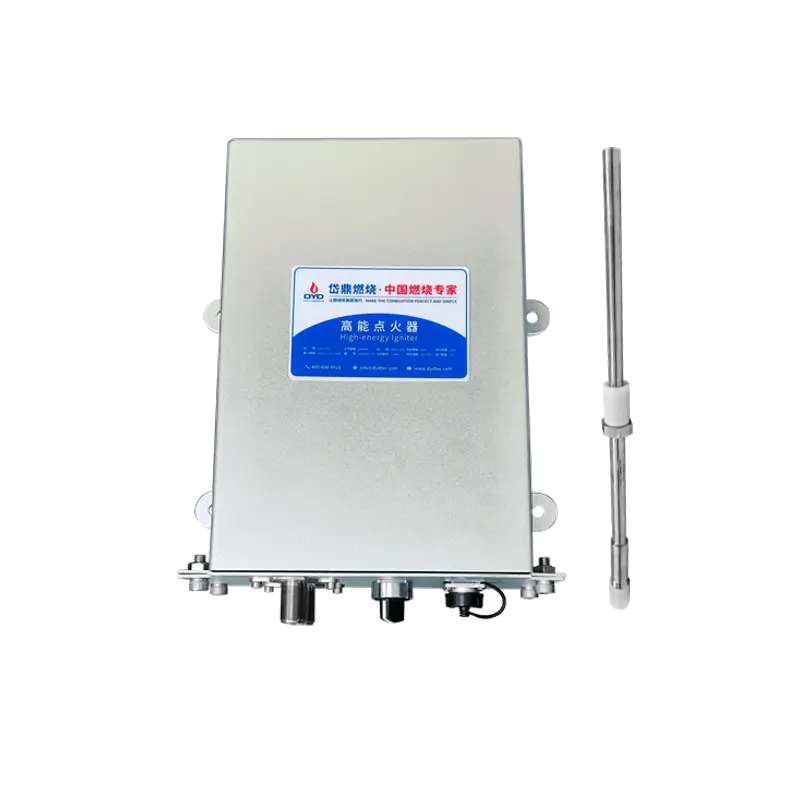
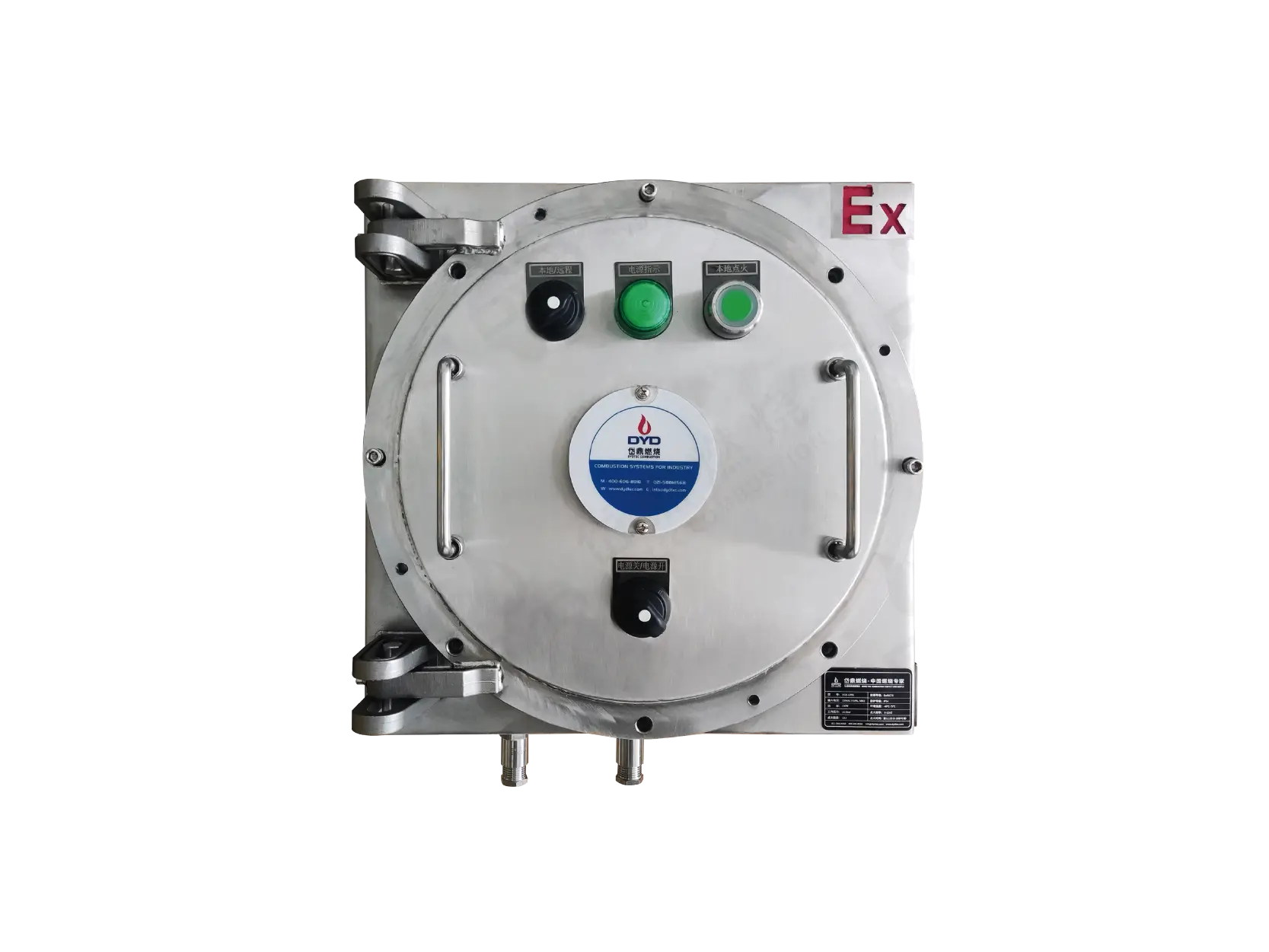
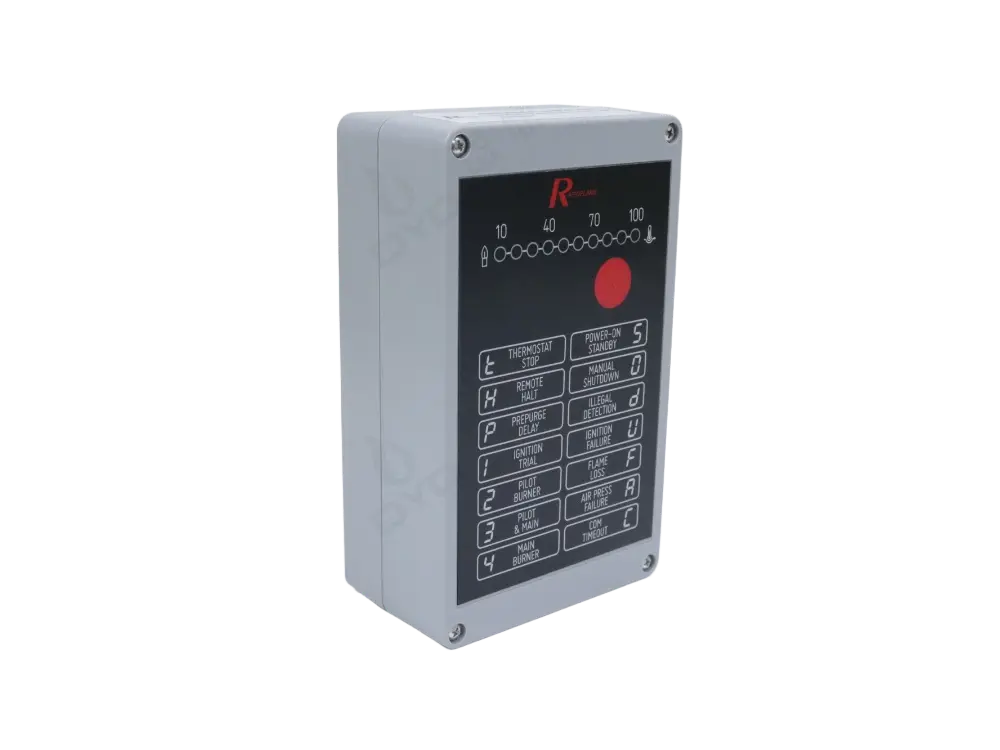
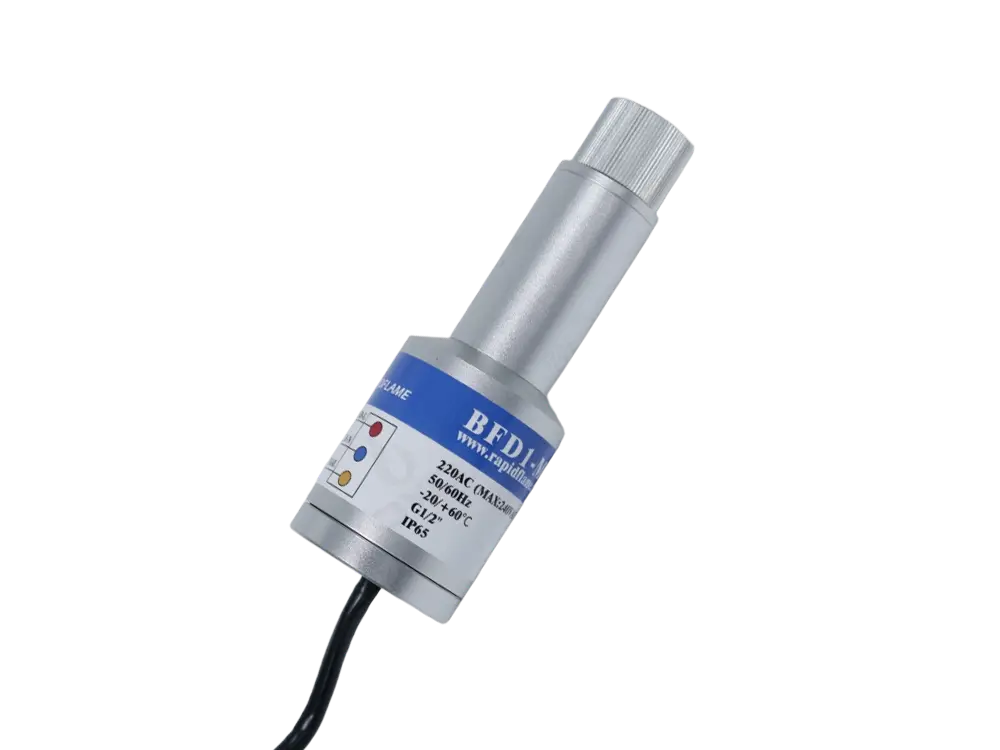
Because the burner is handling fuel and combustion, reliable flame detection is an important part of the burner-management system.
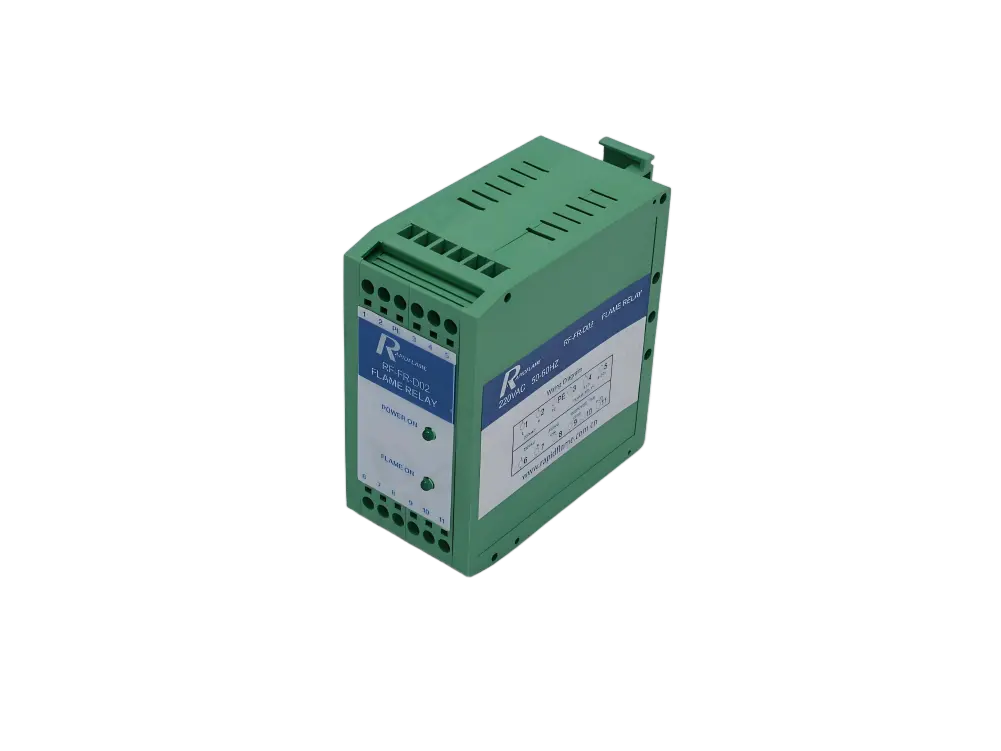
The system typically needs to detect whether the flame has been successfully established and maintained.
If the expected flame signal is lost, the fuel system must respond according to the safety-control strategy.
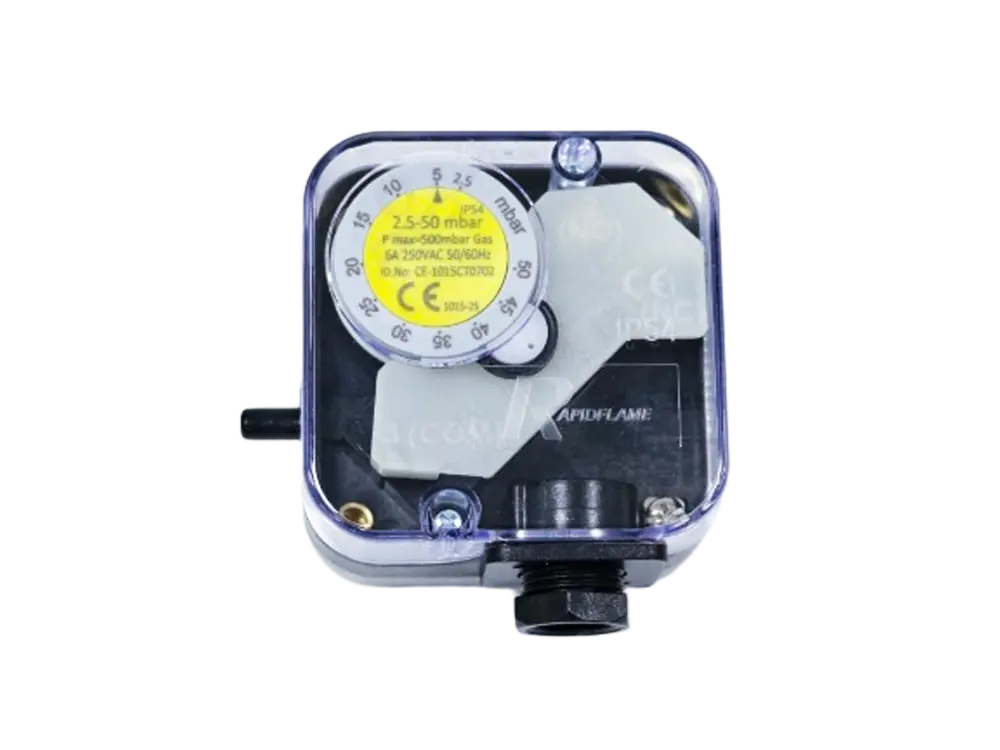
RTO burner systems therefore commonly integrate:
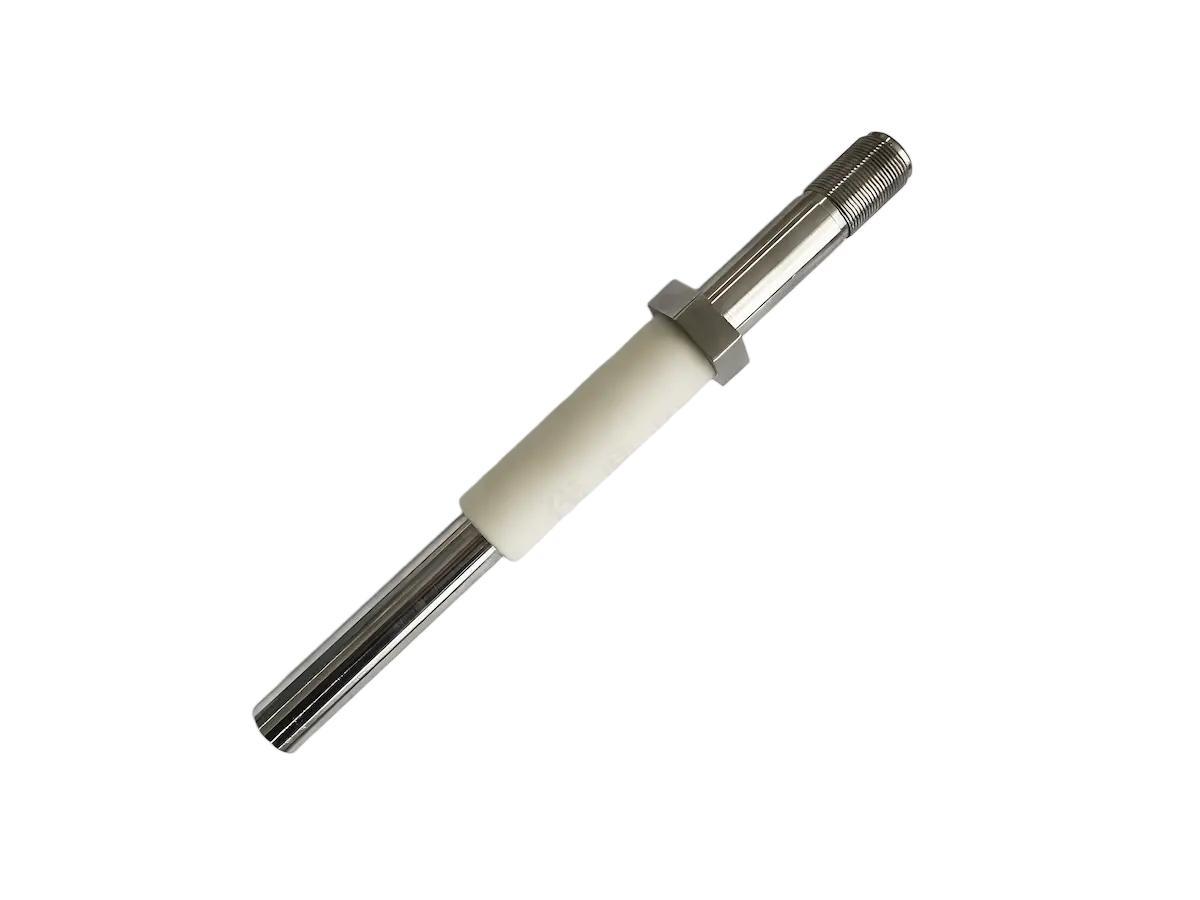
Ignition
Flame detection
Fuel shutoff
Airflow monitoring
Safety interlocks
Temperature monitoring
A typical control relationship is:
RTO Temperature
↓
Temperature Controller
↓
Burner Output
↓
Heat Input
↓
Oxidation-Chamber Temperature
The control system may also monitor:
VOC concentration
Process-gas flow
Chamber temperature
Combustion-air pressure
Fuel pressure
Fan status
Valve status
Flame signal
The objective is to maintain stable thermal conditions while minimizing unnecessary fuel consumption.
Fuel consumption should be evaluated from the perspective of the entire RTO.
Effective regenerative heat exchange reduces the external heat requirement.
Avoid unnecessary oversizing.
Allow the burner to operate at low output when the RTO is close to thermal balance.
Avoid unnecessary excess air.
Uncontrolled ambient-air infiltration increases the thermal load.
Reduce unnecessary startup heating time while maintaining the required operating procedure.
Avoid unnecessary temperature overshoot and cycling.
The burner must also operate reliably at low output.
The burner capacity should reflect regenerative heat recovery and VOC heat contribution.
Startup may require significantly more heat than normal operation.
The flame must fit the oxidation chamber.
Airflow directly affects the thermal load.
VOC oxidation can contribute significant thermal energy.
Unnecessary combustion air can increase the amount of gas that must be heated.
Low-load operation is important because an RTO can approach thermal self-sustaining operation.
The burner should be designed together with the oxidation chamber, regenerative heat exchanger, airflow system, controls, and safety system.
A practical selection process can follow these steps.
Determine:
Process-gas flow
Inlet temperature
VOC concentration
Moisture content
Gas composition
Consider:
Heat recovery
VOC oxidation heat
Ambient heat loss
Refractory heat loss
Startup requirements
Identify:
Maximum required heat input
Normal operating heat input
Minimum required firing rate
Determine:
Chamber dimensions
Burner location
Flame-development space
Gas-flow direction
Refractory configuration
Evaluate:
Capacity
Turndown ratio
Flame length
Flame shape
Flame momentum
Fuel type
Coordinate:
Air pressure
Airflow
Fuel pressure
Air-to-fuel ratio
Coordinate:
Temperature control
Fuel modulation
Ignition
Flame detection
Safety interlocks
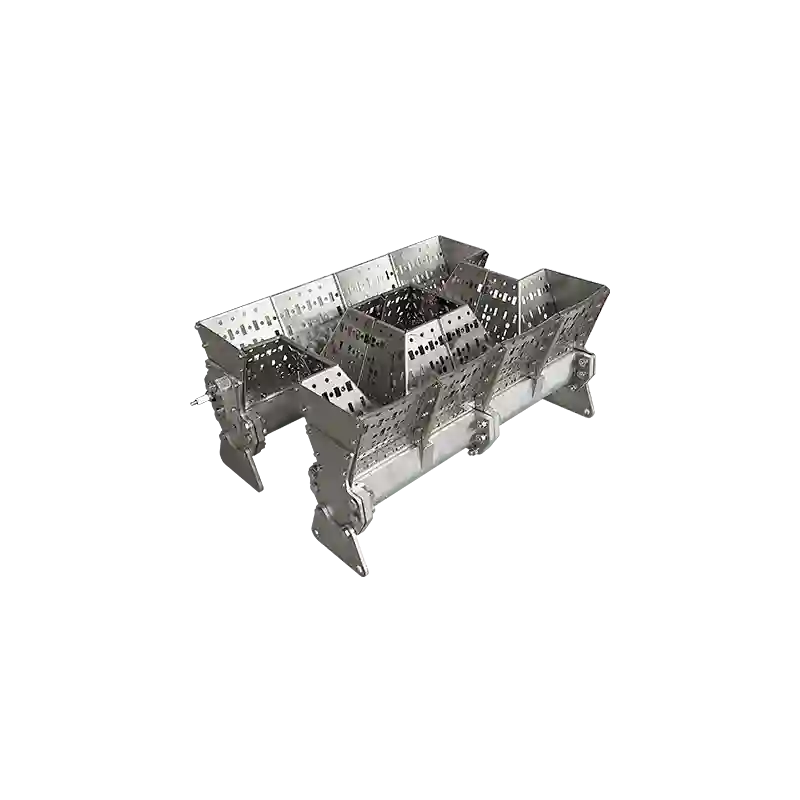
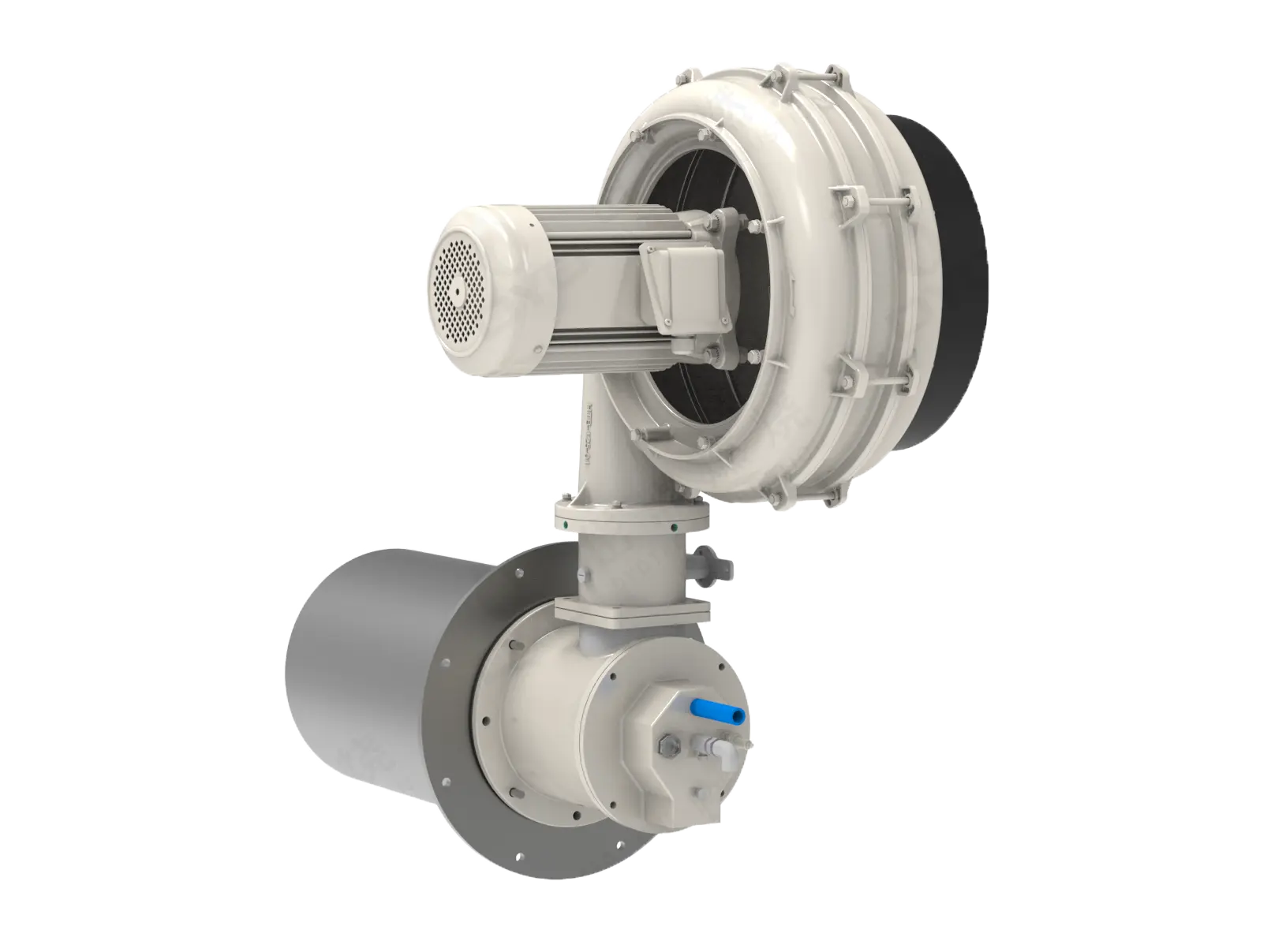
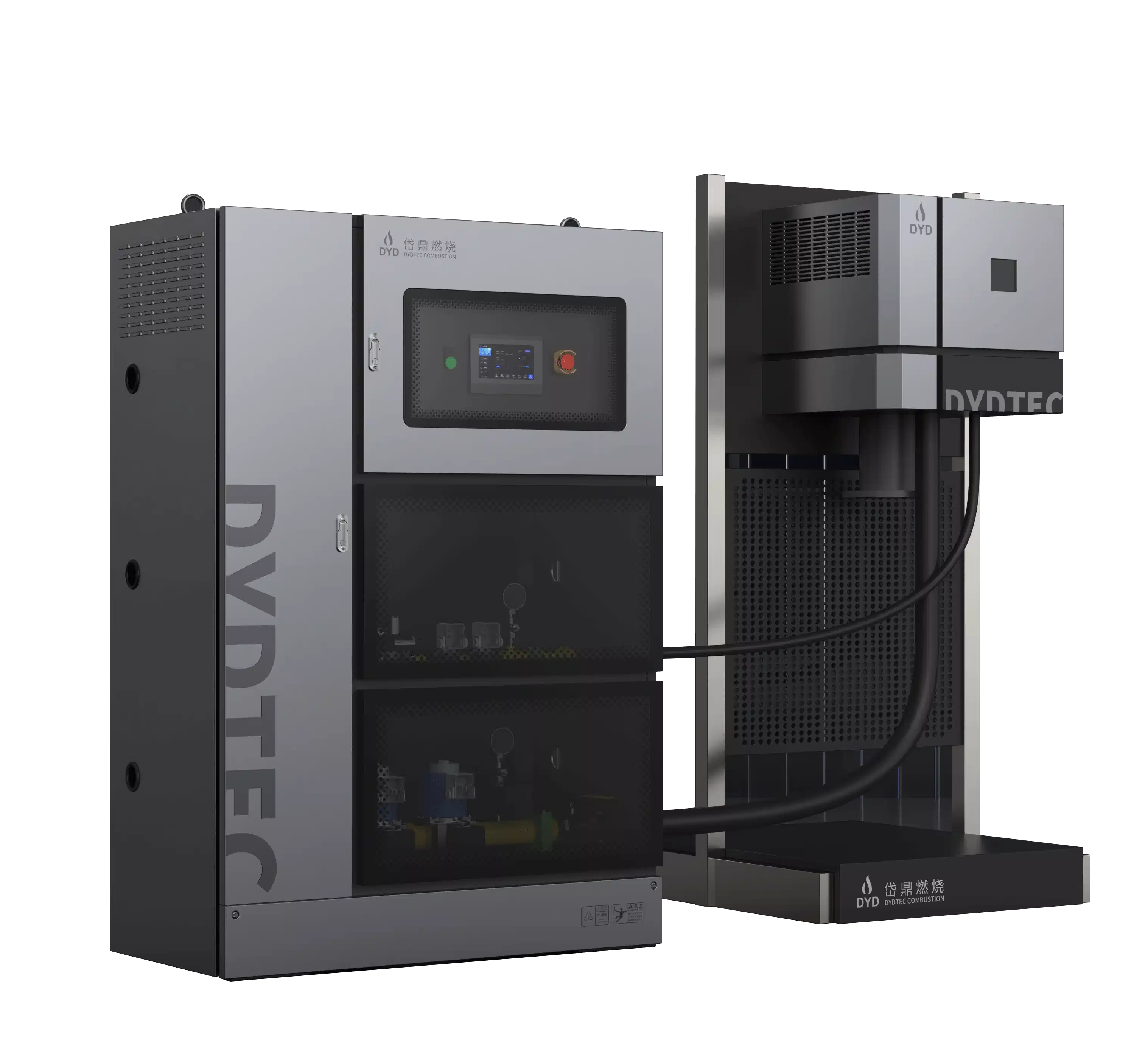
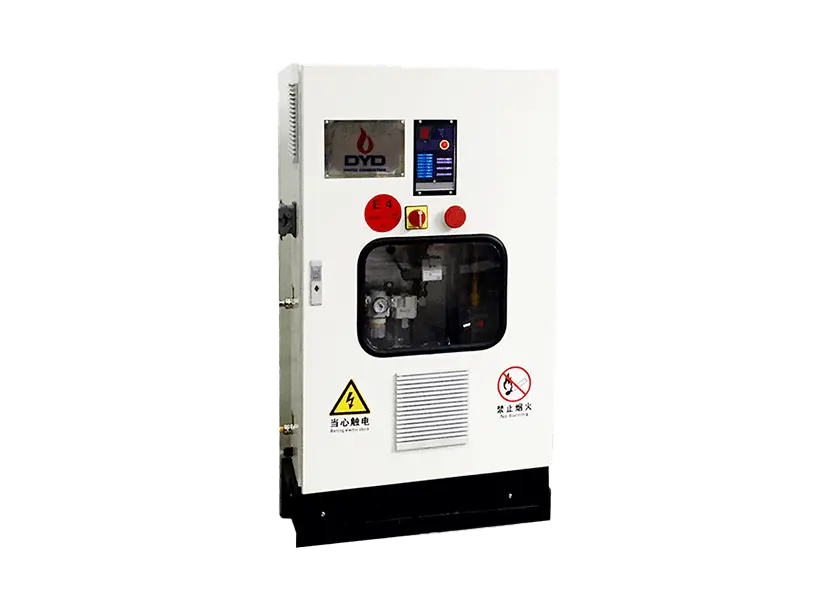
DYDTEC Combustion develops industrial burners, low-NOx burners, linear burners, thermal air furnaces, and combustion-system integration solutions for industrial thermal applications.
For RTO systems, burner selection can be considered around:
Required supplemental heat
RTO heat balance
Startup heat demand
Process-gas flow
VOC load
Flame characteristics
Oxidation-chamber geometry
Burner arrangement
Combustion-air conditions
Turndown requirements
Temperature control
Safety requirements
DYDTEC Combustion was established in 2012 and has R&D and manufacturing bases in Shanghai and Yangzhou.
The company has developed 100+ burner models covering 200+ application scenarios, providing different combustion configurations for industrial heating and environmental-treatment applications.
For RTO equipment manufacturers, the burner can therefore be considered as part of the complete thermal system rather than simply as a standalone fuel-burning component.
The burner can influence several parts of an RTO design, including:
Oxidation-chamber dimensions
Burner opening
Flame-development space
Combustion-air system
Fuel train
Control architecture
Safety system
Heat distribution
Early coordination allows:
Burner + Oxidation Chamber + Regenerative Heat Recovery + Airflow + Control
to be designed as an integrated system.
This is especially important for customized RTO equipment, where process-gas flow, VOC concentration, chamber geometry, and operating conditions may differ significantly between projects.
Before selecting an RTO burner, the equipment manufacturer should ideally provide:
Gas flow
Gas temperature
VOC concentration
Gas composition
Moisture content
Operating range
Oxidation temperature
Chamber dimensions
Regenerative heat-recovery configuration
Heat-recovery performance
Burner installation location
Fuel type
Fuel pressure
Fuel availability
Combustion-air pressure
Combustion-air temperature
Available airflow
Startup conditions
Normal operating conditions
Maximum heat demand
Minimum heat demand
Temperature-control requirements
This information provides the basis for selecting the appropriate burner capacity, turndown, flame characteristics, and combustion-air requirements.
The burner provides supplemental heat to establish and maintain the temperature required for thermal oxidation.
No. Burner output can vary according to process-gas conditions, VOC load, heat recovery, and operating state.
Regenerative heat recovery reduces external heat demand, but the burner may still be required to provide the remaining thermal energy, especially during startup or low-VOC conditions.
VOC oxidation releases heat. Higher combustible loading can reduce the amount of external burner heat required, depending on the overall RTO heat balance.
RTO thermal demand can vary considerably. A suitable turndown ratio allows the burner to operate stably when only a small amount of supplemental heat is required.
Flame length determines where heat is released inside the oxidation chamber and should be compatible with chamber dimensions and internal structures.
Yes. Process-gas flow directly affects the amount of gas that must be heated and therefore contributes to the RTO's thermal load.
No. Turndown, flame shape, flame length, combustion-air requirements, chamber geometry, control characteristics, and startup requirements are also important.
Yes. Natural gas is commonly used as a burner fuel when the burner and fuel system are designed for the required RTO operating conditions.
Yes. Early burner selection allows the burner, oxidation chamber, combustion-air system, fuel train, controls, and safety system to be properly integrated.
An RTO burner is not simply a device for generating high-temperature combustion.
Its primary role is to balance the thermal energy of the RTO system.
The actual burner requirement depends on:
Process-Gas Flow
VOC Heat Contribution
Regenerative Heat Recovery
System Heat Losses
Startup Requirements
Required Oxidation Temperature
The most appropriate RTO burner is therefore not necessarily the one with the highest firing capacity. It is the burner that can provide the required supplemental heat reliably, stably, and across the full operating range of the RTO.
For RTO OEMs, burner selection should be coordinated with the oxidation chamber, regenerative heat-recovery system, process-gas conditions, combustion-air system, control system, and safety system from the early design stage.
The right RTO burner is the combustion system that matches the RTO's heat balance, process-gas conditions, oxidation-chamber geometry, startup requirements, and operating range—providing stable supplemental heat when the regenerative system and VOC oxidation cannot provide enough energy on their own.