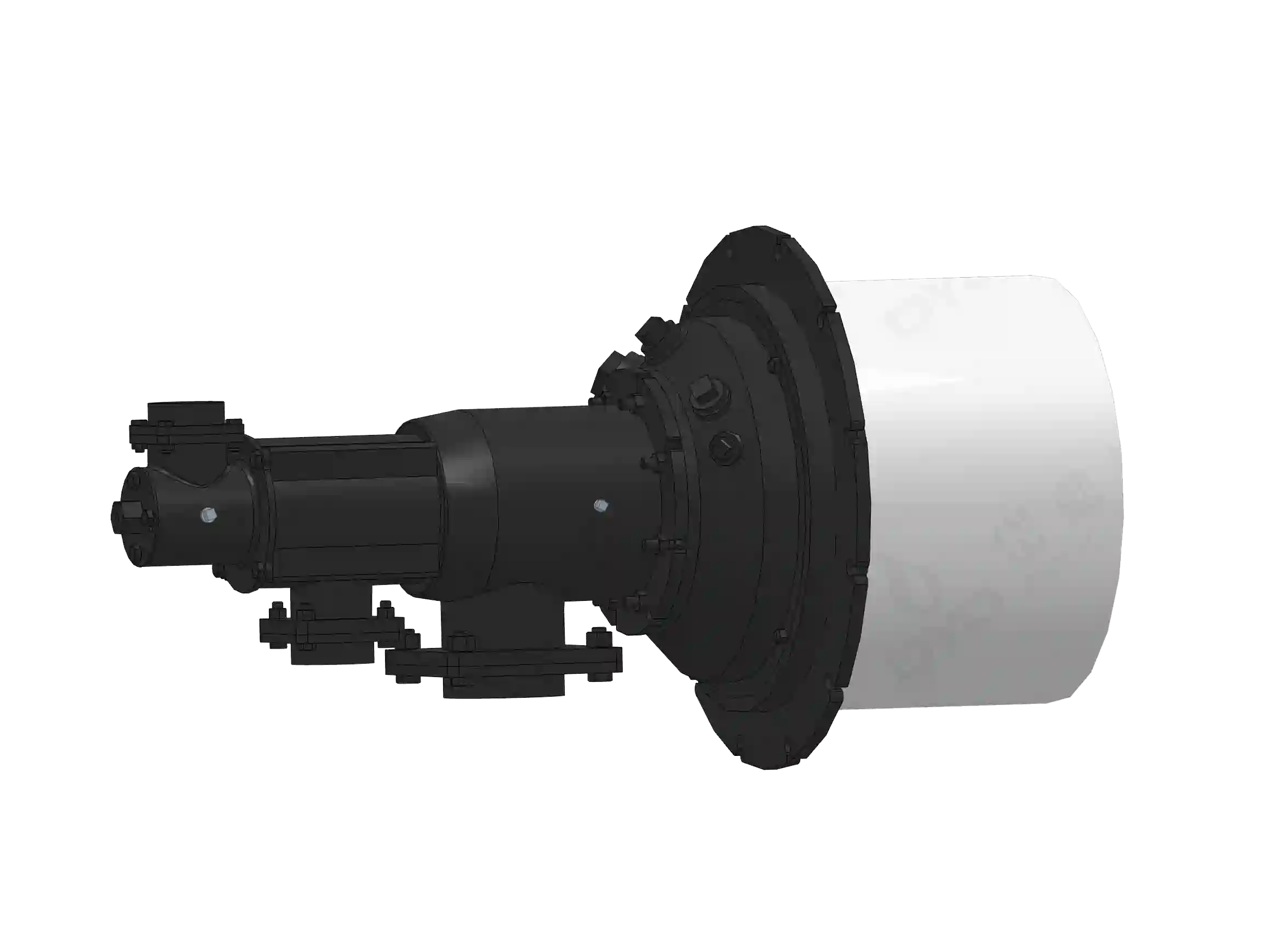
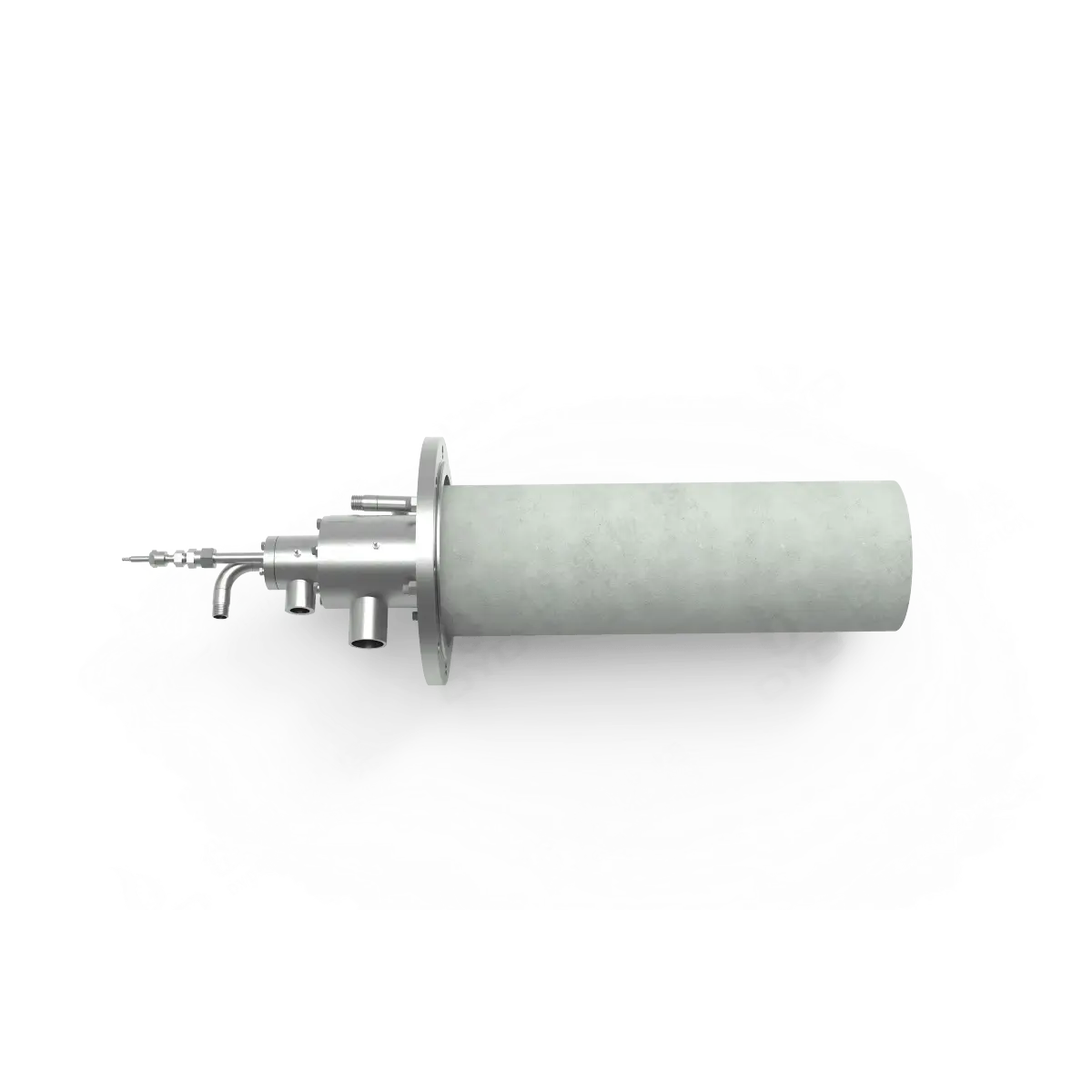
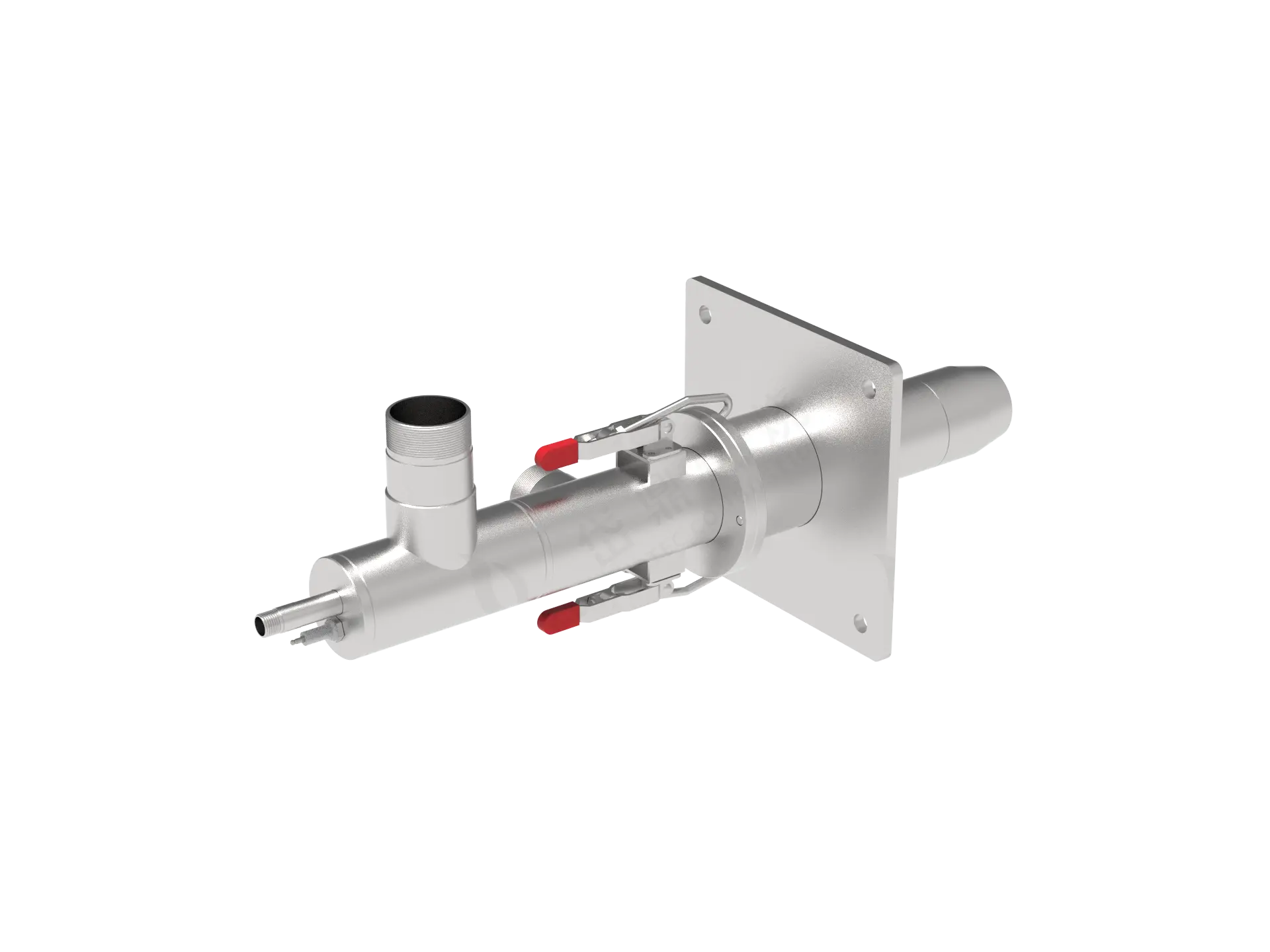
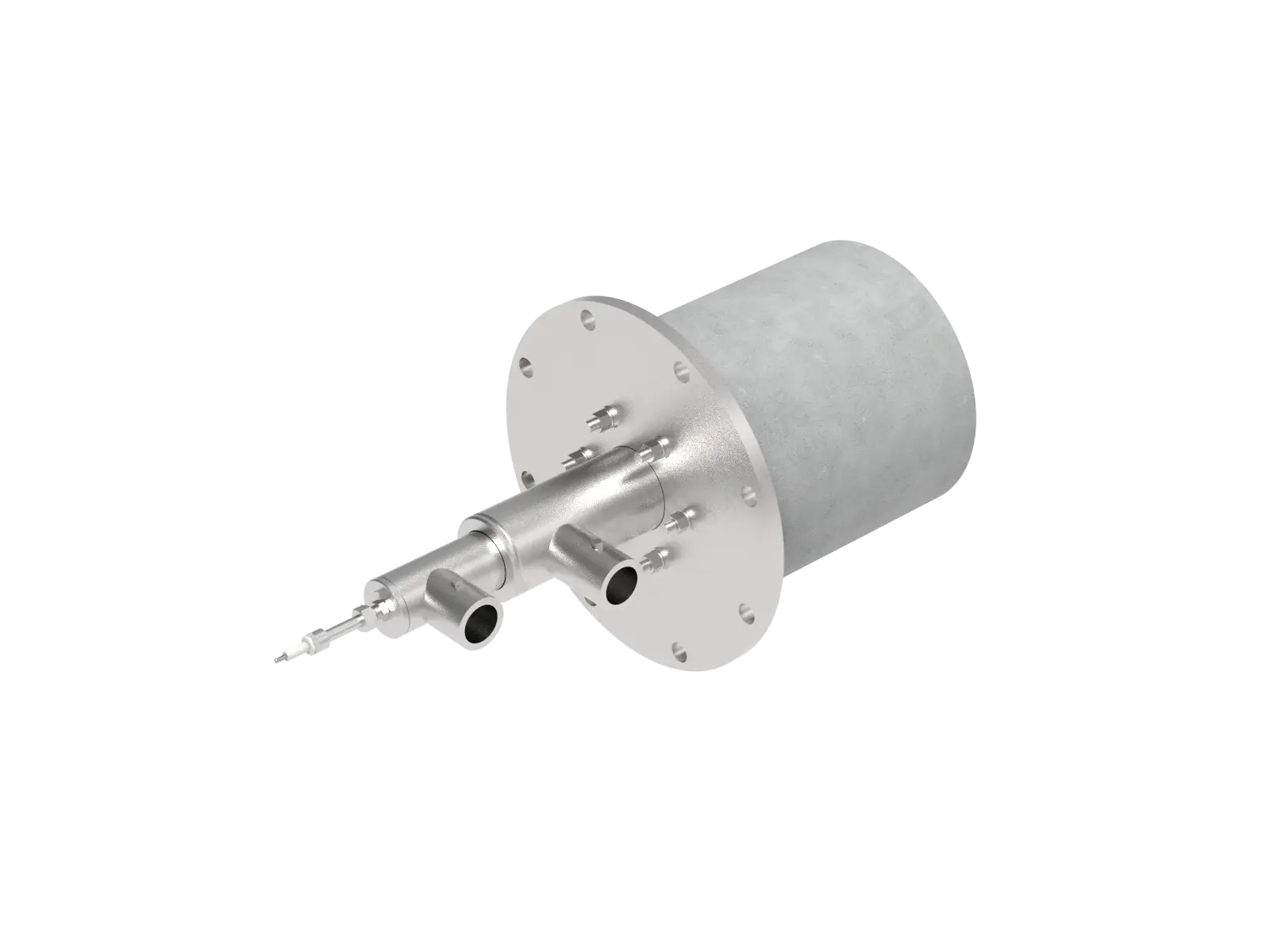
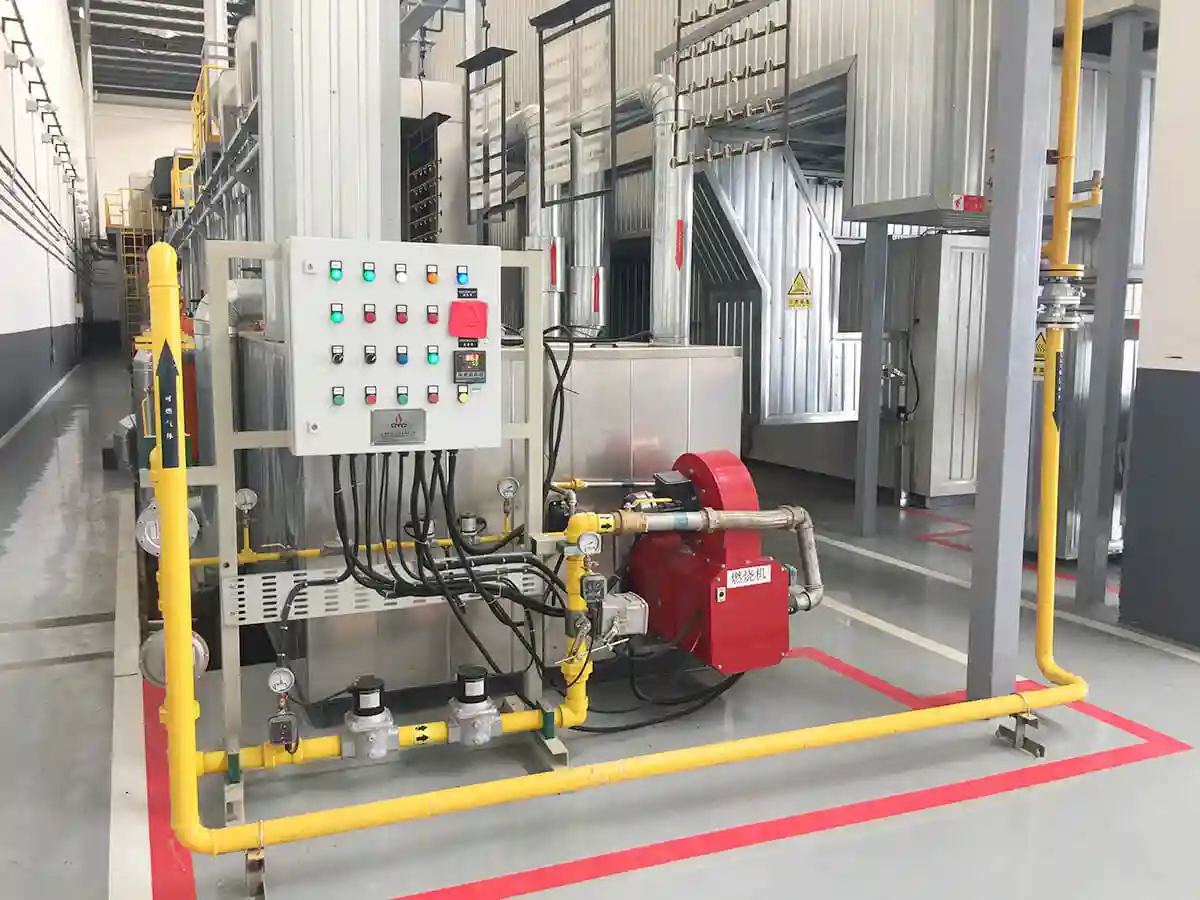
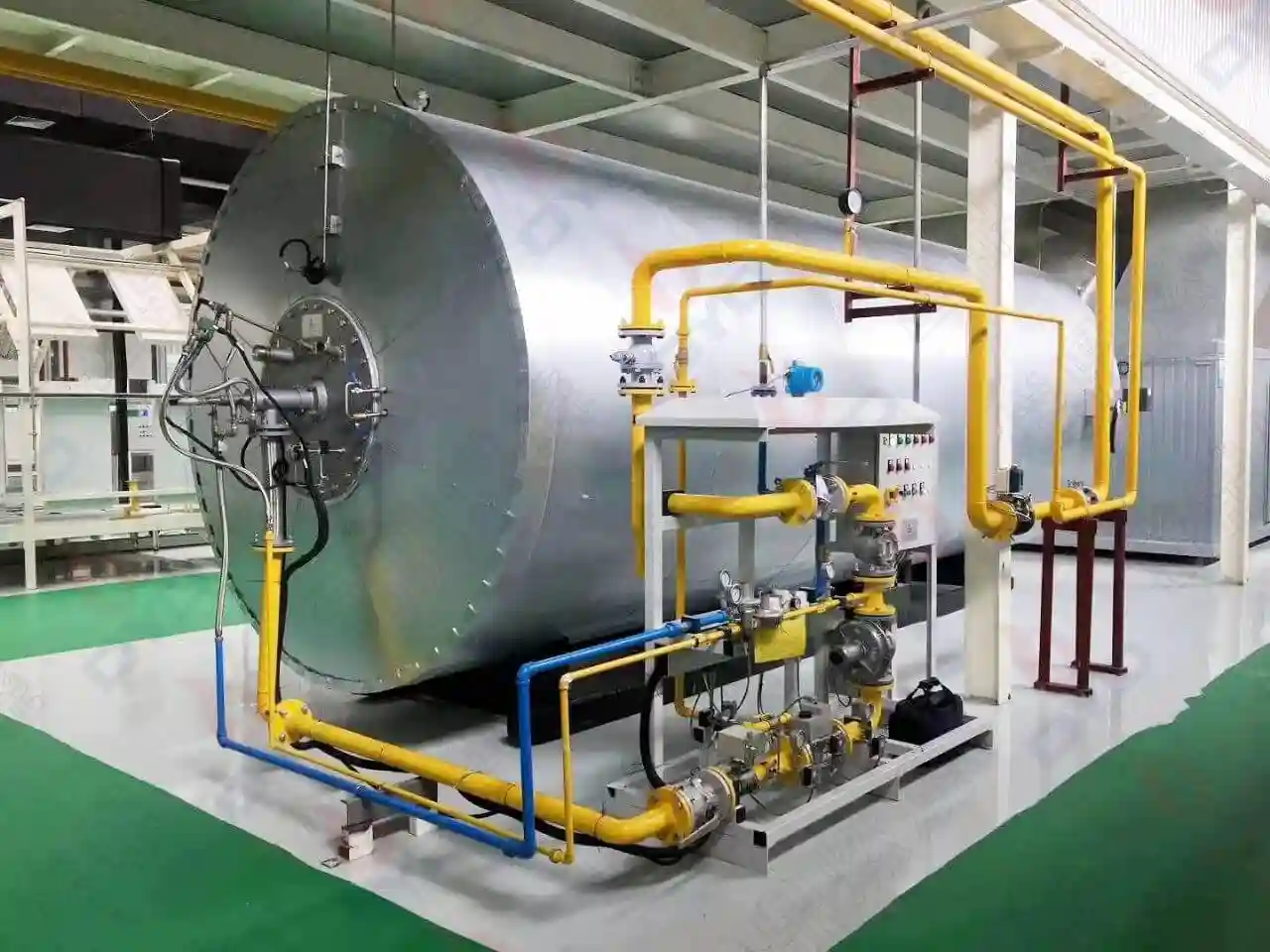
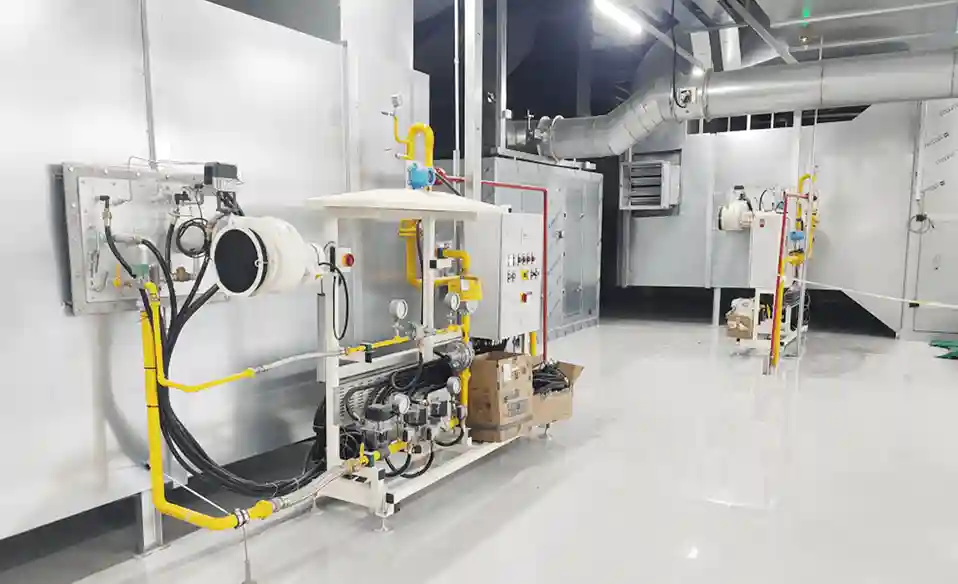
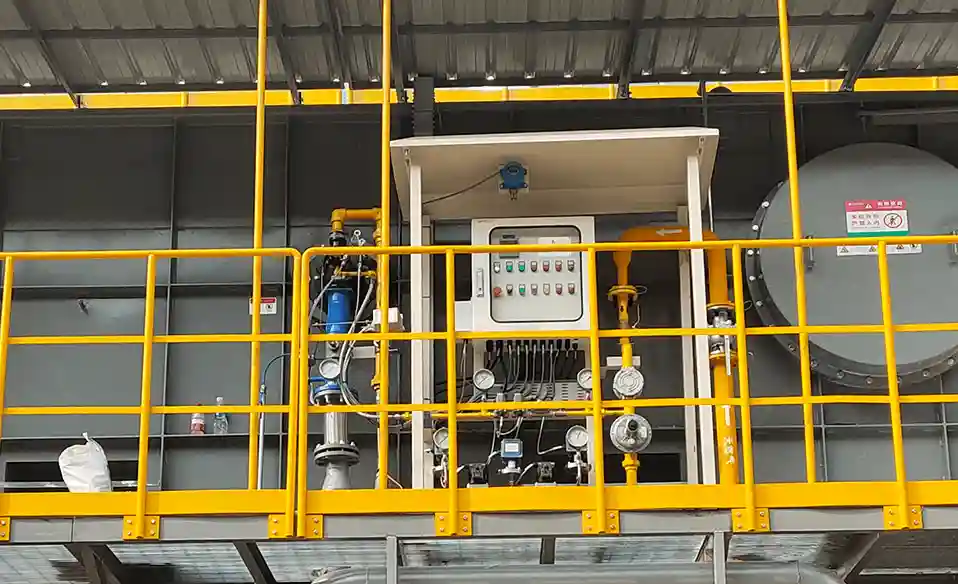
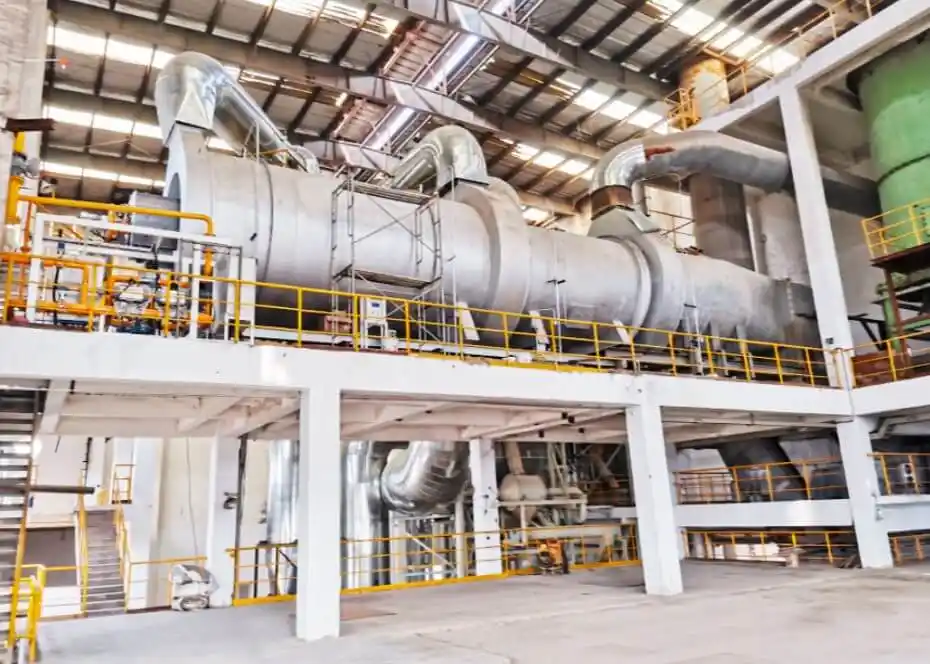
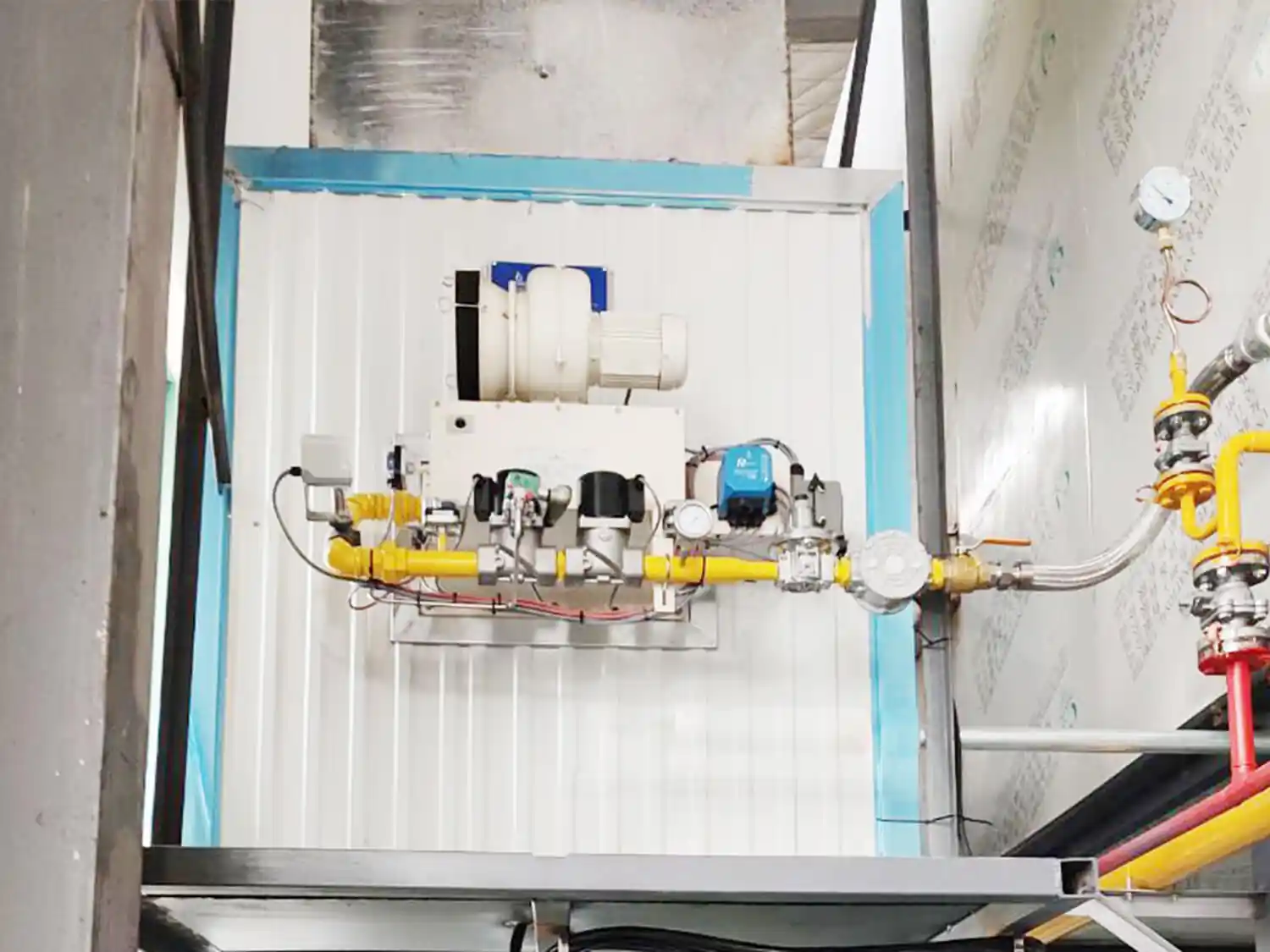
There is no single burner that is best for every continuous furnace.
The appropriate burner depends on the furnace structure, process temperature, heat load, product movement, fuel, atmosphere, temperature-uniformity requirements, and control strategy.
Unlike batch furnaces, continuous furnaces operate with a relatively constant flow of material through the heating zones. The burner system therefore needs to provide stable, controllable, and repeatable heat input over long operating periods.
A typical continuous-furnace heating system can be represented as:
Fuel Supply
↓
Burner
↓
Controlled Heat Release
↓
Heating Zones
↓
Heat Transfer to Moving Product
↓
Controlled Furnace Temperature
The best burner is therefore not simply the one with the highest capacity. It is the burner that matches the furnace's thermal and process requirements over its complete operating range.
A continuous furnace continuously moves material through one or more controlled heating zones.
Depending on the application, the material may be transported by:
Conveyor
Roller
Mesh belt
Pusher
Walking beam
Other material-handling systems
Continuous furnaces are used for processes such as:
Heat treatment
Annealing
Forging
Preheating
Sintering
Ceramic processing
Metal processing
Drying
Other continuous thermal processes
The furnace may contain several zones, each with a different thermal requirement.
For example:
Preheating → Heating → Soaking → Cooling
This makes burner arrangement and zone control particularly important.
A suitable continuous-furnace burner should generally provide:
Stable combustion
Appropriate heat capacity
Good turndown
Suitable flame characteristics
Reliable ignition
Accurate modulation
Compatibility with the furnace atmosphere
Appropriate temperature distribution
Long-term operating stability
The specific requirements depend on the process.
For example, a burner for a high-temperature metal-heating furnace may have very different characteristics from a burner used in a continuous drying furnace.
No.
Maximum burner capacity only indicates how much heat the burner can provide under specified conditions.
Continuous furnaces also spend substantial amounts of time operating below maximum load.
If the burner is significantly oversized, it may become difficult to control at low firing rates.
Possible consequences include:
Temperature overshoot
Frequent cycling
Poor low-load stability
Local overheating
Reduced control accuracy
Therefore, burner selection should consider both:
Maximum Heat Demand
and
Minimum Stable Heat Demand
Continuous furnaces experience changing thermal loads.
Heat demand can change because of:
Production rate
Product size
Product temperature
Material loading
Ambient conditions
Furnace startup
Process changes
A burner with suitable turndown can adjust its output to match these changes.
For example:
High Heat Demand
→ High Burner Output
Approaching Setpoint
→ Reduced Burner Output
Stable Operation
→ Modulated Low or Medium Output
This can improve temperature stability and reduce unnecessary fuel consumption.
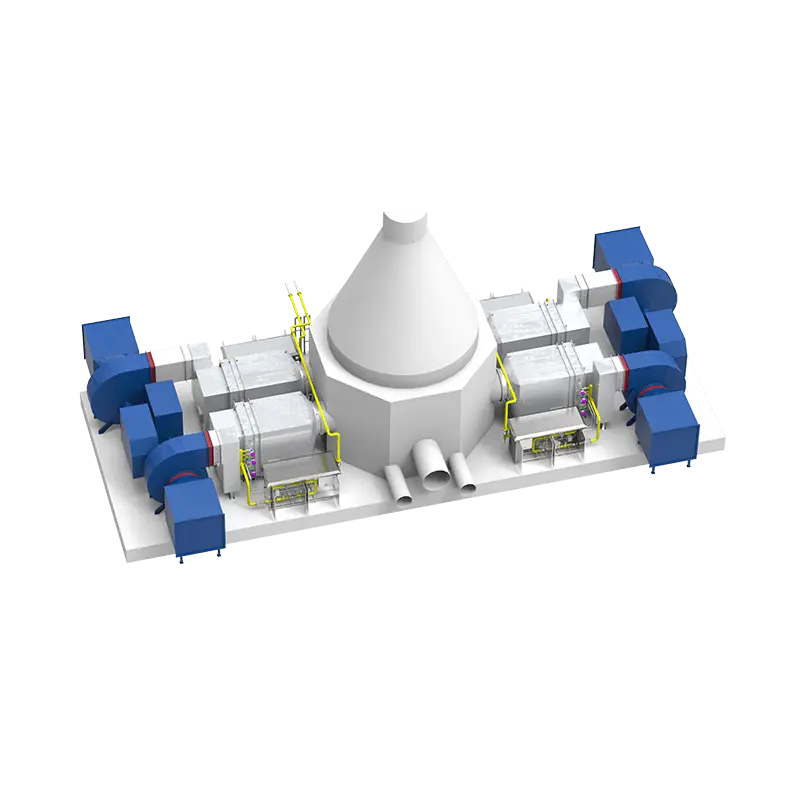
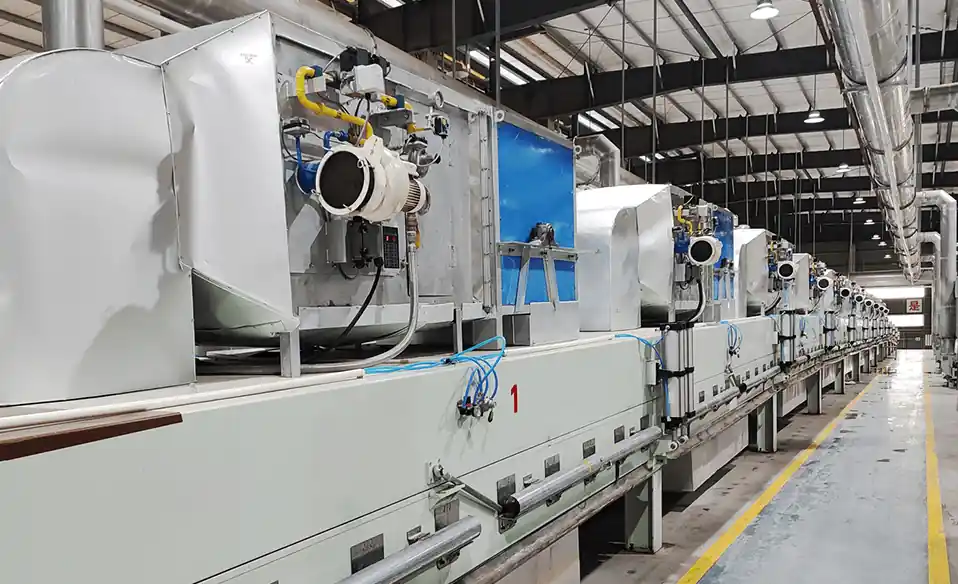
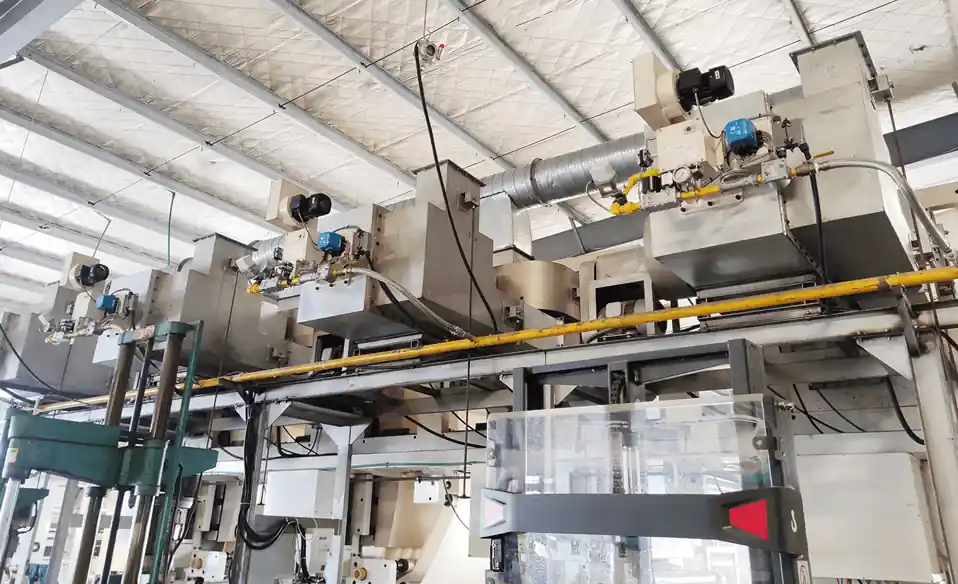
Large continuous furnaces often use multiple burners rather than a single large burner.
Multiple burners allow heat to be distributed across the furnace.
For example:
Zone 1: 4 burners
Zone 2: 6 burners
Zone 3: 6 burners
Zone 4: 4 burners
The exact arrangement depends on furnace geometry and process requirements.
Multiple burners can provide:
Distributed heat input
Better temperature control
Flexible zone control
More uniform heating
Better matching of heat load to furnace sections
A continuous furnace rarely has exactly the same thermal requirement throughout its entire length.
The entrance zone may need to gradually heat cold material.
The middle zone may require the highest heat input.
The soaking zone may require precise temperature maintenance.
Therefore:
Zone 1 ≠ Zone 2 ≠ Zone 3
Independent burner control allows each zone to respond to its own thermal requirement.
This can be particularly important for processes where temperature history directly affects product quality.
Furnace geometry strongly influences burner selection.
Important parameters include:
Furnace length
Furnace width
Furnace height
Heating-zone dimensions
Product position
Burner mounting position
Roof and wall structure
Exhaust arrangement
A burner with an appropriate capacity may still perform poorly if its flame characteristics do not match the furnace geometry.
The burner should therefore be selected together with the furnace layout.
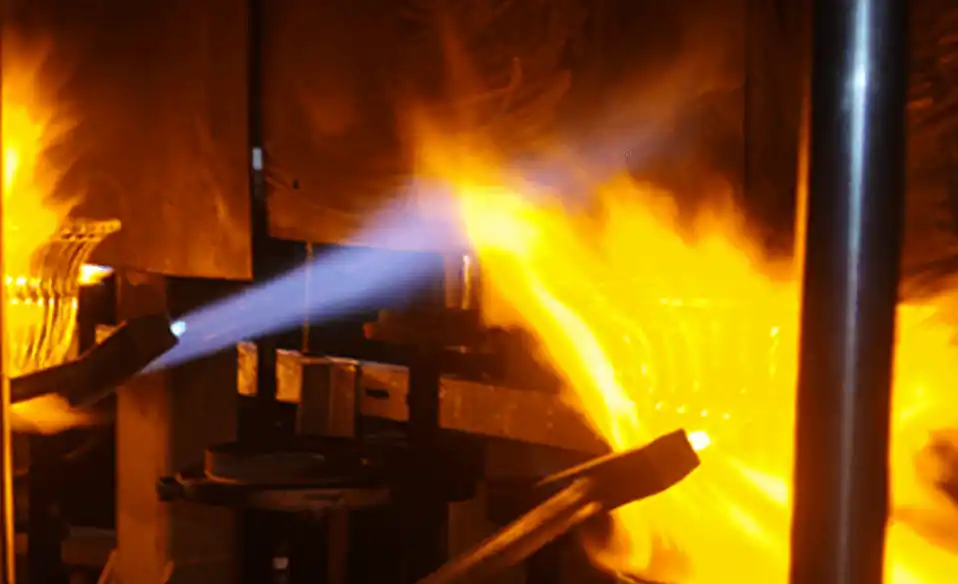
Flame length determines where heat is released.
If a flame is too short, heat may become concentrated around the burner.
If a flame is too long, it may:
Impinge on the product
Reach furnace walls
Create localized overheating
Interfere with adjacent burners
The appropriate flame length depends on:
Burner capacity
Furnace dimensions
Burner arrangement
Fuel
Combustion-air conditions
Flame shape affects the distribution of thermal energy.
Continuous furnaces may require:
Long flames
Short flames
Broad flames
Narrow flames
High-momentum flames
Distributed heat-release patterns
The correct flame depends on the heating objective.
For example, a furnace requiring rapid and uniform heat transfer may need a different flame configuration from one requiring controlled radiant heating.
Burner angle affects the direction of flame development and heat release.
It can influence:
Heat distribution
Flame trajectory
Gas circulation
Local temperature
Interaction with furnace walls
Interaction with neighboring burners
Burner angle should therefore be determined according to furnace geometry and the desired heat-flow pattern.
For high-temperature applications, burner selection should focus on:
Stable operation at high temperature
Appropriate flame characteristics
Heat-release distribution
Refractory compatibility
Temperature uniformity
Required turndown
Combustion control
The burner should also be evaluated according to the furnace atmosphere and product requirements.
A burner that performs well in a conventional air-fired furnace may not necessarily be appropriate for a controlled-atmosphere application.
For heat-treatment furnaces, temperature control and uniformity are often more important than simply achieving high heat output.
The burner system should be evaluated for:
Zone-by-zone control
Stable modulation
Temperature uniformity
Flame characteristics
Furnace atmosphere
Product sensitivity
Long-term operating stability
Multiple burners with independent control can be useful when the furnace requires detailed thermal profiling.
Forging furnaces typically require substantial thermal capacity and reliable continuous operation.
Important burner characteristics include:
High heat-release capability
Stable combustion
Suitable flame momentum
Appropriate flame length
Good temperature distribution
Reliable operation under continuous production
Burner arrangement is also important because the product must be heated consistently as it moves through the furnace.
Annealing processes often require precise temperature control and uniform thermal conditions.
Burner selection should therefore consider:
Temperature stability
Zone control
Flame characteristics
Furnace atmosphere
Heat distribution
Turndown
The appropriate burner may be different from one used in a high-intensity forging furnace because the thermal objective is different.
Continuous-furnace burners need to account for the movement of the product.
Important variables include:
Conveyor speed
Product spacing
Product mass
Product dimensions
Product orientation
Initial product temperature
For a continuous process:
Production Rate + Product Heat Capacity + Temperature Increase
determine a significant part of the required thermal load.
Changes in production speed can therefore require corresponding changes in burner output.
Higher production rates generally increase thermal demand.
However, burner capacity should not be calculated from throughput alone.
The design should also consider:
Product temperature
Specific heat
Required final temperature
Furnace heat losses
Exhaust losses
Heating time
Furnace insulation
The total heat load is the basis for burner sizing.
A continuous furnace may have the correct average temperature while still producing uneven product heating.
Temperature differences can result from:
Poor burner arrangement
Incorrect flame length
Uneven airflow
Furnace geometry
Product loading
Poor zone control
This can cause differences in:
Product temperature
Mechanical properties
Surface condition
Moisture content
Dimensional stability
Therefore, burner arrangement should be designed around the required temperature distribution.
Furnace pressure affects combustion and heat distribution.
Excessive negative pressure can cause cold air to enter through:
Doors
Seals
Material openings
Other gaps
This can increase heat loss and disturb furnace temperature.
Pressure control should therefore be coordinated with:
Burner operation
Combustion air
Exhaust
Furnace openings
Combustion air influences:
Flame stability
Flame temperature
Combustion efficiency
Flame shape
Exhaust volume
Too much combustion air can increase thermal losses.
Too little air can result in incomplete combustion or unstable flame behavior.
The combustion-air system should therefore be designed to operate correctly across the burner's entire modulation range.
Both configurations are possible.
Combustion gases enter the furnace atmosphere.
Advantages can include:
High heat-transfer efficiency
Fast thermal response
Simple thermal configuration
However, the process must be compatible with combustion products.
Combustion occurs separately from the process atmosphere.
Advantages can include:
Separation of combustion products
Better control of process atmosphere
Suitability for sensitive products
The appropriate configuration depends on the process.
Yes.
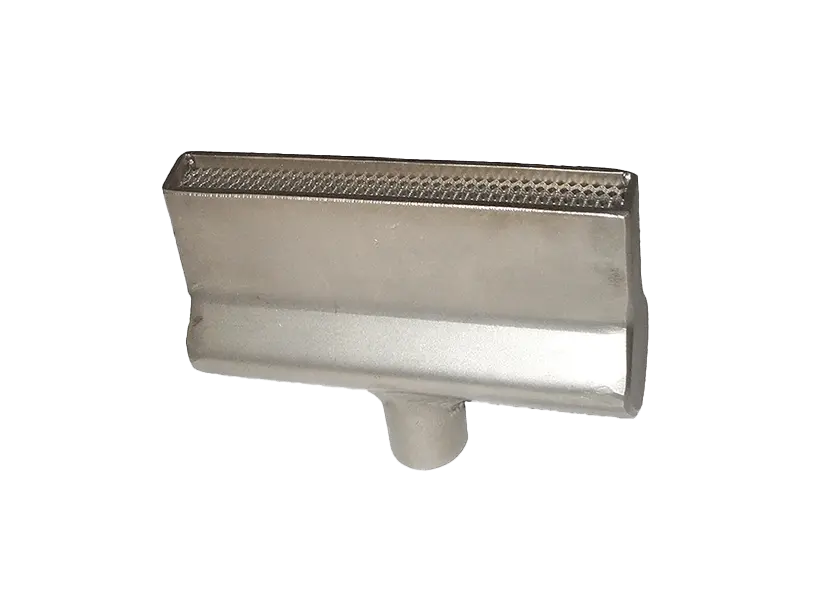
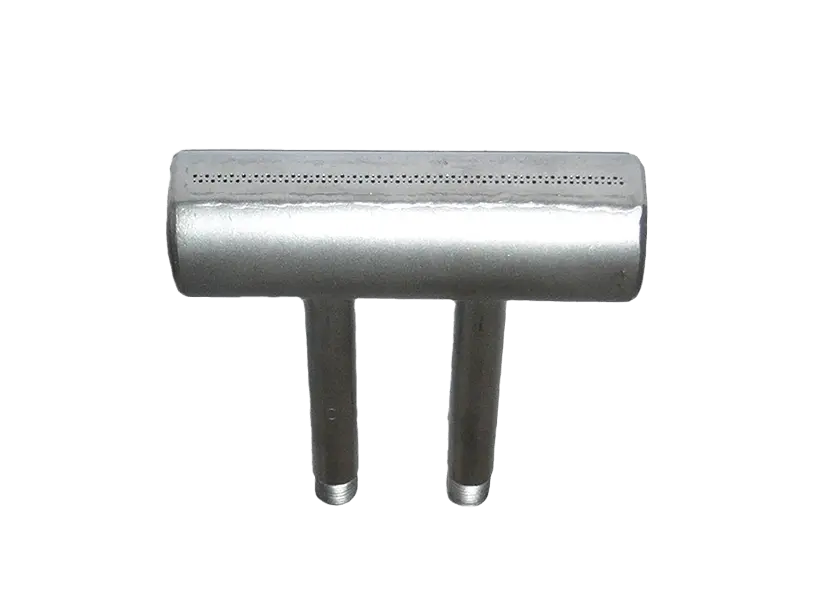
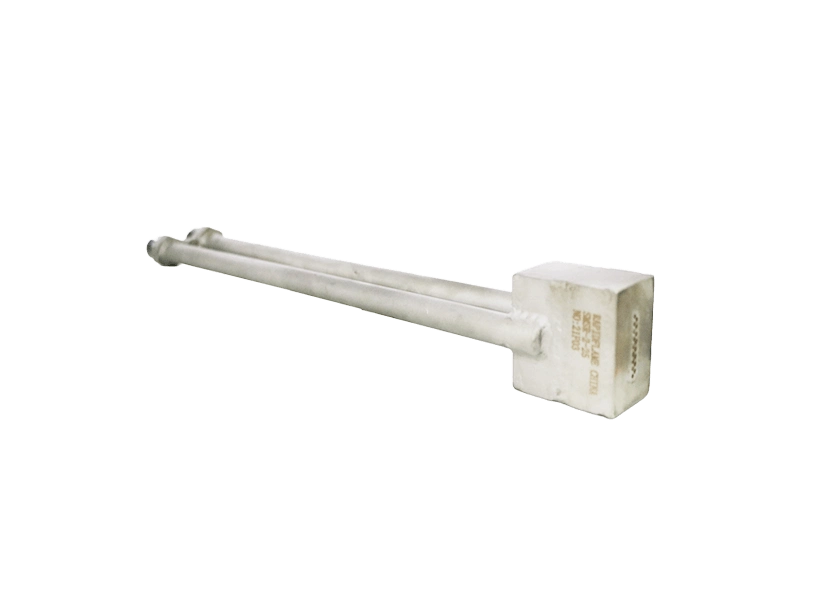
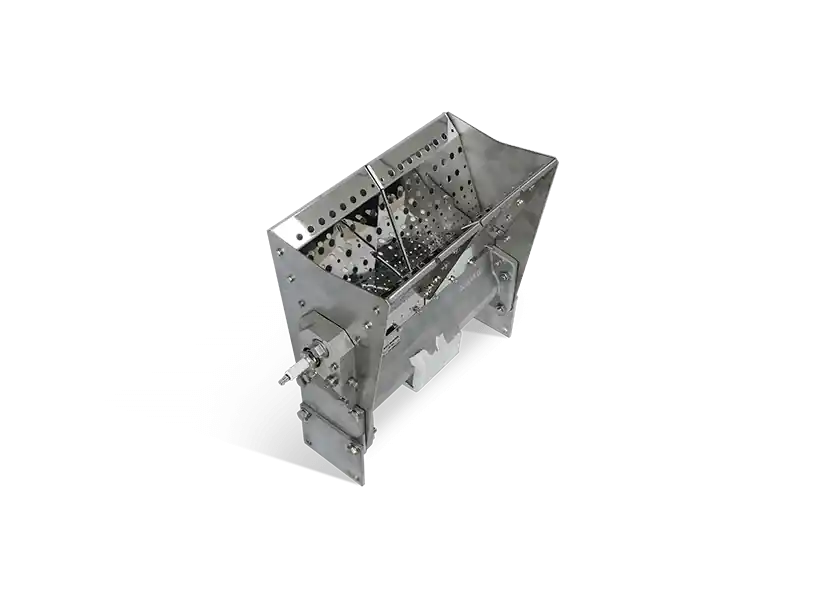
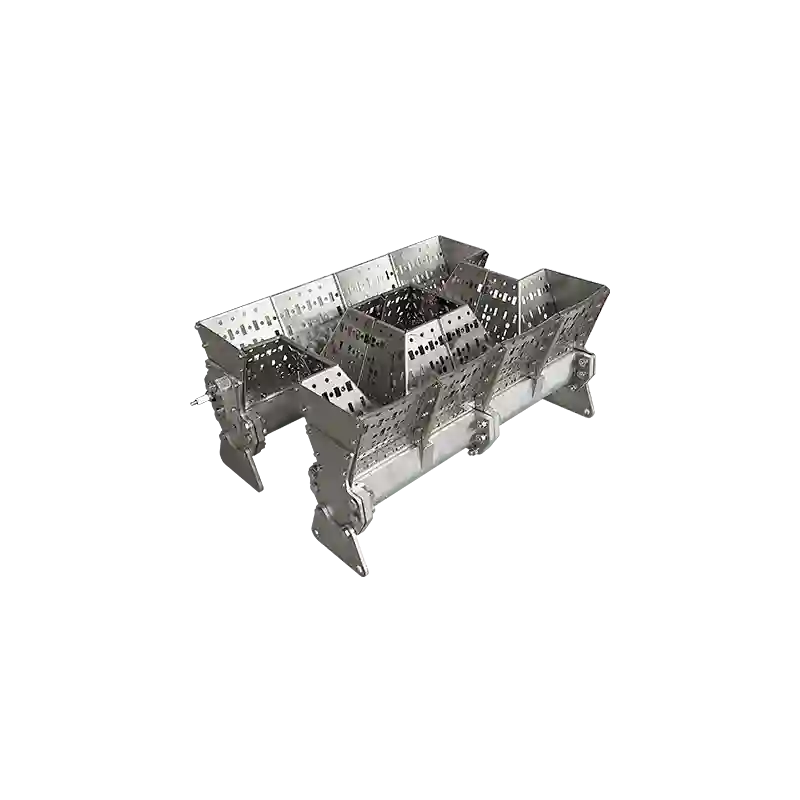
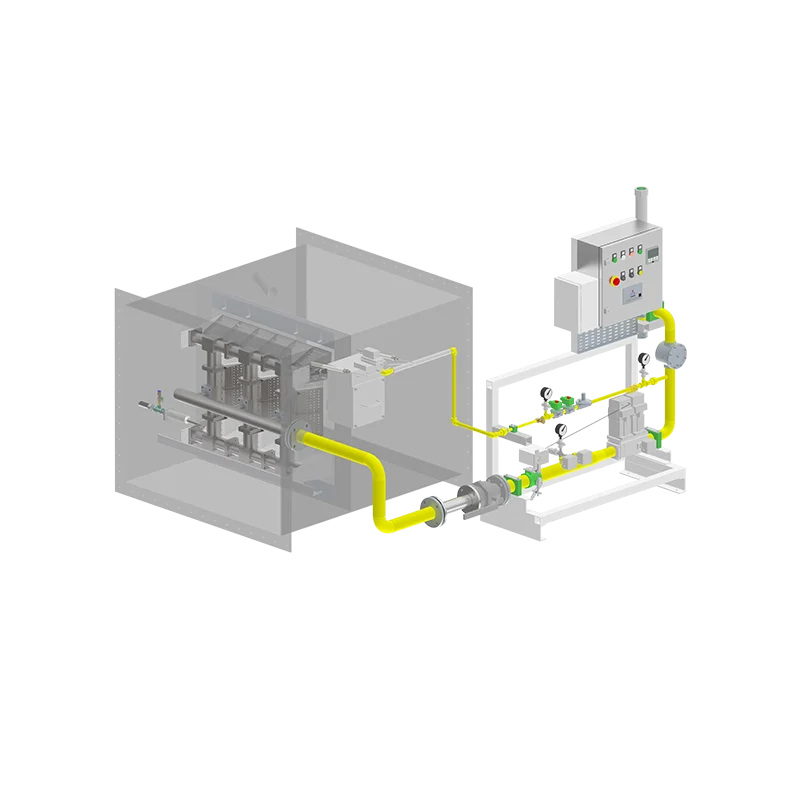
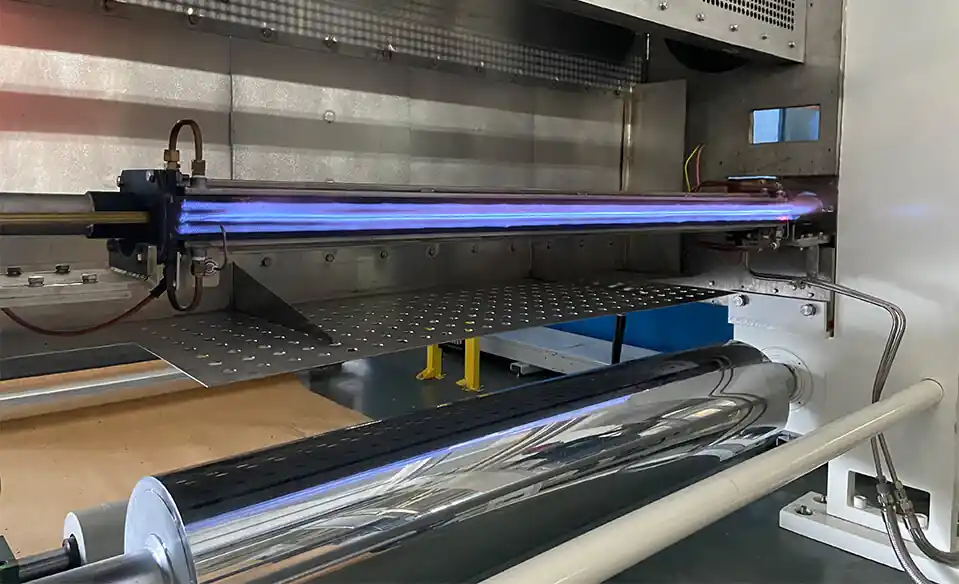
Linear burners can be useful when a furnace requires a long and distributed heat-release pattern.
They may be considered for applications where the heating system needs to cover a large width or establish a relatively uniform heat source along a defined section.
The appropriate design still depends on:
Furnace width
Heat load
Airflow
Required temperature
Installation space
Product arrangement
A linear burner should be selected according to the furnace's actual thermal and geometric requirements.
Maximum capacity does not describe low-load performance.
A single burner may create excessive local heat concentration.
Flame characteristics must match the furnace.
The heating system must match production speed and product loading.
Different furnace sections may have different heat requirements.
An overly long or short flame can cause uneven heating.
Incorrect flame direction can create hot spots.
Unnecessary air increases thermal losses.
Air infiltration can disturb combustion and temperature control.
The burner should be considered during furnace design rather than after the furnace structure is already fixed.
A practical selection process can follow these steps.
Determine:
Process type
Target temperature
Heating rate
Required temperature uniformity
Process atmosphere
Determine:
Material
Weight
Dimensions
Initial temperature
Required final temperature
Determine:
Throughput
Conveyor speed
Product spacing
Operating schedule
Consider:
Product heating
Furnace heat losses
Exhaust losses
Openings
Startup requirements
Determine:
Preheating requirements
Main heating requirements
Soaking requirements
Other process-specific zones
Evaluate:
Burner capacity
Turndown ratio
Flame length
Flame shape
Flame momentum
Fuel type
Evaluate:
Number of burners
Burner spacing
Burner angle
Burner elevation
Zone distribution
Coordinate:
Combustion air
Process air
Exhaust
Furnace pressure
Coordinate:
Temperature sensors
Fuel modulation
Air control
Zone control
Flame detection
Safety interlocks
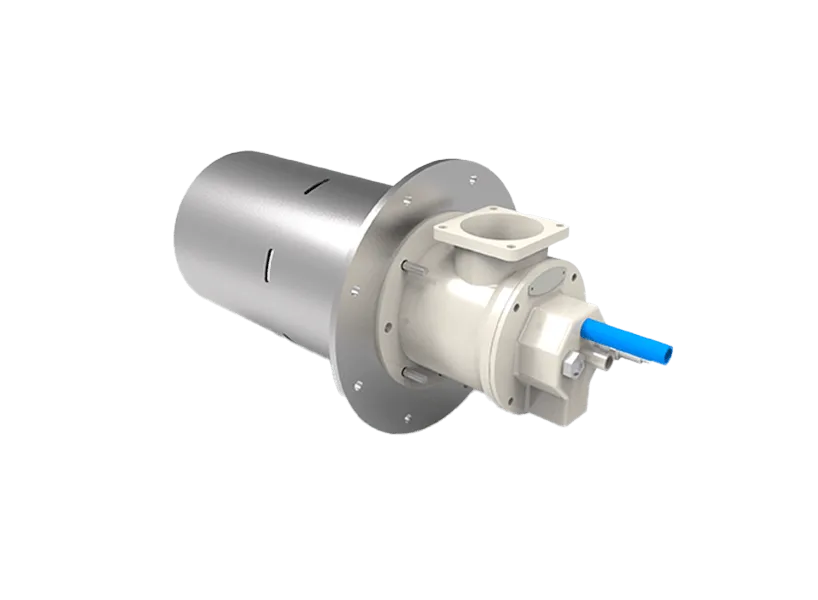
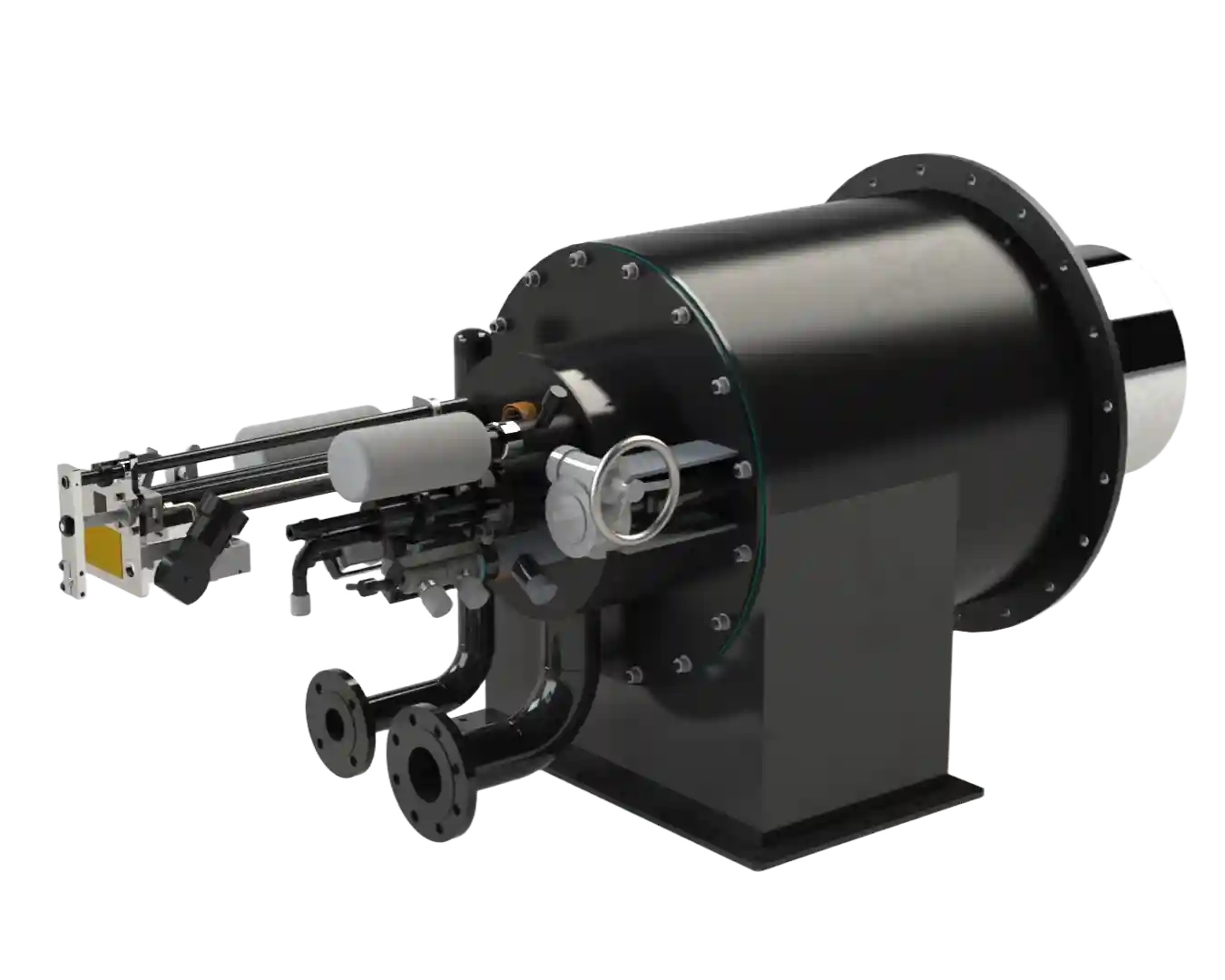
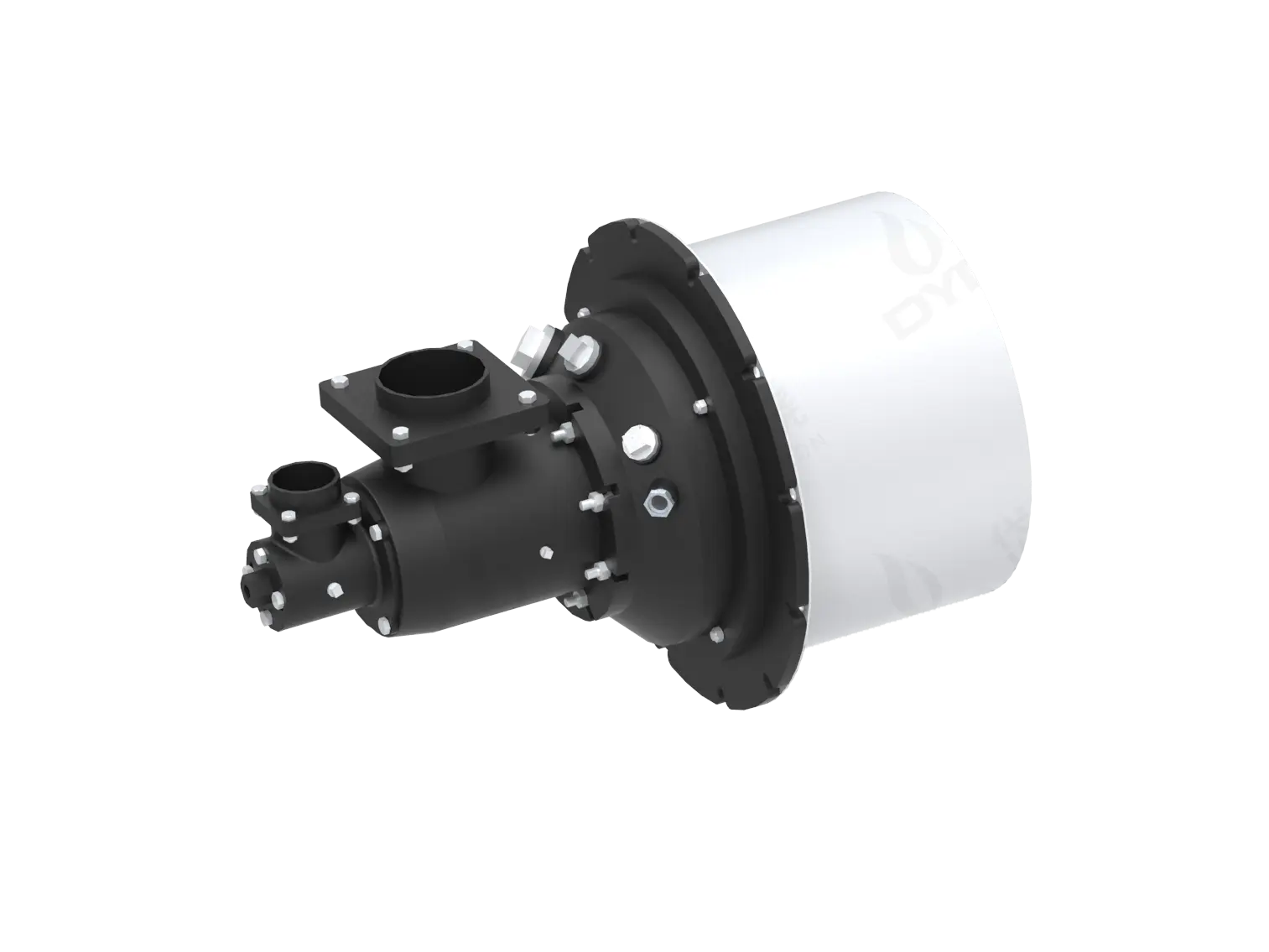
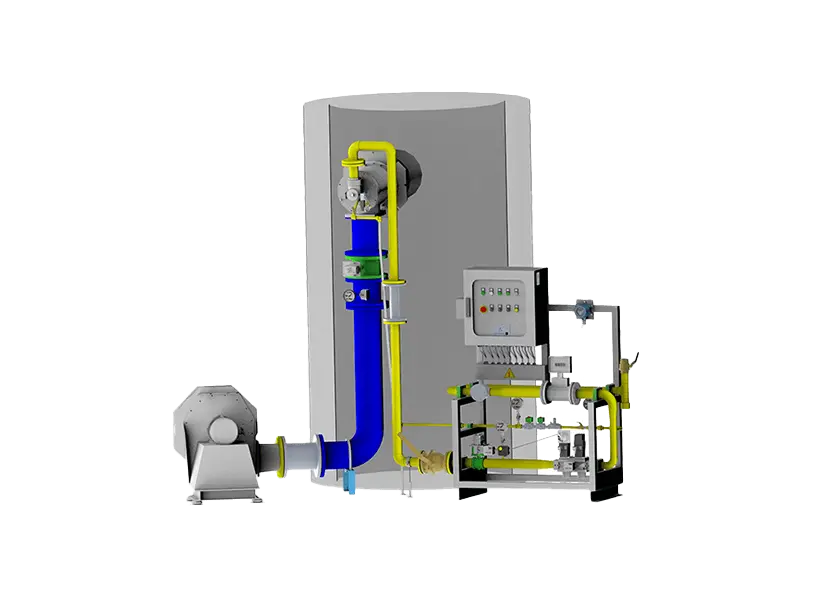
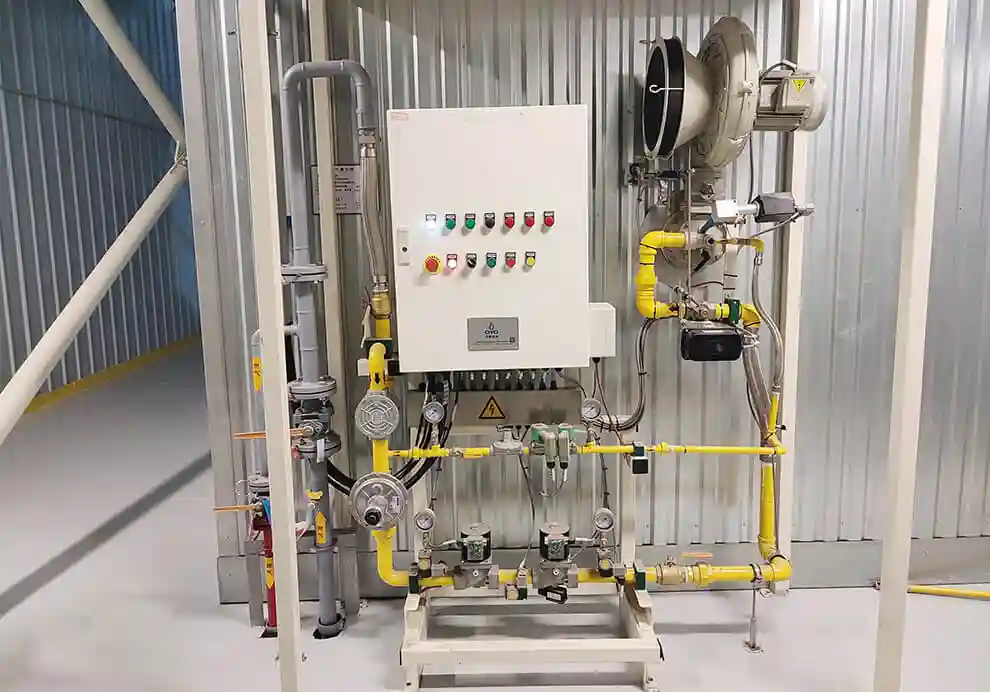
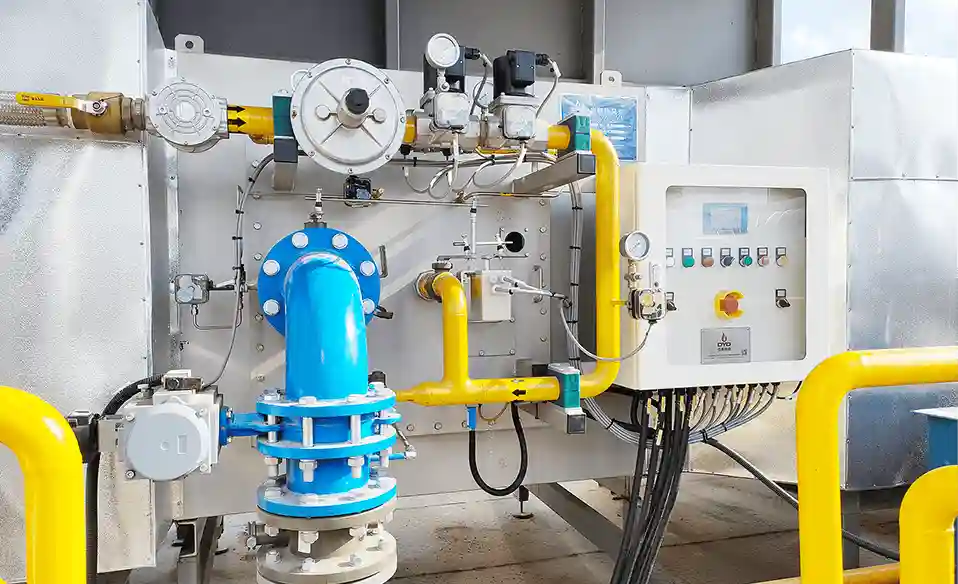
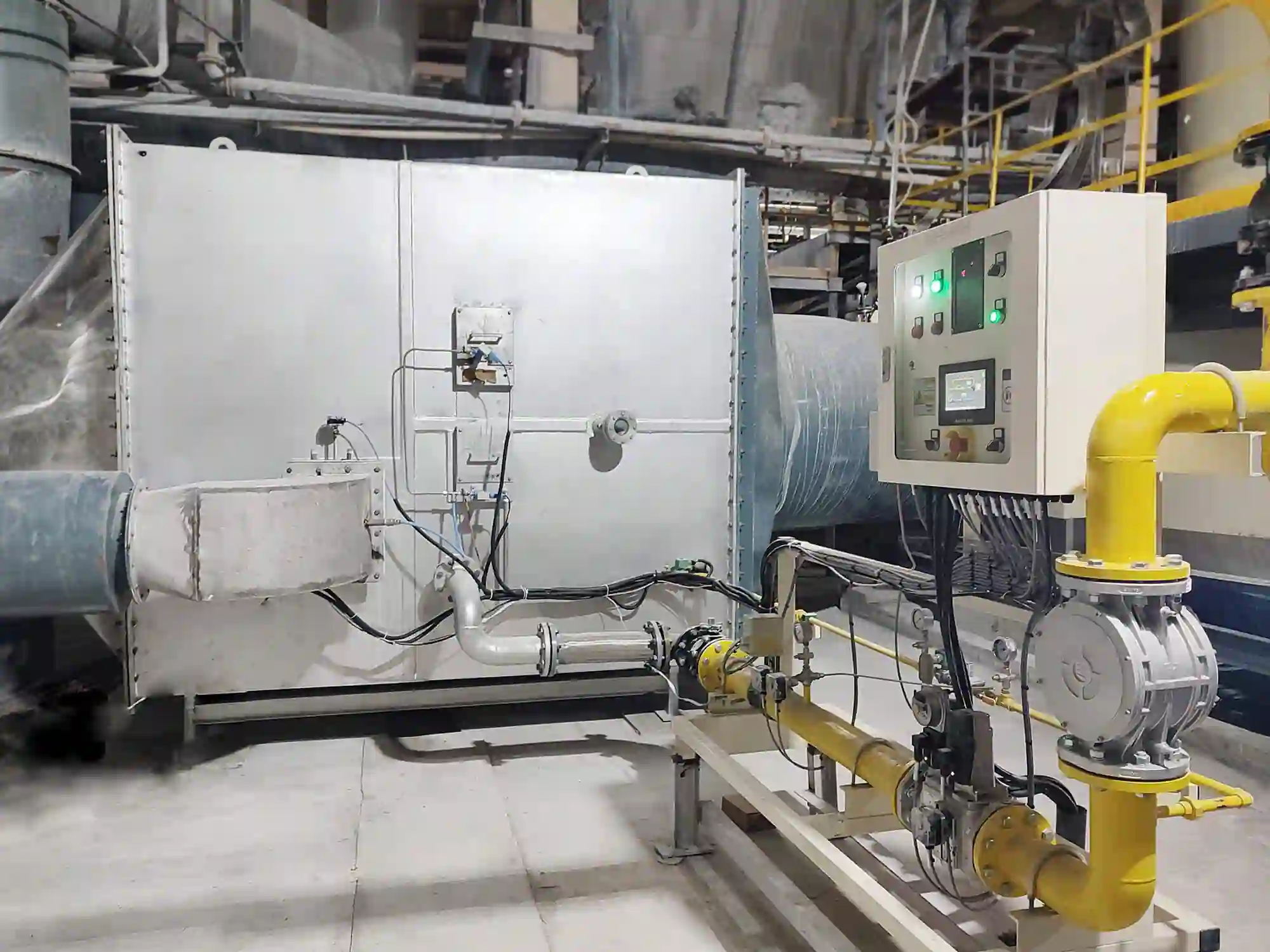
DYDTEC Combustion develops industrial burners, linear burners, thermal air furnaces, and combustion-system integration solutions for industrial heating applications.
For continuous furnaces, burner-system design can be considered around:
Furnace heat load
Continuous production rate
Furnace geometry
Burner arrangement
Flame characteristics
Temperature uniformity
Multi-zone control
Combustion air
Furnace pressure
Fuel type
Turndown requirements
DYDTEC Combustion was established in 2012 and has R&D and manufacturing bases in Shanghai and Yangzhou.
The company has developed 100+ burner models covering 200+ application scenarios, allowing different burner configurations to be considered for different industrial heating processes.
For OEM furnace manufacturers, the burner can be integrated with the furnace structure, airflow, exhaust, and control system during the equipment-design stage.
Burner selection can influence the entire furnace design.
It may affect:
Burner openings
Furnace-wall structure
Heating-zone dimensions
Burner spacing
Combustion-air piping
Exhaust arrangement
Control architecture
Temperature measurement points
Selecting the burner early allows:
Furnace Geometry + Burner + Airflow + Heat Load + Product Movement + Control
to be optimized as one system.
This is especially important for customized continuous furnaces.
An OEM should ideally provide:
Furnace dimensions
Heating-zone dimensions
Burner installation locations
Exhaust locations
Furnace insulation
Furnace pressure
Product material
Product dimensions
Product weight
Initial temperature
Required final temperature
Production rate
Conveyor speed
Product spacing
Operating schedule
Target temperature
Heating rate
Temperature uniformity
Process atmosphere
Residence time
Fuel type
Fuel pressure
Fuel availability
This information provides the basis for selecting burner capacity, flame characteristics, burner arrangement, and control strategy.
There is no universal best burner. The appropriate burner depends on furnace geometry, heat load, process temperature, product movement, fuel, flame requirements, and control strategy.
Not necessarily, but multiple burners can provide better heat distribution and zone control in large continuous furnaces.
It allows the burner to adjust heat output as production and thermal loads change while maintaining stable combustion.
The burner should provide stable combustion, appropriate flame characteristics, sufficient heat capacity, and compatibility with the furnace atmosphere and temperature requirements.
Yes. Linear burners can be useful when a distributed heat-release pattern is required across a relatively long heating section.
Burner angle affects flame trajectory, heat distribution, gas circulation, and interaction with furnace walls and neighboring burners.
The number depends on the furnace heat load, geometry, heating zones, burner capacity, temperature-uniformity requirements, and burner arrangement.
Ideally, yes. Early burner selection allows the combustion system and furnace structure to be designed together.
The best burner for a continuous furnace is not necessarily the largest, hottest, or most powerful burner.
It is the burner system that can provide stable and controllable heat across the entire production range while matching the furnace geometry and thermal requirements.
The key factors are:
Heat Load
Furnace Geometry
Product Movement
Burner Arrangement
Flame Characteristics
Temperature Uniformity
Turndown
Zone Control
Air and Exhaust
For continuous-furnace OEMs, burner selection should therefore be part of the furnace design process from the beginning.
The best burner for a continuous furnace is the one that matches the furnace's heat load, geometry, production rate, temperature profile, flame requirements, and control range—not simply the burner with the highest rated capacity.