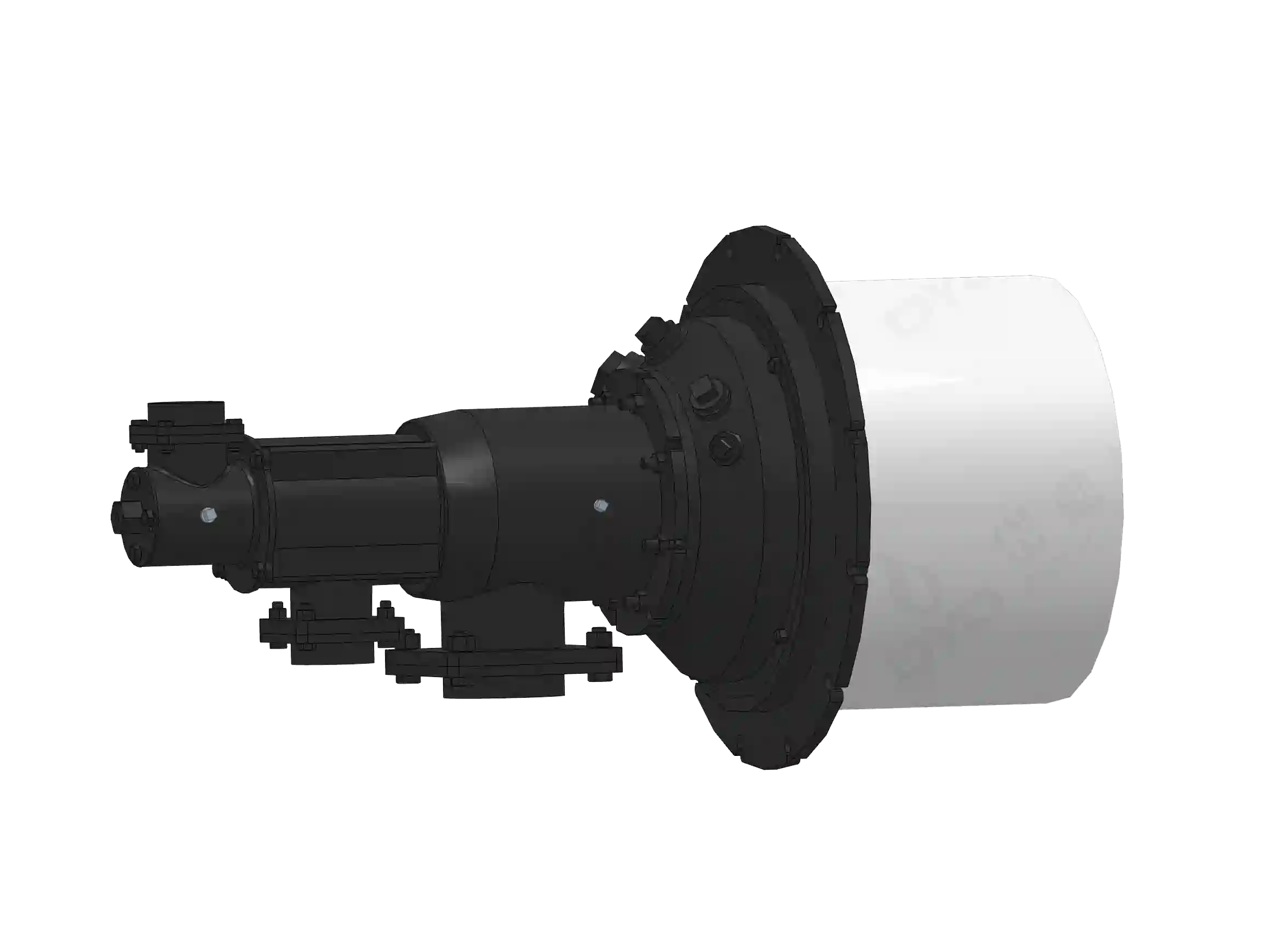
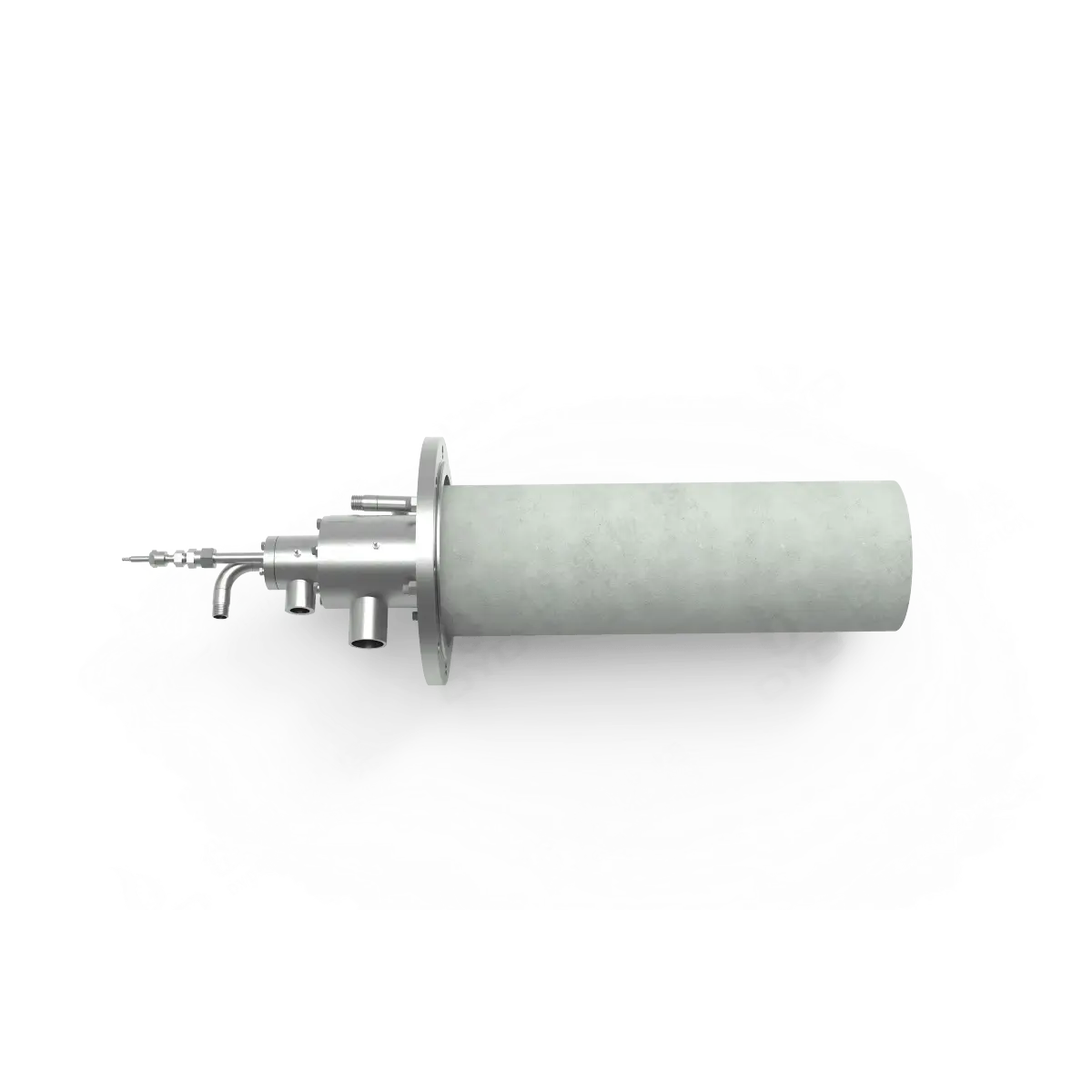
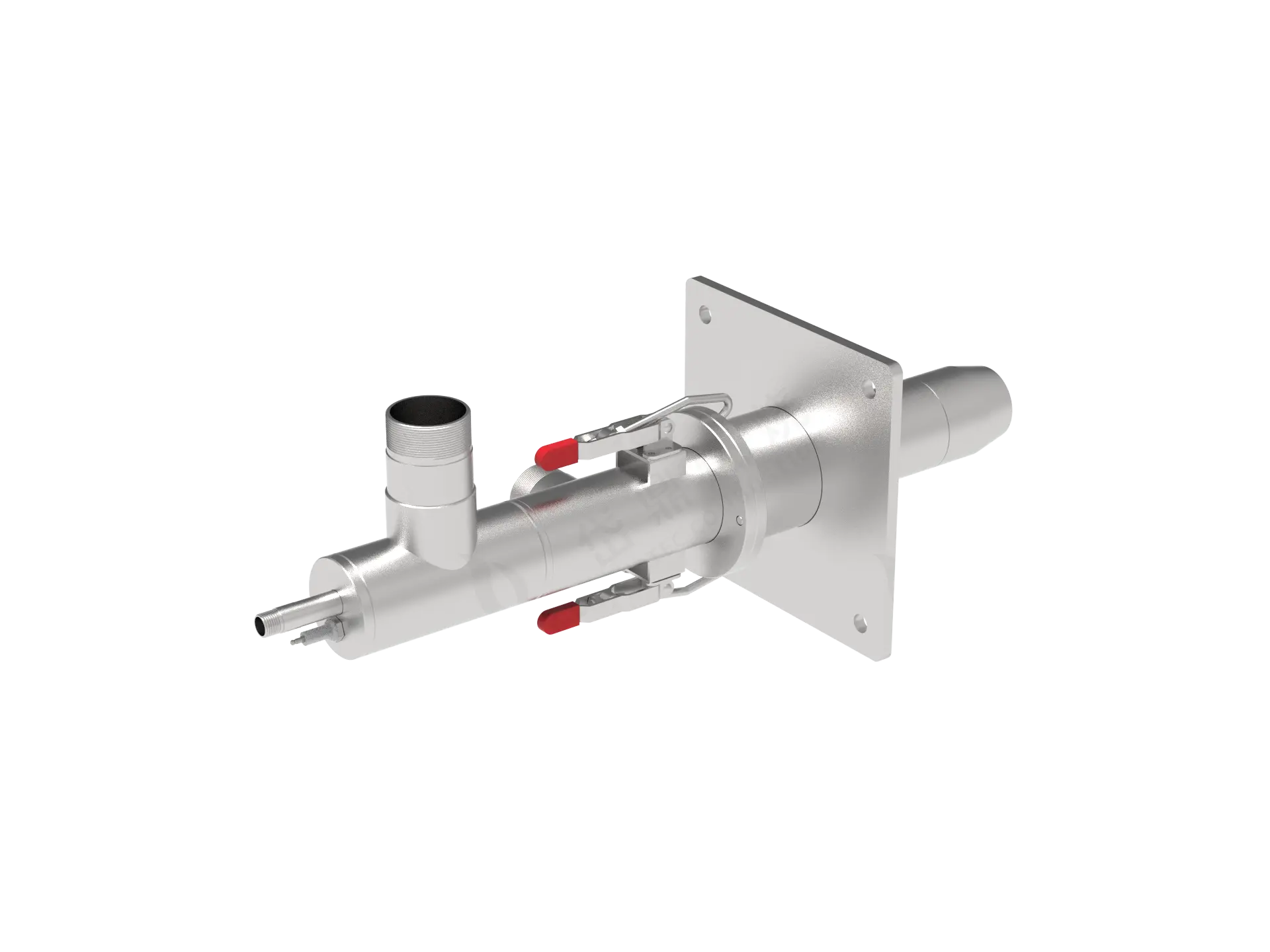
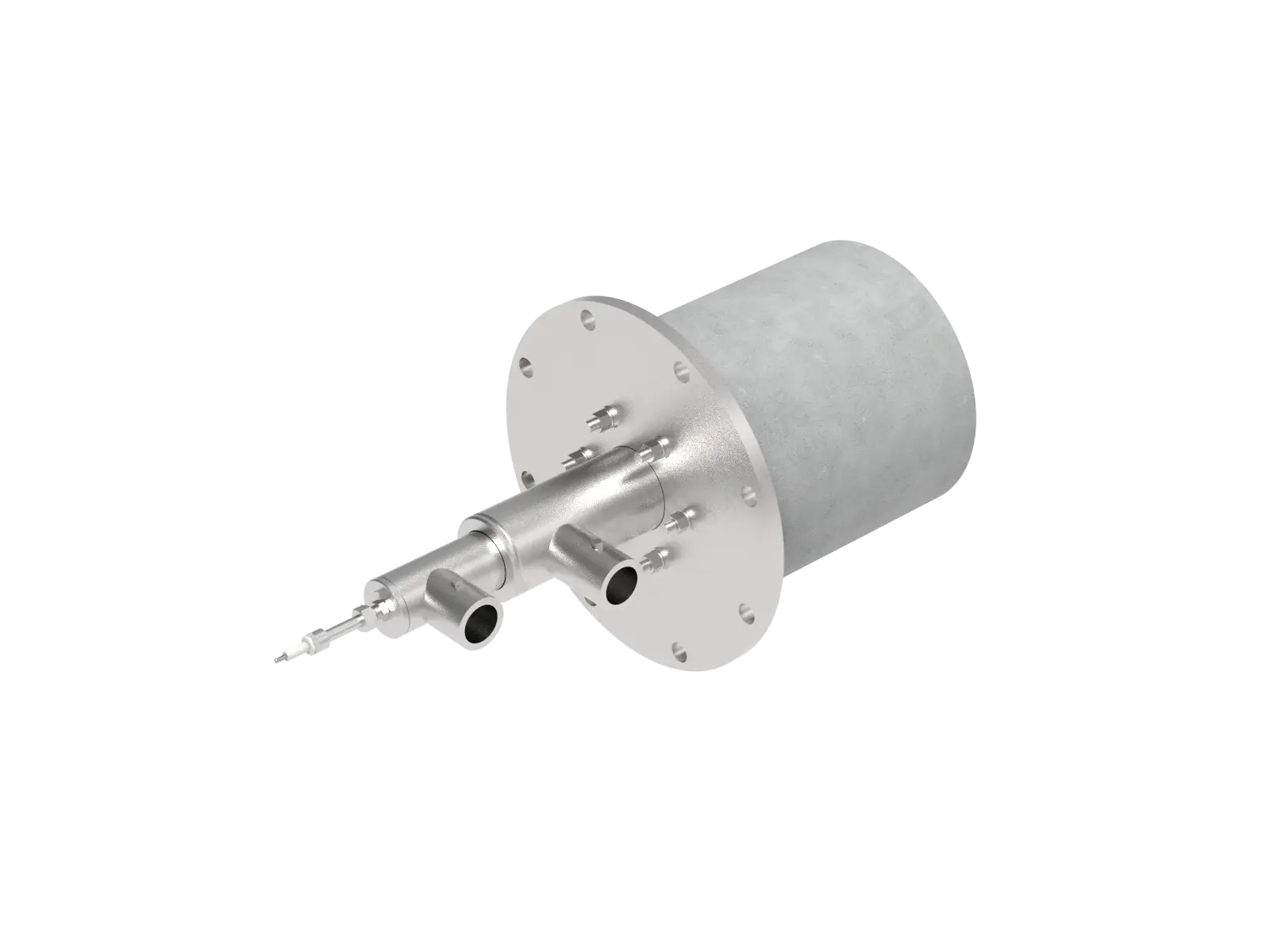
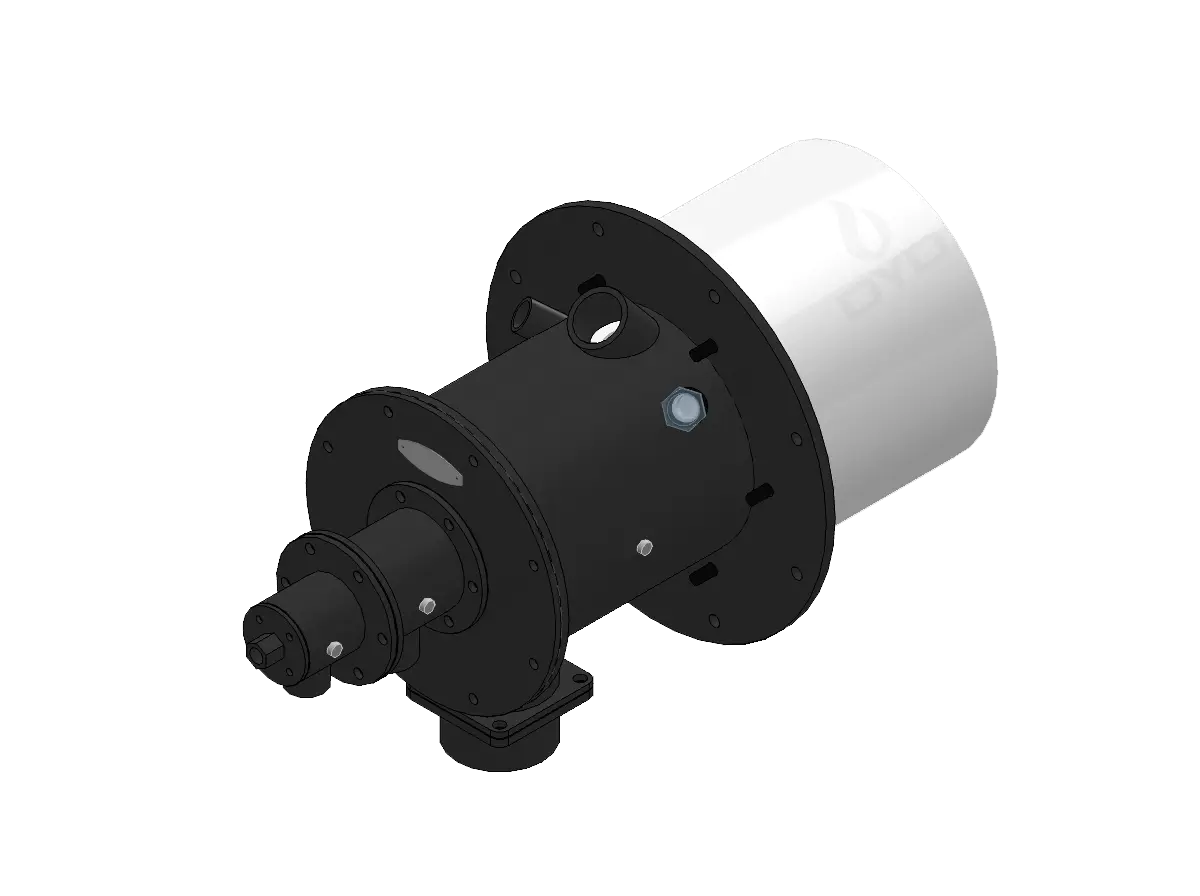
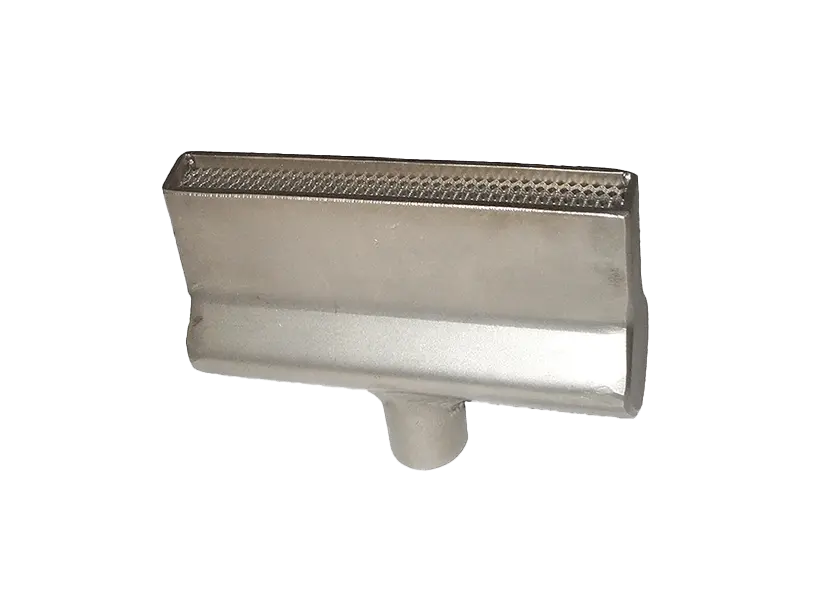
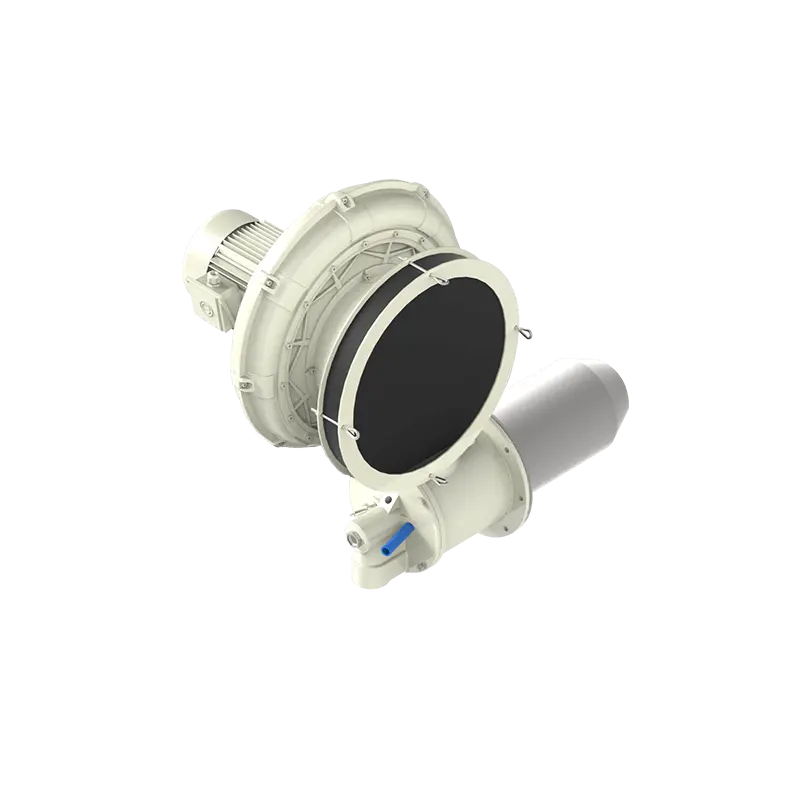
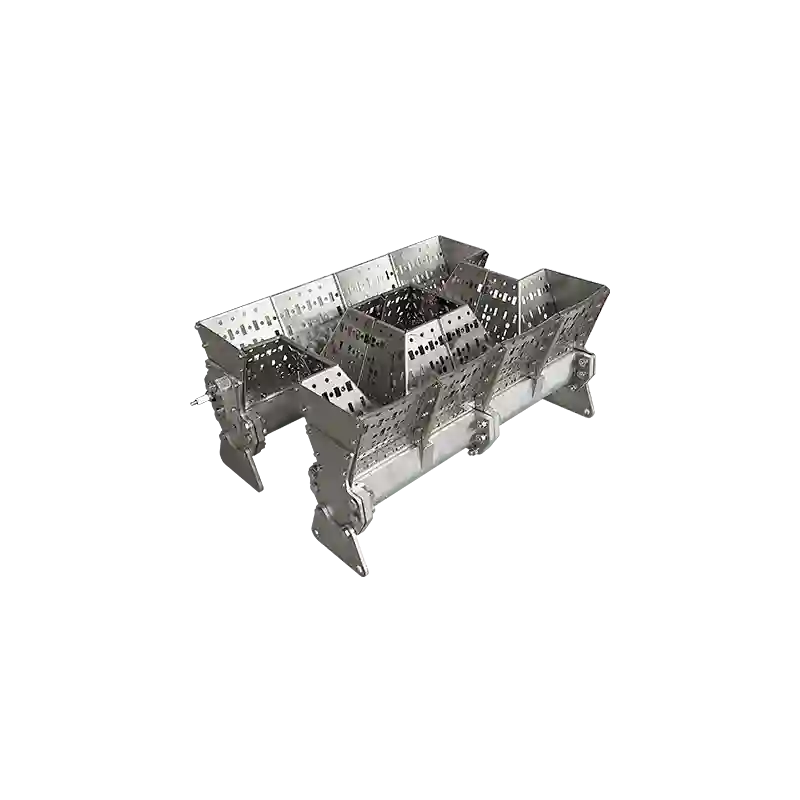
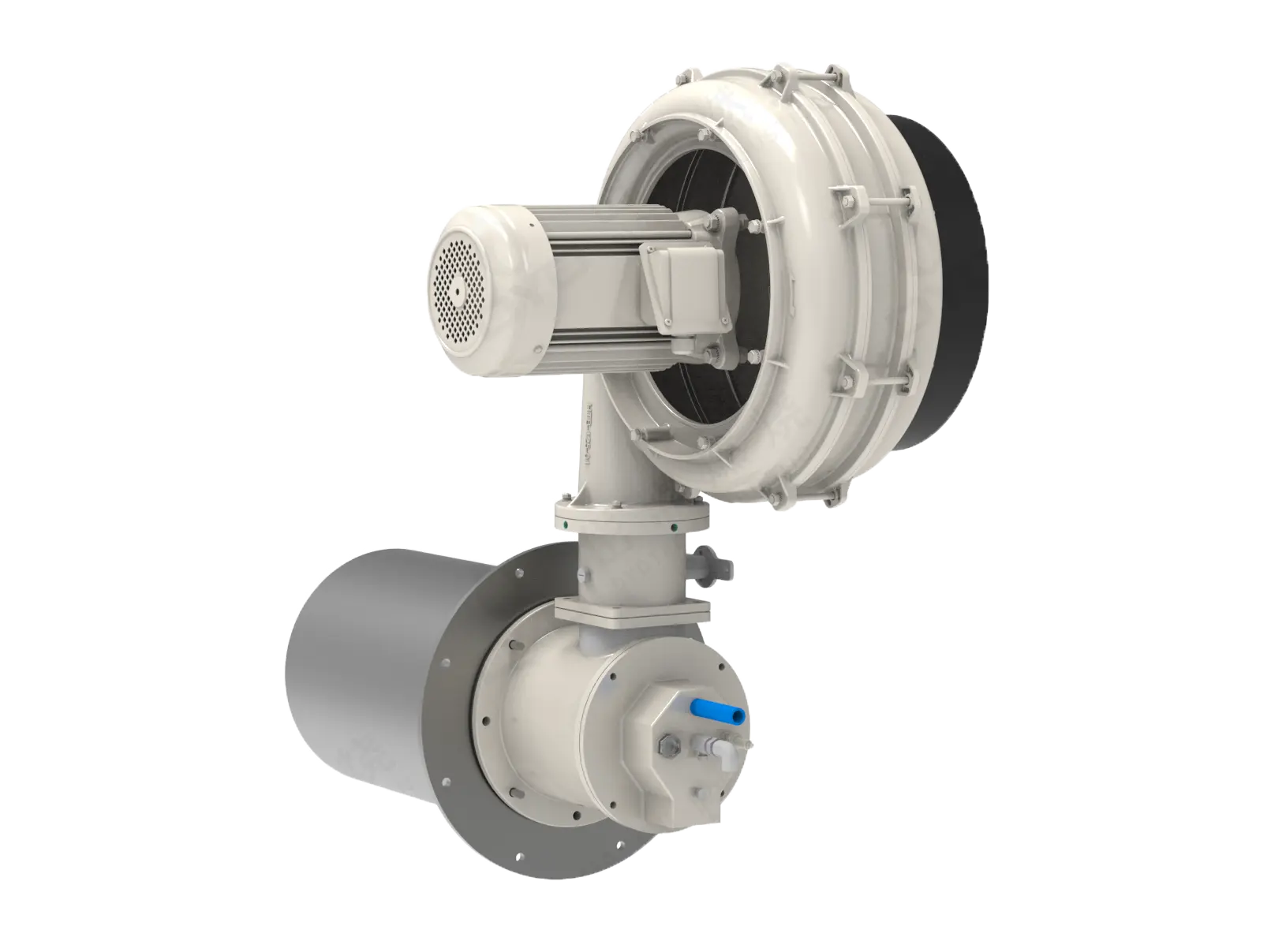
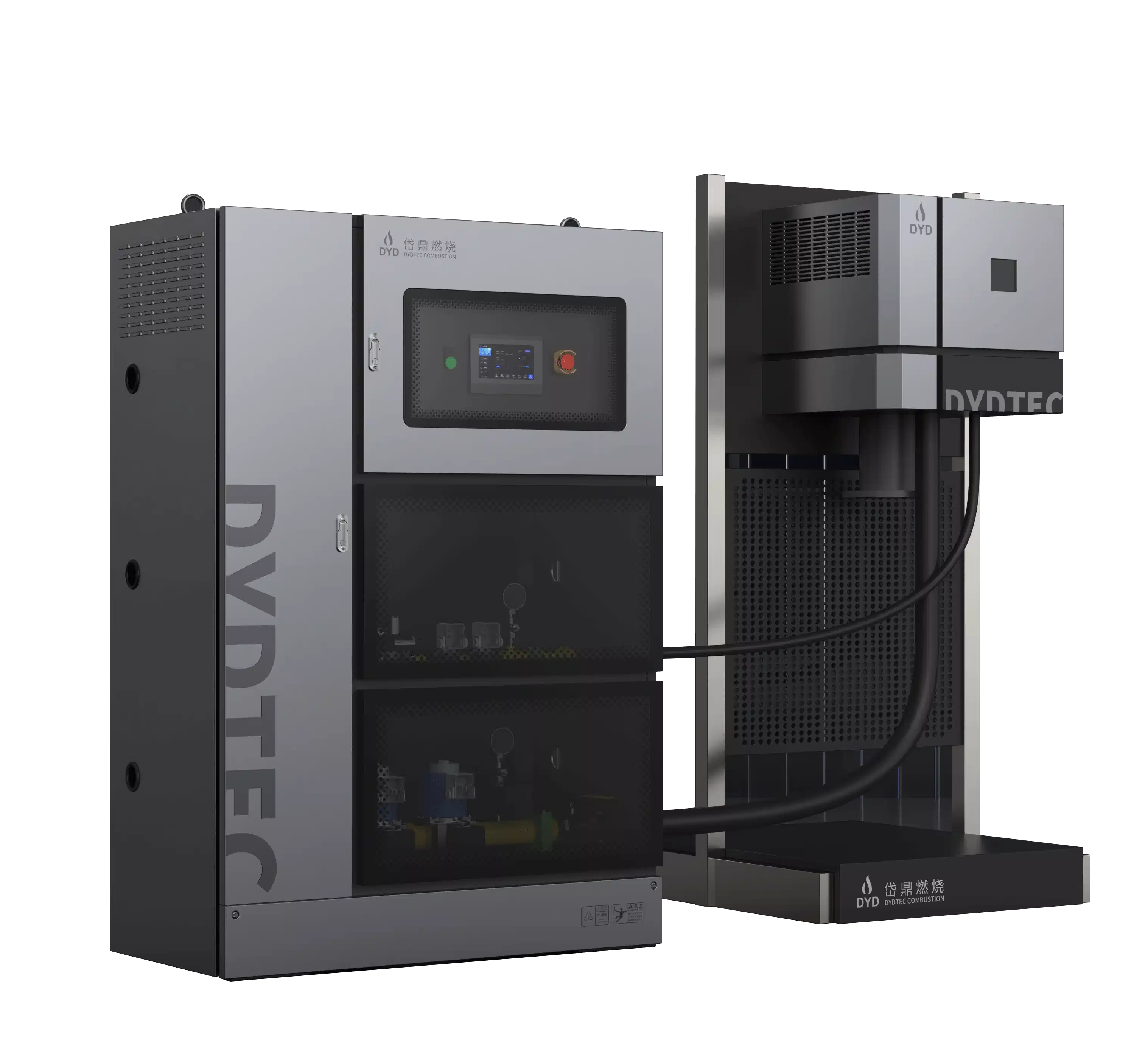
A Low NOx burner does not automatically save fuel simply because it produces lower NOx emissions.
The primary purpose of a Low NOx burner is to reduce nitrogen oxide emissions by controlling the combustion process, particularly peak flame temperature, oxygen distribution, fuel-air mixing, and heat-release patterns.
However, a well-designed Low NOx burner system can contribute to lower fuel consumption when it improves combustion control, reduces excess air, minimizes exhaust losses, or improves heat transfer.
The key distinction is:
Low NOx and fuel efficiency are different performance objectives, but a properly designed combustion system can optimize both.
A simplified relationship is:
Better Combustion Control
→ Appropriate Air-Fuel Ratio
→ Lower Exhaust Losses
→ Better Heat Utilization
→ Potentially Lower Fuel Consumption
No.
A burner can have excellent NOx performance without necessarily consuming less fuel.
Fuel consumption depends on the entire thermal system, including:
Burner efficiency
Excess air
Furnace heat losses
Exhaust temperature
Heat-transfer efficiency
Furnace pressure
Process temperature
Burner turndown
Operating conditions
Therefore, comparing two burners only by their NOx emissions does not tell you which one will consume less fuel.
A Low NOx burner may improve fuel efficiency when its combustion design also provides better control of the thermal process.
For example, an optimized burner may help control:
Excess air
Flame shape
Heat-release distribution
Combustion stability
Firing rate
Temperature uniformity
If these factors reduce unnecessary heat losses, the amount of fuel required to achieve the same process result may decrease.
Excess air is one of the most important factors connecting combustion control with fuel consumption.
A burner requires enough air to complete combustion.
However, supplying substantially more air than necessary can increase the amount of gas that must be heated and exhausted from the furnace.
The basic relationship is:
More Excess Air
→ More Flue Gas
→ More Heat Carried Away
→ Higher Exhaust Loss
→ Potentially Higher Fuel Consumption
Therefore, controlling excess air can improve thermal efficiency.
However, excess air cannot simply be minimized without considering combustion stability and emissions.
Not necessarily.
The relationship between excess air and NOx depends on the burner and operating conditions.
Reducing excess air can reduce the amount of oxygen available for NOx formation in some combustion conditions, but excessive air reduction can cause:
Incomplete combustion
Higher CO
Flame instability
Unburned fuel
Therefore, the correct target is an optimized air-fuel ratio, not simply the lowest possible air flow.
Flame temperature and fuel efficiency are related, but they are not the same thing.
A very high flame temperature can promote thermal NOx formation.
A Low NOx burner can control local peak flame temperatures while still delivering the heat required by the furnace.
The important objective is:
Required Process Heat
Controlled Flame Temperature
Complete Combustion
Rather than simply reducing flame temperature as much as possible.
Potentially, depending on how the system is designed.
Flue Gas Recirculation (FGR) is widely used as a method of reducing NOx.
By recirculating exhaust gas into the combustion process, FGR can reduce peak flame temperature.
However, an FGR system can also introduce:
Additional pressure losses
Fan power requirements
Additional equipment
Changes in combustion-air conditions
Therefore, the energy balance of the complete FGR and burner system should be considered.
A lower NOx number does not automatically mean lower overall energy consumption.
Staged combustion is primarily a NOx-reduction technology.
Its effect on fuel consumption depends on the complete burner and furnace design.
A properly designed staged-combustion system can maintain stable combustion and appropriate heat release while reducing NOx.
If it also improves:
Air-fuel control
Temperature distribution
Heat transfer
Combustion stability
then fuel consumption may improve.
But staged combustion by itself should not be marketed as a guaranteed fuel-saving technology.
Heat distribution is an important but sometimes overlooked factor.
Suppose a furnace has the correct total heat input but poor temperature distribution.
Some areas may be too cold while others are excessively hot.
The operator may increase firing to ensure that cold areas reach the required temperature.
This can lead to unnecessary fuel consumption.
Better flame distribution can help the furnace deliver heat where it is actually needed.
Therefore:
Better Heat Distribution
→ Less Overheating
→ Less Unnecessary Heat Input
→ Potentially Lower Fuel Consumption
Flame shape determines where heat is released.
A flame that is too short may concentrate heat near the burner.
A flame that is too long may allow excessive heat to reach the exhaust or furnace walls.
An appropriately designed flame can distribute heat more effectively throughout the process chamber.
The correct flame shape depends on:
Furnace geometry
Burner position
Burner angle
Heat load
Fuel
Process temperature
Therefore, flame design needs to be matched to the furnace.
Potentially, yes.
A burner designed specifically for the furnace can help optimize:
Combustion
Heat release
Air-fuel ratio
Flame distribution
Temperature uniformity
This can improve overall furnace performance.
However, furnace efficiency depends on more than the burner.
Other important factors include:
Furnace insulation
Exhaust temperature
Furnace pressure
Door leakage
Product loading
Heat recovery
Operating schedule
The burner is one part of the overall thermal system.
Furnace pressure can affect combustion and heat loss.
Poorly controlled furnace pressure can lead to:
Hot-gas leakage
Cold-air infiltration
Combustion fluctuations
Changes in flame behavior
Increased exhaust losses
A properly controlled furnace atmosphere can therefore support more stable combustion and efficient heat utilization.
For many industrial heating systems, maintaining an appropriate slightly positive or slightly negative furnace pressure is part of good combustion-system operation.
Burners rarely operate continuously at maximum firing rate.
Industrial processes may require different heat inputs during:
Startup
Heating
Normal operation
Temperature holding
Load changes
A burner with appropriate turndown can adjust heat input to match the actual process demand.
This can prevent unnecessary high firing rates during periods of lower heat demand.
Therefore, turndown capability can contribute to efficient operation.
It can, if the burner maintains stable and efficient combustion at reduced firing rates.
At low load, poor burner control may result in:
Unstable combustion
Excessive excess air
Frequent cycling
Poor temperature control
A burner with appropriate low-load performance can provide more precise heat input.
However, actual fuel savings depend on the complete control strategy and furnace operation.
These three parameters should be considered together.
A combustion system may attempt to reduce NOx by lowering flame temperature or increasing dilution.
But excessive dilution can increase CO.
Similarly, reducing excess air too aggressively may reduce exhaust losses but cause incomplete combustion.
Therefore, a practical optimization target is:
Low NOx
Low CO
High Combustion Stability
Appropriate Excess Air
Efficient Heat Transfer
The best burner is one that achieves a suitable balance rather than optimizing only one parameter.
The correct question is not:
"Does this Low NOx burner use less fuel?"
A better question is:
"How much fuel is required to achieve the same process result under comparable operating conditions?"
For a meaningful comparison, evaluate:
Both systems should achieve the required process temperature.
The comparison should use the same production conditions.
Fuel type and composition should be comparable.
Furnace geometry and insulation should be comparable.
Compare similar:
Heat load
Ambient conditions
Furnace pressure
Operating cycle
Fuel consumption should be measured under consistent conditions.
This prevents a burner from appearing more efficient simply because it is operating under different process conditions.
The best time to consider both objectives is during the initial equipment design.
OEMs should coordinate:
Burner
Furnace Geometry
Combustion Air
Fuel System
Exhaust
Control System
Process Requirements
For example, the burner should be selected based on:
Required heat load
Furnace volume
Burner position
Burner angle
Required temperature
Fuel pressure
Combustion-air pressure
Exhaust conditions
NOx requirements
This integrated approach is more effective than selecting a burner first and attempting to adapt the furnace afterward.
DYDTEC Combustion develops industrial burners, Low NOx burners, linear burners, thermal air furnaces, and combustion-system integration solutions.
Its combustion-system design considers the relationship between:
Fuel and combustion air
Flame structure
Heat-release distribution
Furnace geometry
Temperature control
Emissions
Process requirements
DYDTEC Combustion was established in 2012 and has R&D and manufacturing bases in Shanghai and Yangzhou.
Its product portfolio includes 100+ burner models covering 200+ application scenarios, allowing different combustion configurations to be considered for different industrial heating processes.
For an OEM application, the objective is not simply to specify a Low NOx burner. The burner should be matched to the furnace and process so that emissions, combustion stability, heat distribution, and energy utilization can be considered together.
An OEM or furnace manufacturer should provide:
Furnace dimensions
Furnace volume
Insulation condition
Operating temperature
Exhaust temperature
Furnace pressure
Required heat load
Production capacity
Heating cycle
Temperature uniformity
Operating range
Fuel type
Fuel pressure
Fuel composition
Air pressure
Air temperature
Required airflow
Excess-air conditions
NOx requirement
CO requirement
Applicable emissions limits
This information helps determine whether fuel consumption is actually related to burner performance or to other parts of the thermal system.
Not automatically. Its primary purpose is NOx reduction. Fuel savings depend on combustion efficiency, excess air, heat distribution, exhaust losses, and the overall furnace system.
Yes. A properly designed burner can provide both low NOx and efficient combustion when its operating conditions are optimized.
Not necessarily. Some NOx-reduction technologies can affect system efficiency, but the actual result depends on burner design and the complete combustion system.
It can introduce additional fan power and pressure losses. The overall energy balance should therefore be evaluated rather than judging FGR only by its NOx reduction.
Not necessarily. Staged combustion is primarily intended to control NOx. Any fuel-saving effect depends on the specific burner and furnace design.
Yes, potentially. Better heat distribution can reduce the need to over-fire the furnace to compensate for cold spots.
Reducing excessive air can reduce exhaust losses, but too little air can cause incomplete combustion and higher CO. The air-fuel ratio should be optimized rather than simply minimized.
Both can be important. The appropriate balance depends on the process, emissions requirements, energy costs, and furnace operating conditions.
Compare the fuel required to achieve the same production output and process temperature under comparable operating conditions.
A Low NOx burner does not automatically save fuel, but Low NOx combustion and fuel efficiency do not have to be competing objectives.
A well-designed industrial combustion system can optimize both by controlling:
Air-Fuel Ratio
Flame Temperature
Heat-Release Distribution
Furnace Pressure
Burner Turndown
Exhaust Losses
The most important point is that fuel consumption should be evaluated at the system level, not by looking at the burner or its NOx rating alone.
A Low NOx burner saves fuel only when its combustion characteristics contribute to better overall thermal efficiency. The real objective is to achieve the required process heat with the lowest practical energy consumption while maintaining low NOx, low CO, stable combustion, and consistent temperature control.