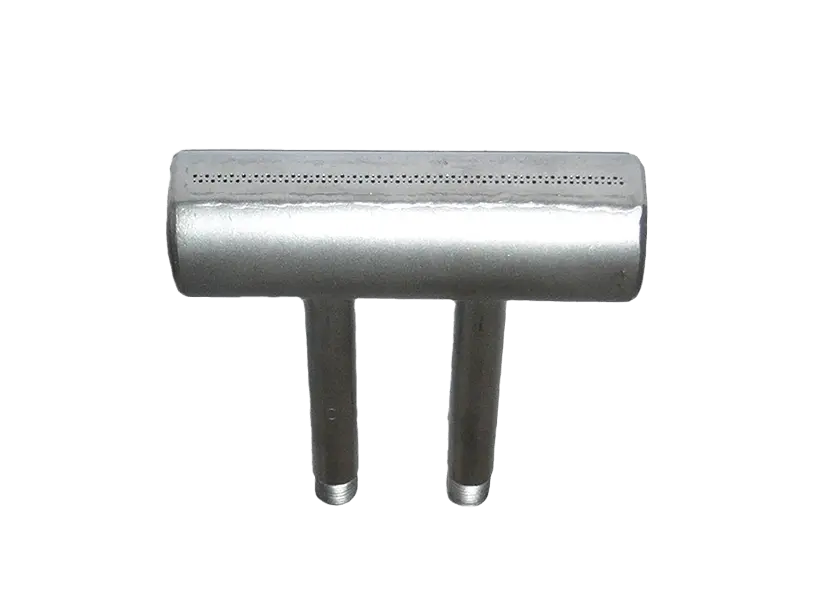
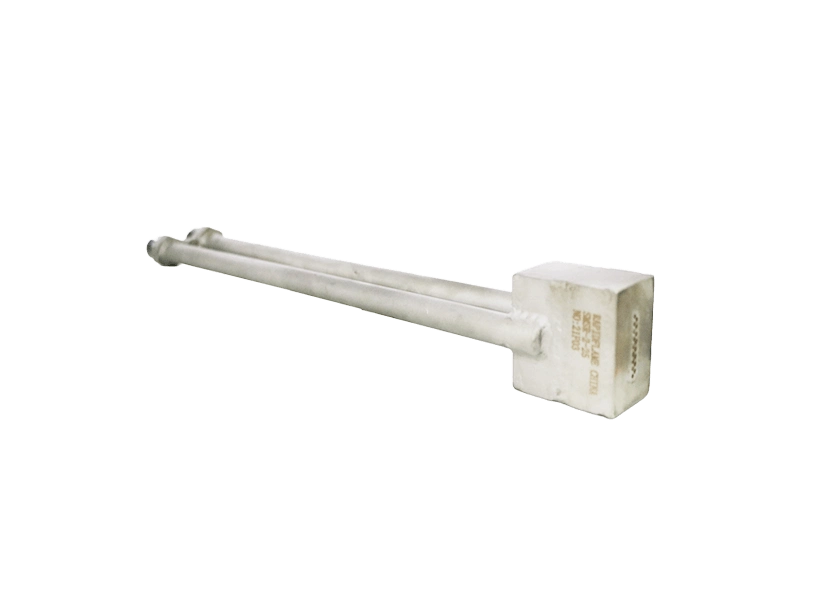
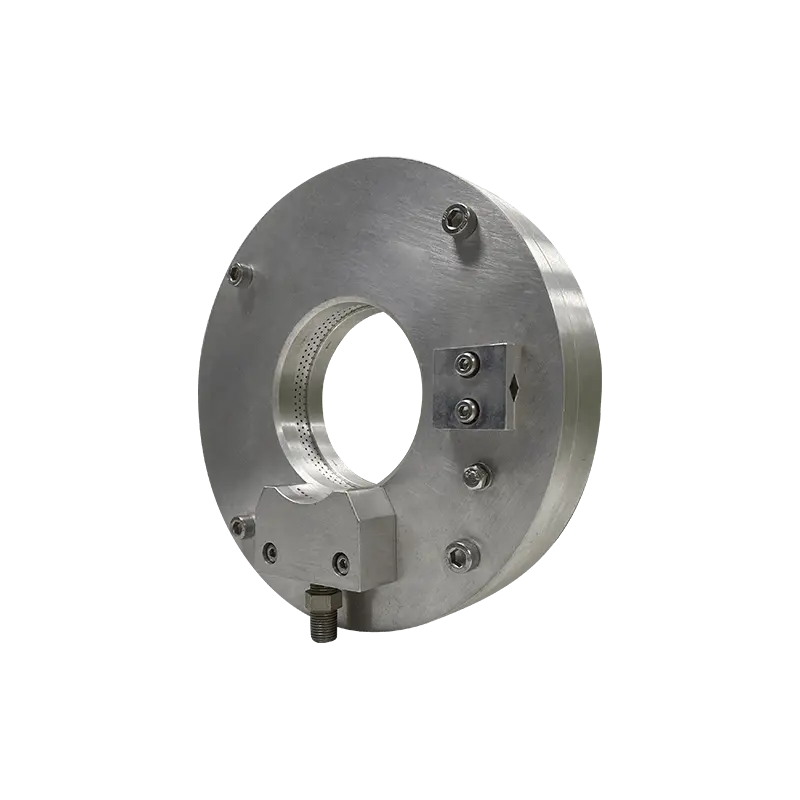
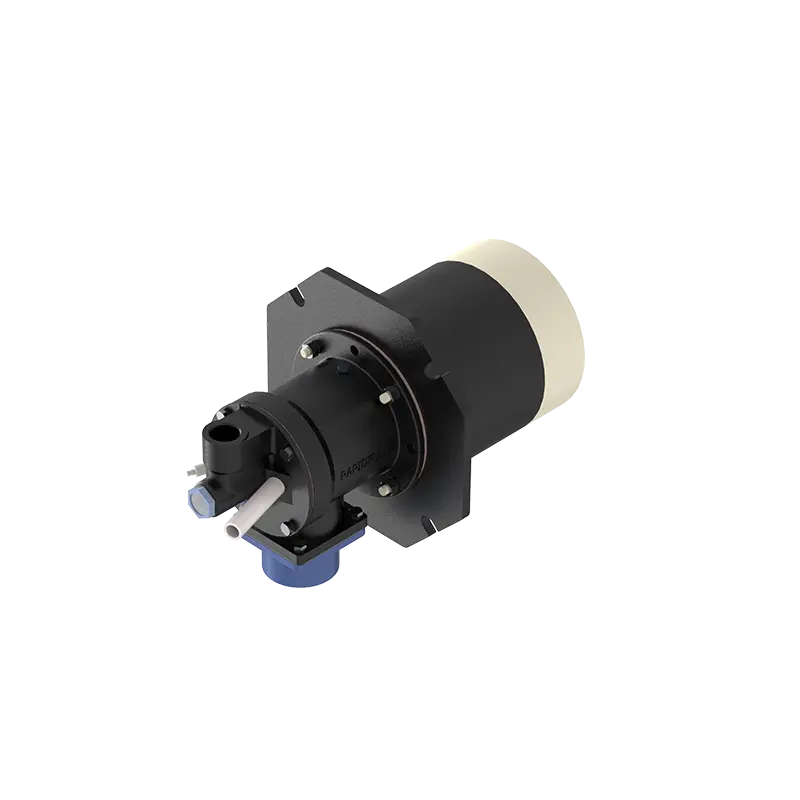
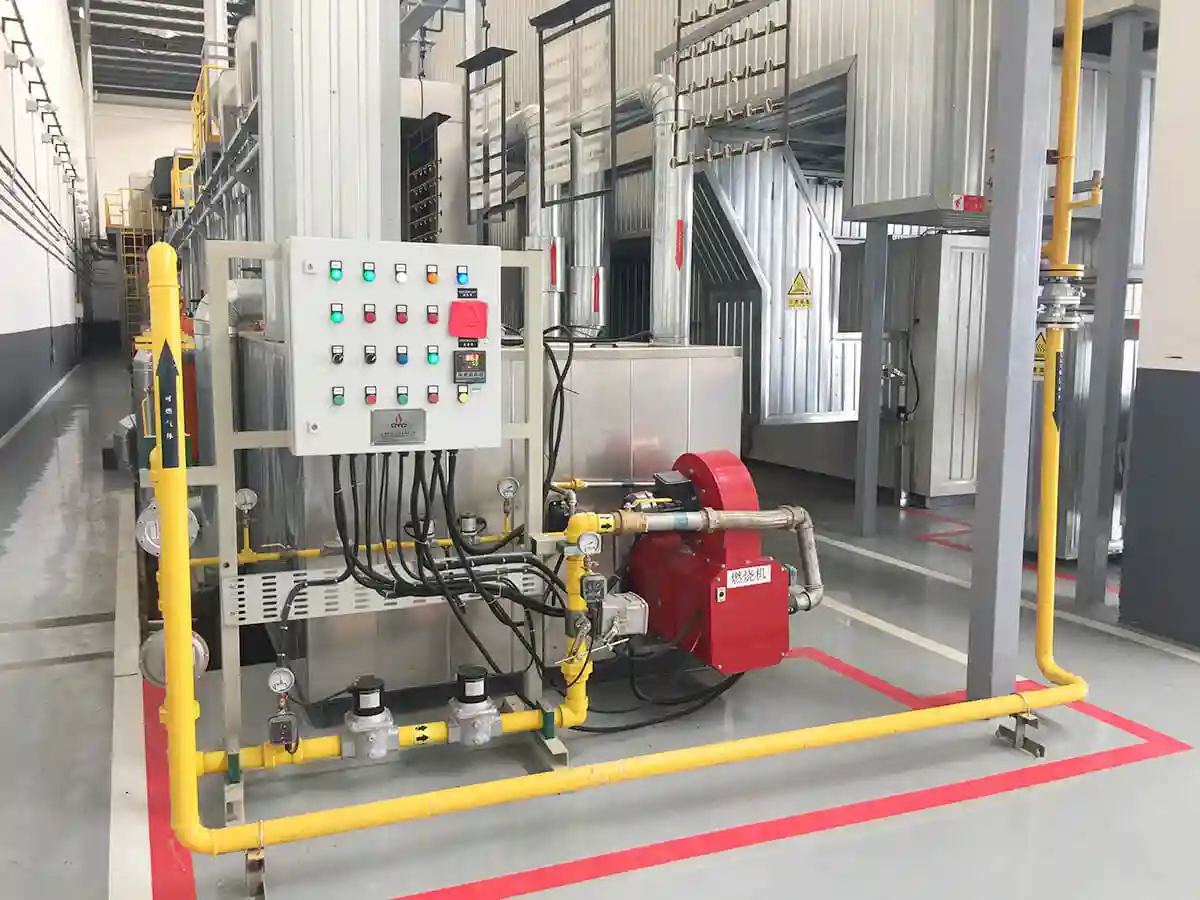
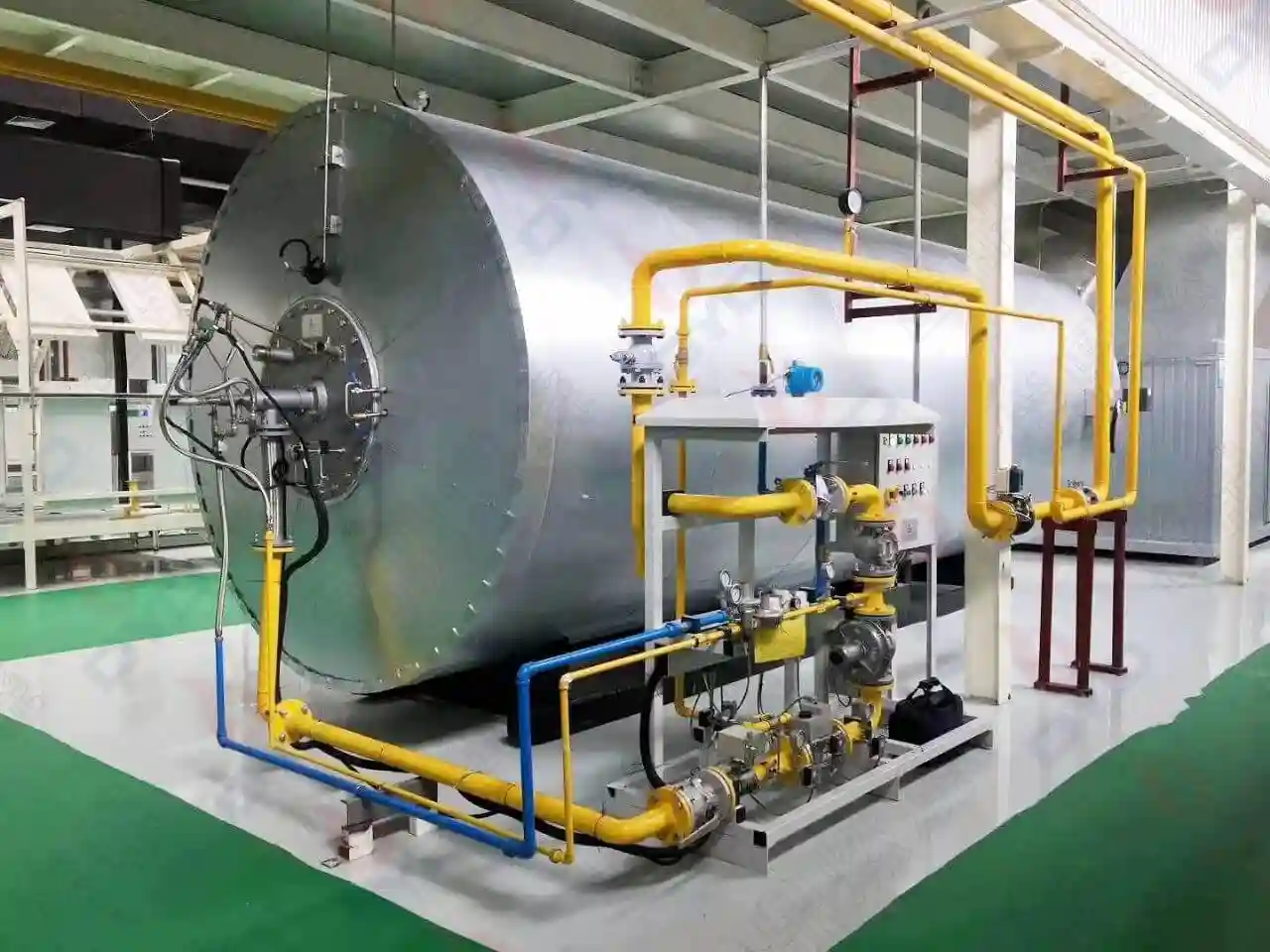
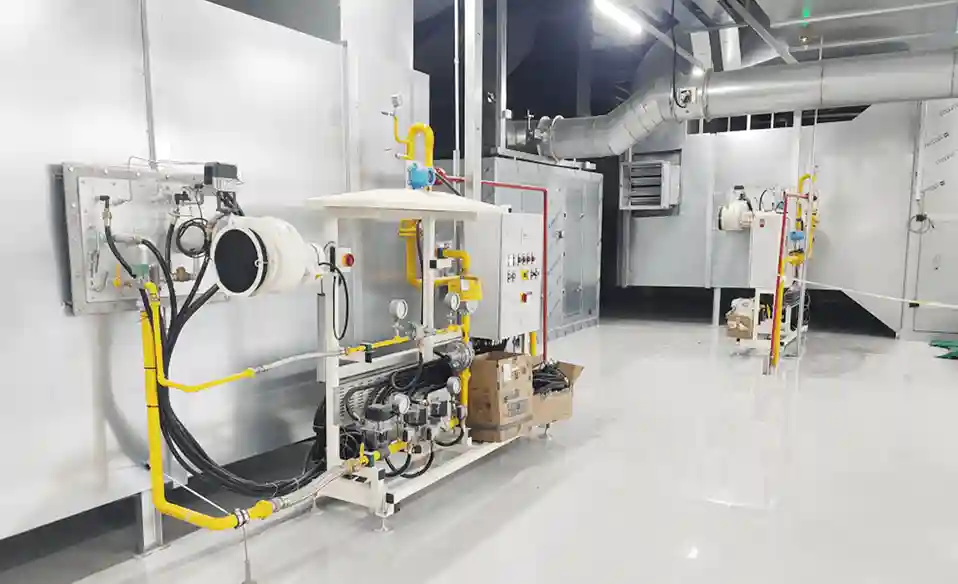
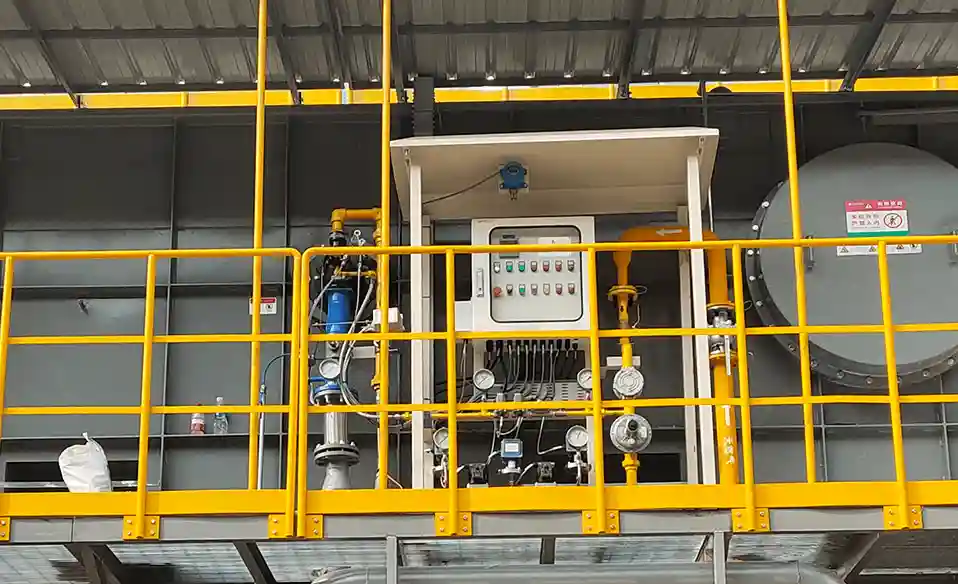
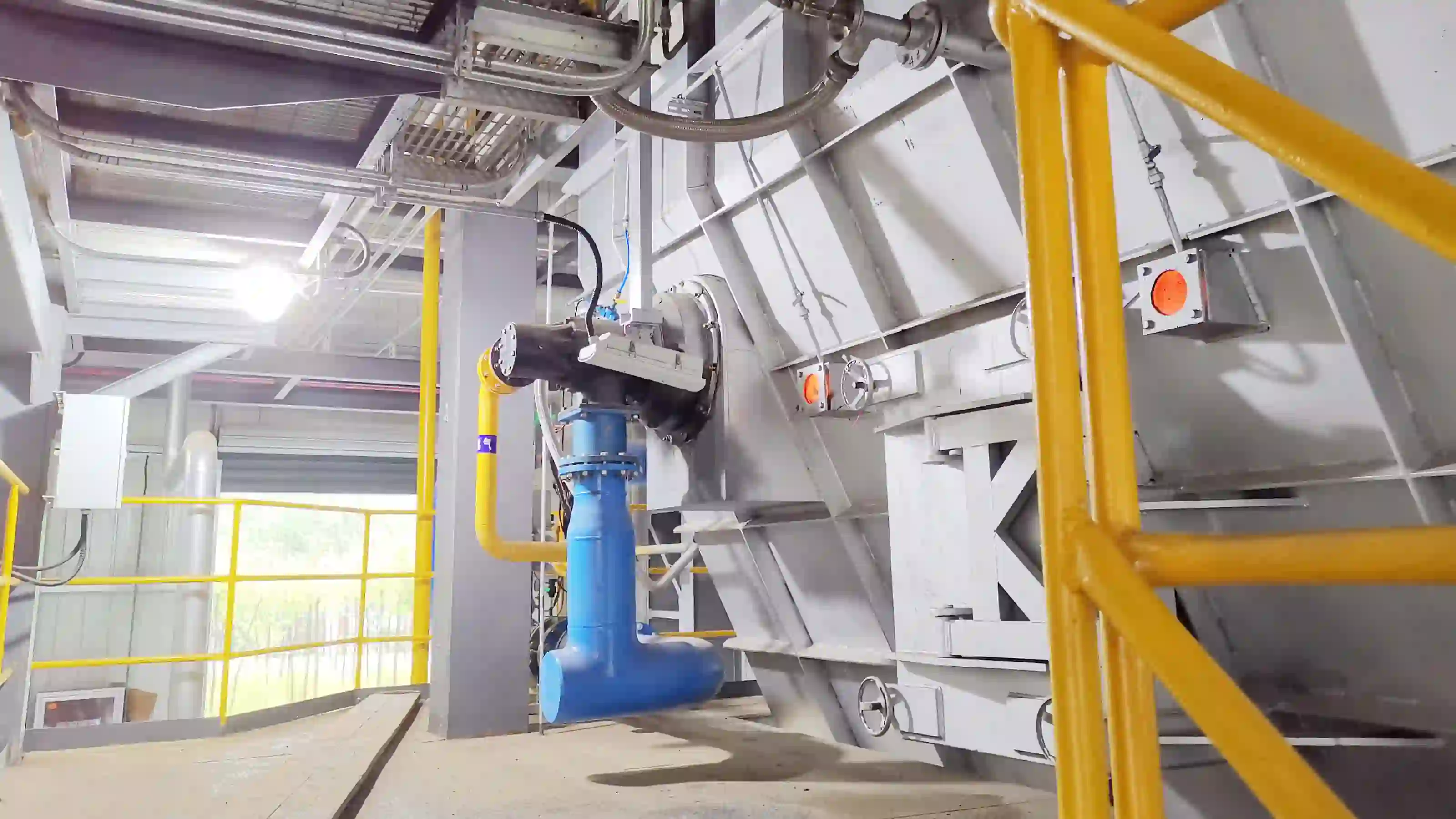
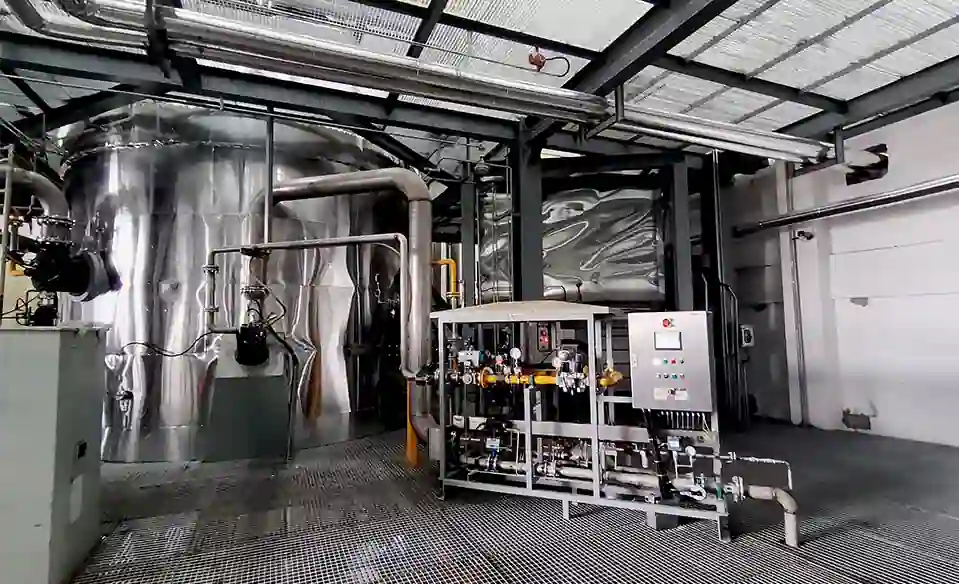
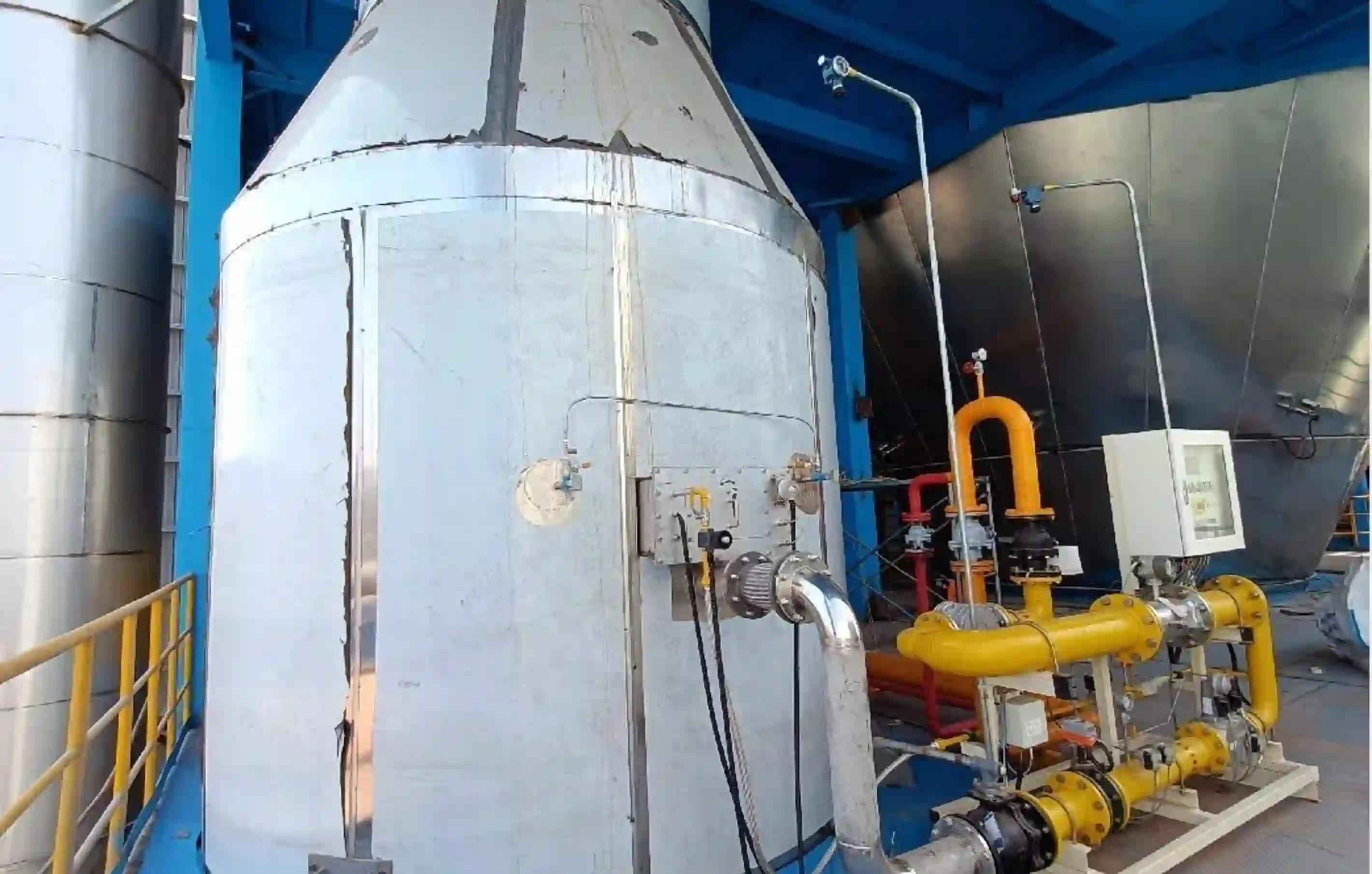
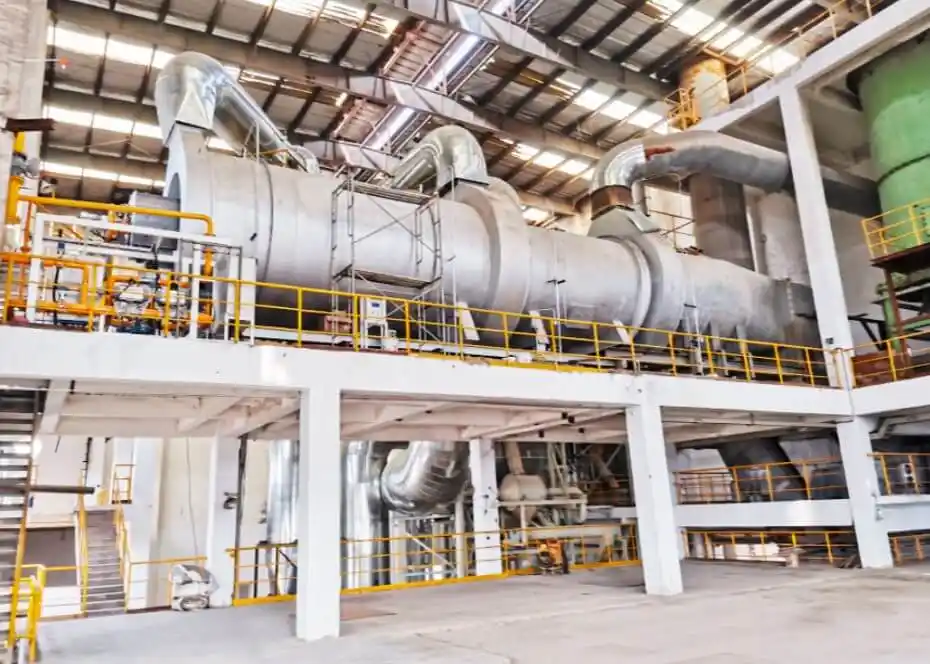
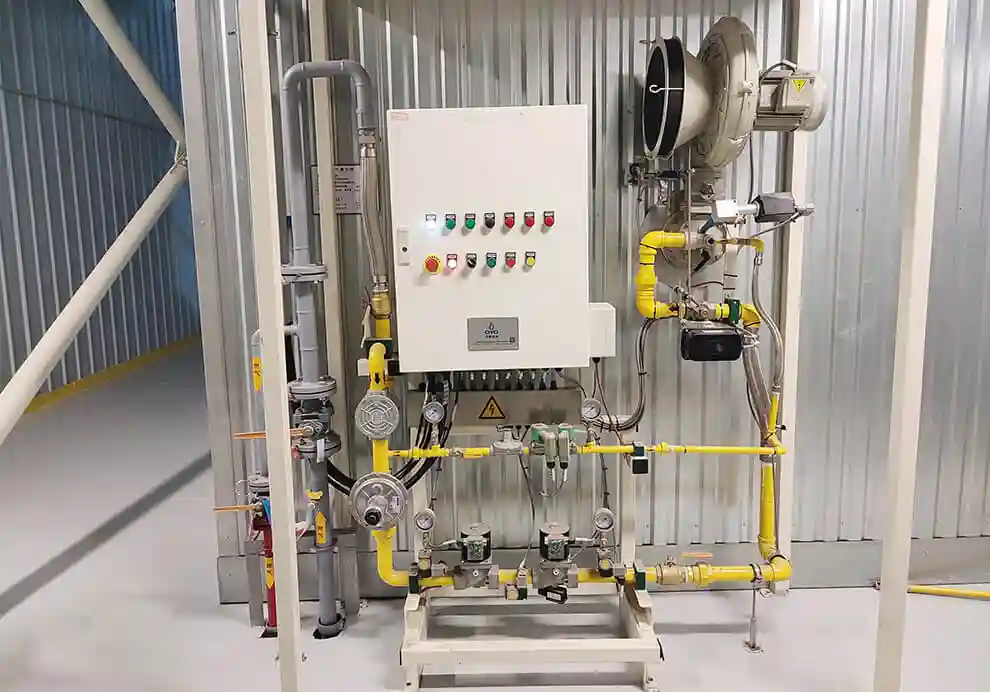
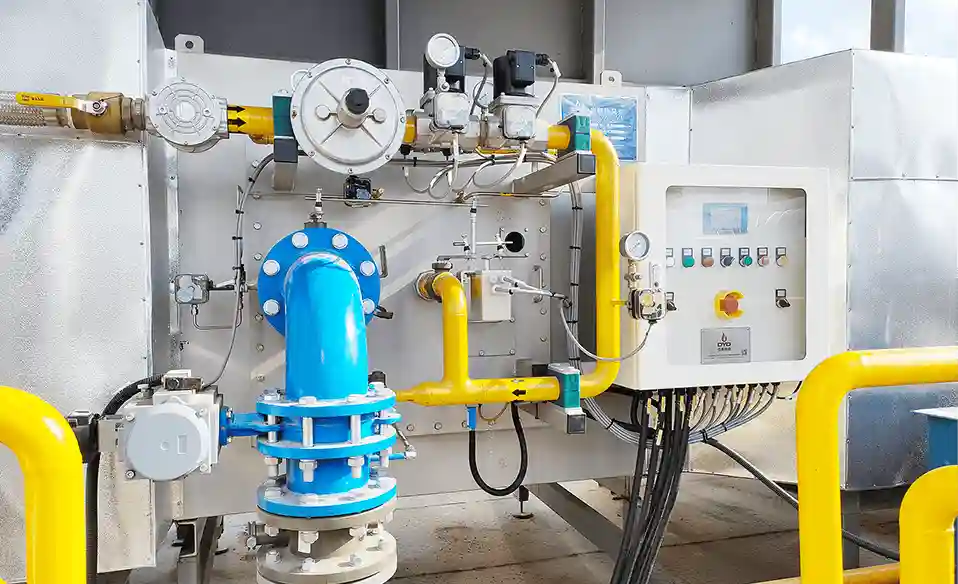
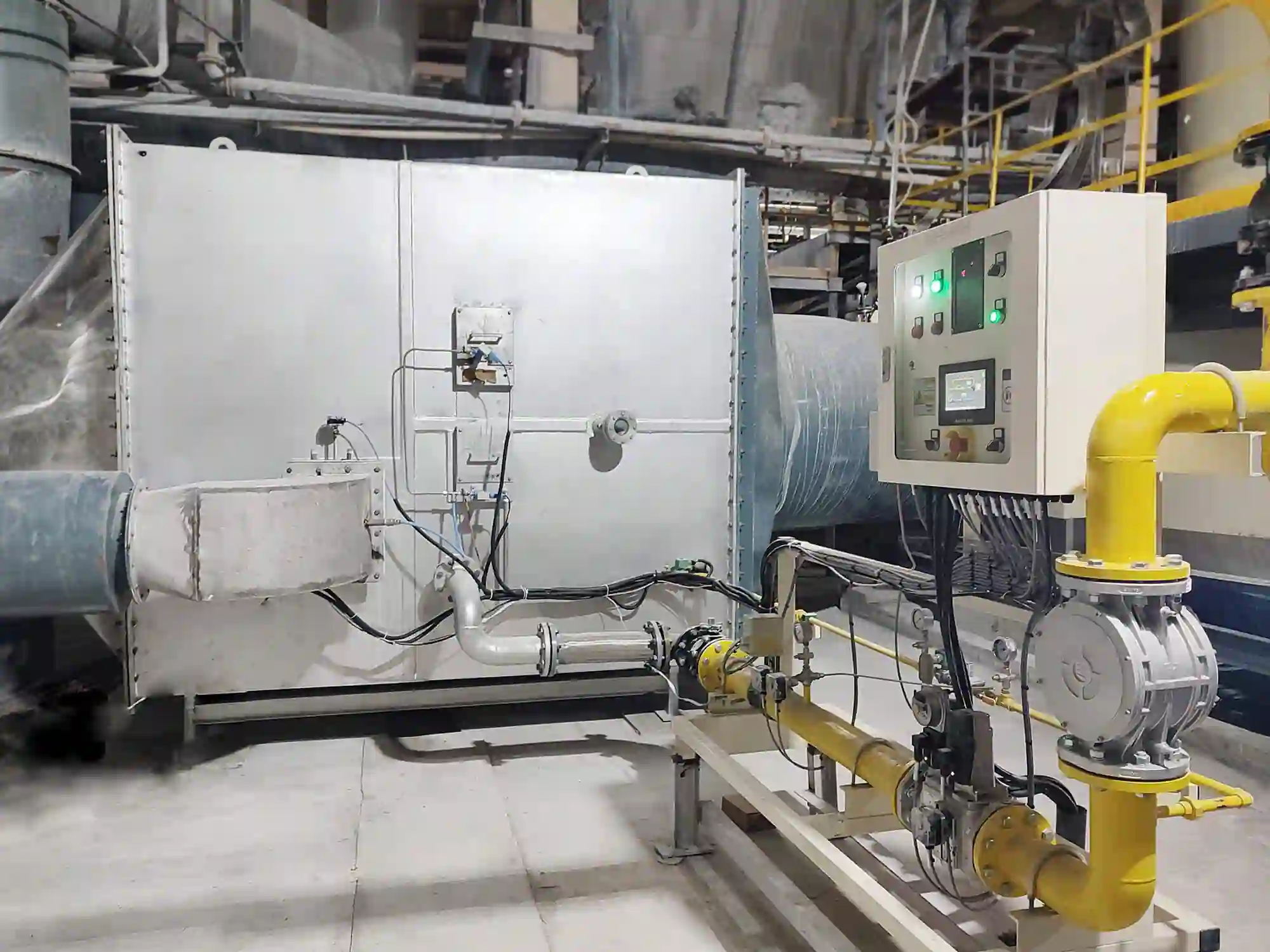
Burner efficiency is one of the most important factors affecting the energy consumption, heating performance, emissions, and operating stability of industrial furnaces, ovens, dryers, kilns, and thermal processing equipment.
However, improving burner efficiency is not simply a matter of increasing combustion intensity or reducing fuel consumption at the burner itself. A burner operates as part of a complete combustion system. Fuel supply, combustion air, flame characteristics, furnace geometry, exhaust conditions, furnace pressure, heat transfer, control strategy, and maintenance can all affect the final result.
In practice, a highly efficient burner system should achieve several objectives at the same time:
Convert fuel energy into useful heat effectively
Maintain stable combustion over the required operating range
Minimize unnecessary excess air
Reduce heat losses through the exhaust
Provide uniform heat distribution
Maintain appropriate flame temperature and shape
Avoid incomplete combustion
Match the furnace's actual heat demand
Maintain stable performance during turndown and load changes
So, how can burner efficiency be improved?
Burner efficiency generally refers to how effectively the chemical energy in the fuel is converted into useful thermal energy for the process.
For an industrial burner, this involves more than simply achieving complete combustion.
A burner may have good combustion efficiency but still produce poor overall system efficiency if excessive combustion air carries large amounts of heat out of the furnace.
Similarly, a burner may consume less fuel at one operating point but provide poor temperature uniformity, forcing the furnace to operate at a higher temperature or longer cycle time.
Therefore, burner efficiency should be evaluated together with the entire combustion and heating system.
Important factors include:
Combustion completeness
Excess air level
Flame stability
Heat transfer
Exhaust gas temperature
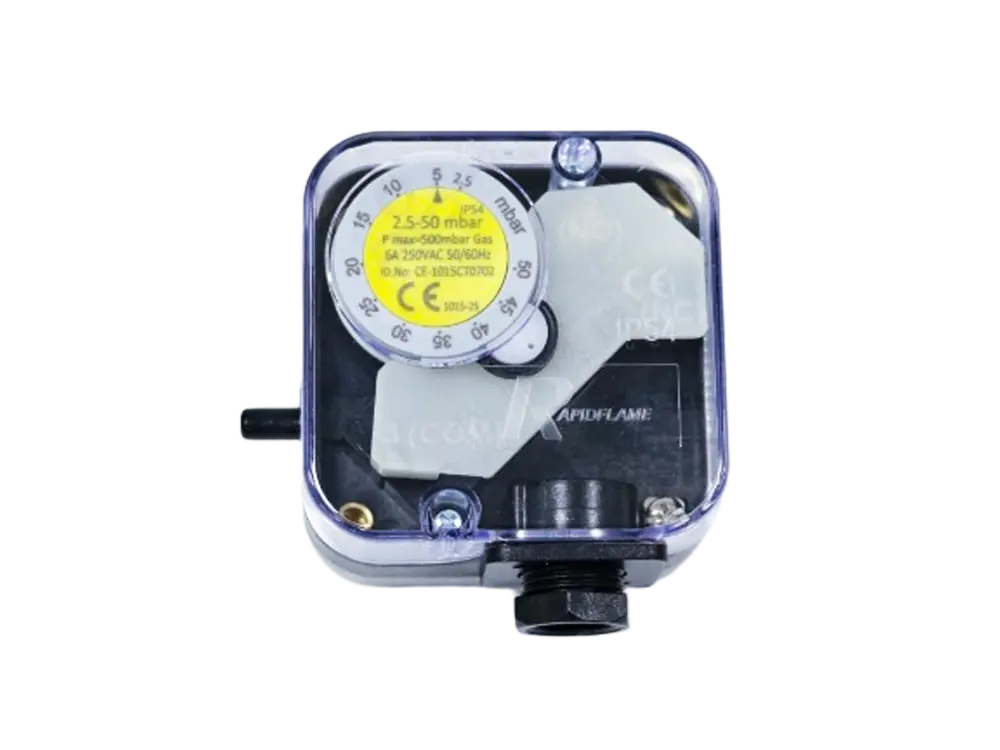
Furnace pressure
Temperature uniformity
Burner turndown capability
Control accuracy
Maintenance condition
One of the most important ways to improve burner efficiency is to optimize the air-to-fuel ratio.
Combustion requires an appropriate amount of oxygen. Too little air can result in incomplete combustion, increased CO emissions, unstable flames, and unburned fuel.
Too much air can also reduce efficiency.
When excess air enters the furnace, the additional air must be heated to the furnace exhaust temperature. This increases the amount of hot gas leaving through the exhaust system and therefore increases stack heat loss.
The objective is not simply to use as little air as possible.
The objective is to operate at an appropriate excess-air level that provides reliable and complete combustion while minimizing unnecessary exhaust losses.
For this reason, air and fuel should be controlled together rather than independently.
Excess air is necessary in many combustion systems because it provides sufficient oxygen for stable and complete combustion.
However, excessive excess air can become an energy loss.
For example, if a burner uses substantially more combustion air than necessary, part of the fuel energy is effectively used to heat additional nitrogen and oxygen in the combustion air. These gases then leave the furnace through the exhaust system.
Reducing excess air can therefore improve thermal efficiency, but the adjustment must be made carefully.
If excess air is reduced too aggressively, the system may experience:
Incomplete combustion
Higher CO emissions
Flame instability
Flame lifting
Flashback in certain premixed systems
Poor temperature distribution
The optimal operating point is therefore a balance between combustion stability, emissions, and thermal efficiency.
Fuel and combustion air must mix effectively to produce a stable and efficient flame.
Poor mixing can create areas with too much fuel and areas with too much air. This can lead to incomplete combustion, localized high temperatures, unstable flames, and uneven heat release.
The design of the burner head plays an important role in controlling mixing.
Important design factors include:
Fuel injection velocity
Combustion-air velocity
Swirl intensity
Fuel injection position
Mixing pattern
Burner geometry
Flame stabilization method
Good mixing helps the burner achieve more controlled combustion and distribute heat more effectively.
However, stronger mixing is not automatically better. The mixing strategy must be matched to the fuel, burner type, furnace geometry, required flame shape, and process temperature.
Even a technically advanced burner cannot perform efficiently if it is poorly matched to the furnace.
Burner selection should consider the actual operating conditions of the equipment, including:
Required heat load
Furnace volume
Furnace dimensions
Process temperature
Fuel type
Fuel pressure
Combustion-air pressure
Required turndown ratio
Flame length
Flame diameter
Burner installation position
Burner angle
Exhaust location
Furnace pressure
Required temperature uniformity
A burner that is too large may frequently operate at very low load, making stable control more difficult.
A burner that is too small may need to operate close to maximum capacity for long periods, reducing operating flexibility.
The correct burner should therefore match the actual heat demand rather than simply being selected according to the maximum theoretical capacity of the furnace.
Industrial furnaces rarely operate continuously at maximum heat demand.
During startup, warm-up, production, holding, cooling, and different production recipes, the required heat input can change significantly.
This makes burner turndown capability particularly important.
A burner with an appropriate turndown ratio can reduce fuel input when the furnace requires less heat while maintaining stable combustion.
Without sufficient turndown capability, operators may have to frequently cycle the burner on and off or use inefficient operating methods to control temperature.
A properly selected burner can therefore improve efficiency not only at full load but also during normal operating conditions.
Burner efficiency should not be evaluated only by what happens inside the burner.
The flame must also interact correctly with the furnace.
Flame length, diameter, momentum, temperature, and direction determine how heat is transferred to the furnace and the product.
If the flame is too long, it may contact furnace walls or equipment components.
If it is too short, heat release may become concentrated near the burner.
If multiple burners are incorrectly arranged, their flames may interfere with each other and create localized hot spots or cold zones.
Poor heat distribution can force operators to increase the overall furnace temperature to compensate for colder areas.
This increases energy consumption.
A better burner arrangement can therefore improve effective heating without necessarily increasing burner capacity.
Furnace pressure has a direct influence on burner performance.
An inappropriate pressure condition can affect:
Flame stability
Air infiltration
Exhaust flow
Heat loss
Flame shape
Combustion air flow
Temperature uniformity
Excessive negative pressure can draw cold air into the furnace through doors, gaps, seals, and other openings.
This cold air must then be heated, increasing energy consumption.
Excessive positive pressure can cause hot gases to escape through openings and create safety and equipment problems.
Many industrial heating systems therefore aim to maintain a controlled slight negative or slight positive pressure depending on the process and furnace design.
Stable furnace pressure helps the combustion system operate under more predictable conditions.
Even when combustion is complete, significant energy can still be lost through the exhaust system.
The higher the exhaust gas temperature and the greater the exhaust gas volume, the greater the potential heat loss.
Three important approaches are:
Reducing unnecessary combustion air reduces the amount of gas that needs to be heated and exhausted.
Better insulation reduces heat transfer from the furnace to the surrounding environment.
Where practical, exhaust heat can be recovered to preheat combustion air, fuel, process air, or other process streams.
For example, combustion-air preheating can reduce the amount of fuel required to reach a given furnace temperature.
However, heat recovery equipment must be designed together with the burner and combustion system because combustion-air temperature, pressure, and oxygen concentration can affect burner operation.
Preheated combustion air can significantly improve thermal efficiency because part of the required heat is supplied by recovered exhaust energy rather than by additional fuel.
However, higher combustion-air temperature can also influence:
Flame temperature
NOx formation
Flame stability
Burner materials
Air density
Airflow measurement
Control characteristics
Therefore, combustion-air preheating should not be treated as an independent modification.
The burner should be designed or configured for the actual combustion-air conditions.
An efficient burner requires accurate control of fuel and combustion air.
A combustion control system may regulate the relationship between fuel input and air input according to burner load.
Poor control can result in:
Excessive excess air
Fuel-rich combustion
Temperature fluctuations
Unstable flames
Unnecessary fuel consumption
Higher emissions
Modern industrial combustion systems may use proportional control, ratio control, oxygen-based control, or other feedback strategies depending on the application.
The appropriate control method depends on the process requirements and the complexity of the combustion system.
Efficiency is also related to reliable burner operation.
A burner that frequently experiences ignition problems, flame failure, or unstable operation cannot provide consistent process heating.
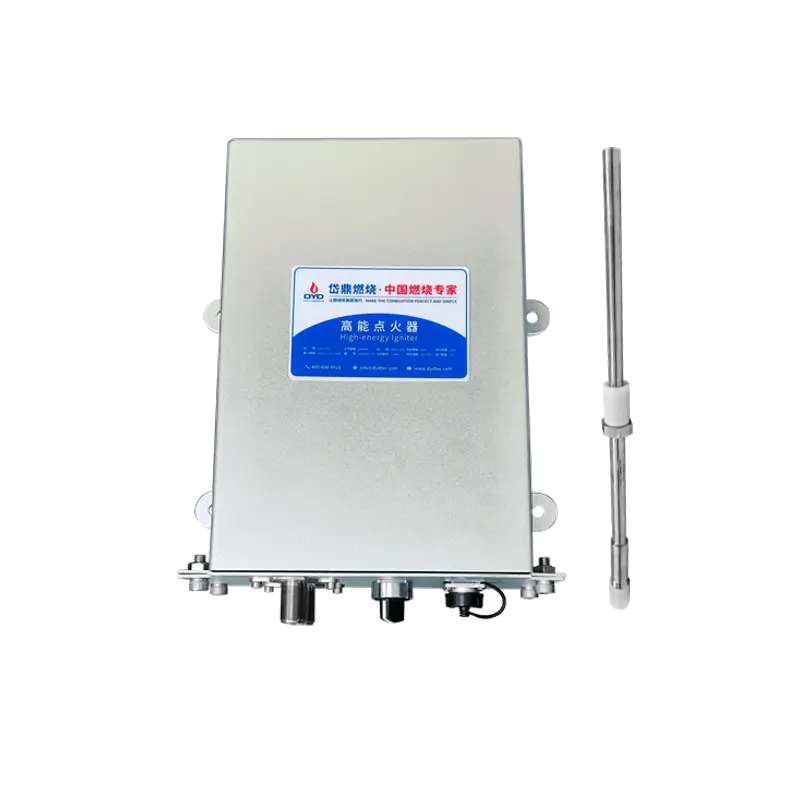
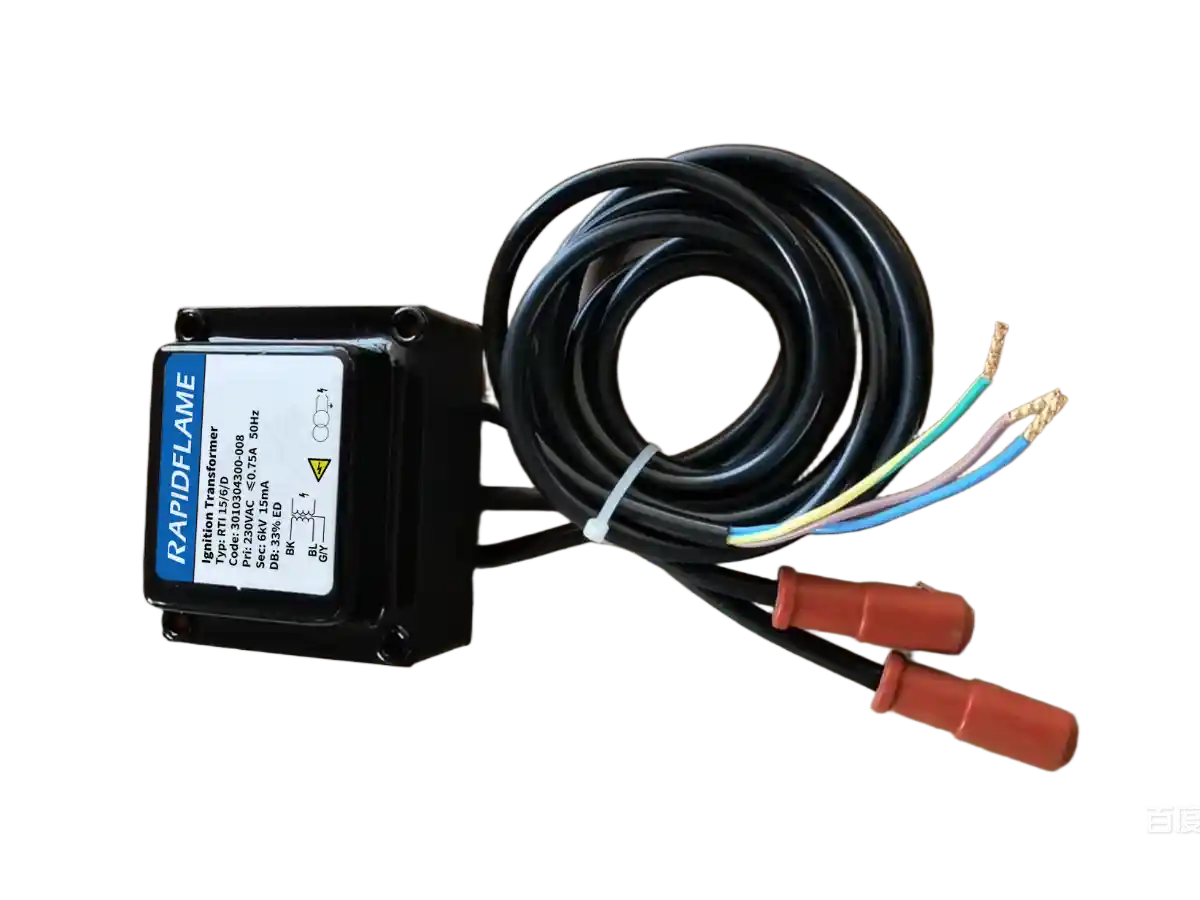
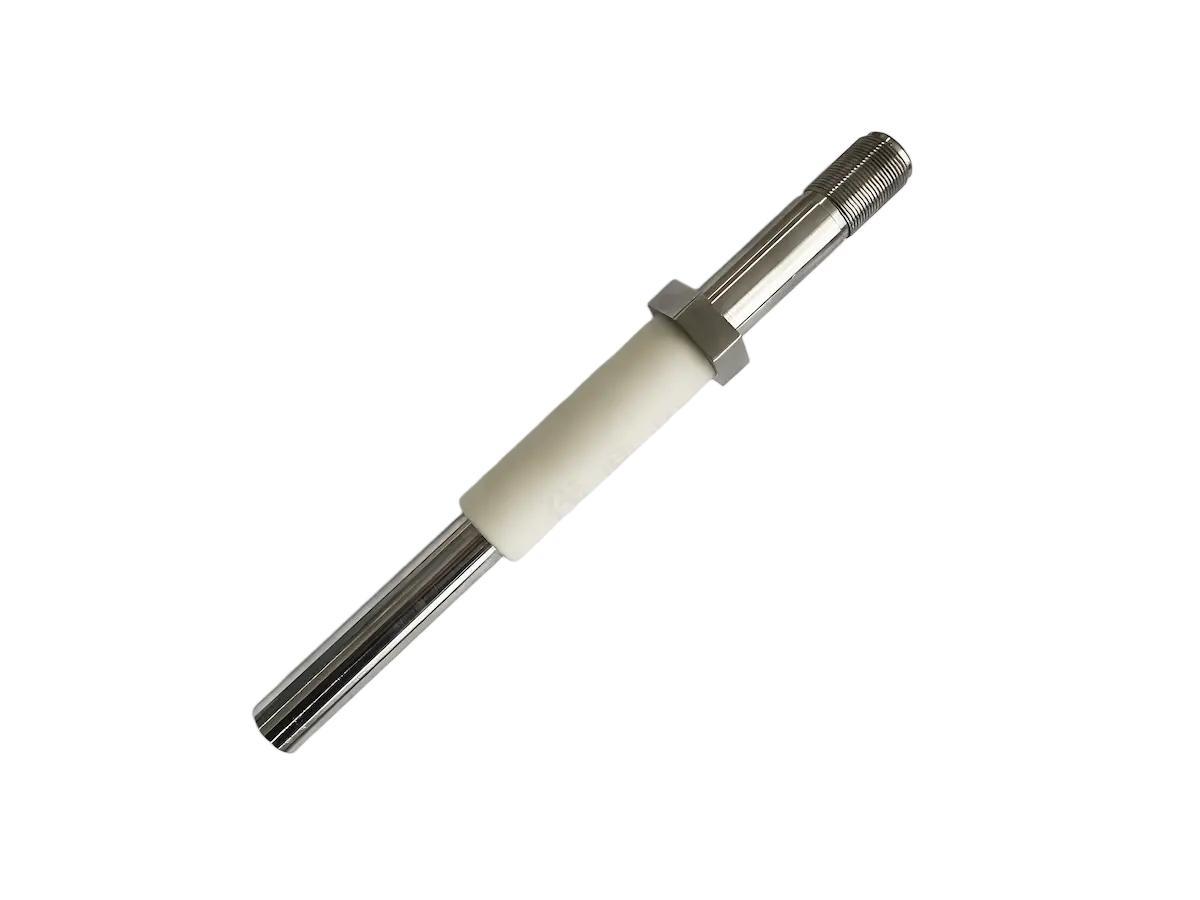
A complete combustion system normally includes an ignition system and flame detection system.
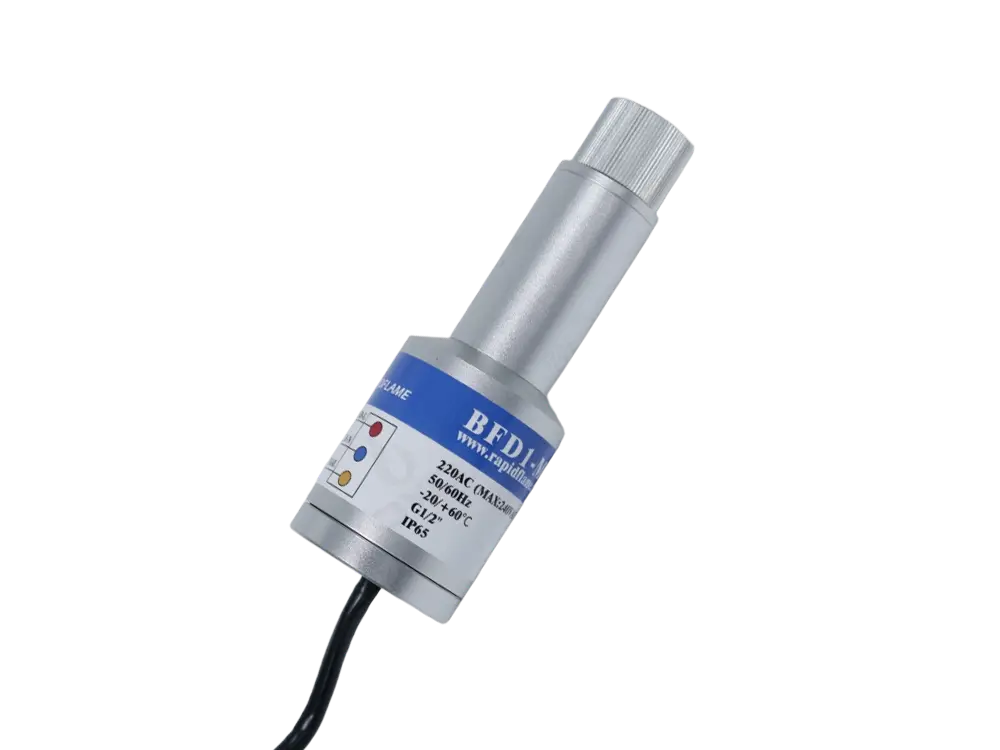
Flame detection allows the control system to determine whether a stable flame is present and take appropriate action if the flame is lost.
Reliable ignition and flame monitoring contribute to stable operation and help prevent repeated unsuccessful startup attempts.
Burner performance can deteriorate over time.
Dust, deposits, corrosion, damaged burner components, blocked air passages, or changes in fuel-system conditions can alter the original combustion characteristics.
Typical maintenance activities may include:
Inspecting the burner head
Checking fuel nozzles
Checking combustion-air passages
Inspecting ignition components
Checking flame detectors
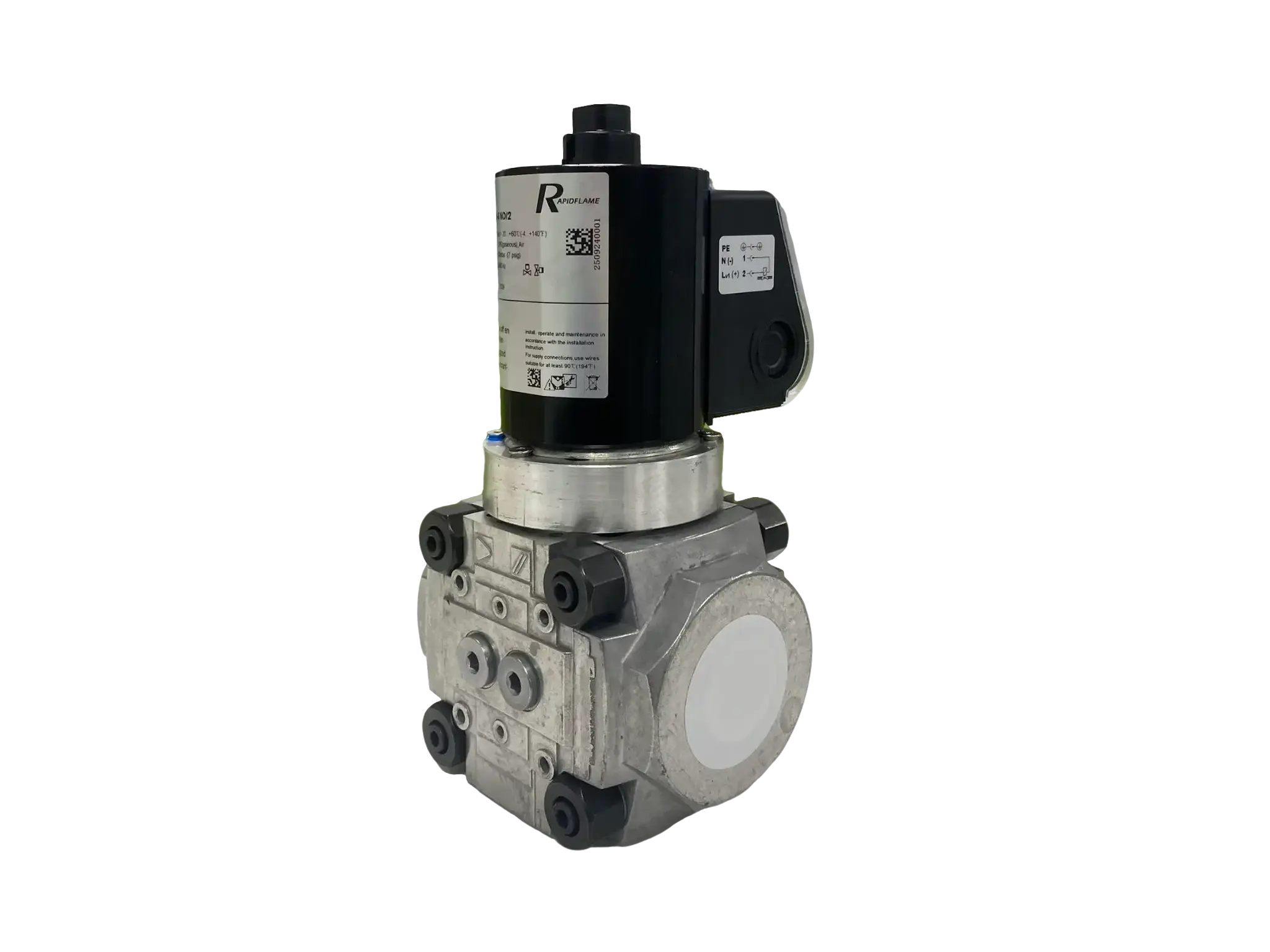
Inspecting valves and actuators
Checking fuel pressure
Checking combustion-air pressure
Verifying control settings
Checking flame shape
Monitoring combustion emissions
A burner that was properly commissioned but poorly maintained may gradually consume more fuel or develop unstable combustion.
Regular inspection helps keep the system close to its intended operating condition.
Every burner has a suitable operating range.
Operating far outside the intended range can cause unstable combustion and poor control.
For example, continuously forcing a burner to operate at extremely low output may result in poor flame stability.
Operating continuously at maximum output when the burner was not selected for that duty can also reduce operating flexibility.
The most efficient operating strategy is generally to keep the burner within its designed operating range and select the appropriate burner capacity for the actual process.
Burner efficiency cannot be separated from furnace geometry.
The same burner may perform differently in two furnaces because of differences in:
Chamber volume
Chamber shape
Wall configuration
Product arrangement
Exhaust location
Burner spacing
Burner angle
Internal circulation
Heat-transfer surfaces
For example, a burner designed for a long chamber may not produce the desired heat distribution in a short chamber.
This is why burner selection should ideally take place during the furnace or equipment design stage.
For large furnaces, using multiple smaller or medium-capacity burners can sometimes provide better heat distribution than using a small number of very large burners.
Multiple burners can provide greater flexibility in:
Heat distribution
Temperature control
Zoning
Turndown
Local heat input
Process optimization
However, more burners also mean a more complex fuel system, combustion-air system, control system, and flame-monitoring system.
Therefore, the best configuration depends on the furnace geometry and process requirements.
High local flame temperatures do not necessarily mean better furnace performance.
A very concentrated heat release can produce hot spots while leaving other areas relatively cold.
This can create several problems:
Product quality variation
Furnace material damage
Increased NOx formation
Longer heating cycles
Higher overall operating temperature
Better flame distribution can allow the process to reach the required temperature more uniformly.
In some applications, this can reduce the need to overheat the furnace to compensate for cold areas.
Improving efficiency should not be considered separately from emissions control.
Some operating changes that reduce fuel consumption can affect flame temperature and emissions.
Likewise, aggressive NOx reduction strategies can sometimes increase CO or reduce combustion stability if they are not properly designed.
An optimized combustion system should balance:
Fuel consumption + combustion stability + temperature uniformity + emissions + equipment reliability
This is particularly important for industrial processes that operate continuously for long periods.
Burner optimization should be based on measurable operating conditions rather than assumptions.
Useful measurements may include:
Fuel consumption
Combustion-air flow
Fuel pressure
Combustion-air pressure
Furnace pressure
Furnace temperature
Exhaust temperature
O₂ concentration
CO concentration
NOx concentration
Burner load
Flame stability
The data can then be used to identify where energy is being lost.
For example:
High O₂ + high exhaust temperature → excessive exhaust losses may be present
High CO + low O₂ → combustion may be oxygen-limited
Uneven furnace temperature → burner arrangement or heat distribution may need improvement
High fuel consumption despite stable combustion → investigate excess air, exhaust losses, insulation, heat transfer, and process conditions
This approach is much more effective than simply adjusting the burner until the flame “looks right.”
There is no single adjustment that works for every industrial burner.
The most effective approach is usually a system-level optimization:
Correct burner selection
↓
Proper fuel-air ratio
↓
Stable and effective mixing
↓
Appropriate flame shape
↓
Uniform heat distribution
↓
Controlled furnace pressure
↓
Accurate combustion control
↓
Reduced exhaust losses
↓
Regular maintenance
The result should be evaluated based on actual fuel consumption and process performance rather than burner operation alone.
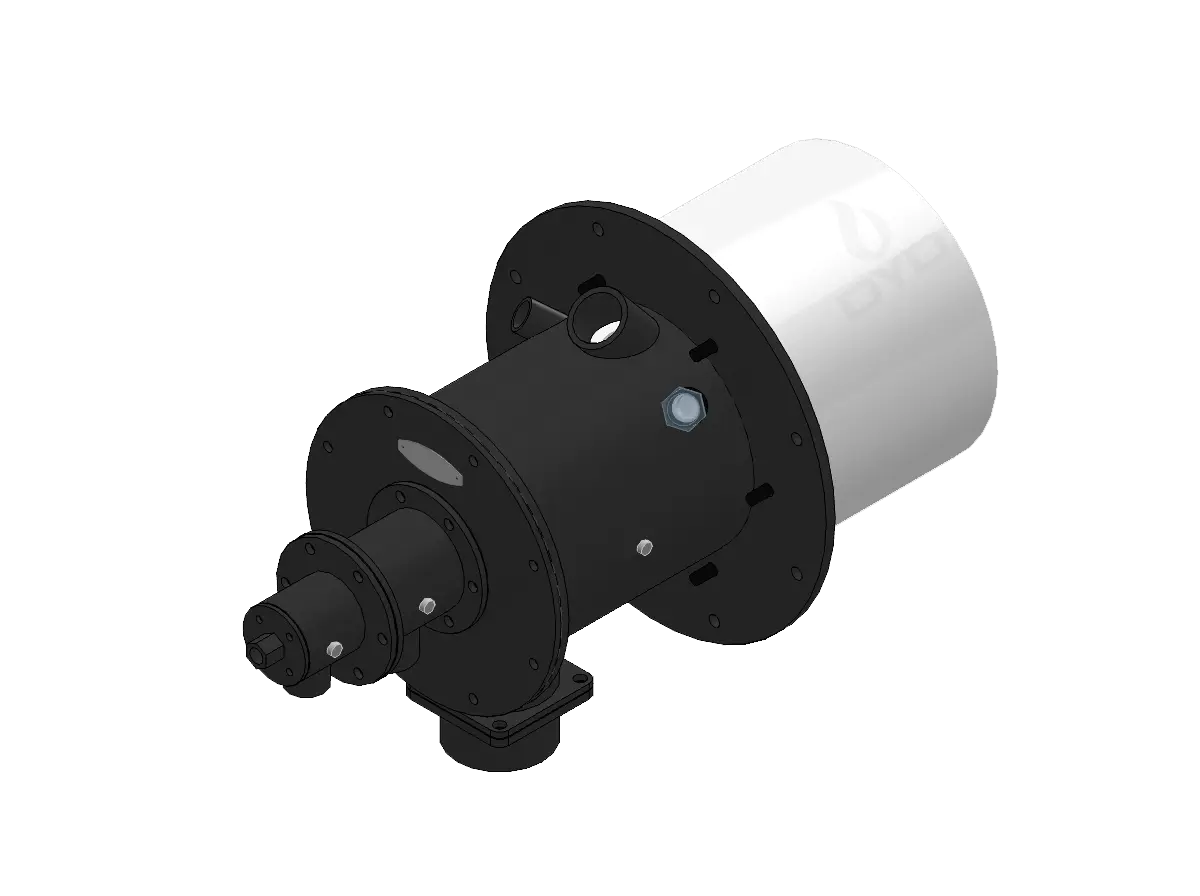
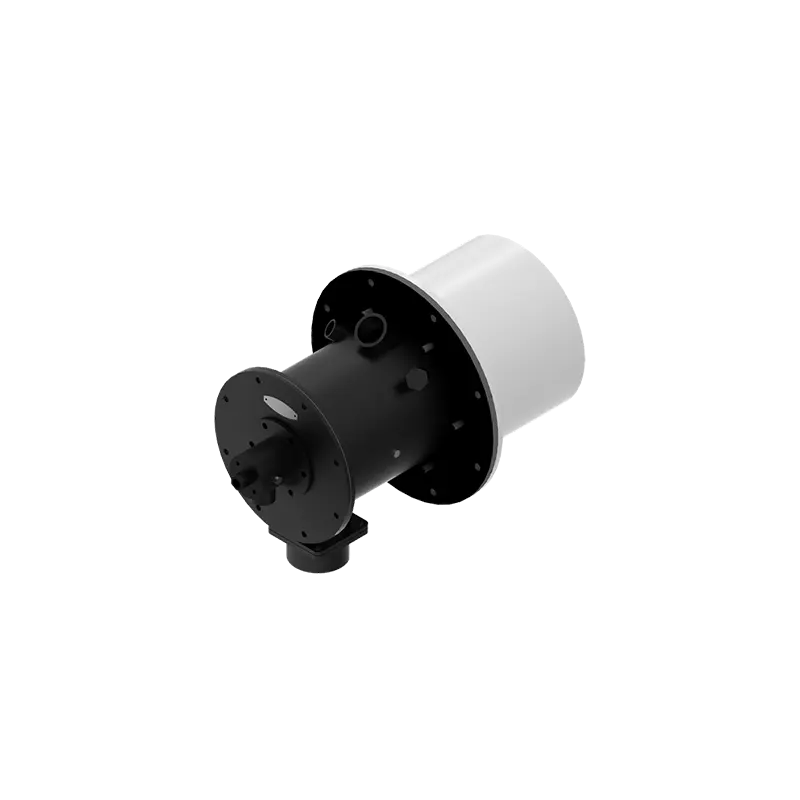
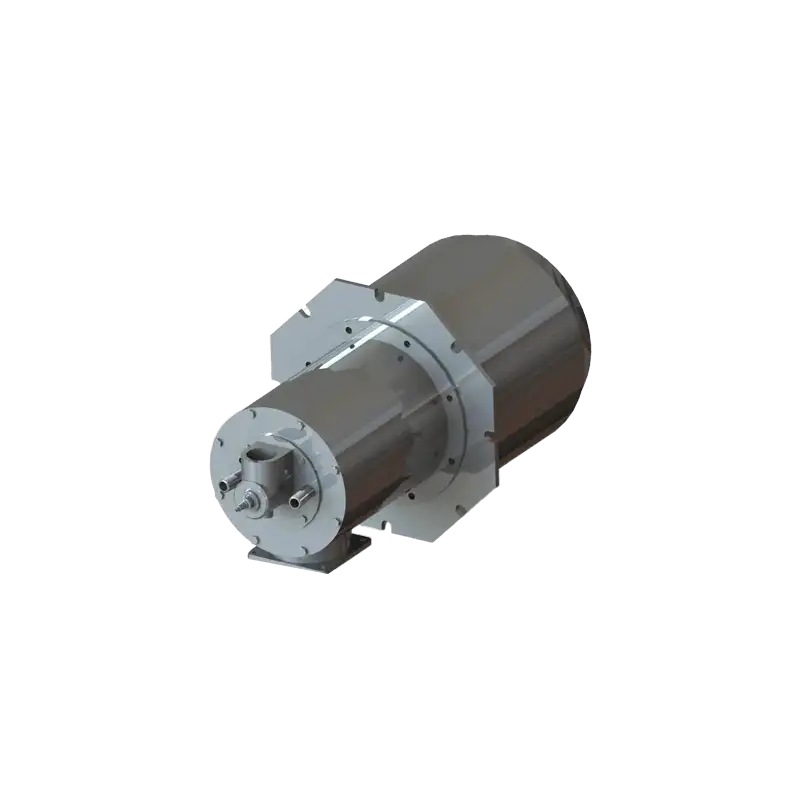
DYDTEC Combustion develops industrial combustion equipment for different furnace, drying, heating, and thermal-process applications.
The company was founded in 2012 and has developed more than 100 burner models covering more than 200 application scenarios. This product and application experience allows burner selection to be considered together with process conditions, furnace geometry, heat load, flame characteristics, and control requirements.
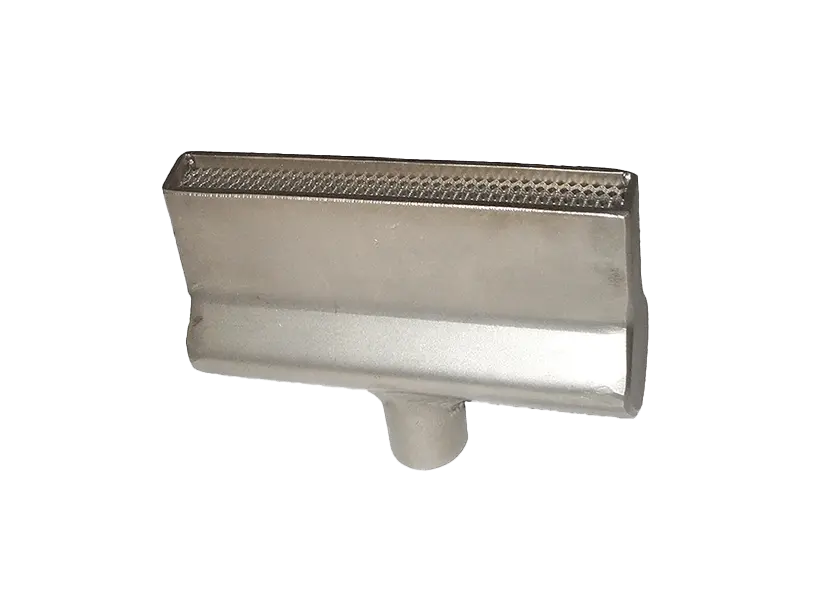
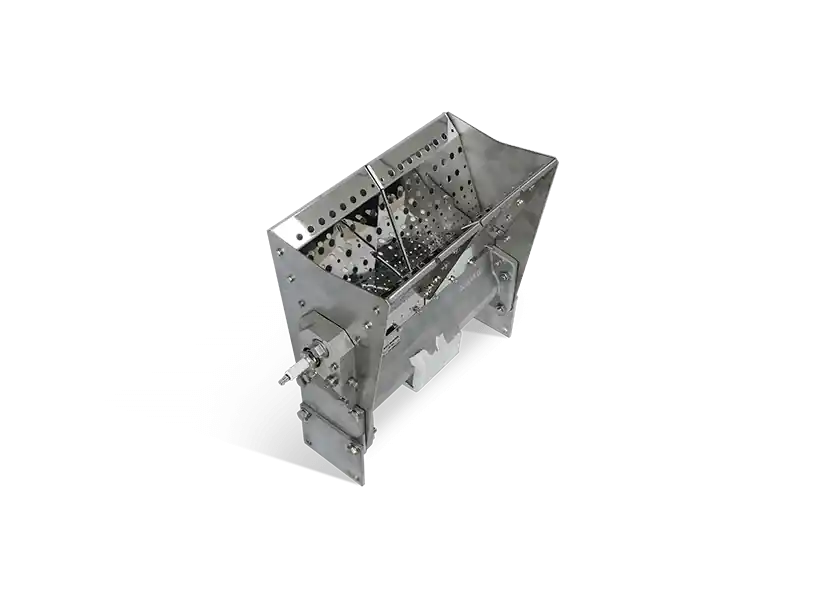
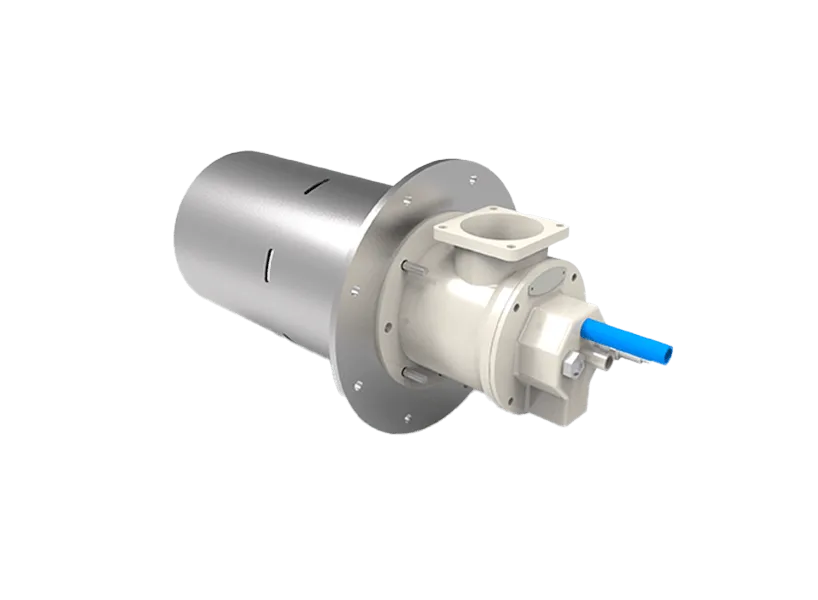
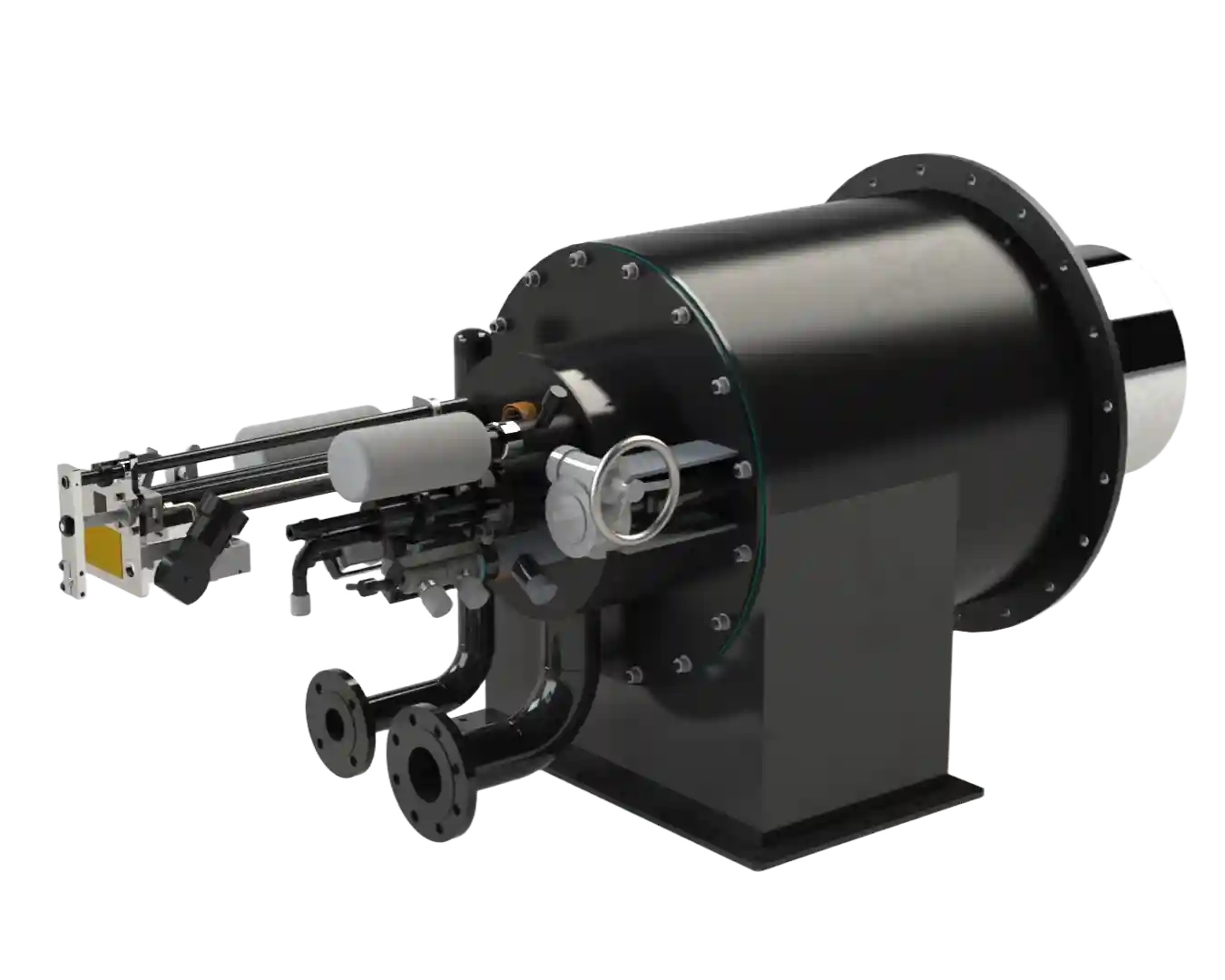
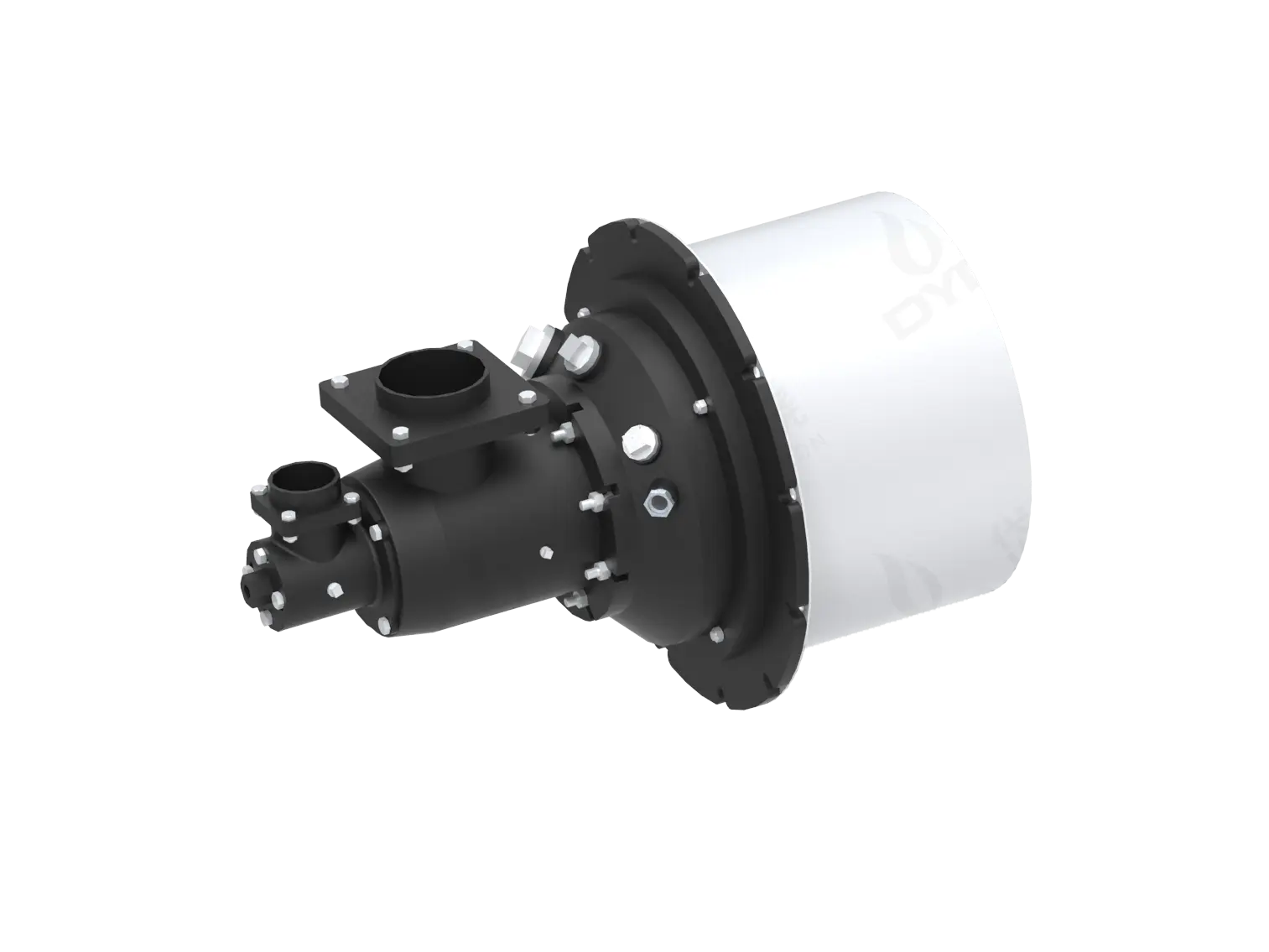
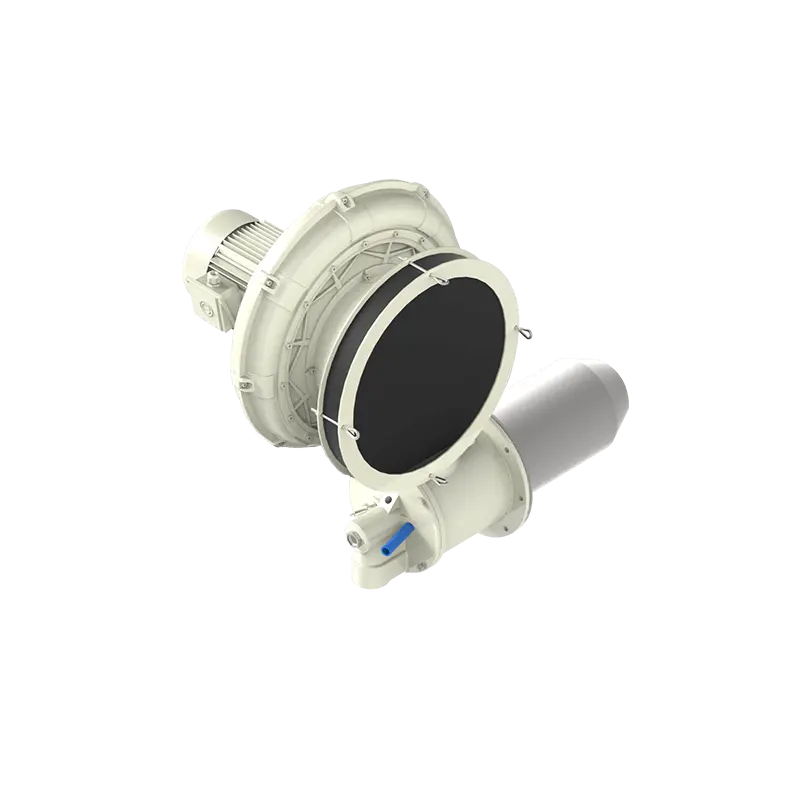
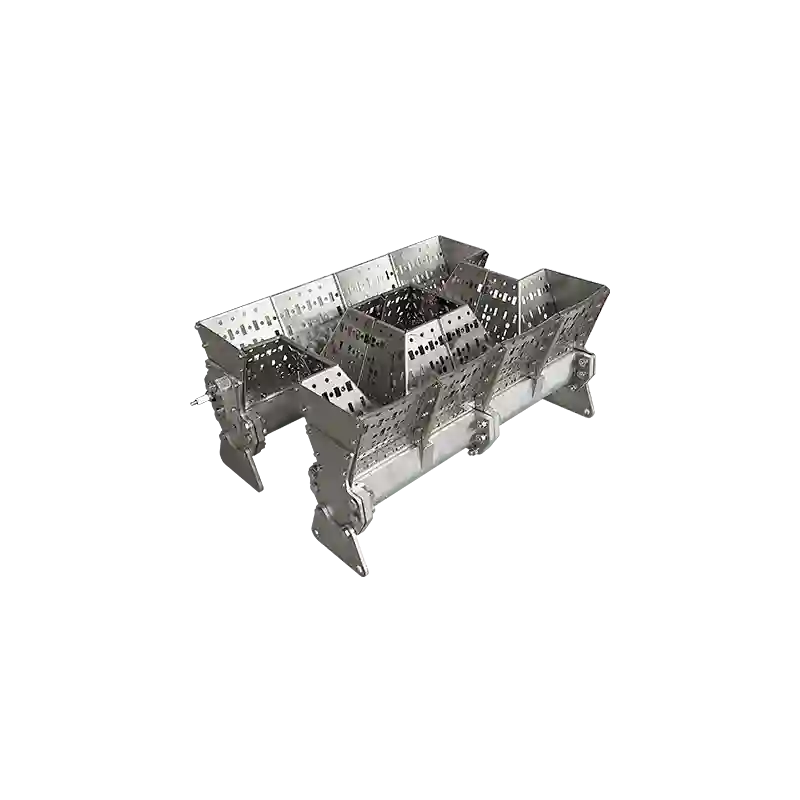
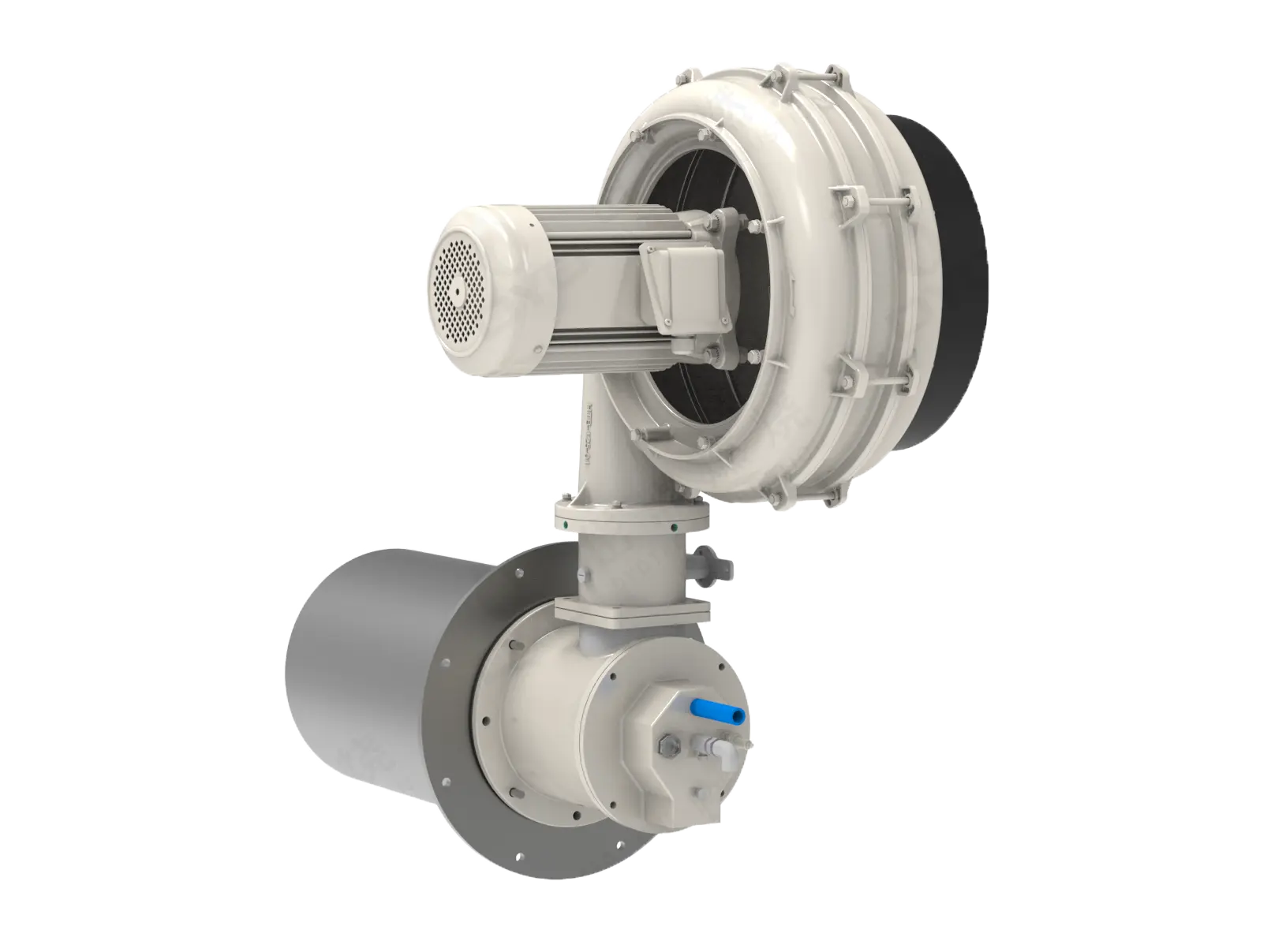
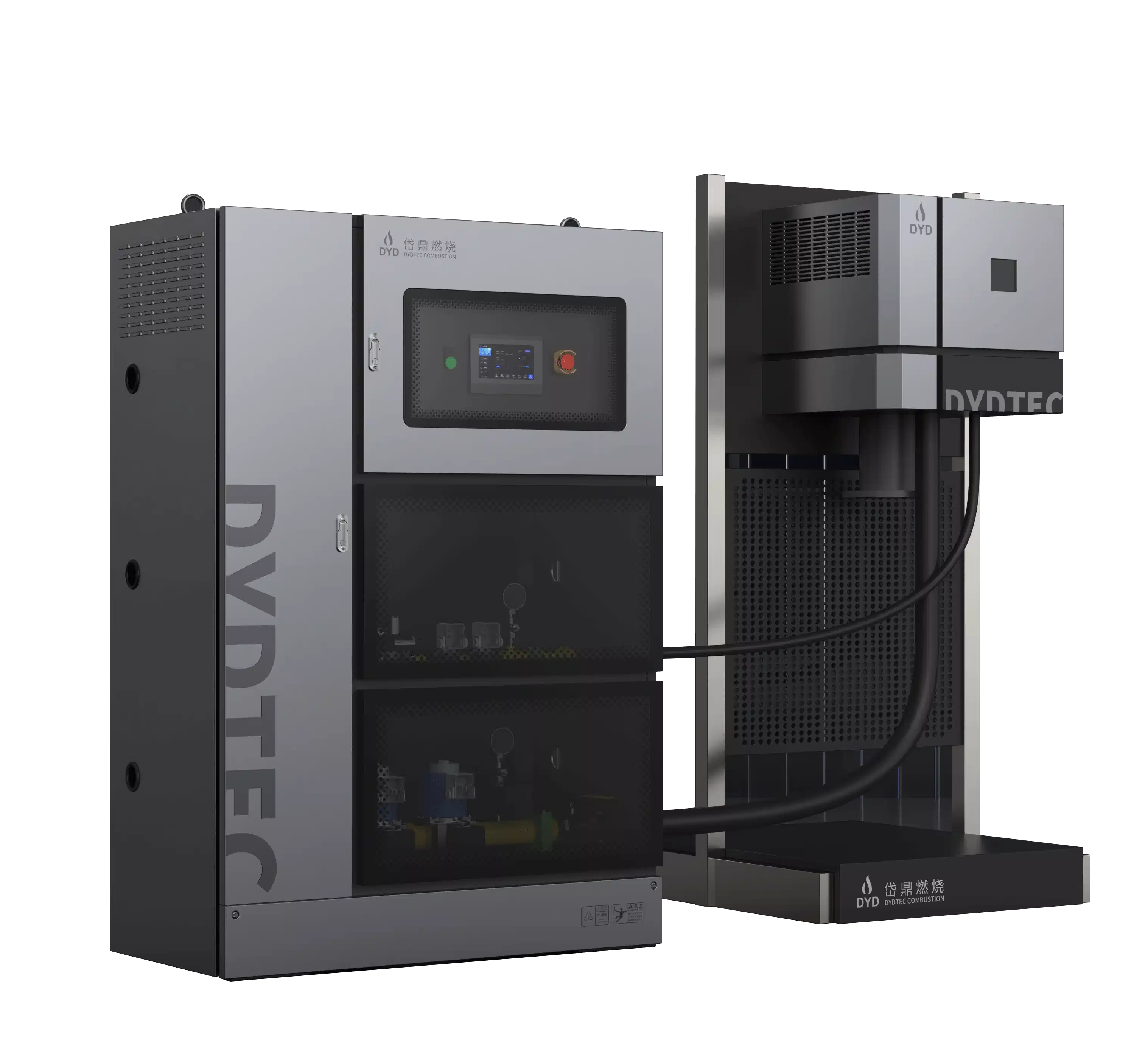
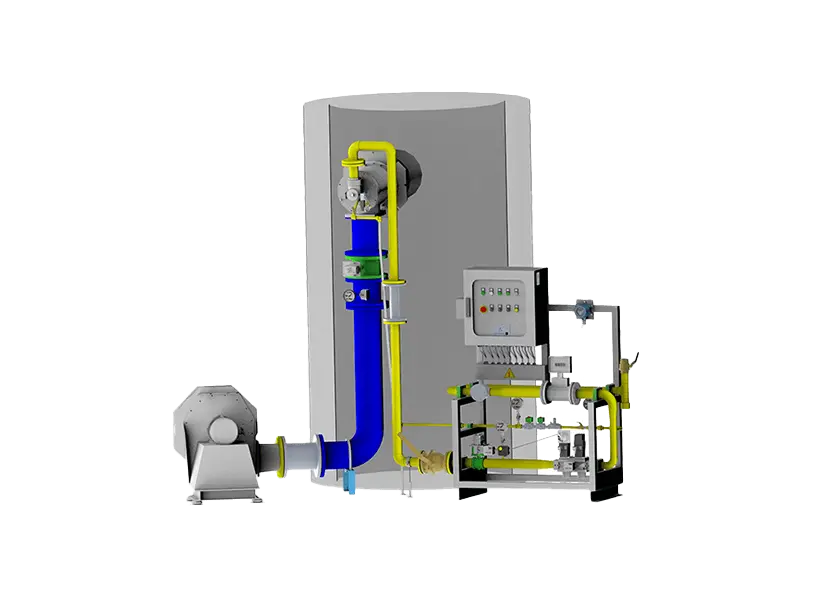
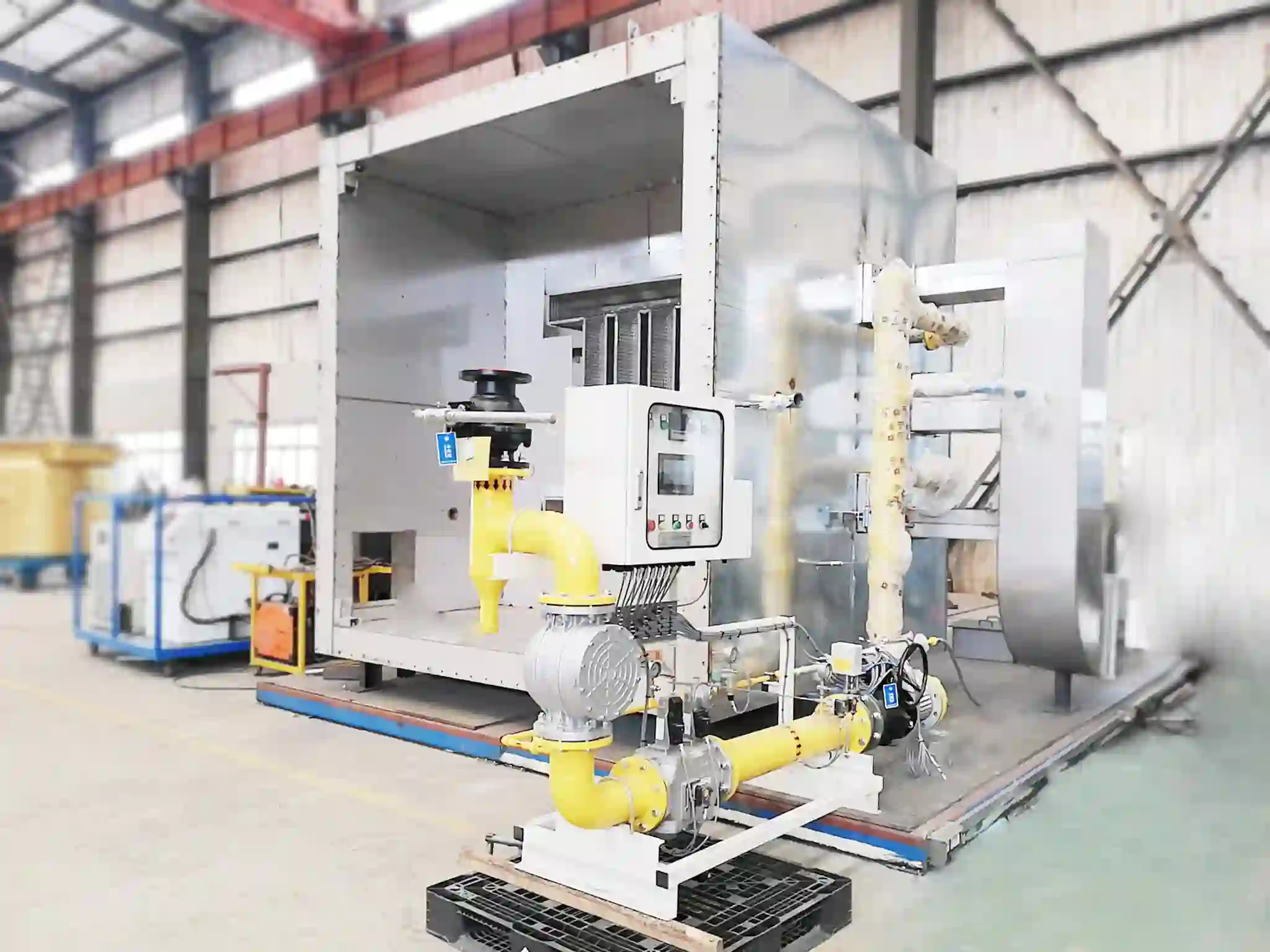
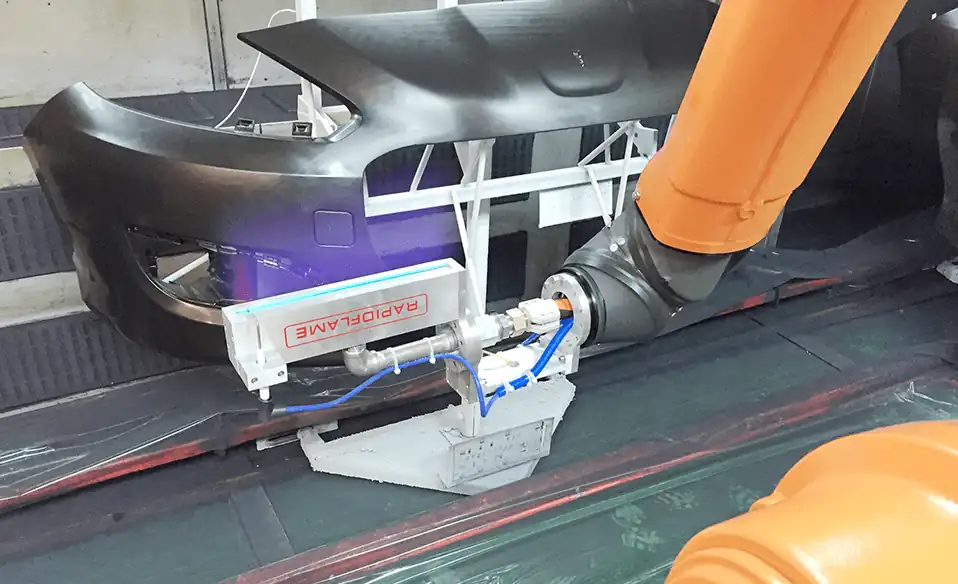
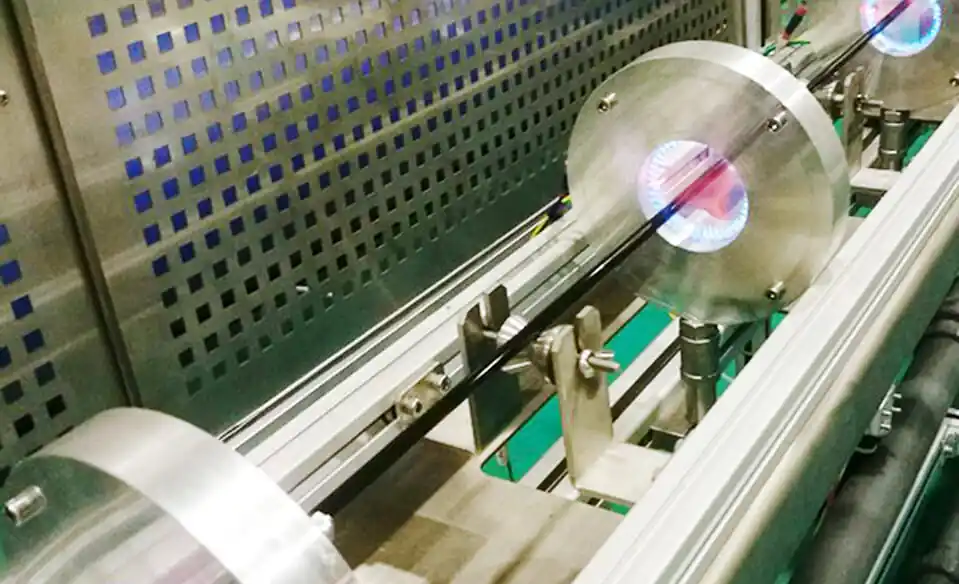
Its combustion solutions include industrial burners, linear burners, thermal air furnaces, and integrated combustion systems.
For OEM equipment manufacturers, this system-level approach is particularly important. The burner should not be treated as an isolated component added after the furnace has already been designed.
Instead, burner capacity, flame shape, installation position, combustion-air requirements, fuel conditions, control strategy, and exhaust arrangement should be considered as part of the equipment design.
DYDTEC Combustion also operates production and R&D bases in Shanghai and Yangzhou and serves customers across more than 50 countries and regions.
No. Reducing unnecessary excess air can reduce exhaust heat loss, but reducing it too far may cause incomplete combustion, higher CO, or flame instability. The objective is an optimized air-fuel ratio rather than the minimum possible air supply.
Not necessarily. An oversized burner may operate at low load for much of the time, making stable control and efficient operation more difficult. Burner capacity should match the actual heat-load requirements of the furnace.
No. A low NOx burner is primarily designed to control NOx formation. Fuel consumption depends on the complete combustion system, including excess air, heat transfer, furnace pressure, exhaust losses, insulation, and operating conditions.
Yes, when the original system has poor air-fuel control or excessive excess air. More accurate control can help maintain an appropriate combustion condition across different operating loads.
Yes. Flame length, diameter, momentum, and heat-release distribution affect how effectively heat is transferred to the furnace and product. A flame must be matched to the furnace geometry rather than optimized independently.
The appropriate maintenance interval depends on the fuel, operating hours, process environment, burner design, and contamination level. Regular inspection should be based on actual operating conditions rather than a universal interval.
Start with measurable operating conditions: fuel pressure and flow, combustion-air flow, excess air, furnace pressure, exhaust temperature, flame condition, burner cleanliness, and control-system settings. This helps determine whether the problem originates from the burner or from the wider furnace system.
Improving burner efficiency is not simply about making the flame hotter or reducing fuel flow.
A truly efficient combustion system must convert fuel into useful process heat while maintaining stable combustion, appropriate excess air, good heat distribution, controlled furnace pressure, low unnecessary exhaust losses, and reliable operation across the required load range.
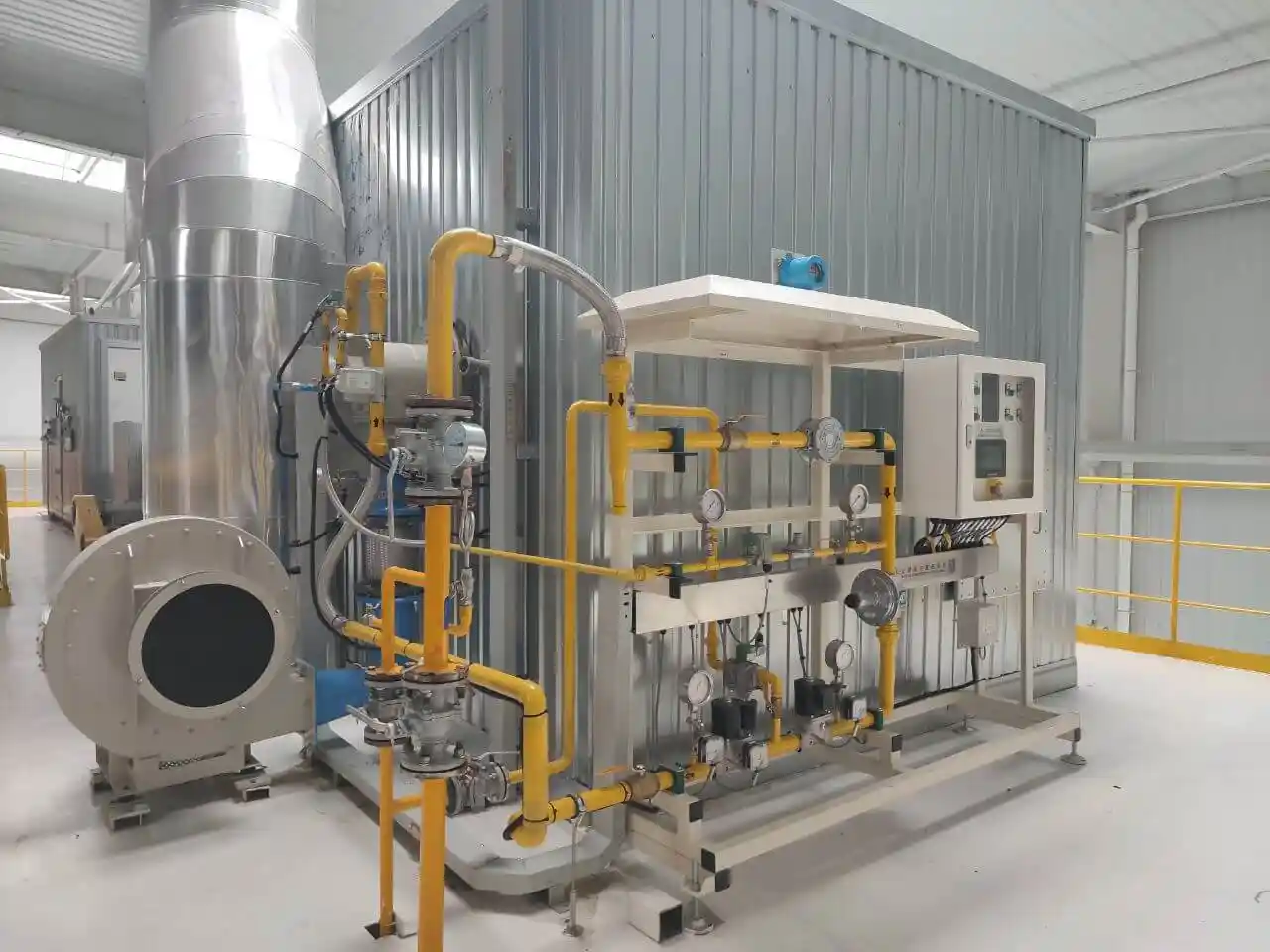
The key is to optimize the burner, furnace, combustion air, fuel system, exhaust system, and control system as one integrated system.
For industrial furnaces, dryers, ovens, kilns, and OEM thermal equipment, correct burner selection and system design can have a significant impact on long-term energy consumption and process performance.