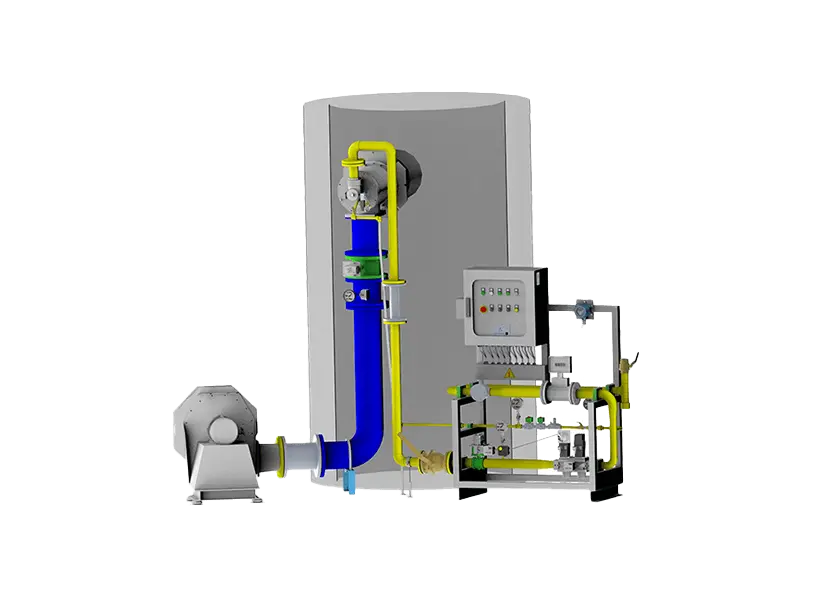
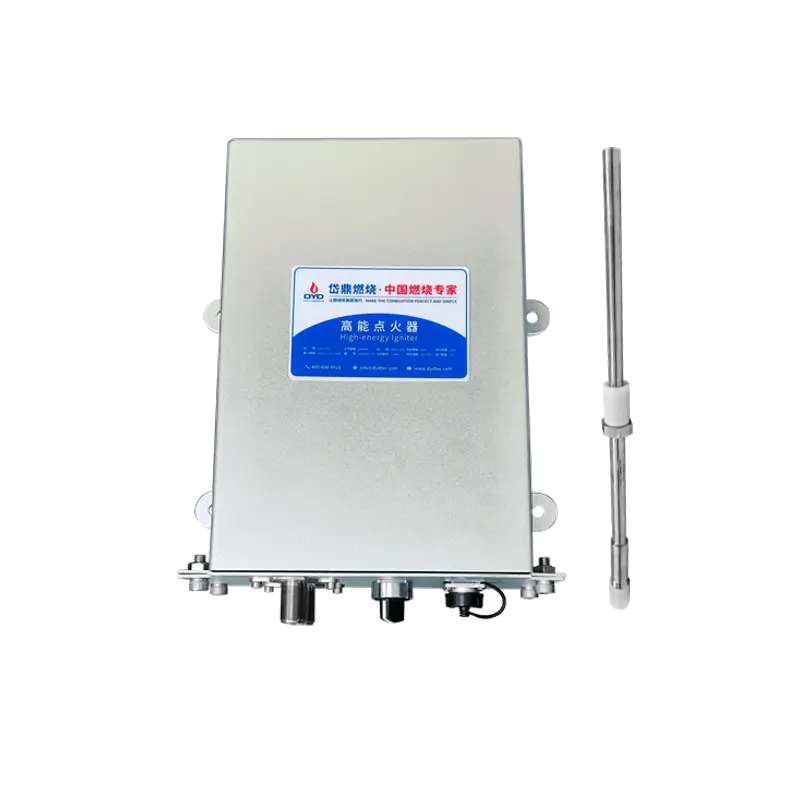
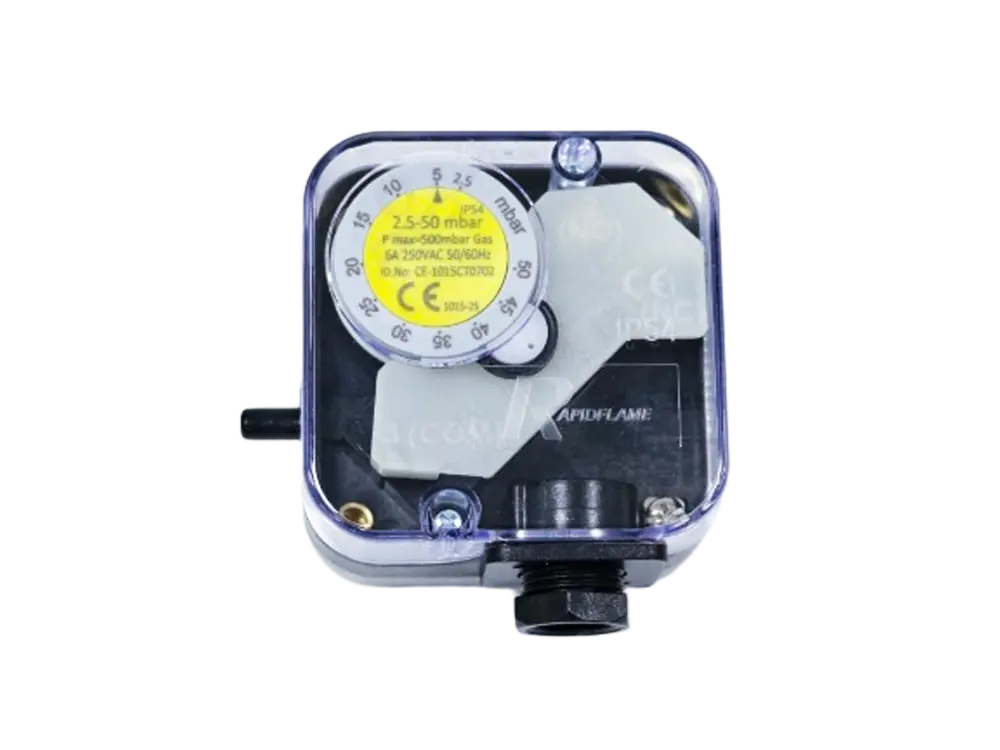
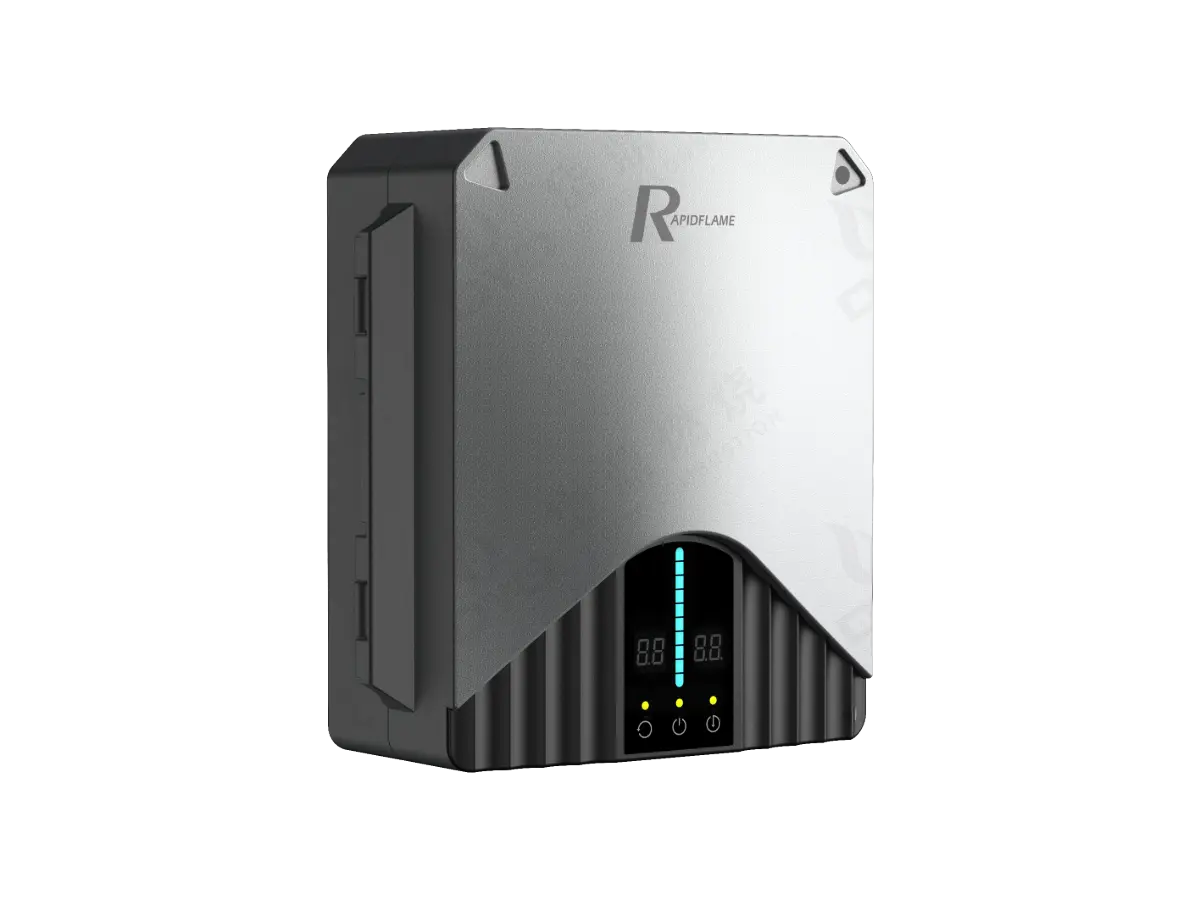
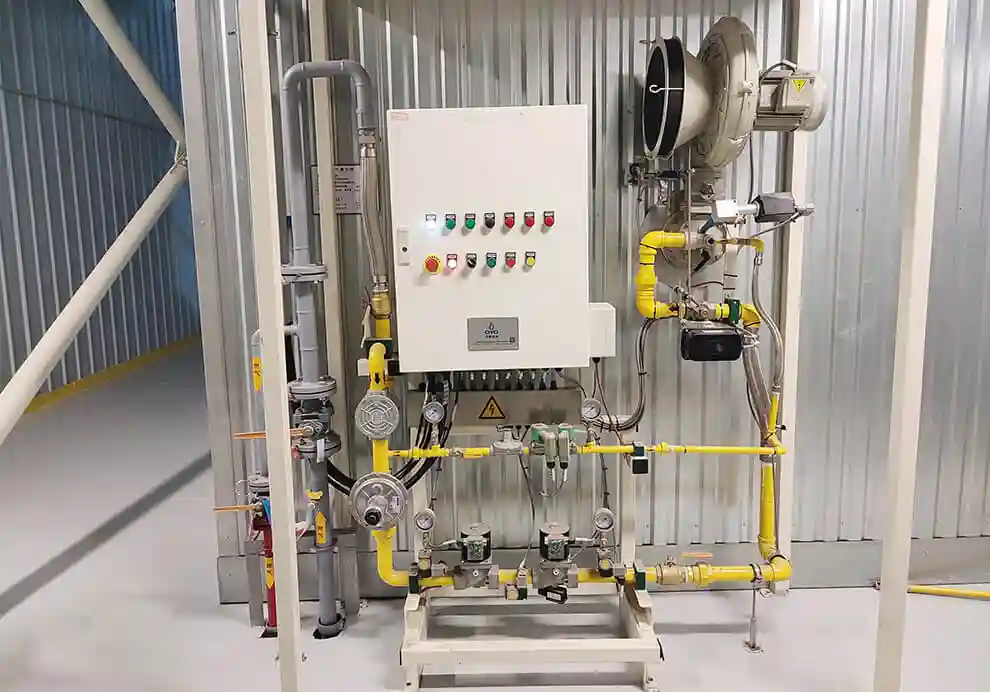
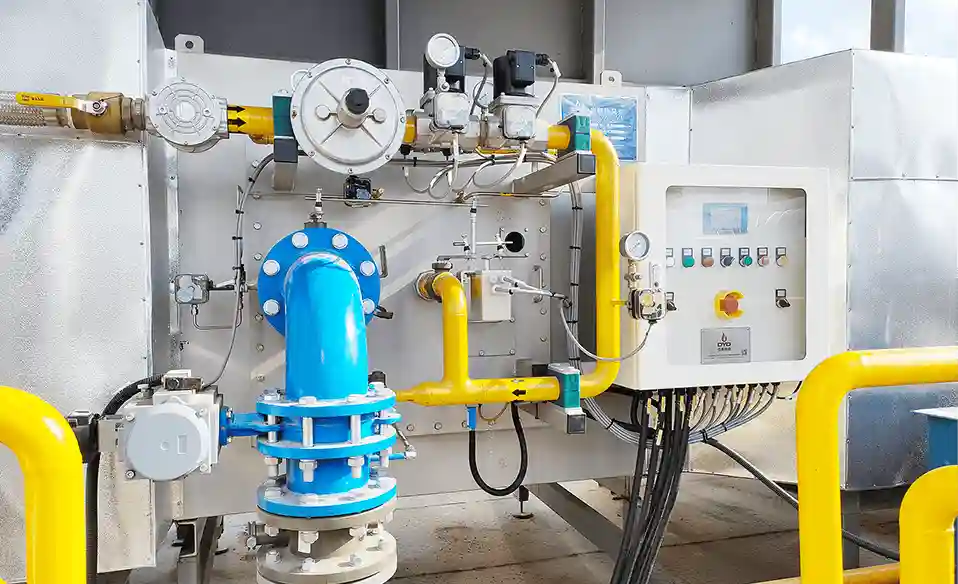
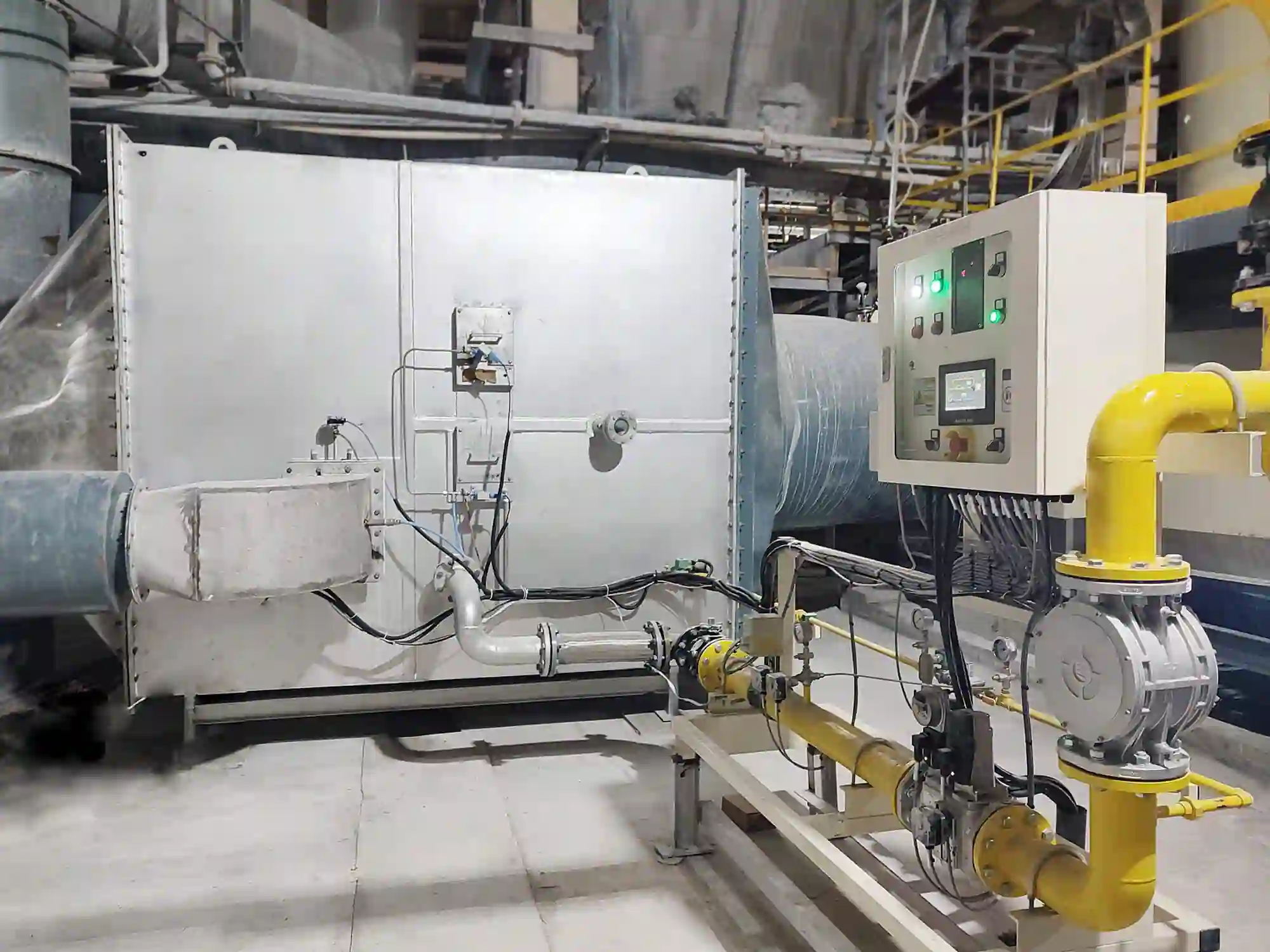
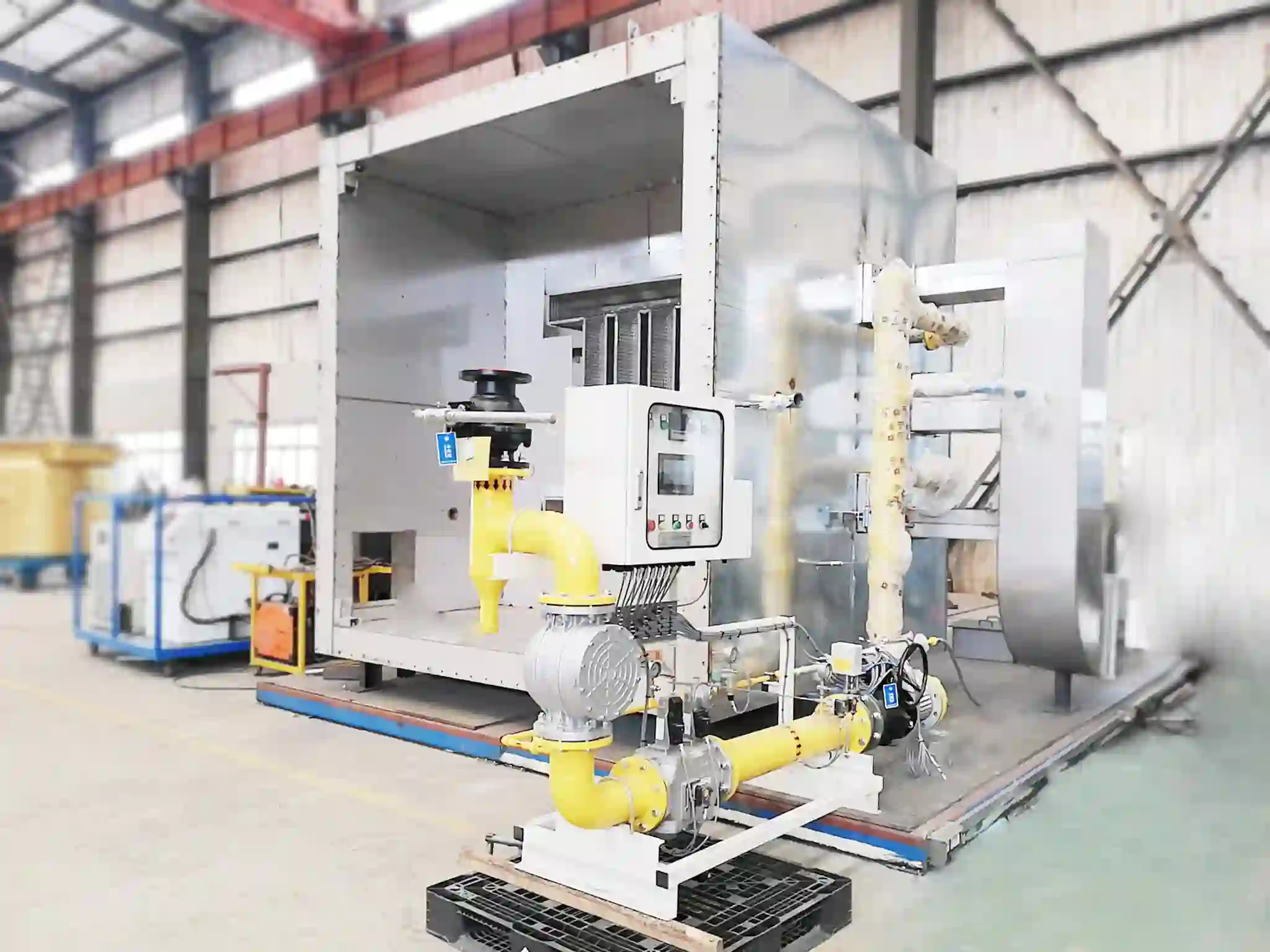
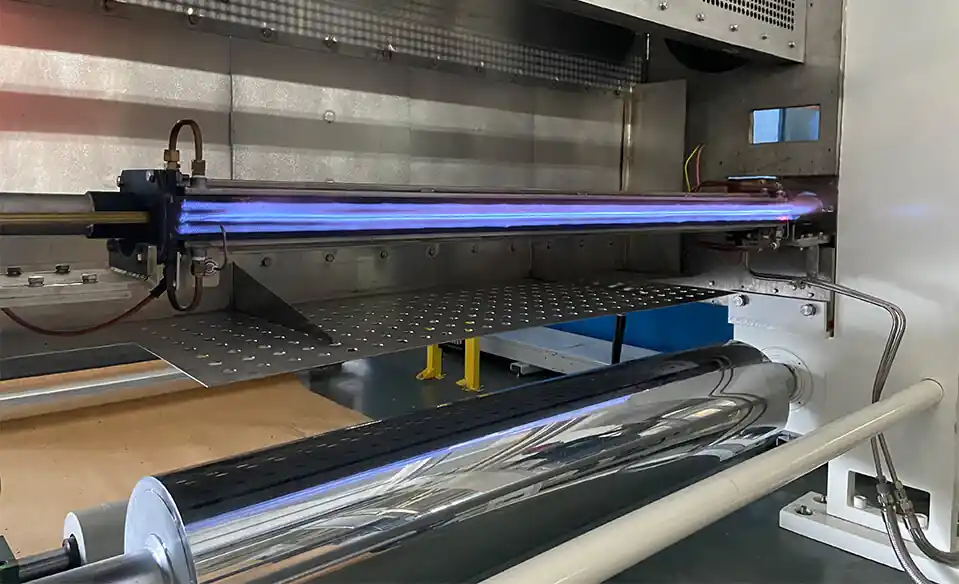
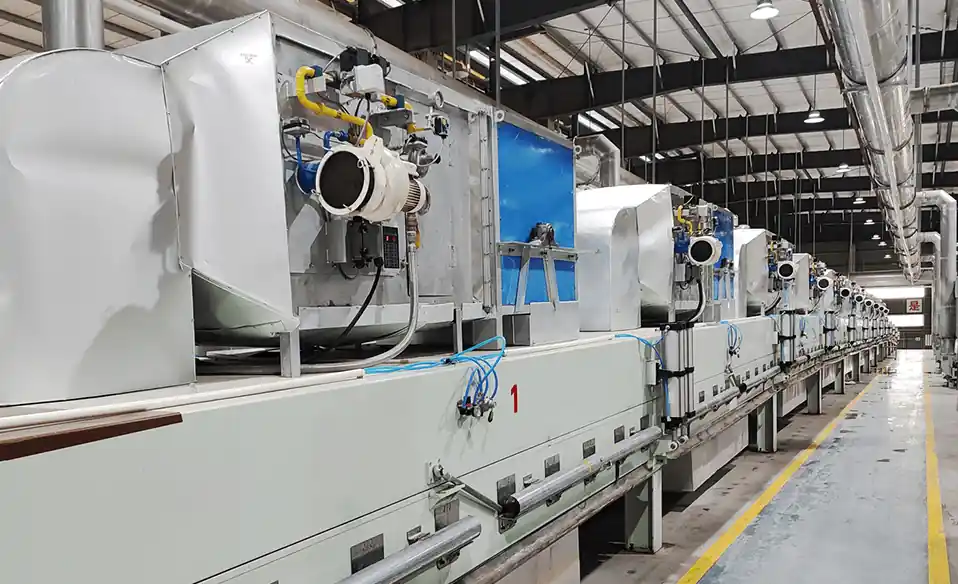
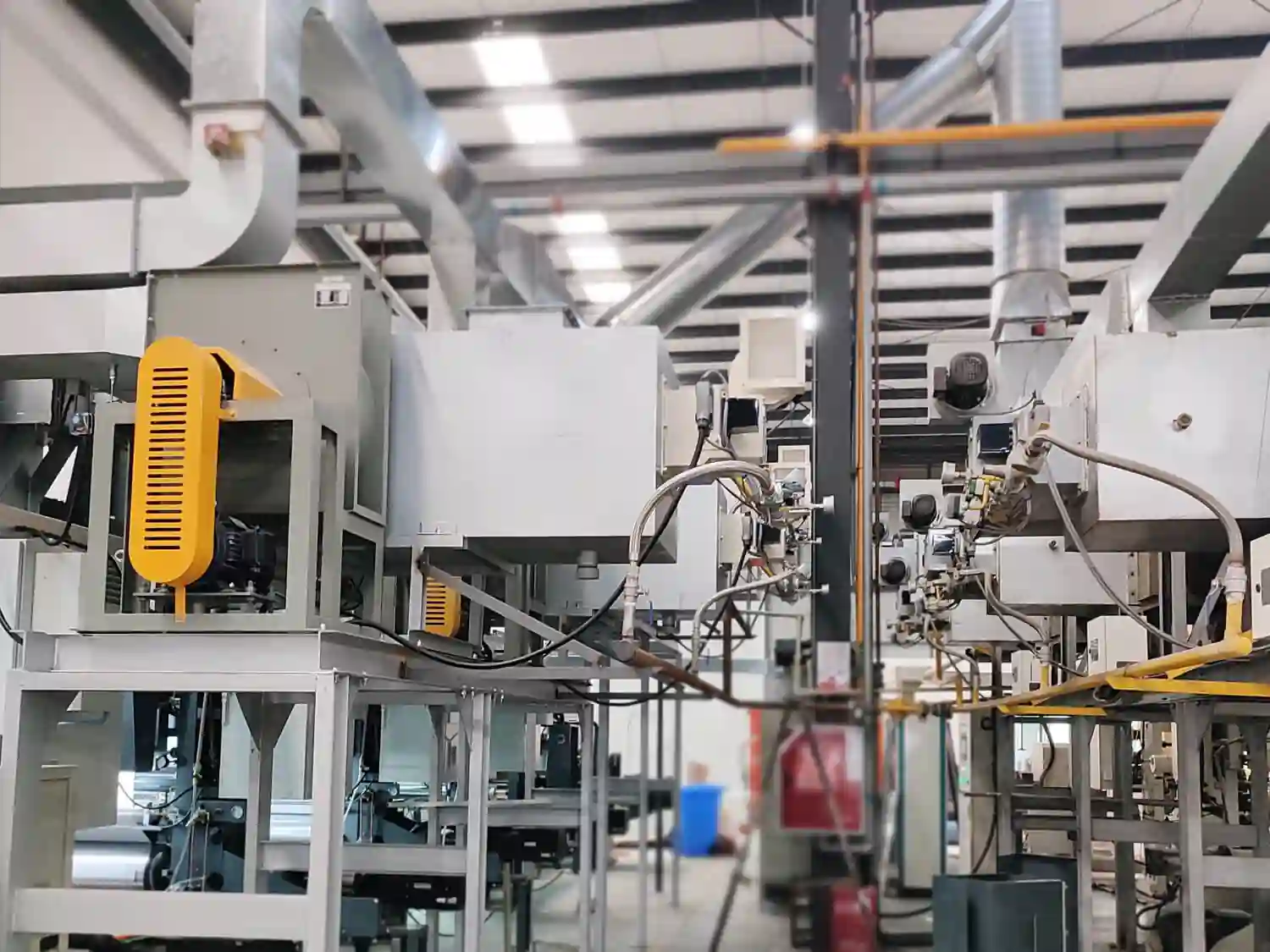
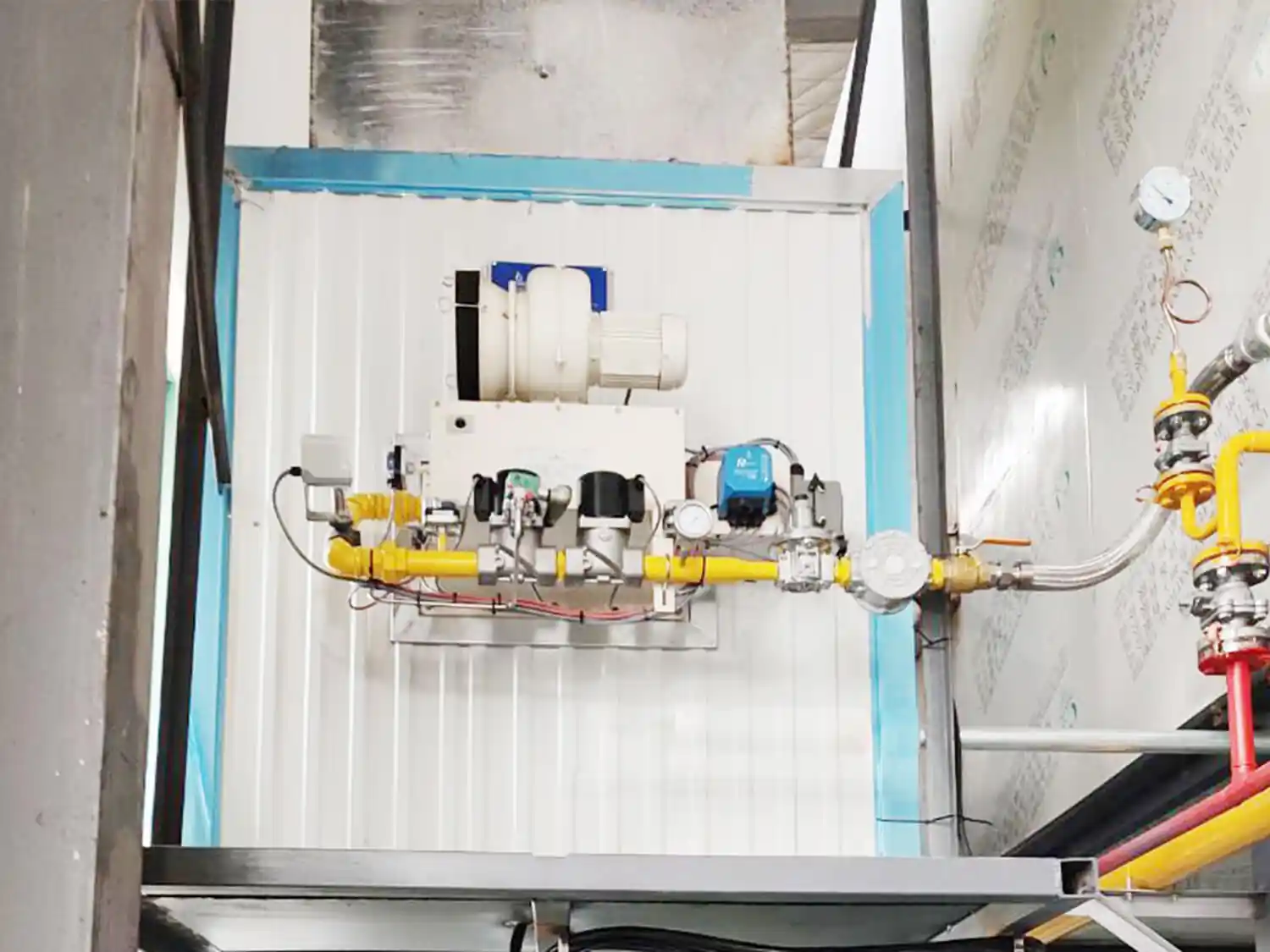
Natural gas is one of the most widely used fuels for industrial heating applications, including furnaces, kilns, ovens, dryers, thermal air heaters, and various process-heating equipment. Its popularity stems from its high calorific value, relatively clean combustion, and stable supply. However, with rising energy costs and increasing environmental regulations, industrial operators face growing pressure to use natural gas more efficiently.
Because fuel consumption directly affects operating costs, many industrial users ask the same question:
How can natural gas consumption be reduced without reducing production capacity or product quality?
This question is deceptively simple. The answer is rarely to simply reduce the burner fuel flow. In fact, turning down the gas valve without addressing the underlying combustion and heat-transfer conditions often leads to longer heating times, lower throughput, or unacceptable product quality. If the furnace fails to reach the required temperature, the production cycle extends, and the total energy per batch may not decrease at all – sometimes it even increases.
A better approach is to adopt a systematic view: identify where natural gas is being lost and optimize the entire heating system. Energy losses can occur at multiple points – in the combustion process, through the exhaust, via furnace walls, or due to poor control strategies. The main opportunities usually include:
Optimizing the air-to-fuel ratio
Reducing unnecessary excess air
Improving burner combustion
Matching burner capacity to the actual heat load
Improving flame shape and heat distribution
Controlling furnace pressure
Reducing exhaust heat loss
Recovering waste heat
Improving furnace insulation
Optimizing temperature control
Maintaining burners and combustion equipment
Selecting the appropriate burner arrangement
These measures are not mutually exclusive; in fact, many of them work synergistically. For example, better combustion control often reduces excess air, which in turn lowers exhaust losses and improves temperature uniformity. The key is to prioritise actions based on the specific condition of your furnace and process.
High natural gas consumption does not necessarily mean that the burner itself is inefficient. A burner that is mechanically sound can still contribute to excessive fuel use if the surrounding system is poorly designed or operated. The actual cause may be somewhere else in the thermal system – for instance, in the air supply, the exhaust arrangement, or the temperature control loop.
Common causes of excessive natural gas consumption include:
Excessive combustion air (too much oxygen)
Incomplete or poorly controlled combustion (unburned fuel or CO)
Oversized burners that cycle frequently
Poor burner turndown (inability to modulate down)
Uneven temperature distribution leading to hot spots and cold spots
Excessive furnace pressure or negative pressure (causing infiltration or exfiltration)
High exhaust temperature (wasting sensible heat)
Air leakage into the furnace (cold air infiltration)
Poor insulation (high wall heat loss)
Inefficient heat transfer (due to flame impingement or poor circulation)
Incorrect temperature control (overheating or underheating)
Burner deposits or damaged components (nozzles, flame detectors)
Excessive startup and shutdown losses (frequent cycling)
Operating the furnace above the required process temperature (safety margin too large)
Therefore, reducing natural gas consumption requires a system-level analysis rather than a quick fix. A structured energy audit, with measurements of oxygen, CO, exhaust temperature, and wall temperatures, can help pinpoint the dominant loss mechanisms. Only after identifying the main culprits can you implement targeted improvements with confidence.
One of the first parameters to investigate is the air-to-fuel ratio. This ratio determines how much combustion air is mixed with the natural gas before ignition. Natural gas requires a specific amount of oxygen for complete combustion – the stoichiometric air requirement is about 9.5 to 10 cubic metres of air per cubic metre of natural gas, depending on the gas composition. However, in practice, some excess air is always needed to ensure complete mixing and stable combustion.
If too little combustion air is supplied, the result may be incomplete combustion, higher CO emissions, unstable flames, unburned fuel, and soot formation. Incomplete combustion not only wastes fuel but also creates safety hazards and may foul the furnace internals. On the other hand, supplying too much air also wastes energy. Every kilogram of excess air that enters the furnace must be heated from ambient temperature to the furnace operating temperature. This heated air then exits through the exhaust system, carrying its sensible heat away from the process.
The additional heat loss due to excess air can be substantial. For example, at a furnace temperature of 1000°C, an increase in excess air from 10% to 50% can raise the exhaust heat loss by roughly 5–8% of the total fuel input. This means that excessive combustion air can increase natural gas consumption even when the flame appears stable and clean.
The goal is therefore not to minimise combustion air as much as possible – that would risk incomplete combustion. The goal is to maintain the appropriate air-to-fuel ratio for stable and complete combustion with minimal unnecessary excess air. Typically, this means targeting an oxygen concentration of 2–4% in the flue gas for natural gas-fired furnaces, though the exact value depends on burner design and process requirements. Using an oxygen trim control system can automatically adjust the air flow based on continuous flue-gas analysis, ensuring the ratio stays optimal as conditions change.
Excess air is one of the most important factors affecting industrial furnace energy consumption. In many older or poorly tuned systems, excess air levels can be as high as 50–100%, far beyond what is needed for stable combustion. Each unit of excess air adds to the exhaust gas volume, which increases the amount of heat carried out of the stack.
Consider a simplified energy balance:
Natural gas + combustion air → flame → process heat + exhaust gas
If the combustion system introduces significantly more air than necessary, the mass flow of exhaust gas increases proportionally. The furnace must then heat a larger volume of gas to the exhaust temperature, which consumes extra fuel. Reducing excessive air can therefore directly reduce natural gas consumption. In practice, lowering excess air from 60% to 15% can cut fuel consumption by 5–10% in many high-temperature applications.
However, the adjustment should be based on actual combustion measurements, not on guesswork. You need a reliable flue-gas analyser to measure oxygen (O₂) and carbon monoxide (CO). Reducing air too much can cause:
High CO emissions (incomplete combustion)
Flame instability and flickering
Flame lift-off or flashback
Poor temperature uniformity across the furnace
Increased safety risks (explosion hazard from unburned gas)
Therefore, the correct approach is to optimise excess air – find the lowest level that still maintains safe and complete combustion, then set the controls accordingly. Regular recalibration of sensors and actuators is essential because burner performance can drift over time due to wear, fouling, or changes in fuel quality.
A burner converts the chemical energy of natural gas into thermal energy. Its combustion efficiency is defined as the percentage of the fuel's lower heating value (LHV) that is released as usable heat within the furnace. Poor combustion – for example, due to poor mixing or improper flame stabilisation – can result in part of the available fuel energy not being effectively converted into useful heat. This can show up as unburned hydrocarbons, CO, or soot in the exhaust.
Burner performance depends on several interrelated factors:
Fuel pressure and fuel flow control
Combustion-air pressure and air flow control
Fuel-air mixing quality (turbulence, burner head geometry)
Burner head design (nozzle type, swirler, diffuser)
Flame stabilisation (pilot, bluff body, or swirl)
Ignition reliability
Flame shape and length
Operating load (turndown position)
Burner cleanliness (absence of deposits)
A properly designed and adjusted burner can provide stable combustion over the required operating range, with low emissions and high efficiency. However, combustion efficiency alone does not determine the overall natural gas consumption of the complete furnace. Even a burner with 99% combustion efficiency can still contribute to high fuel use if the furnace has large exhaust losses or poor heat transfer. That is why we must consider the entire system.
Nevertheless, improving burner combustion – for instance, by upgrading to a modern low-NOx or high-mixing burner – can reduce the amount of unburned fuel and allow operation with lower excess air, which directly improves fuel economy. Regular performance testing is recommended to ensure the burner maintains its designed efficiency over time.
Oversized burners are a common problem in industrial heating equipment. Often, a burner is selected based only on the maximum theoretical heat requirement – for example, the heat needed during cold start-up – even though the furnace operates at a much lower load during most production cycles. This safety margin, while prudent, can lead to chronic inefficiency.
An oversized burner may spend much of its operating time at low load, where combustion stability and control precision can be poor. Low-load operation can cause flame instability, increased CO emissions, and uneven heating. Moreover, the burner will cycle on and off frequently if it cannot modulate low enough, leading to thermal cycling of the refractory and additional heat losses during each purge and relight.
On the other hand, an undersized burner may need to operate close to maximum capacity continuously, leaving no margin for process variations and potentially overheating the burner components. The better approach is to select burner capacity based on the actual heat-load profile of the equipment, considering:
Maximum heat load (start-up, peak demand)
Normal operating heat load (steady-state production)
Minimum heat load (idle or holding periods)
Heating cycle duration (ramp-up, soak, cool-down)
Required process temperature and allowable tolerance
Furnace heat losses at different temperatures
Product load (mass, specific heat, throughput)
Startup requirements (time constraints)
By matching burner capacity to the real demand, you can ensure the burner operates in its most efficient range – typically between 50% and 80% of maximum rating – and reduce unnecessary fuel consumption.
Natural gas consumption is not determined only by maximum burner capacity. Industrial furnaces operate at different loads throughout the production cycle: during warm-up, the required heat input may be high; during temperature holding, it may be much lower. The ability of a burner to reduce its output while maintaining stable combustion is quantified by its turndown ratio – the ratio of maximum to minimum stable firing rate.
A burner with an appropriate turndown ratio can follow the changing heat demand more efficiently, without resorting to frequent on/off cycling or high excess air. For example, a burner with a turndown of 10:1 can operate at 10% of its maximum capacity, whereas a burner with a turndown of 3:1 may have to cycle below 33% load. Cycling introduces purge losses (cold air drawn into the furnace) and transient inefficiencies.
Without sufficient turndown, the system may rely on alternative control methods such as intermittent firing or bypassing fuel, both of which increase fuel consumption. Therefore, when selecting or retrofitting a burner, consider the turndown ratio relative to your typical load variation. Modern burners often achieve turndowns of 20:1 or higher, which greatly improves part-load efficiency, especially in batch processes or processes with frequent load changes.
A furnace does not necessarily become more efficient by simply increasing its average temperature. In fact, uneven temperature distribution is a major source of wasted energy. Suppose one area of the furnace is too cold while another area is already excessively hot. The operator may raise the overall furnace temperature to ensure that the coldest area reaches the required process temperature. This practice – often called "overheating to compensate for poor distribution" – can increase fuel consumption significantly, sometimes by 10–20%.
Better burner arrangement and flame distribution can help create a more uniform temperature field. Factors that affect temperature distribution include:
Burner position (side, roof, floor, or staggered)
Burner angle (aiming, inclination)
Flame length and momentum (penetration)
Burner spacing (density of heat release)
Exhaust position (affects flow patterns)
Furnace geometry (width, height, length)
Internal circulation (convection, recirculation)
Refractory shape and placement
Improving temperature uniformity may allow the furnace to achieve the required product temperature at a lower overall operating temperature, because the minimum temperature is already adequate. This reduces both the heat input and the heat losses (since losses increase with temperature). Using computational fluid dynamics (CFD) modelling can help optimise burner placement and flame characteristics for a given furnace design.
Another straightforward way to reduce natural gas consumption is to avoid operating above the actual process requirement. Every additional degree of furnace temperature increases heat losses through:
Furnace walls (conductive and radiative losses)
Openings (doors, viewports, charge/discharge slots)
Exhaust gases (higher exit temperature)
Doors and seals (radiation through gaps)
Cooling systems (if water-cooled parts are used)
Product itself (overheating can cause metallurgical issues)
The required temperature should be determined by the process specifications – for example, the soaking temperature for a heat treatment, or the drying temperature for a product – rather than by habit or safety margin. Often, operators set temperatures higher than necessary to compensate for sensor inaccuracies or slow control response. Instead, invest in accurate, well-placed thermocouples and tune the controller for tight regulation.
A rule of thumb: for furnaces above 800°C, every 10°C reduction in operating temperature can save approximately 1–2% of fuel, because heat loss through radiation and convection increases roughly with the fourth power of absolute temperature. So even a small reduction can yield meaningful savings.
Furnace pressure can have a surprisingly large effect on fuel consumption. If a furnace operates under excessive negative pressure, cold ambient air is drawn into the furnace through doors, seals, inspection openings, cracks, and material entry/exit points. This infiltration air must be heated to the furnace temperature before it leaves through the exhaust, representing additional energy consumption. In some poorly sealed furnaces, infiltration can account for 10–20% of total heat loss.
Conversely, excessive positive pressure can force hot furnace gases out through openings, carrying away heat and potentially damaging equipment or creating safety hazards. Therefore, furnace pressure should be controlled within a narrow range – typically slightly positive (a few pascals) to prevent cold-air ingress, but not so high that hot gases escape. The optimal setpoint depends on the furnace design and the process.
Modern furnaces often use automatic pressure control dampers or variable-frequency drives on exhaust fans to maintain a stable pressure. A stable pressure condition not only reduces heat loss but also helps maintain predictable combustion, as burner performance can be affected by flue draft variations. Regular inspection of door seals and replacement of worn gaskets is a low-cost measure that pays back quickly.
Exhaust gases can carry a large amount of thermal energy out of an industrial furnace. In many high-temperature processes, the exhaust heat loss can exceed 30–50% of the total fuel input. Two variables are particularly important:
Exhaust gas temperature – the higher the exit temperature, the more sensible heat is lost.
Exhaust gas volume – the larger the flow, the more heat is carried away. This volume is directly affected by excess air and infiltration.
If the exhaust temperature is unnecessarily high – for example, because the furnace is operated hotter than needed or because heat exchange surfaces are fouled – valuable energy is being discharged. If the exhaust volume is excessive because of unnecessary excess air or air infiltration, even more energy may be lost.
Possible solutions include:
Optimising excess air (as covered earlier)
Improving furnace sealing to reduce infiltration
Optimising exhaust control (minimising draft while maintaining safe pressure)
Recovering waste heat (see next section)
Preheating combustion air using a recuperator
Preheating process air or combustion air where appropriate
Installing a heat exchanger to preheat load or other streams
A systematic approach is to measure the exhaust temperature and oxygen content, then calculate the heat loss. This data can guide decisions on whether to reduce excess air, install a recuperator, or modify the furnace operation.
Instead of allowing high-temperature exhaust gases to leave the system directly, waste heat can sometimes be recovered and reused within the process. The most common application is to preheat combustion air. The basic principle is:
Hot exhaust gas → heat exchanger (recuperator or regenerator) → preheated combustion air → burner → furnace
The burner then receives combustion air that already contains useful thermal energy, typically preheated to 300–600°C or higher. This reduces the amount of additional natural gas required to achieve the desired furnace temperature, because the air does not need to be heated from ambient.
Waste-heat recovery is particularly attractive for systems with:
High exhaust temperatures (above 500°C)
Long operating hours (continuous or near-continuous)
Large exhaust volumes (high throughput)
Continuous production (stable conditions)
High fuel costs (economic justification)
For example, in a furnace with exhaust at 800°C, preheating combustion air from 20°C to 500°C can save 15–25% of fuel. However, the heat-recovery system must be compatible with the burner and combustion-control system. It must also be designed to withstand corrosive or dusty exhaust streams. Regular cleaning of heat exchangers is necessary to maintain performance.
In addition to combustion-air preheating, waste heat can be used for pre-drying products, heating water, or cogeneration (electricity and heat). The best option depends on the specific site needs.
Natural gas consumption is also strongly affected by heat loss through furnace walls, roof, and floor. Poor insulation, damaged refractory materials, deteriorated insulation boards, and poorly sealed doors can significantly increase heat loss. Heat loss through walls occurs by conduction through the refractory and insulation layers, then by convection and radiation from the outer shell to the surroundings.
When wall temperatures are higher than necessary – for instance, if the outer shell exceeds 60°C – the furnace continuously loses energy to the ambient environment. In older furnaces, wall losses can account for 10–20% of total energy input. Improving insulation – for example, by adding ceramic fibre blankets, replacing firebrick with high-performance refractory, or installing radiant barriers – can reduce this loss.
This is especially important for furnaces operating continuously at high temperatures. The payback period for improved insulation is often short, particularly when fuel prices are high. Regular inspection of insulation integrity, especially around burner blocks and door edges, can identify hot spots that need repair. Also consider using low-thermal-mass insulation materials that reduce heat storage and allow faster heat-up, which saves energy during intermittent operation.
The number and location of burners can influence energy consumption. Using too few burners may create concentrated heat zones, leading to hot spots and poor uniformity. Using too many burners may increase system complexity, capital cost, and maintenance, and may also make control more difficult because of interactions between flames.
The optimal arrangement depends on:
Furnace geometry (rectangular, circular, tunnel, etc.)
Product arrangement (load shape, position)
Required temperature distribution (target profile)
Heat load (total kW required)
Burner characteristics (flame length, momentum, angle)
Exhaust position (affects flow and pressure)
For large furnaces, zoned burner systems can provide more precise heat control. Instead of supplying the same heat input everywhere, different zones can respond to their actual thermal requirements – for example, zones near the load inlet may need more heat, while zones near the outlet may need less. This zoning reduces overall fuel consumption because you don't overheat one area to compensate for another.
Computational modelling or practical testing can help determine the best number and placement of burners. Also consider using high-velocity burners that promote recirculation and improve uniformity, or radiant-tube burners for indirect heating.
Flame shape is another important factor in furnace efficiency. The flame should fit the available combustion space and transfer heat effectively to the furnace load. A flame that is too long may impinge on furnace walls or products directly, causing local overheating, refractory damage, and increased NOx formation. A flame that is too short may release too much heat close to the burner, creating a hot zone near the burner while other areas remain cold.
The ideal flame depends on the application:
For radiant heating, a long luminous flame may be beneficial to maximise radiation.
For convective heating, a shorter, high-velocity flame may improve turbulence and heat transfer.
For through-firing tunnels, a flame with moderate momentum and length is often desired.
Factors that influence flame shape include:
Flame length and diameter
Flame momentum (velocity and mass flow)
Flame temperature profile
Burner angle (aiming direction)
Furnace dimensions (available volume)
Product position (distance to flame)
Burner design (swirl, nozzle type)
The objective is not to create the largest or hottest flame, but to create the right flame for the furnace and process. Adjusting burner settings – such as air swirl, gas pressure, or nozzle position – can alter flame shape to better match the thermal requirement. Using flame-monitoring cameras or visual inspection (with safety glasses) can help confirm the desired pattern.
An industrial burner should respond to changing heat demand. Poor control can cause unnecessary fuel consumption because the burner may continue supplying more heat than the process requires, or may overreact to temperature changes leading to oscillations. A properly configured combustion-control system can coordinate:
Fuel flow + combustion air + furnace temperature + burner load in a coordinated manner.
Depending on the application, control strategies may include:
On/off control (simple but inefficient for variable loads)
High/low firing (two-stage, better than on/off)
Proportional control (modulating gas and air)
Air-fuel ratio control (cross-limiting or parallel positioning)
Oxygen trim (closed-loop feedback from flue-gas O₂)
Zone control (independent PID loops for each zone)
Cascade control (master temperature loop sets slave fuel/air loops)
The appropriate strategy depends on the furnace and process requirements. For example, a continuous furnace with stable load may benefit from a simple ratio controller, while a batch furnace with wide load swings requires a sophisticated modulating system with oxygen trim. Upgrading the control system can yield fuel savings of 5–15% by improving responsiveness and reducing overshoot. Also ensure that actuators (valves, dampers) are correctly sized and have low hysteresis.
A burner that is clean and properly adjusted is more likely to maintain its intended combustion characteristics. Over time, burner components can experience:
Dust accumulation on air passages or flame stabilisers
Carbon deposits on nozzles and ignition electrodes
Corrosion of metal parts due to high temperatures
Nozzle wear (enlarged or eroded orifices)
Blocked air passages from debris or scale
Damaged ignition components (spark plugs, transformers)
Flame-detector contamination (photocell or UV sensor)
These problems can change the fuel-air mixing characteristics, alter flame shape, increase emissions, and reduce efficiency. For instance, a worn nozzle can increase the fuel flow at a given pressure, effectively raising the firing rate without proper air compensation. Regular maintenance should include checking:
Fuel pressure and flow rates
Combustion-air pressure and flow (using pitot tubes or flow meters)
Burner head condition (cleanliness, wear)
Fuel nozzles (orifice size, spray pattern)
Ignition system (spark strength, position)
Flame detector (sensitivity, alignment)
Valves (leakage, response time)
Actuators (travel, calibration)
Control settings (PID parameters, setpoints)
Flame shape and colour (visual check)
Maintenance is particularly important for burners operating continuously or in dusty industrial environments. A good practice is to establish a maintenance schedule based on operating hours, with more frequent checks for high-duty burners. Record keeping of performance data (e.g., O₂, CO, temperature) helps detect deterioration early.
One of the most important principles of energy optimisation is: Measure first, optimise second. Many plants implement modifications without a baseline, making it impossible to verify savings. Before changing a burner or control system, collect operating data such as:
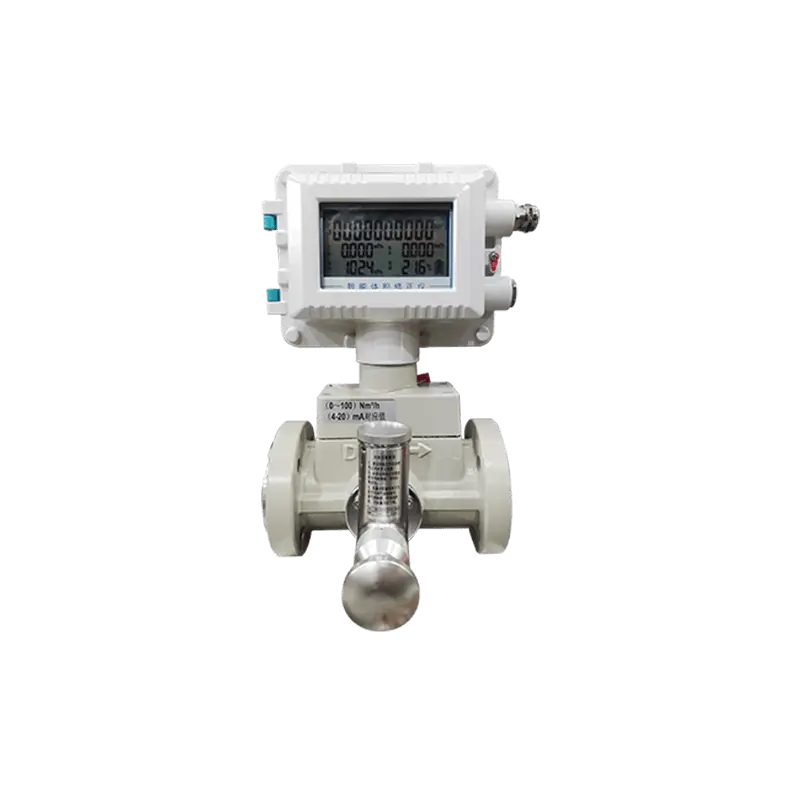
Natural gas consumption (from meters or flowmeters)
Production output (tonnes, batches, or units)
Furnace temperature (average and zoning)
Exhaust temperature (at stack or after heat exchanger)
O₂ concentration in flue gas
CO concentration (for completeness)
Furnace pressure (draft)
Combustion-air flow (or fan speed)
Fuel pressure and temperature
Burner load (firing rate)
Natural gas consumption should ideally be evaluated relative to production, because total daily consumption can vary with throughput. For example, natural gas consumption per ton of product or per batch is more meaningful than total daily consumption. This helps distinguish genuine energy savings from changes caused by production volume.
After implementing changes, continue to monitor the same parameters over a comparable period (same product mix, ambient conditions, etc.) to quantify the improvement. Use statistical methods (e.g., linear regression) to account for variables like outdoor temperature or production rate. This rigorous approach provides credible evidence for management and supports further investment.
A burner is only one part of an industrial thermal system. A simplified system can be represented as:
Natural gas → fuel system → burner → flame → furnace → product → exhaust
Energy can be lost at every stage. For example:
Poor fuel control → combustion inefficiency (unburnt gas)
Excess air → exhaust losses (wasted heat)
Poor flame distribution → uneven heating (overheating required)
Furnace leakage → cold-air infiltration (extra heat load)
Poor insulation → wall heat loss (radiation to ambient)
Excessive exhaust temperature → waste heat (stack loss)
Poor process control → unnecessary heating (over-temperature)
Therefore, replacing the burner alone may not produce the expected fuel savings if the real problem lies elsewhere – for instance, in the furnace insulation or exhaust system. A holistic approach involves examining all components and their interactions. Often, the greatest returns come from addressing the largest loss mechanism first. For example, if infiltration is the main issue, sealing doors and controlling pressure may yield bigger savings than installing a new burner.
In practice, it is wise to conduct a comprehensive energy audit that covers combustion, heat transfer, insulation, controls, and operation. The audit report should prioritise actions based on cost-effectiveness (e.g., simple payback). Then implement improvements in stages, measuring results at each step to validate the approach.
There is no universal percentage that applies to every industrial furnace. Potential savings depend heavily on the original operating condition and the specific process. A furnace that is already well-optimised – with precise combustion control, good insulation, effective heat recovery, and accurate temperature regulation – may have limited room for further improvement, perhaps only 2–5%. On the other hand, a poorly maintained furnace with excessive excess air, leaky doors, and missing insulation may have savings opportunities of 20–30% or even more.
The most useful approach is to identify the largest energy-loss mechanisms and address them first. For example:
High excess air → optimise combustion ratio (savings: 5–15%)
High exhaust temperature → investigate heat recovery and process conditions (savings: 10–25% with recuperation)
Cold-air infiltration → improve sealing and pressure control (savings: 5–15%)
Uneven temperature → optimise burner arrangement (savings: 5–10%)
Large load fluctuations → improve burner turndown and control (savings: 5–10%)
High wall temperature → improve insulation (savings: 5–15%)
This targeted approach is generally more effective than applying the same modification to every furnace. A site with multiple furnaces should conduct individual audits because each unit may have different age, design, and operating patterns. The cumulative savings across a plant can be substantial, often justifying the audit cost many times over.
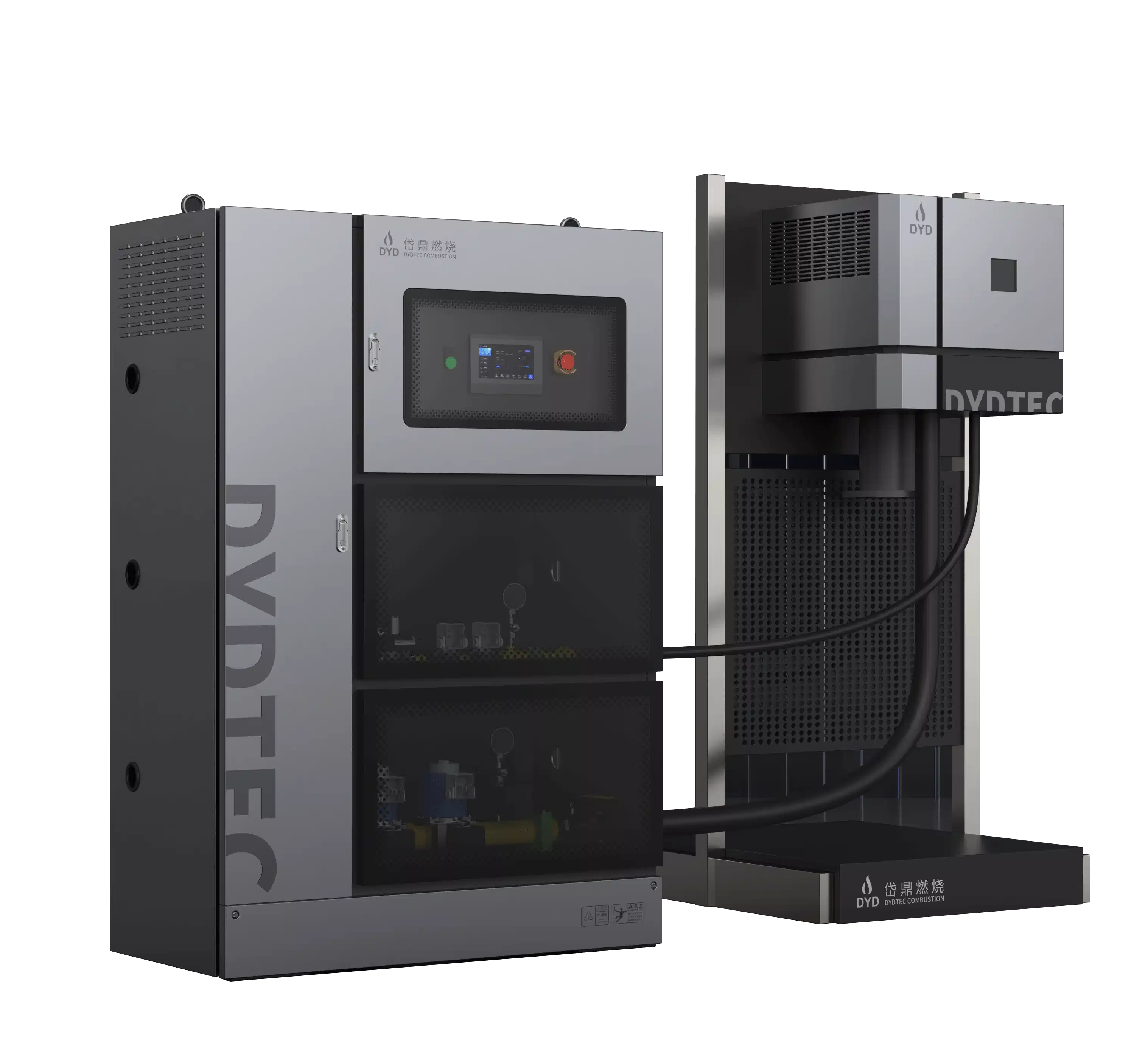
DYDTEC Combustion provides industrial burners and integrated combustion solutions for applications including industrial heating, drying, ovens, furnaces, kilns, and thermal air systems. With more than 100 burner models and more than 200 application scenarios, DYDTEC Combustion can approach burner selection from the perspective of the complete thermal process rather than looking only at burner capacity.
For OEM equipment manufacturers, this means considering the burner together with furnace geometry, heat load, flame characteristics, combustion air, fuel conditions, temperature requirements, and control strategy. DYDTEC's engineering team can assist with system design, burner selection, and control integration, ensuring that each component works harmoniously. They also offer after-sales support, including commissioning, tuning, and maintenance training.
DYDTEC Combustion has production and R&D bases in Shanghai and Yangzhou and serves customers across more than 50 countries and regions. Their experience across diverse industries – from metal heat treatment to ceramic kilns, and from food drying to chemical reactors – enables them to share best practices and tailor solutions to specific process needs.
For an industrial furnace, reducing natural gas consumption is usually not about finding a single “fuel-saving burner.” It is about creating a combustion system in which the available fuel energy is converted into useful process heat with as little unnecessary loss as possible. DYDTEC's holistic approach aligns with this philosophy, offering both standard and customised burners that can be integrated into new or existing systems.
The first areas to check are usually excess air, exhaust temperature, furnace pressure, temperature settings, burner loading, and heat distribution. These parameters can reveal major energy losses without immediately requiring equipment replacement. Often, simple adjustments – such as reducing excess air from 50% to 15% or sealing door gaps – can produce quick savings within days.
Not necessarily. If the furnace then takes longer to reach the required temperature or fails to maintain product temperature, total gas consumption may remain unchanged or even increase. The key is to maintain the same heat input rate while reducing losses, or to reduce the firing rate only when the load allows (e.g., during holding periods).
Yes. Excessive combustion air increases exhaust gas volume and therefore increases the amount of heat leaving the furnace through the exhaust system. In addition, higher excess air can lower flame temperature, which may reduce radiant heat transfer and force the burner to fire longer. Optimising excess air is one of the most cost-effective measures.
It can, particularly when the existing burner has poor combustion control, inadequate turndown, poor mixing, or significant deterioration. However, the furnace, exhaust system, controls, and insulation should also be evaluated. A new burner in a poorly insulated furnace will not achieve its full potential. A system-wide upgrade often yields better returns.
Yes. Excessive negative pressure draws cold air into the furnace, increasing the heat load. Excessive positive pressure pushes hot gases out, wasting energy. Maintaining a slight positive pressure (e.g., 0.5–2 mmH₂O) is generally recommended for most furnaces, but the optimal value depends on the design and process.
No. Low NOx technology primarily addresses NOx emissions, often by staging combustion or reducing flame temperature. These methods may or may not improve efficiency. Some low-NOx burners require higher excess air, which can reduce fuel economy. Fuel savings depend on the complete combustion and heating system; efficiency and emissions are separate concerns, though modern low-NOx designs can combine both.
It can be, especially for systems with high exhaust temperatures (above 500°C), high exhaust flow, and long operating hours. The economic and technical feasibility depends on the actual operating conditions – including fuel price, system complexity, maintenance costs, and available space. A simple payback calculation (investment cost / annual savings) helps decide. Many recuperative systems pay back in 1–3 years.
Gas consumption should ideally be compared with production output, such as gas consumption per ton, per batch, or per unit of product. This provides a more meaningful measure of process efficiency than total gas consumption alone. Also account for ambient temperature and other variables. Use trending charts and statistical analysis to confirm that savings are real and sustained.
Typically, a phased approach works best. Start with the largest loss mechanism (e.g., excess air) and implement that change, measuring the impact. Then move to the next (e.g., insulation). This avoids interactions that can complicate analysis. However, when changes are interdependent (e.g., combustion control and burner replacement), they may be implemented together as part of a system upgrade.
Reducing natural gas consumption is not simply a matter of reducing burner output. Simply turning down the fuel valve often shifts the problem elsewhere – longer cycles, lower quality, or higher reject rates. The most effective strategy is to reduce unnecessary heat loss while maintaining complete combustion, stable operation, and the required process conditions.
The key opportunities include:
Optimise the air-to-fuel ratio
Reduce unnecessary excess air
Improve burner mixing and combustion
Select the correct burner capacity
Use an appropriate turndown ratio
Improve flame distribution
Optimise burner arrangement
Control furnace pressure
Reduce exhaust heat loss
Recover waste heat
Improve insulation
Avoid unnecessary overheating
Improve combustion control
Maintain the burner regularly
In other words:
Better combustion + better heat transfer + better control + lower heat loss = lower natural gas consumption.
For industrial furnaces, kilns, ovens, dryers, and OEM thermal equipment, the greatest energy-saving opportunities often come from optimising the complete combustion system rather than changing one component in isolation. A systematic approach, supported by accurate measurements and expert guidance, can deliver significant and lasting reductions in natural gas usage, improving both profitability and environmental performance.