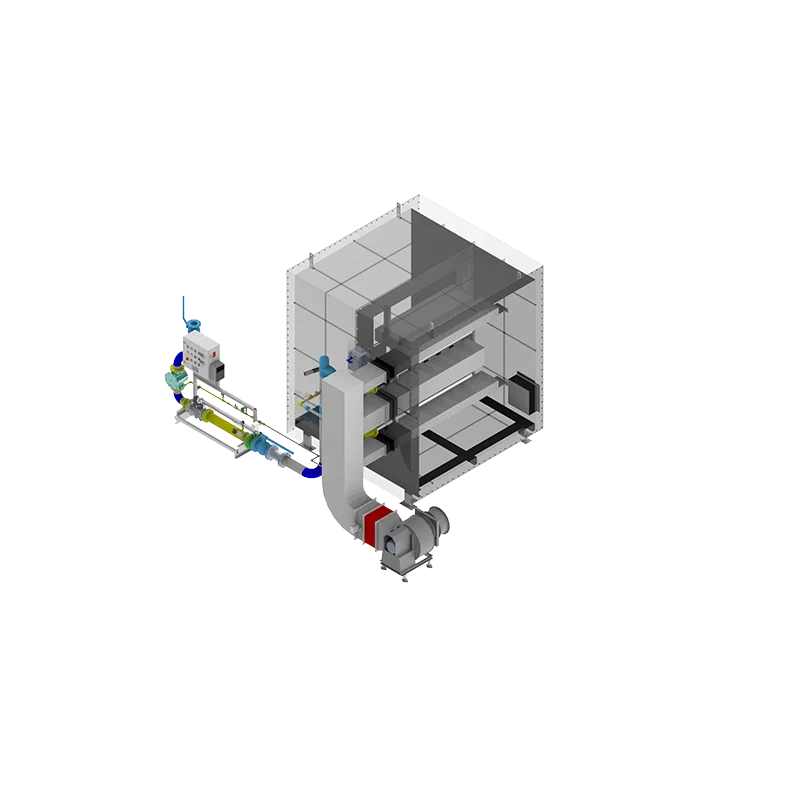
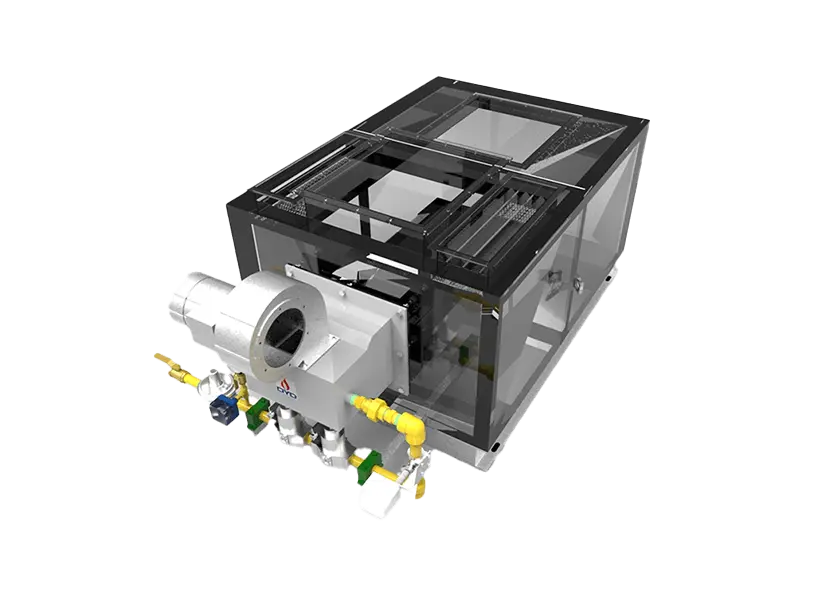
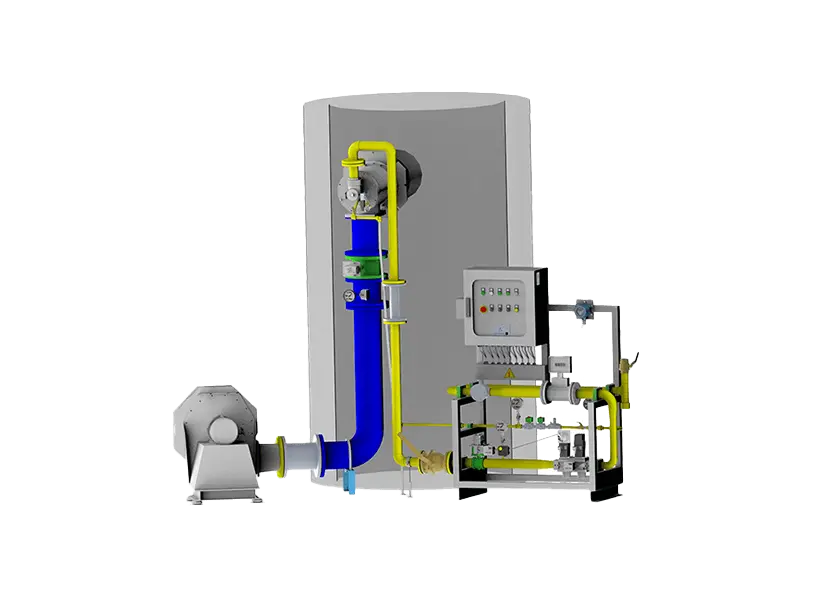
Heat recovery is one of the most effective ways to improve energy efficiency in industrial heating systems. Instead of allowing high-temperature exhaust gases to leave the furnace or heating chamber and carry useful energy away, a heat recovery system captures part of that thermal energy and puts it back into the process. This reduces the amount of fresh fuel that must be burned to maintain the required temperature, lowering operating costs and reducing emissions.
This principle is particularly important in industrial furnaces, ovens, dryers, hot air generators, heat treatment equipment, and other systems that operate continuously at elevated temperatures. In many high-temperature processes, exhaust gases leave the system at several hundred degrees Celsius, carrying a substantial fraction of the fuel energy that was originally supplied. Without recovery, that energy is simply discharged to the atmosphere.
But how exactly does heat recovery improve efficiency? What happens to fuel consumption, combustion performance, and overall heat utilization when waste heat is recovered? The answer begins with understanding where energy is lost in an industrial heating system.
When fuel is burned, the released chemical energy is converted into thermal energy. Ideally, as much of this heat as possible should be transferred to the material or process being heated. In practice, however, part of the energy leaves the system through exhaust gases, and additional heat is lost through furnace walls, openings, cooling systems, and other pathways.
A simplified energy balance can be expressed as:
Fuel Energy = Useful Heat + Exhaust Heat Loss + Wall Losses + Other Losses
Exhaust heat loss can be significant because combustion gases may leave the furnace at temperatures considerably higher than the surrounding environment. For example, if a furnace operates at a high temperature and the exhaust gases still leave the system at several hundred degrees Celsius, a considerable amount of sensible heat is being discharged. In high-temperature furnaces, exhaust losses can account for 30–50% of the total fuel input.
Without heat recovery, this energy is effectively lost to the environment. With heat recovery, part of that energy can be transferred back into the heating process. The goal is not to eliminate exhaust losses entirely—some exhaust flow is necessary to remove combustion products—but to reduce the amount of useful energy that leaves the system without contributing to the process.
Heat recovery means capturing thermal energy from a hot exhaust stream and using it for another useful purpose instead of releasing it directly to the atmosphere. In combustion systems, recovered heat can commonly be used to:
Preheat combustion air
Preheat process air
Heat incoming gases
Produce hot air for drying
Support another stage of the production process
Reduce the amount of fuel required to reach the target temperature
The basic concept is simple:
Hot exhaust → Heat exchanger or recovery device → Useful incoming energy
The recovered heat does not create additional energy. Instead, it reduces the amount of new fuel energy that the system needs to supply. In effect, heat recovery improves the overall utilization of the energy already contained in the fuel.
Heat recovery can be applied in several forms. It may be integrated directly into the burner, as with recuperative or regenerative burners, or it may use a separate heat exchanger installed in the exhaust duct. The recovered heat may also be used elsewhere in the plant, such as for preheating raw materials, drying, or space heating. The best configuration depends on the process, the exhaust conditions, and the economic trade-offs.
One of the most common heat recovery methods in industrial combustion is combustion-air preheating. A conventional burner draws relatively cool combustion air from the surrounding environment. The fuel must provide enough energy not only to heat the process material but also to raise the combustion air to the required flame and furnace temperature. If the combustion air is already hot when it enters the burner, less fuel energy is required to reach the same furnace conditions.
For example:
Cold combustion air → Burner → Flame
can be changed to:
Hot recovered air → Burner → Flame
The burner therefore receives air that already contains useful sensible heat. This can reduce the fuel required to achieve a particular thermal load, provided that the combustion system is properly designed for the higher air temperature.
In practice, preheating combustion air to 300°C can reduce fuel consumption by roughly 10–15% in many high-temperature applications. Preheating to 500°C can save 15–25% or more, depending on the furnace temperature, exhaust conditions, and heat exchanger effectiveness. These figures are not universal, but they illustrate the potential magnitude of the benefit. The actual savings depend on the specific system, and the burner must be compatible with the preheated air temperature and pressure.
Exhaust temperature is one of the key factors determining the potential for heat recovery. The higher the exhaust temperature and the larger the exhaust flow, the greater the amount of thermal energy that may potentially be recovered. A simplified relationship for sensible heat is:
Q = m × Cp × ΔT
where:
Q = recoverable sensible heat
m = mass flow rate of exhaust gas
Cp = specific heat capacity
ΔT = usable temperature difference
This does not mean that all exhaust heat can be recovered. Practical systems are limited by heat exchanger performance, material temperature limits, pressure drop, condensation, corrosion, process requirements, and other engineering factors. For example, the exhaust gas cannot be cooled below its acid dew point without risking corrosion, and the combustion air can only be preheated to a temperature that the burner and associated materials can tolerate.
Nevertheless, the equation illustrates an important principle: a large volume of hot exhaust gas represents a potentially valuable energy source. The higher the exhaust temperature and flow, the greater the opportunity for recovery, provided that the system is designed to handle the resulting conditions.
The main efficiency benefit comes from reducing the amount of fresh fuel energy required by the process. Consider a simplified example. Suppose a furnace requires a certain amount of useful heat to maintain its operating temperature. In a conventional system, combustion air enters at ambient temperature. If a heat recovery system raises the combustion-air temperature using furnace exhaust, part of the required heating energy is supplied by recovered heat rather than by additional fuel.
The overall energy flow becomes:
Fuel + Recovered Heat → Heating Process
instead of:
Fuel → Heating Process
This can reduce specific fuel consumption, particularly in processes with high exhaust temperatures and long operating hours. The actual savings depend on furnace design, operating temperature, exhaust temperature, air-fuel ratio, heat exchanger effectiveness, production load, and operating conditions. In general, the larger the temperature difference between the exhaust gas and the incoming combustion air, and the more hours the system operates, the greater the cumulative benefit.
Not necessarily. Heat recovery can improve the energy efficiency of the overall heating system, but the burner and heat recovery system must be designed to work together. For example, preheated combustion air changes several burner operating conditions:
Combustion-air temperature increases
Air density decreases
Air volume requirements can change
Flame characteristics may change
Flame temperature may increase
NOx formation behavior may change
Burner materials may experience higher thermal loads
Therefore, simply adding a heat exchanger to an existing burner system does not automatically guarantee the desired result. In some cases, the burner may need to be replaced or modified to handle the higher air temperature. The control system may also need to be updated to maintain the correct air-fuel ratio as air density changes.
The burner, combustion-air system, furnace geometry, exhaust system, and control system should be considered as an integrated system. When properly designed, heat recovery can deliver substantial fuel savings. When poorly integrated, it can cause instability, emissions problems, or equipment damage.
Preheating combustion air generally increases the amount of sensible heat entering the combustion zone. This can affect flame temperature and heat transfer characteristics. Higher combustion-air temperature can improve thermal efficiency, but excessively high flame temperatures may create challenges related to NOx emissions, refractory life, flame stability, and equipment durability.
This is why industrial burner selection is closely connected with heat recovery design. A burner designed for ambient-temperature combustion air may not behave identically when supplied with highly preheated air. Depending on the application, the combustion system may require adjustments to:
Burner design
Air-fuel ratio
Flame velocity
Fuel pressure
Combustion-air pressure
Flame monitoring
Control logic
Low-NOx combustion strategy
In some cases, a higher flame temperature improves radiant heat transfer to the load, which can be beneficial. In other cases, the increase in NOx may require additional combustion staging or flue-gas recirculation. The optimal balance depends on the process, fuel, and emissions limits.
Heat recovery can contribute to lower CO₂ emissions when it reduces fuel consumption. For a combustion system using natural gas, for example, burning less fuel to produce the same useful thermal output generally means lower direct CO₂ emissions from fuel combustion.
The basic relationship is straightforward:
Lower fuel consumption → Lower fuel-related CO₂ emissions
However, the actual environmental benefit depends on the fuel type, operating conditions, recovery efficiency, and the complete energy balance of the system. If heat recovery requires additional electrical power for fans or pumps, that indirect energy use should also be considered. In most cases, the fuel savings are much larger than the additional electrical consumption, so the net CO₂ reduction is positive.
Heat recovery should therefore be evaluated as part of the overall thermal system rather than as an isolated component. When integrated properly, it can reduce both operating costs and carbon emissions, making it an attractive option for industrial facilities facing energy and environmental targets.
Several heat recovery approaches are used in industrial heating applications. Each has advantages and limitations, and the best choice depends on the process requirements and system constraints.
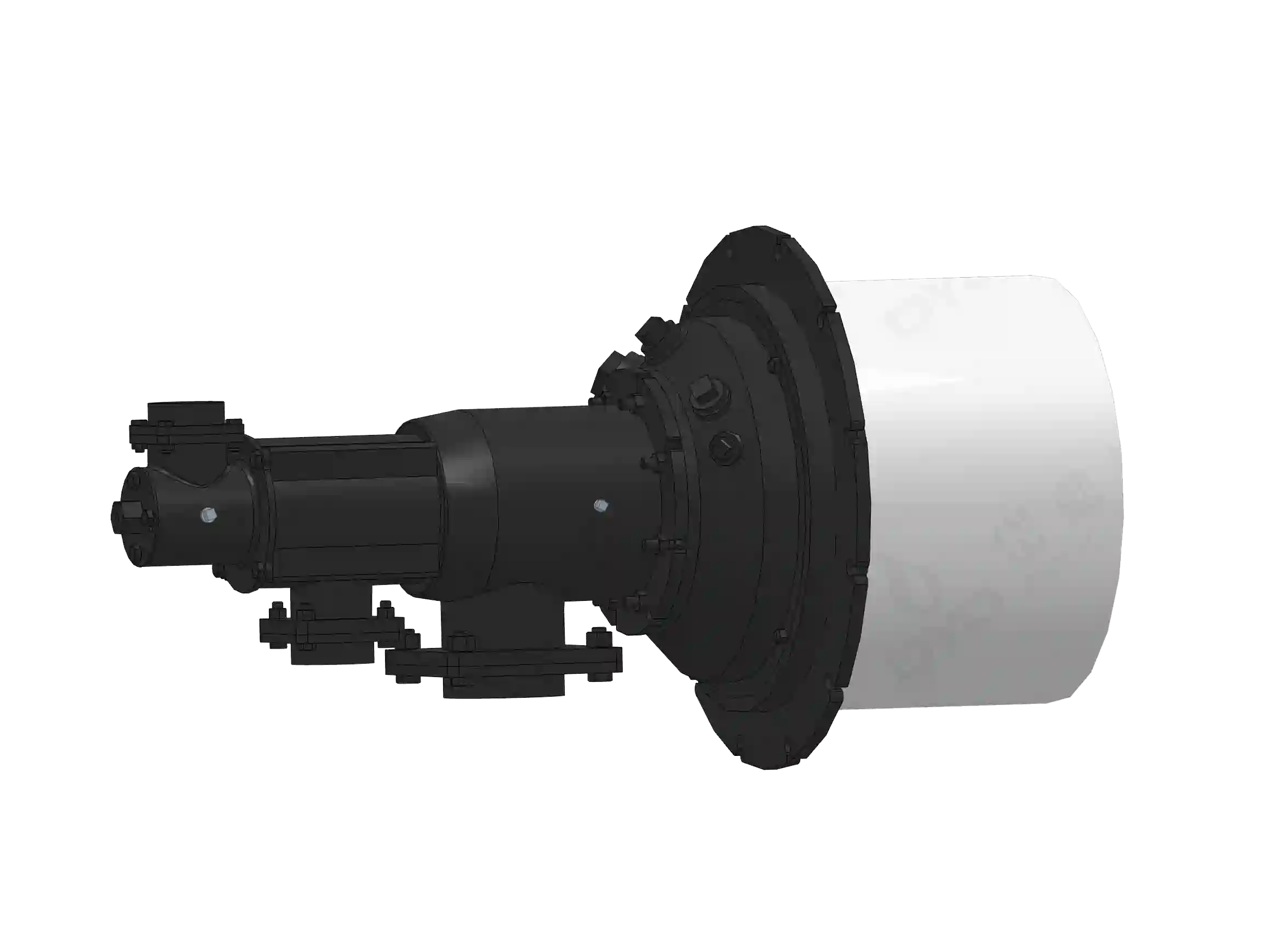
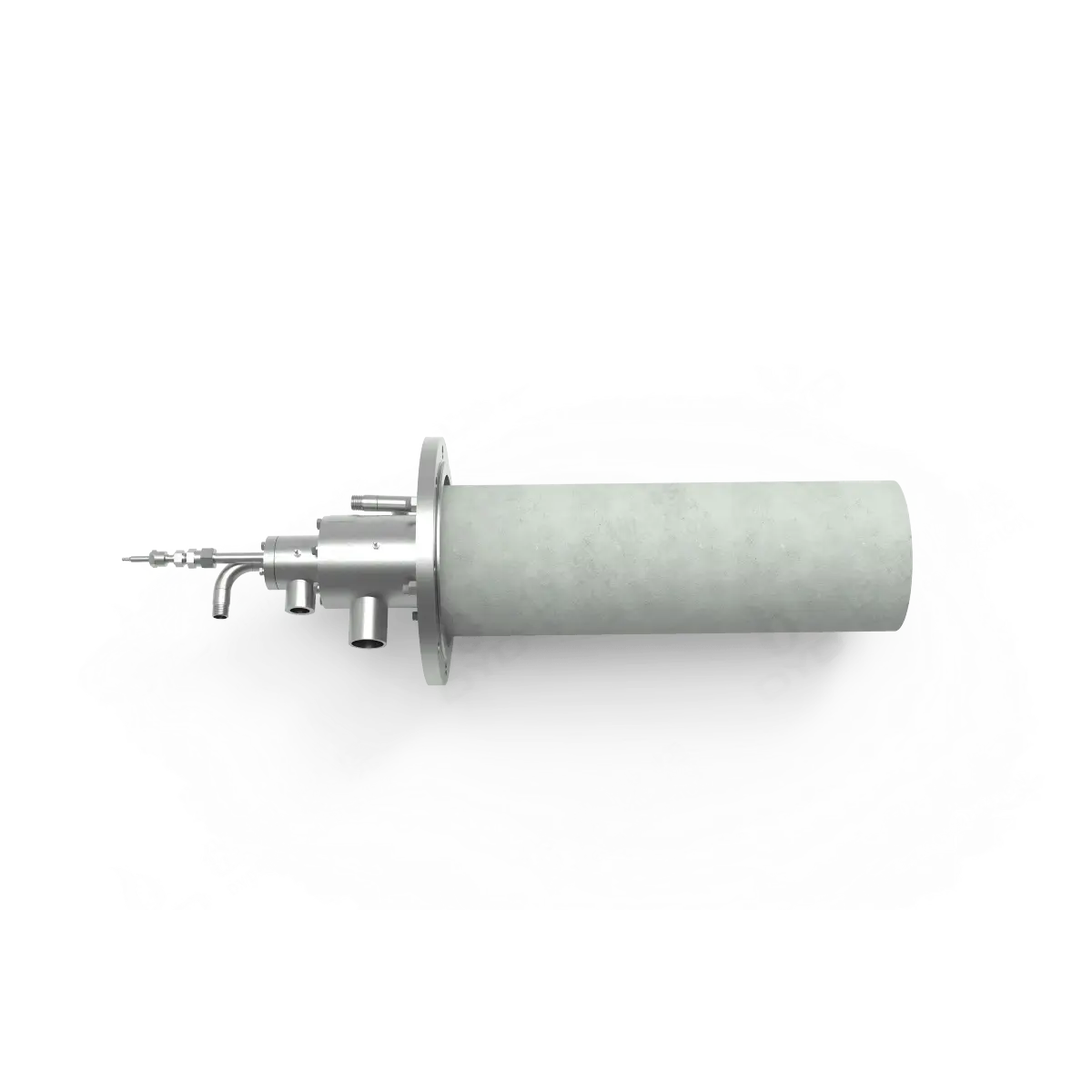
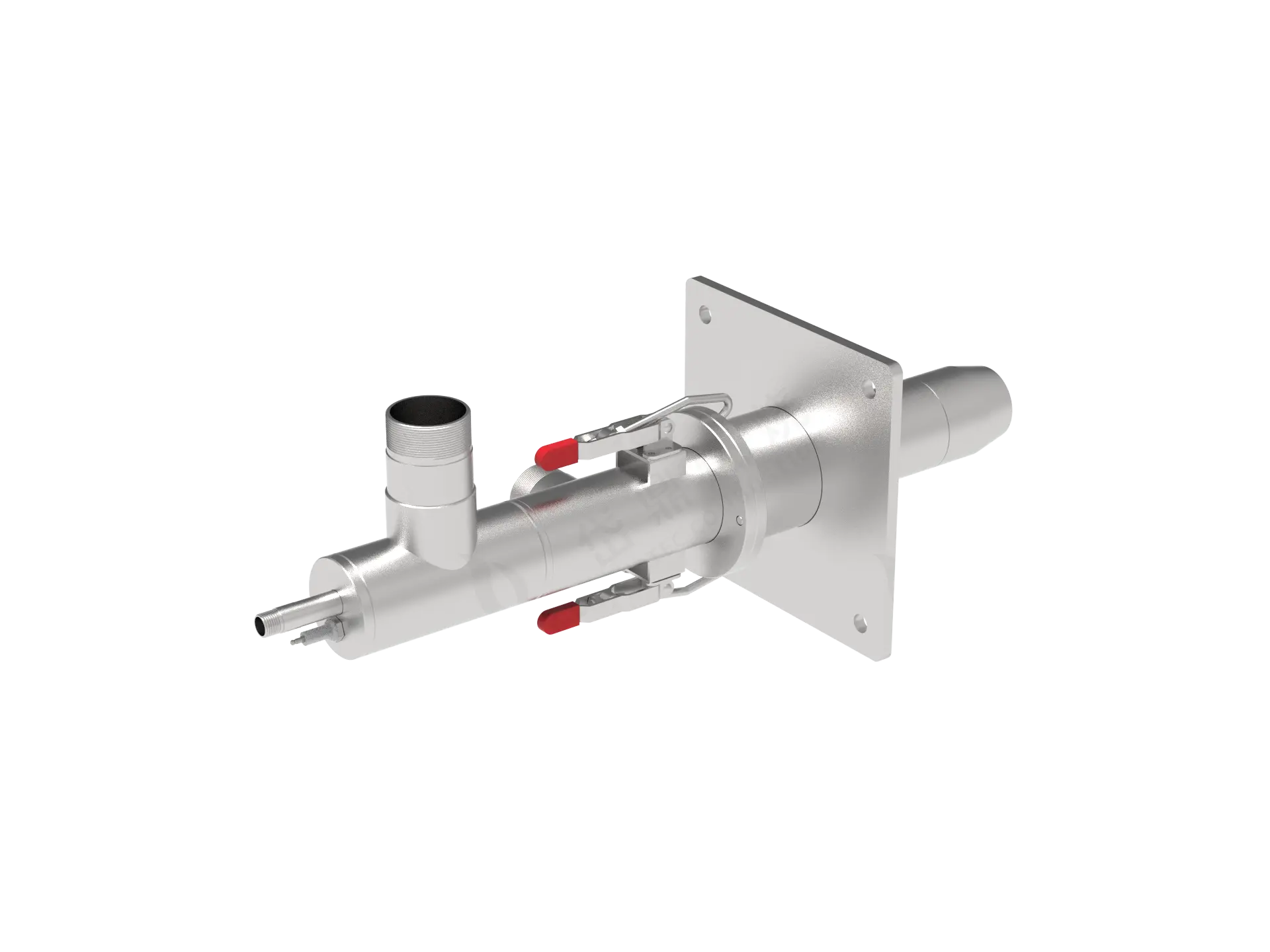
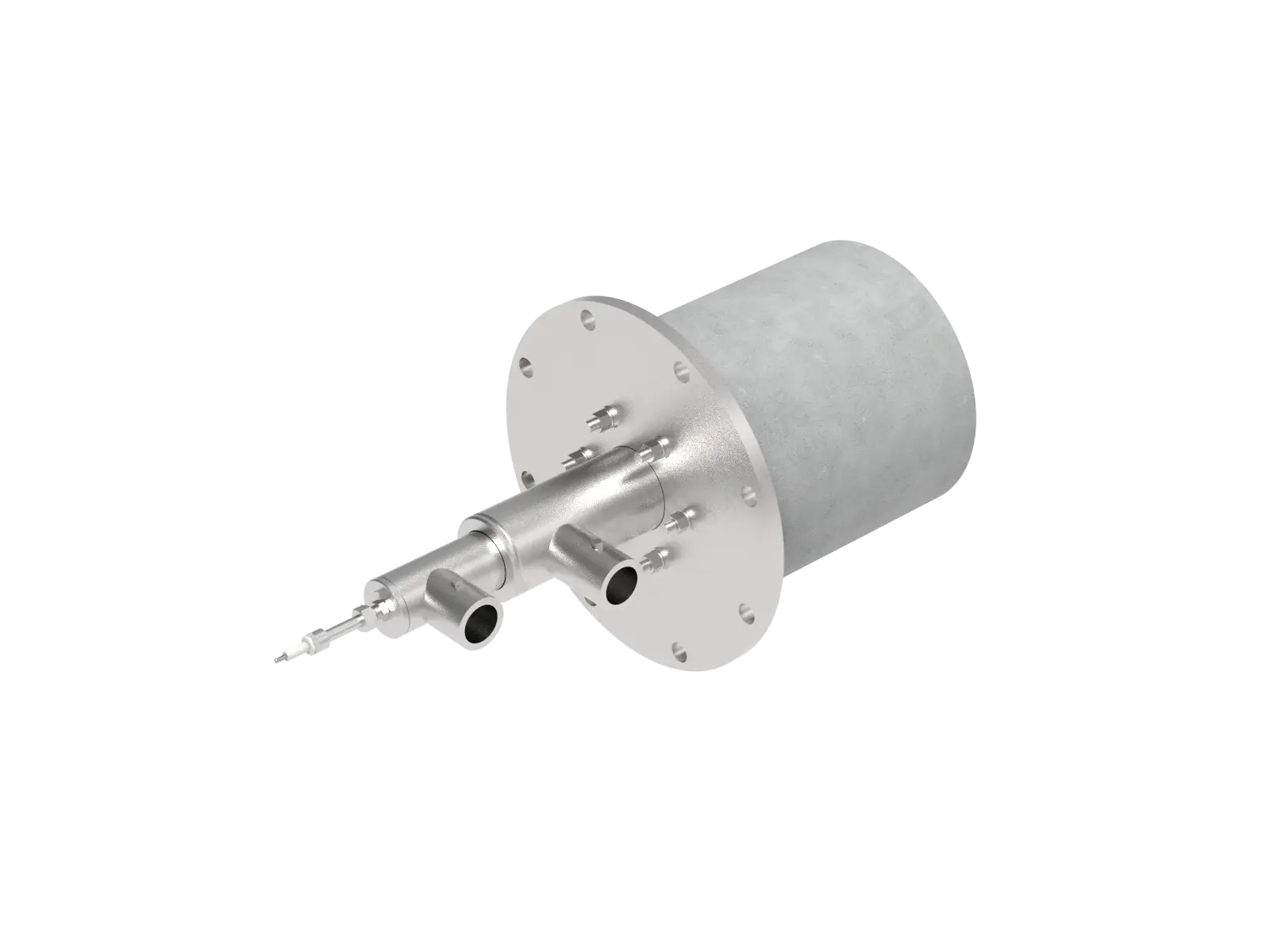
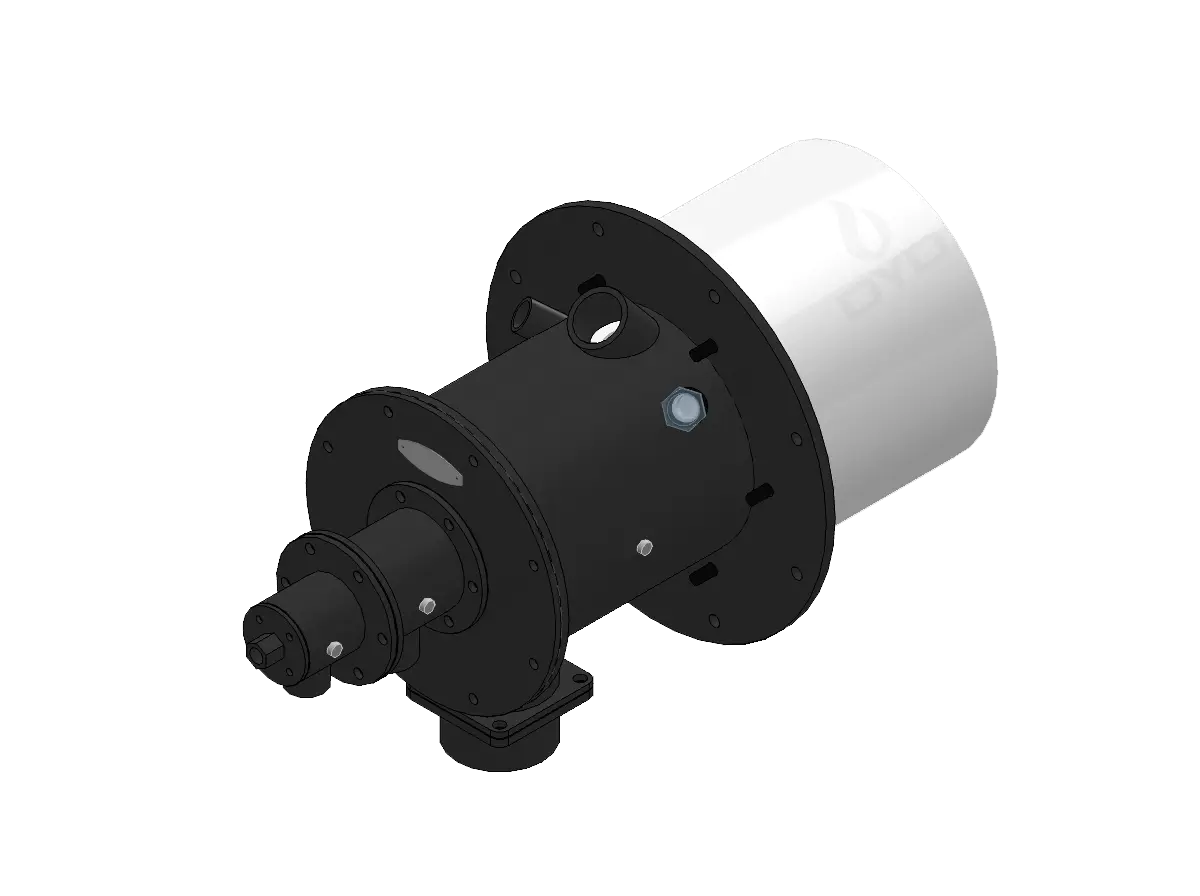
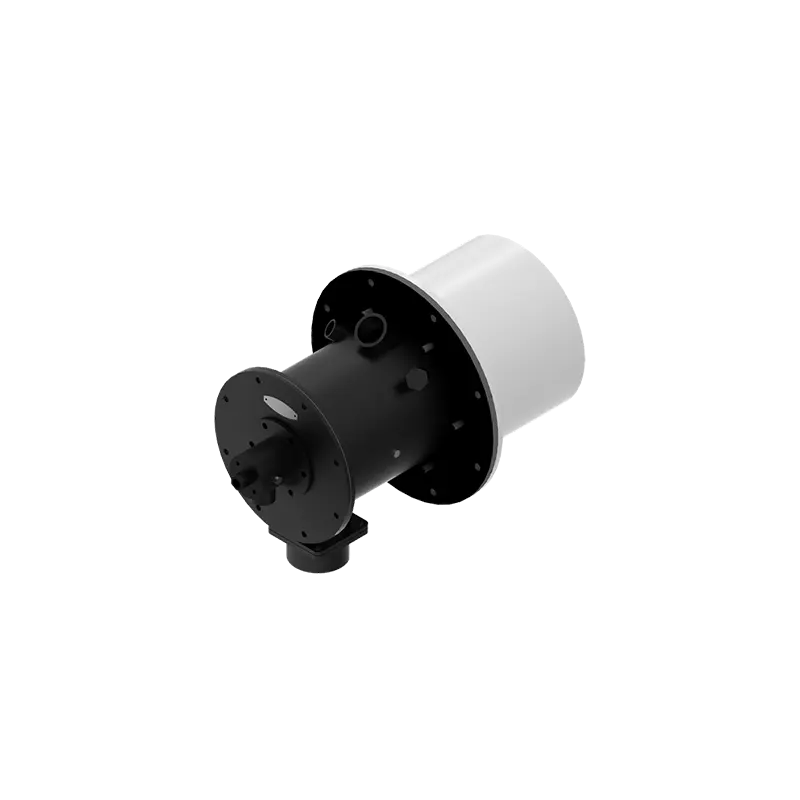
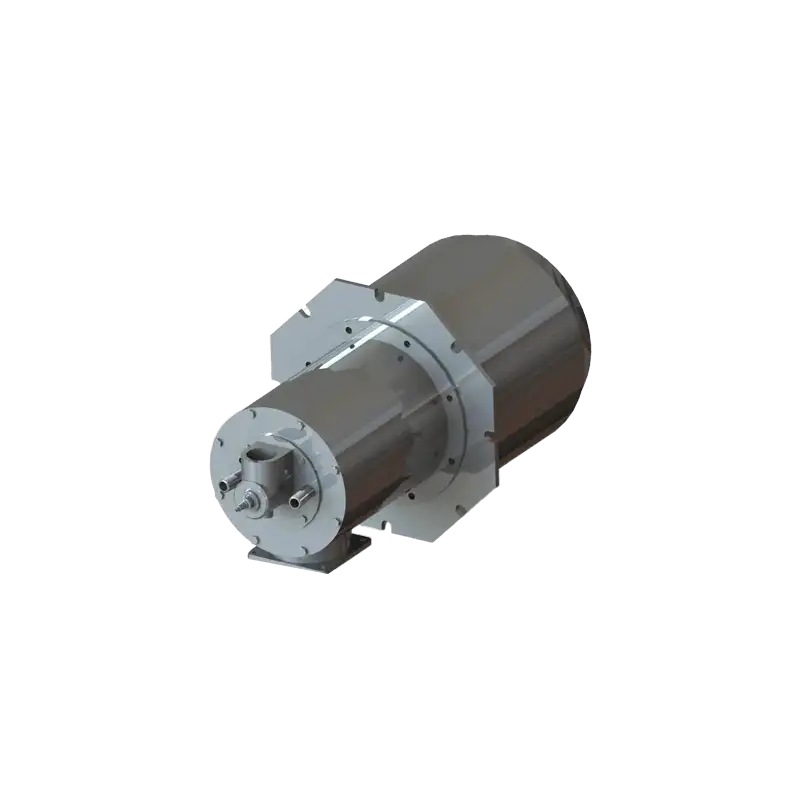
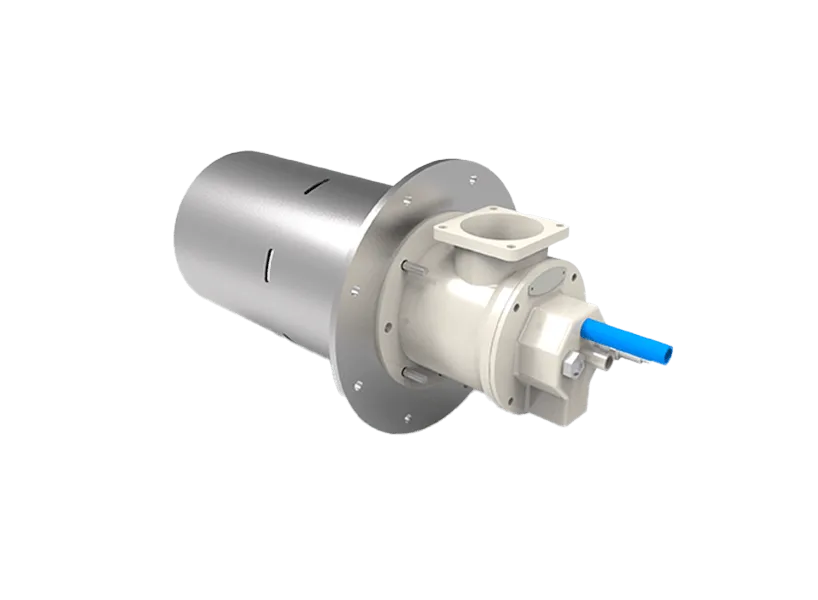
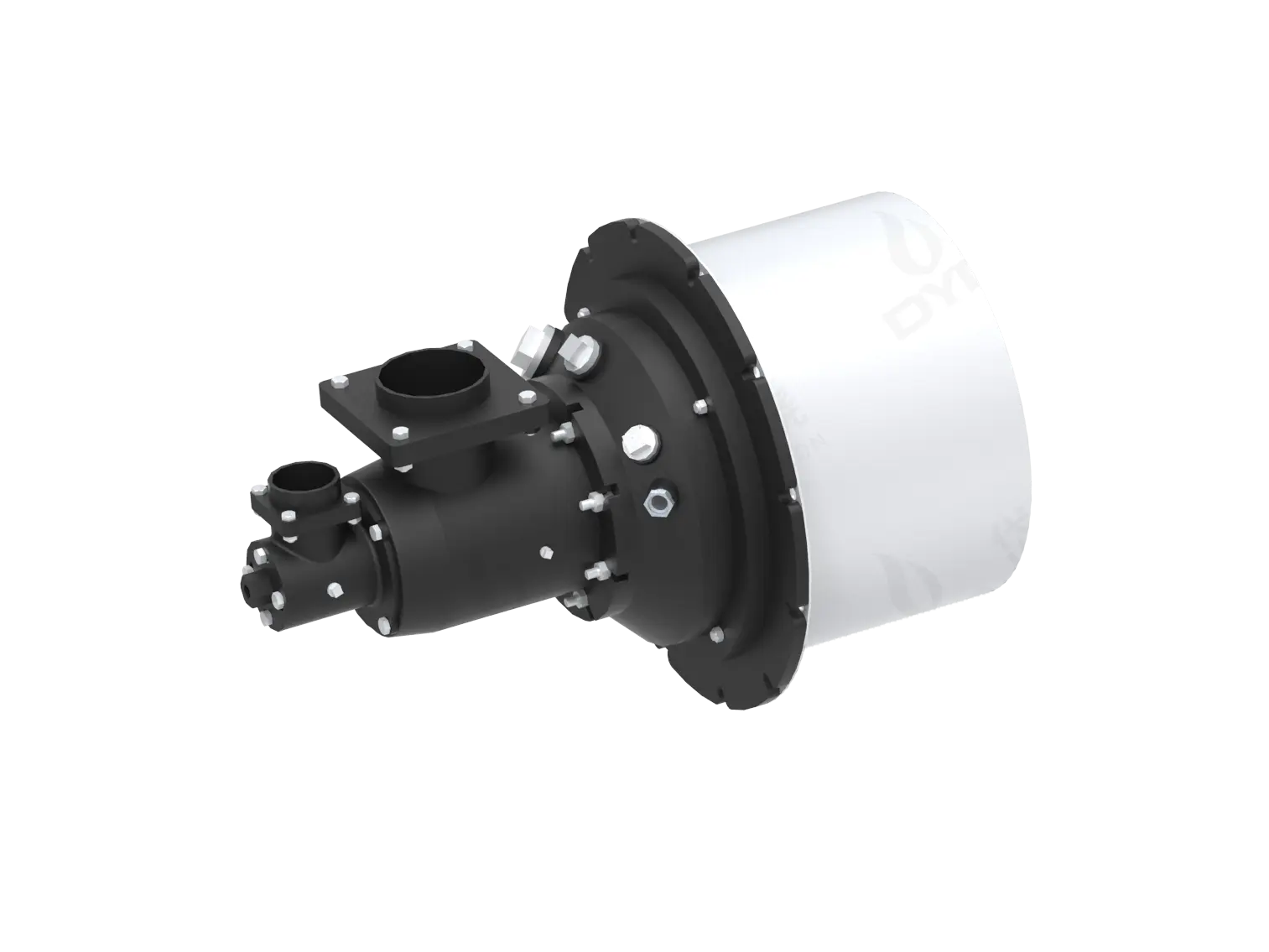
A recuperative burner integrates heat recovery with the burner system. Hot exhaust gases transfer heat to incoming combustion air before the air reaches the combustion zone. This approach can be particularly useful in furnaces where the burner and exhaust arrangement can be designed together. Recuperative burners are often compact and can be retrofitted to existing furnaces, although the burner must be selected for the higher air temperature.
Regenerative systems use thermal storage media to capture heat from exhaust gases and subsequently transfer that heat to incoming combustion air. The system alternates between exhaust and air-flow modes, typically using two or more regenerators. Regenerative combustion can achieve high combustion-air temperatures and is commonly considered for high-temperature industrial applications such as glass melting, steel reheating, and aluminum melting. However, the equipment is more complex and may have higher capital costs.
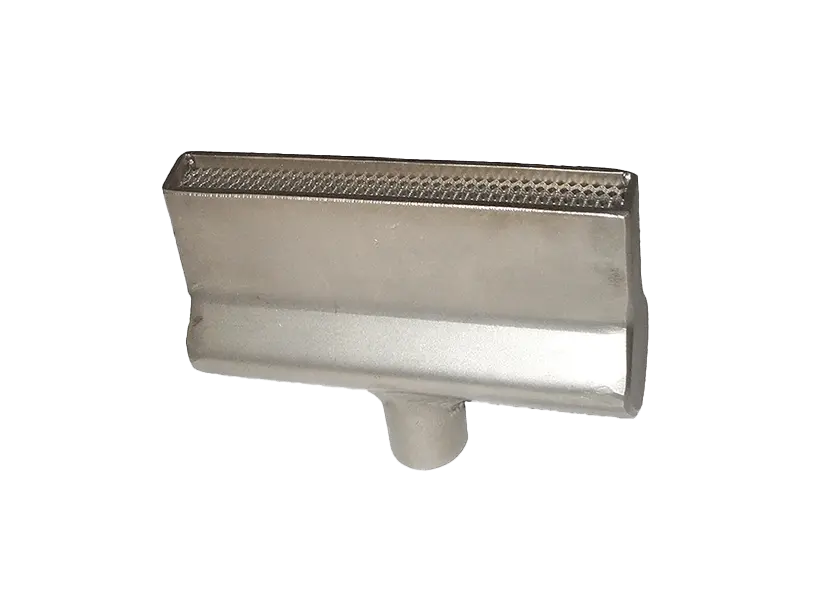
A separate heat exchanger can transfer energy from hot exhaust gas to incoming air. This approach provides flexibility because the heat recovery equipment can be installed independently from the burner. Air-to-air heat exchangers are available in many designs, including shell-and-tube, plate, and finned-tube configurations. The choice depends on temperature, flow rates, pressure drop, and fouling potential.
Recovered heat does not always have to return to the burner. It can also be used to preheat raw materials, drying air, process air, or another part of the production line. This can be particularly valuable when the production process contains multiple heating stages. For example, heat recovered from a high-temperature kiln exhaust might be used to pre-dry incoming products, reducing the load on the main burner.
Heat recovery should ideally be considered during furnace design rather than added as an afterthought. The furnace designer needs to consider:
Furnace operating temperature
Required heat load
Exhaust temperature
Exhaust flow rate
Combustion-air requirements
Burner arrangement
Heat transfer area
Pressure losses
Exhaust routing
Material temperature limits
Control requirements
Furnace geometry is also important. The location of burners and exhaust outlets determines how heat moves through the chamber. Poorly arranged flow paths can reduce the effectiveness of heat recovery or create temperature non-uniformity. For this reason, heat recovery is not simply a question of selecting a heat exchanger. It is a thermal-system design problem.
When retrofitting heat recovery to an existing furnace, the available space, existing ductwork, and burner compatibility must be carefully assessed. In some cases, a complete system upgrade may be more cost-effective than adding components piece by piece.
Every heat exchanger and exhaust recovery device introduces some pressure loss. This pressure loss must be considered when selecting combustion-air fans, exhaust fans, ductwork, and burners. If the pressure drop is too high, the combustion system may experience insufficient air pressure or unstable operating conditions.
For example:
Heat exchanger → Higher pressure drop → Higher fan requirement
The energy consumed by fans therefore needs to be included when evaluating the net efficiency improvement. A heat recovery system should not be judged solely by how much heat it recovers. The additional electrical consumption and system resistance also need to be considered.
In general, lower pressure drop designs are preferred, but they may require larger heat transfer surfaces or different flow arrangements. The optimal design balances heat recovery effectiveness, pressure drop, capital cost, and operating cost. In some cases, a slightly lower heat recovery rate with much lower pressure drop may yield a better net efficiency improvement.
Exhaust gases can contain water vapor and other components that may create condensation when gas temperature falls below the relevant dew point. Depending on the fuel and process, condensation can create corrosion risks or damage downstream equipment. For example, sulfur-containing fuels can form sulfuric acid when cooled below the acid dew point, which is highly corrosive to many metals.
Therefore, heat recovery should be designed with appropriate consideration of:
Exhaust gas composition
Dew-point temperature
Heat exchanger materials
Drainage
Corrosion resistance
Exhaust temperature
Cleaning and maintenance
The objective is not simply to recover the maximum possible amount of heat. It is to recover heat safely and economically within the operating envelope of the system. In some cases, the exhaust temperature must be kept above a certain minimum to avoid condensation, which limits the amount of heat that can be recovered. In other cases, corrosion-resistant materials such as stainless steel or special alloys may be used to allow deeper cooling and greater recovery.
The key advantage of heat recovery is improved utilization of the energy already contained in the fuel. Without recovery:
Fuel → Combustion → Heating → Exhaust → Atmosphere
With recovery:
Fuel → Combustion → Heating → Exhaust → Heat Recovery → Preheating → Heating
The second configuration makes better use of the available thermal energy. This can improve:
Thermal efficiency
Fuel utilization
Specific energy consumption
Production economics
Exhaust heat utilization
Overall system performance
The improvement is especially meaningful for equipment operating at high temperatures for long periods. In such systems, the exhaust heat loss is large, and the potential for recovery is correspondingly high. Even a modest recovery rate can translate into significant annual fuel savings and reduced emissions.
There is no universal percentage of fuel savings that applies to every industrial furnace. The actual result depends on several variables.
Higher exhaust temperatures generally provide greater heat recovery potential. The higher the temperature, the more sensible heat is available per unit of exhaust gas.
A larger exhaust flow can carry more recoverable energy. However, larger flows may also require larger heat exchangers and higher pressure drop, which can increase costs.
The higher the achievable combustion-air preheat temperature, the greater the potential reduction in fuel demand, although equipment and emissions constraints must be considered. Very high preheat temperatures may require special burner designs and materials.
A more effective heat exchanger can transfer more energy between the exhaust and incoming air. Effectiveness depends on heat transfer area, flow arrangement, and overall heat transfer coefficient.
A system operating continuously can obtain more cumulative benefit from heat recovery than equipment used only occasionally. The annual savings are directly proportional to operating hours.
Part-load operation can significantly change exhaust conditions and heat recovery performance. At low load, exhaust temperature and flow may be lower, reducing recovery potential. The control system should account for these variations.
The burner must be capable of operating reliably under the resulting air temperature, pressure, and flow conditions. If the burner is not compatible, additional modifications or replacement may be required, affecting the economics of the project.
When selecting a burner for a heat recovery application, looking only at rated thermal capacity is usually insufficient. Important parameters include:
Required heat output
Fuel type
Fuel pressure
Combustion-air temperature
Combustion-air pressure
Excess-air requirements
Flame characteristics
Furnace temperature
Exhaust temperature
Required turndown ratio
Emission requirements
Control and flame-monitoring requirements
The burner should be evaluated together with the furnace and heat recovery system. For OEM equipment manufacturers, this is particularly important because burner performance can influence the performance of the entire heating machine. A burner that is not designed for preheated air may suffer from instability, overheating, or increased emissions. Therefore, the burner supplier should be involved early in the system design process.
Energy efficiency and emissions performance need to be considered together. Increasing combustion-air temperature can influence flame temperature and therefore affect NOx formation. A high-efficiency combustion system should therefore balance:
Fuel efficiency + Heat recovery + Flame stability + Temperature uniformity + Emissions performance
Low-NOx burner technologies may use staged combustion, internal flue-gas recirculation, controlled mixing, or other combustion strategies to manage flame temperature and NOx formation. The appropriate solution depends on the furnace temperature, fuel, process requirements, and applicable emission limits.
In some cases, heat recovery and low-NOx combustion can be combined successfully, especially with modern burner designs that are specifically engineered for preheated air. In other cases, a trade-off may be necessary, and the system designer must find the best balance between efficiency and emissions.
A heat recovery system can change the operating environment of the burner. For example, if combustion air is preheated significantly, the burner may need to accommodate higher air temperatures and different air density. The burner control system may also need to respond to changing operating conditions.
A well-integrated system therefore considers:
Burner + Heat Recovery + Air Supply + Fuel Supply + Exhaust + Control
as one thermal system. This integrated approach is particularly important when designing customized industrial heating equipment. When all components are matched correctly, the system can achieve high efficiency, stable operation, and low emissions. When they are not, the system may suffer from poor performance, frequent maintenance, or unsafe conditions.
DYDTEC Combustion focuses on industrial combustion systems and burner applications for industrial heating equipment. Founded in 2012, DYDTEC Combustion has developed a product and engineering system covering industrial burners and combustion solutions for different thermal processes. Its products are used across a range of industrial heating applications, where burner capacity, flame characteristics, temperature distribution, combustion control, and system integration need to be considered together.
For equipment manufacturers and industrial heating-system integrators, the practical value of a burner supplier is not limited to supplying a burner. Proper matching between the burner, furnace geometry, air system, fuel system, exhaust conditions, and heat recovery configuration can have a direct influence on the final operating performance. A supplier that understands the complete thermal system can help optimize efficiency, emissions, and reliability.
Heat recovery is particularly worth evaluating when an industrial heating system has:
High exhaust temperatures
Large exhaust volumes
Long operating hours
Significant fuel consumption
Continuous production
High process-temperature requirements
A need to reduce specific energy consumption
However, the best solution is not always to maximize heat recovery. The technically appropriate recovery level depends on the complete system. Excessive recovery can increase pressure drop, equipment cost, maintenance requirements, material constraints, or emissions challenges.
The goal should be to find the practical balance between recoverable heat, investment cost, operating cost, reliability, and process requirements. In many cases, a well-designed heat recovery system can pay for itself in one to three years, especially when fuel prices are high and the system operates continuously.
It can. By recovering heat from exhaust gases and using it to preheat combustion air or process air, the system can reduce the amount of fresh fuel energy required to achieve the same thermal output. The actual savings depend on the system design and operating conditions.
Generally, higher exhaust temperature increases the available sensible heat, but the actual recoverable amount also depends on exhaust flow, heat exchanger effectiveness, allowable outlet temperature, materials, and process conditions. In some cases, high temperatures may require special materials or limit the achievable recovery.
In many cases, yes, but the feasibility depends on the existing burner, exhaust system, furnace structure, available space, pressure losses, and operating conditions. A system assessment should be performed before modification. Retrofit projects often require careful integration to avoid pressure drop or control problems.
Not necessarily. Fuel savings need to be compared with the additional capital cost, fan power, maintenance, pressure losses, and other operating requirements of the recovery system. A thorough economic analysis should be performed before implementation.
It can. Preheated combustion air changes combustion conditions and may affect flame temperature, velocity, mixing, and stability. Burner selection and control settings should therefore account for the actual combustion-air temperature. In some cases, a burner specifically designed for preheated air may be required.
Yes. However, the burner and heat recovery system should be designed together because combustion-air preheating can affect flame temperature and NOx formation. Modern low-NOx burners can often be adapted for preheated air, but the design must be carefully evaluated.
There is no single parameter. Exhaust temperature, exhaust flow, combustion-air requirements, operating hours, heat exchanger effectiveness, pressure drop, and burner compatibility should all be considered. A holistic evaluation is necessary to determine the true net benefit.
Heat recovery improves industrial heating efficiency by capturing thermal energy that would otherwise leave the system through exhaust gases. The recovered energy can be used to preheat combustion air, process air, raw materials, or other parts of the production system. When properly designed, this reduces the amount of new fuel energy required to maintain the required process temperature.
However, efficient heat recovery is more than installing a heat exchanger. Burner characteristics, furnace geometry, exhaust conditions, air-fuel control, pressure drop, emissions, and operating requirements all influence the final result. A system that is not properly integrated may fail to deliver the expected savings or may create new operational problems.
For industrial furnaces and heating equipment, the most effective approach is to evaluate burner selection, heat recovery, combustion control, and furnace design as an integrated system. This allows recovered heat to become a practical source of energy efficiency rather than simply another piece of equipment in the combustion system. When done correctly, heat recovery can reduce fuel consumption, lower emissions, improve productivity, and strengthen the overall competitiveness of industrial heating operations.