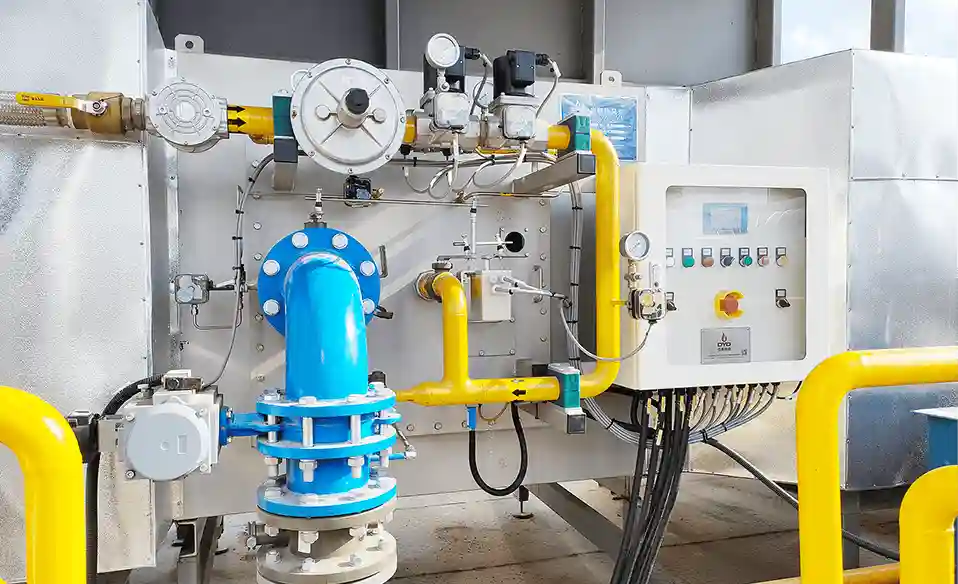
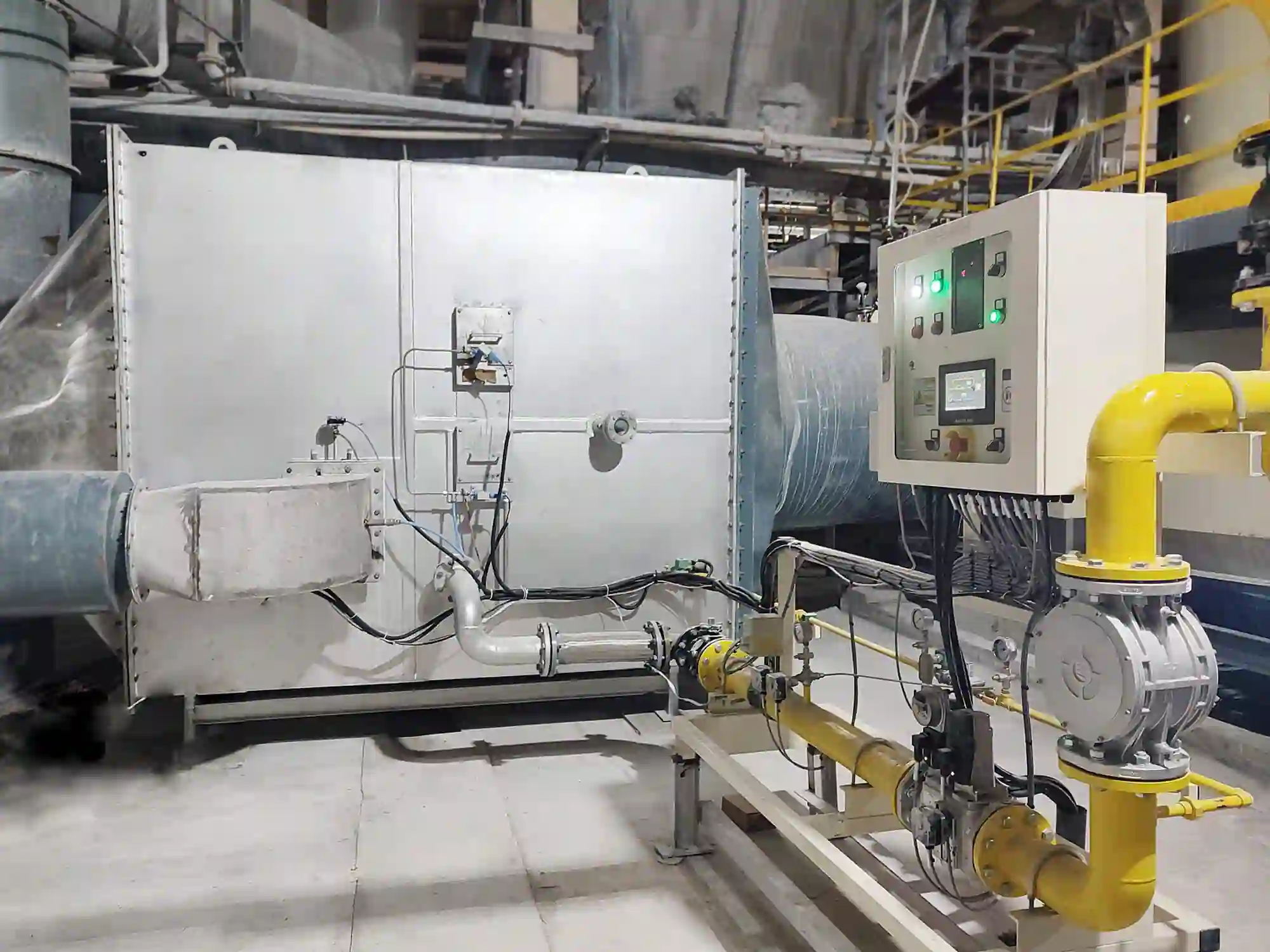
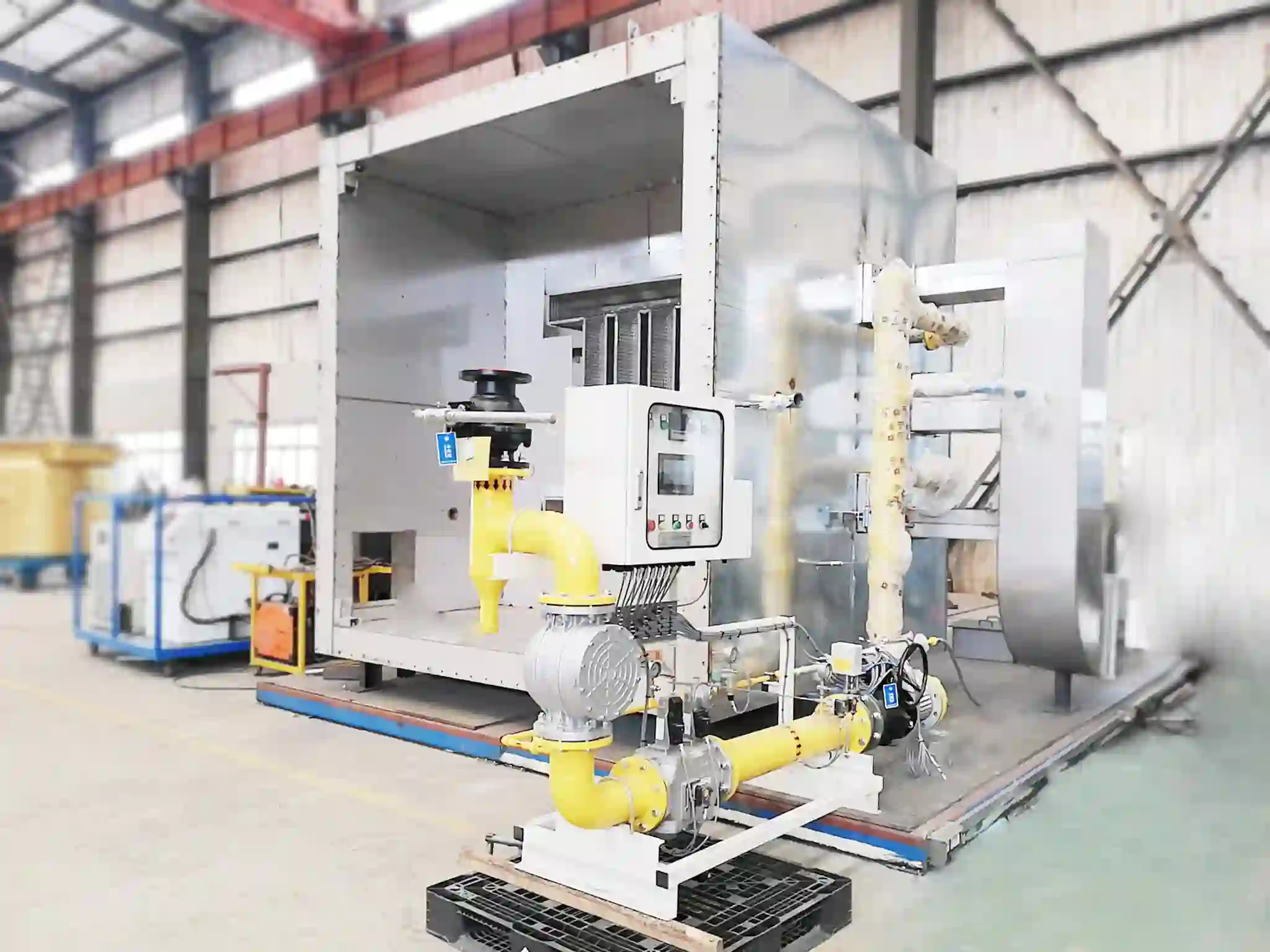
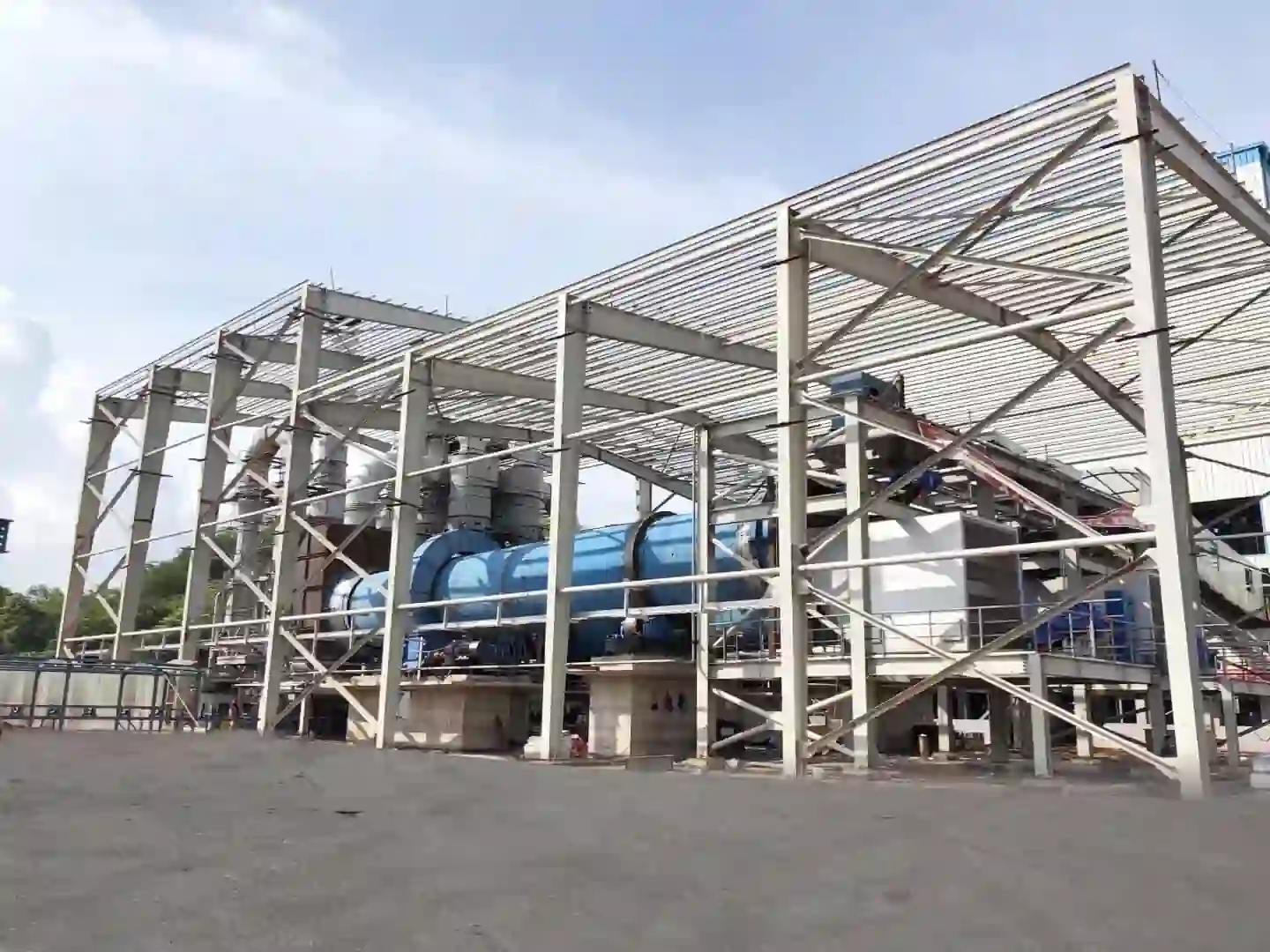
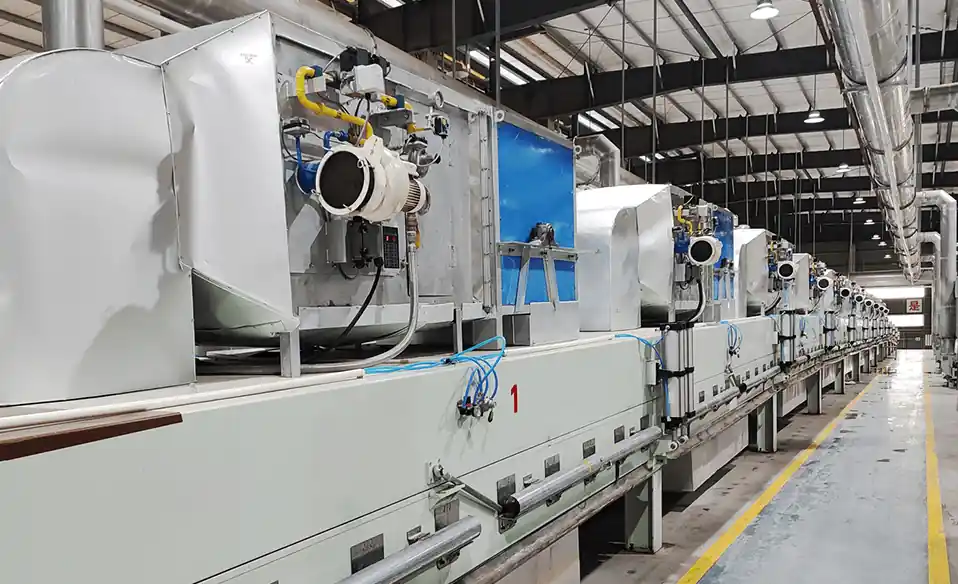
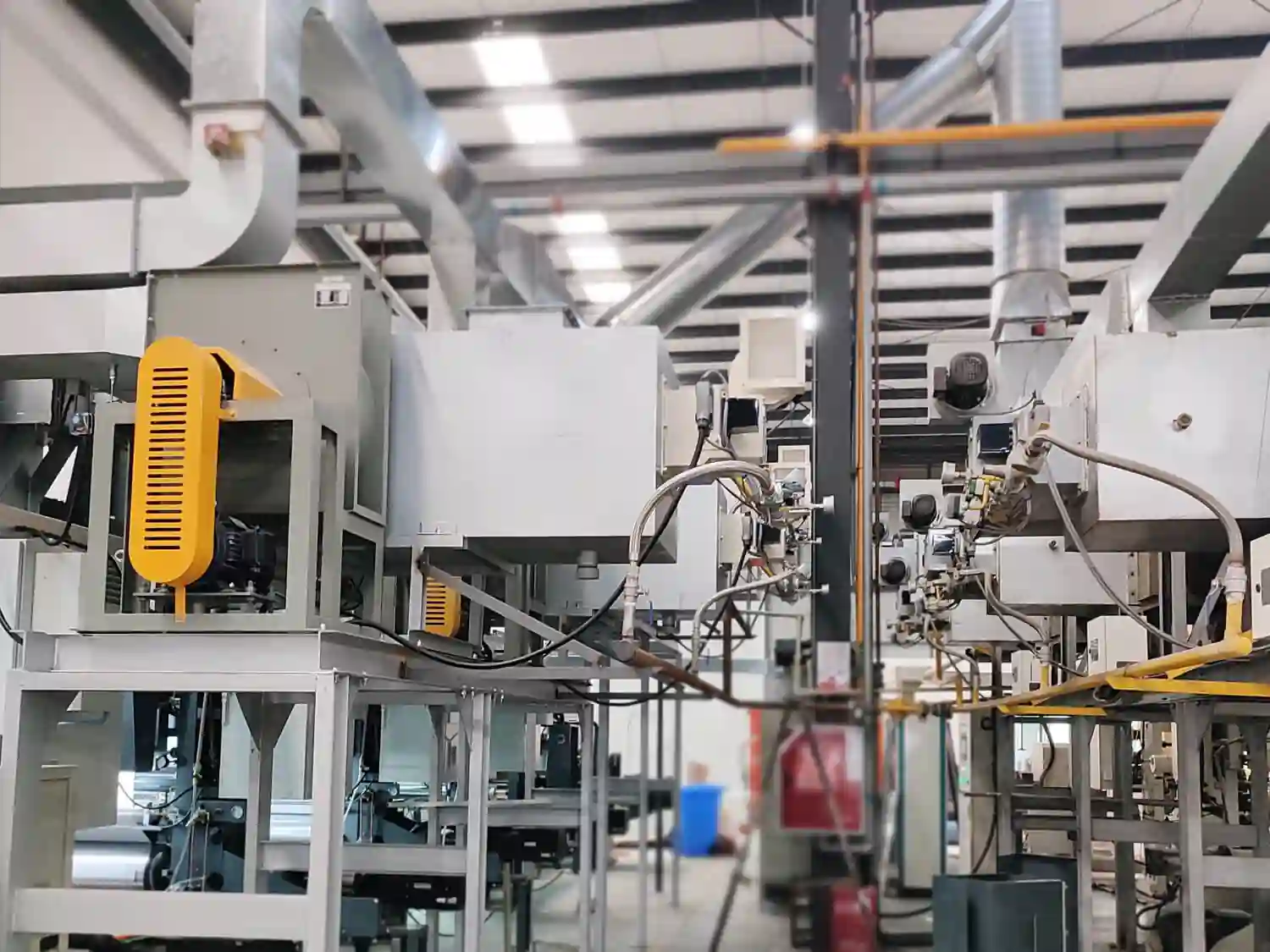
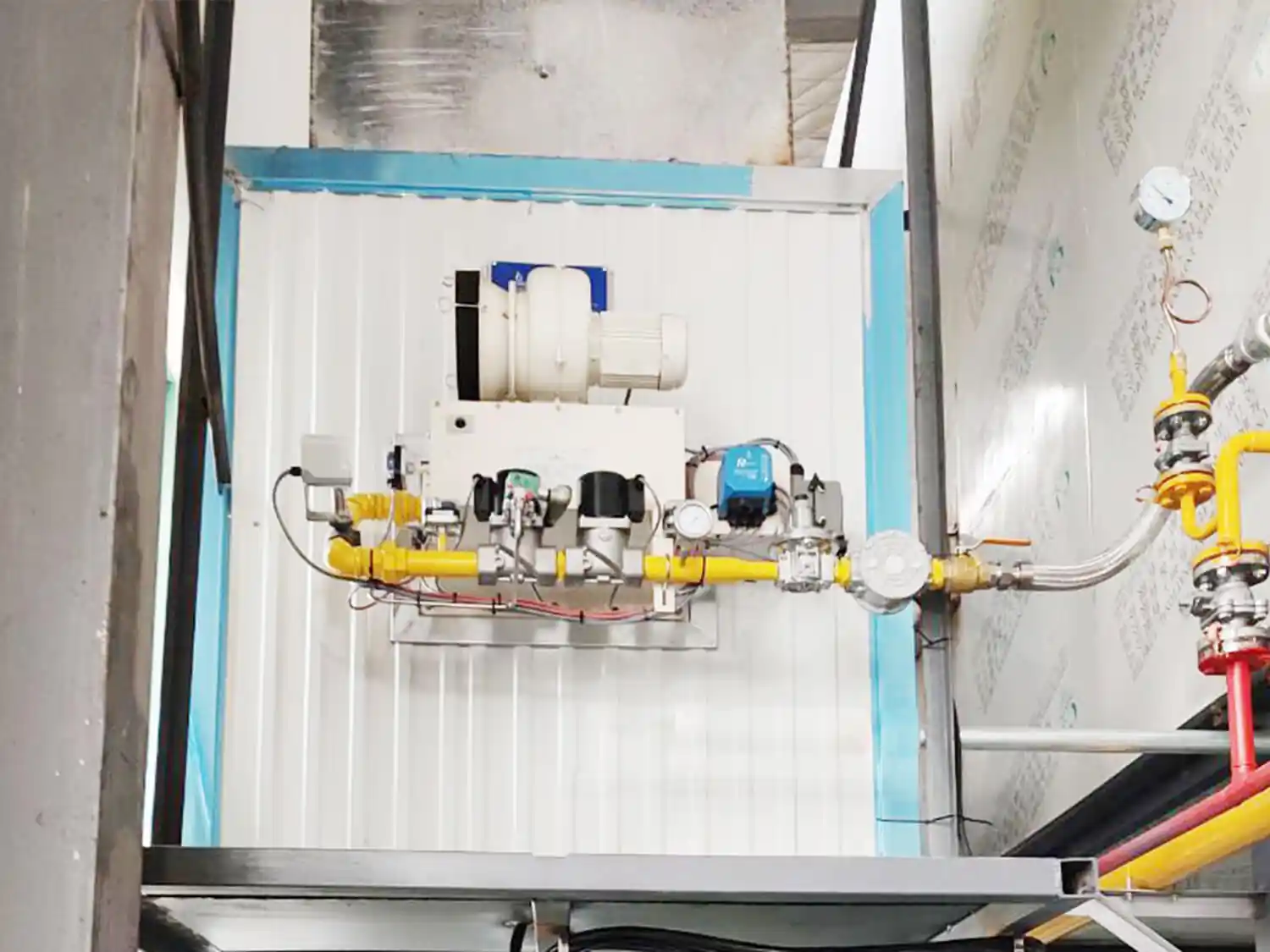
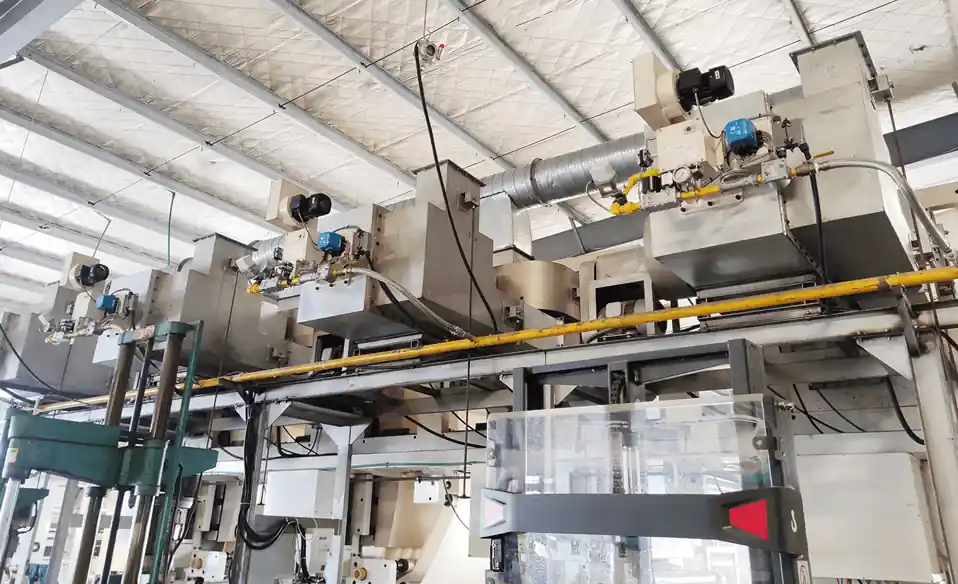
Combustion is at the heart of many industrial heating processes. Industrial furnaces, ovens, dryers, kilns, hot air generators, heat treatment systems, and other thermal equipment all depend on controlled combustion to convert fuel into useful heat. When combustion is not properly optimized, the consequences can extend far beyond higher fuel consumption. Poor air-fuel ratios, unstable flames, excessive exhaust losses, uneven heat distribution, and unnecessary equipment stress can all increase operating and maintenance costs.
So, how can combustion optimization reduce costs?
The basic principle is straightforward: combustion optimization helps the system use fuel more effectively while maintaining the required heat output, temperature, product quality, and operating stability. It is not simply about turning down the fuel valve or reducing air flow. It is about creating the right conditions for complete, stable, and efficient combustion across the full operating range of the equipment.
Combustion optimization can reduce costs in several ways:
Lower fuel consumption per unit of production
Reduced exhaust heat losses
Improved temperature uniformity and product quality
Less frequent burner maintenance and replacement
Lower electricity consumption for fans and auxiliary equipment
Reduced emissions and potential carbon costs
Longer refractory and equipment life
Fewer unplanned shutdowns and production interruptions
This article explains how combustion optimization works, where the savings come from, and what practical steps can be taken to reduce operating costs in industrial heating systems.
Combustion optimization is the process of adjusting and controlling a combustion system so that fuel, combustion air, flame characteristics, heat transfer, and operating conditions work together efficiently. It is a systematic approach that considers the burner, furnace, fuel system, air system, exhaust system, and control system as one integrated thermal process.
It can involve:
Air-fuel ratio adjustment
Fuel pressure optimization
Combustion-air control
Excess-air reduction
Burner capacity matching
Flame stability improvement
Temperature control
Oxygen or flue-gas monitoring
Burner sequencing
Automatic combustion control
Heat recovery integration
Preventive maintenance
The objective is not simply to burn less fuel. A properly optimized combustion system must still provide enough heat for the process and maintain stable, safe, and repeatable operation. In practice, combustion optimization seeks the best balance between:
Fuel efficiency + Heat output + Flame stability + Product quality + Emissions performance + Equipment life
Optimization can be applied at different levels. At the simplest level, it may involve tuning the air-fuel ratio on an existing burner. At a more advanced level, it may involve upgrading the burner, adding oxygen trim control, improving furnace pressure control, or integrating heat recovery. The most effective approach depends on the current condition of the system, the process requirements, and the available budget.
Fuel is often one of the largest operating expenses in a fuel-fired industrial heating system. A simplified cost relationship is:
Fuel Cost = Fuel Consumption × Fuel Price
If a furnace consumes more fuel than necessary, operating costs increase even if the fuel price remains unchanged. However, fuel consumption is only one part of the total cost. Poor combustion can also contribute to:
Higher electricity consumption from fans
Increased maintenance requirements
Shorter burner component life
Refractory damage
Production losses
Product quality problems
Unplanned downtime
Higher emissions-control costs
This means combustion optimization can influence both direct and indirect operating costs. For example, a burner operating with excessive excess air may waste fuel through the exhaust, but it may also increase the load on the exhaust fan, causing higher electricity consumption. An unstable flame may cause frequent shutdowns, leading to lost production and higher maintenance costs. Poor temperature uniformity may increase scrap rates, which is often far more costly than the fuel itself.
The total cost of combustion inefficiency can be divided into several categories:
| Cost Category | How Poor Combustion Contributes |
|---|---|
| Fuel cost | Excessive fuel consumption due to heat loss and incomplete combustion |
| Electricity cost | Higher fan loads from excess air or pressure drop |
| Maintenance cost | Deposits, wear, thermal stress, and component damage |
| Production cost | Longer cycles, lower throughput, and unplanned downtime |
| Quality cost | Uneven heating, defects, and scrap |
| Environmental cost | Higher CO₂ and NOx emissions |
| Capital cost | Premature replacement of burners, refractory, or heat exchangers |
Because these costs interact, a system-level approach to combustion optimization often produces greater total savings than focusing on fuel alone.
Yes. Air-fuel ratio is one of the most important variables in combustion optimization. It determines the relative amounts of fuel and oxygen entering the combustion zone. For natural gas, the stoichiometric air requirement is approximately 9.5 to 10 cubic meters of air per cubic meter of gas, depending on composition. At this theoretical ratio, all fuel and oxygen would react completely, but in practice, some excess air is needed to ensure stable and complete combustion.
A burner requires sufficient oxygen to achieve complete combustion. However, supplying significantly more air than necessary can increase heat losses. The additional air must be heated by the flame and eventually leaves the furnace through the exhaust system. The energy flow can be simplified as:
Fuel → Combustion → Useful Heat + Exhaust Heat Loss
When excessive air is introduced, more gas must be heated and discharged. Therefore, an appropriately controlled air-fuel ratio can help reduce unnecessary exhaust losses. In many industrial furnaces, reducing excess air from 50% to 10% can save 3–8% of fuel, depending on the exhaust temperature and furnace conditions.
However, reducing air too aggressively can also create problems. Insufficient combustion air may result in:
Incomplete combustion
Increased CO
Flame instability
Soot formation in some fuels
Poor heat release
Safety risks
The objective is therefore not “minimum air,” but the appropriate amount of combustion air for the operating condition. The correct air-fuel ratio should be established through measurement, not by visual flame appearance alone. Oxygen and carbon monoxide analyzers are essential tools for this task. The ratio should also be maintained across the full turndown range, not just at maximum firing rate.
Excess air is the amount of combustion air supplied beyond the theoretical air requirement for complete combustion. It is usually expressed as a percentage. For example, 10% excess air means the burner receives 110% of the theoretical air; 50% excess air means 150%.
Some excess air is often necessary because real burners do not operate under perfectly mixed conditions. Fuel and air may not combine instantly or uniformly, and operating conditions can change. The challenge is finding an appropriate operating range.
Too much excess air can increase exhaust losses. Too little excess air can compromise combustion quality and stability. For this reason, industrial combustion systems often need to balance:
Complete combustion + Flame stability + Low exhaust loss + Required heat output
The optimum point depends on fuel type, burner design, furnace temperature, mixing characteristics, and process requirements. In general, a well-designed and well-tuned natural gas burner can operate with 5–15% excess air, corresponding to approximately 2–4% oxygen in the flue gas. Older or poorly maintained systems may operate with 30–100% excess air, representing a significant energy-saving opportunity.
Excess air should be reduced gradually while monitoring CO. When CO begins to rise above acceptable limits, the practical minimum excess air has been reached. The system should then be set slightly above that point to maintain a safety margin. This approach ensures that fuel savings are achieved without sacrificing combustion stability or safety.
Burner capacity should match the actual thermal requirements of the equipment. An oversized burner may have difficulty operating efficiently at very low loads, particularly if the required turndown range is beyond its practical operating capability. An undersized burner, on the other hand, may be unable to provide sufficient heat during peak production conditions. Both situations can create unnecessary costs.
An oversized burner often operates at low fire for much of its life. At low fire, fuel and air velocities are lower, mixing can be less effective, and flame stability may suffer. The burner may also cycle on and off frequently, causing purge losses, thermal stress on the refractory, and wear on ignition components. In some cases, the burner may need to operate with higher excess air to remain stable, further reducing efficiency.
An undersized burner may operate continuously at or near maximum capacity. This leaves no margin for process variations, can shorten equipment life, and may prevent the furnace from reaching the required temperature during peak demand. It may also cause the operator to increase the temperature setpoint to compensate, leading to higher fuel consumption.
A properly selected burner should consider:
Maximum heat load
Minimum heat load
Required turndown ratio
Fuel type
Fuel pressure
Combustion-air pressure
Furnace temperature
Furnace volume
Heating cycle
Process material
Control strategy
For OEM equipment manufacturers, burner selection should therefore be based on the complete heating system rather than burner capacity alone. A burner with a high turndown ratio may be more suitable for batch processes with wide load variations, while a simpler on/off burner may be adequate for a continuous process with stable demand.
Stable combustion is essential for reliable industrial heating. A stable flame allows the burner to maintain predictable heat release over its operating range. When a flame repeatedly lifts, pulsates, extinguishes, or requires frequent adjustment, the consequences may include:
Production interruptions
Increased operator intervention
Higher maintenance costs
Reduced equipment availability
Safety-related shutdowns
Inconsistent heating
A stable burner can therefore contribute to lower operating and maintenance costs. Flame stability depends on burner design, fuel pressure, air velocity, furnace pressure, mixing conditions, burner position, and operating load. It is not simply a property of the burner alone; the furnace environment also plays a major role.
Flame stability is particularly important at low firing rates. Many burners become unstable when the fuel and air flows are reduced below a certain point. If the burner cannot maintain a stable flame at low load, the control system may cycle the burner or increase excess air to keep the flame alive. Both responses increase fuel consumption. A burner with good turndown characteristics can avoid these problems and maintain efficient operation across a wider load range.
Monitoring flame stability can be done through visual inspection, flame detectors, and combustion analysis. If instability is observed, the cause should be investigated. It may be related to fuel pressure, air pressure, burner adjustment, or a mechanical problem such as a damaged burner head or blocked air passage.
Combustion optimization is not only about fuel consumption. Temperature distribution can directly affect product quality. In an industrial furnace, the same total heat input does not necessarily mean the same process result. For example, a furnace may have:
Correct total heat input + Poor temperature distribution
In this situation, some areas may be too hot while others remain too cold. The result can include:
Uneven product quality
Longer heating cycles
Material defects
Increased scrap
Additional processing
Higher fuel consumption
When part of the load is too cold, operators often increase the overall furnace temperature to ensure the coldest area reaches the required process temperature. This practice is sometimes called “overheating to compensate for poor distribution.” It increases fuel consumption across the entire furnace and may overheat other areas, causing quality problems.
Optimizing burner arrangement, flame direction, firing rate, and airflow can help improve heat distribution. For processes that require tight temperature uniformity, combustion optimization should therefore be evaluated together with furnace airflow and heat transfer. In some cases, zoning the furnace and controlling each zone independently can improve uniformity and reduce energy use. In other cases, changing the burner angle or adding circulation fans may be necessary.
The economic benefit of improved temperature uniformity can be substantial. Reduced scrap, shorter cycle times, and fewer quality rejects often outweigh the fuel savings alone. For this reason, combustion optimization should always consider product quality as part of the cost equation.
Burner location can significantly influence how heat is distributed inside a furnace. The same burner can produce different heating results depending on:
Installation position
Burner angle
Distance from the workpiece
Furnace geometry
Exhaust outlet location
Airflow direction
Flame length
Flame velocity
If the flame directly impinges on a sensitive material, local overheating may occur. This can damage the product, reduce quality, and shorten refractory life. If the flame is too far from the heating zone, heat transfer may become less effective, requiring longer heating times or higher fuel input.
Therefore, burner optimization sometimes requires changing the installation arrangement rather than simply changing the burner itself. Burner position should be considered during the original furnace design and revisited when process requirements change. Computational fluid dynamics (CFD) modeling can be a useful tool for predicting how different burner arrangements affect temperature distribution and heat transfer. In some cases, a small change in burner angle or spacing can produce a significant improvement in efficiency and product quality.
Yes. The purpose of combustion in an industrial furnace is not merely to generate a flame. The generated thermal energy must ultimately reach the process. Heat transfer occurs through mechanisms such as:
Convection
Radiation
Conduction
Burner design influences the temperature and movement of combustion gases inside the heating chamber. Optimized combustion can therefore help create a more effective thermal environment. This can reduce the amount of fuel required to achieve the desired process result.
In high-temperature furnaces, radiation is often the dominant heat-transfer mechanism. A luminous flame with good radiative properties can transfer heat more effectively to the load. In lower-temperature ovens and dryers, convection may dominate, and high-velocity air circulation becomes more important. The optimal combustion strategy therefore depends on the process temperature and the dominant heat-transfer mode.
Combustion optimization can improve heat transfer by:
Maintaining the correct flame shape and length
Ensuring proper flame momentum and circulation
Avoiding flame impingement on walls or products
Improving temperature uniformity
Reducing excess air so that flue gas volume is minimized
Matching burner output to the load profile
When heat transfer is improved, the furnace can achieve the required product temperature with less fuel, shorter cycle times, or both.
Manual adjustment can work for simple systems, but industrial processes often experience changing operating conditions. For example:
Production load changes
Fuel pressure fluctuates
Combustion-air temperature changes
Furnace temperature changes
Exhaust conditions vary
Ambient conditions change
An automatic combustion-control system can continuously adjust operating parameters according to process requirements. A typical control strategy may regulate:
Fuel flow ↔ Combustion air ↔ Furnace temperature
This helps keep the combustion system closer to its intended operating range. Automatic control can also reduce operator intervention and improve repeatability. In many cases, the fuel savings from improved control alone can justify the investment within a short period.
Common automatic control strategies include:
On/off control
High/low firing
Proportional modulation
Air-fuel ratio control
Oxygen trim
Cross-limiting control
Zone control
Cascade control
The appropriate strategy depends on the furnace type, load variations, fuel, and emissions requirements. For example, a continuous furnace with stable load may only need a simple ratio controller, while a batch furnace with wide load swings may benefit from a more advanced system with oxygen feedback and zone control. Automatic control also improves safety by ensuring that the air-fuel ratio remains within safe limits during load changes.
Oxygen concentration in exhaust gases can provide useful information about combustion conditions. If measured oxygen is significantly higher than the desired operating range, the system may be supplying more combustion air than necessary. If oxygen becomes too low, combustion may approach an air-deficient condition.
Oxygen monitoring can therefore be used as part of a combustion optimization strategy. An oxygen trim system continuously measures flue-gas oxygen and adjusts the air flow to maintain the target. This allows the burner to operate closer to the optimum air-fuel ratio, even as fuel quality, ambient conditions, or load change.
However, oxygen concentration should not be interpreted in isolation. Other parameters may also need to be considered, including:
CO concentration
Fuel flow
Air flow
Furnace pressure
Exhaust temperature
Burner load
The goal is to establish a stable and appropriate combustion condition rather than optimize a single measurement. For example, a high O₂ reading with low CO indicates that combustion is complete but excess air may be higher than necessary. A low O₂ reading with high CO indicates insufficient air or poor mixing. A high O₂ reading with high CO may indicate a mixing problem or air infiltration that is not participating in combustion. Using O₂ and CO together provides a much clearer picture.
Yes. Exhaust gases carry both sensible heat and the products of combustion out of the furnace. If exhaust temperature is unnecessarily high, a significant amount of energy may be lost. In high-temperature furnaces, exhaust heat loss can account for 30–50% of the total fuel input.
Combustion optimization can help address this by improving:
Air-fuel ratio
Furnace pressure
Burner firing rate
Heat transfer
Exhaust control
Heat recovery
In suitable applications, waste heat can also be recovered and used to preheat combustion air or process air. This creates another efficiency pathway:
Better combustion → Lower unnecessary losses → More useful heat → Lower fuel demand
Reducing excess air is often the simplest way to reduce exhaust heat loss because it directly lowers the volume of gas that must be heated and discharged. Controlling furnace pressure and sealing openings can reduce air infiltration, which also lowers exhaust volume. Where exhaust temperatures remain high, heat recovery can capture additional energy and return it to the process.
Furnace pressure can influence flame behavior, air movement, exhaust flow, and heat distribution. A furnace operating with excessive negative pressure may draw additional air through gaps and openings. That unwanted air can increase the amount of gas that must be heated and discharged. Excessive positive pressure can create other operational and safety issues, such as hot gas leakage and damage to nearby equipment.
Maintaining appropriate furnace pressure can therefore help control air infiltration and improve thermal performance. In most furnaces, a slightly positive pressure—often around 0.5 to 2 mmH₂O—is recommended to prevent cold-air ingress while minimizing hot-gas escape. Pressure control can be achieved with a modulating exhaust damper or a variable-speed exhaust fan.
Combustion optimization should consequently consider the relationship between:
Burner → Furnace → Exhaust system
rather than treating each component independently. If furnace pressure is not controlled, even a well-tuned burner may operate inefficiently because the air-fuel ratio changes with draft conditions. Regular inspection of door seals, gaskets, and expansion joints helps maintain pressure stability and reduces unnecessary heat loss.
It can. Stable and properly controlled combustion can reduce unnecessary thermal stress on burners, refractory materials, and other furnace components. Poor combustion may create:
Excessive flame temperature
Localized overheating
Flame impingement
Carbon deposits
Unstable firing
Frequent ignition failures
These conditions can increase inspection and maintenance requirements. For example, a flame that impinges on the refractory can cause spalling and premature failure. Carbon deposits on the burner head can alter mixing and require frequent cleaning. Unstable firing can wear out ignition electrodes and flame detectors.
Optimizing combustion can help equipment operate closer to its intended design conditions. However, maintenance costs depend on equipment design, fuel quality, operating hours, temperature, and maintenance practices. A preventive maintenance program that includes regular burner inspection, cleaning, and calibration is essential for sustaining combustion efficiency over time. Records of combustion measurements and maintenance actions can help identify trends and schedule repairs before failures occur.
When combustion optimization reduces fuel consumption while maintaining the same useful thermal output, fuel-related CO₂ emissions can also decrease. The relationship is generally:
Lower fuel consumption → Lower direct combustion-related CO₂ emissions
This makes energy efficiency an important part of industrial emissions management. For natural gas, every cubic meter of fuel saved reduces CO₂ emissions by approximately 1.9 kg. For other fuels, the emission factor differs, but the principle is the same: less fuel burned means less CO₂ released.
Nevertheless, reducing fuel consumption should not come at the expense of incomplete combustion or unstable operation. A practical combustion strategy must balance:
Efficiency + Safety + Stability + Emissions + Process Performance
In some cases, combustion optimization can also reduce NOx emissions by improving mixing and controlling flame temperature. However, there is often a trade-off between NOx and CO, so the control strategy must be designed to meet both limits. A well-optimized system can achieve low emissions and high efficiency simultaneously when the burner and controls are properly matched.
These concepts are related but not identical.
Burner efficiency concerns how effectively the burner converts fuel into useful thermal energy under its operating conditions. It is primarily related to combustion completeness, excess air, and flame stability.
System efficiency considers the entire heating system, including:
Burner
Furnace
Combustion-air system
Fuel system
Exhaust system
Heat recovery
Controls
Insulation
Material being heated
A highly efficient burner cannot compensate for a poorly designed furnace with excessive heat losses. Likewise, a well-insulated furnace may still waste energy if the burner operates with excessive air or unstable combustion. This is why industrial combustion optimization should focus on the complete system.
For example, a burner may have 99% combustion efficiency, but if the furnace exhaust temperature is very high and there is no heat recovery, the system efficiency may be only 60%. Improving the burner alone may yield little benefit, while adding heat recovery or reducing excess air could produce significant savings. The most effective projects usually address both combustion and heat-transfer losses together.
For equipment manufacturers, combustion optimization should begin during the design stage. Important questions include:
What is the required thermal load?
What fuel will be used?
What are the available fuel and air pressures?
What furnace temperature is required?
What temperature uniformity is needed?
What is the required burner turndown?
Where should the burners be installed?
What exhaust temperature is expected?
Is heat recovery required?
What combustion-control strategy will be used?
Answering these questions early can reduce the need for costly modifications after commissioning. It can also make burner selection more accurate. In many cases, OEMs can work with burner suppliers to simulate or test the combustion system before final delivery, ensuring that the burner, furnace, and control system work together as intended.
Proper commissioning is also essential. Even a well-designed system can underperform if it is not correctly tuned. Commissioning should include measurement of fuel flow, air flow, O₂, CO, exhaust temperature, furnace temperature, and furnace pressure. These measurements provide a baseline for future maintenance and optimization.
Industrial combustion performance depends on multiple interacting variables. A burner does not operate independently from the furnace. For example:
Fuel pressure affects burner output.
Air pressure affects mixing and flame characteristics.
Burner position affects heat distribution.
Furnace pressure affects airflow.
Exhaust conditions affect heat loss.
Control strategy affects operating stability.
These relationships explain why combustion optimization is often more effective when burner design and furnace design are considered together. An integrated approach considers the burner, furnace, air system, fuel system, exhaust system, and controls as one thermal system. This can prevent problems such as flame impingement, unstable draft, poor temperature uniformity, and excessive emissions.
For OEMs, integrated design can also reduce development time and improve product performance. By involving the burner supplier early in the design process, OEMs can ensure that the burner is matched to the furnace geometry and process requirements, rather than trying to adapt a standard burner after the fact.
DYDTEC Combustion focuses on industrial burners and combustion systems for different thermal processing applications. Founded in 2012, DYDTEC Combustion develops burner products and combustion solutions for industrial heating equipment, with experience covering different thermal loads, fuels, furnace configurations, and application requirements.
Its product development and engineering approach emphasizes the relationship between burner performance and the wider heating system, including combustion control, flame characteristics, temperature distribution, and equipment integration. For OEMs and industrial heating-system manufacturers, this system-oriented approach can be useful when combustion performance needs to be matched with specific furnace requirements.
DYDTEC Combustion has production and R&D bases in Shanghai and Yangzhou and serves customers across more than 50 countries and regions. The company’s range includes more than 100 burner models covering more than 200 application scenarios, allowing burner selection to consider heat load, fuel conditions, combustion-air requirements, flame characteristics, furnace geometry, and control strategy. This broad application experience can help customers identify practical combustion optimization opportunities and implement solutions that reduce fuel consumption, improve product quality, and meet emissions requirements.
Combustion optimization should be based on actual operating data whenever possible. Useful parameters include:
| Parameter | Why It Matters |
|---|---|
| Fuel consumption | Determines direct energy cost |
| Fuel pressure | Influences burner output |
| Combustion-air flow | Determines air-fuel conditions |
| Excess air | Affects combustion and exhaust losses |
| O₂ level | Indicates combustion-air conditions |
| CO level | Helps assess combustion completeness |
| Furnace temperature | Indicates process performance |
| Exhaust temperature | Indicates potential heat loss |
| Furnace pressure | Affects airflow and infiltration |
| Burner load | Determines operating condition |
Measuring these parameters before and after optimization makes it easier to identify where the actual savings come from. It also provides a baseline for future maintenance and troubleshooting. In addition to these combustion parameters, production output, product quality, and operating hours should be recorded so that fuel consumption can be evaluated on a per-unit basis.
A useful metric is specific fuel consumption, such as natural gas consumption per ton of product or per batch. This normalizes for production changes and provides a more accurate picture of efficiency than total fuel consumption alone.
For many industrial heating systems, optimization opportunities can be found in several areas.
Avoid unnecessary excess air while maintaining complete and stable combustion. This is often the fastest and lowest-cost improvement.
Select a burner that can operate effectively across the required load range. Avoid oversizing or undersizing.
Adjust burner position and firing direction to improve heat distribution and avoid flame impingement.
Consistent supply conditions help maintain repeatable combustion and reduce the need for excess air.
Use appropriate sensors and control logic to respond to changing process conditions. Oxygen trim and cross-limiting control can be particularly effective.
Optimize furnace pressure and evaluate whether heat recovery is practical. Reducing excess air also lowers exhaust volume.
Dirty or damaged burner components can change combustion characteristics and reduce performance. Regular cleaning and calibration are essential.
Reducing wall losses and air infiltration lowers the heat load on the burner.
Accurate temperature measurement and zoning can reduce overheating and improve uniformity.
Where exhaust temperatures are high and operating hours are long, heat recovery can significantly reduce fuel consumption.
Usually not. Industrial heating conditions can change over time. Burner components wear, production loads vary, fuel characteristics may change, and furnace insulation can deteriorate. A combustion system that was correctly adjusted during commissioning may therefore require periodic inspection and recalibration.
A continuous optimization approach can include:
Measure → Analyze → Adjust → Verify → Monitor
This makes combustion performance part of normal equipment management rather than a one-time commissioning activity. Many facilities find that scheduling combustion checks at regular intervals—such as quarterly or annually—helps maintain efficiency and prevents drift. When changes occur, such as a new product type, a fuel switch, or a burner replacement, the combustion system should be re-optimized.
Yes. Properly optimized combustion can reduce unnecessary excess air, improve heat transfer, stabilize burner operation, and reduce exhaust losses, all of which can contribute to lower fuel consumption.
Reducing excessive air can reduce exhaust losses, but reducing air too far can cause incomplete combustion and unstable flames. The target is an appropriate operating range rather than the lowest possible air level.
It can, depending on the existing equipment and operating conditions. A retrofit may improve burner turndown, mixing, flame stability, emissions, or control, but the burner must be compatible with the furnace and fuel system.
Yes. An improperly sized burner may operate outside its most practical range, particularly at low or high loads. Burner capacity and turndown should be matched to the actual process requirements.
Yes. Better combustion and burner arrangement can contribute to more uniform furnace temperatures, which may improve process consistency and reduce defects.
There is no universal interval. Optimization should be reviewed when operating conditions change and as part of periodic maintenance. Measurements of fuel, air, exhaust, temperature, and combustion conditions can help determine whether adjustment is necessary.
No. It can also address temperature uniformity, flame stability, emissions, equipment life, maintenance requirements, and production consistency.
The fastest improvements usually come from checking excess air, furnace pressure, burner adjustment, and temperature setpoints. These can often be corrected without major capital investment.
Not always. Simple tuning and maintenance can produce meaningful savings. More advanced measures, such as oxygen trim, heat recovery, or burner replacement, require investment but can offer larger long-term returns.
You know it is optimized when fuel consumption per unit of production is stable or reduced, O₂ and CO are within target ranges, exhaust temperature is reasonable, furnace pressure is controlled, and product quality is consistent.
Combustion optimization can reduce industrial heating costs by making better use of every unit of fuel energy. The largest opportunities often come from controlling the air-fuel ratio, reducing unnecessary excess air, matching burner capacity to the process, improving flame stability, optimizing burner arrangement, controlling furnace pressure, and using automatic combustion control.
However, combustion efficiency should not be evaluated from the burner alone. The burner, furnace, air and fuel systems, exhaust system, heat recovery equipment, and control strategy all interact. A system-level approach is therefore essential for achieving the best results.
For industrial furnace and heating-equipment manufacturers, a system-level approach to combustion optimization can help achieve the required heat output while controlling fuel consumption, operating costs, emissions, and long-term equipment performance. The most successful optimization programs combine measurement, maintenance, control improvements, and equipment upgrades in a planned and prioritized way.
In simple terms:
Better combustion + better heat transfer + better control + lower heat loss = lower operating costs.
Combustion optimization is not a one-time task. It is an ongoing process that can deliver sustained savings, improved product quality, and greater environmental performance for industrial heating operations.