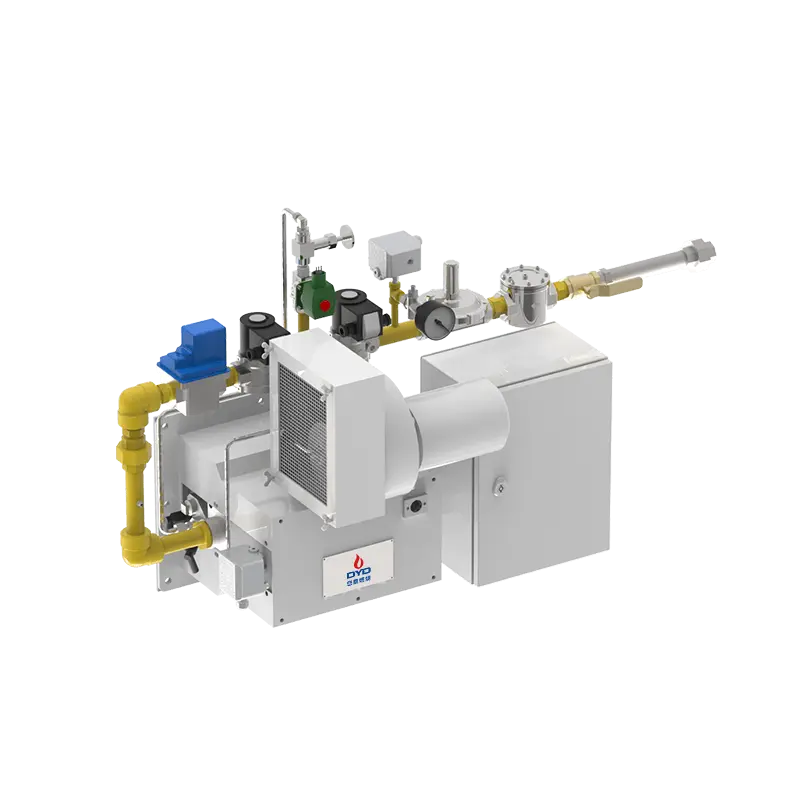
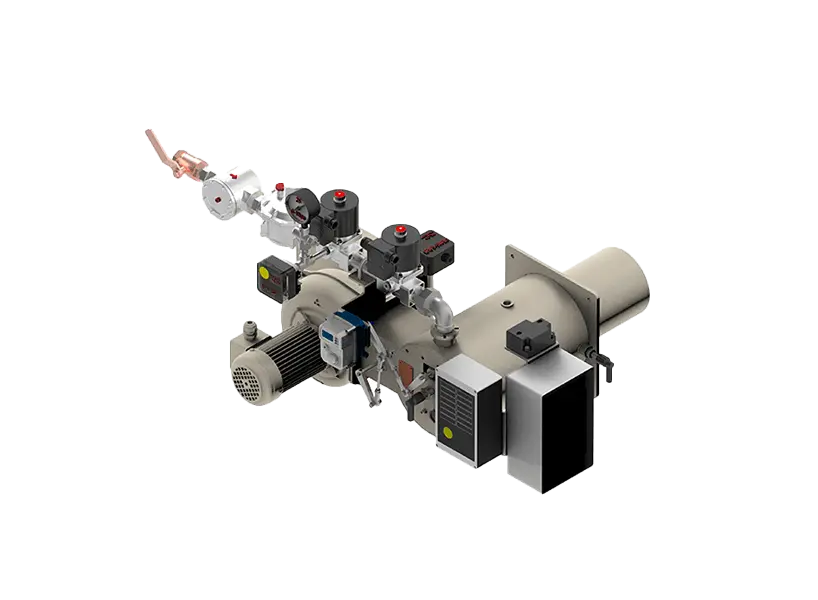
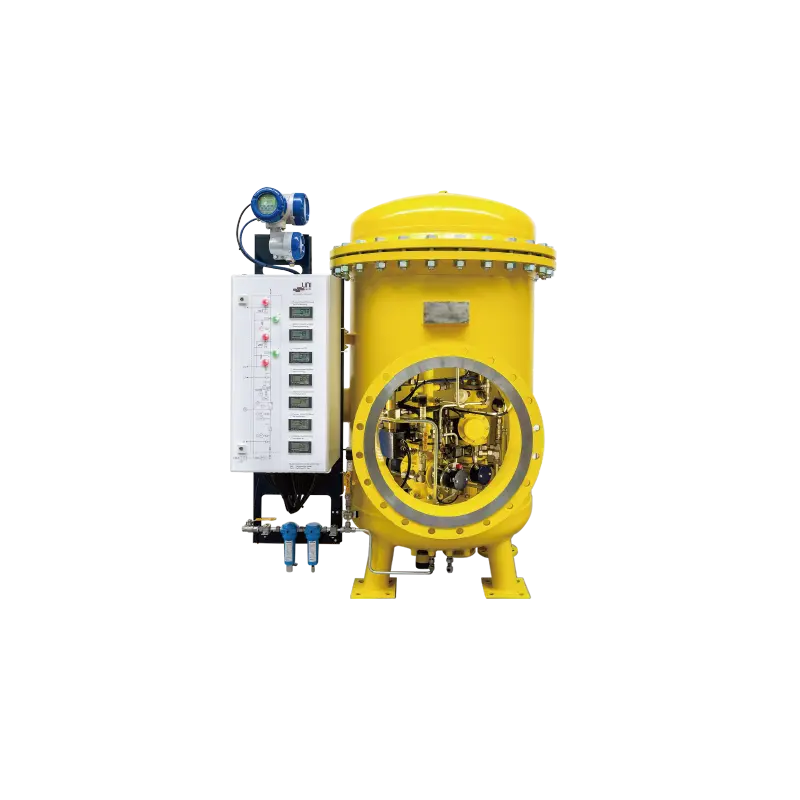
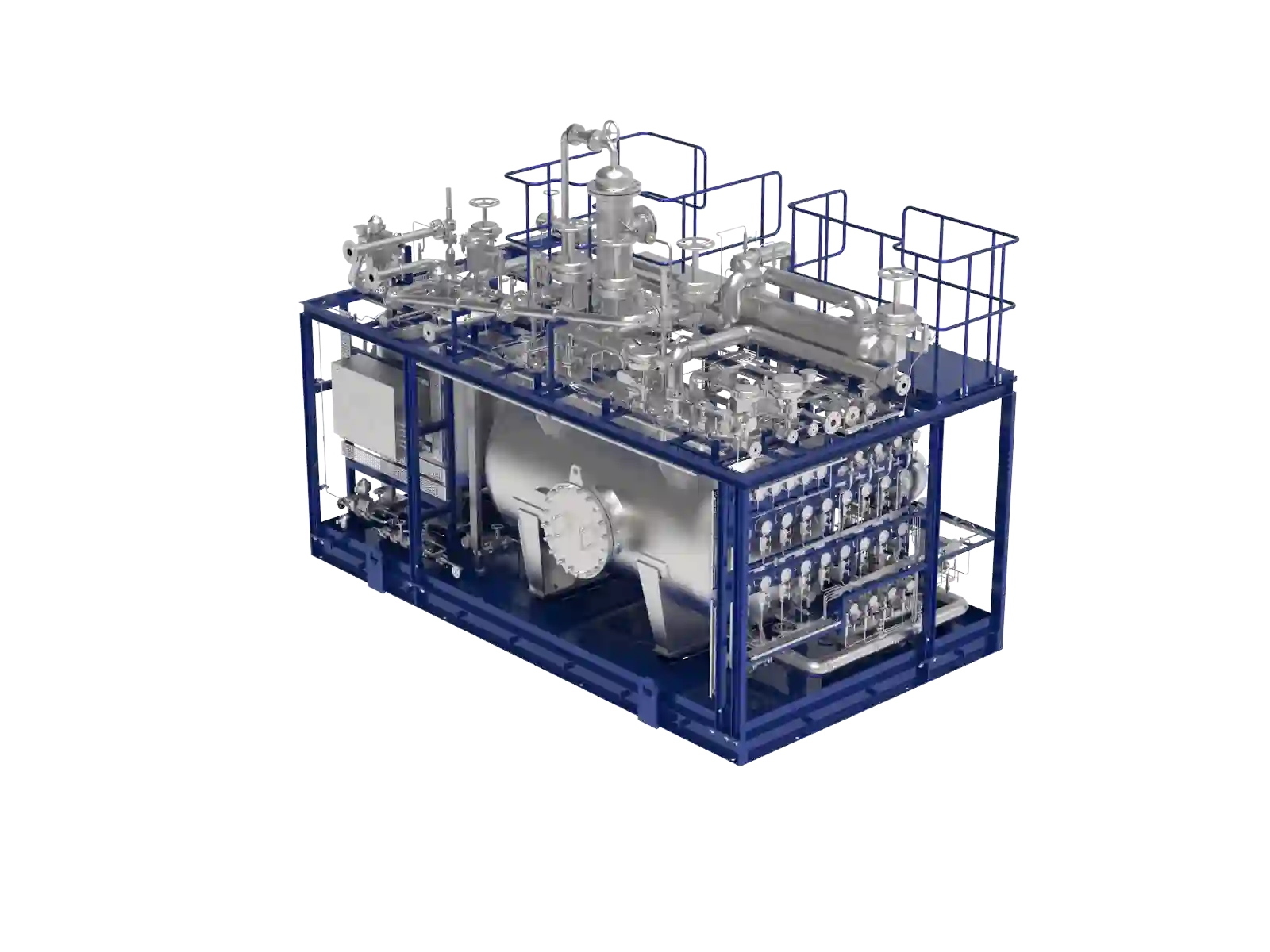
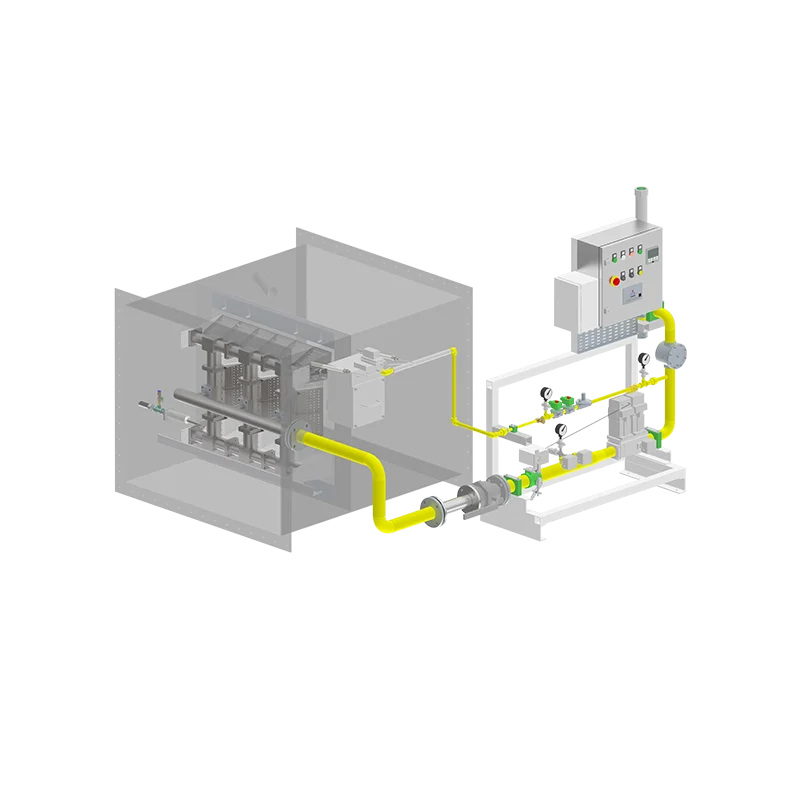
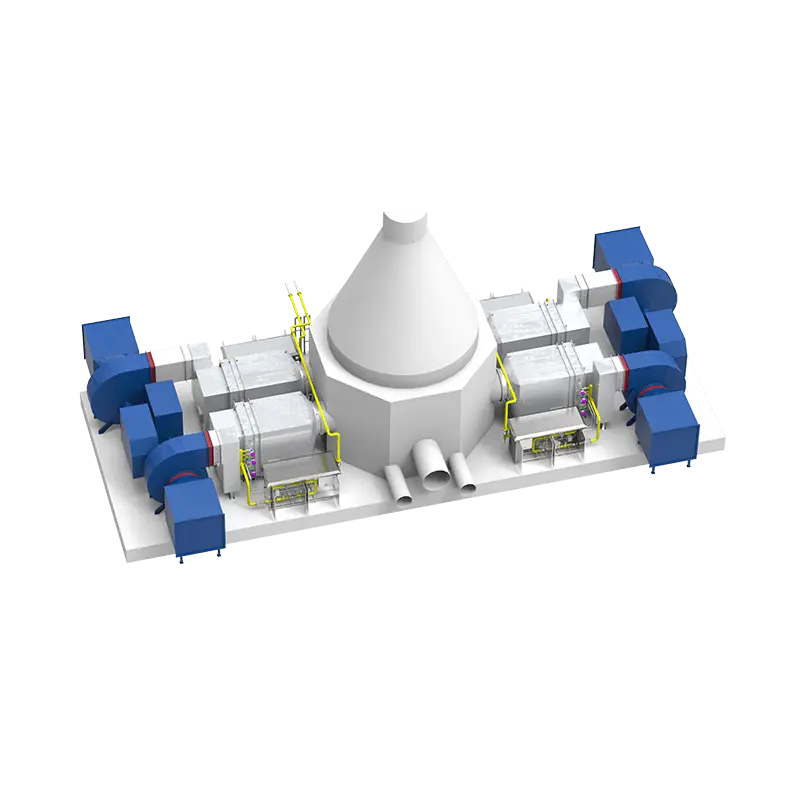
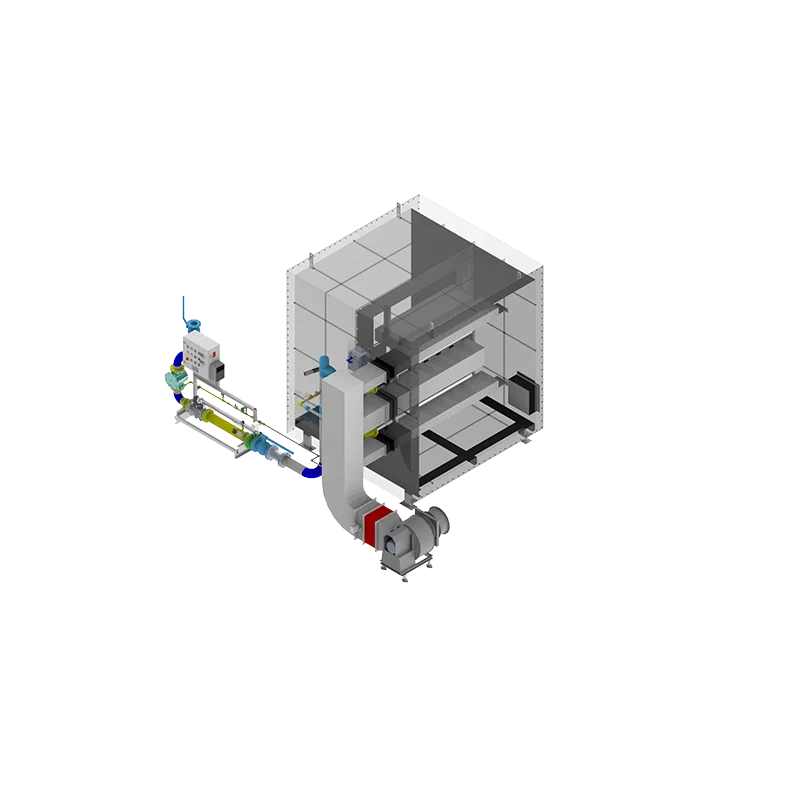
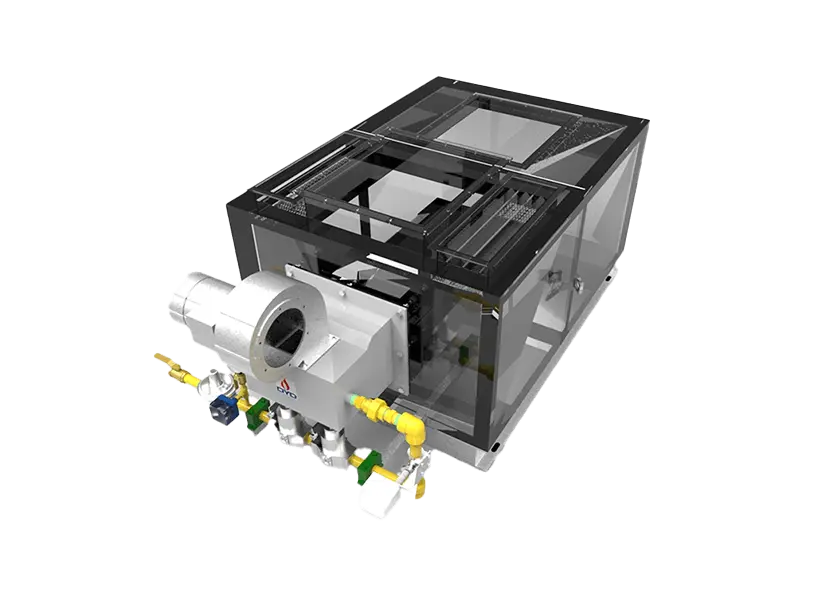
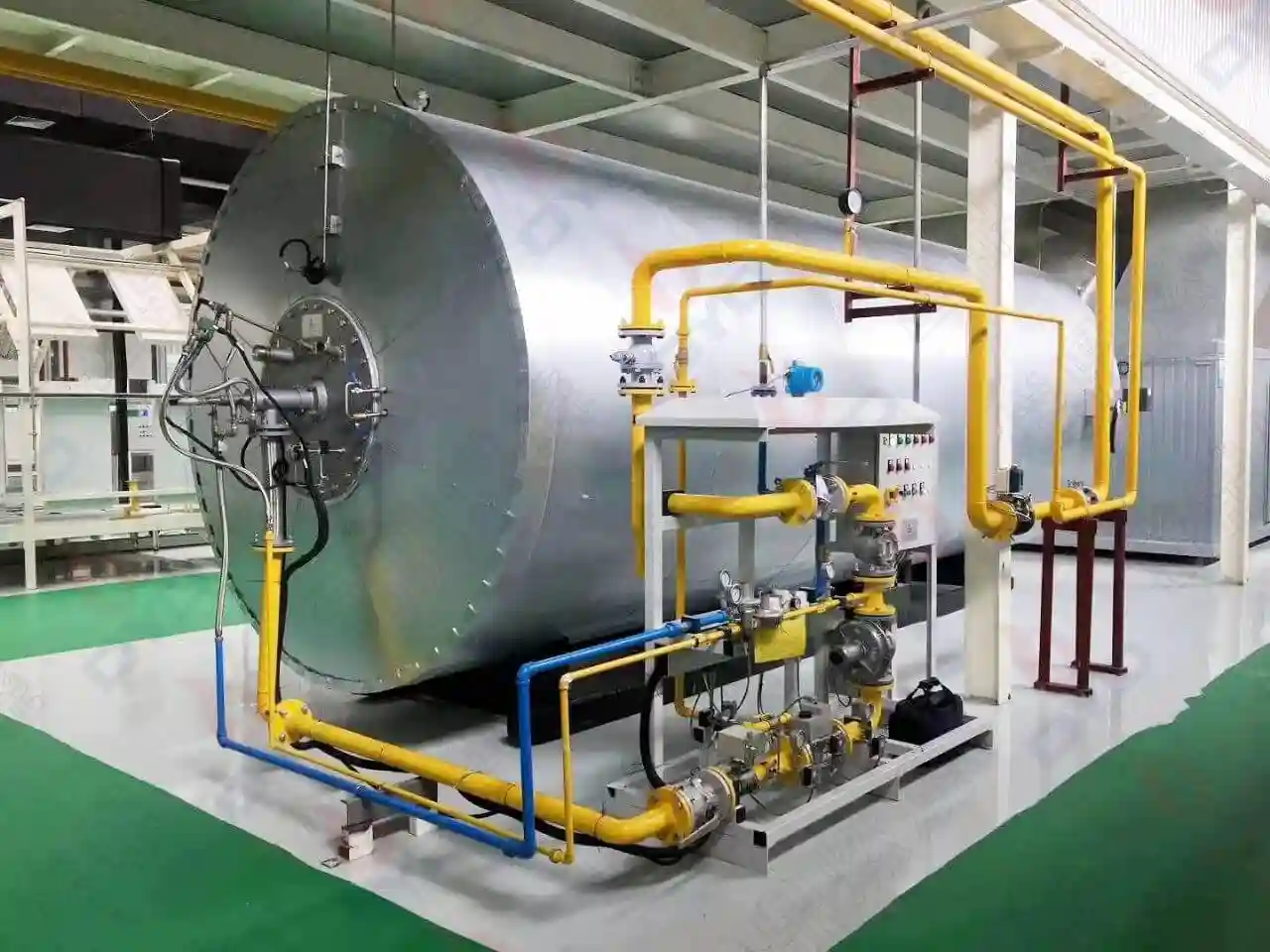
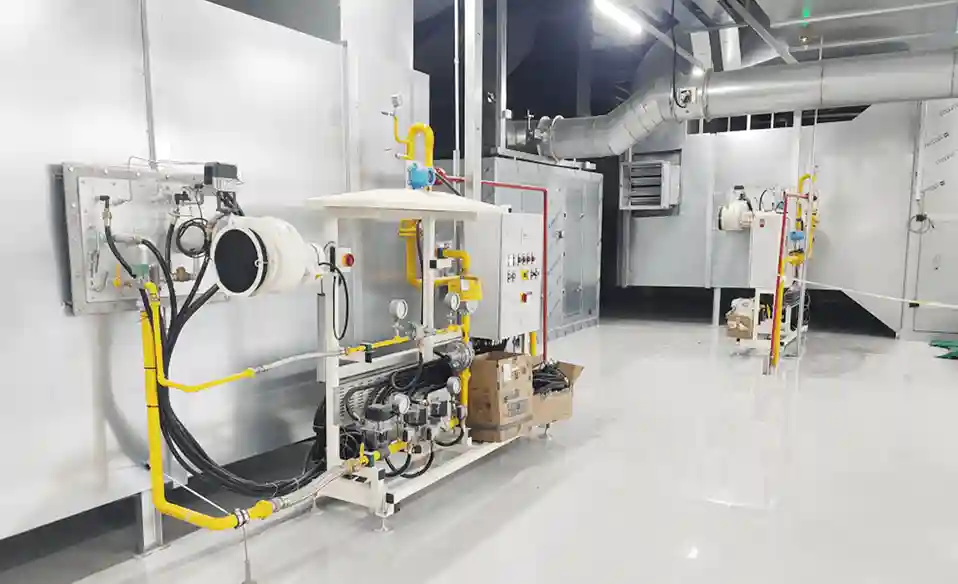
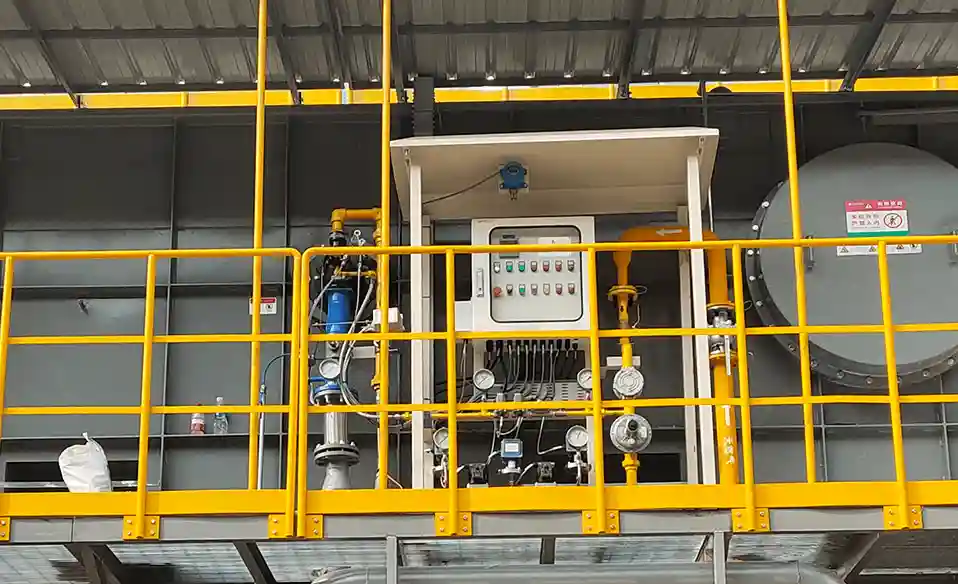
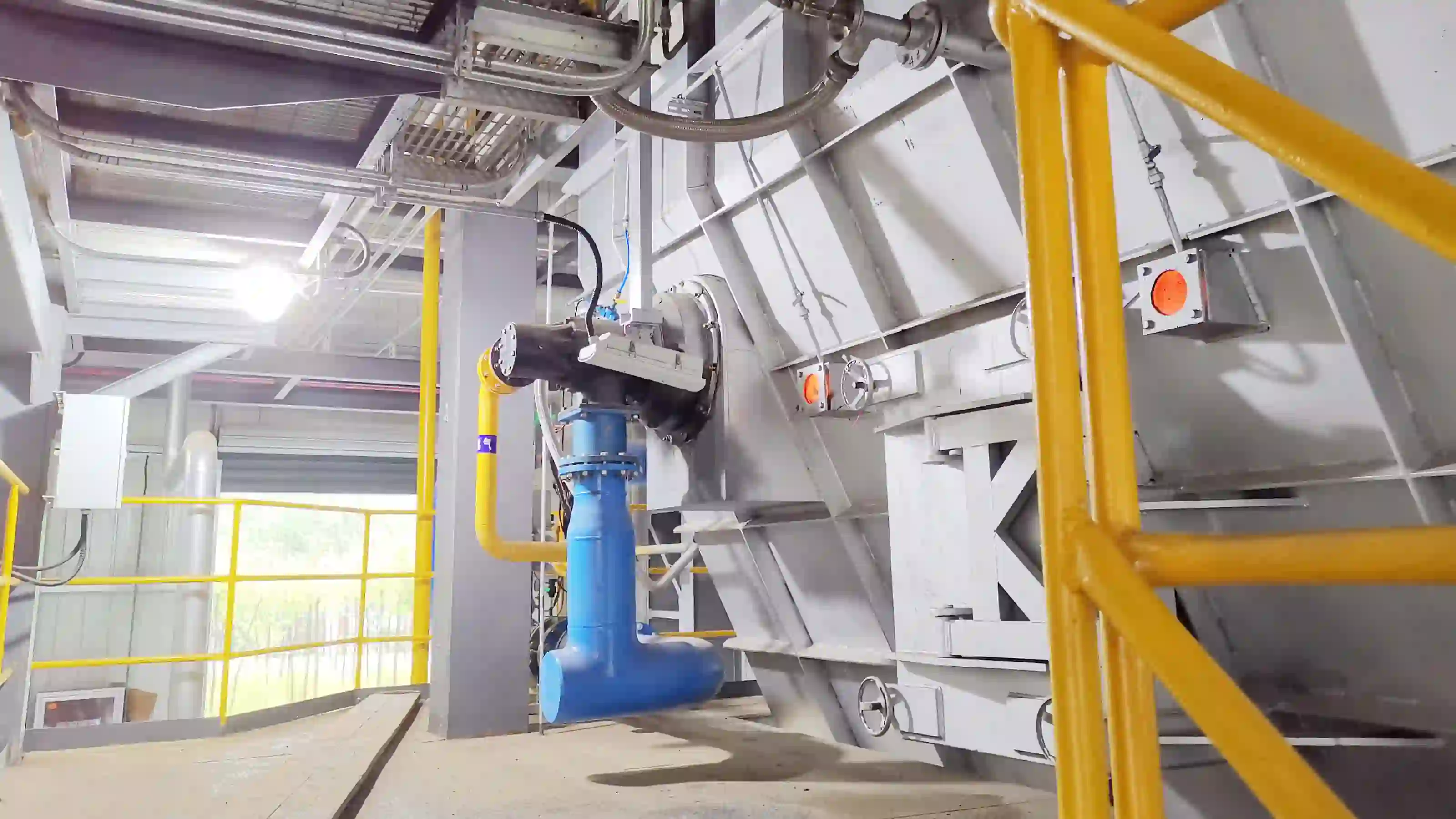
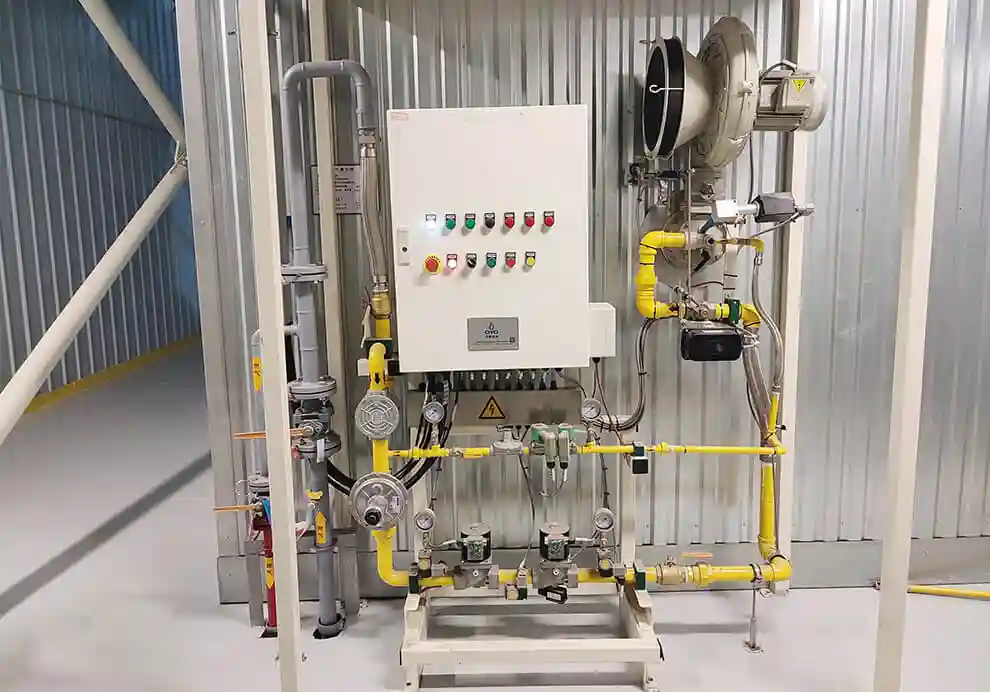
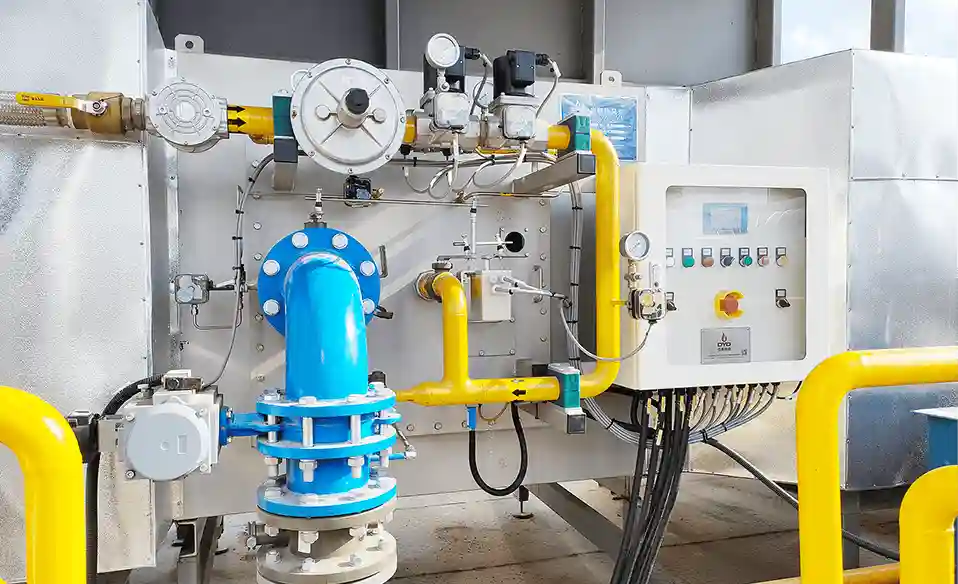
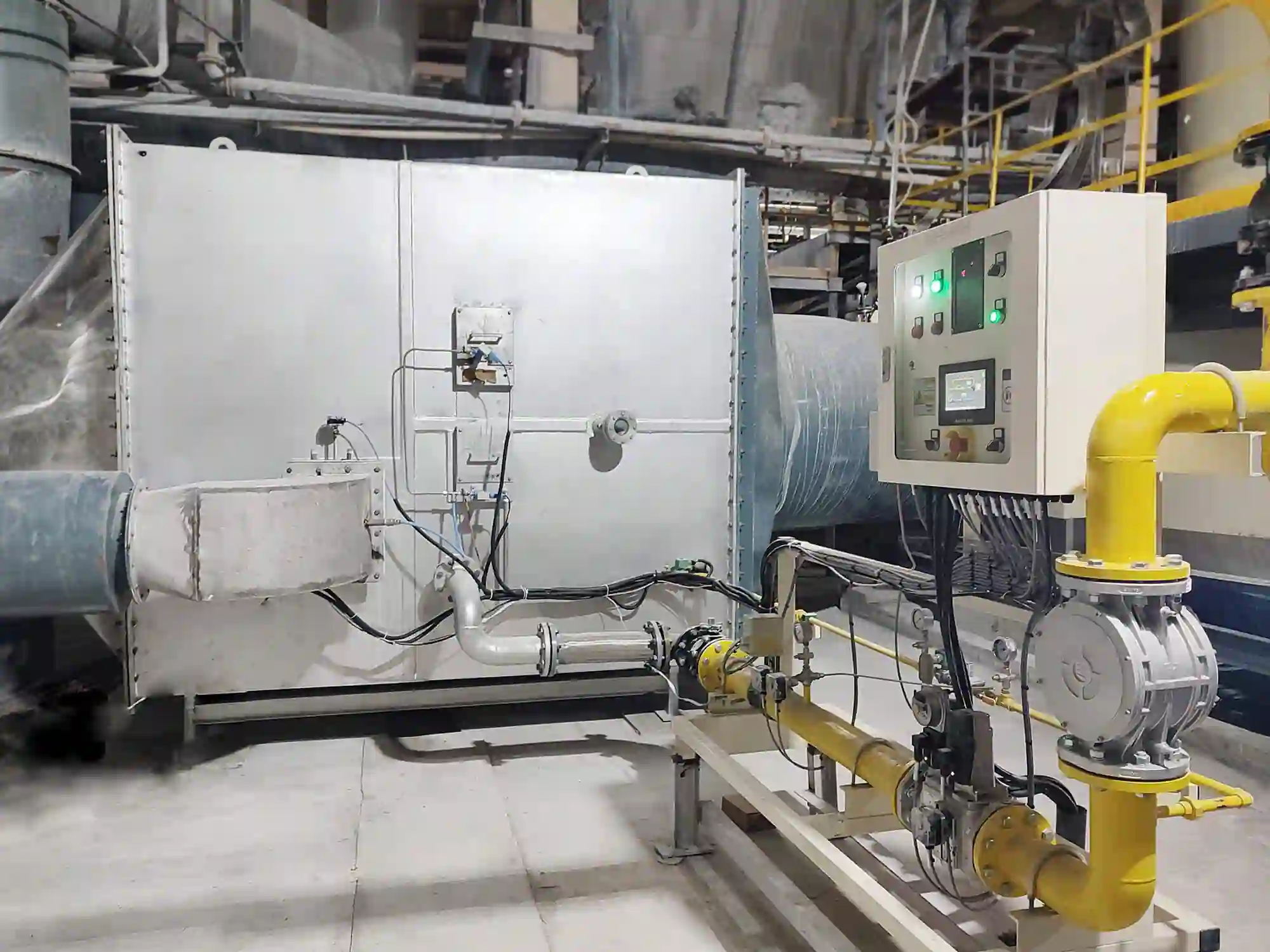
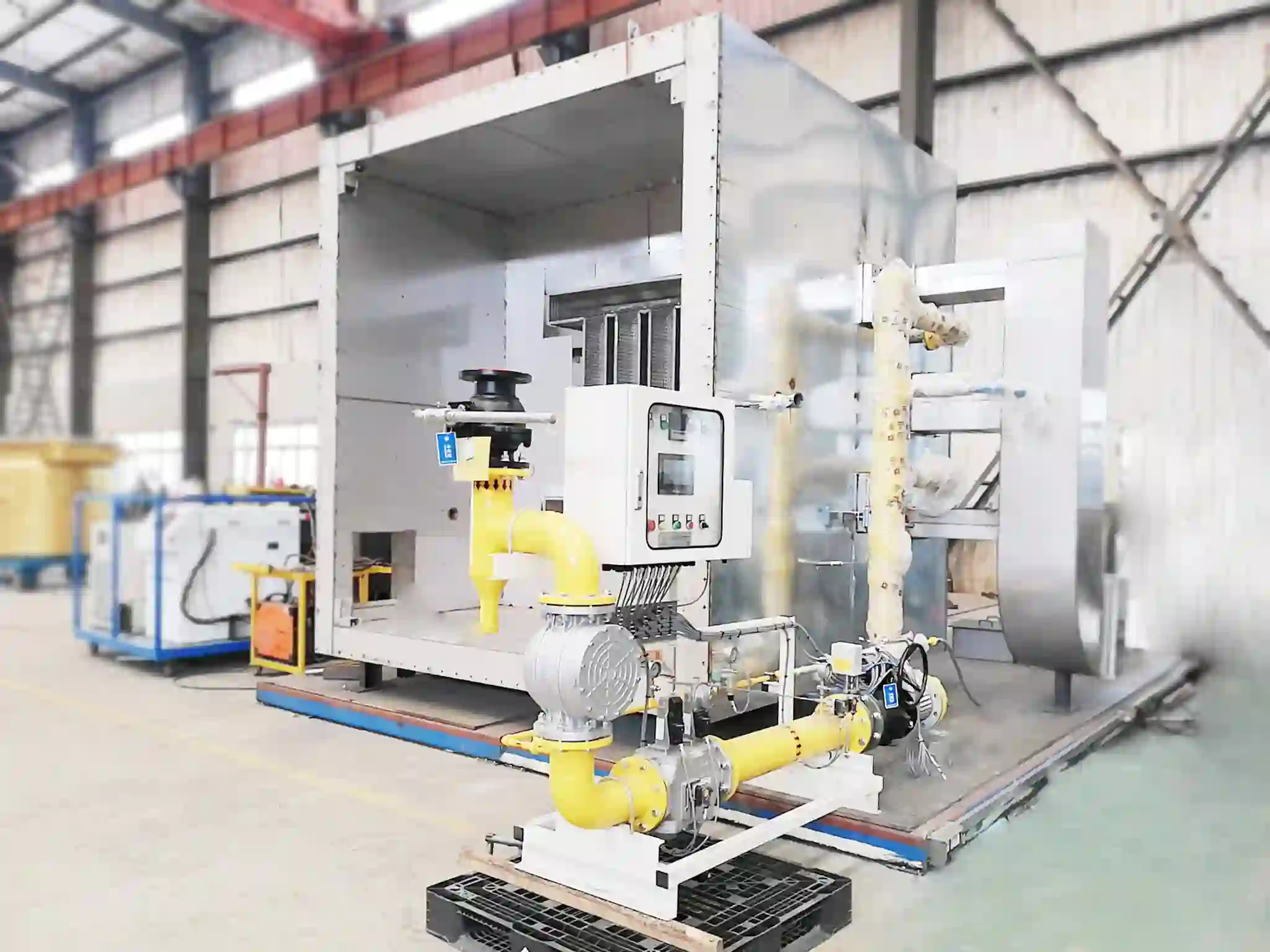
Energy-efficient combustion is an important part of reducing fuel consumption, operating costs, and emissions in industrial heating systems. Whether a burner is installed on a furnace, kiln, drying system, hot air generator, RTO, or other thermal process equipment, combustion efficiency depends on more than simply choosing a high-efficiency burner.
The performance of the entire combustion system is affected by fuel-air ratio, burner sizing, excess air, flame characteristics, furnace pressure, heat distribution, temperature control, combustion air preheating, and the way the burner interacts with the process equipment. A burner that performs well on a test stand may deliver poor results in a furnace if it is not matched to the furnace geometry, heat load, and process requirements. Similarly, a furnace with excellent insulation can still waste energy if the burner is poorly tuned or the controls are inaccurate.
For this reason, energy-efficient combustion should be approached as a system-level engineering problem rather than as a single burner specification. The most successful energy-efficiency programs consider the burner, furnace, fuel system, combustion-air system, exhaust system, heat recovery, and control strategy as one integrated thermal process. This article outlines the best practices that can help industrial operators and equipment manufacturers achieve lower fuel consumption, stable operation, and reliable product quality.
One of the most important practices for efficient combustion is selecting a burner with an appropriate capacity range. Burner capacity should be based on the actual thermal requirements of the process, not on a rough estimate or an oversized safety margin. An improperly sized burner is one of the most common causes of poor combustion efficiency in industrial heating equipment.
A burner that is significantly oversized may frequently operate at low load, cycle on and off, or require excessive air during turndown. This can increase heat losses and make temperature control more difficult. At low firing rates, fuel and air velocities are lower, mixing may be less effective, and the flame can become unstable. The burner may also cycle frequently, causing purge losses between cycles and increasing wear on ignition components and valves.
An undersized burner can create the opposite problem. It may operate continuously at high load without sufficient capacity to compensate for process fluctuations, resulting in slow heating or inadequate process temperatures. In some cases, the burner may never reach the required setpoint, forcing operators to increase the temperature setting or extend the heating cycle, both of which increase fuel consumption.
A practical selection process should consider:
Required process temperature
Furnace or equipment heat load
Heating-up time
Continuous and peak heat demand
Heat losses through walls and openings
Product or material throughput
Fuel type and available fuel pressure
Required burner turndown ratio
Operating conditions at minimum and maximum load
Ambient conditions and altitude, if relevant
The goal is not necessarily to select the largest available burner. The goal is to select a burner whose operating range matches the actual thermal requirements of the equipment. In many cases, a burner with a high turndown ratio is more suitable than a larger burner that must cycle frequently. The normal operating point should fall within the burner’s most efficient range, typically between 50% and 80% of maximum capacity, while still providing enough margin for peak demand.
Combustion requires the right balance between fuel and combustion air. The fuel-air ratio is one of the most influential parameters in combustion efficiency. If the ratio is not correctly controlled, the system may operate with either insufficient oxygen or excessive air, both of which reduce performance.
Too little air can result in incomplete combustion, unstable flames, carbon monoxide formation, and potentially unsafe operating conditions. Unburned fuel represents a direct energy loss, and high CO concentrations indicate that some chemical energy is leaving the system without being converted into useful heat. In severe cases, insufficient air can cause soot formation, flame lift-off, or even explosion hazards.
Too much air can also reduce efficiency because the additional air must be heated and eventually leaves the furnace as hot exhaust gas. Every kilogram of excess air absorbs heat that could otherwise be transferred to the product. The exhaust system must also handle a larger gas volume, which can increase fan power consumption and pressure drop.
For many industrial combustion systems, controlling excess air is therefore one of the most direct ways to reduce unnecessary heat loss. However, the optimum air-fuel ratio is process-dependent. A furnace requiring a particular atmosphere or flame characteristic may need operating conditions different from those of a conventional hot-air system. For example, a reducing atmosphere furnace may require a fuel-rich condition, while a drying oven may operate with a lean mixture.
Efficient combustion systems should therefore maintain a stable fuel-air ratio across the required operating range rather than optimizing the mixture at only one operating point. The ratio should be checked at high fire, low fire, and several intermediate points. Oxygen and carbon monoxide measurements are essential for verifying the actual combustion condition. Mechanical linkages, valves, and actuators should be calibrated so that the air flow follows the fuel flow accurately as the burner modulates.
Excess air is necessary to support reliable combustion, but excessive excess air carries sensible heat out of the system. Some excess air is always required because real burners do not achieve perfect mixing, and operating conditions change over time. However, the amount of excess air should be controlled within a reasonable range.
For example, if a furnace operates with substantially more combustion air than required, a larger volume of nitrogen and unused oxygen is heated to furnace temperature and discharged through the exhaust system. This can increase:
Flue gas volume
Exhaust heat loss
Fuel consumption
Fan power requirements
Thermal load on downstream exhaust equipment
NOx formation in some cases
The appropriate excess-air level should be established based on burner design, fuel characteristics, furnace conditions, emissions requirements, and combustion stability. In general, a well-designed and well-tuned natural gas burner can operate with 5–15% excess air, corresponding to approximately 2–4% oxygen in the flue gas. Older or poorly maintained systems may operate with 30–100% excess air, representing a significant energy-saving opportunity.
Oxygen monitoring or combustion-control systems can be used where appropriate to help maintain stable combustion conditions. Reducing excess air should be done gradually while monitoring CO. When CO begins to rise above acceptable limits, the practical minimum excess air has been reached. The system should then be set slightly above that point to maintain a safety margin. This approach ensures that fuel savings are achieved without sacrificing combustion stability or safety.
Manual adjustment may be sufficient for simple systems, but industrial processes with changing heat loads generally benefit from automatic combustion control. Automatic control helps maintain the correct fuel-air ratio, furnace temperature, and furnace pressure as operating conditions change. It also reduces the need for operator intervention and improves repeatability.
A typical combustion-control system can coordinate:
Fuel flow
Combustion-air flow
Burner firing rate
Furnace temperature
Furnace pressure
Safety interlocks
Flame detection
When process demand changes, the control system can adjust burner output while maintaining the required combustion conditions. This is particularly important for systems that experience significant variations in production rate, material load, or operating temperature.
A properly configured control system can help prevent conditions such as excessive air at low load, insufficient air at high load, unnecessary burner cycling, and unstable flame operation. Common control strategies include on/off control, high/low firing, proportional modulation, air-fuel ratio control, oxygen trim, cross-limiting control, and zone control. The appropriate strategy depends on the furnace type, load variations, fuel, and emissions requirements.
For example, a continuous furnace with stable load may only need a simple ratio controller, while a batch furnace with wide load swings may benefit from a more advanced system with oxygen feedback and zone control. Automatic control also improves safety by ensuring that the air-fuel ratio remains within safe limits during load changes.
Furnace pressure is sometimes overlooked when discussing combustion efficiency. However, it has a direct effect on combustion-air flow, fuel-air mixing, flame shape, heat distribution, and heat loss. If furnace pressure fluctuates significantly, the burner may not receive the intended amount of combustion air, and the flame may become unstable.
Excessive negative pressure may draw unwanted air into the furnace through gaps and openings. This uncontrolled air infiltration increases the amount of gas that must be heated and exhausted. In a poorly sealed furnace, infiltration can account for 10–20% of total heat loss. The additional air also changes the oxygen concentration in the furnace, which can affect combustion and product quality.
Positive pressure can create other problems, including hot-gas leakage through furnace openings. This wastes energy and can damage nearby equipment or create safety hazards. In extreme cases, positive pressure can cause flames to escape through doors or inspection ports.
Maintaining an appropriate pressure condition can therefore improve both combustion stability and overall thermal efficiency. In most furnaces, a slightly positive pressure—often around 0.5 to 2 mmH₂O—is recommended to prevent cold-air ingress while minimizing hot-gas escape. Pressure control can be achieved with a modulating exhaust damper or a variable-speed exhaust fan.
For larger industrial systems, furnace pressure control should be considered together with burner capacity, exhaust-system design, and combustion-air supply. Regular inspection of door seals, gaskets, and expansion joints helps maintain pressure stability and reduces unnecessary heat loss. Pressure sensors should be calibrated periodically to ensure accurate control.
A burner can achieve good combustion while the overall heating system still performs poorly. The reason is that combustion efficiency and heat-transfer efficiency are different concepts. Combustion efficiency describes how completely the fuel is burned. Heat-transfer efficiency describes how effectively the released heat reaches the product or process.
A flame that is too long, too short, too concentrated, or improperly positioned can create local hot spots while leaving other parts of the furnace underheated. This can lead to:
Uneven product temperatures
Longer heating cycles
Higher furnace setpoints
Increased fuel consumption
Product quality problems
Local refractory damage
Increased maintenance costs
When part of the load is too cold, operators often increase the overall furnace temperature to ensure the coldest area reaches the required process temperature. This practice is sometimes called “overheating to compensate for poor distribution.” It increases fuel consumption across the entire furnace and may overheat other areas, causing quality problems.
Burner angle, flame length, flame velocity, burner spacing, and burner orientation should therefore be considered during system design. For multi-burner furnaces, the arrangement of individual burners can be just as important as the specifications of each burner. In some cases, zoning the furnace and controlling each zone independently can improve uniformity and reduce energy use. In other cases, changing the burner angle or adding circulation fans may be necessary.
Computational fluid dynamics (CFD) modeling can be a useful tool for predicting how different burner arrangements affect temperature distribution and heat transfer. In some cases, a small change in burner angle or spacing can produce a significant improvement in efficiency and product quality.
Furnace geometry directly influences flame development and heat transfer. A burner suitable for a large chamber may not perform the same way when installed in a narrow or shallow furnace. Similarly, a burner designed for direct flame heating may not be appropriate for an indirect heating application.
Important design parameters include:
Furnace dimensions
Chamber shape
Burner mounting position
Available installation space
Product position
Airflow pattern
Exhaust location
Required flame coverage
Target temperature distribution
The interaction between burner and furnace should be evaluated before final equipment selection. A burner with the correct nominal capacity may still produce poor results if the flame impinges on a wall or if the combustion gases do not circulate properly through the load.
This is one reason industrial burner selection is often more complicated than comparing nominal thermal capacity. Two burners with the same rated capacity can produce very different results depending on flame shape, momentum, and mixing characteristics. The burner supplier should therefore be given detailed information about the furnace and process so that the burner can be matched correctly.
Recovering heat from hot exhaust gas is another effective way to improve overall energy efficiency. In many high-temperature furnaces, exhaust gases leave the system at several hundred degrees Celsius, carrying a substantial fraction of the fuel energy that was originally supplied.
Depending on the process, exhaust heat can potentially be used for:
Preheating combustion air
Preheating process air
Preheating materials
Supporting drying processes
Generating hot air for another process stage
Combustion-air preheating is particularly important because it can reduce the amount of fuel required to reach a target furnace temperature. For example, preheating combustion air to 300°C can reduce fuel consumption by roughly 10–15% in many high-temperature applications. Preheating to 500°C can save 15–25% or more, depending on the furnace temperature, exhaust conditions, and heat exchanger effectiveness.
However, heat recovery should be designed according to the exhaust-gas composition, temperature, contamination level, corrosion risk, and process requirements. The highest theoretical heat-recovery rate is not always the most practical solution. Reliability, maintenance, pressure drop, and equipment cost must also be considered. The burner must also be compatible with the higher combustion-air temperature and pressure conditions. In some cases, a recuperative or regenerative burner may be the best solution; in others, a separate heat exchanger may be more appropriate.
Energy efficiency and emissions control are closely related, but they are not identical. NOx formation is affected by flame temperature, oxygen availability, residence time, fuel characteristics, and combustion conditions. Low-NOx burner technologies may use techniques such as staged combustion, internal flue-gas recirculation, or other flame-temperature-control methods.
However, reducing NOx should not be considered independently from the thermal process. A burner must still provide:
Stable ignition
Reliable flame detection
Appropriate heat release
Required temperature distribution
Suitable turndown performance
Consistent operation
In some cases, low-NOx strategies can reduce efficiency by requiring higher excess air or by diluting the flame. In other cases, modern low-NOx burners can achieve both low emissions and high efficiency when properly tuned. The correct solution is therefore a balance between emissions requirements, combustion stability, thermal performance, and operating conditions.
The objective should be:
High combustion efficiency + appropriate emissions performance + stable operation
rather than optimizing only one parameter. When selecting a low-NOx burner, it is important to consider the actual operating conditions and not just the emissions rating. The burner should be tested or modeled under conditions that represent the real furnace operation.
Even a well-designed combustion system can lose efficiency over time. Deposits, damaged burner components, blocked air passages, incorrect valve settings, degraded ignition components, or inaccurate sensors can change the original combustion conditions. A burner that was properly tuned at commissioning may drift out of adjustment after months of operation.
Regular inspection should cover:
Burner nozzles and mixing components
Ignition system
Flame detector
Gas train or fuel system
Air-control components
Pressure regulators
Control valves
Combustion-air fans
Safety interlocks
Furnace pressure sensors
Changes in flame appearance, fuel consumption, exhaust-gas temperature, furnace pressure, or combustion stability can provide early indications of performance degradation. Preventive maintenance is usually more effective than waiting until combustion problems cause production interruptions. A maintenance schedule should be based on operating hours and the severity of the environment. In dusty or high-temperature applications, more frequent inspections may be necessary.
Records of combustion measurements and maintenance actions can help identify trends and schedule repairs before failures occur. For example, if the oxygen level in the flue gas gradually increases over time, it may indicate a drifting air-fuel ratio or a leaking air damper. If the flame signal becomes weaker, it may indicate a dirty flame detector or a failing sensor.
Energy-efficient combustion should be measurable. Without data, it is difficult to know whether the system is operating efficiently or whether changes have produced real savings. Depending on the application, useful operating data may include:
| Parameter | Why It Matters |
|---|---|
| Fuel consumption | Indicates overall energy use |
| Burner firing rate | Shows actual thermal demand |
| Combustion-air flow | Helps evaluate air-fuel balance |
| Furnace temperature | Indicates process conditions |
| Furnace pressure | Affects airflow and heat loss |
| Exhaust temperature | Helps identify heat losses |
| Oxygen concentration | Helps evaluate excess air |
| CO concentration | Indicates combustion quality |
| Flame signal | Indicates flame stability |
| Burner cycling frequency | Shows whether capacity is properly matched |
Monitoring these parameters over time makes it easier to identify changes in system performance. For high-energy industrial processes, data logging can also help operators compare fuel consumption under different production conditions. This allows the facility to establish a baseline and track the impact of optimization measures.
A useful metric is specific fuel consumption, such as natural gas consumption per ton of product or per batch. This normalizes for production changes and provides a more accurate picture of efficiency than total fuel consumption alone.
Improving the burner alone cannot compensate for excessive furnace heat loss. Insulation quality, furnace-door design, openings, refractory condition, and exhaust configuration all influence total energy consumption. A high-efficiency burner installed on a poorly insulated furnace will still consume more fuel than necessary because the heat it produces escapes through the walls and openings.
For example, if a furnace has poorly insulated walls or frequently opened doors, a portion of the energy generated by the burner may be lost directly to the surrounding environment. In older furnaces, wall losses can account for 10–20% of total energy input. Infiltration through door seals and inspection ports can add another significant loss.
Energy-efficient combustion should therefore be evaluated together with:
Furnace insulation
Refractory condition
Door and seal design
Exhaust-system configuration
Air leakage
Process opening frequency
Heat recovery
The burner is one component of the thermal system, not the entire system. Improving insulation and sealing can reduce the heat load on the burner, allowing it to operate at a lower firing rate or with shorter firing times. After insulation upgrades, the burner should be retuned to match the reduced heat demand.
A common mistake is to evaluate a burner only by its nominal combustion efficiency. In actual industrial applications, the final energy performance depends on the interaction between the burner and the complete heating system. A single efficiency number cannot capture the complexity of real furnace operation.
For example, a technically efficient burner may still produce poor overall results if:
Its capacity is poorly matched to the furnace.
The flame does not cover the required heating area.
Excess air is too high.
Furnace pressure is unstable.
Heat recovery is poorly designed.
Temperature control is inaccurate.
The furnace has excessive heat loss.
Therefore, burner selection should consider the entire operating environment rather than relying on a single efficiency number. The best burner for a given application is the one that provides stable combustion, appropriate heat distribution, and reliable operation under the actual process conditions—not necessarily the one with the highest laboratory efficiency.
Different industrial applications require different combustion strategies. A burner for a drying system may prioritize hot-air temperature and airflow characteristics, while a heat-treatment furnace may require precise temperature uniformity. An RTO burner may have different requirements again because combustion interacts with regenerative heat recovery and volatile-organic-compound destruction.
Applications can include:
Industrial furnaces
Drying equipment
Hot air generators
Heat-treatment systems
Forging furnaces
Aluminum heating and melting systems
Ceramic kilns
Rotary kilns
Glass furnaces
RTO systems
Chemical-material drying systems
Other process-heating equipment
The correct burner should therefore be selected according to the process rather than simply according to fuel type or thermal capacity. The process temperature, atmosphere, load type, heating cycle, and emissions requirements all influence the optimal combustion solution. A system-level approach ensures that the burner, furnace, air system, fuel system, exhaust system, and controls work together efficiently.
For industrial users, energy-efficient combustion often requires more than purchasing an individual burner. It may require burner selection, combustion-system configuration, control integration, flame monitoring, fuel-system matching, and adaptation to the specific thermal equipment. The burner must be integrated into the furnace and process in a way that supports stable, efficient operation.
DYDTEC Combustion focuses on industrial combustion systems and provides burner solutions for different thermal processes. Founded in 2012, the company has developed more than 100 burner models covering over 200 application scenarios. Its engineering approach considers factors such as furnace geometry, heat load, fuel characteristics, airflow, flame shape, temperature distribution, and operating conditions when developing combustion solutions.
This system-oriented approach is particularly relevant for equipment manufacturers and industrial users who need the burner to work as part of a complete thermal process rather than as an isolated component. By considering the burner and furnace together, DYDTEC Combustion can help customers achieve lower fuel consumption, stable operation, and reliable product quality. The company has production and R&D bases in Shanghai and Yangzhou and serves customers across more than 50 countries and regions.
Before commissioning or upgrading an industrial combustion system, engineers can review the following questions. This checklist is intended to help identify potential efficiency opportunities and ensure that the combustion system is properly integrated with the furnace and process.
Is the burner capacity appropriate for the actual heat load?
Does the burner provide sufficient turndown?
Is the flame shape suitable for the furnace?
Is the burner compatible with the available fuel and air pressures?
Has the burner been matched to the furnace geometry?
Is the fuel-air ratio properly controlled?
Is excess air minimized without compromising combustion stability?
Are fuel and combustion-air pressures stable?
Is the control system capable of maintaining the correct ratio across the load range?
Are oxygen and CO levels monitored and within target ranges?
Is the burner position appropriate?
Is heat distributed evenly?
Is furnace pressure properly controlled?
Are insulation and seals in good condition?
Are there any unwanted openings or air leaks?
Can exhaust heat be recovered?
Can combustion air or process air be preheated?
Is the pressure drop of the heat-recovery system acceptable?
Is the burner compatible with preheated air?
Is the heat exchanger designed for the exhaust composition and temperature?
Is the burner automatically controlled?
Is flame detection reliable?
Are safety interlocks properly configured?
Are key operating parameters monitored?
Are alarms and shutdowns tested regularly?
Are burners and fuel-system components inspected regularly?
Are sensors and control components calibrated?
Has fuel consumption changed significantly compared with the original operating condition?
Are maintenance records kept and reviewed?
Is there a schedule for cleaning and replacing worn parts?
The best practices for energy-efficient combustion are not limited to selecting a high-efficiency burner. They involve proper burner sizing, optimized fuel-air ratios, controlled excess air, stable furnace pressure, appropriate flame design, effective temperature control, heat recovery, regular maintenance, and continuous monitoring. Each of these elements contributes to the overall performance of the combustion system.
Most importantly, combustion efficiency should be evaluated at the system level. A burner that is correctly matched to the furnace geometry, thermal load, fuel characteristics, airflow, and process requirements can contribute to lower fuel consumption while maintaining stable heating performance. For complex industrial applications, working with an experienced combustion-system supplier can also help ensure that burner performance, control, safety, and heat distribution are considered together from the design stage.
For manufacturers and industrial users looking to improve thermal efficiency, the starting point is simple: understand the actual heat demand, understand the furnace, and then design the combustion system around the process. When the burner, furnace, air system, fuel system, exhaust system, and controls work together as one integrated thermal system, energy-efficient combustion becomes a practical and sustainable result.