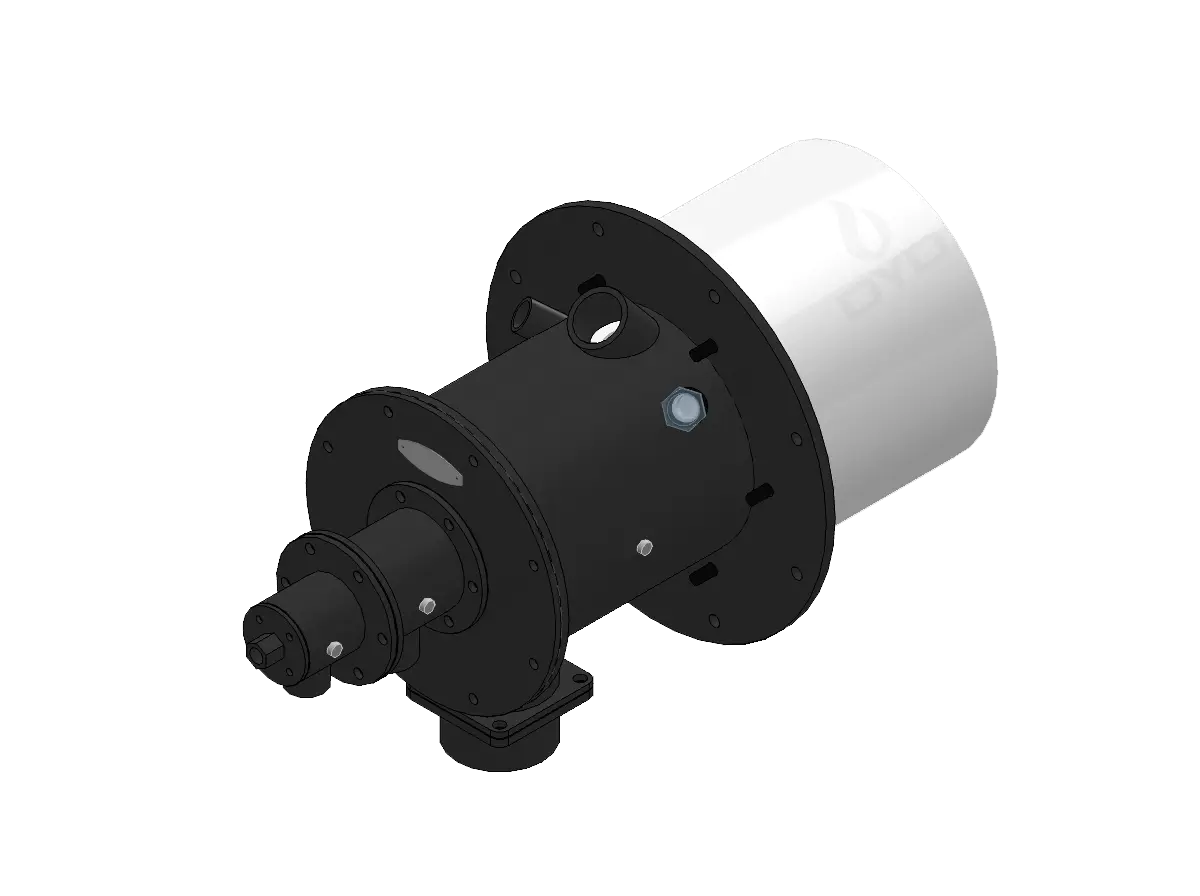
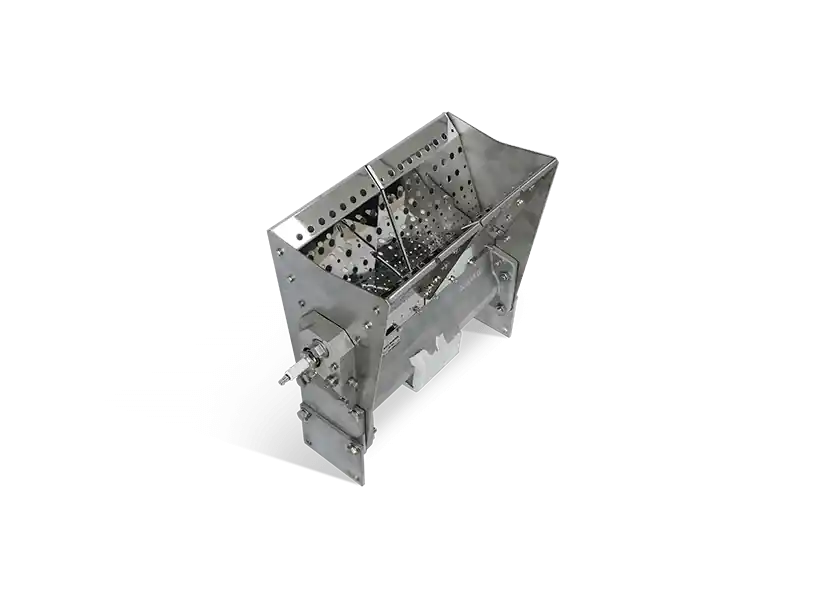
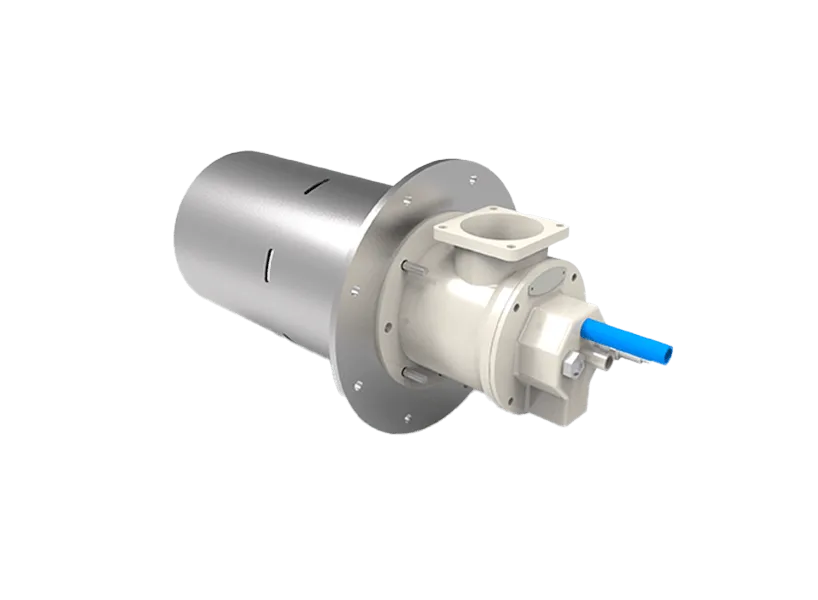
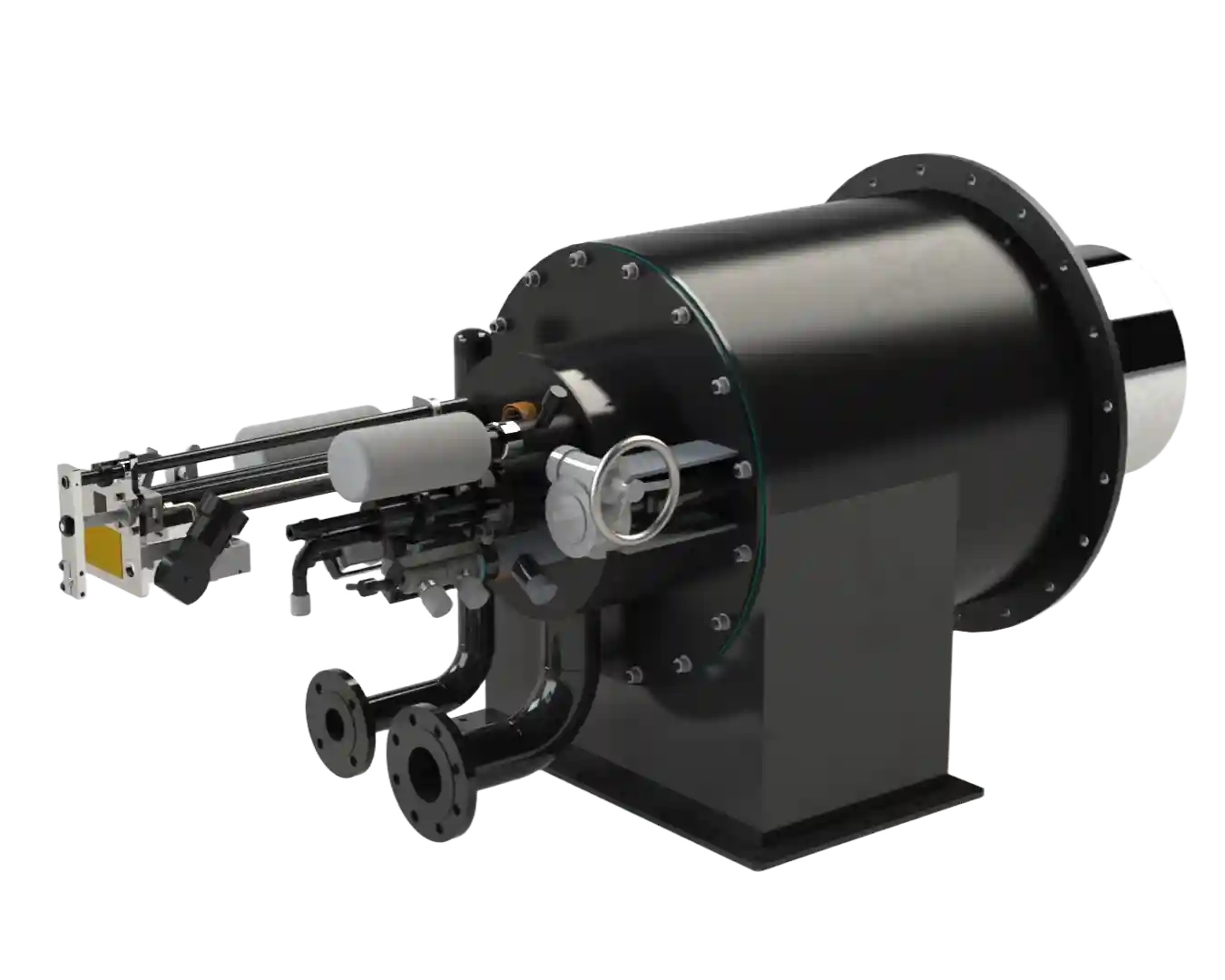
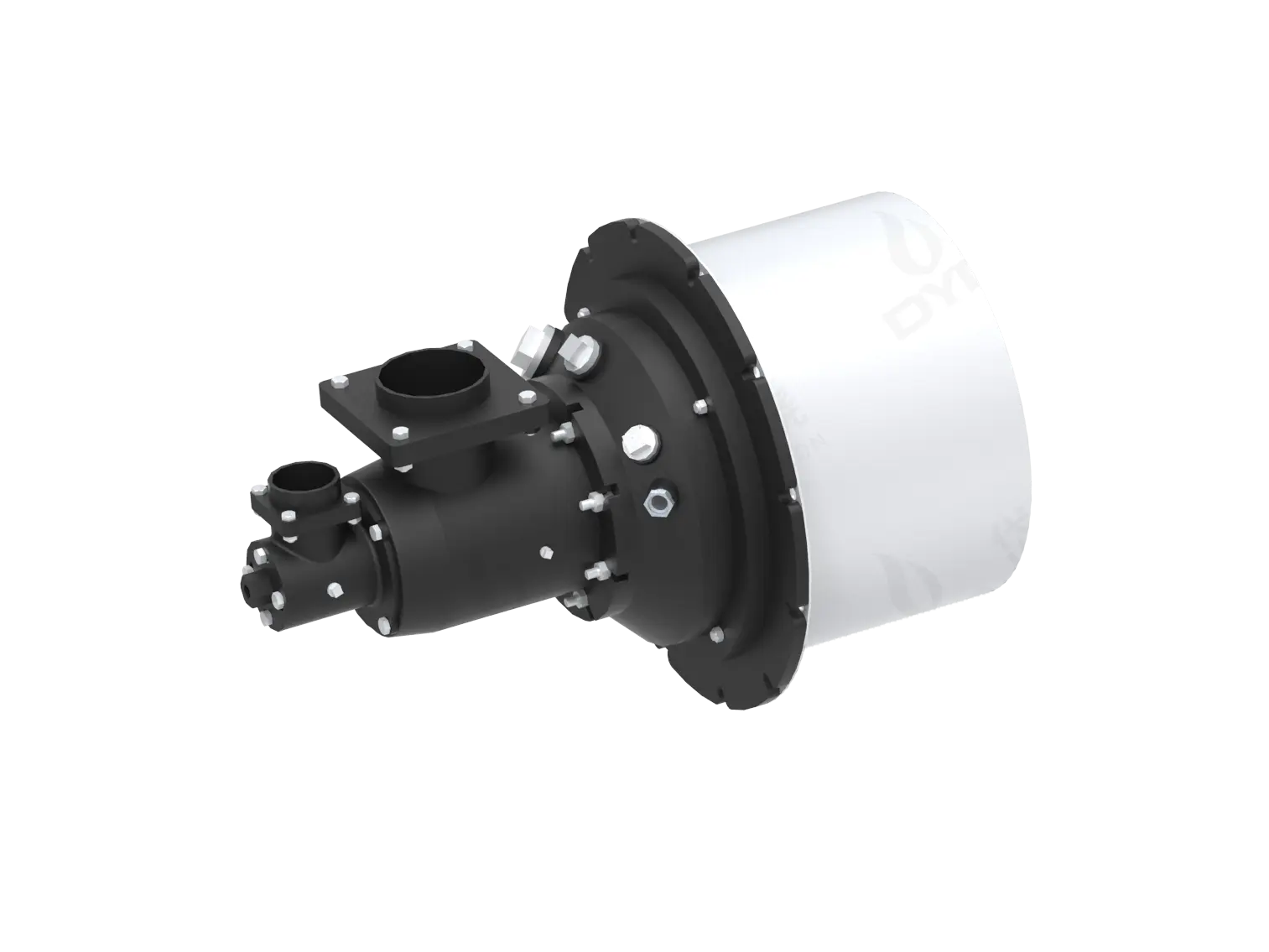
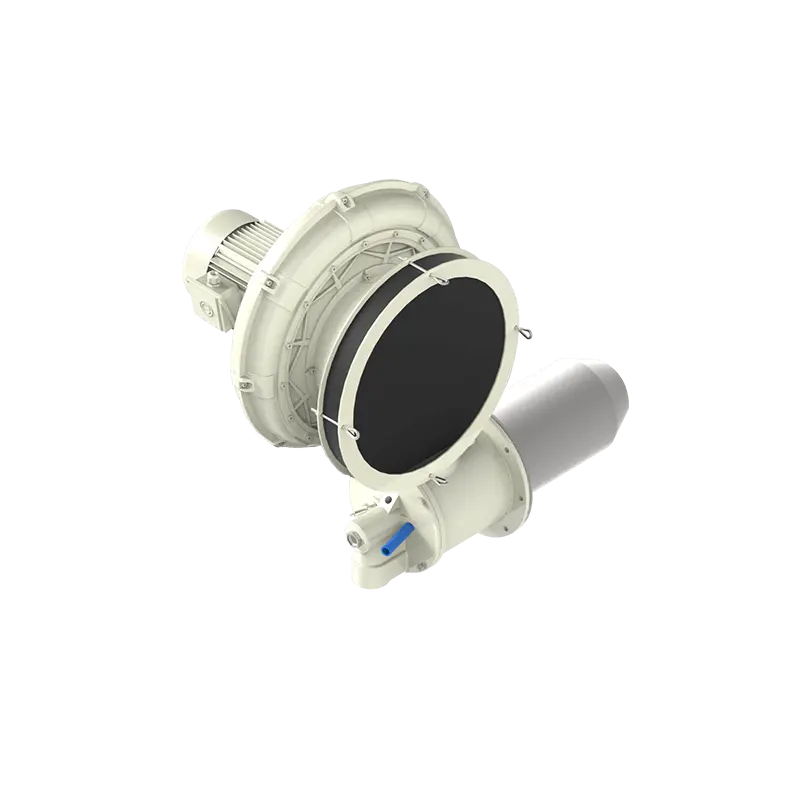
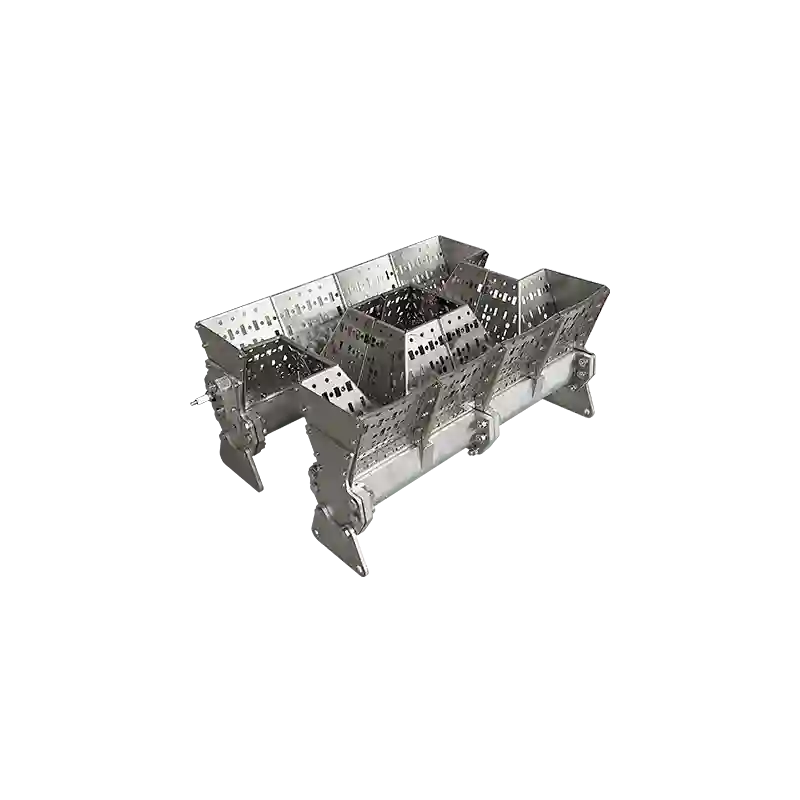
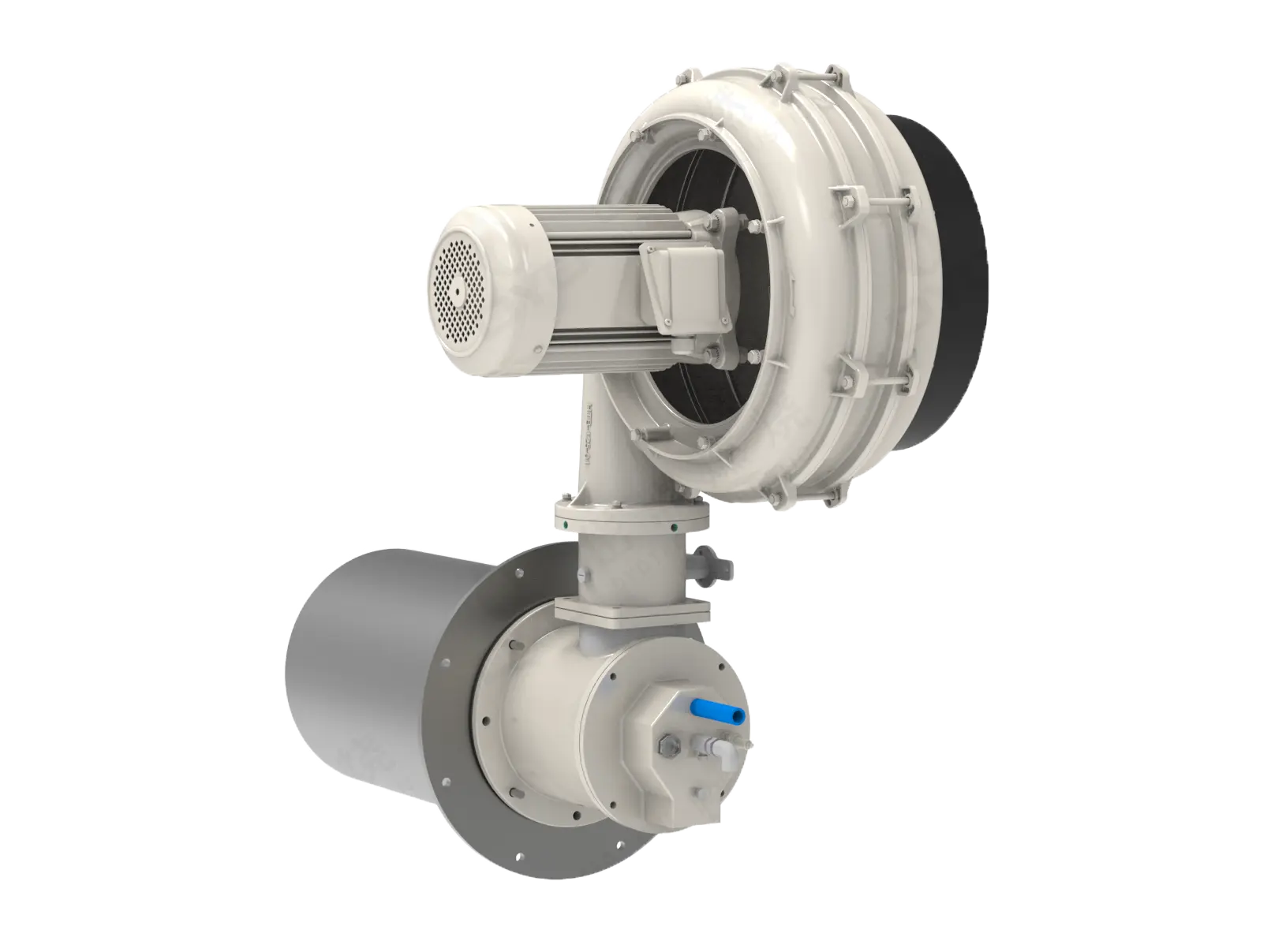
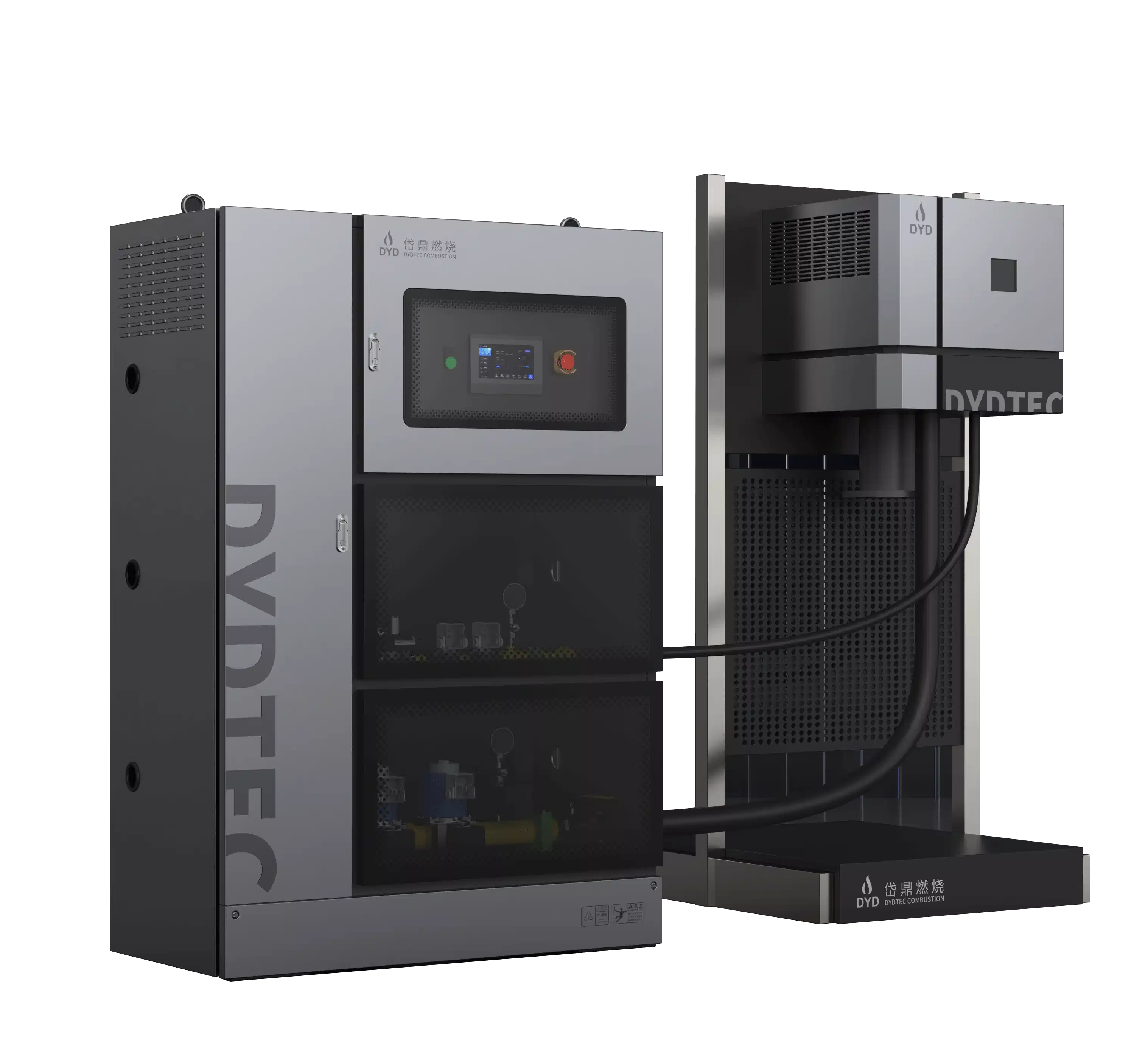
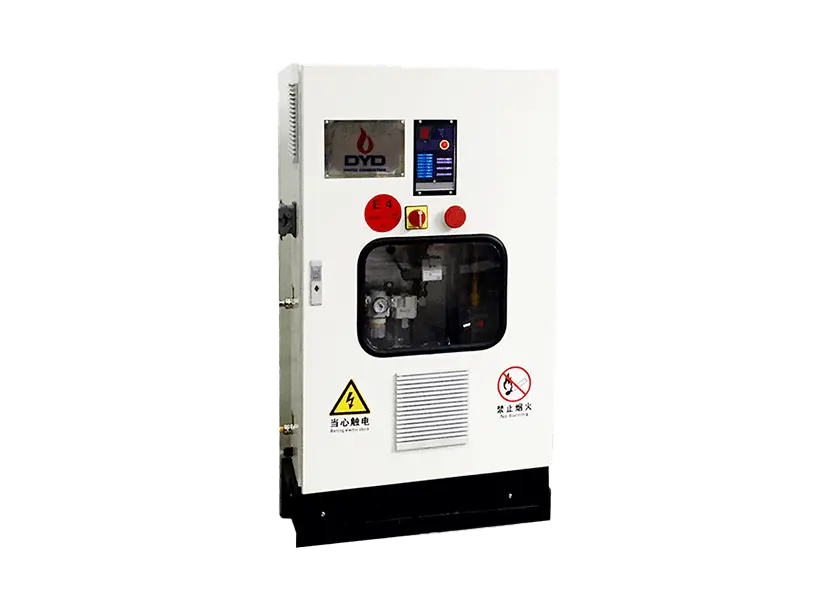
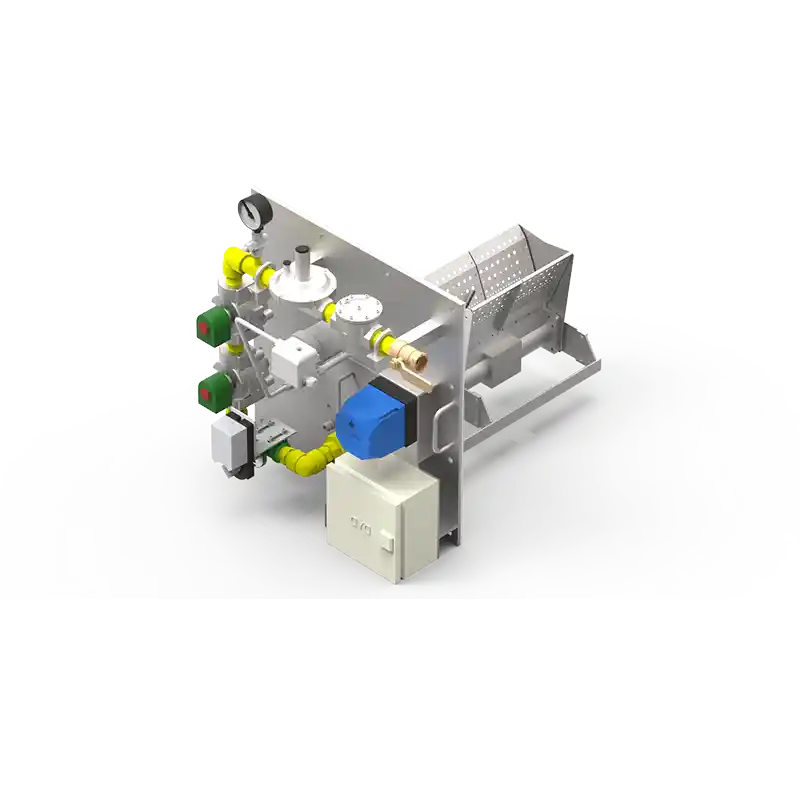
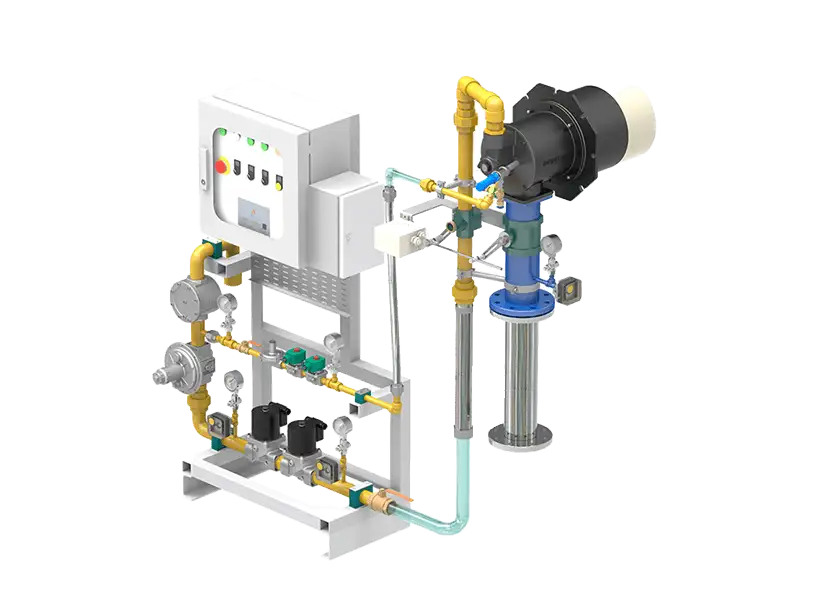
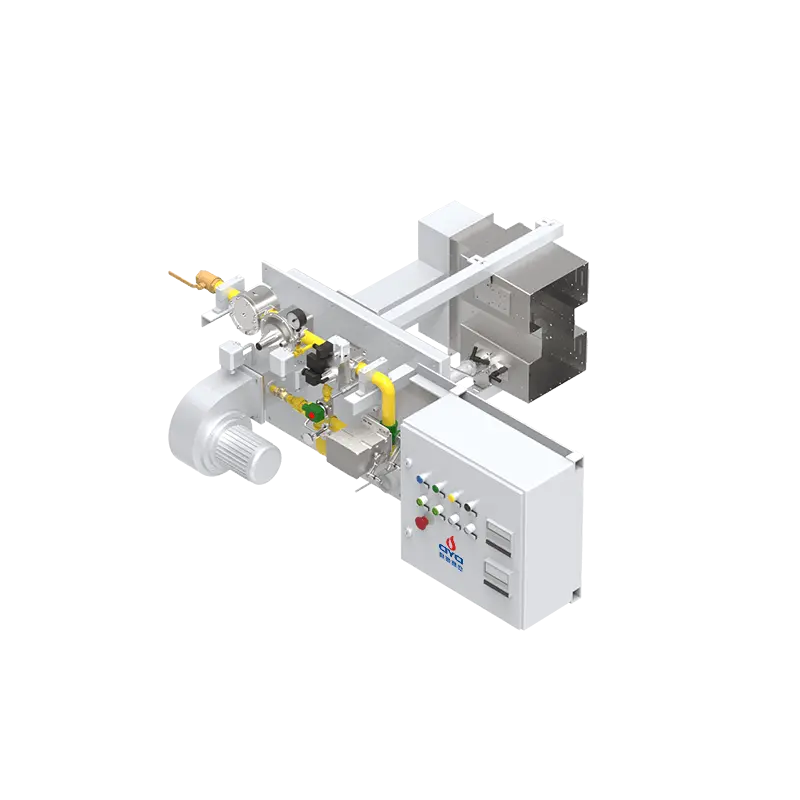
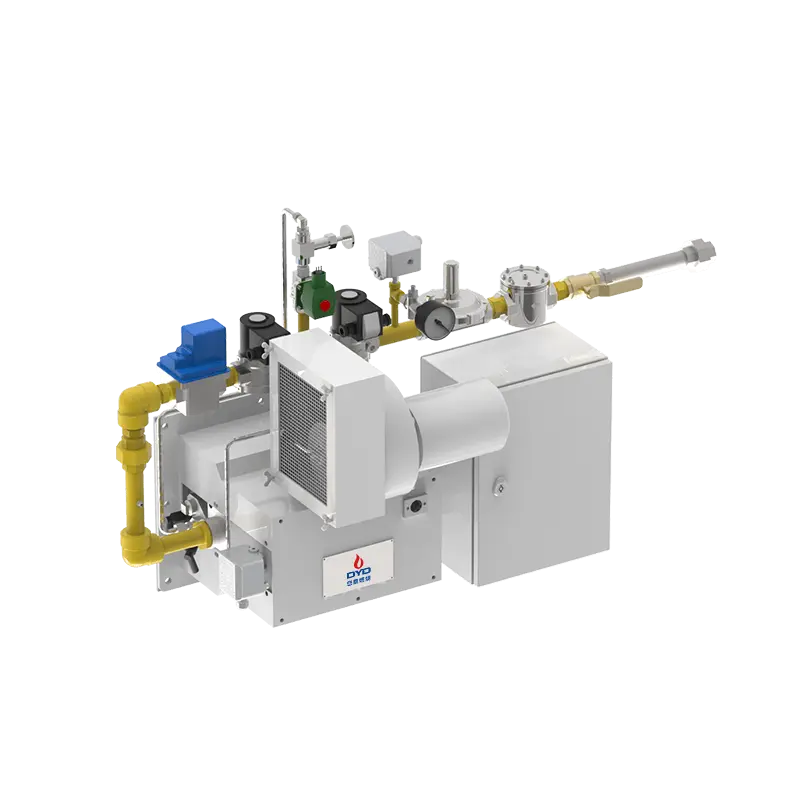
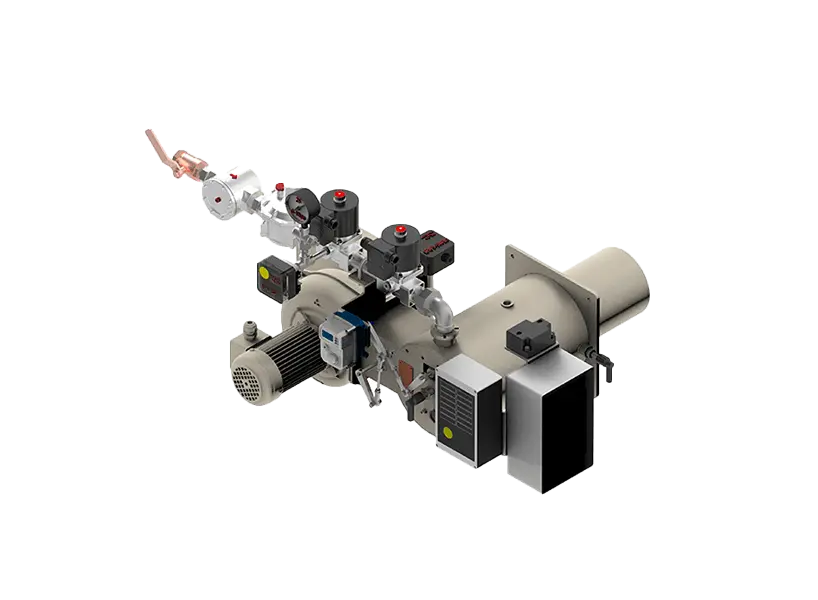
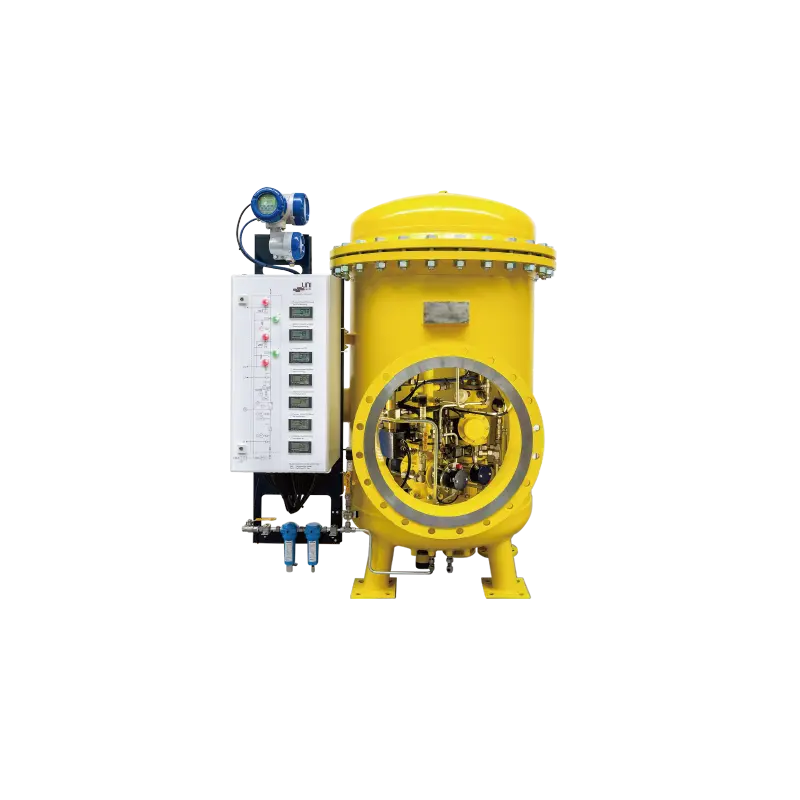
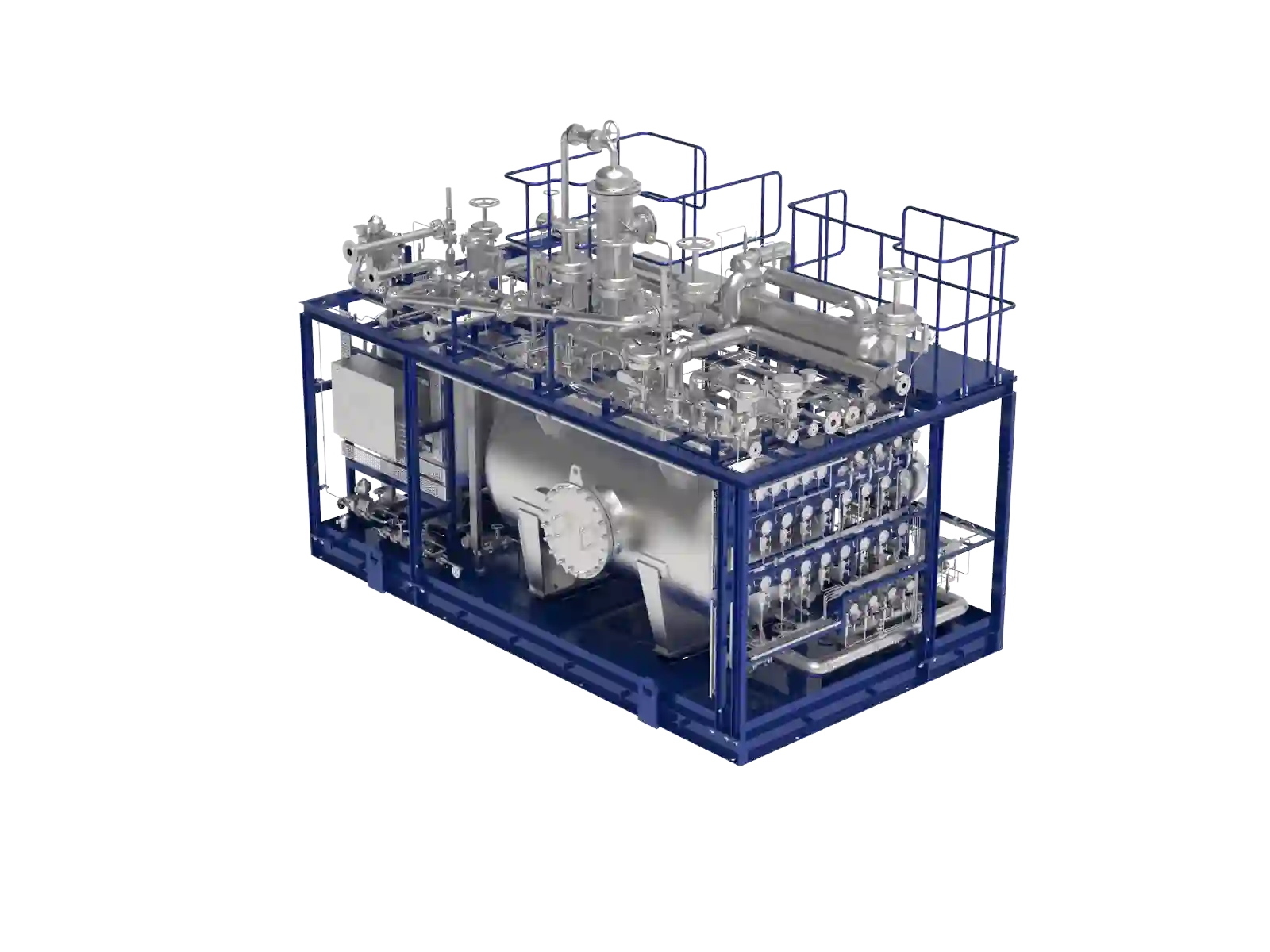
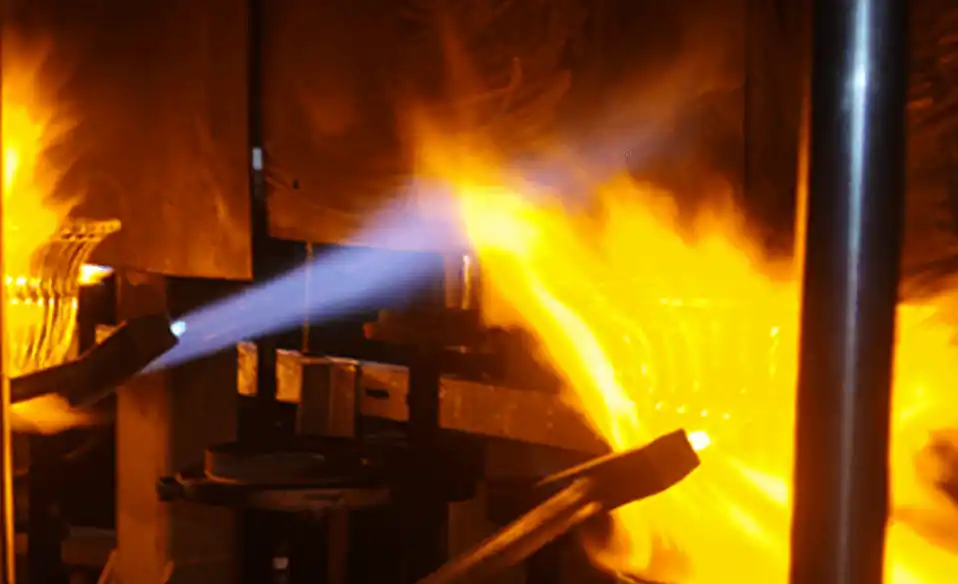
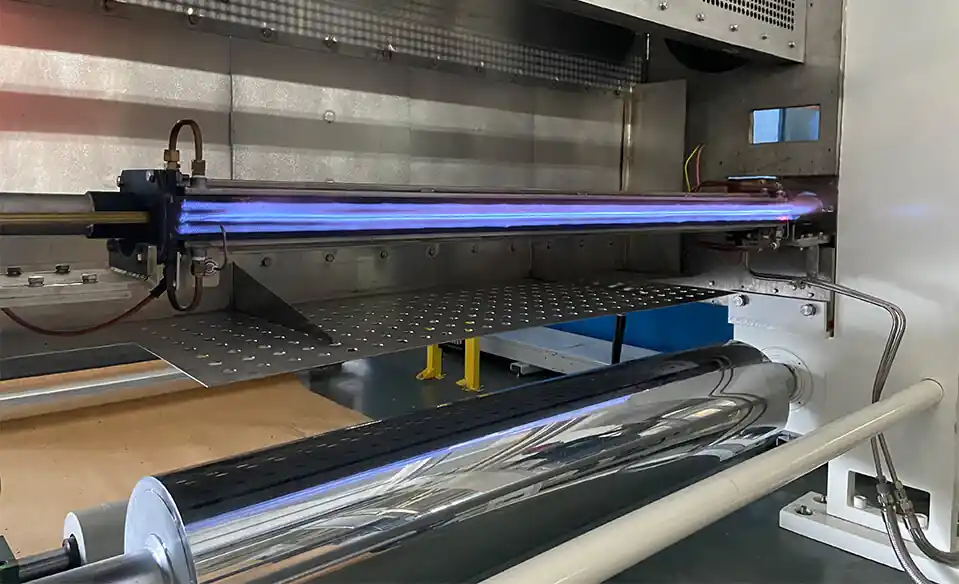
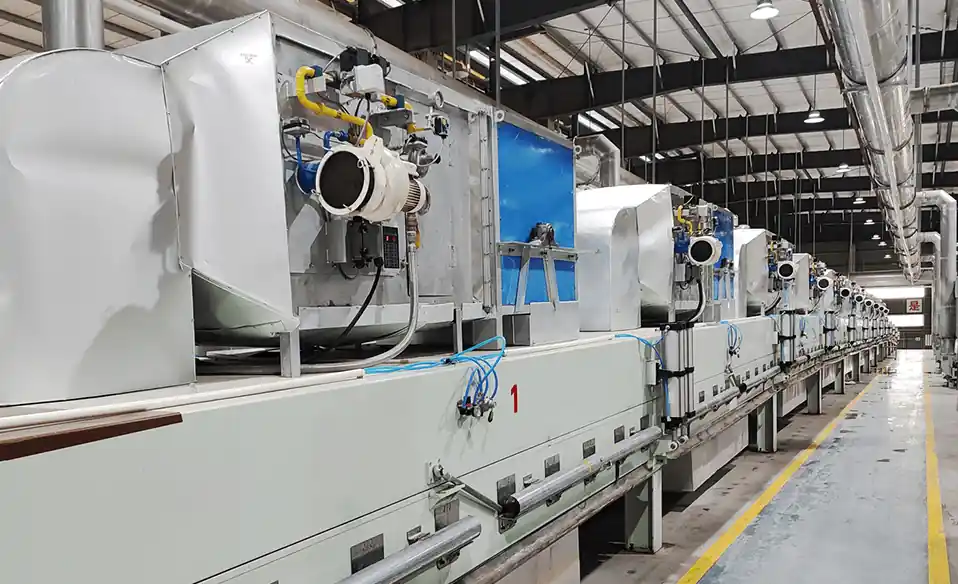
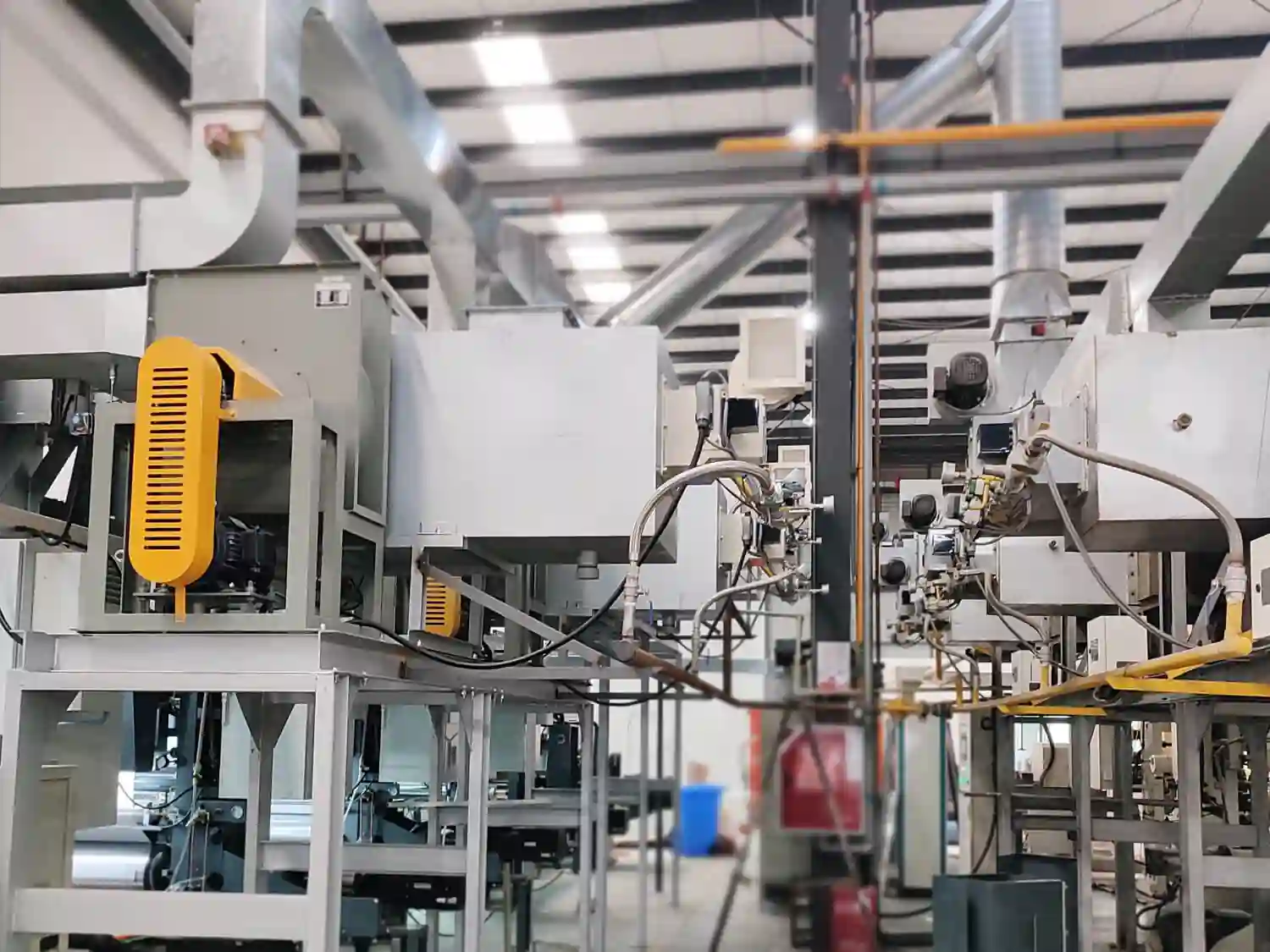
The terms industrial burner and industrial combustion system are often used interchangeably, but they describe different levels of equipment. Understanding the distinction is important for anyone involved in specifying, designing, installing, maintaining, or upgrading industrial heating equipment.
An industrial burner is the component that mixes fuel and combustion air and generates a controlled flame. An industrial combustion system is the complete arrangement that includes the burner together with fuel supply, combustion air, ignition, flame detection, control, safety, and process-monitoring equipment.
In simple terms:
A burner creates the flame; a combustion system manages the entire combustion process.
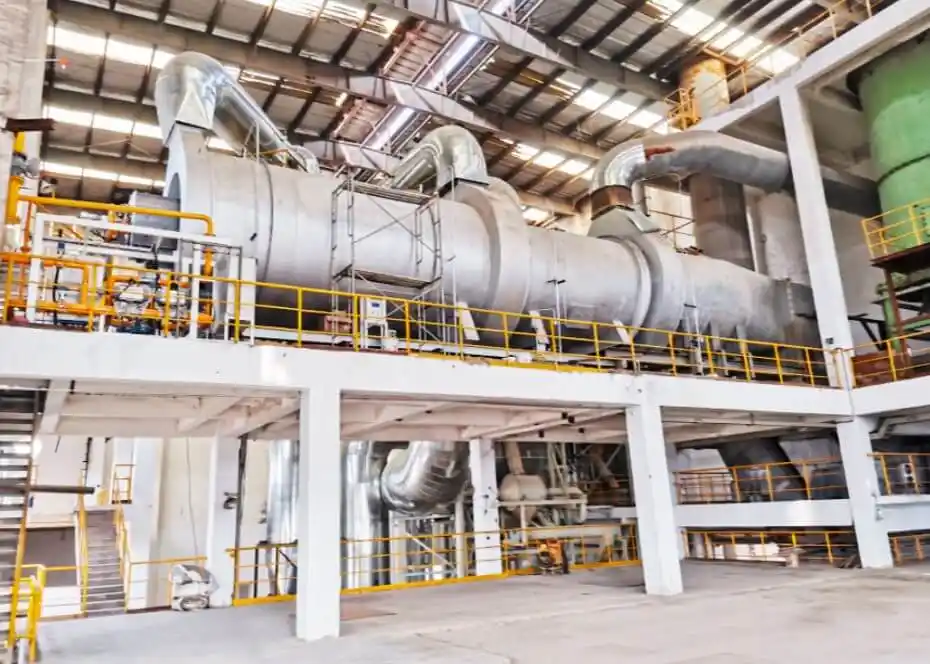
This distinction matters when selecting equipment for industrial furnaces, kilns, dryers, ovens, hot air generators, RTOs, and other thermal processing equipment. A burner with excellent combustion characteristics can still deliver poor overall performance if the supporting system—fuel train, air supply, controls, safety devices, and process integration—is not properly designed or matched to the application. Conversely, a well-designed combustion system can compensate for some burner limitations by providing stable fuel and air supplies, accurate control, and effective safety logic.
This article explains what an industrial burner is, what an industrial combustion system includes, how they differ, how they work together, and why the distinction is critical for efficient and safe industrial heating.
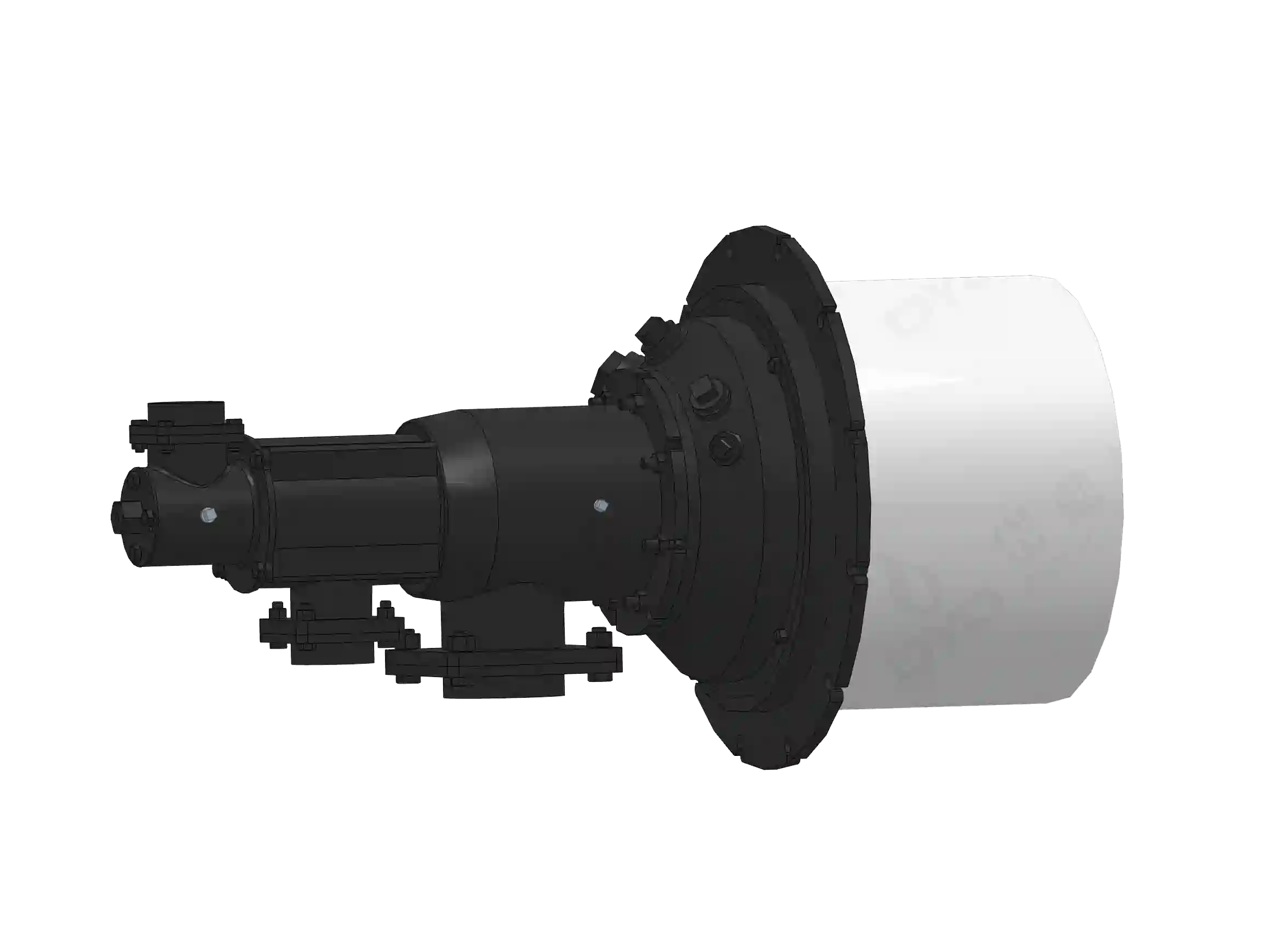
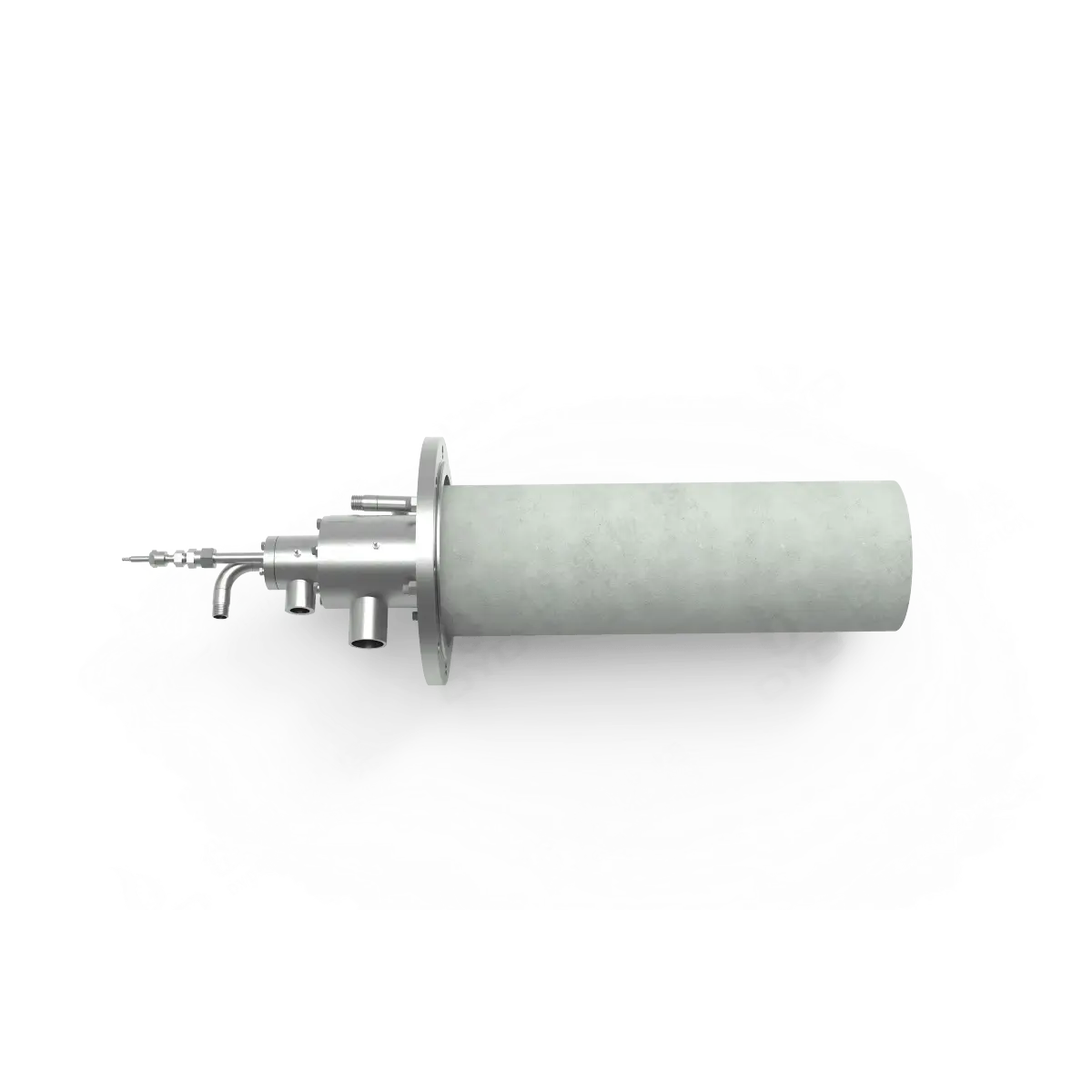
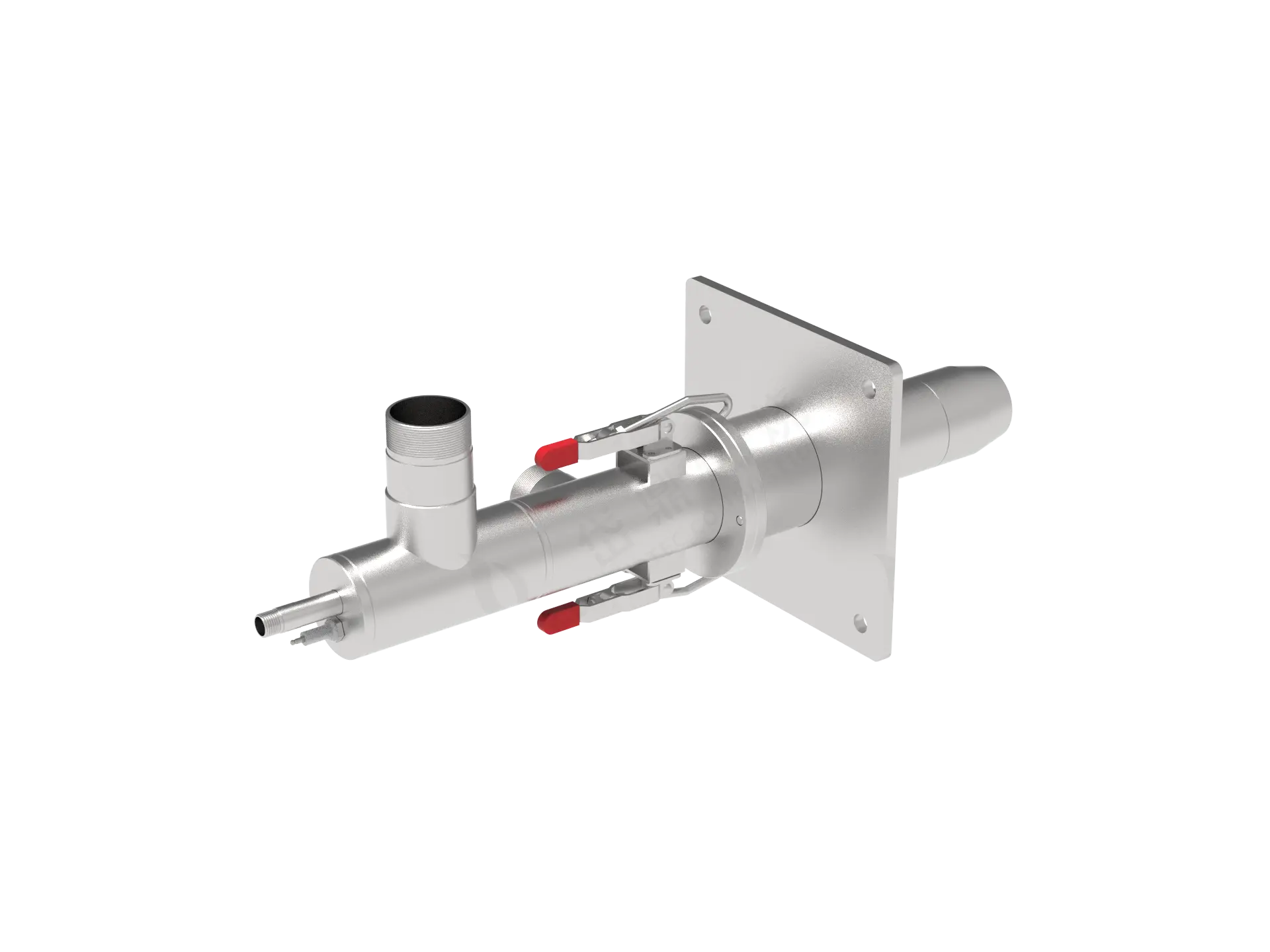
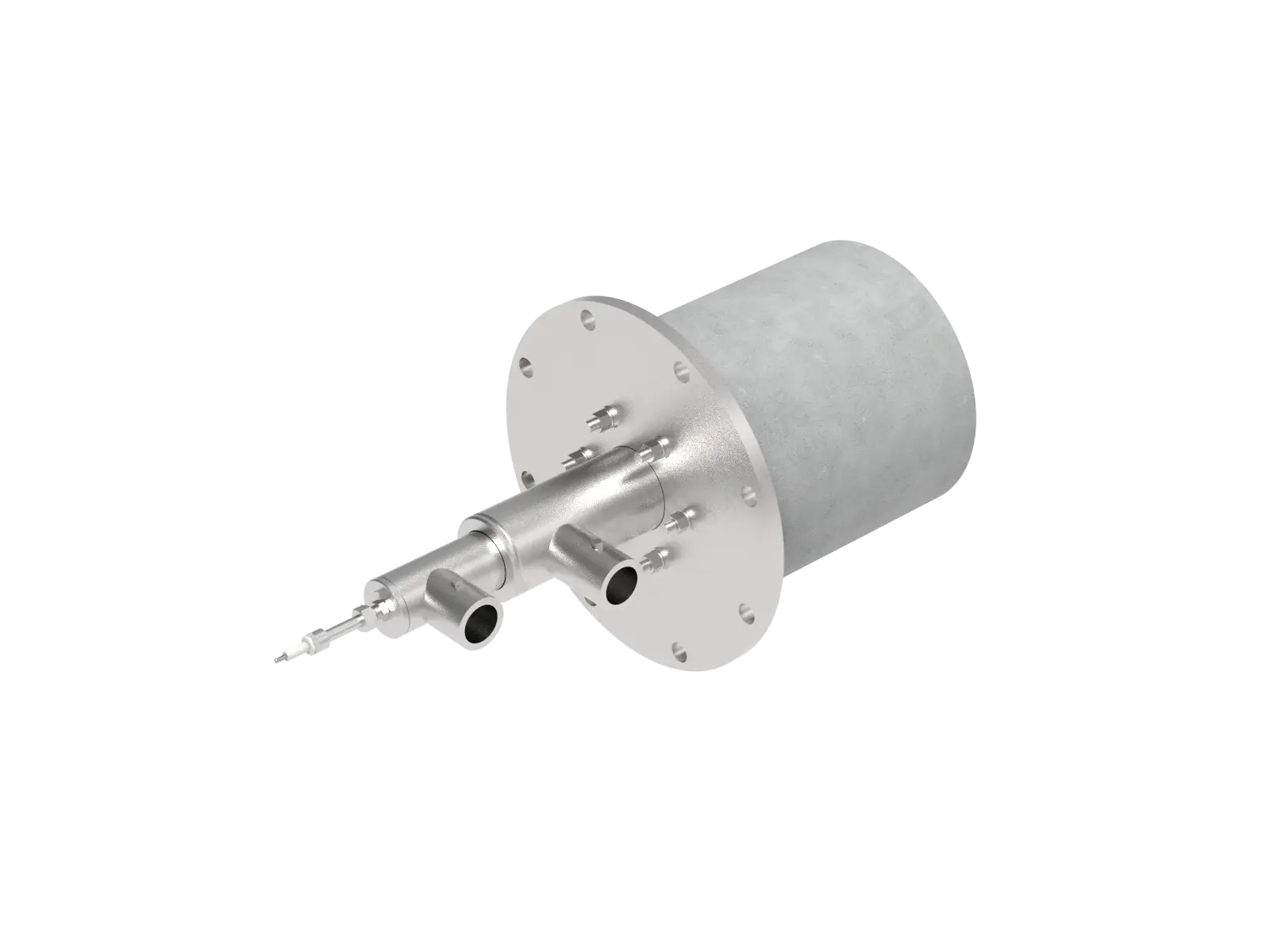
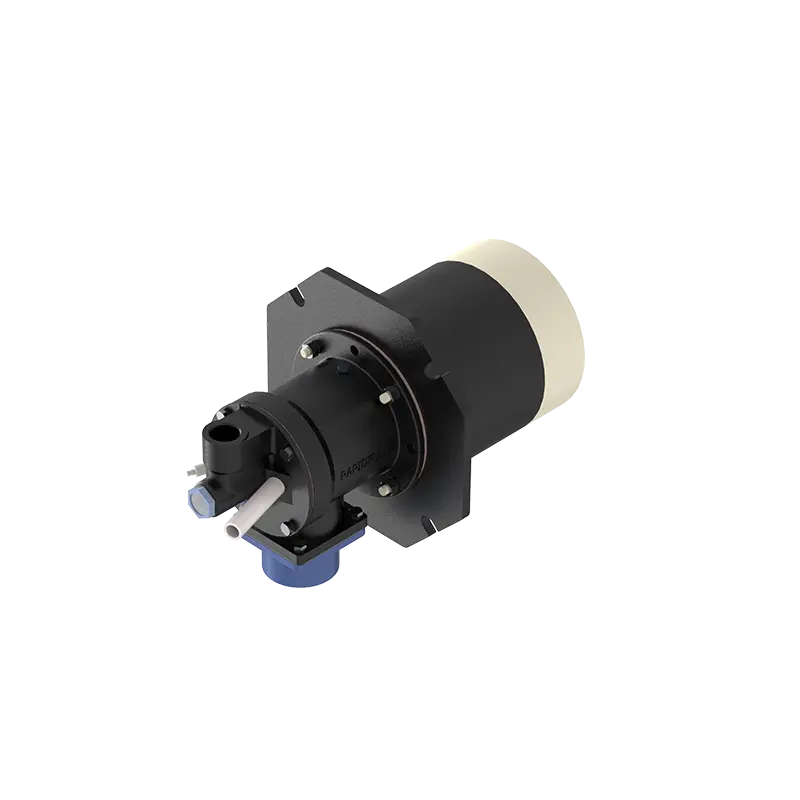
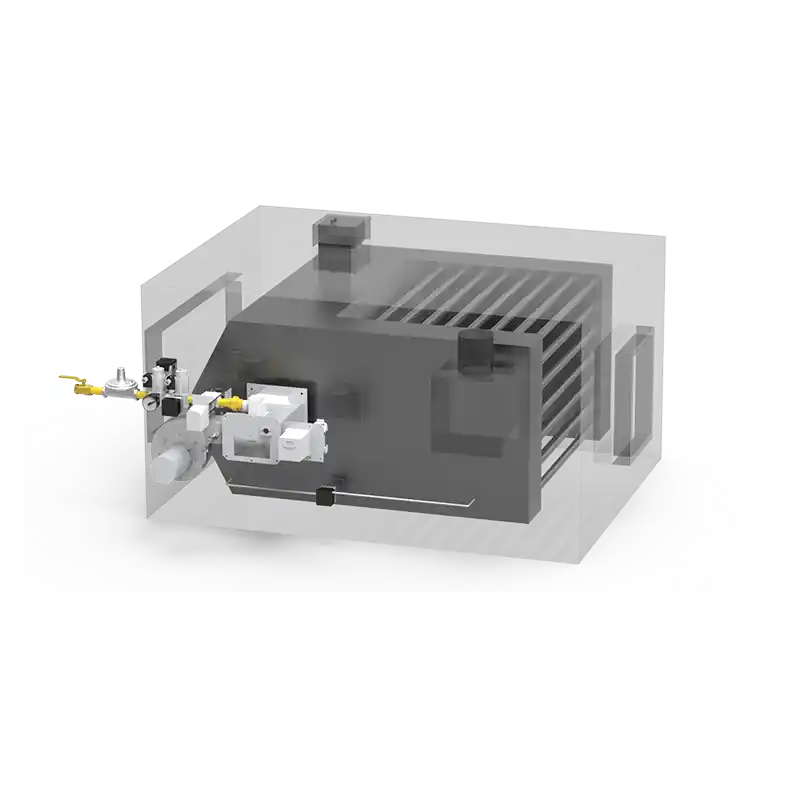
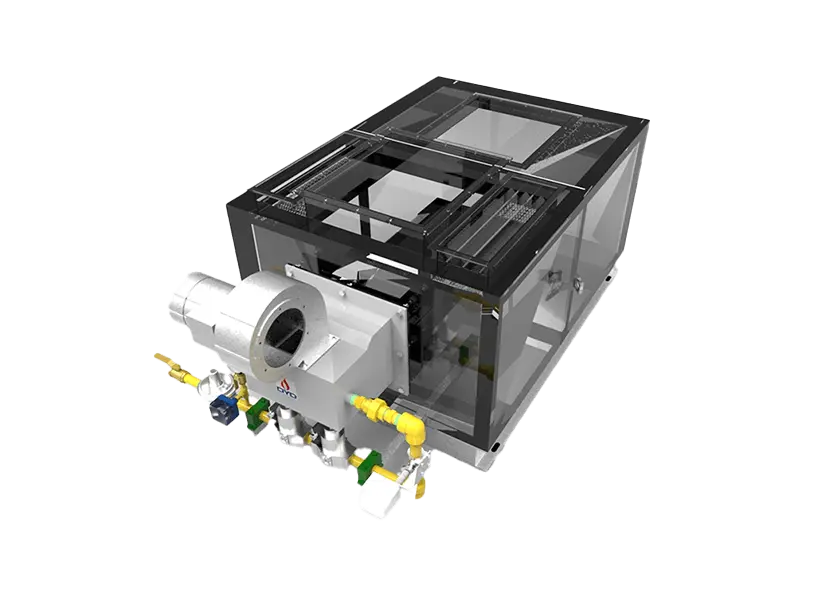
An industrial burner is a combustion device designed to convert fuel into usable heat. It is the point where fuel and air meet, where ignition occurs, and where the flame is stabilized. The burner is responsible for the controlled release of thermal energy into the furnace, kiln, oven, dryer, or other process equipment.
Its primary functions are to:
Supply and control fuel
Introduce combustion air
Mix fuel and air
Ignite the mixture
Stabilize the flame
Deliver heat to the process
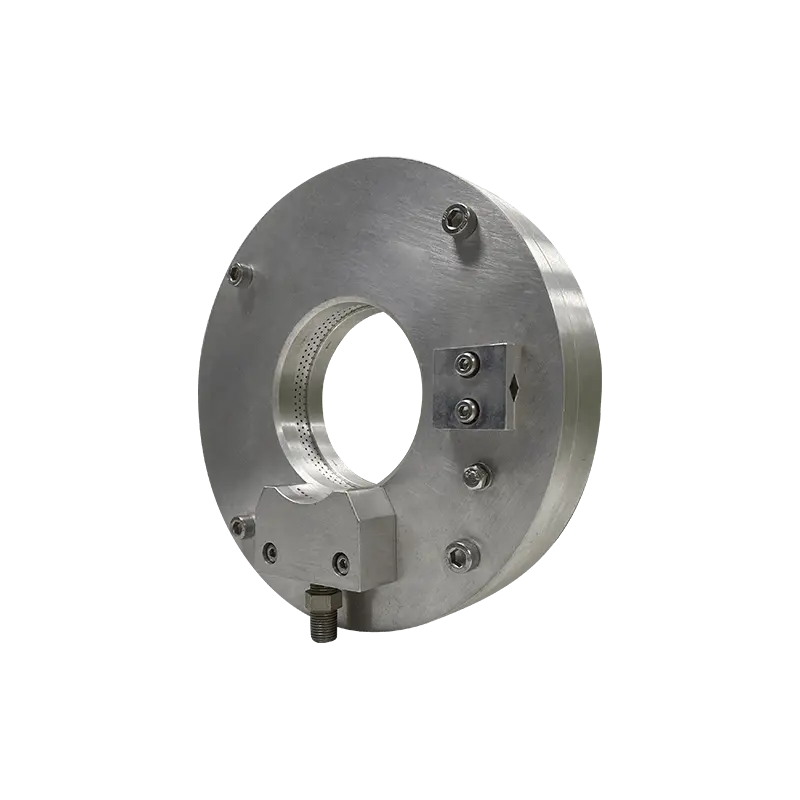
Depending on the application, industrial burners can have different structures and operating principles. They may be designed for gaseous fuels, liquid fuels, or dual-fuel operation. They may be configured for direct firing, indirect firing, or specialized high-temperature processes.
Common configurations include:
Gas burners
Liquid-fuel burners
Low-NOx burners
Gun-type burners
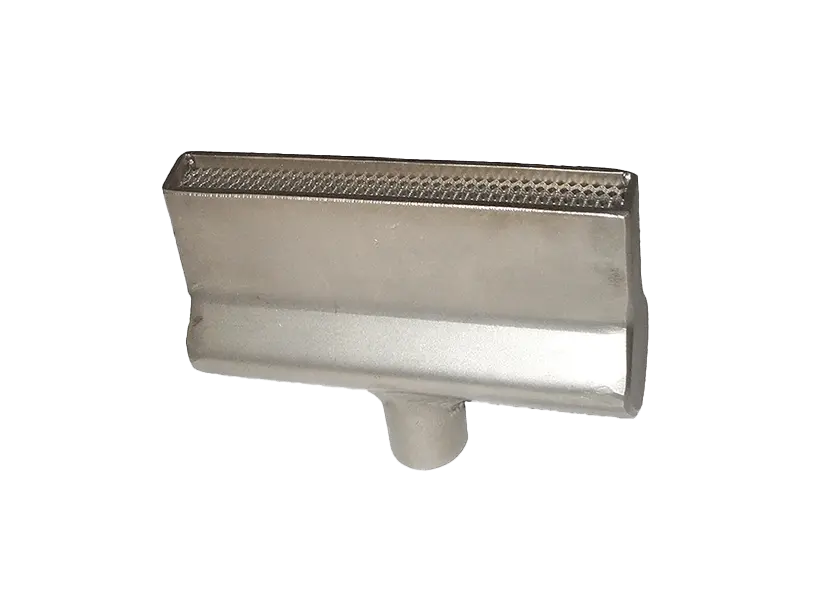
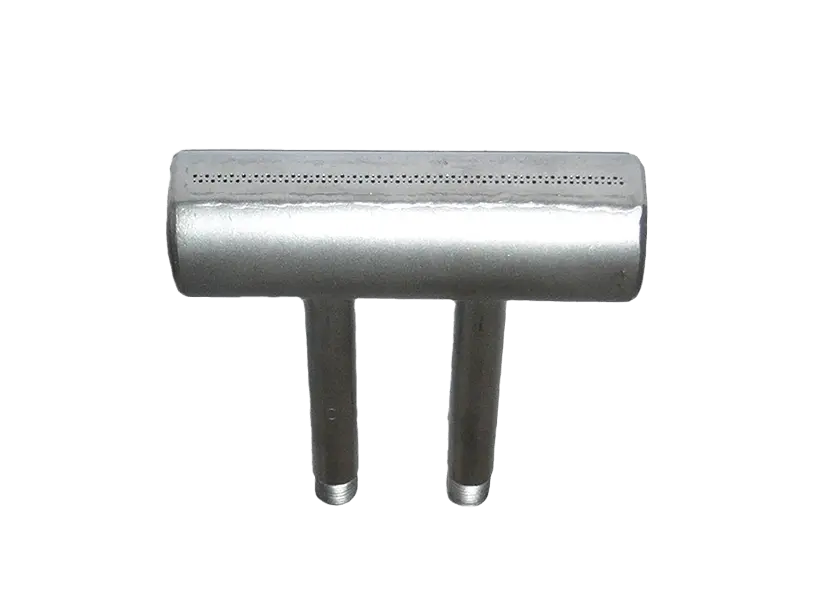
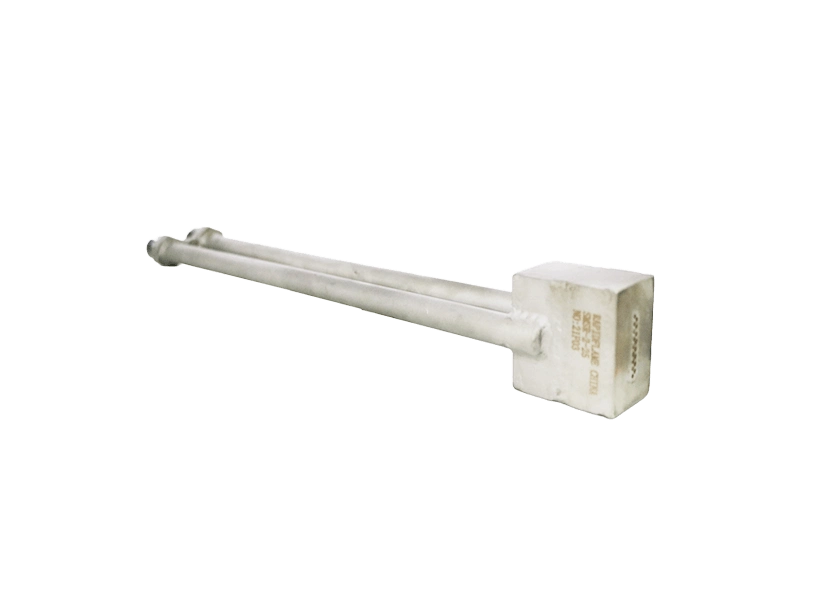
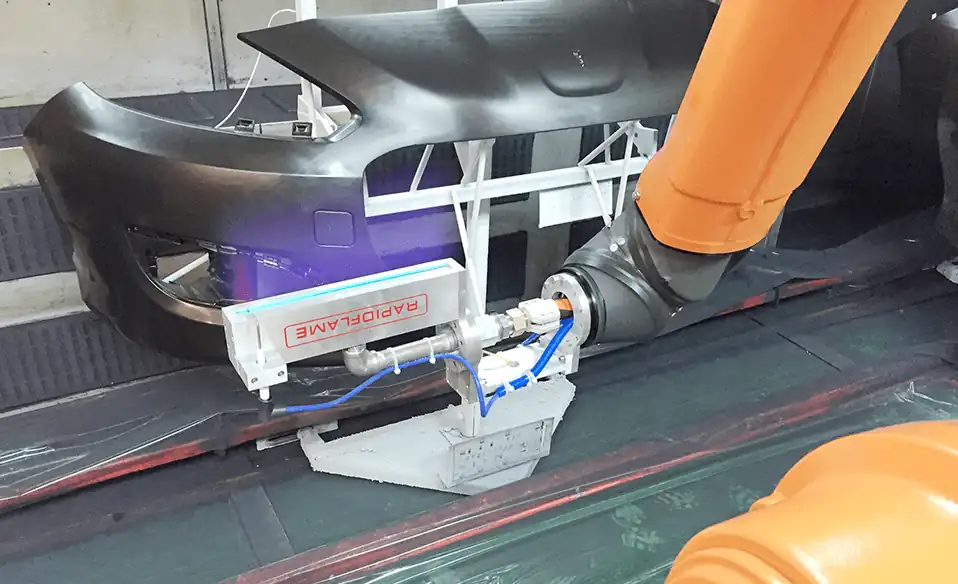
Linear burners
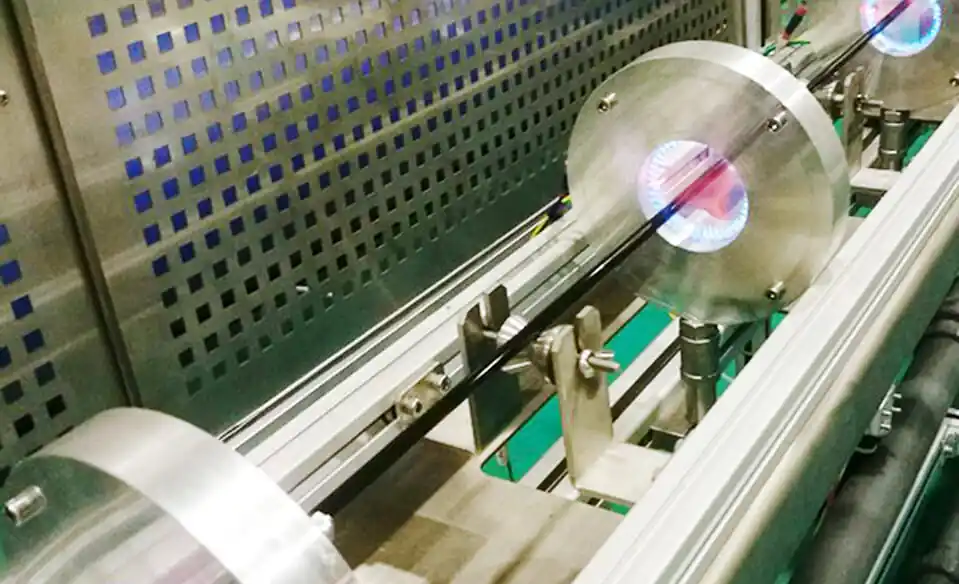
Radiant-tube burners
Specialized high-temperature burners
Regenerative and recuperative burners
A burner is generally selected according to parameters such as thermal capacity, fuel type, fuel pressure, flame shape, turndown ratio, and furnace geometry. The burner must be capable of delivering the required heat output while maintaining stable combustion, acceptable emissions, and reliable ignition across the expected operating range. A burner that is correctly sized for the heat load but has the wrong flame shape may still cause poor heat distribution or product quality problems.
The burner is therefore a critical component, but it is not the entire system. It depends on a stable fuel supply, a controlled combustion-air supply, a reliable ignition source, a flame-detection device, and a control system that coordinates all of these functions.
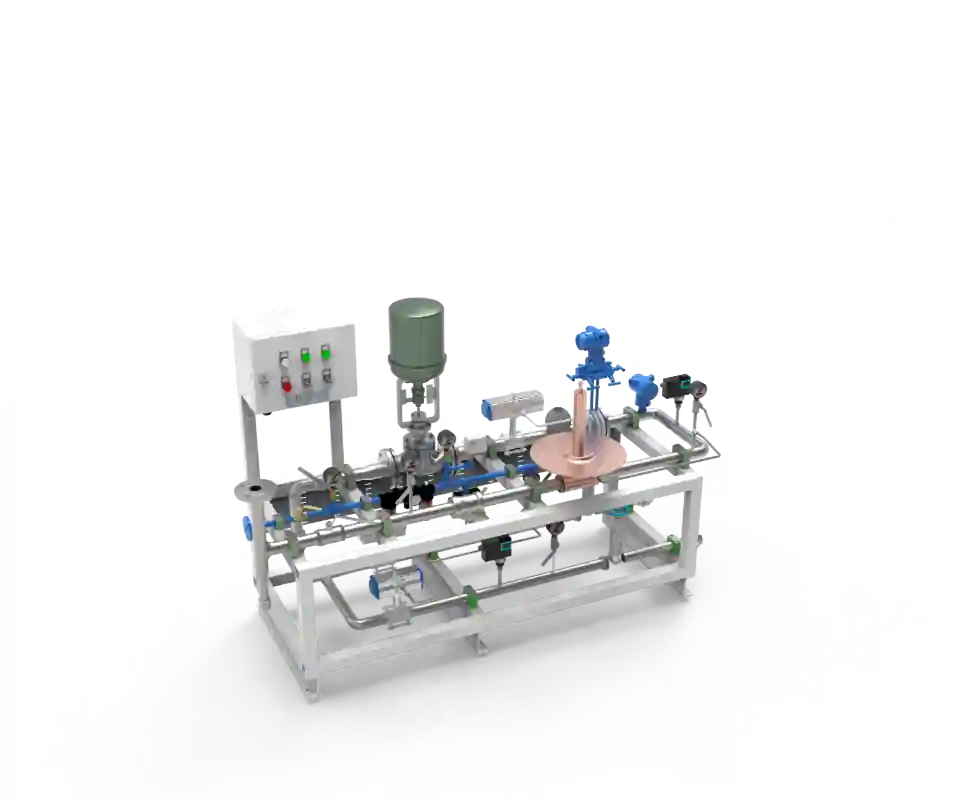
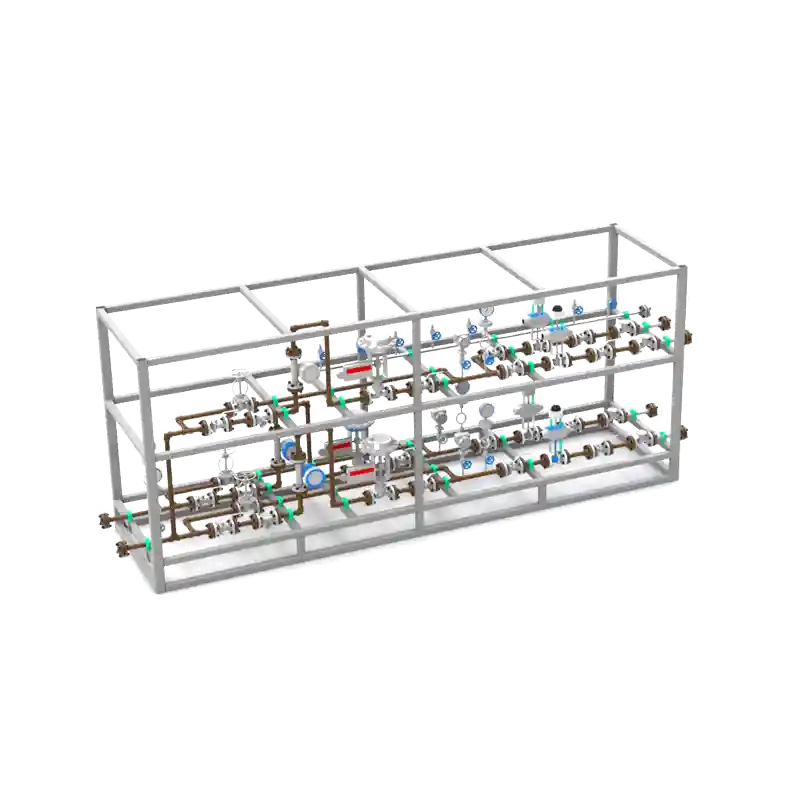
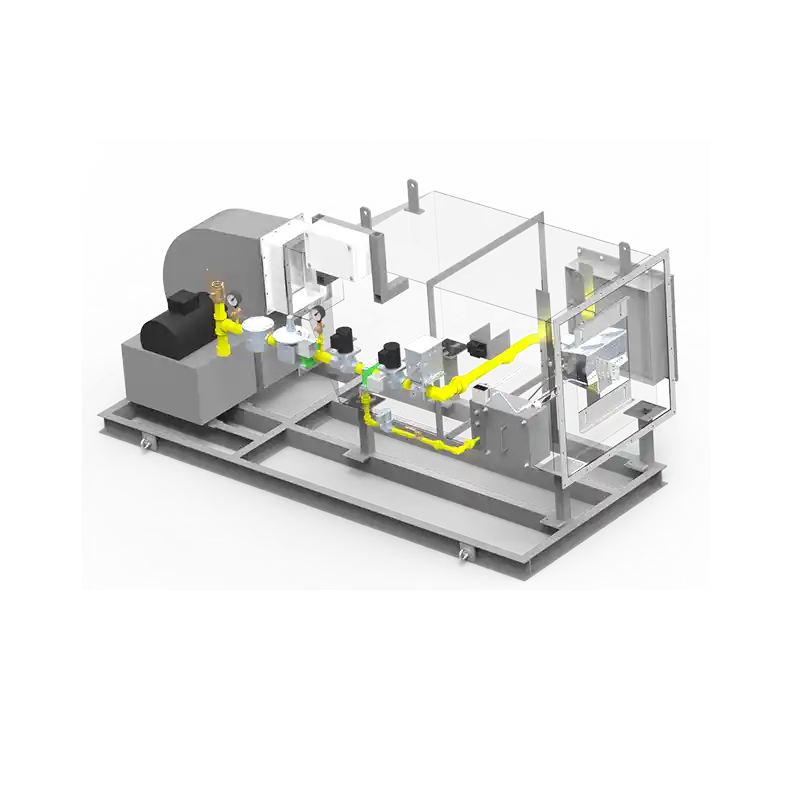
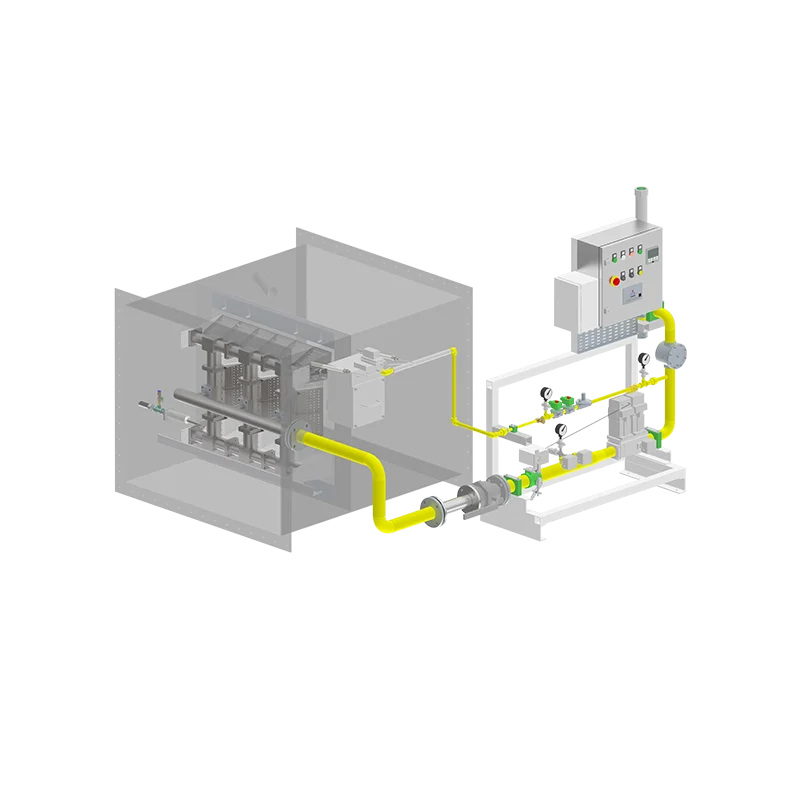
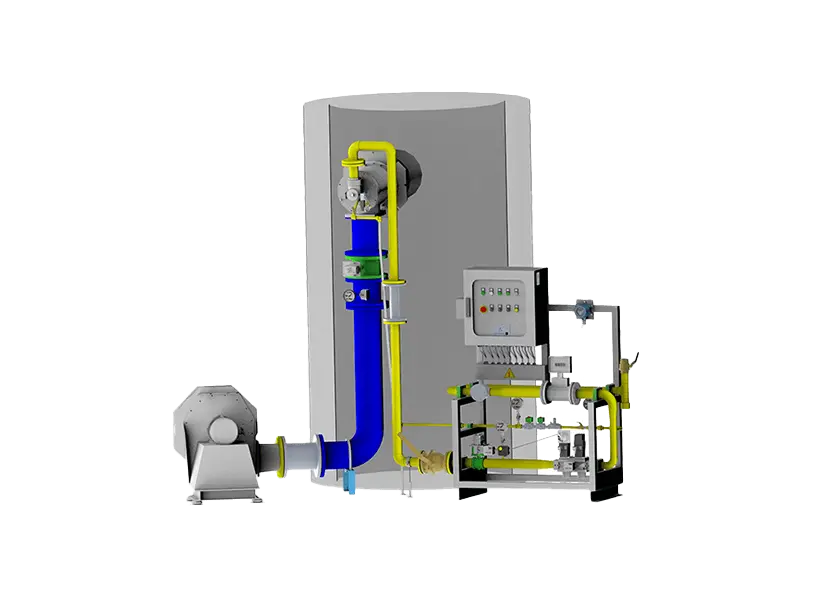
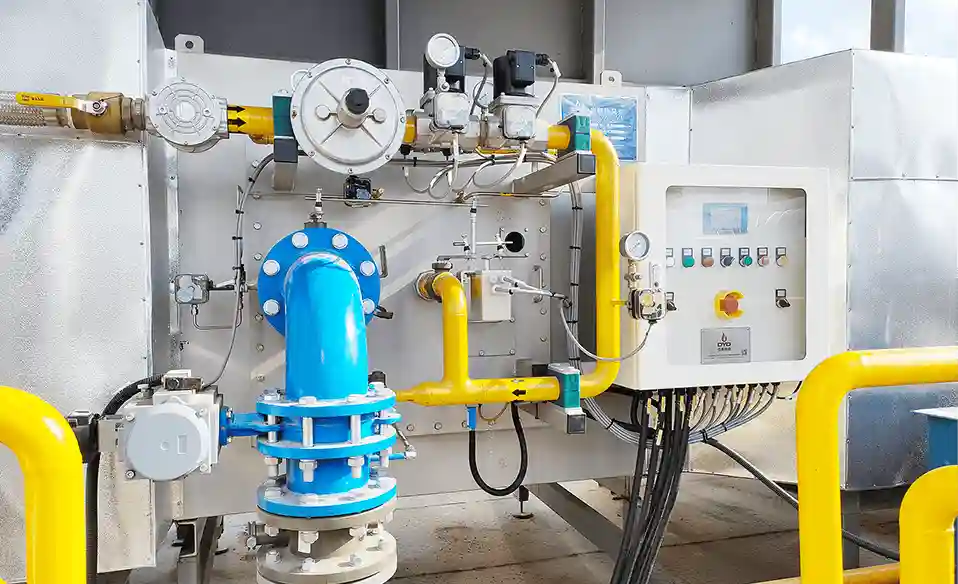
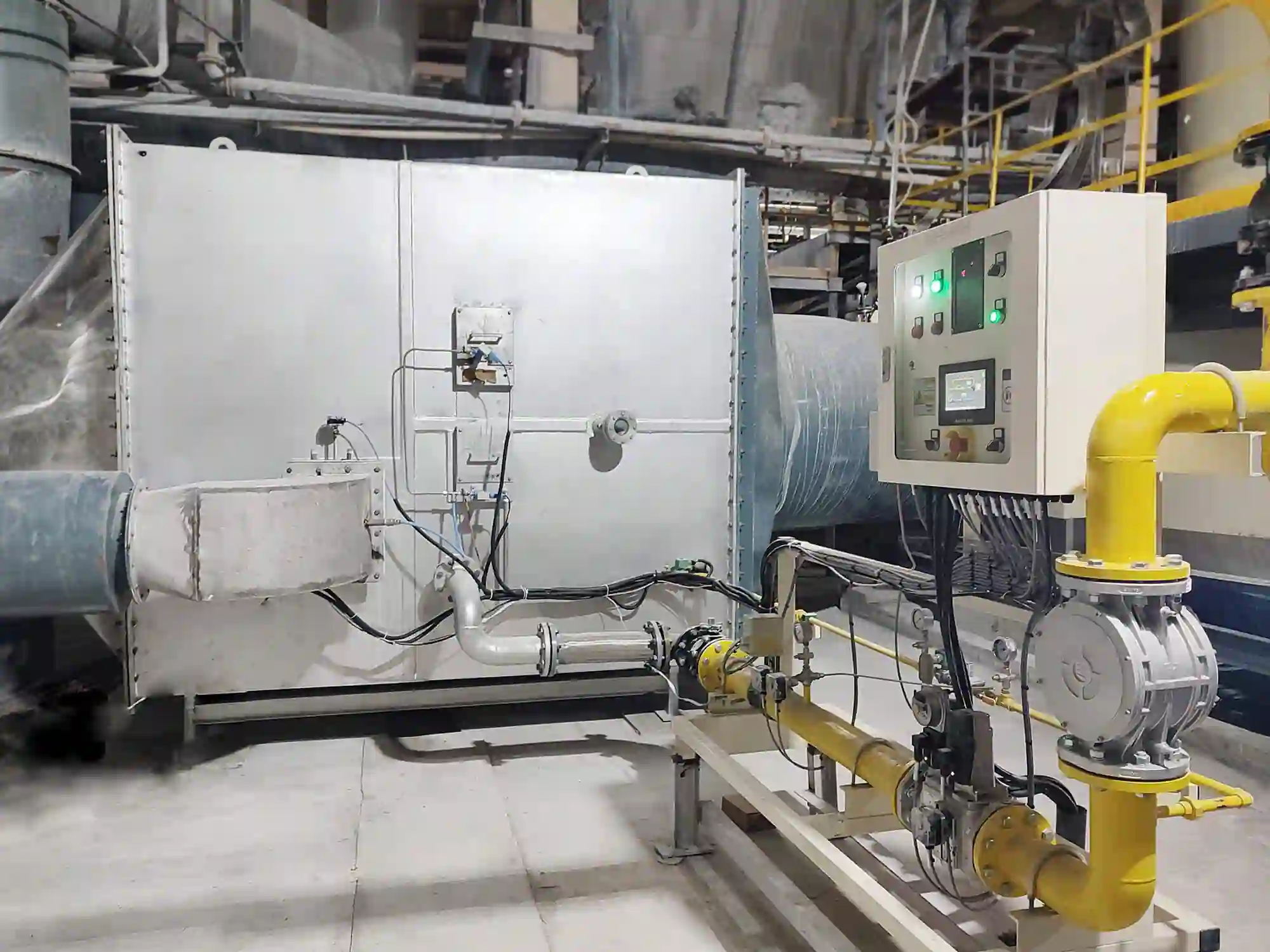
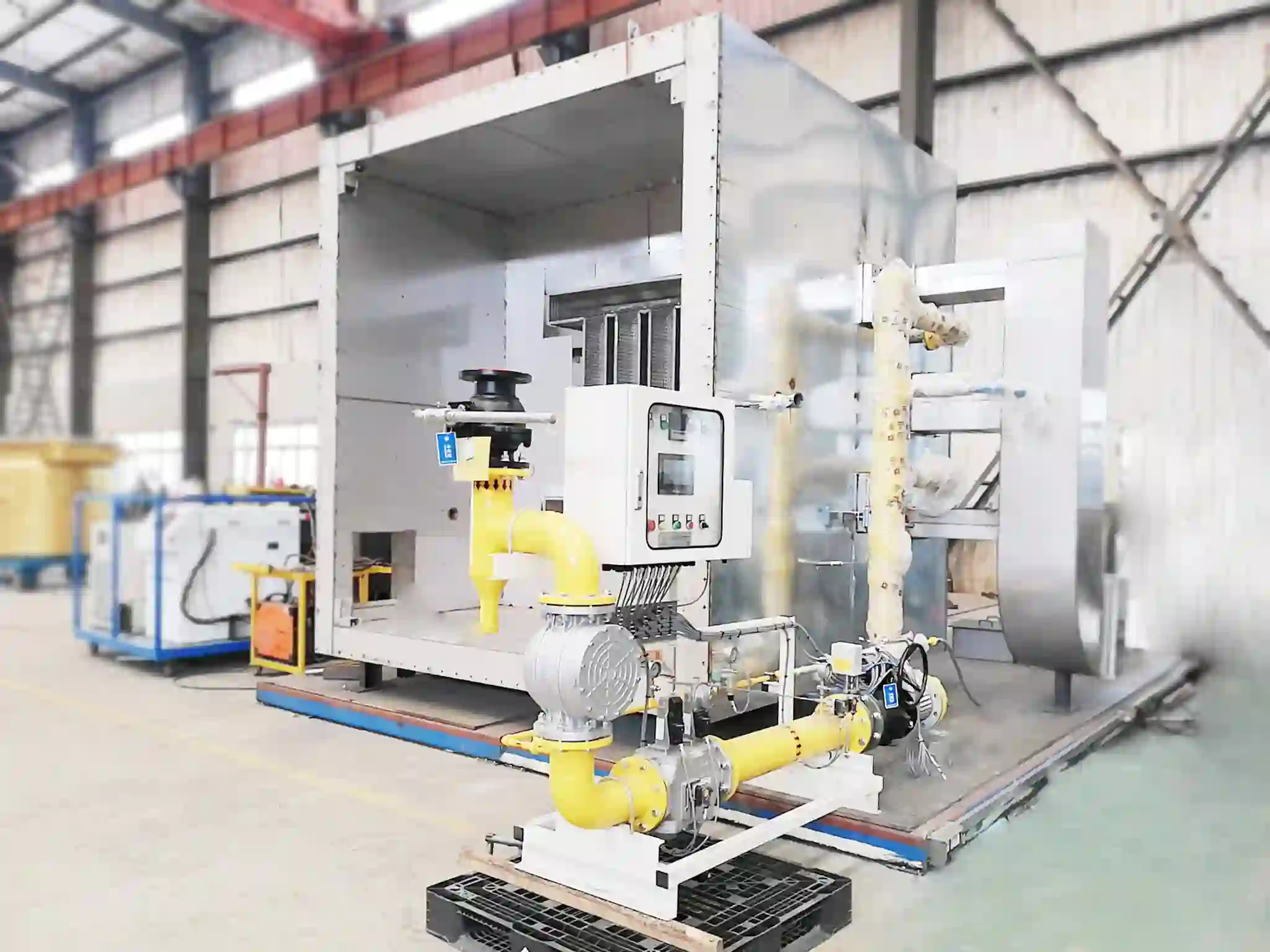
An industrial combustion system is a broader assembly that integrates the burner with the equipment needed to operate it safely and control its output. It is the complete thermal-energy management arrangement that ensures fuel is delivered, air is supplied, combustion is initiated and monitored, heat output is modulated, and safety is maintained under all operating conditions.
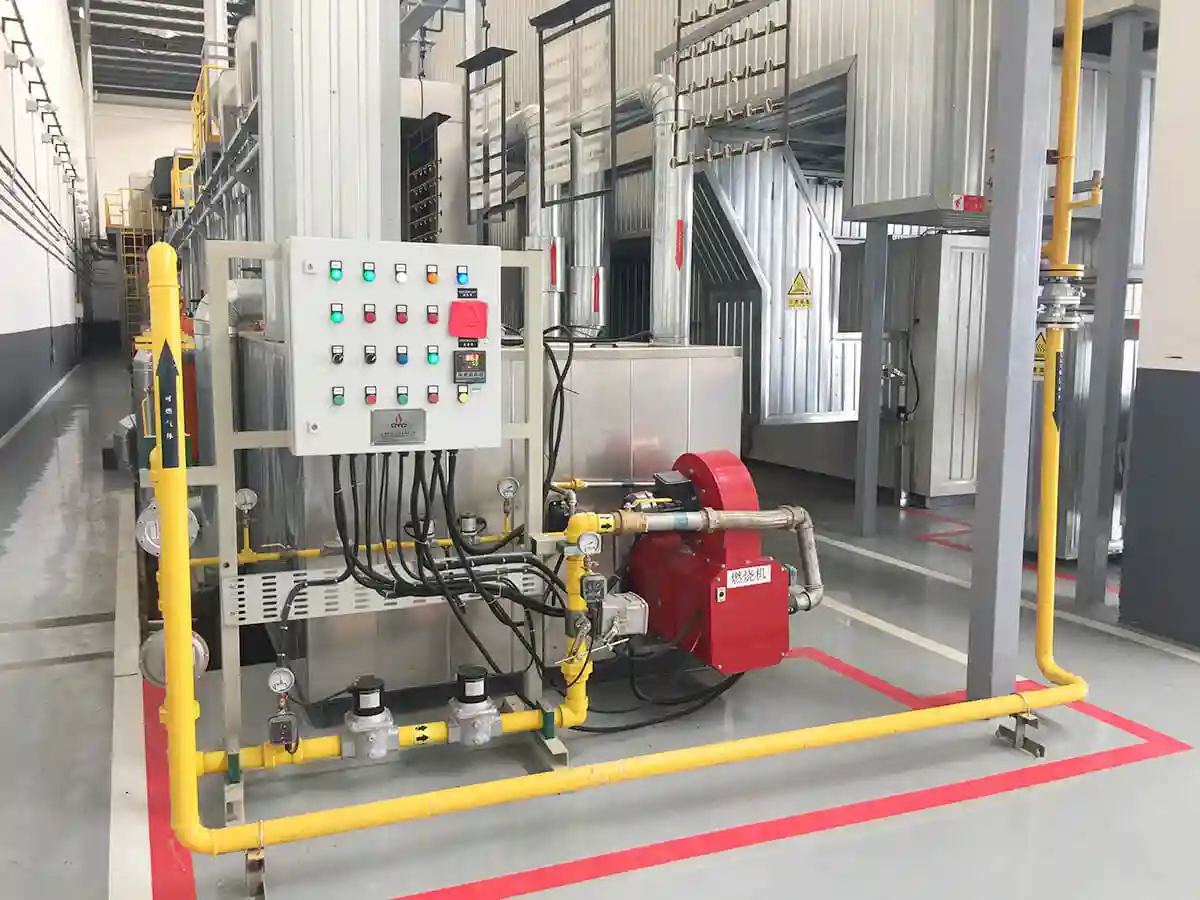
A typical system may contain:
Industrial burner
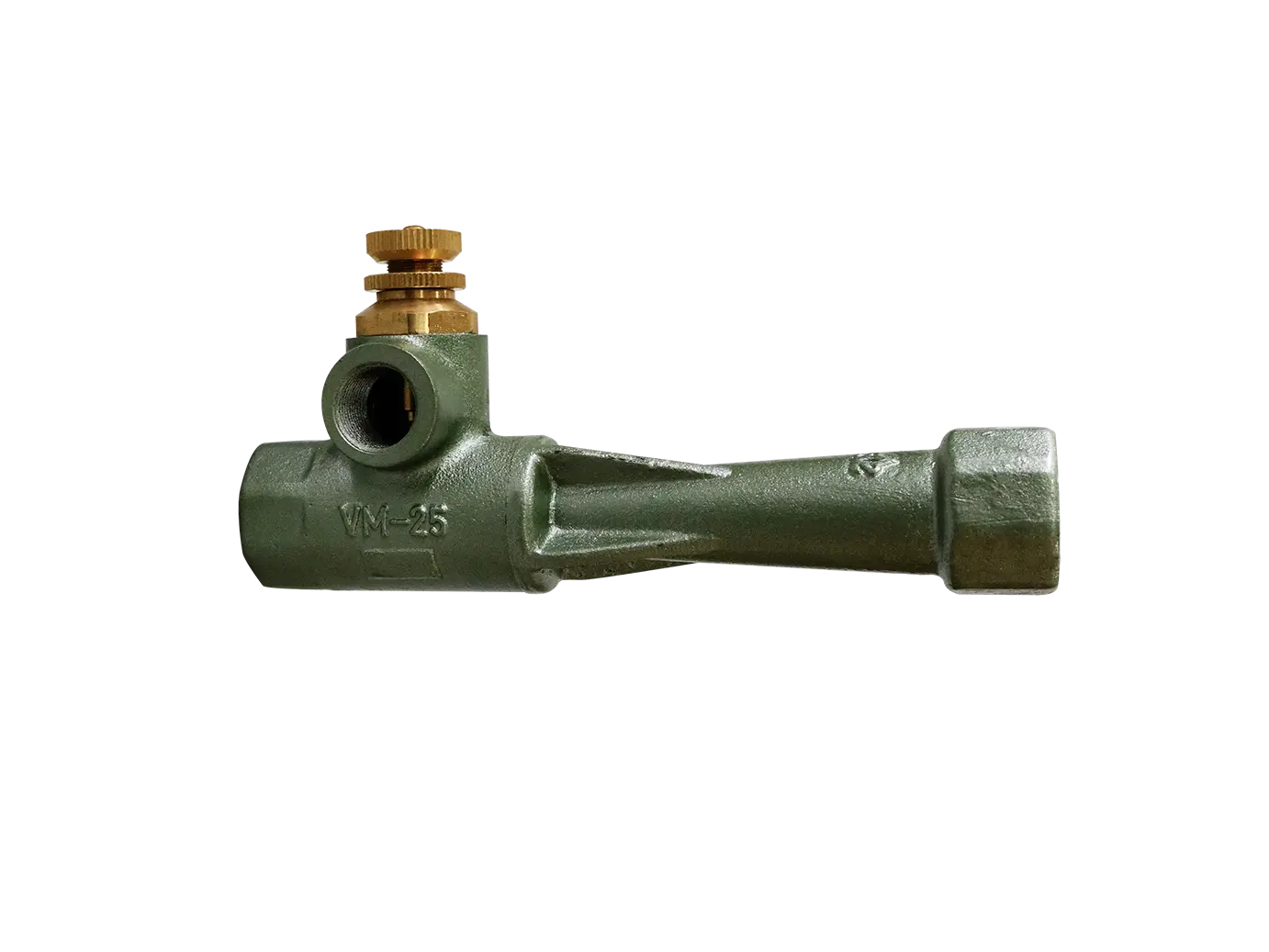
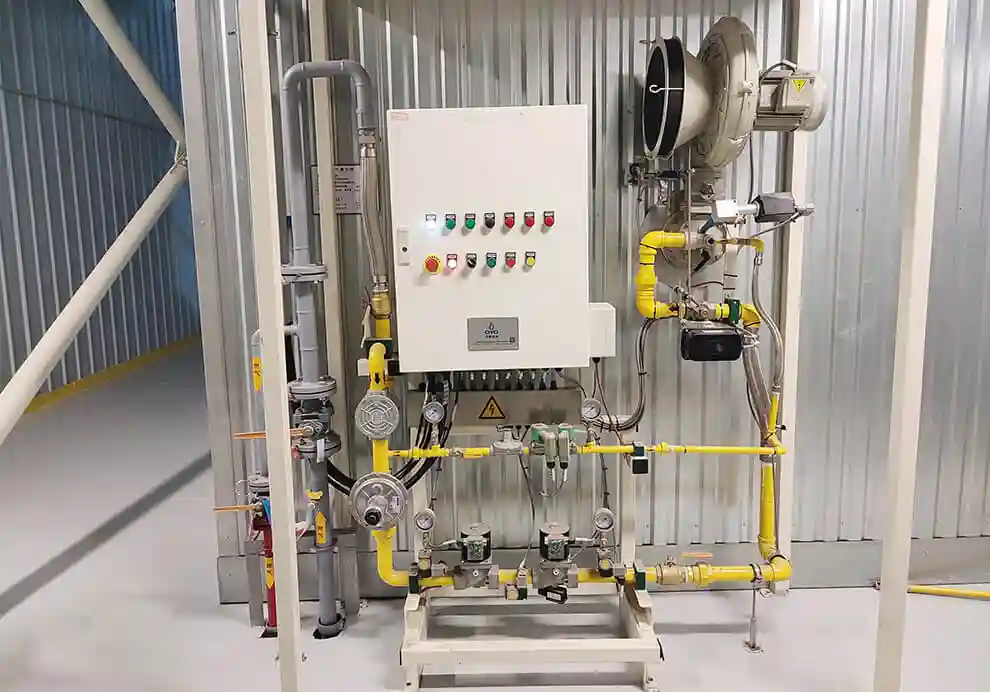
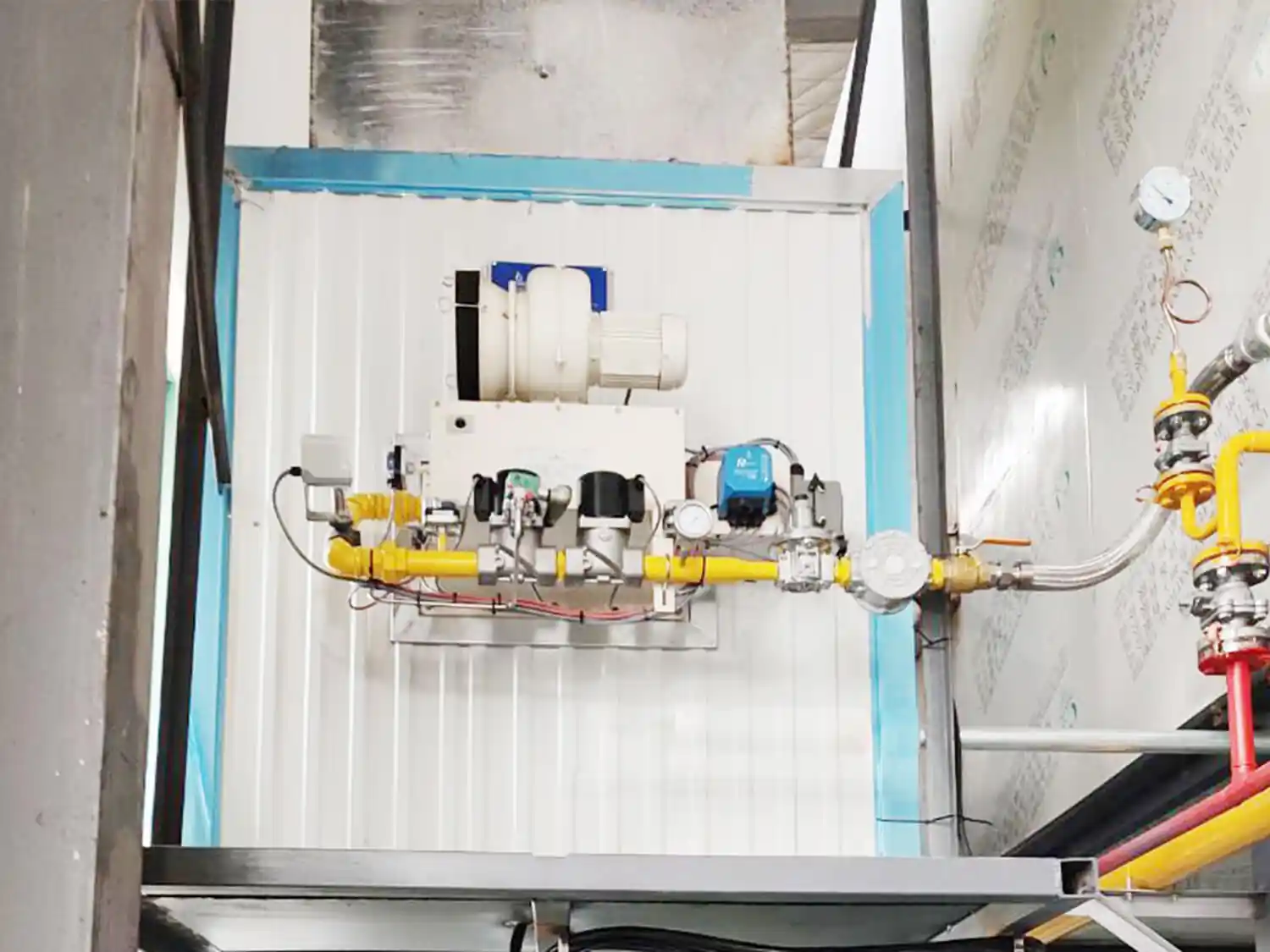
Fuel train
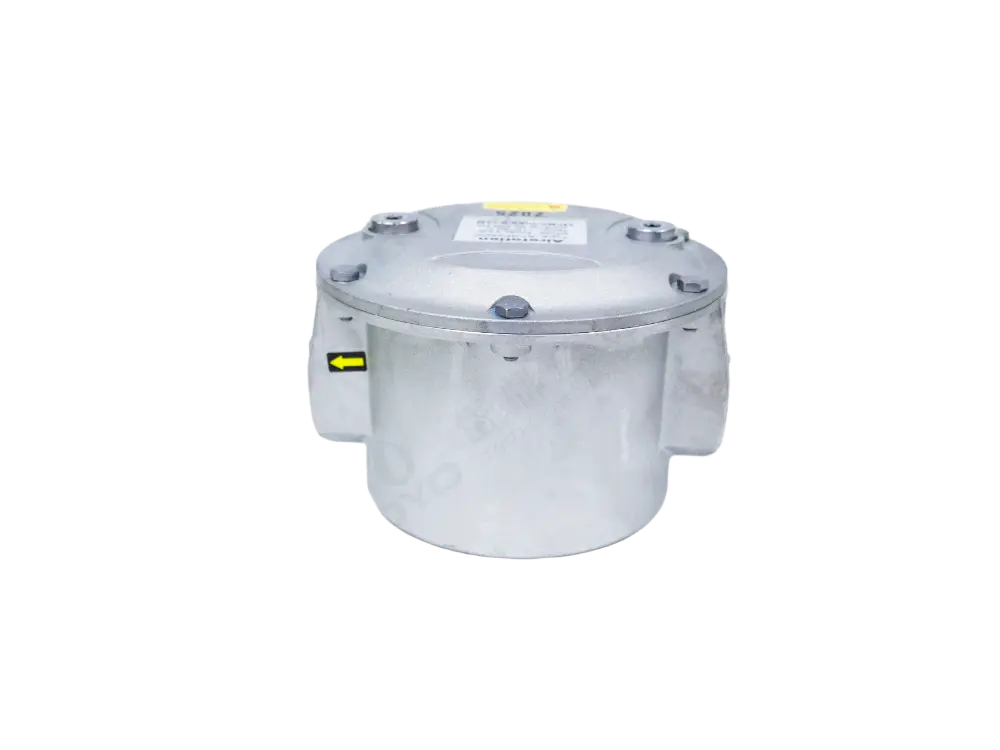
Gas filter
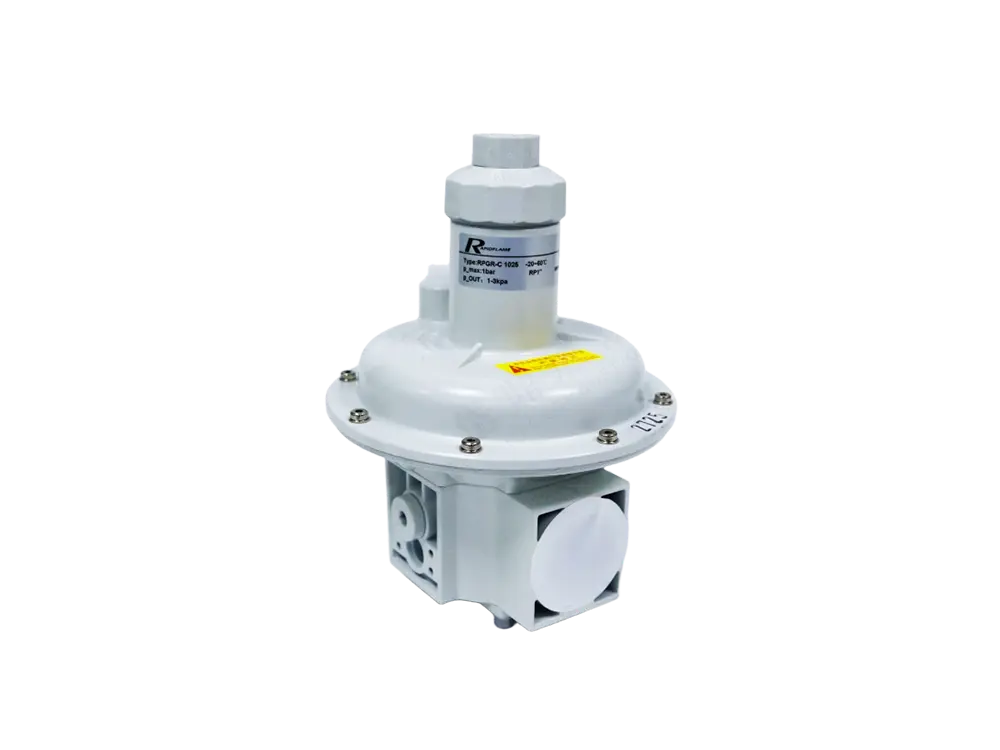
Pressure regulator
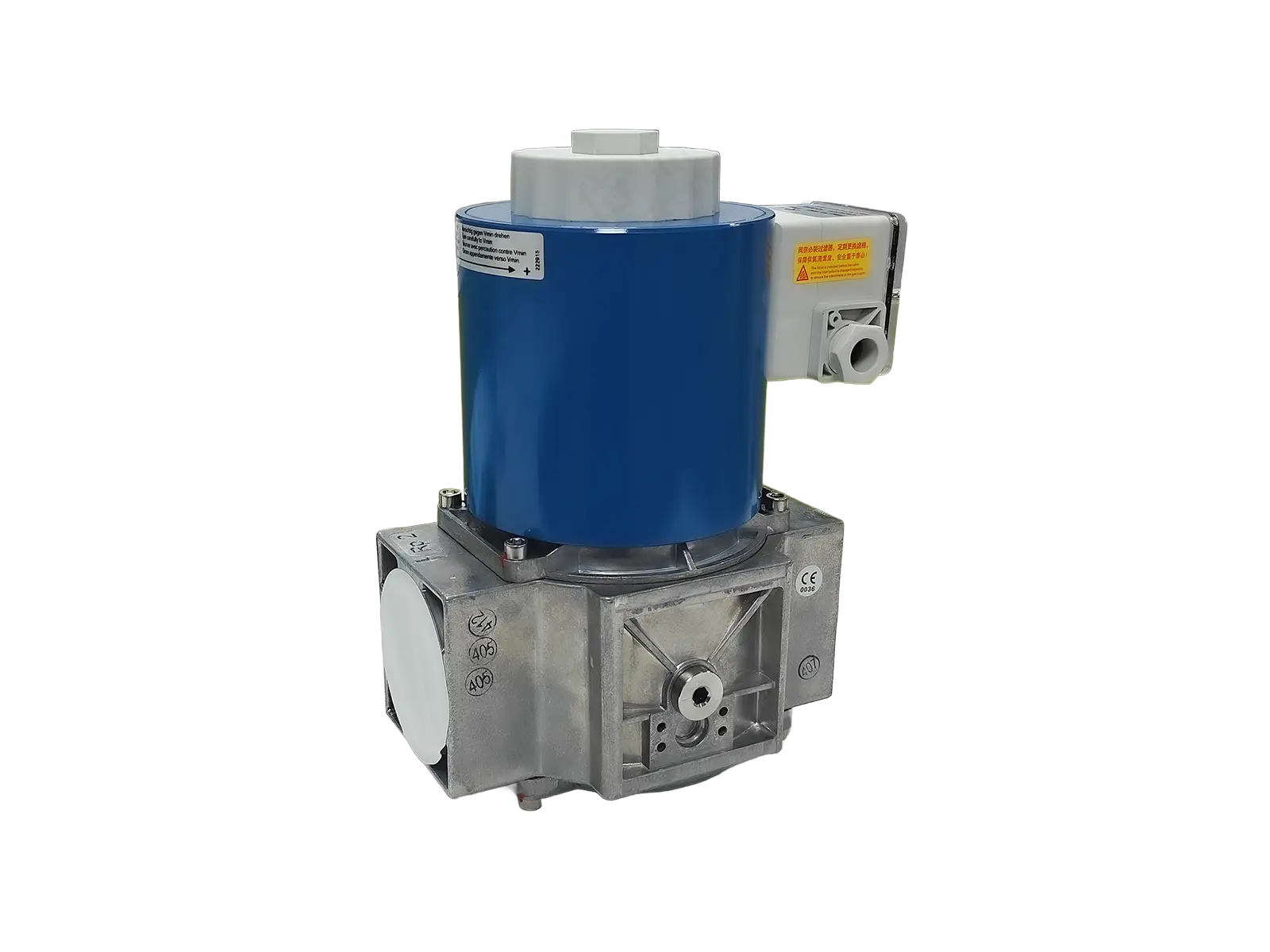
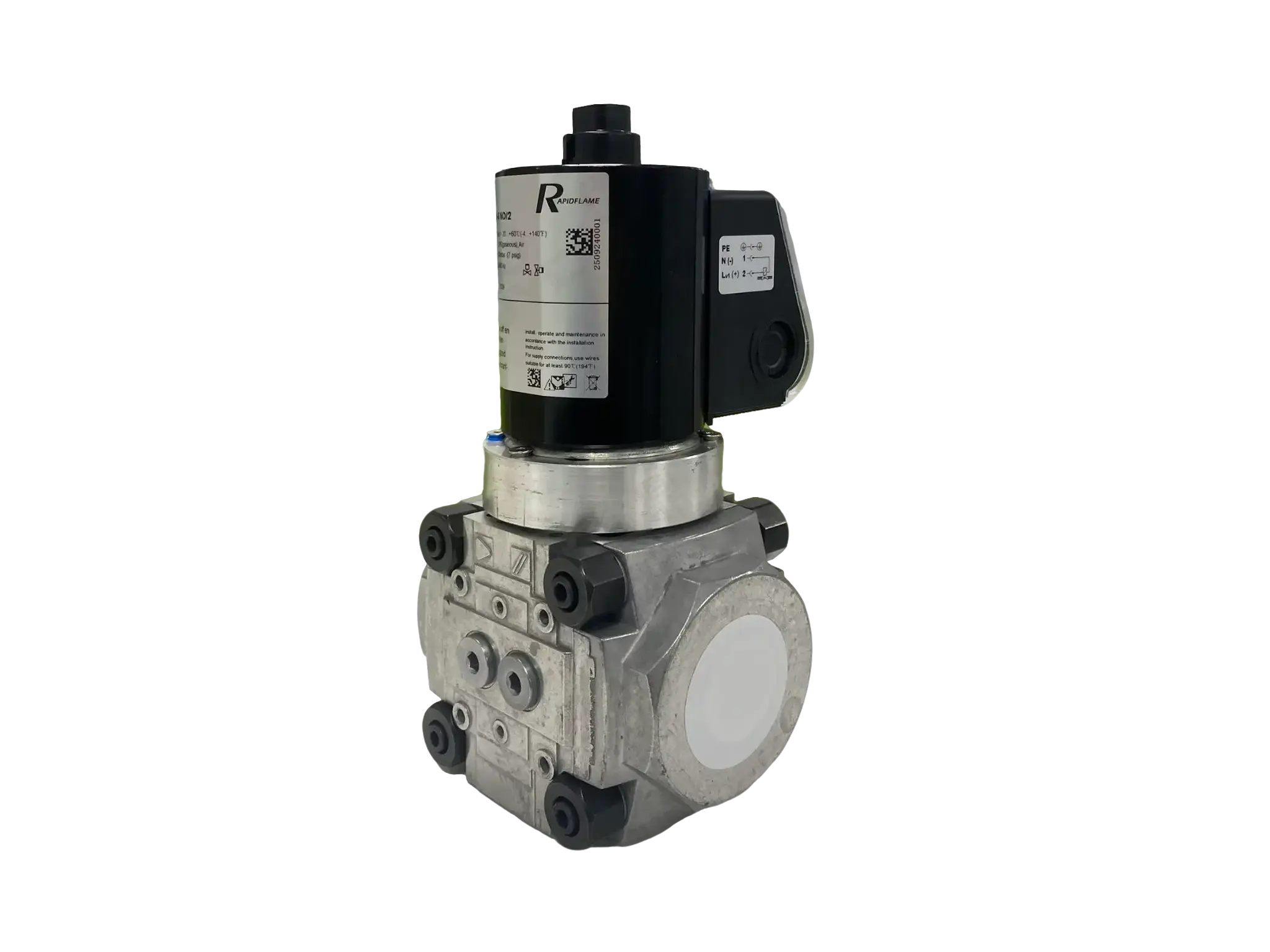
Solenoid safety valves
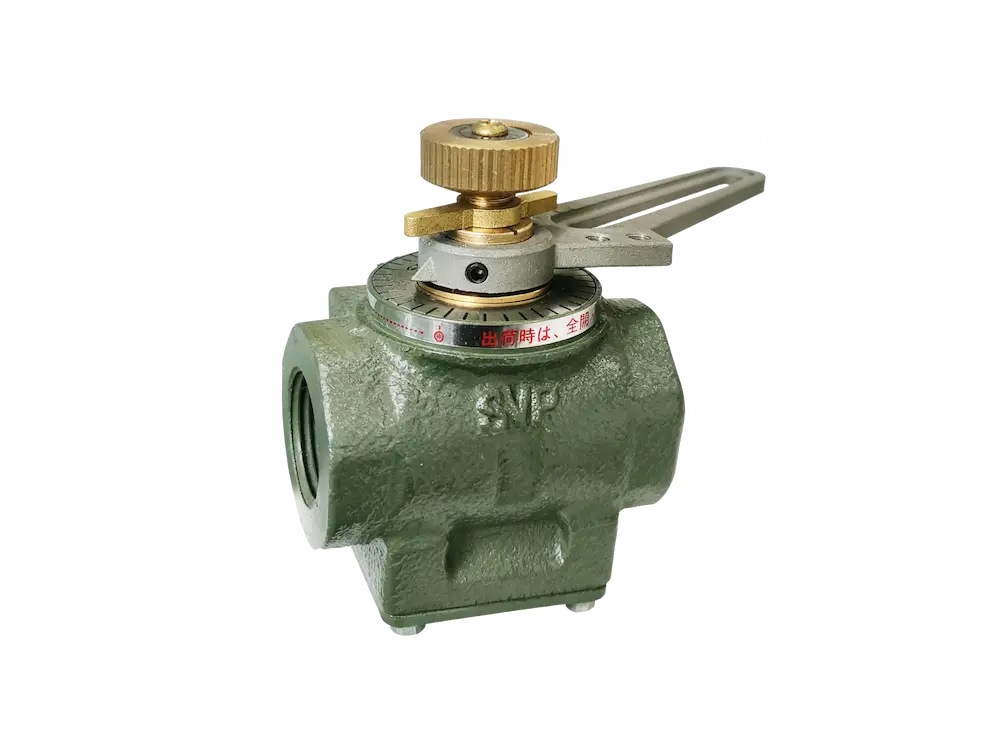
Fuel control valve
Combustion-air fan or blower
Air damper
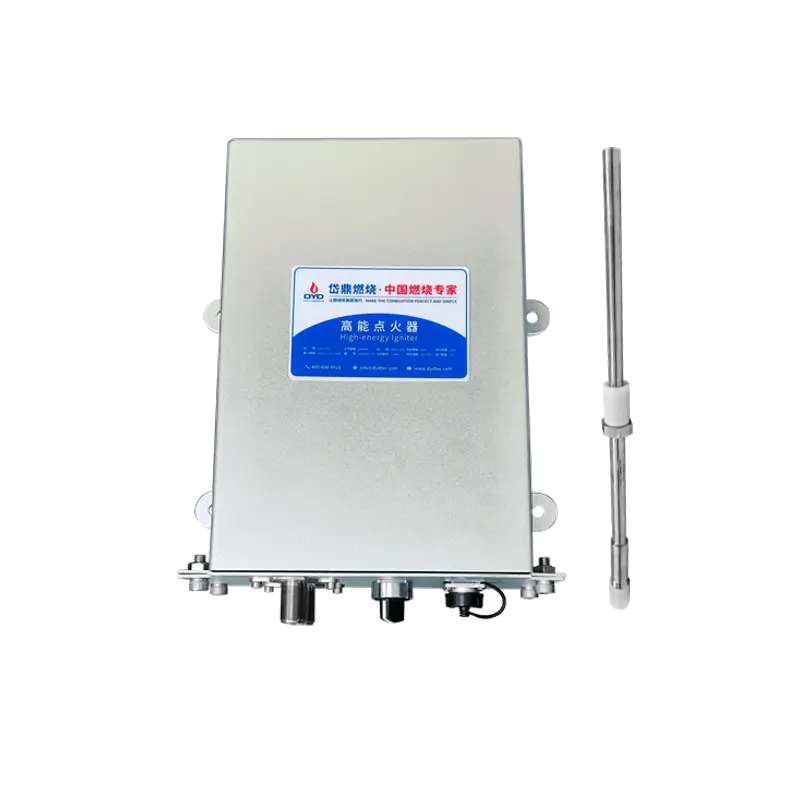
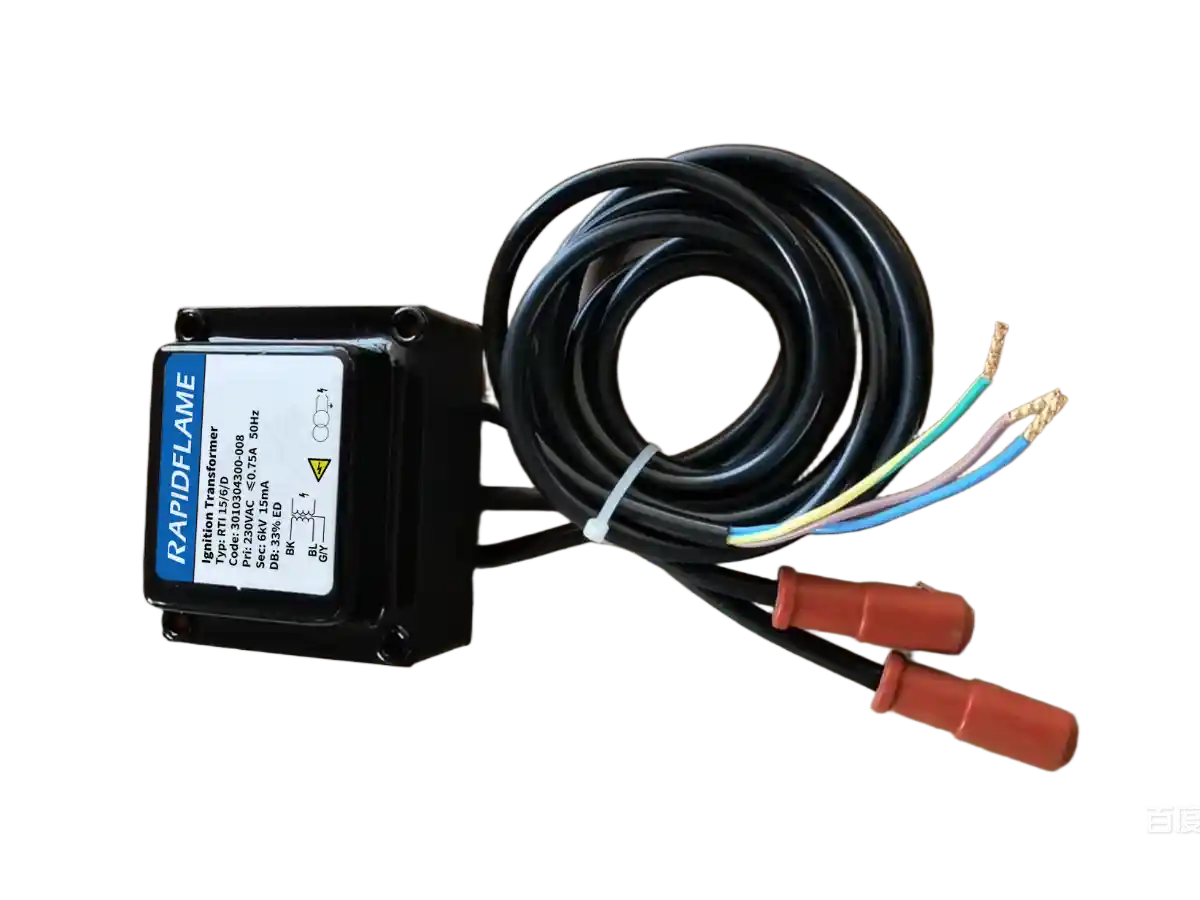
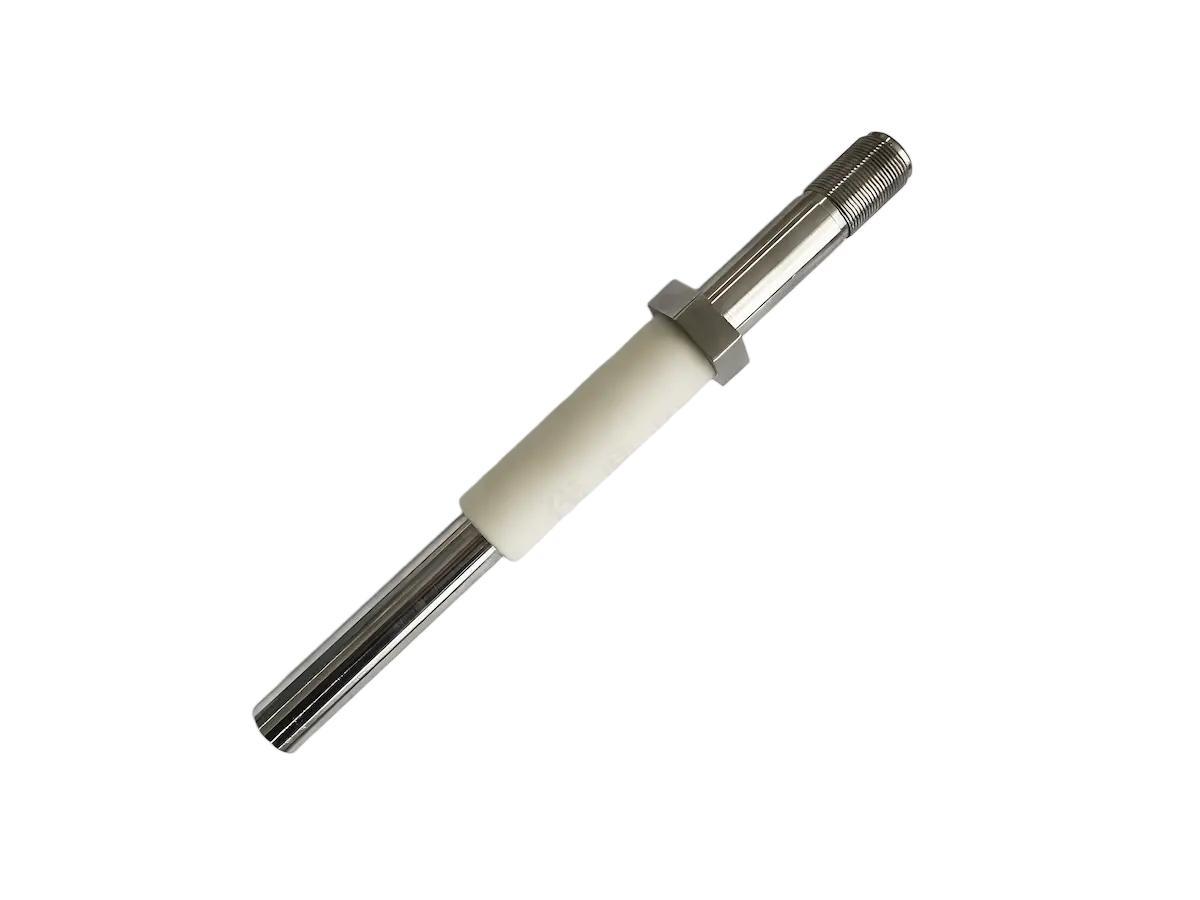
Ignition system
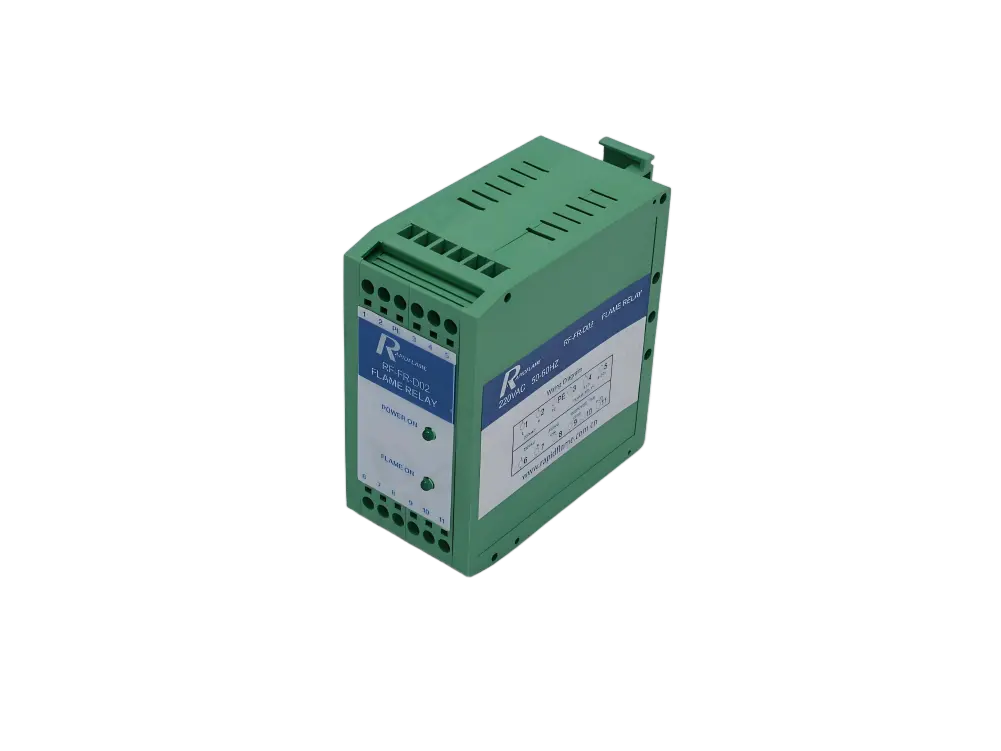
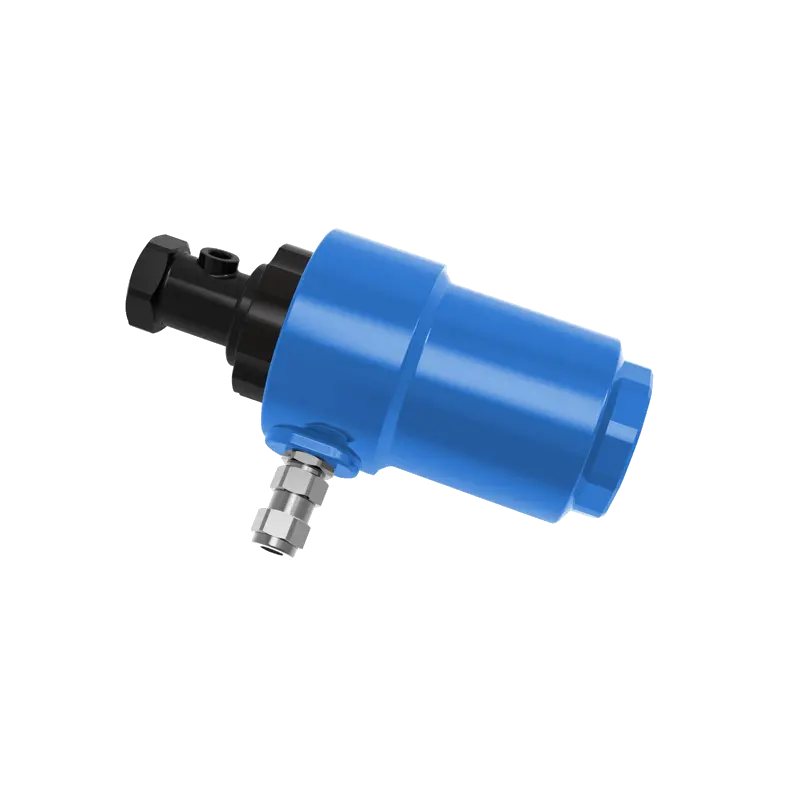
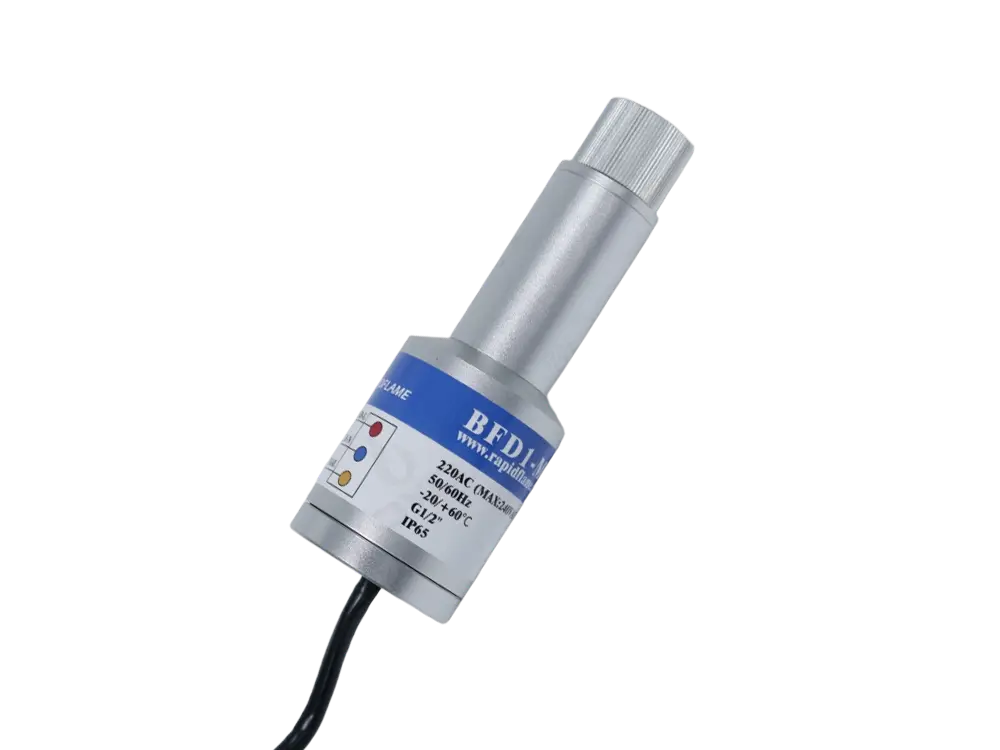
Flame detector
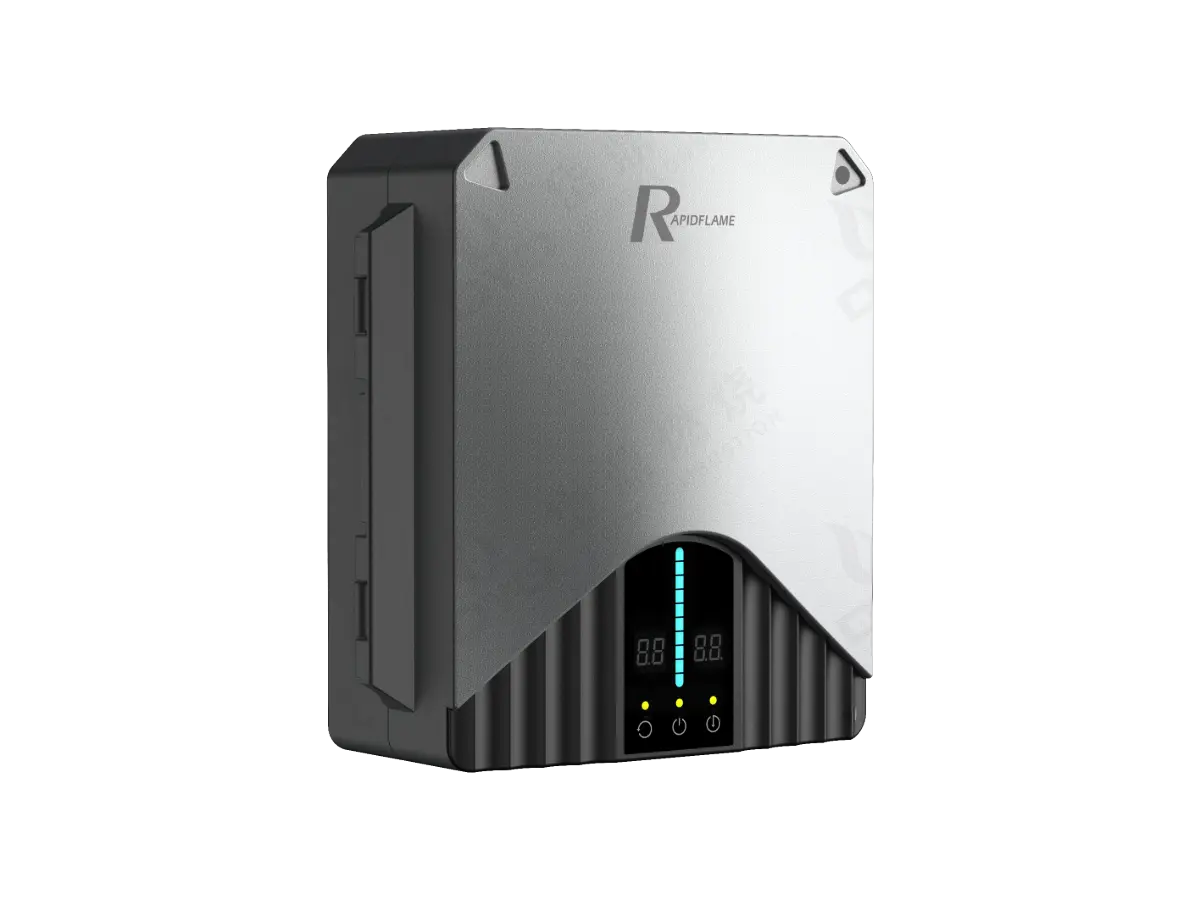
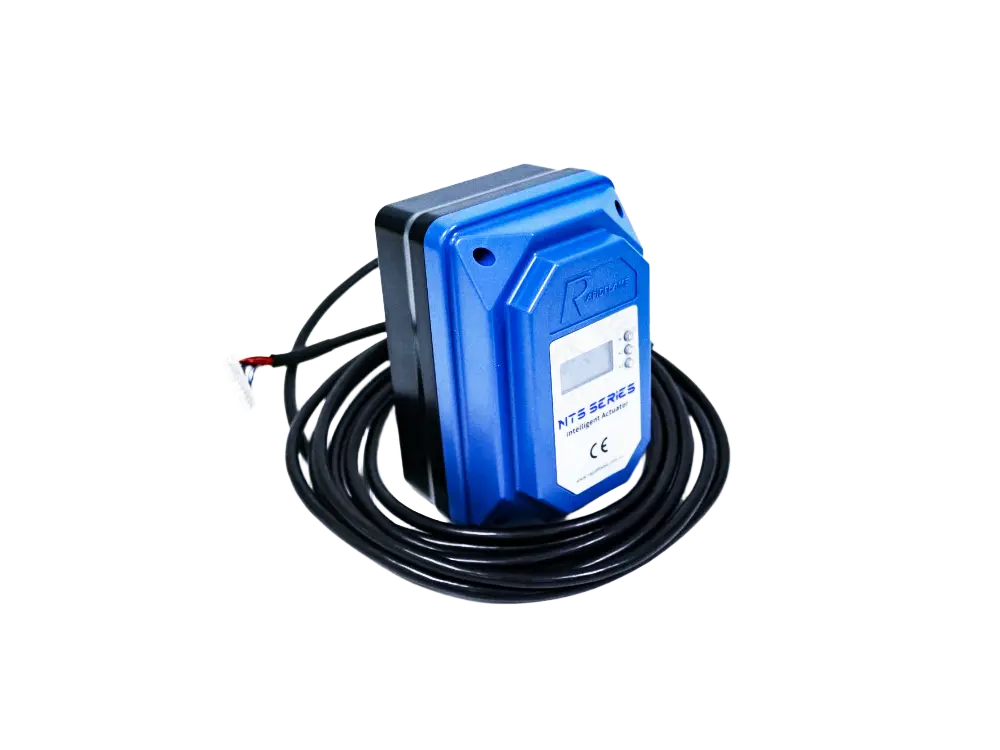
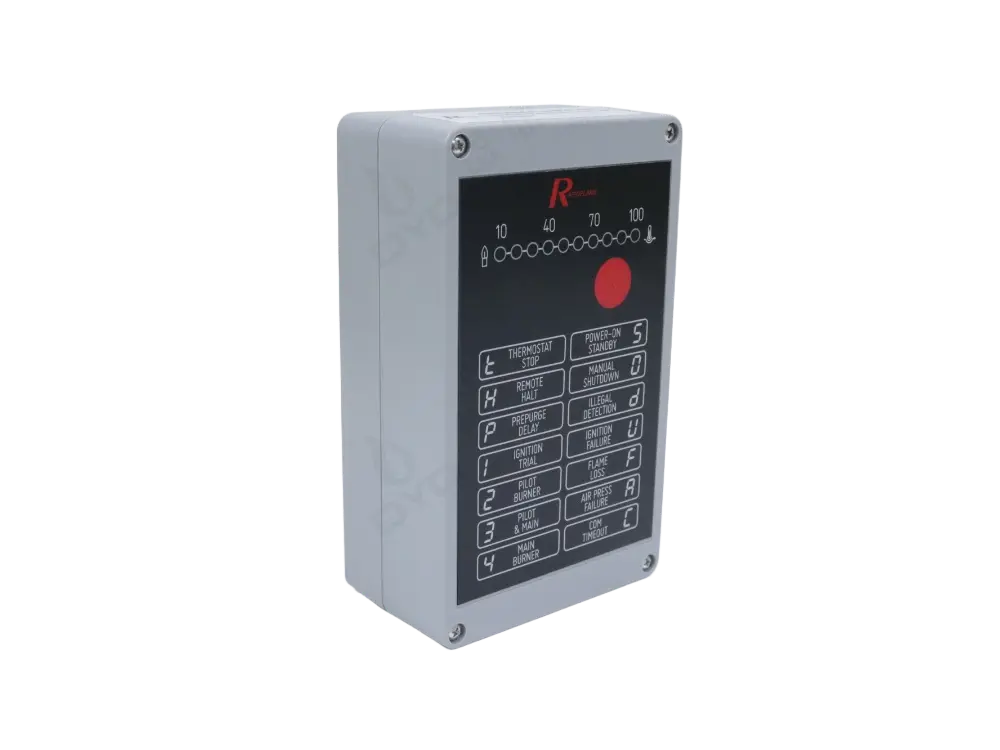
Burner controller
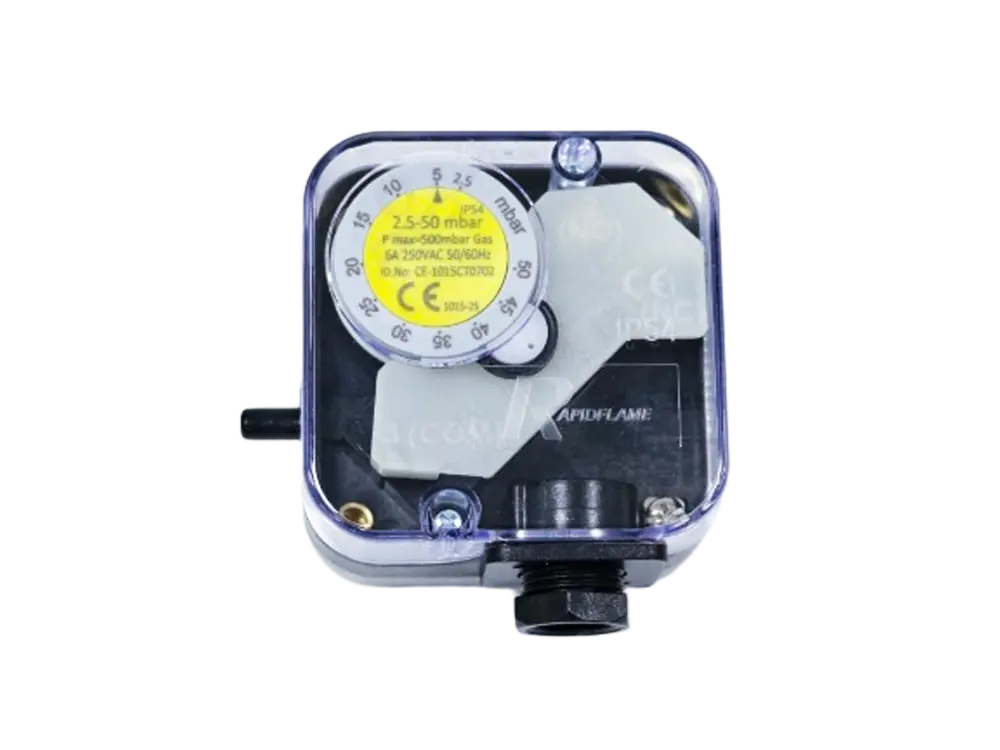
Pressure switches
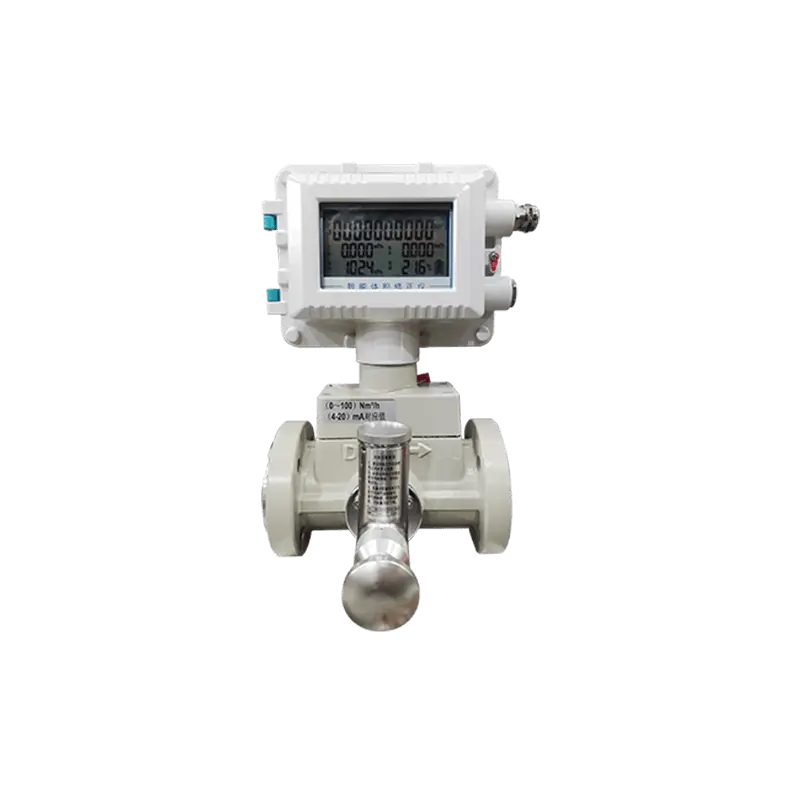
Temperature sensors
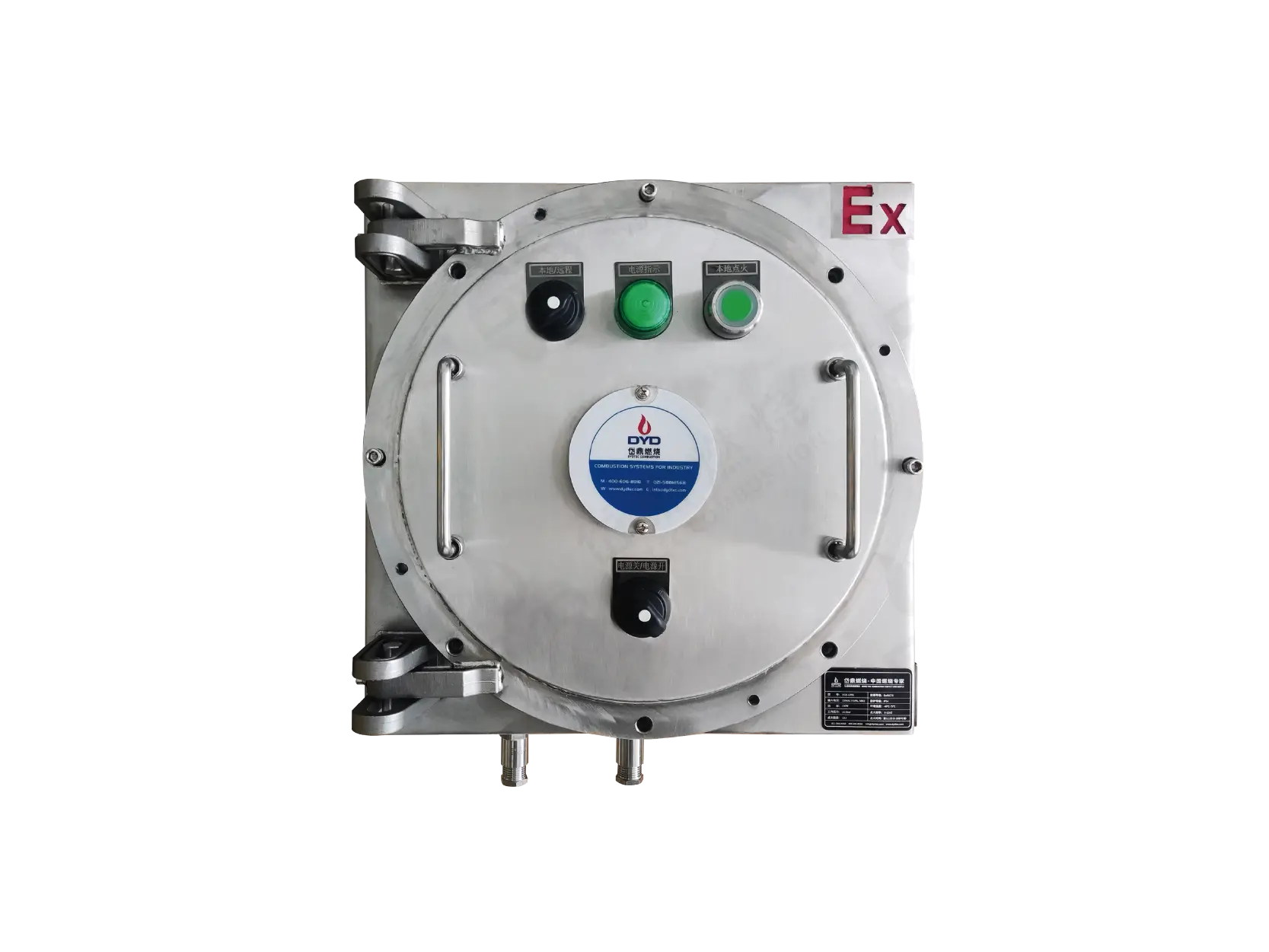
Control panel
Safety interlocks
PLC or plant control interface
Exhaust and heat-recovery components
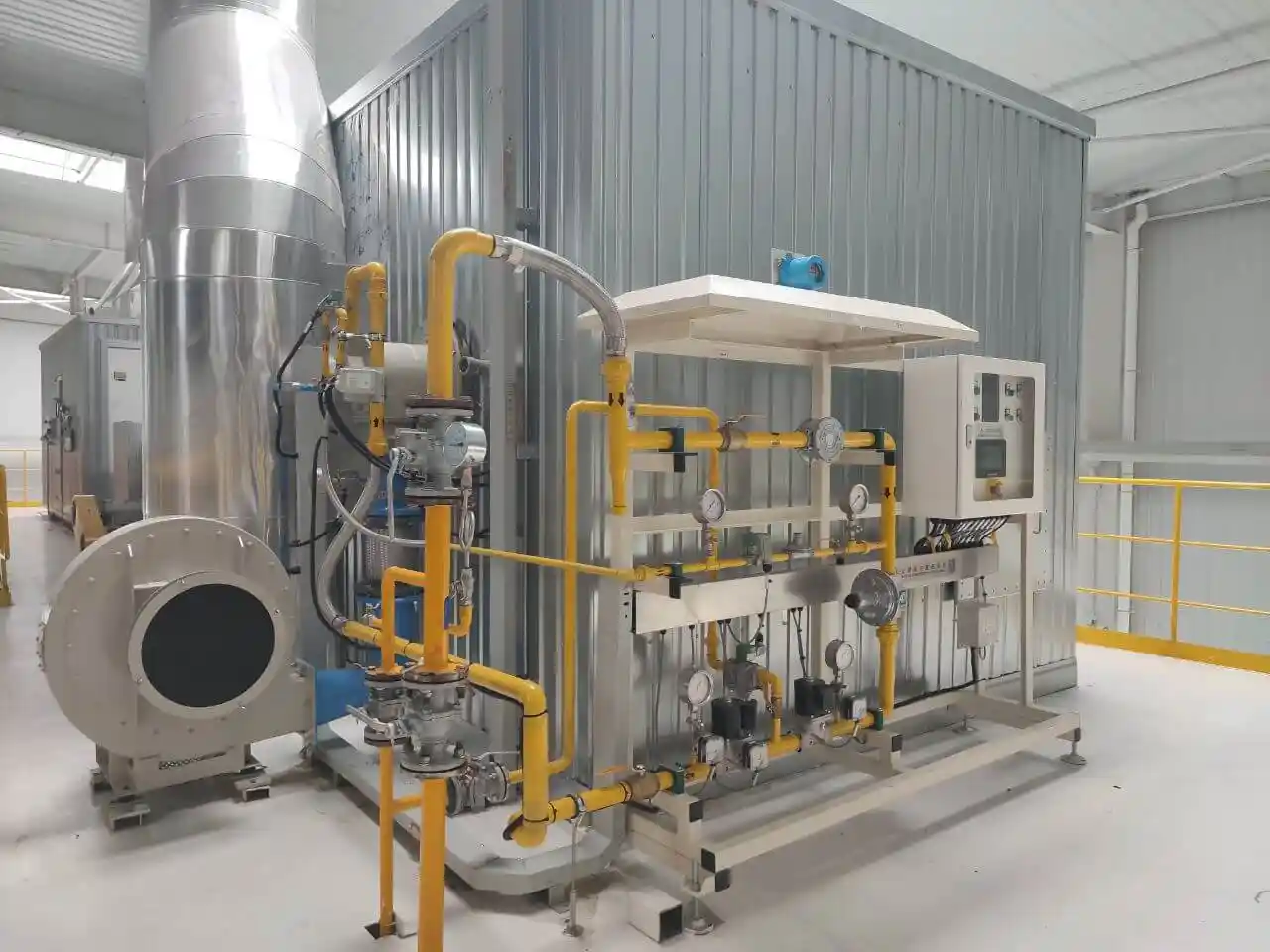
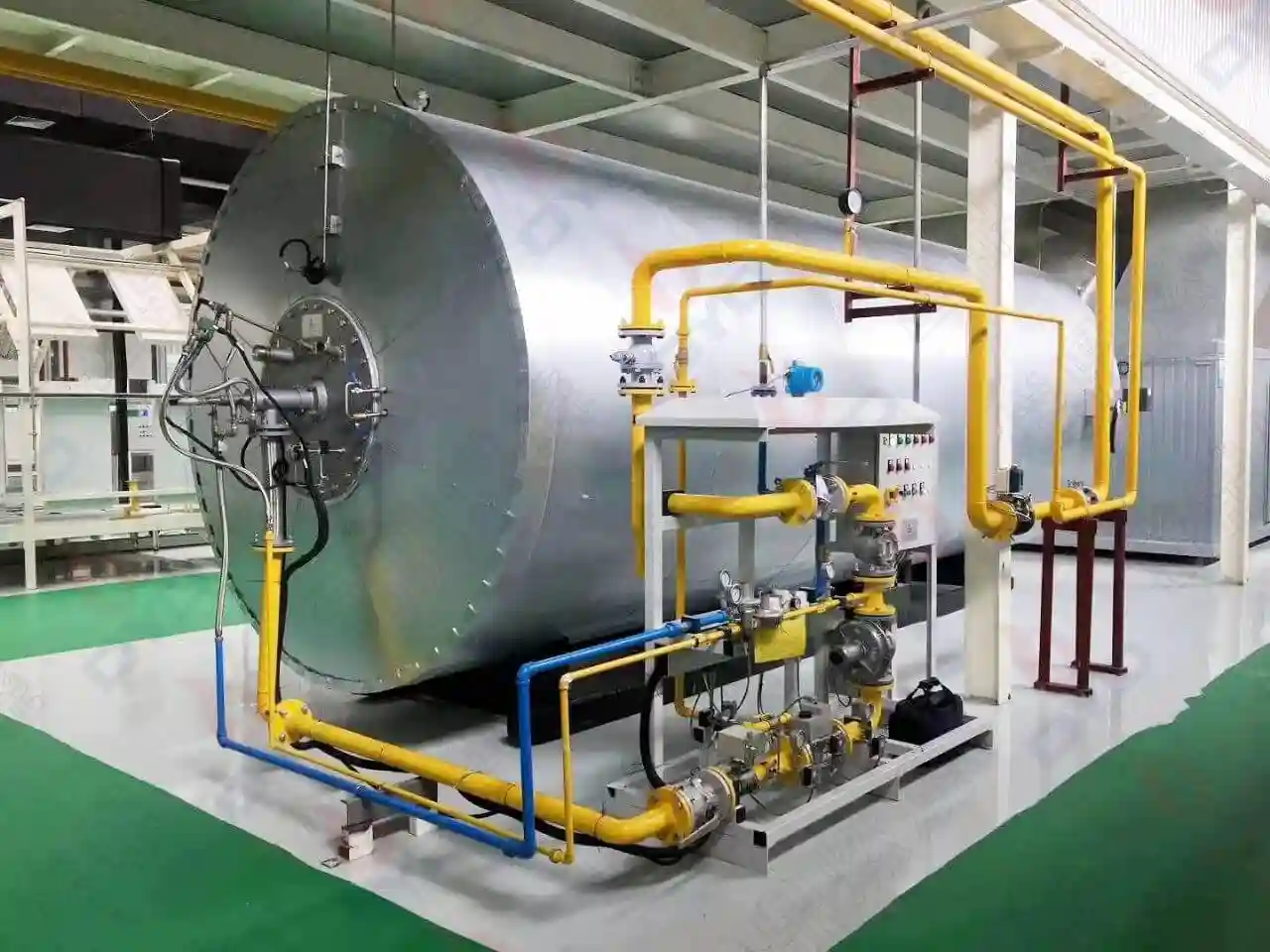
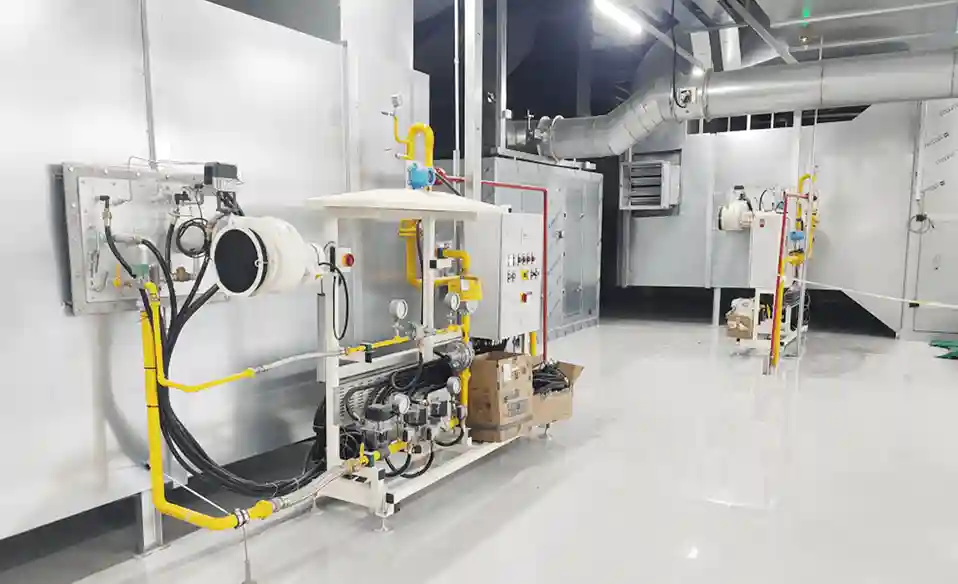
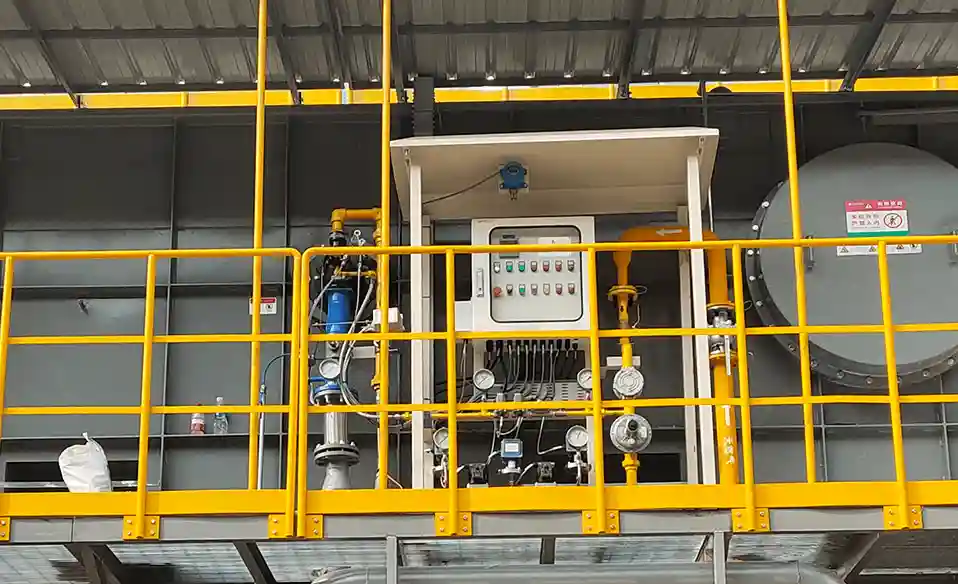
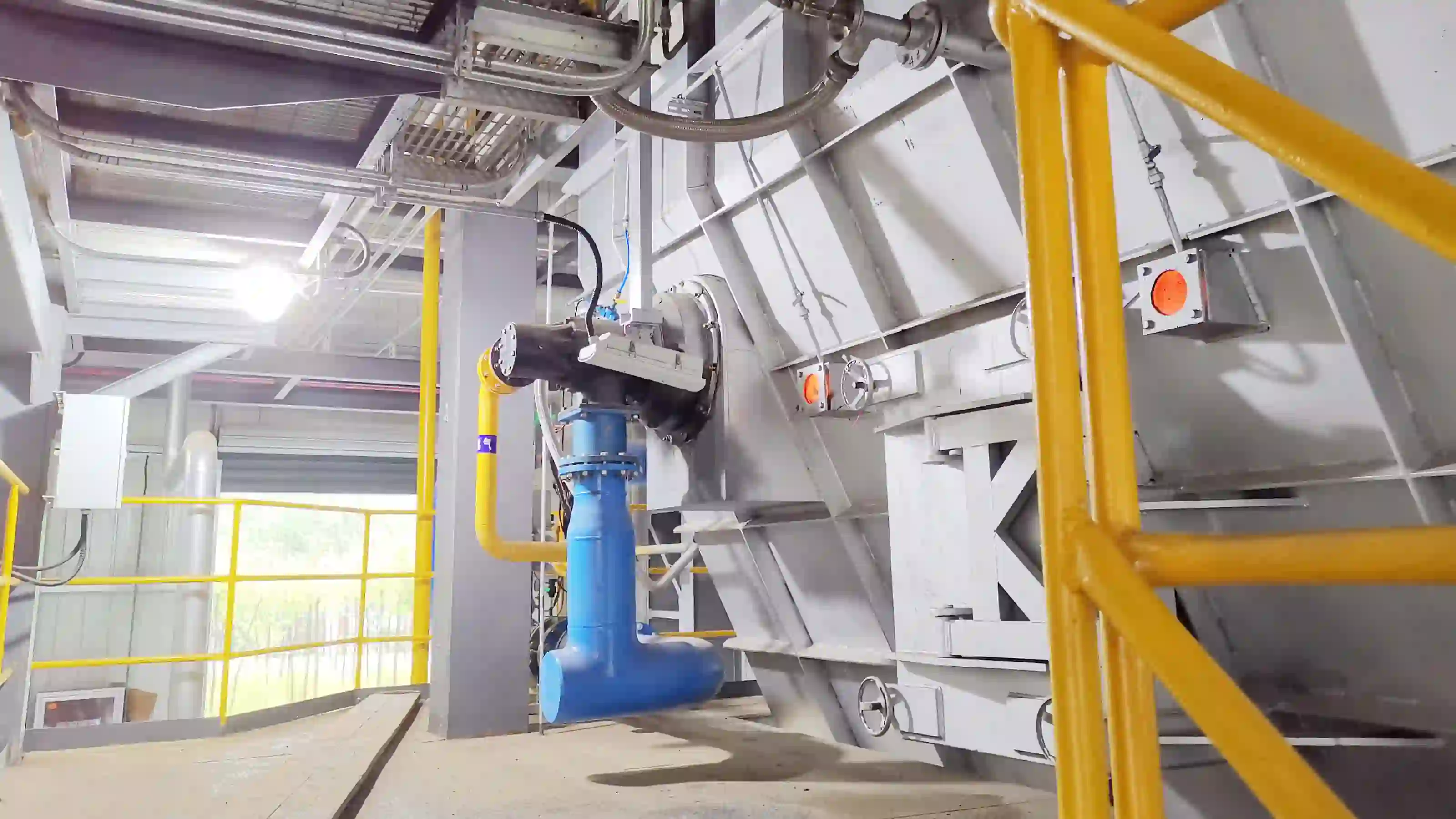
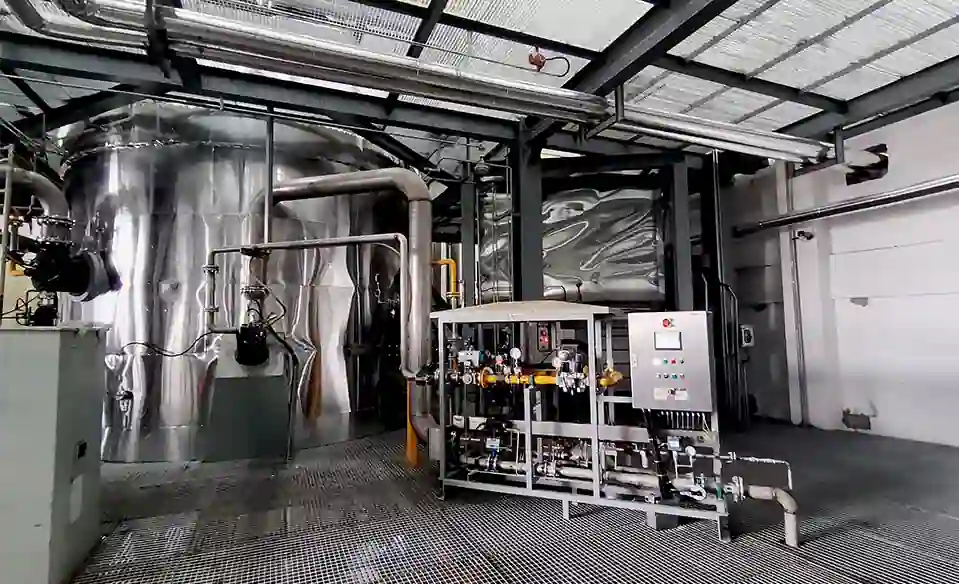
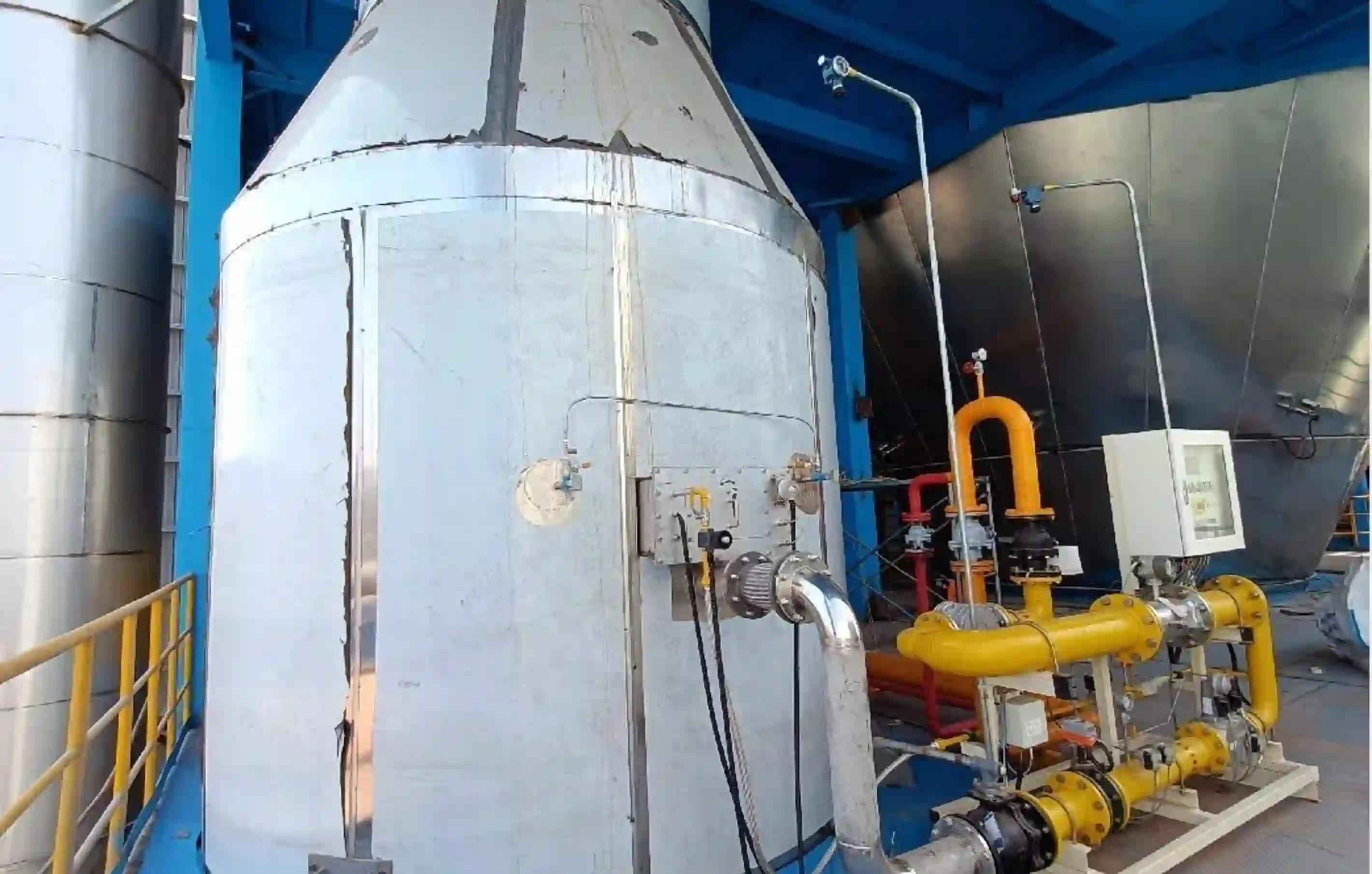
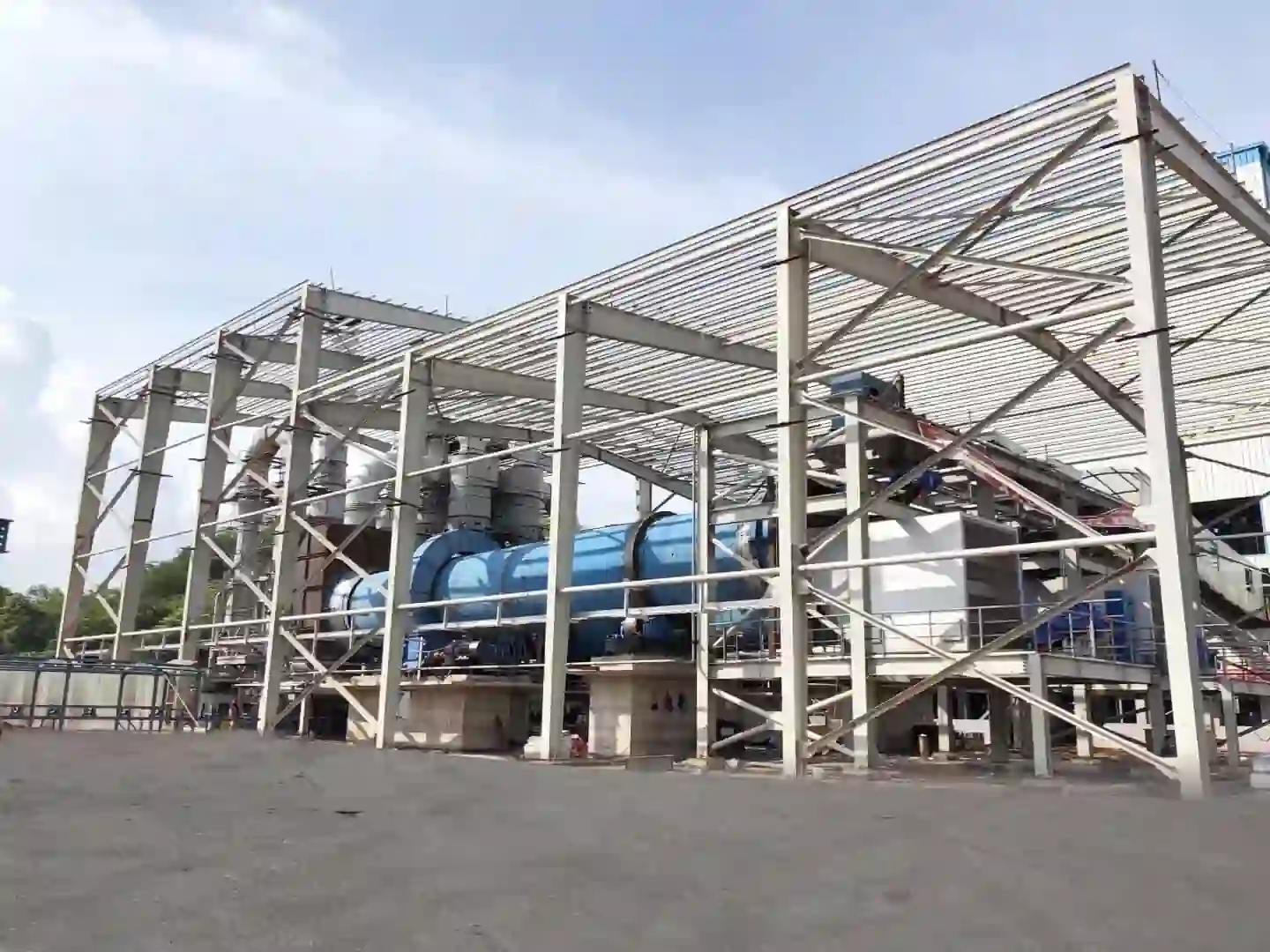
The exact configuration depends on the application. For a simple heating unit, the system may be relatively compact, with the burner, gas train, fan, and controller supplied as a packaged unit. A large industrial furnace may require multiple burners, multiple fuel trains, combustion-air fans, sophisticated control systems, and extensive safety instrumentation. In such cases, the combustion system becomes a significant engineering project in its own right, involving mechanical, electrical, instrumentation, and safety disciplines.
The combustion system is responsible not only for generating heat but also for ensuring that the heat is generated safely, efficiently, and in a controlled manner. It must respond to changes in process demand, maintain the correct air-fuel ratio, monitor flame status, and shut down safely if a fault occurs.
The easiest way to understand the difference is to look at their functions. The burner is the device that produces the flame. The combustion system is the complete arrangement that manages the entire combustion process, from fuel supply to exhaust.
| Aspect | Industrial Burner | Industrial Combustion System |
|---|---|---|
| Primary function | Generates and controls the flame | Manages the complete combustion process |
| Fuel supply | Receives fuel | Includes fuel supply and regulation |
| Air supply | Uses combustion air | Includes air supply and control |
| Ignition | May include ignition components | Integrates the complete ignition sequence |
| Flame detection | May include a flame detector | Integrates flame monitoring into safety logic |
| Control | Controls burner operation | Coordinates burner and process operation |
| Safety | Includes basic safety functions | Integrates multiple safety interlocks |
| Process integration | Mainly burner-level | Furnace/process-level |
| Scope | Individual combustion device | Complete combustion package |
| Typical supply | Burner assembly | Burner, fuel train, air system, controls, safety devices |
Therefore, a burner can be considered one of the core components of a combustion system. The combustion system includes the burner, but it also includes everything else required to make the burner operate reliably and safely within the thermal process.
This distinction is similar to the difference between an engine and a complete powertrain. The engine produces power, but the powertrain includes the fuel system, cooling system, transmission, controls, and safety systems that make the power usable. In the same way, a burner produces a flame, but the combustion system makes that flame useful, controllable, and safe.
A simplified burner operating process is:
Fuel → Fuel/Air Mixing → Ignition → Flame → Heat
For a gas burner, fuel enters through the gas connection while combustion air is supplied through the air inlet. The two streams are mixed according to the burner design. The ignition system then initiates combustion. Once a stable flame is established, the flame detector confirms its presence and the control system allows normal operation to continue. The burner can then increase or decrease its firing rate according to the thermal demand.
The burner’s internal geometry—nozzle, swirler, mixing chamber, and combustion head—determines how the fuel and air interact and how the flame develops. A well-designed burner will produce a stable flame with the correct shape, length, and heat-release pattern for the application. It will also maintain stable combustion across its turndown range, from maximum fire down to minimum fire.
However, the burner alone cannot control fuel pressure, air pressure, or flame safety. It relies on external components to provide the right conditions. For example, the fuel train regulates gas pressure and provides safety shut-off. The combustion-air fan provides the required air pressure and flow. The flame detector and burner controller ensure that the burner shuts down if the flame is lost. These supporting functions are part of the combustion system.
A complete combustion system involves several additional steps. It is not simply a burner that is connected to a fuel line and an air fan. The system must manage the entire sequence of operations, from pre-purge to normal modulation to safe shutdown.
A simplified sequence is:
Fuel Supply → Pressure Regulation → Air Supply → Purge → Ignition → Flame Detection → Main Combustion → Modulation → Process Control
For example, when an industrial furnace starts:
The combustion-air fan starts.
The system performs the required purge sequence.
Fuel and air pressures are checked.
The ignition system is activated.
A pilot or ignition flame is established where applicable.
The flame detector confirms flame presence.
The main fuel valve opens.
The burner produces the required heat.
The control system adjusts fuel and air according to process demand.
Safety systems continuously monitor operating conditions.
This shows why a combustion system is broader than the burner itself. The burner is the device that produces the flame, but the combustion system is the coordinated set of components that makes the flame possible, safe, and responsive to the process. The control system, in particular, is responsible for maintaining the correct air-fuel ratio, flame stability, and temperature control as conditions change.
The distinction becomes particularly important when designing or upgrading industrial thermal equipment. Many performance problems that appear to be burner problems are actually system-level problems. If the supporting equipment is not properly configured, even a high-quality burner may fail to deliver the expected results.
An engineer may purchase a burner with the correct thermal capacity but still experience poor system performance if the supporting equipment is not properly configured. For example, problems can occur when:
Fuel pressure is unstable.
The combustion fan is incorrectly sized.
Excess air is too high.
The flame does not match the furnace geometry.
The control system does not properly modulate fuel and air.
Flame detection is poorly positioned.
Furnace pressure is unstable.
Safety interlocks are incomplete.
The exhaust system creates excessive backpressure.
Heat recovery is not compatible with the burner.
In these cases, the burner itself may not be the fundamental problem. The issue may lie in the integration of the complete combustion system. Troubleshooting therefore requires a system-level approach: checking fuel supply, air supply, controls, flame detection, furnace pressure, and exhaust conditions—not just the burner.
This is also why burner selection and combustion-system design should be treated as related but distinct engineering tasks. Selecting a burner is about matching the flame to the process. Designing a combustion system is about ensuring that the burner receives the right fuel and air, is controlled correctly, is monitored safely, and is integrated with the furnace and process controls.
Another common source of confusion is the relationship between a burner and the fuel train. These are separate but closely connected assemblies.
The burner uses the fuel to generate the flame.
The fuel train controls and safeguards the fuel before it reaches the burner.
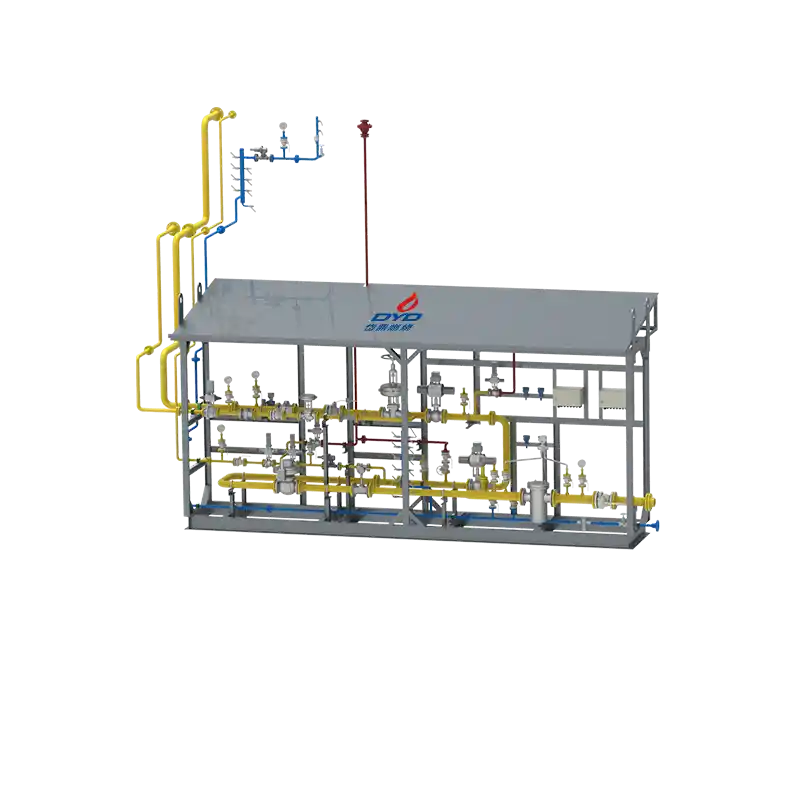
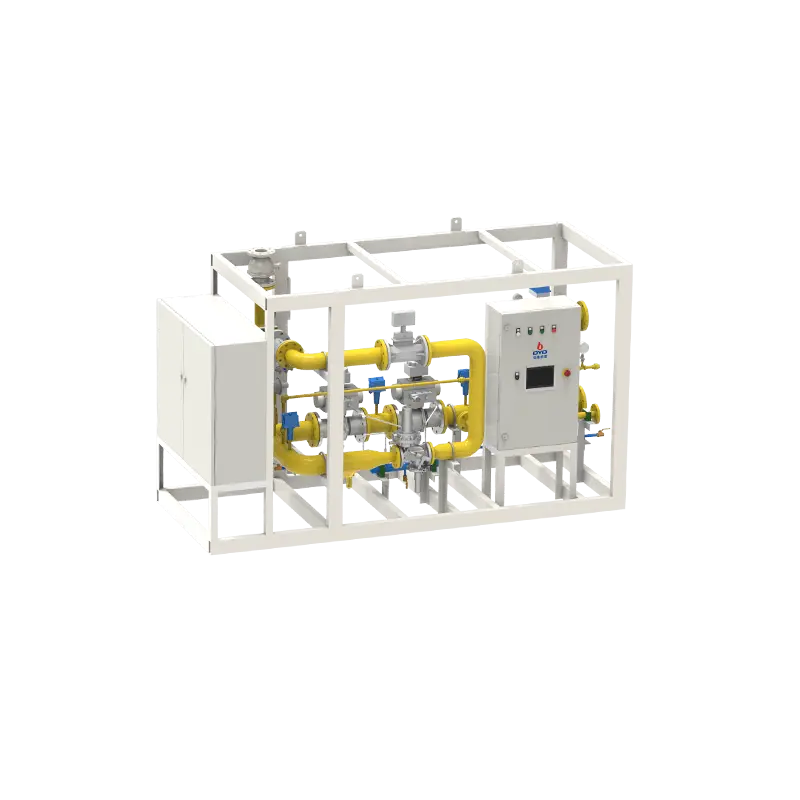
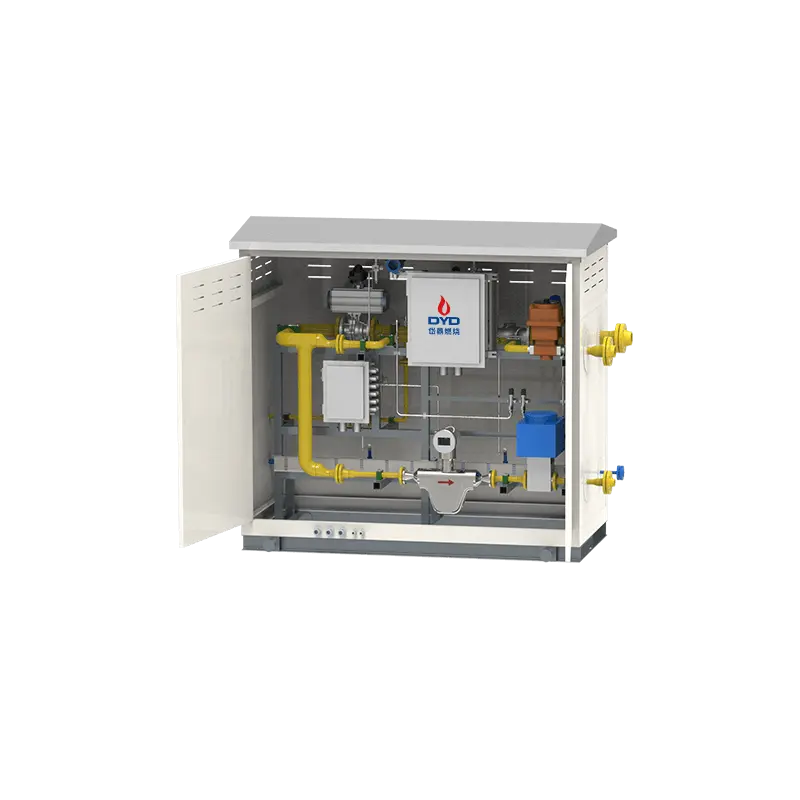
A gas fuel train can include:
Manual shut-off valve
Gas filter
Pressure regulator
Pressure switch
Solenoid safety valve
Gas control valve
Pressure gauge
Connecting piping
Leak-testing provisions
Vent lines where required
These components support burner operation but are not normally considered part of the burner itself. The fuel train ensures that the fuel is clean, at the correct pressure, and safely controlled. It also provides the safety shut-off function that stops fuel flow if a fault occurs. In many industrial applications, the fuel train must comply with specific standards such as EN 746-2, NFPA 86, or ISO 13577. These standards define the required components, testing procedures, and safety logic.
A burner without a properly designed fuel train is unsafe and cannot be operated reliably. The fuel train is therefore an essential part of the combustion system, even though it is not part of the burner assembly.
The same distinction applies to burner control. The burner management system (BMS) is a separate control and safety system that manages the burner operating sequence.
A burner management system (BMS) manages the burner operating sequence and safety functions.
It may control or monitor:
Pre-purge
Ignition
Flame detection
Fuel valves
Air pressure
Fuel pressure
Emergency shutdown
Fault conditions
Safety interlocks
Operating status
The burner generates the flame, while the burner management system determines when and under what conditions the burner is allowed to operate. The BMS ensures that the burner follows the correct startup sequence, that the flame is proven before fuel is released, and that fuel is shut off immediately if the flame fails or another unsafe condition occurs.
In many industrial combustion systems, the BMS is a dedicated safety device that is separate from the process controller. This separation ensures that safety functions are not compromised by process control adjustments. The BMS must be designed and maintained in accordance with applicable safety standards, and its functions must be tested regularly.
A burner can have good combustion characteristics while the complete system still operates inefficiently. Overall thermal efficiency depends on the interaction between many factors, not just the burner’s combustion efficiency.
Overall thermal efficiency depends on the interaction between:
Burner capacity
Fuel-air ratio
Excess air
Furnace pressure
Flame shape
Heat distribution
Exhaust temperature
Heat recovery
Furnace insulation
Process control
For example, excessive combustion air increases the amount of gas that must be heated and exhausted. Even if the burner itself is functioning correctly, the overall system may consume more fuel than necessary. The excess air absorbs heat and carries it out of the furnace, reducing the amount of useful heat transferred to the load.
Similarly, a flame that does not distribute heat appropriately can cause some areas of a furnace to remain cold while other areas become excessively hot. Operators may then increase the overall furnace temperature to ensure the coldest area reaches the setpoint. This increases fuel consumption and may damage the product or refractory in the hotter areas.
This is why energy-efficient combustion should be evaluated at the system level. Improving the burner alone may not produce the expected savings if the furnace has poor insulation, excessive air infiltration, unstable pressure, or inadequate heat distribution. The most effective efficiency improvements often come from addressing the largest losses in the system, whether they are in the burner, the furnace, the exhaust, or the controls.
These are two related but different engineering tasks. Burner selection focuses on the burner itself, while combustion-system design considers the entire thermal process and all the supporting equipment.
Burner selection focuses on questions such as:
What fuel is being used?
What is the required heat output?
What fuel pressure is available?
What flame shape is required?
What turndown ratio is needed?
What emissions requirements apply?
What is the furnace temperature?
What is the furnace geometry?
What is the required temperature uniformity?
System design goes further:
How will fuel reach the burner?
How will combustion air be supplied?
How will fuel and air be controlled?
How will the flame be detected?
What safety interlocks are required?
How will burner output respond to temperature changes?
How will the system communicate with the furnace PLC?
How will furnace pressure be controlled?
Can exhaust heat be recovered?
How will the system be maintained and inspected?
For a simple application, these tasks may be combined. A packaged burner with an integrated gas train, fan, and controller may be sufficient. For a complex industrial installation, they are usually considered as part of a broader engineering process. The burner supplier, furnace designer, controls engineer, and safety specialist may all need to work together to ensure that the combustion system meets the process requirements.
The difference becomes easier to understand through practical examples.
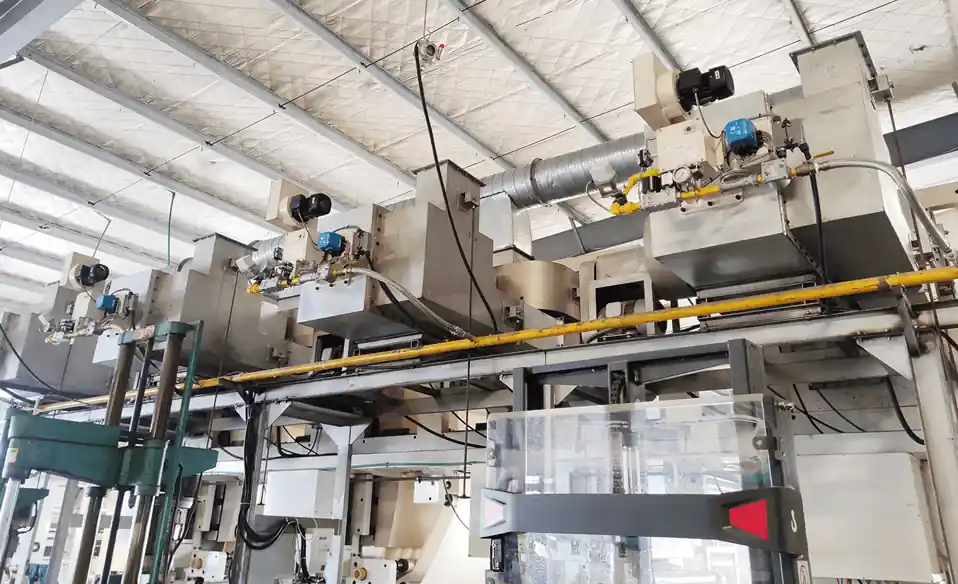
A furnace may contain several industrial burners. The burners are the individual heat-generation devices, but the complete combustion system includes much more:
Multiple gas trains
Combustion-air fans
Pressure sensors
Flame detectors
Burner controllers
Temperature sensors
Furnace-pressure control
PLC integration
Safety interlocks
Exhaust and heat-recovery equipment
Here, the burners are individual heat-generation devices within a larger combustion system. The system ensures that each burner receives the correct fuel and air, that the flames are monitored, that the furnace pressure is controlled, and that the process temperature is maintained.
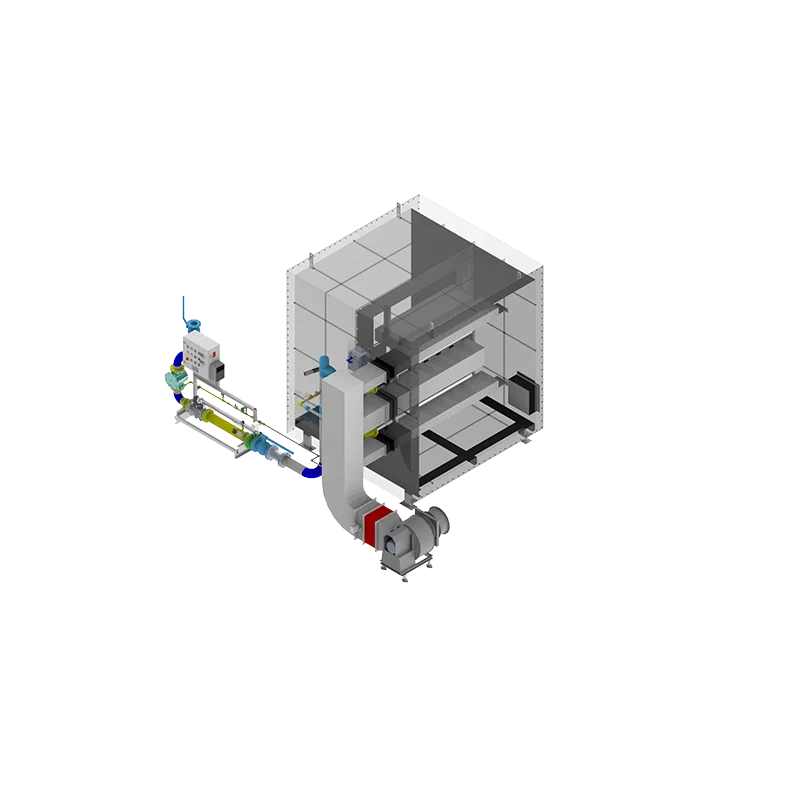
A dryer may use one or more burners to generate hot air. The combustion system may also include air-handling equipment, temperature control, fuel regulation, safety monitoring, and exhaust management. The burner provides the heat, but the system ensures that the hot air is delivered to the product at the right temperature and flow rate.
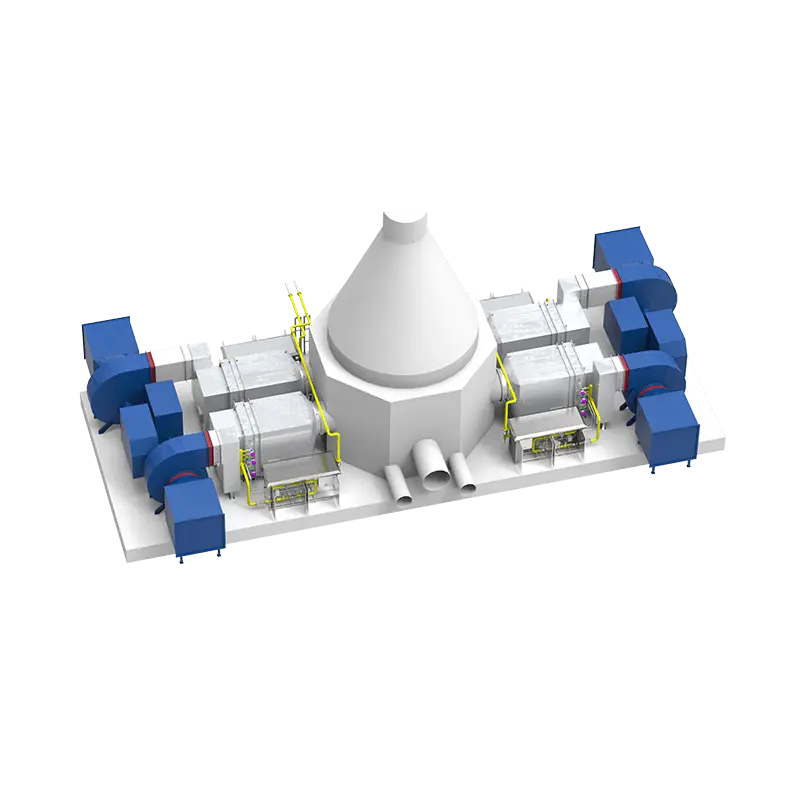
An RTO combustion system can be more complex because the burner operates together with regenerative heat recovery and the oxidation chamber. The burner provides supplemental heat while the overall system manages the thermal oxidation process. The combustion system must maintain the required temperature for VOC destruction while minimizing fuel consumption through heat recovery.
A hot air generator may use a burner to create heat, while fans and air-handling components transfer that heat to the process air. Again, the burner is only one part of the complete thermal system. The system must control the air temperature, air flow, and fuel input to meet the process requirements.
A standalone burner may be sufficient when the existing equipment already provides compatible fuel, air, control, and safety infrastructure. For example, if a furnace already has a suitable gas train, combustion-air fan, burner controller, and safety interlocks, replacing the burner may be enough.
A more complete combustion-system solution may be appropriate when:
Building a new furnace
Upgrading an existing heating system
Replacing multiple burners
Changing fuel type
Adding automatic combustion control
Improving energy efficiency
Meeting new emissions requirements
Integrating burners with a PLC
Designing OEM thermal equipment
Improving safety and compliance
The more complex the thermal process, the more important system-level engineering becomes. A complete combustion system ensures that all components are matched, that safety functions are properly integrated, and that the system operates efficiently over the full range of process conditions.
DYDTEC Combustion focuses on industrial combustion equipment and combustion-system solutions. Founded in 2012, DYDTEC Combustion has developed more than 100 burner models covering over 200 application scenarios. Its engineering approach considers the burner together with fuel supply, combustion air, control, flame detection, furnace geometry, heat load, and process requirements.
This allows burner configurations to be developed for different industrial heating applications rather than treating burner selection as an isolated equipment purchase. For OEM equipment manufacturers and industrial heating-system integrators, this system-oriented approach can help ensure that the burner, furnace, fuel system, air system, exhaust system, and controls work together efficiently and safely.
DYDTEC Combustion has production and R&D bases in Shanghai and Yangzhou and serves customers across more than 50 countries and regions. Its experience across different industries and applications allows it to support customers in selecting and integrating combustion systems that meet specific process requirements.
Yes. An industrial burner is normally one of the core components of a complete combustion system. The combustion system includes the burner plus all the supporting equipment needed for fuel supply, air supply, ignition, flame detection, control, and safety.
A burner requires supporting equipment such as fuel supply, combustion air, ignition, flame monitoring, and control. In simple installations, these functions may be integrated into a compact package. In larger installations, they may be separate components. Either way, the burner cannot operate safely or effectively without the supporting functions of a combustion system.
The gas train is generally considered a separate supporting assembly, although it is often supplied together with the burner as part of a complete burner package. The gas train controls and safeguards the fuel supply before it reaches the burner.
Yes. A burner management system is commonly an important part of the safety and control architecture of an industrial combustion system. It manages the burner operating sequence and safety functions.
They serve different functions and should be considered together. The burner determines how fuel is converted into a flame, while the combustion system determines how that burner is supplied, controlled, monitored, and integrated into the thermal process. A good burner in a poorly designed system will underperform, and a well-designed system with an unsuitable burner will also fail to meet process requirements.
If you are replacing an existing burner in a system that already has a suitable fuel train, air supply, controls, and safety devices, you may only need a burner. If you are building a new system, changing fuel, upgrading controls, or improving efficiency and safety, you likely need a complete combustion system. A system assessment can help determine the best approach.
Yes, in many cases. A combustion system can be retrofitted to an existing furnace, but the feasibility depends on the furnace geometry, available space, existing fuel and air supplies, exhaust conditions, and safety requirements. A thorough assessment should be performed before proceeding.
One common mistake is selecting a burner based only on thermal capacity without considering flame shape, turndown, fuel pressure, furnace geometry, or the capabilities of the supporting system. This can lead to poor heat distribution, unstable combustion, or inadequate process control.
The fundamental difference is scope.
An industrial burner is the equipment that generates and controls the flame. An industrial combustion system includes the burner plus the fuel supply, combustion-air system, ignition, flame detection, control, safety, and process-integration equipment required for complete operation. The burner is the heart of the system, but the system is what makes the burner safe, controllable, and effective.
For simple heating applications, the distinction may appear minor. For industrial furnaces, dryers, kilns, RTOs, and OEM thermal equipment, however, understanding the difference is essential. A successful industrial heating solution requires more than choosing a burner with the right capacity. The burner must work together with the fuel system, air system, control system, safety system, and thermal equipment to achieve stable, efficient, and reliable operation.
When the burner and the combustion system are designed and integrated as one coordinated thermal process, the result is lower fuel consumption, more consistent product quality, fewer unplanned shutdowns, and safer operation. That is why the distinction between a burner and a combustion system is not just a matter of terminology—it is a practical engineering concept that directly affects performance and cost.