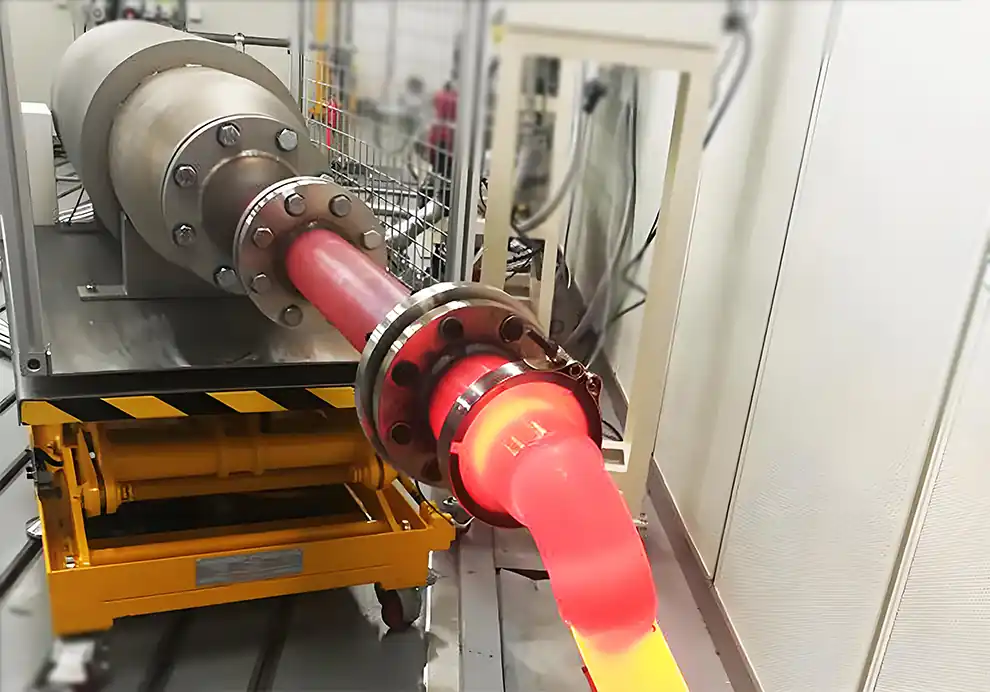
Flame stability is one of the most important performance indicators of an industrial burner. A stable flame ensures efficient combustion, uniform heat distribution, consistent product quality, low emissions, and safe operation. An unstable flame can lead to higher fuel consumption, uneven furnace temperatures, increased NOx emissions, production interruptions, and safety risks. In practical terms, a stable flame remains anchored at the burner head across the entire turndown ratio—often from 10:1 to 30:1 for modern modulating burners—without lifting off, flashing back, or flickering excessively, even when fuel pressure, combustion air temperature, or furnace draft fluctuates within normal operating ranges.
Flame stability directly affects combustion efficiency and fuel consumption.
Stable flames produce more uniform furnace temperatures.
Flame instability increases emissions and operating costs.
Modern industrial burners use burner design, combustion control, and flame monitoring to maintain stable combustion.
Flame stability should be considered during burner selection and furnace design.
Flame stability refers to a burner's ability to maintain a continuous, controlled, and predictable flame under different operating conditions.
A stable flame remains securely anchored at the burner head while maintaining consistent shape, length, and combustion intensity as the burner output changes. This anchoring is typically achieved by a flame retention ring or a bluff body that creates a recirculation zone, where hot combustion products continuously ignite the incoming fresh mixture, acting as a permanent pilot. The stability margin is quantified by the ratio of the flame velocity to the mixture flow velocity—when these match, the flame is stationary.
Industrial burners are expected to operate reliably during startup, full-load operation, low-fire conditions, and continuous modulation without flame lift-off, flashback, or unexpected flame failure. For example, a burner with a 10:1 turndown must maintain a stable flame at 10% of its maximum capacity, where the gas velocity is low and the risk of flashback is highest.
A stable flame is the foundation of efficient industrial combustion.
When combustion remains stable, fuel burns more completely, heat is distributed more evenly, and the entire heating process becomes more predictable. Stability also simplifies furnace control, as the temperature response to fuel changes is linear and repeatable, allowing PID controllers to maintain setpoints with minimal overshoot.
Poor flame stability affects not only the burner itself but also furnace performance, product quality, operating costs, equipment life, and workplace safety. In severe cases, repeated flame disturbances can cause thermal shock to the refractory, leading to premature cracking and costly relining.
Complete combustion requires fuel and combustion air to mix evenly and burn continuously.
When the flame becomes unstable, combustion efficiency decreases because part of the fuel may not burn completely. This is often due to the flame lifting off the burner head, which reduces the residence time of the mixture in the high-temperature zone, or to erratic mixing that creates local fuel-rich pockets.
Consequences include:
Increased natural gas consumption – even a 2–3% drop in combustion efficiency can raise annual fuel costs by tens of thousands of dollars for a medium-sized furnace.
Reduced thermal efficiency – more unburned fuel leaves the furnace as sensible or chemical heat loss.
Higher exhaust losses – incomplete combustion often requires higher excess air to compensate, which increases stack heat loss.
Increased carbon monoxide formation – CO emissions can rise from under 10 ppm in a stable flame to several hundred ppm during instability.
More frequent burner adjustments – operators must continually retune the air-fuel ratio, wasting labor and reducing uptime.
Stable combustion converts a greater percentage of fuel energy into useful process heat, typically achieving 95–98% combustion efficiency (on LHV basis) for natural gas systems.
Industrial furnaces rely on predictable heat distribution.
If the flame constantly changes position, length, or intensity, the heat released inside the furnace also changes. A flame that lifts off may direct heat toward the furnace roof instead of the load; a flickering flame creates cyclical heating that can cause differential expansion.
This can result in:
Temperature fluctuations – thermocouples may read variations of ±10°C or more within the same zone.
Hot spots – localized overheating can damage refractory or cause metallurgical grain growth.
Cold zones – underheated areas lead to incomplete processing and reject parts.
Longer heating cycles – to compensate for uneven heat, operators often extend soak times, reducing throughput.
Reduced process consistency – batch-to-batch repeatability suffers, complicating quality control.
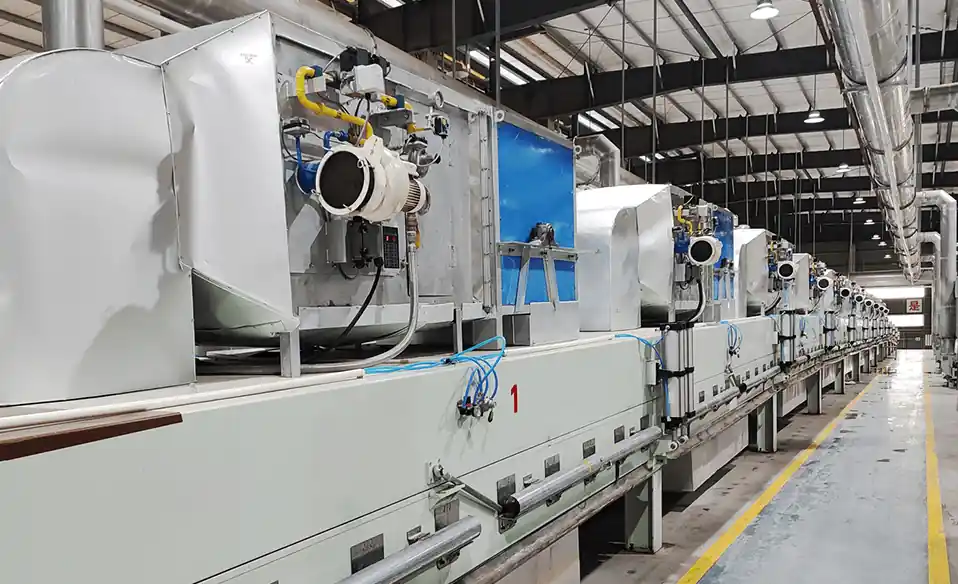
Stable flames produce more uniform furnace temperatures, helping manufacturers achieve consistent heating results across the entire work zone. For example, in a tunnel kiln for ceramics, a stable flame ensures that the temperature profile along the length of the kiln remains constant, preventing warping or cracking of tiles.
Many industrial processes require precise temperature control.
Examples include:
Ceramic firing – uneven heating causes dimensional distortion and glaze defects.
Aluminum melting – unstable flames cause oxide formation and dross, reducing metal yield.
Heat treatment – quenching and tempering rely on uniform austenitizing temperatures to meet hardness specifications.
Glass manufacturing – temperature gradients create stress fractures and optical irregularities.
Industrial drying – fluctuating hot air temperatures lead to inconsistent moisture content in paper, textiles, or food products.
Flame instability can create uneven heating conditions that affect product dimensions, mechanical properties, surface quality, color consistency, or moisture content. In automotive heat treatment, a 5°C temperature deviation can alter the hardness by 2–3 HRC, potentially leading to component failure.
Maintaining a stable flame helps ensure repeatable production quality, reducing scrap rates and rework.
Combustion quality and emissions are closely related.
When combustion becomes unstable:
Carbon monoxide may increase because of incomplete combustion. CO is a toxic gas and also indicates wasted fuel energy.
Hydrocarbon emissions may rise if unburned fuel leaves the combustion zone, creating visible smoke or odour.
NOx emissions may fluctuate because of changing flame temperatures. A lift-off flame often has a lower peak temperature, reducing thermal NOx, but the accompanying CO rise usually offsets any environmental benefit. Conversely, a flashback can create excessively hot zones that spike NOx levels above regulatory limits.
A well-designed burner maintains stable combustion while balancing combustion efficiency and emission performance. Modern low-NOx burners use staged combustion or flue gas recirculation to control flame temperature, but these techniques only work effectively when the flame is anchored firmly in the designed mixing zone.
Industrial burners operate with combustible gases under controlled conditions.
If combustion becomes unstable, several safety issues may occur:
Flame lift-off – the flame detaches from the burner head and may extinguish, or it can re-ignite downstream where temperatures are lower, causing delayed combustion and pressure surges.
Flashback – the flame propagates back into the burner or the gas train, which can damage components and cause explosions.
Flame failure – complete loss of flame, leading to unburned gas filling the furnace.
Delayed ignition – unburned gas accumulates and ignites violently, causing a deflagration.
Furnace pressure fluctuations – unstable combustion changes the volumetric flow of flue gases, disturbing the draft and possibly opening pressure relief doors.
Automatic shutdowns – frequent nuisance trips reduce production and increase wear on valves and actuators.
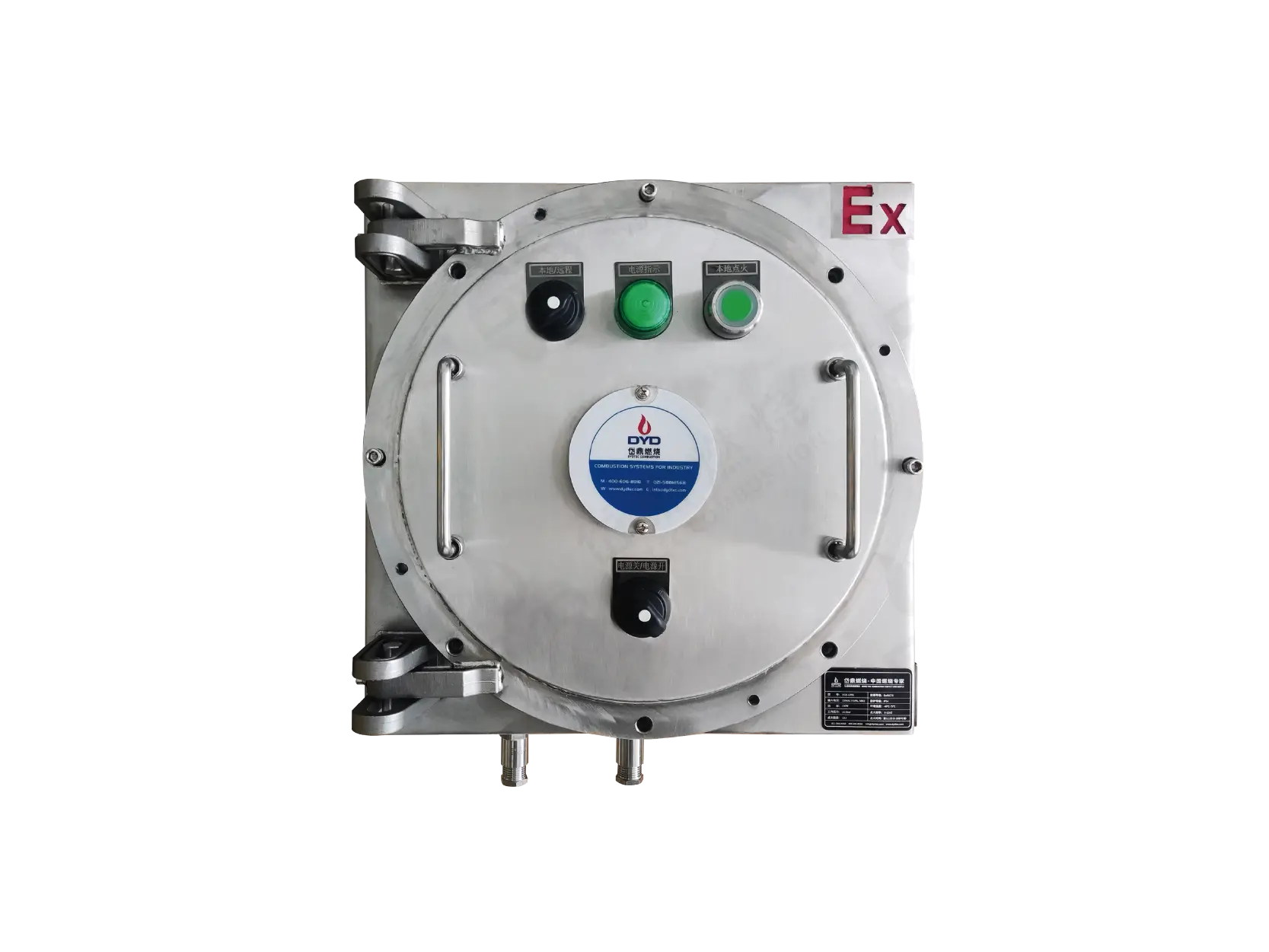
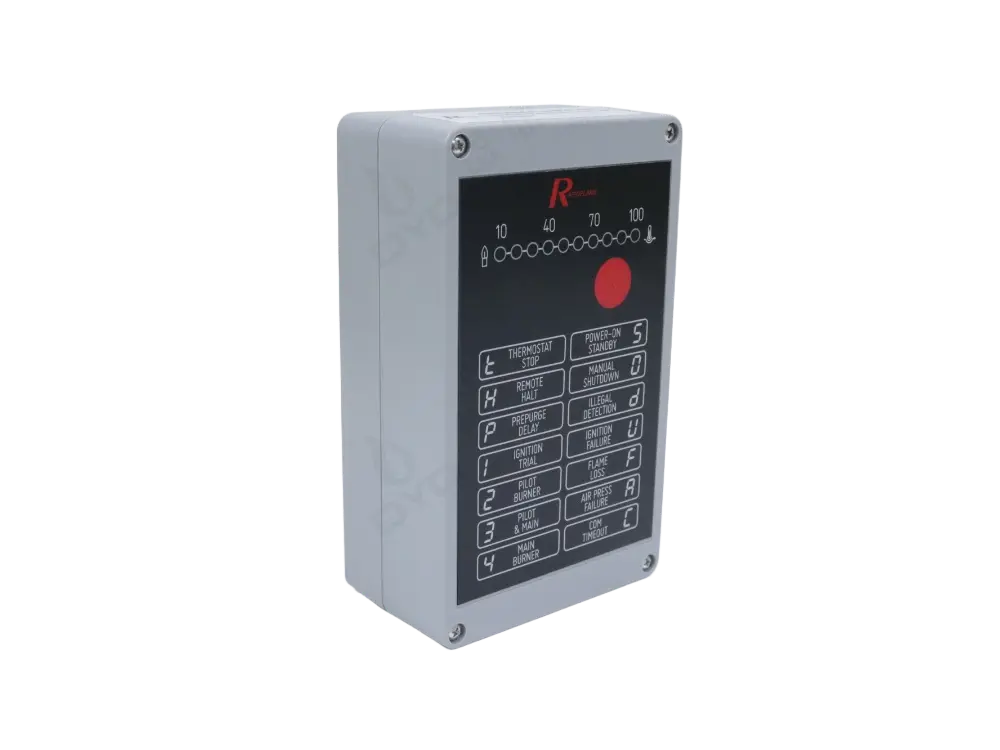
Modern burner management systems continuously monitor flame conditions. If flame loss is detected, the fuel supply is immediately shut off to prevent unburned gas from accumulating inside the furnace. The response time is typically under 1 second, complying with NFPA 86 and EN 746 safety standards.
Several factors can reduce flame stability.
Too much or too little combustion air changes flame characteristics and reduces combustion quality. Excess air cools the flame and increases the flame speed mismatch; insufficient air creates a fuel-rich mixture that is harder to ignite and prone to sooting.
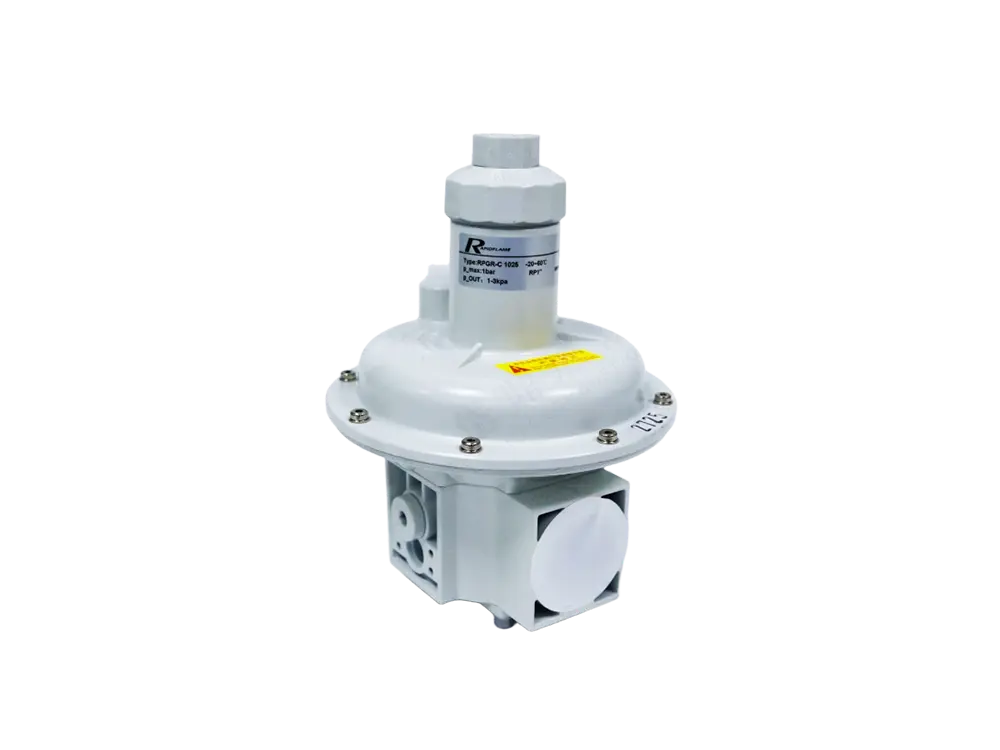
Unstable gas pressure causes variations in flame size and combustion intensity. A drop of 10% in fuel pressure can reduce flame length by 15–20% and may lead to lift-off; a pressure spike can cause flashback. Pressure regulators and buffer tanks are essential to maintain stable supply.
Improper burner geometry affects fuel-air mixing and flame anchoring. For example, a worn or incorrectly sized flame retention ring fails to create a sufficient recirculation zone, allowing the flame to drift.
Pressure changes inside the furnace may disturb flame shape and movement. If the furnace runs under high positive pressure, the combustion air fan may not overcome the backpressure, reducing air velocity and altering the mixing pattern.
Incorrect burner angle or installation position can alter airflow patterns and reduce flame stability. A burner mounted off-centre can cause the flame to impinge on the sidewall, distorting its shape and cooling the flame locally.
Blocked nozzles, damaged flame ports, or contaminated burner heads interfere with proper combustion. Dust or carbon deposits change the effective orifice area, altering fuel and air distribution. Regular cleaning is essential, especially in dusty environments like cement kilns or foundries.
Improving flame stability requires optimization of both burner design and combustion control.
Recommended practices include:
Maintain the correct air-fuel ratio – using a cross-limiting control system ensures air leads on increases and fuel leads on decreases, preventing transient rich or lean conditions.
Use stable fuel pressure regulation – install a high-quality pressure regulator and a buffer volume to dampen supply-side disturbances.
Select burners that match the furnace heat load – oversizing a burner forces it to operate at low turndown, where stability is hardest to achieve.
Design proper burner placement during furnace engineering – ensure the burner axis, firing angle, and distance to the load are optimized for the chamber geometry.
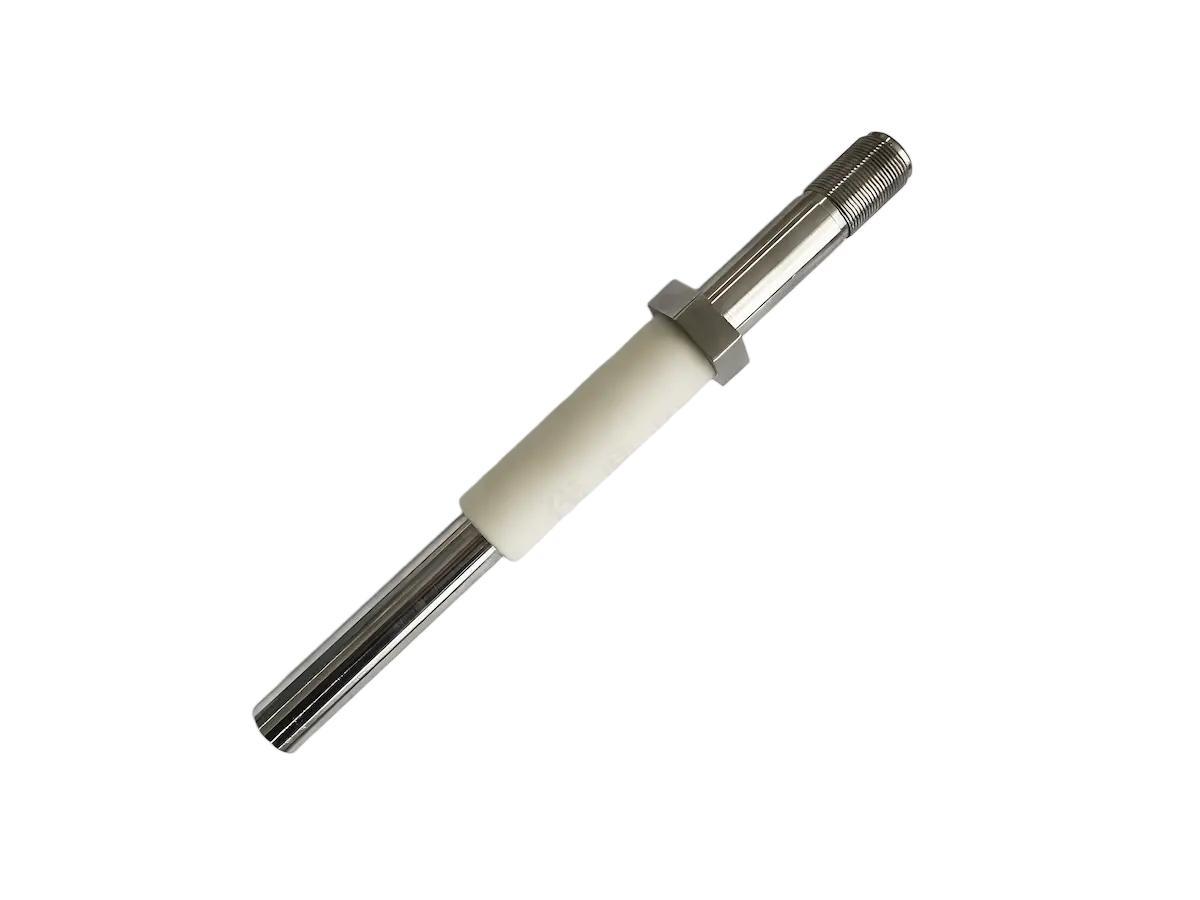
Perform regular burner inspection and cleaning – check flame ports, ignition electrodes, and flame detectors for fouling or wear.
Calibrate combustion control systems – periodically verify the position feedback of valves and dampers, and check oxygen or CO readings in the flue gas.
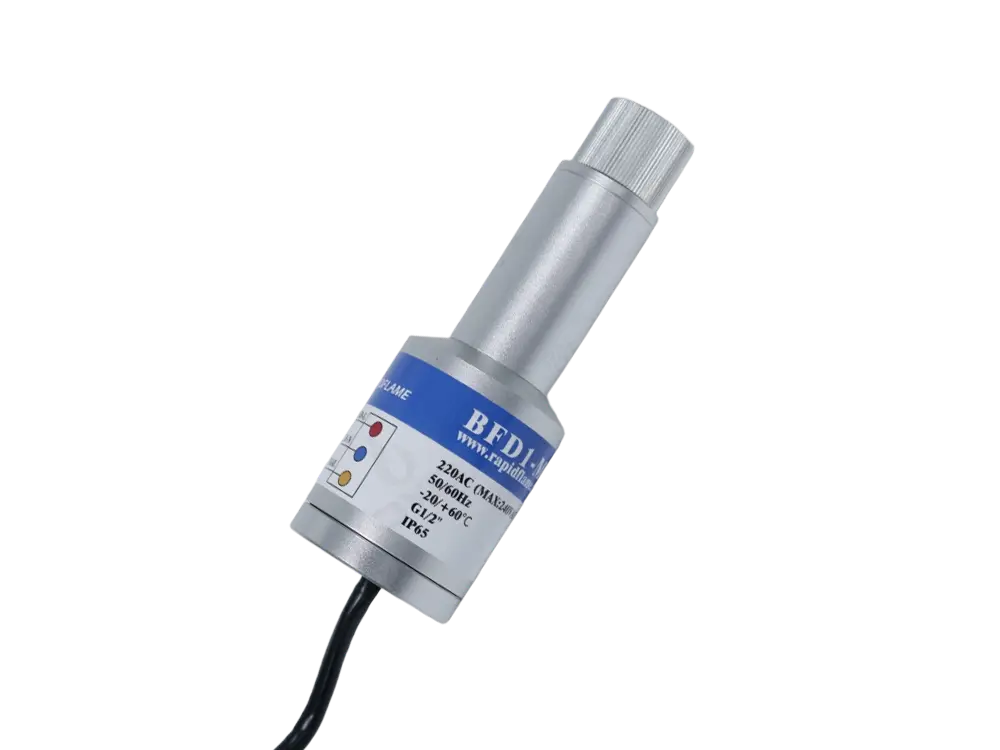
Monitor flame conditions continuously with reliable flame detectors – use UV or IR scanners with self-test features, and set appropriate sensitivity thresholds.
Commission the burner under actual operating conditions – tuning at cold start or without load may not reveal instabilities that appear at process temperature.
Stable combustion is achieved through the combined performance of the burner, combustion system, furnace, and control strategy. A holistic approach, rather than focusing solely on the burner head, yields the best results.
Yes. Stable combustion improves combustion efficiency, allowing more of the fuel's chemical energy to be converted into useful heat while reducing unnecessary fuel losses. Depending on the initial instability, improvements of 2–5% in fuel savings are realistic, which for a large furnace can translate to significant annual savings.
No. Flame size alone does not determine heating performance. Proper flame shape, stability, and heat distribution are far more important than simply increasing flame length or intensity. A long, bushy flame may cause hot spots, while a short, intense flame with good stability often provides superior heat transfer.
No. Industrial burners must remain stable throughout their entire operating range, including ignition, low-fire operation, modulation, and full-capacity heating. Many stability problems manifest at low fire, where the Reynolds number is low and mixing is less turbulent, making the flame more vulnerable to lift-off.
Absolutely. Burner capacity, flame characteristics, burner head design, furnace geometry, and combustion control strategy all influence flame stability. Selecting the correct burner for the application is essential. For example, a high-velocity burner designed for rapid convection heating may not be suitable for a radiant-tube furnace requiring a soft, luminous flame.
Flame stability is a key factor in industrial burner performance. It influences combustion efficiency, temperature uniformity, product quality, emissions, equipment reliability, and operational safety.
Rather than treating flame stability as an isolated burner characteristic, engineers should consider it as the result of proper burner selection, combustion system design, furnace engineering, and automatic control. A stable flame is the foundation of efficient and reliable industrial heating.
DYDTEC Combustion specializes in industrial gas burners and complete combustion systems for OEM equipment manufacturers and industrial heating applications.
Our engineering solutions are widely used in ceramic kilns, aluminum melting furnaces, heat treatment furnaces, industrial drying systems, hot air generators, thermal oxidizers (RTO), and other customized industrial heating equipment.
Our expertise includes:
Industrial gas burners
Low NOx combustion technology
Burner Management Systems (BMS)
Combustion system integration
Energy-efficient combustion optimization
OEM burner customization
Technical support for furnace manufacturers
For more technical resources, engineering insights, and combustion system knowledge, explore the DYDTEC Combustion Knowledge Center.