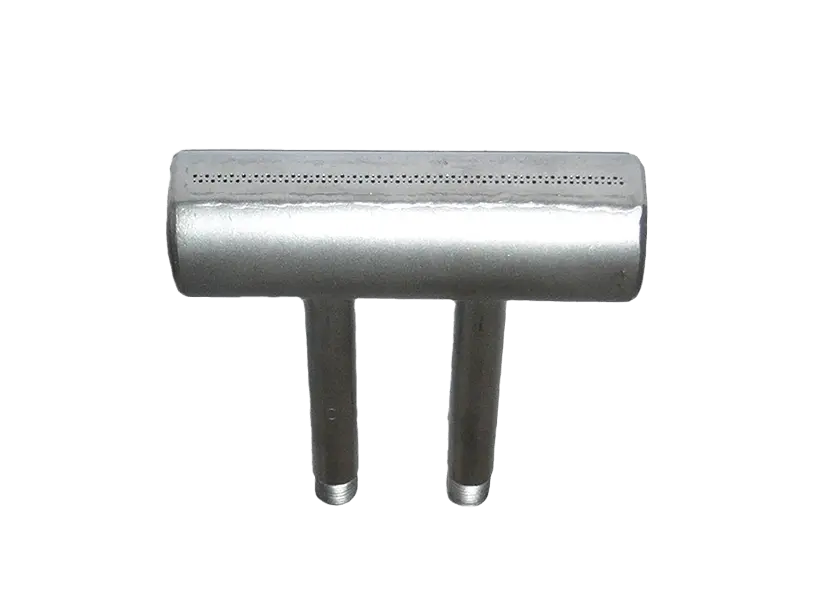
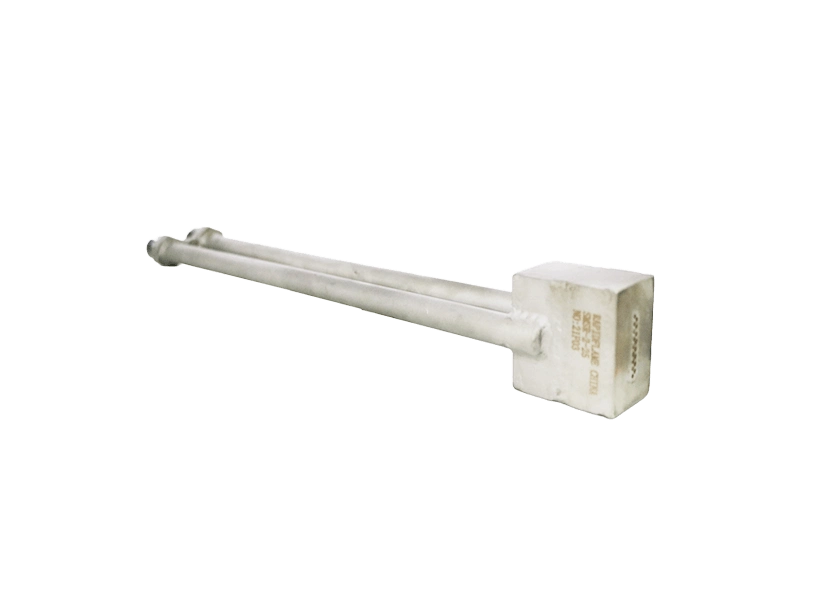
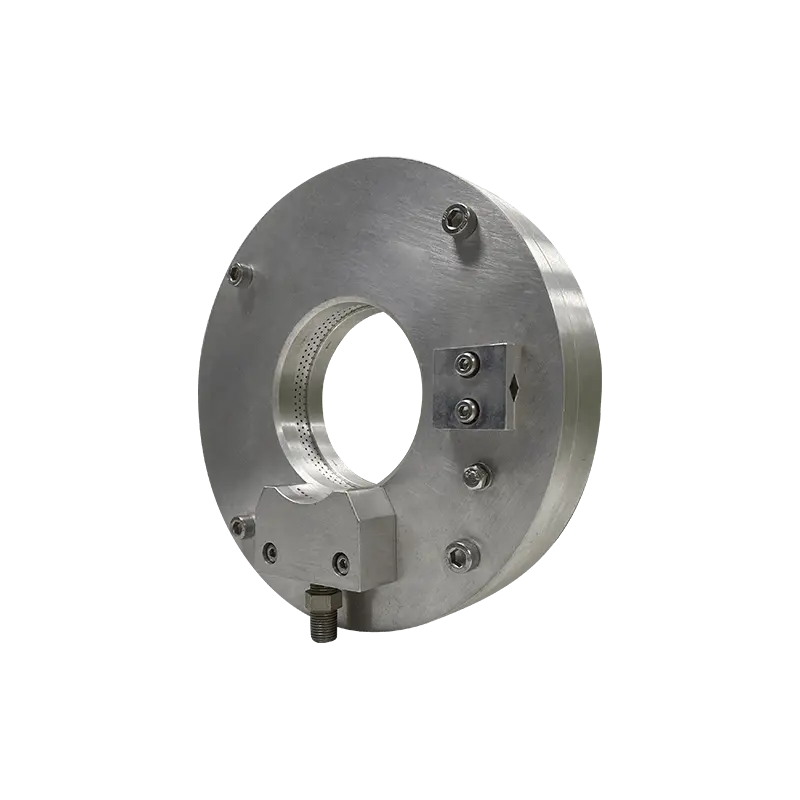
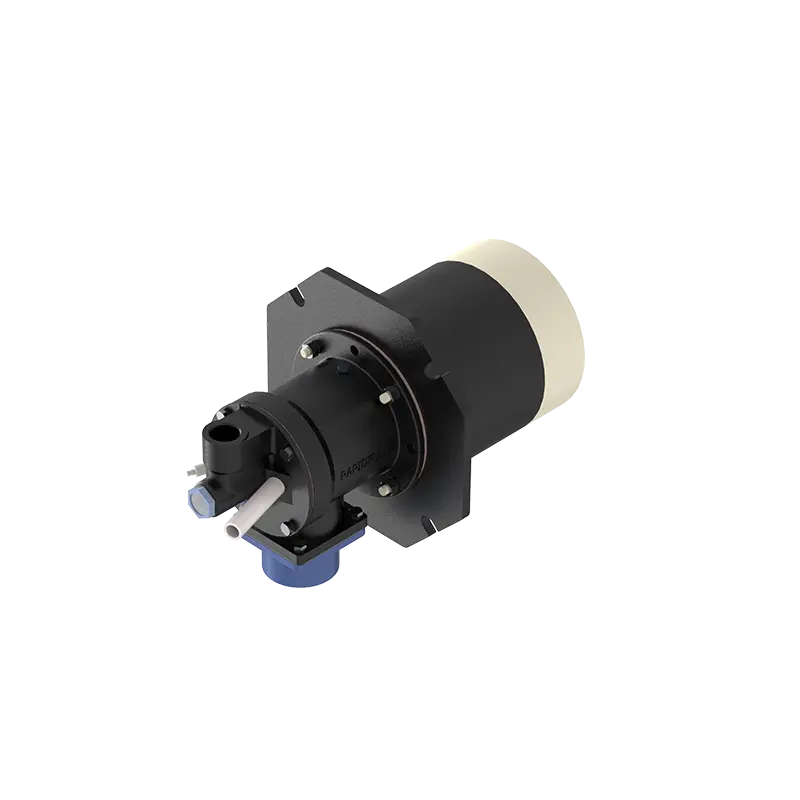
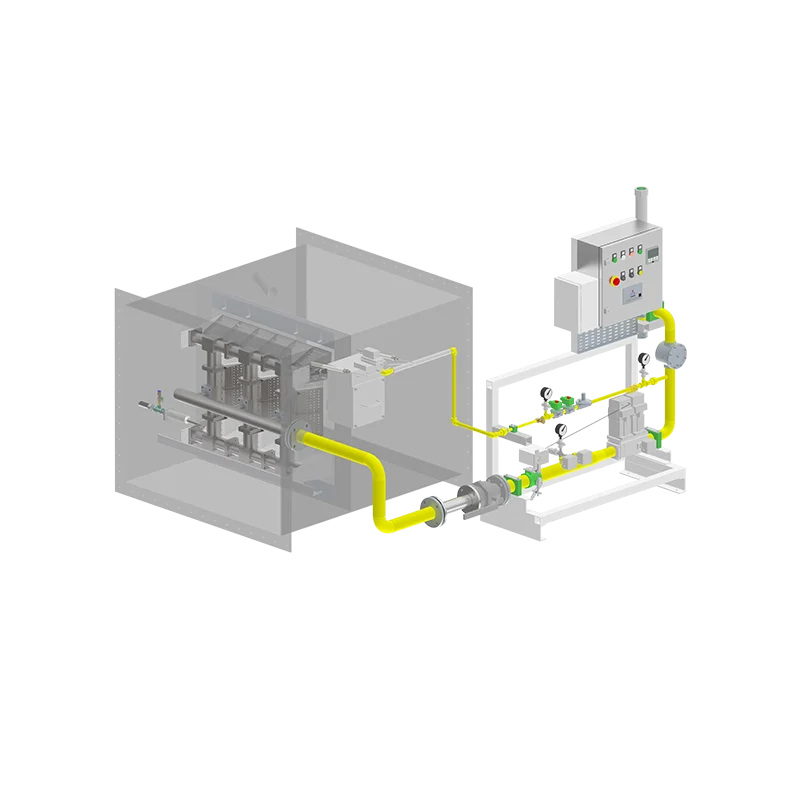
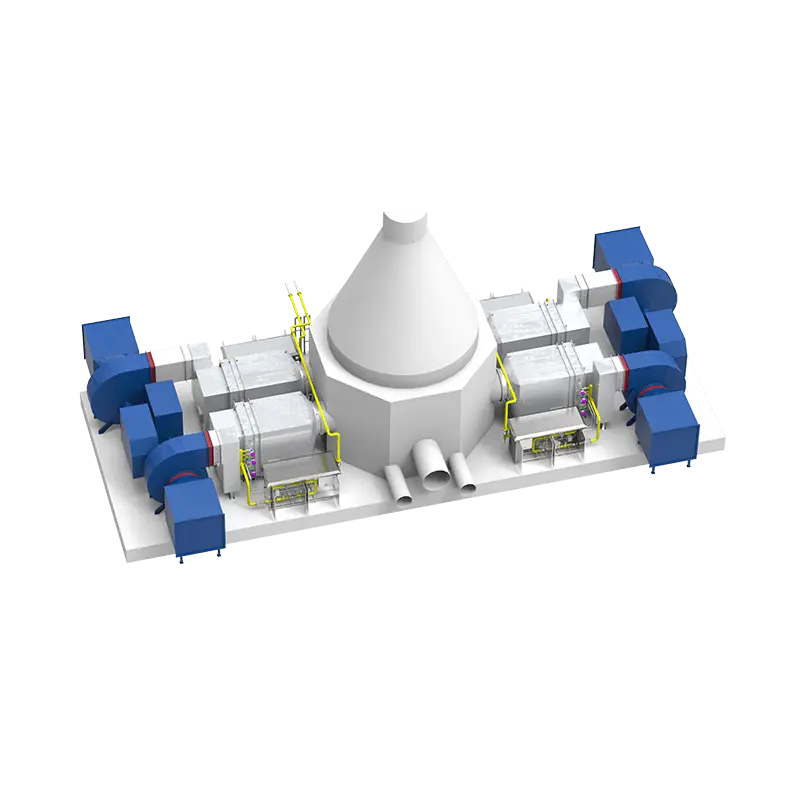
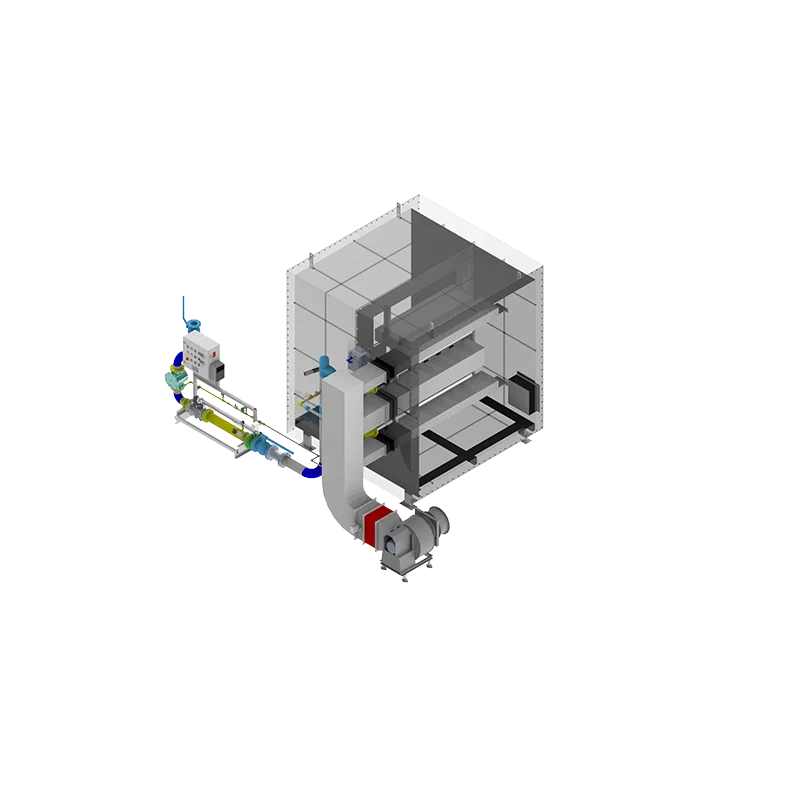
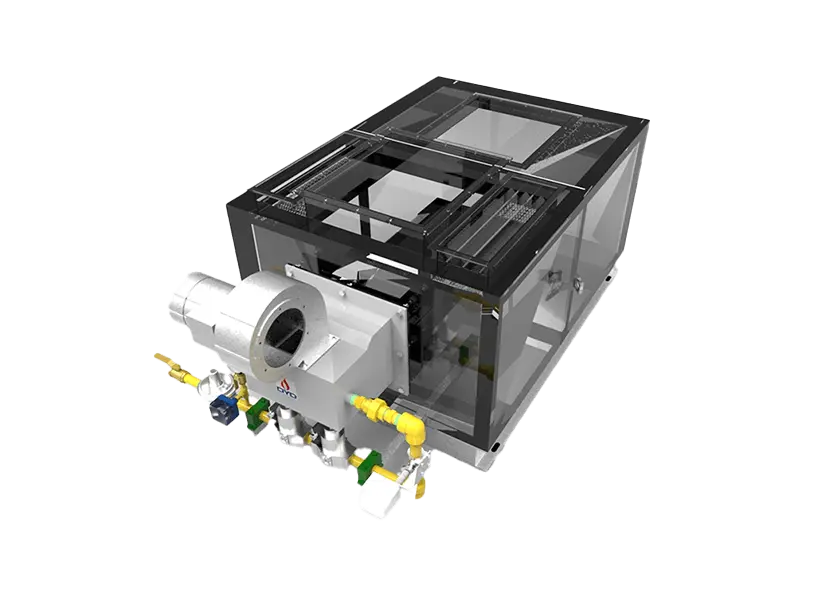
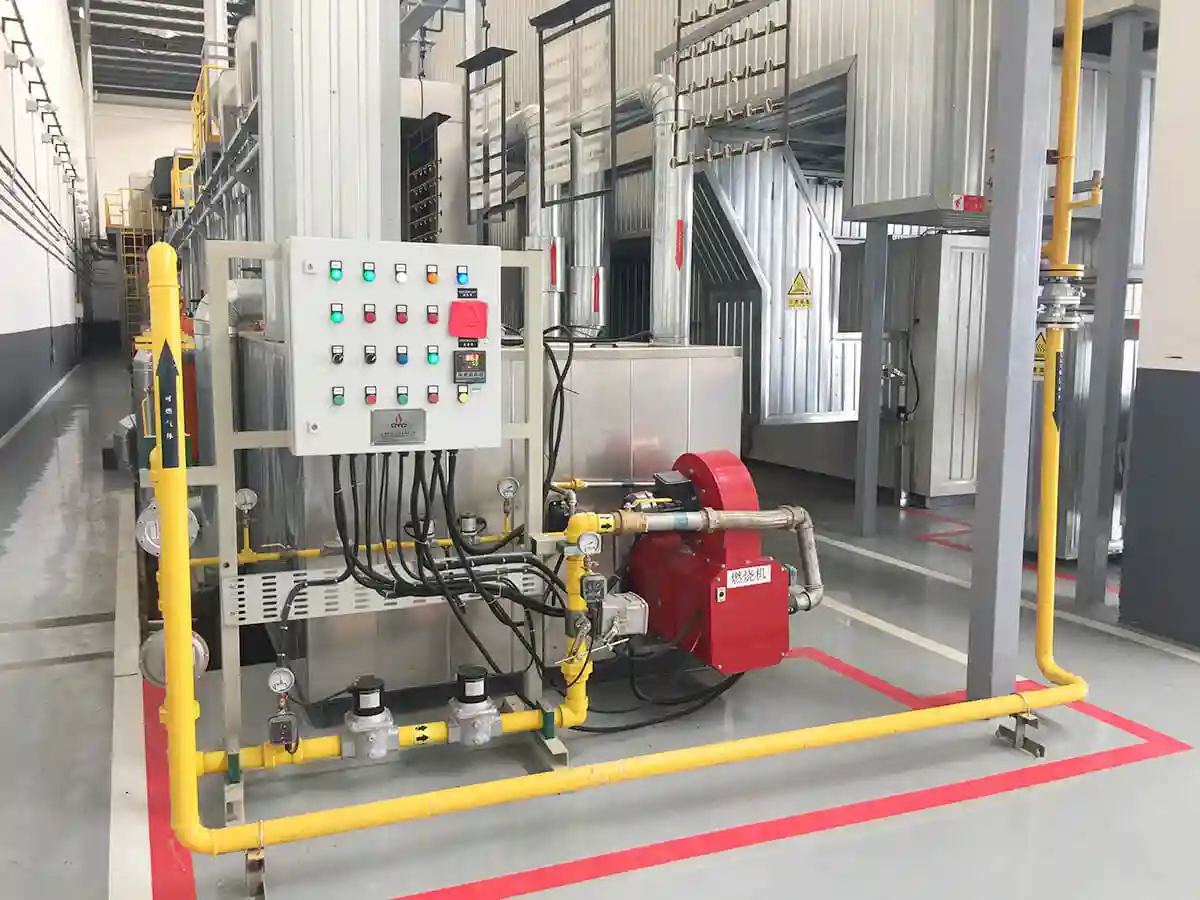
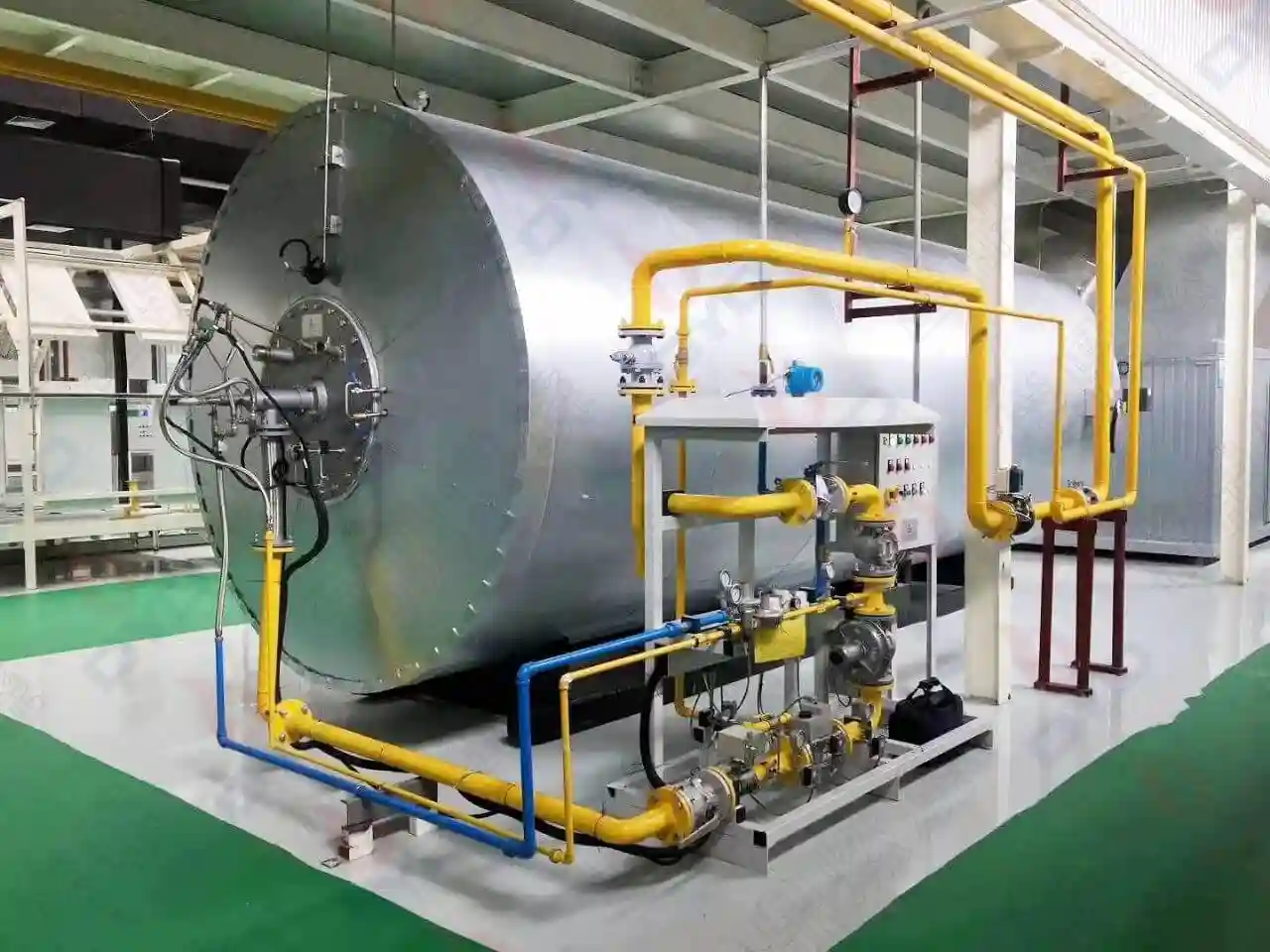
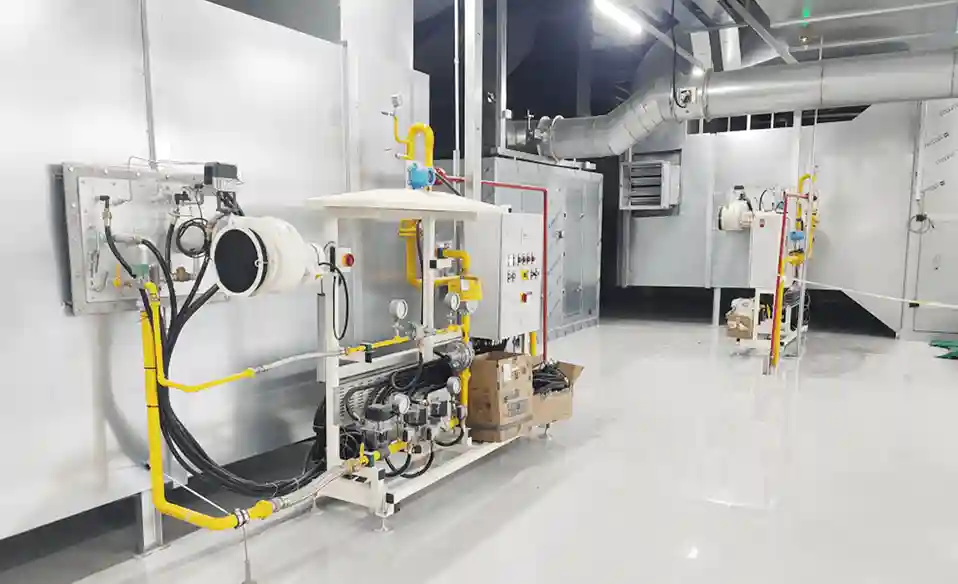
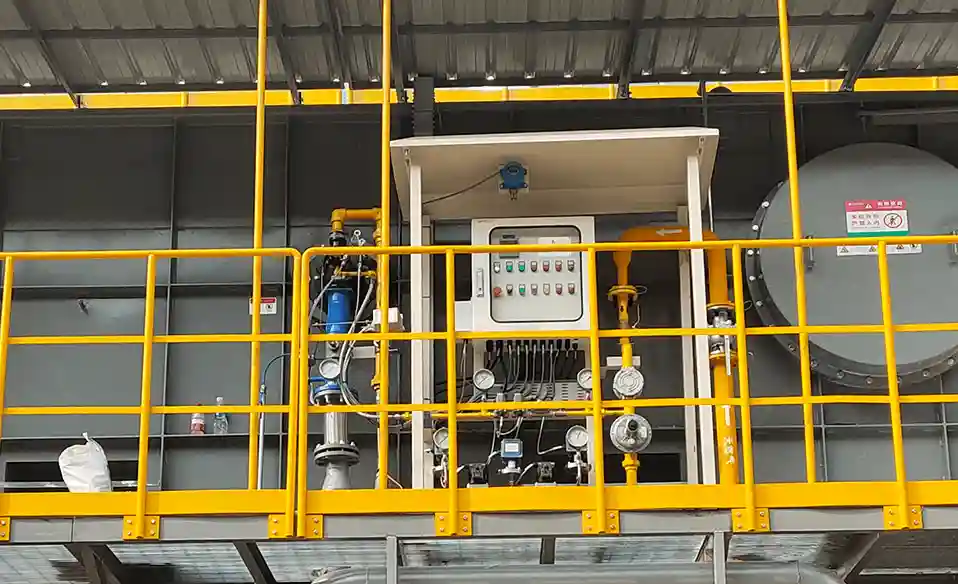
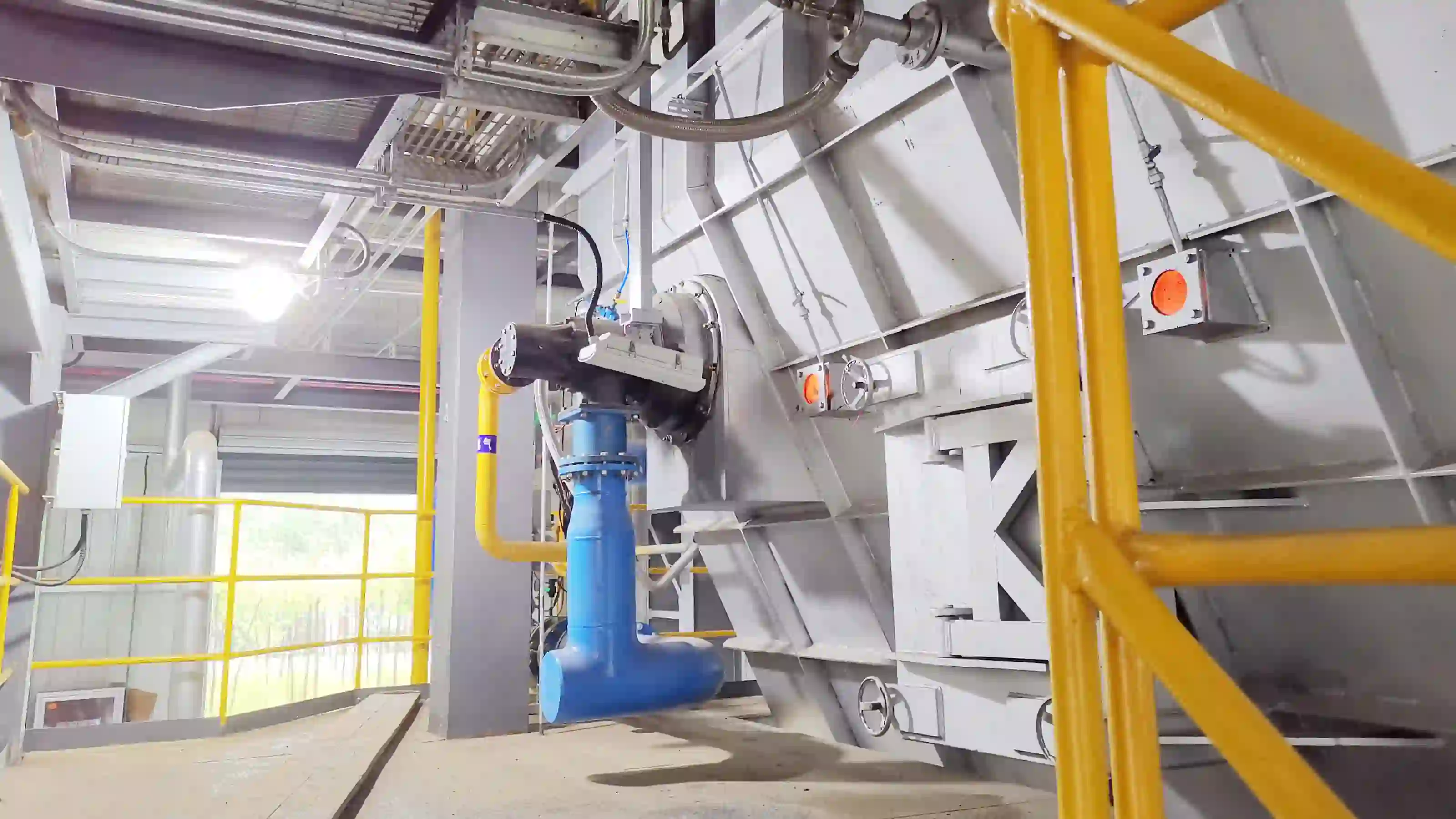
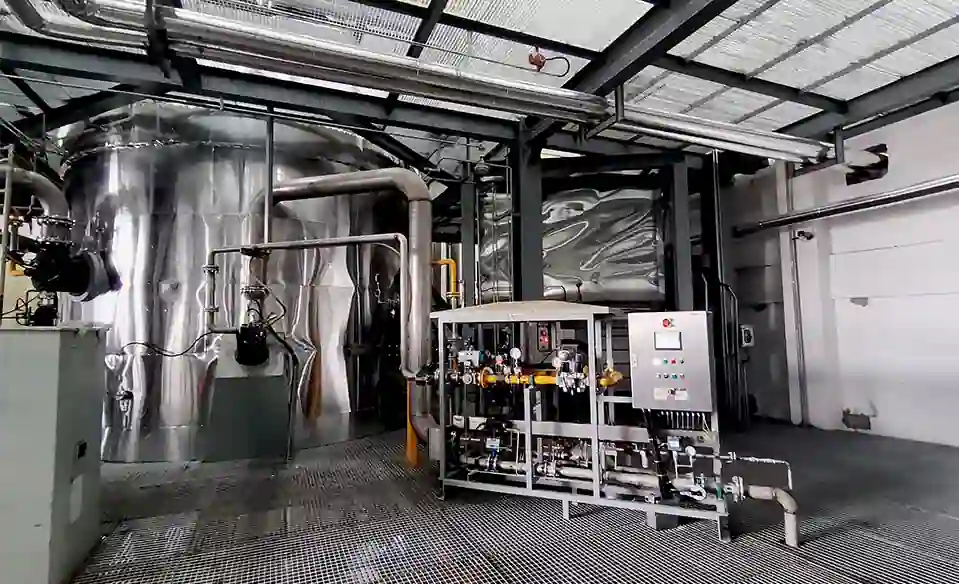
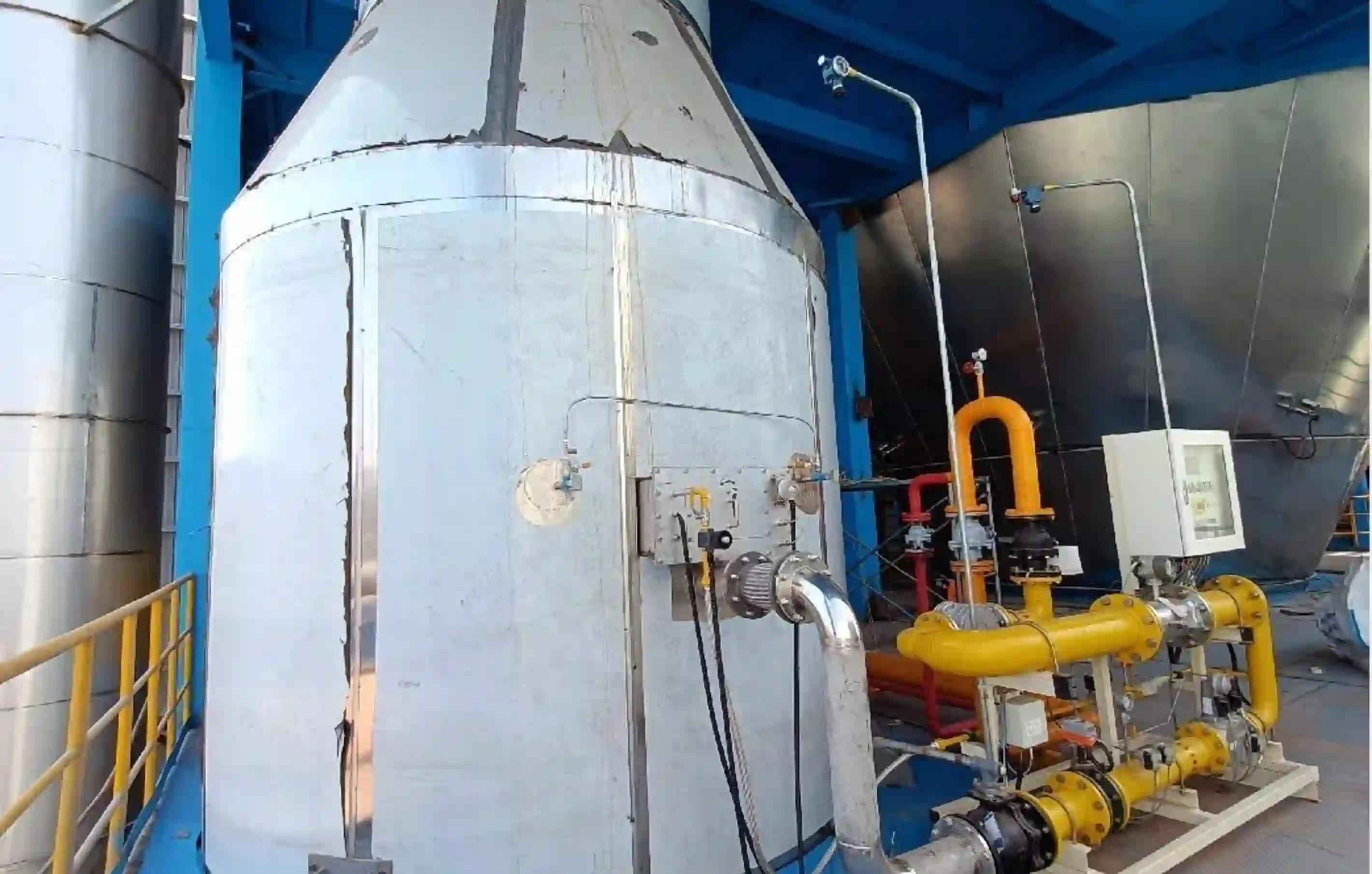
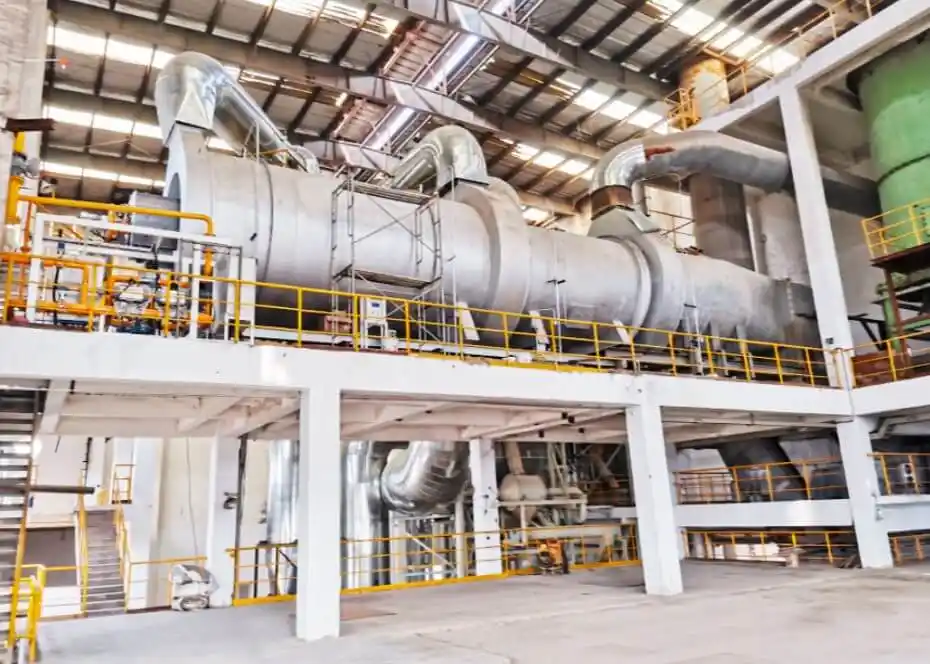
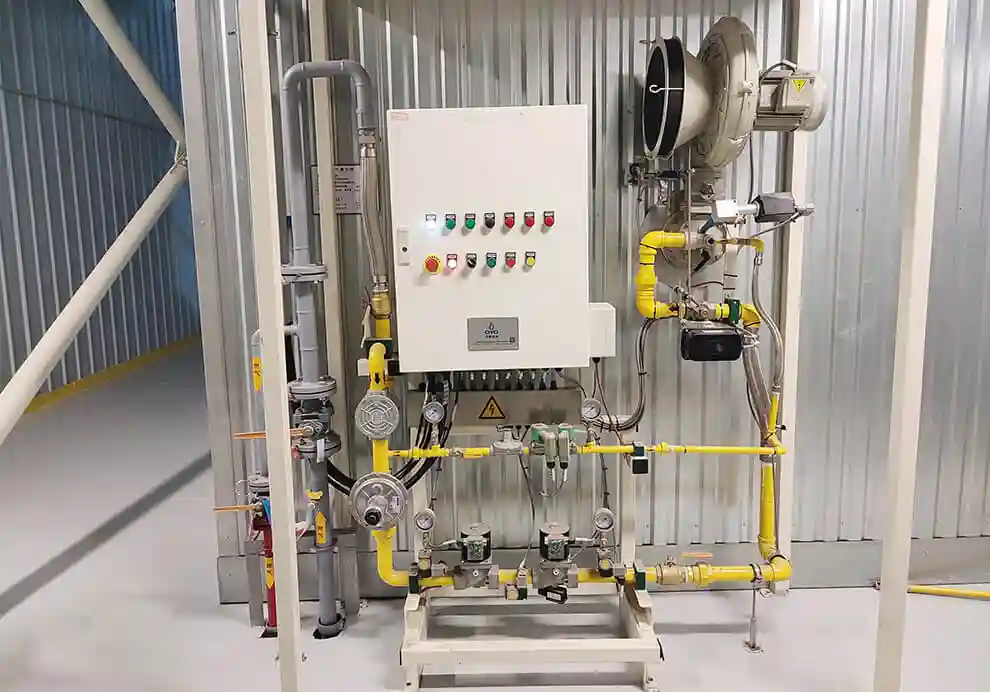
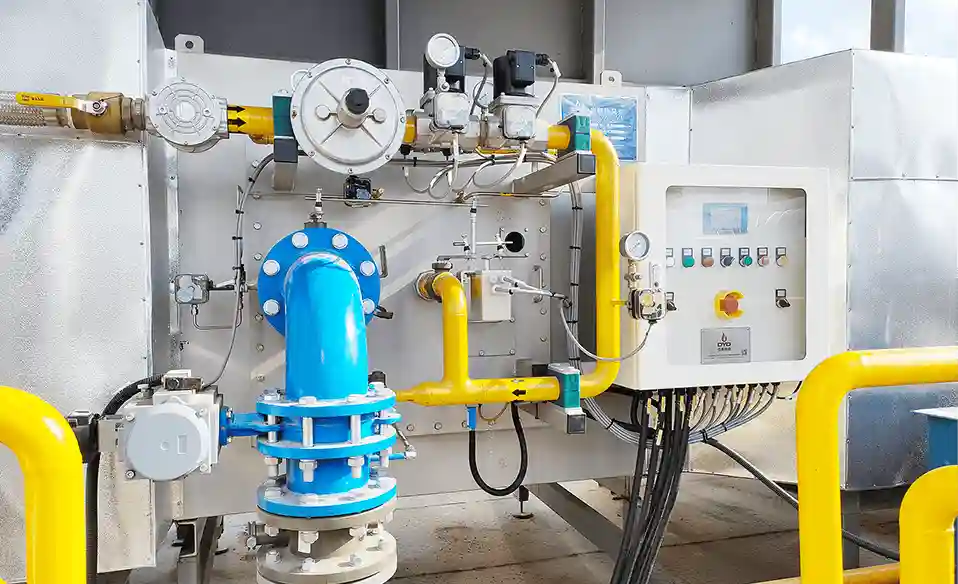
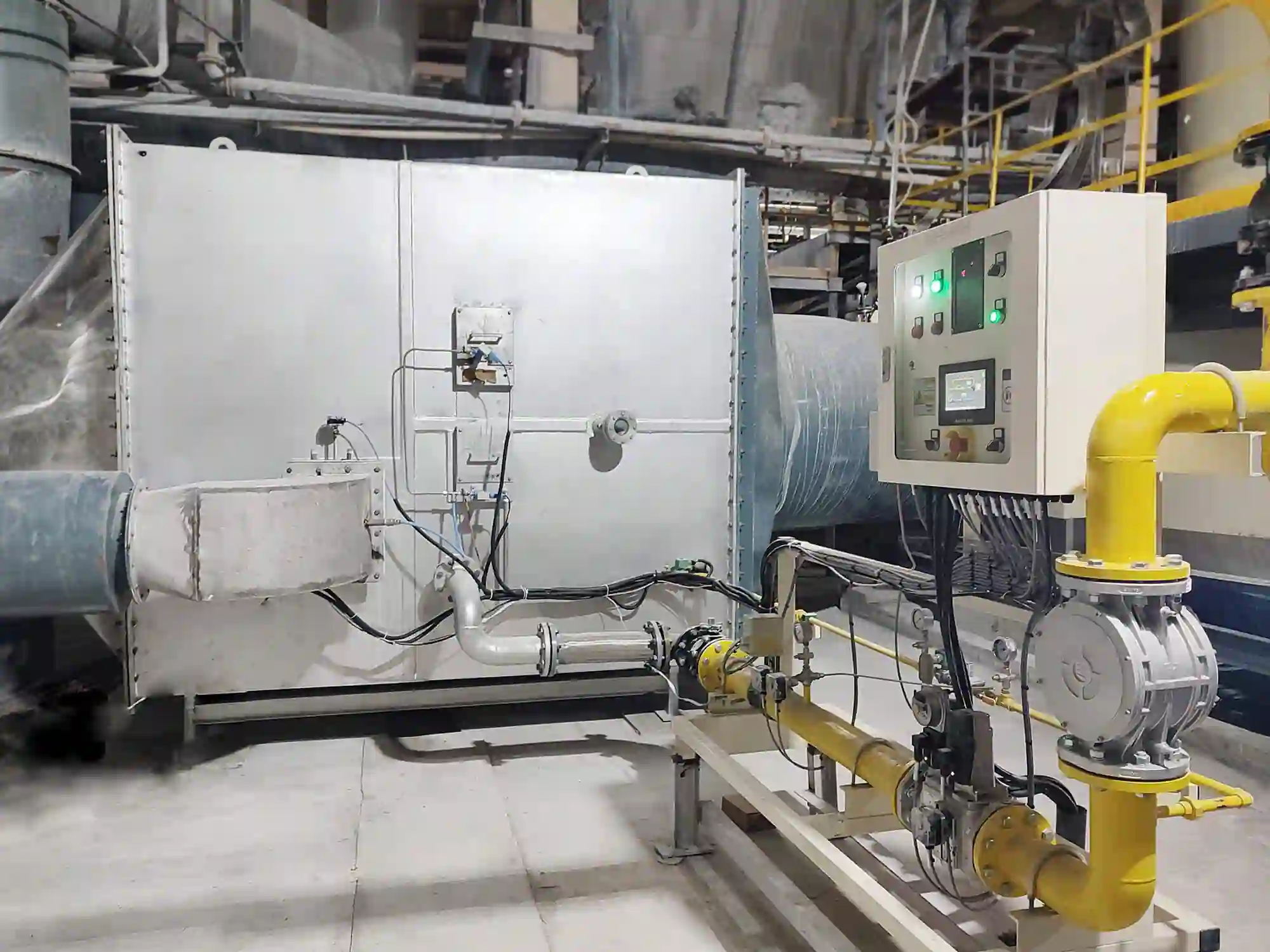
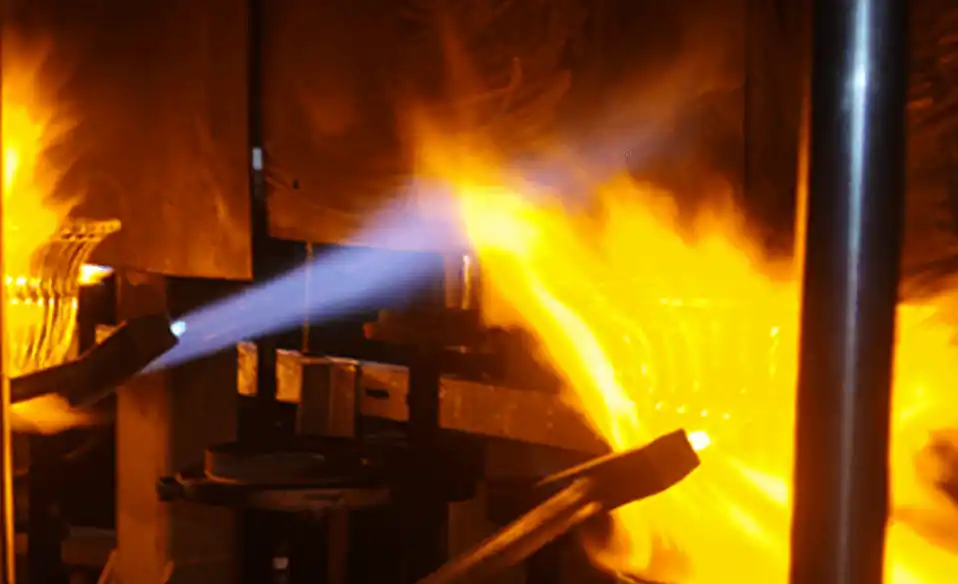
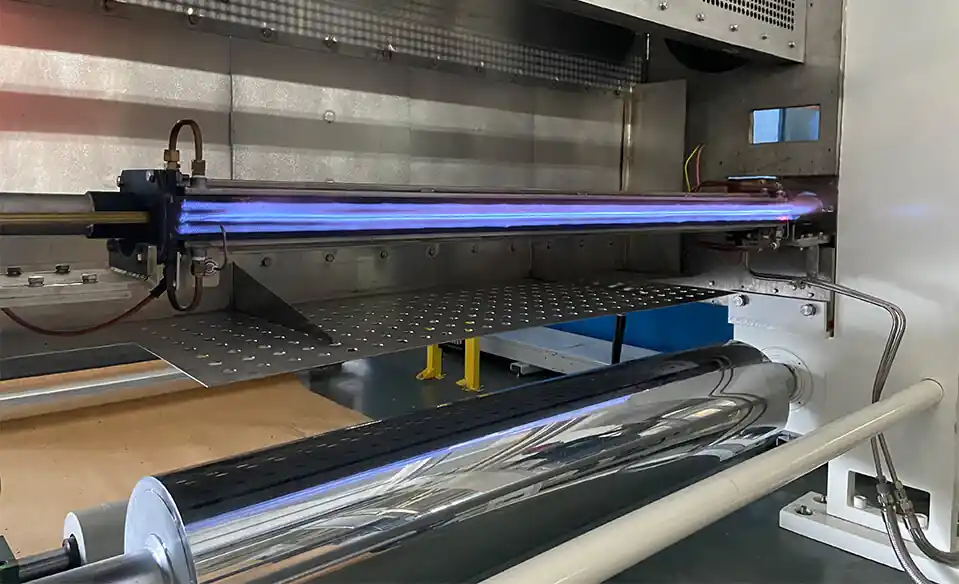
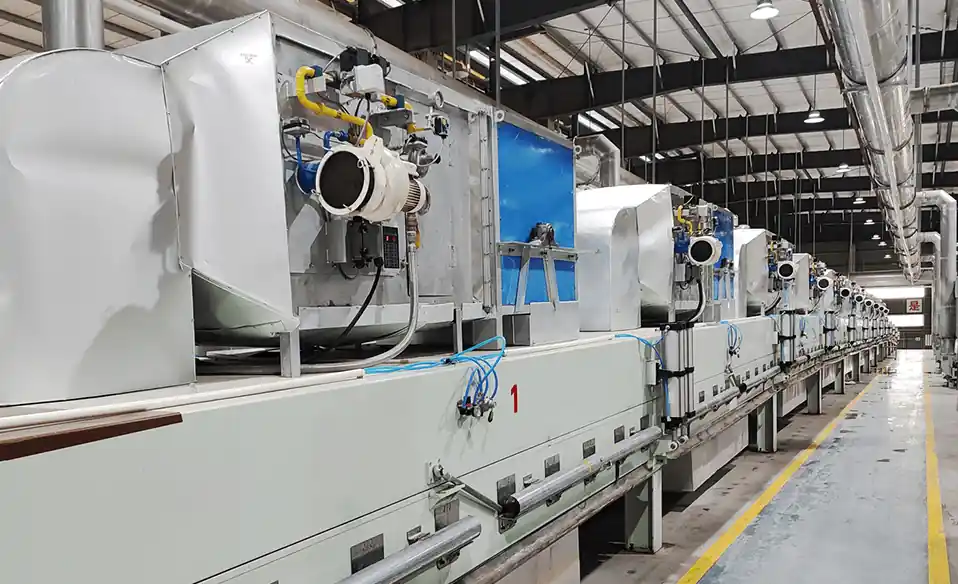
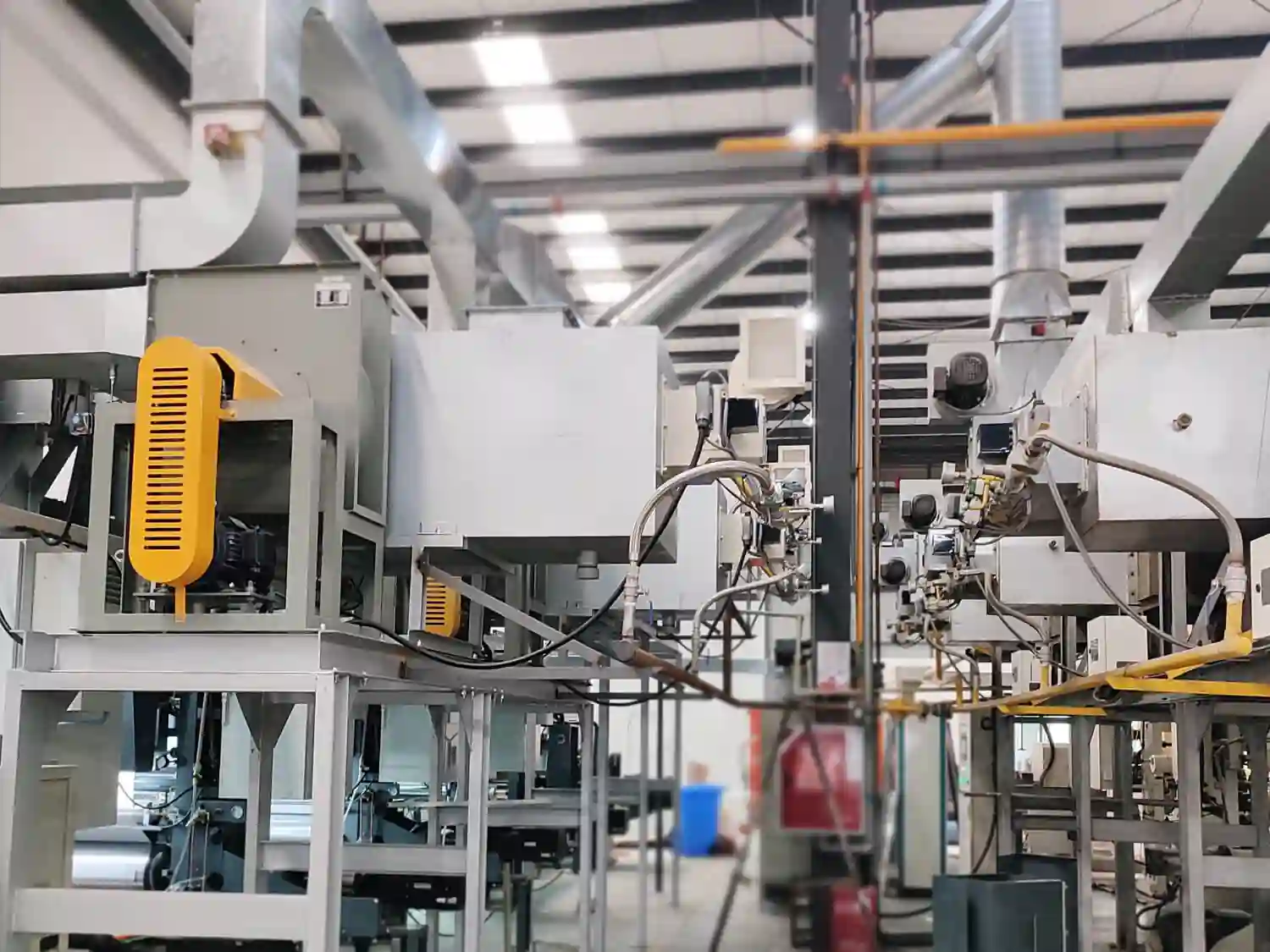
Industrial burner performance is determined by the combined performance of the burner, combustion system, furnace design, and operating conditions. Factors such as burner design, air-fuel ratio, combustion efficiency, furnace geometry, flame stability, heat transfer, automatic controls, and maintenance all influence fuel consumption, temperature uniformity, emissions, product quality, and operational reliability. In practice, performance is measured not by a single metric but by the system's ability to maintain stable combustion across a wide turndown ratio (often 10:1 or higher), achieve combustion efficiency above 95% (LHV basis) for natural gas, keep NOx emissions within local regulatory limits (e.g., below 30 ppm for many regions), and deliver consistent product quality with minimal unscheduled downtime.
Burner performance depends on the entire combustion system, not the burner alone.
Proper air-fuel ratio is essential for efficient combustion.
Furnace design has a major impact on burner efficiency.
Stable combustion improves temperature uniformity and product quality.
Correct burner selection is the foundation of long-term performance.
Burner performance describes how effectively an industrial burner converts fuel into usable heat while maintaining safe, stable, and efficient operation.
A high-performance burner should deliver:
High combustion efficiency – typically above 95% for well-tuned natural gas systems, with losses mainly from flue gas sensible heat and surface radiation.
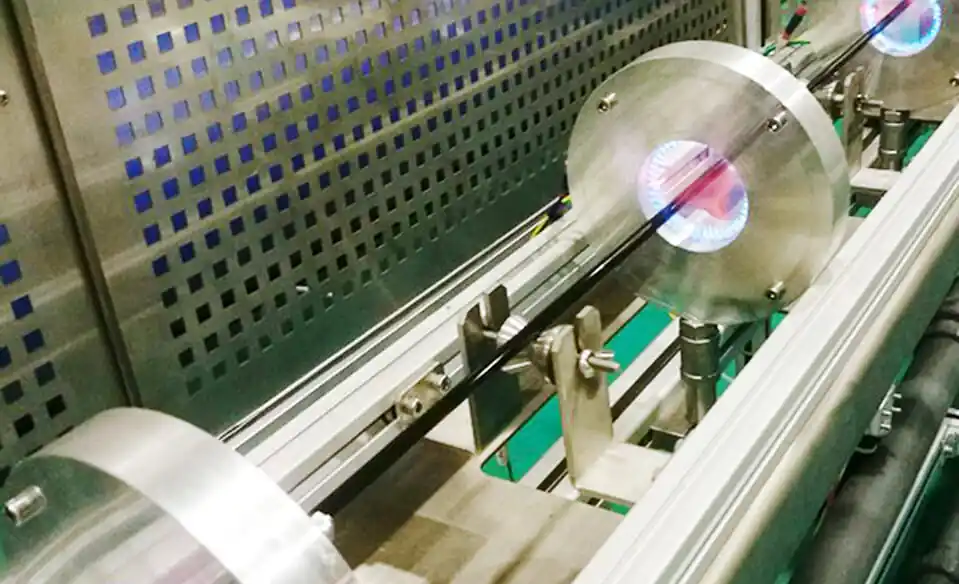
Stable flame characteristics – anchored flame with consistent length, shape, and intensity across the entire firing range.
Uniform heat distribution – minimal temperature gradients within the furnace chamber, often within ±5°C for well-designed systems.
Low emissions – meeting local and international standards, e.g., NOx < 30 ppm (at 3% O₂), CO < 50 ppm, and unburned hydrocarbons near zero.
Reliable ignition and operation – successful start-up > 99.9% of attempts, with no nuisance shutdowns.
Fast response to process changes – ability to ramp up or down within seconds to follow production cycles.
Long service life – with critical components lasting 5–10 years under normal operation, depending on firing intensity and maintenance.
Low maintenance requirements – scheduled inspections and cleaning intervals of 3–6 months, with minimal unscheduled repairs.
Good burner performance is measured by the overall heating results rather than by flame appearance alone. A visually impressive flame may still be inefficient if it produces high CO or poor heat transfer.
Burner design is one of the most important factors affecting performance.
The burner head determines how fuel and combustion air mix before ignition. This influences:
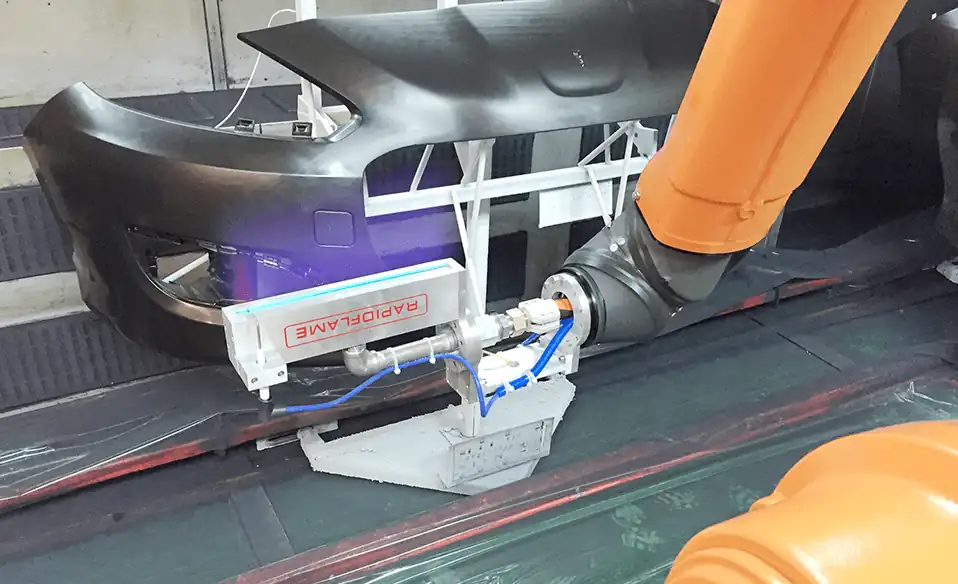
Flame shape – whether long and luminous (for radiative transfer) or short and intense (for convective heating).
Flame length – affects heat distribution and impingement risk; lengths can vary from 0.3 m to over 3 m depending on design.
Flame velocity – high velocity burners enhance convection but may require stronger stabilization.
Mixing quality – uniform fuel-air distribution prevents local rich or lean zones, which directly affects CO and NOx formation.
Flame stability – the ability to stay anchored at the burner head even with varying air or gas pressures.
Different industrial processes require different burner designs. A burner optimized for a ceramic kiln (soft, long flame to cover wide cars) may not perform well in a heat treatment furnace (short, intense flame for rapid heating) or an aluminum melting furnace (oxidizing or reducing atmosphere control).
Proper burner design ensures efficient combustion while matching the thermal characteristics of the heating process. For example, low-NOx burners use staged air or flue gas recirculation to control peak flame temperature, but these designs must be carefully matched to the furnace geometry to avoid flame instability.
Efficient combustion requires the correct proportion of fuel and combustion air.
If insufficient air is supplied:
Incomplete combustion occurs – unburned hydrocarbons and CO appear.
Carbon monoxide emissions increase – CO can rise from <10 ppm to hundreds of ppm.
Fuel consumption rises – because not all chemical energy is released.
Flame stability decreases – fuel-rich flames tend to be longer, sootier, and prone to lift-off.
If excessive air is supplied:
More heat leaves through the exhaust – each 1% excess air above the optimal level reduces efficiency by roughly 0.1–0.15%.
Flame temperature decreases – lowering radiative heat transfer and possibly increasing NOx due to oxygen availability.
Thermal efficiency is reduced – the furnace uses more fuel to maintain temperature, increasing operating costs.
Modern combustion control systems continuously adjust the air-fuel ratio to maintain optimal operating conditions. The typical excess air range for natural gas is 5–15% at high fire, increasing to 20–30% at low fire to ensure stability. Advanced systems use oxygen trim based on flue gas O₂ sensors (typically targeting 2–4% O₂) to compensate for ambient temperature, humidity, and fuel composition changes.
Burner capacity should match the actual heating demand of the furnace.
An oversized burner may result in:
Short operating cycles – frequent on-off or high-low cycling causes thermal fatigue on refractory and heating elements.
Poor temperature control – even at low fire, the burner may deliver too much heat, causing overshoot and oscillations.
Reduced efficiency – cycling losses (purge air cooling, heat storage losses) become significant.
Higher fuel consumption – because the burner operates inefficiently at very low firing rates or cycles excessively.
An undersized burner may lead to:
Slow heating – extended ramp-up times reduce production throughput.
Inability to reach target temperatures – especially during peak load or cold start conditions.
Reduced production capacity – the bottleneck shifts to the heating system.
Proper burner sizing should be based on furnace heat load rather than selecting the largest available burner. The heat load is calculated from the mass and specific heat of the charge, process temperature, heat losses through walls, and radiation losses. Turndown ratio (maximum to minimum firing rate) is also critical: a burner with a 10:1 turndown can serve a wide range of loads without cycling, but must maintain stability at the lowest point.
Stable combustion is essential for consistent burner performance.
A stable flame provides:
Complete combustion – no CO or unburned fuel.
Predictable heat release – the flame remains anchored and does not flicker or change position.
Uniform furnace temperatures – the heat pattern stays constant over time.
Lower emissions – stable temperature profiles reduce thermal NOx and CO spikes.
Reliable operation – no nuisance trips or flame failure shutdowns.
Flame instability may cause:
Flame lift-off – the flame detaches from the burner head, causing uneven heating and possible extinction.
Flashback – the flame propagates backward into the mixing zone, damaging the burner and gas train.
Flame failure – complete loss of flame, triggering safety shutdowns.
Temperature fluctuations – ±15°C or more, affecting product quality.
Increased operating costs – from higher fuel use, extra maintenance, and production waste.
Burner design, air-fuel control, and furnace conditions all contribute to flame stability. The flame retention ring, swirl angle, and burner throat geometry are critical design elements. In operation, maintaining constant gas pressure and air supply, along with proper furnace draft control, is equally important.
Even an excellent burner cannot perform well inside a poorly designed furnace.
Important furnace factors include:
Chamber dimensions – length, width, and height affect the residence time of combustion gases and the distribution of heat.
Burner location – placement relative to the load, walls, and flue outlets determines how heat circulates.
Burner angle – downward, horizontal, or angled firing influences heat transfer patterns.
Heat load distribution – where the energy is absorbed (e.g., on the load vs. on the wall) changes the required flame character.
Internal airflow – recirculation patterns, dead zones, and short-circuiting of flue gases all affect temperature uniformity.
Furnace pressure – positive or negative pressure influences flame shape and the work of the combustion air fan.
Insulation quality – heat loss through walls increases fuel consumption and may affect the temperature profile.
The burner and furnace should always be engineered as an integrated heating system rather than as separate components. Computational fluid dynamics (CFD) modeling is often used during design to optimize burner placement and flame direction for the specific furnace shape.
Generating heat efficiently is only part of burner performance.
The generated heat must also be transferred effectively to the product.
Heat transfer depends on:
Flame characteristics – emissivity, temperature, and luminosity determine the fraction of radiative heat.
Radiation – dominant at high temperatures (>800°C), where the flame and hot walls radiate to the load.
Convection – forced or natural flow of hot gases over the product surface, important in drying and low-temperature processes.
Furnace circulation – internal fans or burner momentum promote gas mixing and improve convective heat transfer.
Product arrangement – spacing, orientation, and surface area affect absorption.
Furnace insulation – better insulation raises the furnace temperature for a given firing rate, improving radiative exchange.
Poor heat transfer wastes fuel even if combustion efficiency is high. For example, a burner with 96% combustion efficiency may still deliver only 70–80% overall thermal efficiency to the product if heat is lost through walls or not properly directed. Optimising flame radiation (by adjusting flame length or luminosity) and furnace circulation can bridge this gap.
Modern industrial burners rely on automatic control systems to maintain stable operation.
The control system continuously adjusts:
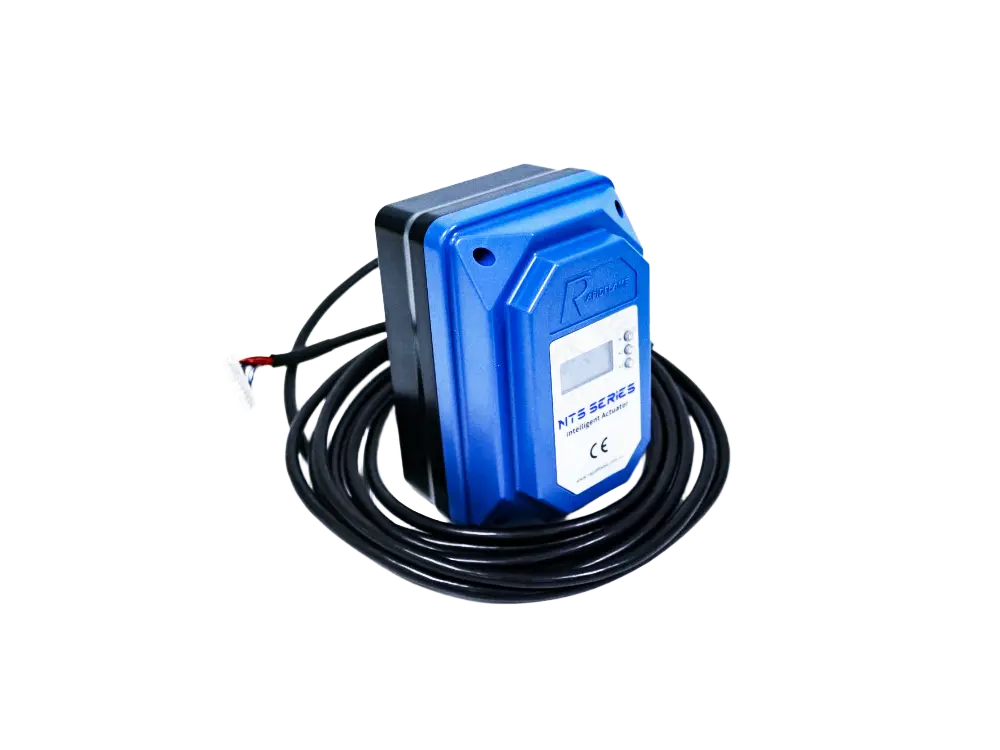
Fuel flow – via modulating valves or variable-speed pump/pressure regulators.
Combustion airflow – via dampers or variable-frequency drives on the combustion air fan.
Burner firing rate – based on a temperature or process signal, often using PID algorithms.
Furnace temperature – closed-loop control ensures the setpoint is maintained.
Accurate control improves:
Temperature consistency – reduces variations to within ±2–3°C in well-tuned systems.
Fuel efficiency – by keeping the air-fuel ratio at the optimum point at all loads.
Product quality – fewer rejects and more uniform properties.
Process stability – smooth ramps and avoids thermal shock.
Automatic modulation allows the burner to respond quickly to changing production requirements. Advanced systems incorporate cross-limiting logic (air leads on increase, fuel leads on decrease) to prevent transient rich mixtures, and oxygen trim for adaptive ratio control. The Burner Management System (BMS) coordinates the safety and control functions seamlessly.
Burner performance also depends on a stable fuel supply.
Pressure fluctuations or inconsistent fuel quality may affect:
Flame stability – varying Wobbe index (a measure of fuel interchangeability) changes the air requirement and flame speed.
Ignition reliability – low pressure or composition changes can make ignition harder.
Combustion efficiency – different calorific values require retuning of the air-fuel ratio.
Emission performance – fuel-bound nitrogen or sulfur can increase NOx and SOx.
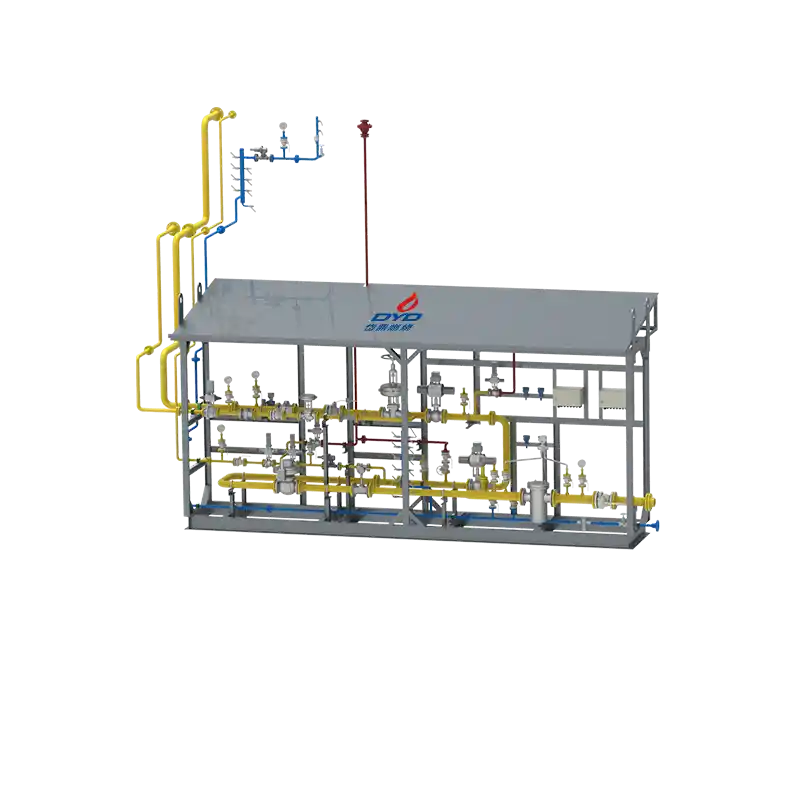
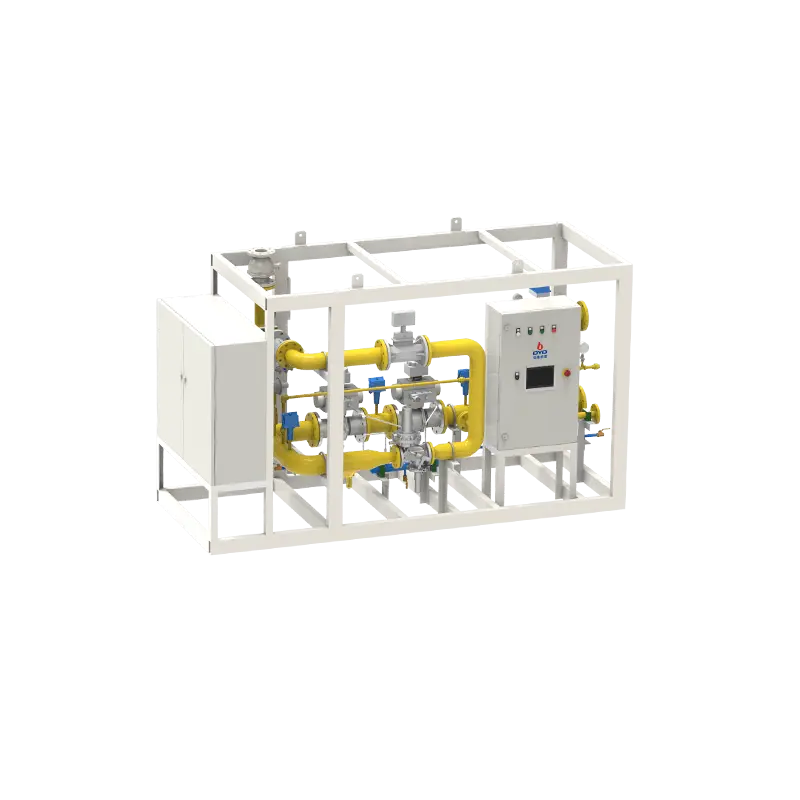
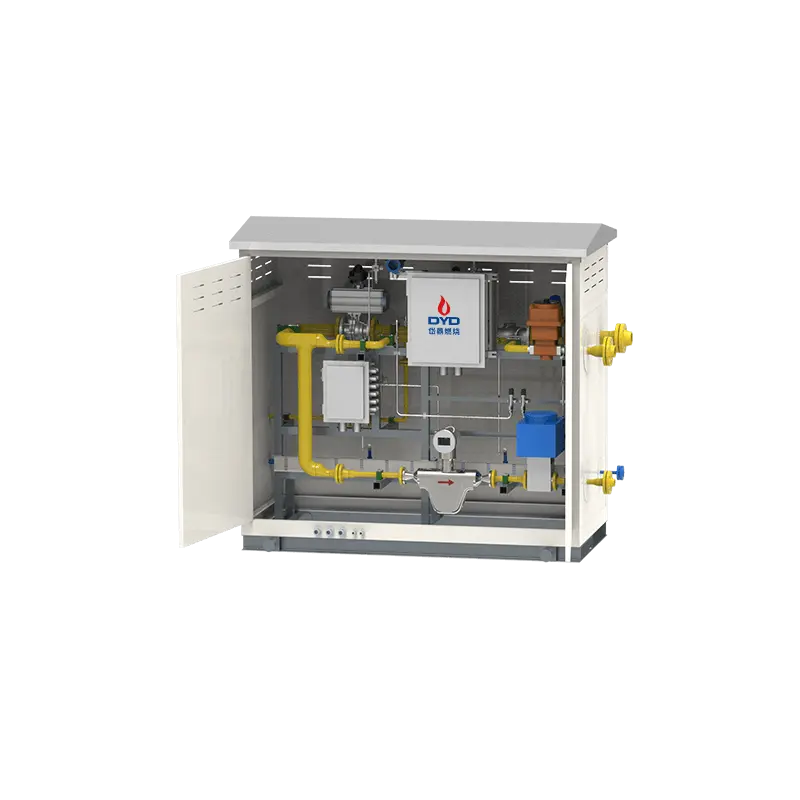
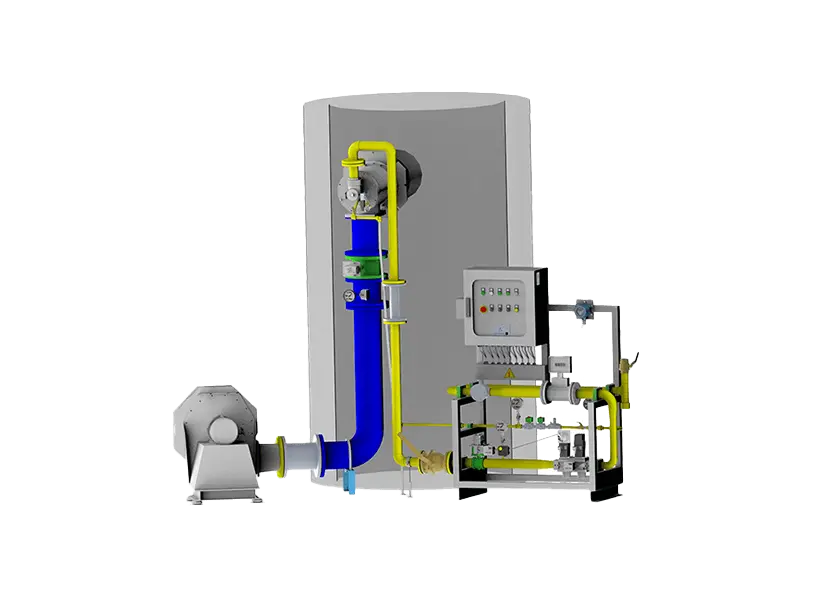
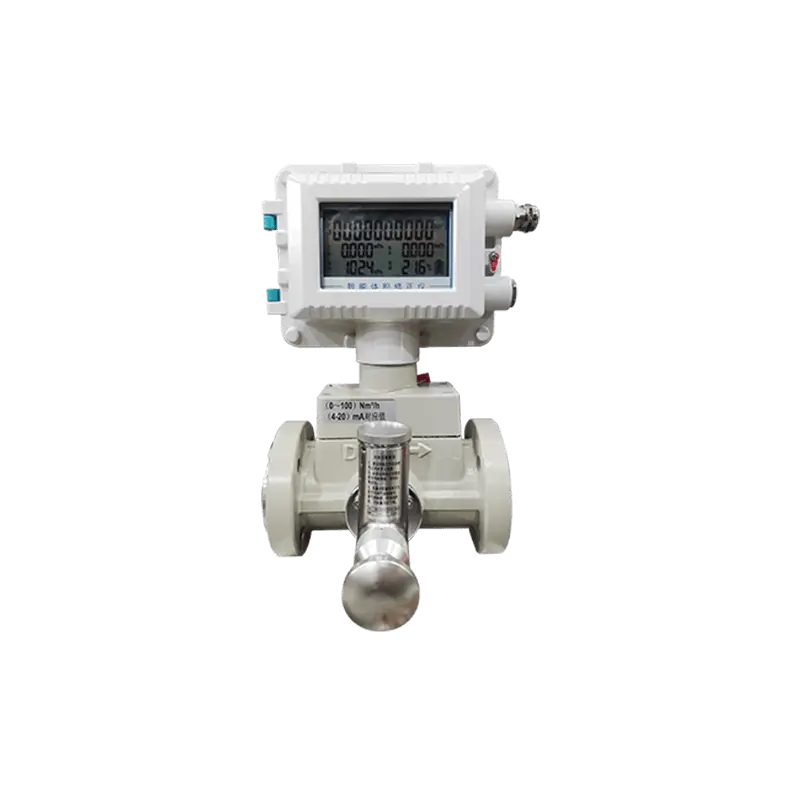
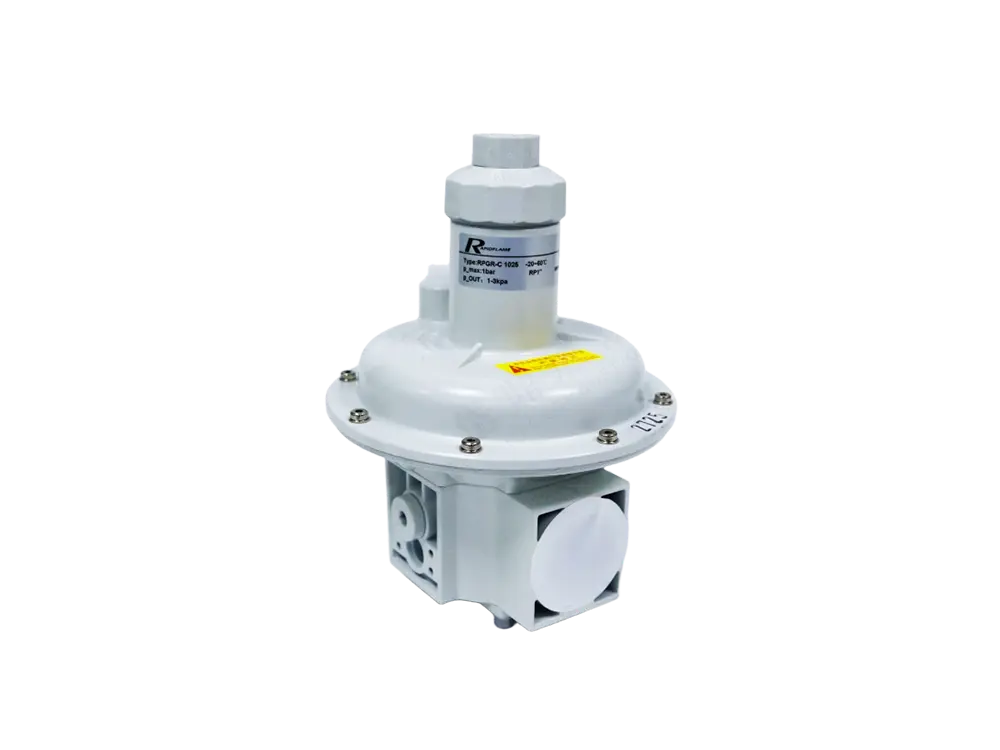
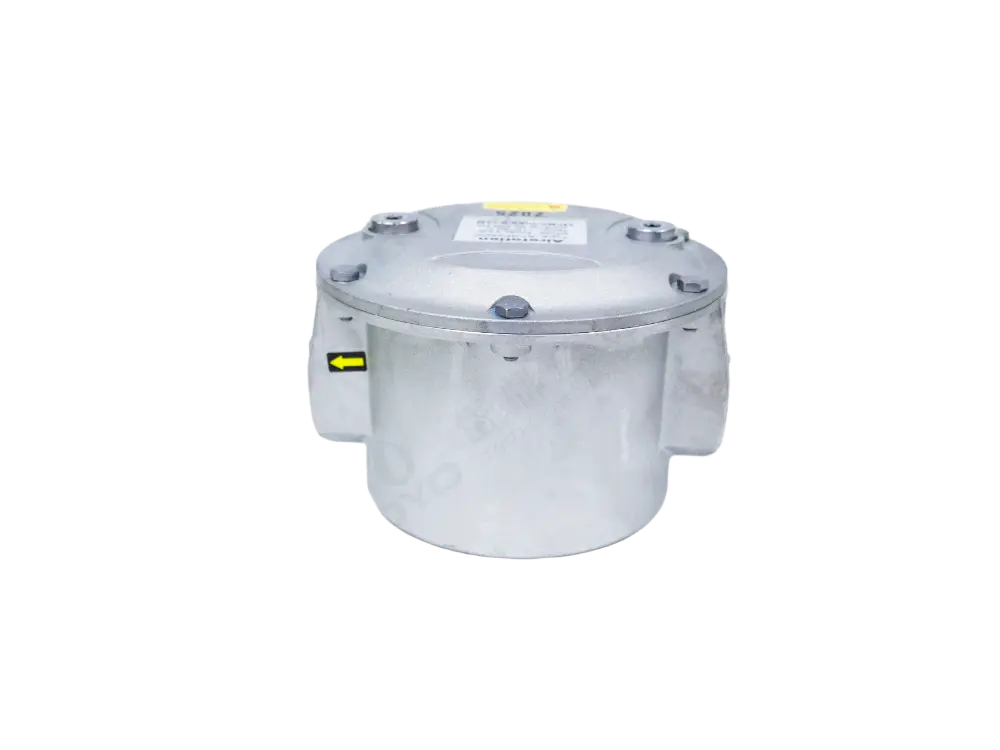
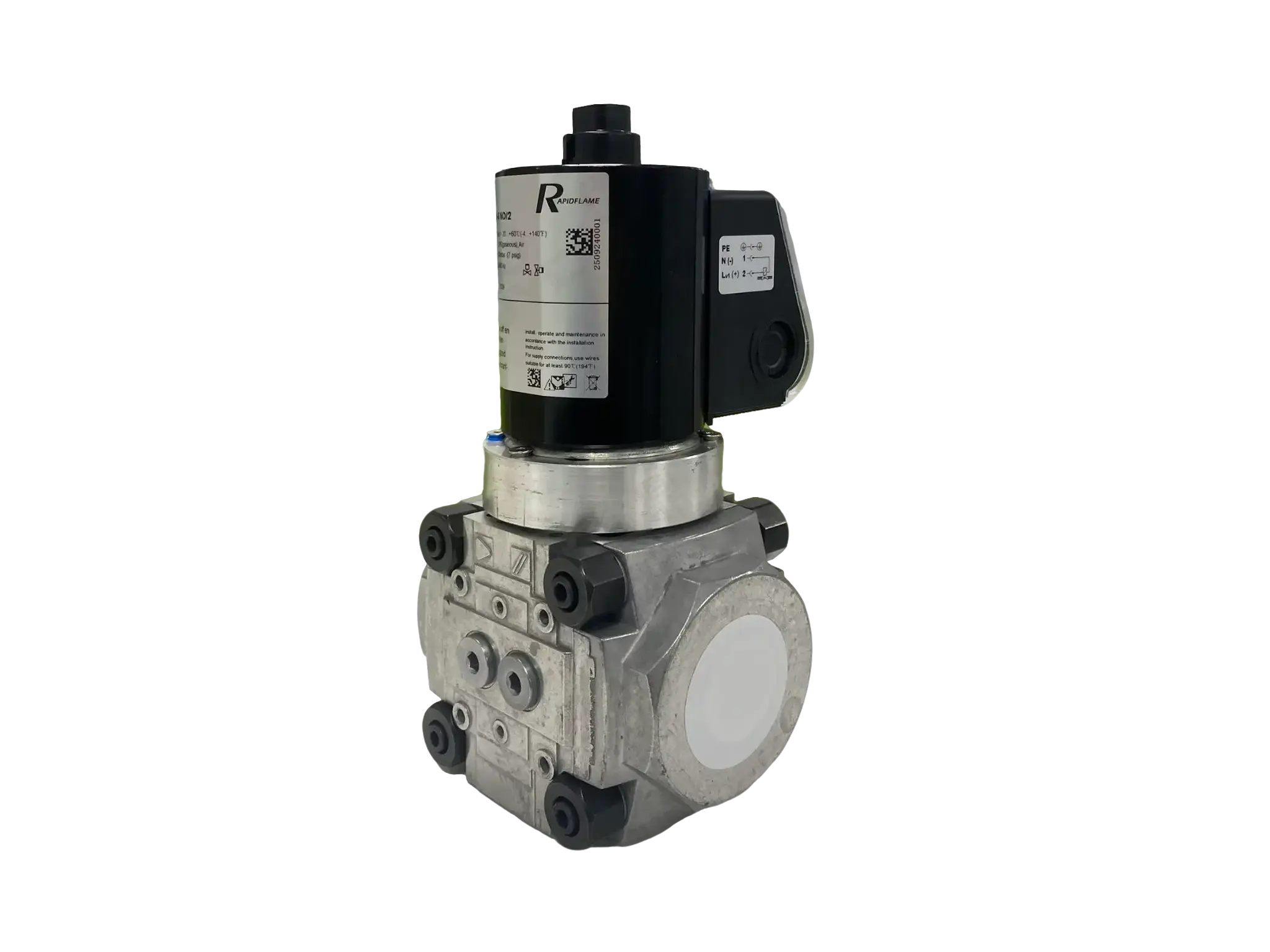
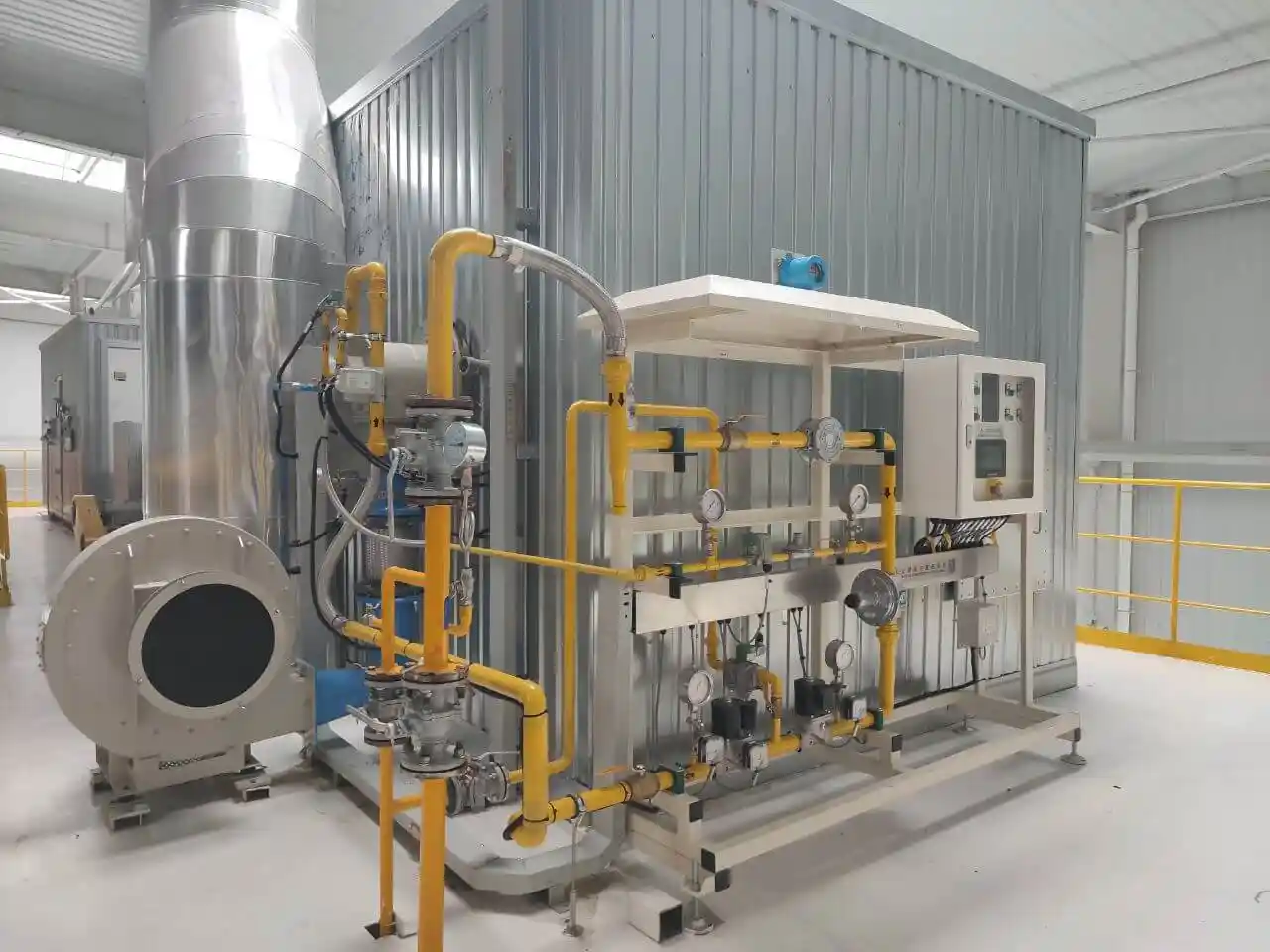
A properly designed gas train helps maintain stable operating conditions. It includes pressure regulators, filters, and sometimes a gas buffer tank to smooth out pressure spikes. For LPG or variable natural gas supplies, a gas analyzer may be used to adjust the control parameters automatically. Regular testing of gas composition is recommended, especially when fuel sources are blended.
Correct installation is essential for achieving the designed burner performance.
Critical considerations include:
Burner alignment – the burner axis must be accurately positioned relative to the furnace centerline and target zone.
Mounting position – flange orientation and insertion depth affect air entrainment and flame shape.
Airflow direction – the combustion air inlet and surrounding clearances influence fan performance and pressure drop.
Gas piping configuration – pipe diameter, length, and fittings affect pressure drop and response time.
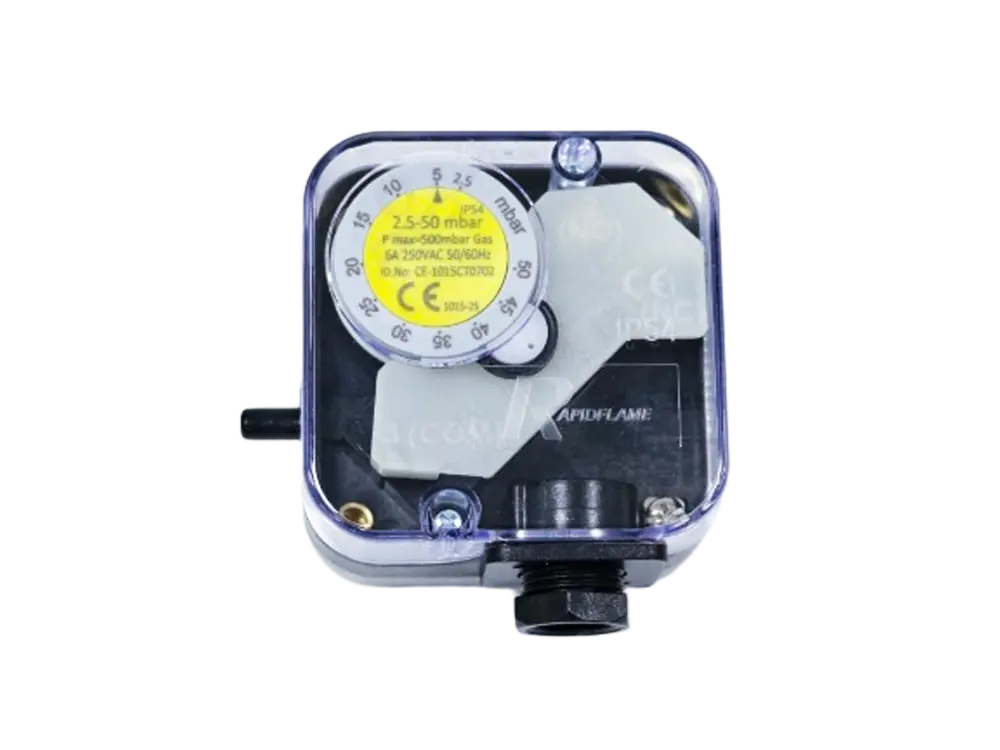
Safety device calibration – pressure switches, flame detectors, and valves must be set to manufacturer specifications.
Control parameter adjustment – PID gains, firing curves, and ramp rates must be tuned to the actual furnace dynamics.
Professional commissioning ensures that the burner operates according to design specifications under actual production conditions. This includes checking the flame shape, measuring flue gas oxygen and CO, adjusting the ratio curve across the entire firing range, and verifying all safety interlocks. Without proper commissioning, even a high-quality burner may perform poorly.
Performance gradually declines if maintenance is neglected.
Routine inspection helps identify:
Blocked burner ports – carbon deposits or refractory dust can alter air and gas flow.
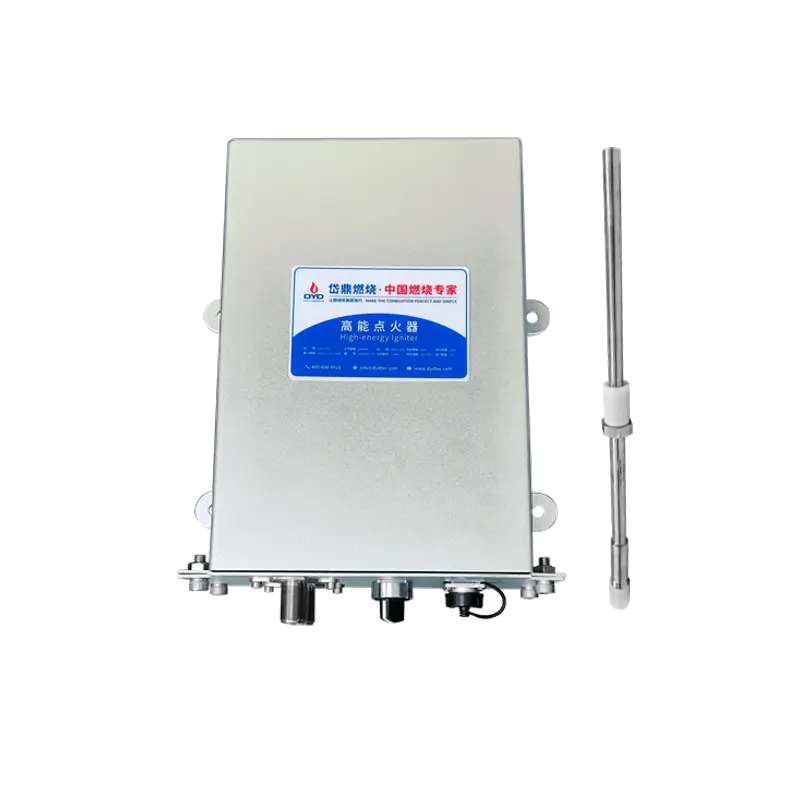
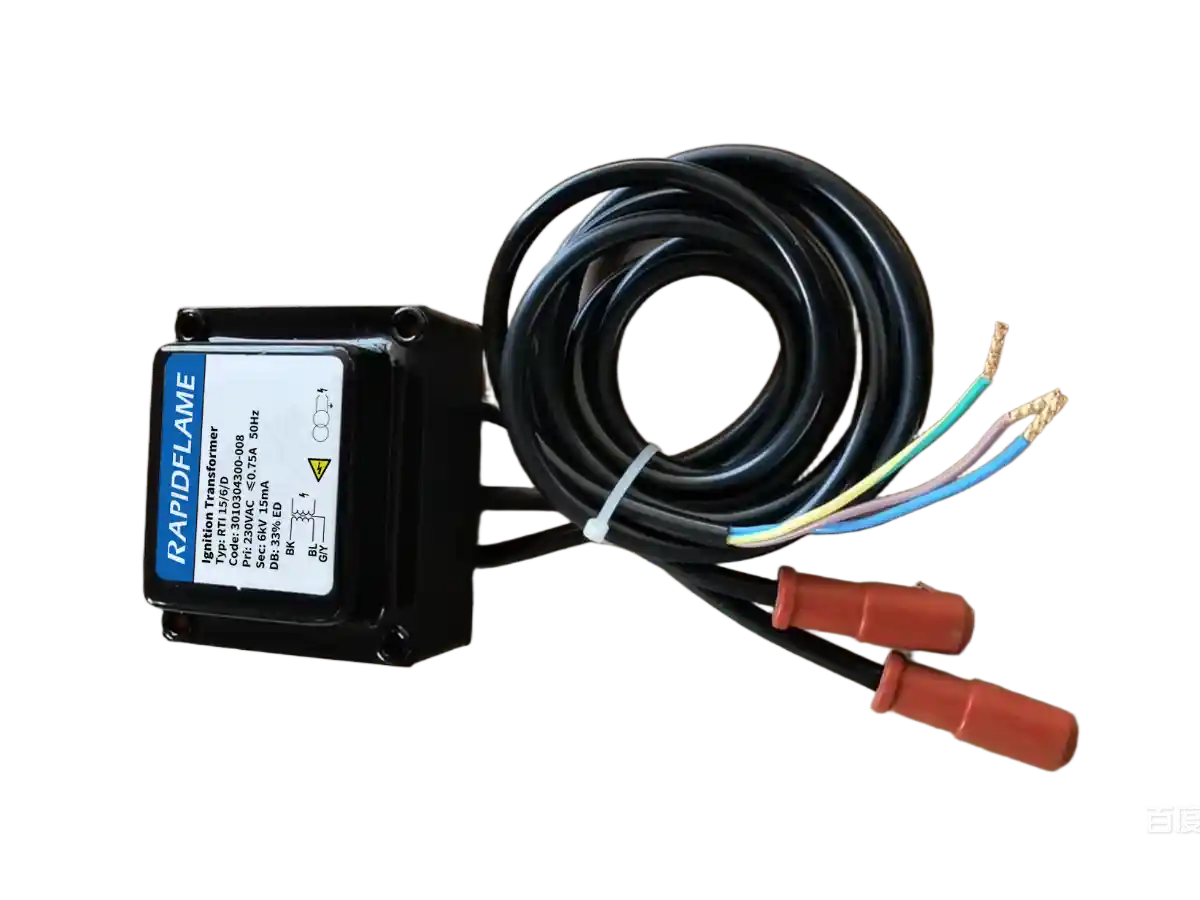
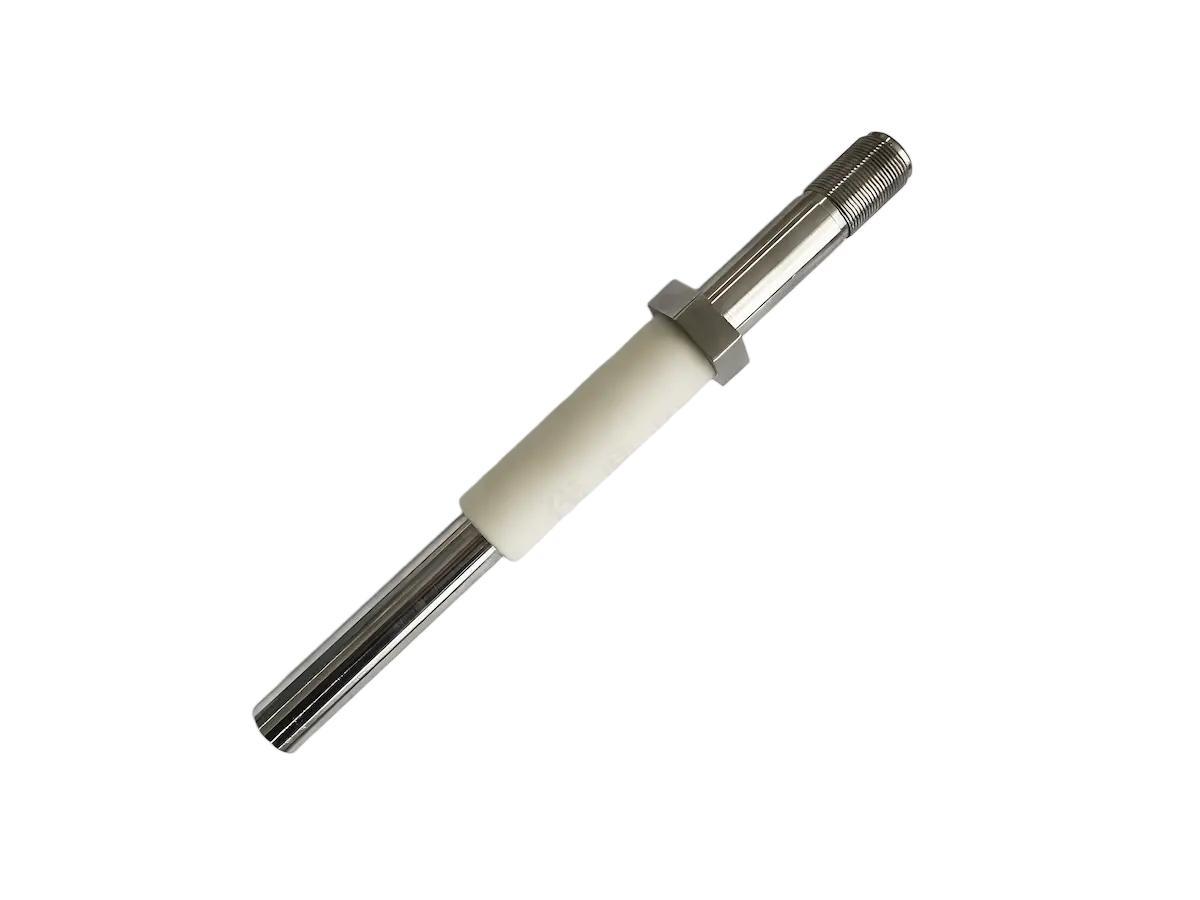
Worn ignition electrodes – eroded tips increase spark voltage and may cause ignition failures.
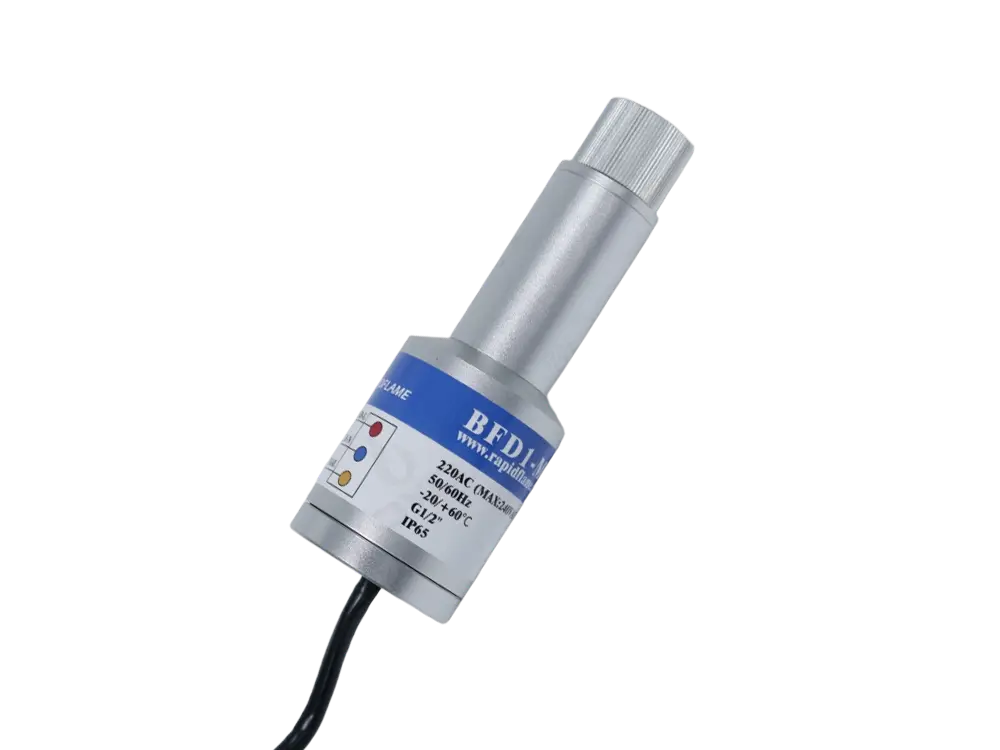
Dirty flame detectors – soot or condensation reduces sensitivity, leading to nuisance trips.
Gas leakage – small leaks in the gas train or burner body increase safety risks and fuel waste.
Airflow restrictions – dirty fan inlet filters or dampers that don't fully open reduce air supply.
Control system faults – drifting sensors, sticking valves, or calibration errors impair modulation.
Preventive maintenance improves efficiency, extends equipment life, and reduces unplanned downtime. A typical schedule includes daily visual checks, monthly cleaning of flame detectors and ignition parts, quarterly inspection of gas train components, and annual full system calibration. Recording operating data (fuel consumption, furnace temperatures, flue gas analysis) helps detect performance degradation early.
Improving burner performance requires optimization of the complete combustion system.
Recommended practices include:
Select the correct burner capacity – size based on actual heat load and desired turndown.
Maintain an accurate air-fuel ratio – use oxygen trim and cross-limiting controls, and regularly verify with flue gas analysis.
Optimize burner location during furnace design – use CFD or practical experience to place burners for best circulation.
Improve furnace insulation – reduce wall heat losses to lower the firing rate needed for the same temperature.
Use automatic combustion controls – ensure PID tuning is appropriate for the process dynamics.
Perform regular burner maintenance – follow the manufacturer's recommended schedule and keep detailed logs.
Verify combustion parameters during commissioning – establish baseline data for future comparisons.
Continuously monitor operating performance – track fuel consumption per unit production, temperature consistency, and emissions.
Small improvements across multiple areas often produce greater results than changing the burner alone. For instance, combining a 2% gain from better insulation, a 1% gain from O₂ trim, and a 1% gain from improved flame stability can yield a 4% total fuel saving, which is significant over a year of operation.
No. Burner performance depends on the interaction between the burner, combustion system, furnace design, control system, and operating conditions. The same burner installed in two different furnaces can have completely different efficiency and stability results due to geometry, draft, and load factors.
Not necessarily. An oversized burner often reduces efficiency and makes temperature control more difficult. Proper sizing is more important than maximum capacity. A burner that is too large will operate at low turndown, where stability is hardest, and will cycle frequently, wasting fuel and stressing the furnace.
Yes. Modern combustion control systems continuously optimize fuel and air delivery, improving efficiency, temperature stability, and emission performance. Features like oxygen trim, cross-limiting, and modulating firing provide tangible benefits over manual or on-off control, often reducing fuel consumption by 3–8%.
Because furnace geometry, insulation, airflow, chamber pressure, and heat transfer characteristics all influence combustion performance. The same burner may achieve different results when installed in different heating systems. For example, a burner that works well in a high-convection dryer may produce uneven heating in a radiant-heated annealing furnace because the flame shape interacts differently with the surroundings.
Industrial burner performance is determined by far more than the burner itself. Burner design, combustion control, air-fuel ratio, furnace engineering, heat transfer, installation quality, and maintenance all contribute to overall heating performance.
The most successful industrial heating systems are designed by considering the burner and the furnace as a single integrated combustion system. This approach delivers higher efficiency, lower emissions, improved product quality, and more reliable long-term operation.
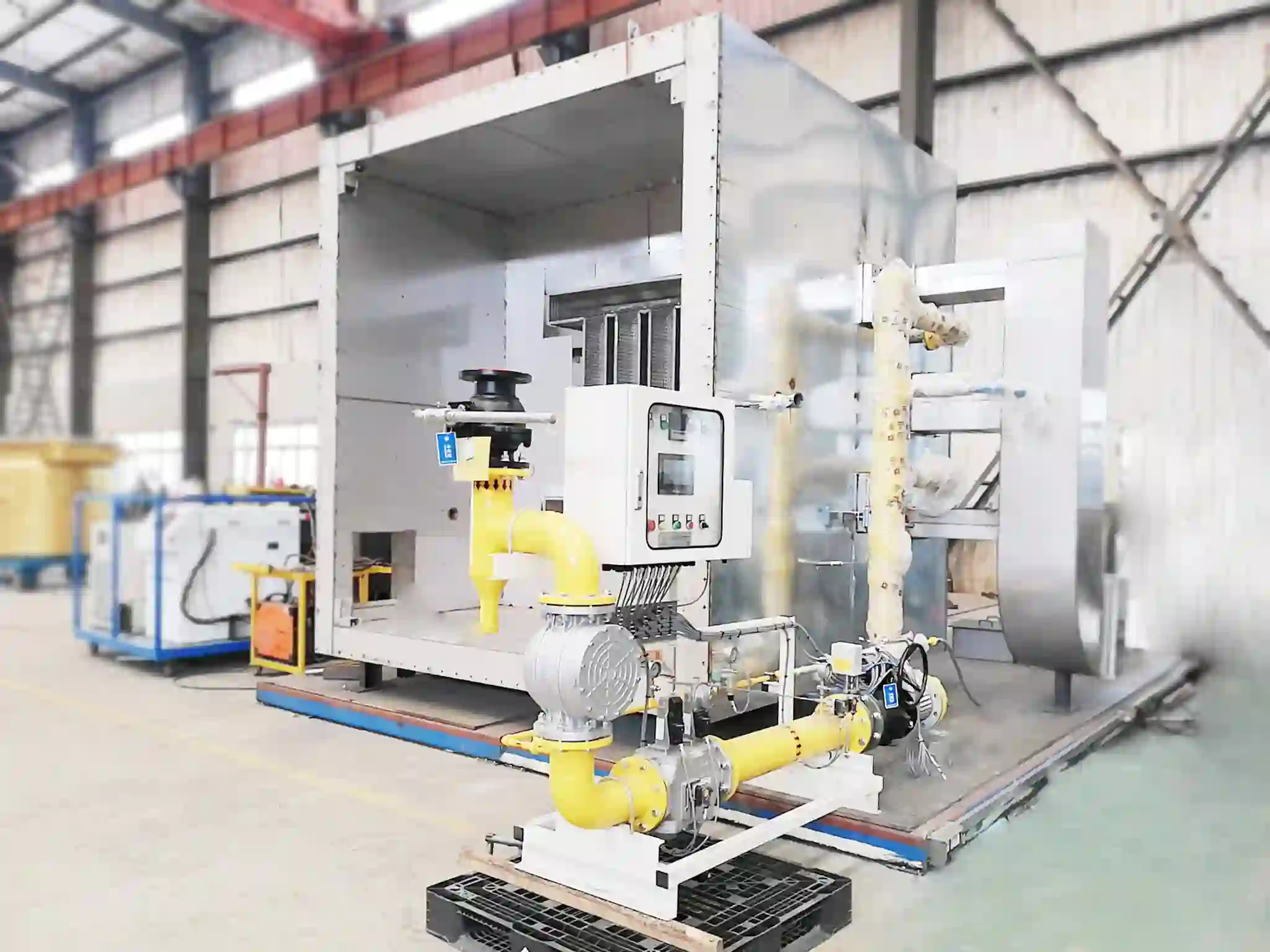
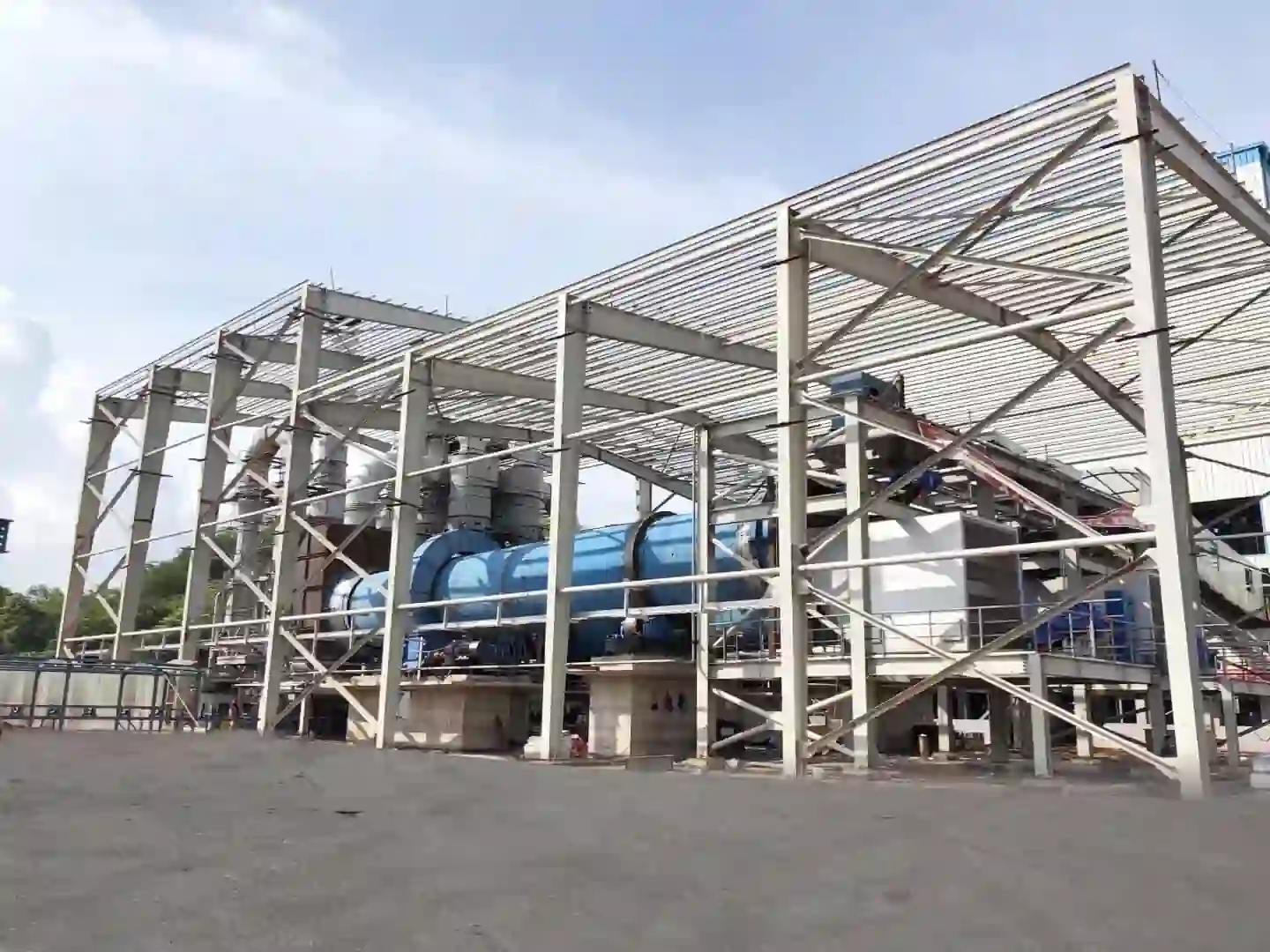
DYDTEC Combustion specializes in industrial gas burners and complete combustion systems for OEM equipment manufacturers and industrial heating applications.
Our engineering solutions are widely used in:
Ceramic kilns
Aluminum melting furnaces
Heat treatment furnaces
Industrial drying systems
Hot air generators
Thermal oxidizers (RTO)
Other customized industrial heating equipment
Our expertise includes:
Industrial gas burners
Low NOx combustion technology
Burner Management Systems (BMS)
Combustion system integration
Energy-efficient combustion optimization
OEM burner customization
Technical support for furnace manufacturers
For more technical resources, engineering insights, and combustion system knowledge, explore the DYDTEC Combustion Knowledge Center.