Burner heat input is the total amount of chemical energy supplied to an industrial burner through fuel over a specific period, typically expressed in kW, MW, BTU/h, or kcal/h. It represents the maximum energy entering the combustion process—not the actual heat absorbed by the furnace or product. In practical terms, a burner rated at 1,000 kW heat input (based on the fuel's lower heating value, LHV) delivers that amount of chemical energy per hour at full fire; however, depending on combustion efficiency and furnace losses, the useful heat reaching the product may be only 700–800 kW. For reference, 1 kW ≈ 3,412 BTU/h, and 1 MW ≈ 860,000 kcal/h, so understanding these conversions is essential when comparing burner specifications across different regional standards.
Heat input is one of the most important parameters for burner selection because it determines whether a burner can provide enough energy to meet the heating requirements of an industrial process. It also directly influences the required gas train sizing, combustion air fan capacity, and the dimensions of the burner head itself.
Burner heat input measures the energy supplied by the fuel.
Heat input is different from useful heat output.
Heat input should match the furnace heat load.
Oversized or undersized heat input reduces efficiency and process stability.
Heat input is one of the first specifications engineers evaluate when selecting an industrial burner.
Burner heat input refers to the amount of thermal energy available from the fuel entering the burner during operation.
It is determined by two primary factors:
Fuel flow rate – typically measured in Nm³/h (normal cubic meters per hour) for gaseous fuels or kg/h for liquid fuels.
Fuel heating value – the energy released per unit volume or mass of fuel, usually expressed as MJ/Nm³ or BTU/scf.
The higher the fuel flow, the greater the heat input. For instance, doubling the gas flow rate at the same pressure roughly doubles the heat input, assuming the fuel composition remains constant.
Likewise, fuels with higher heating values provide more energy for the same flow rate. Natural gas typically has a lower heating value (LHV) of about 35.9 MJ/Nm³ (or ~930 BTU/scf) and a higher heating value (HHV) around 39.8 MJ/Nm³, depending on the methane content and the presence of heavier hydrocarbons. LPG (propane) has a significantly higher heating value—approximately 93 MJ/Nm³ for LHV—so a burner running on LPG requires a much lower flow rate to achieve the same heat input compared to natural gas.
Heat input represents the energy entering the combustion system before combustion losses and heat transfer losses are considered. It is therefore the starting point for all thermal efficiency calculations, whether evaluating the burner alone or the complete furnace system.
Burner heat input is commonly expressed using one of the following units:
| Unit | Typical Application |
|---|---|
| kW | Small and medium industrial burners |
| MW | Large industrial heating systems |
| BTU/h | North American market |
| kcal/h | Some industrial equipment specifications |
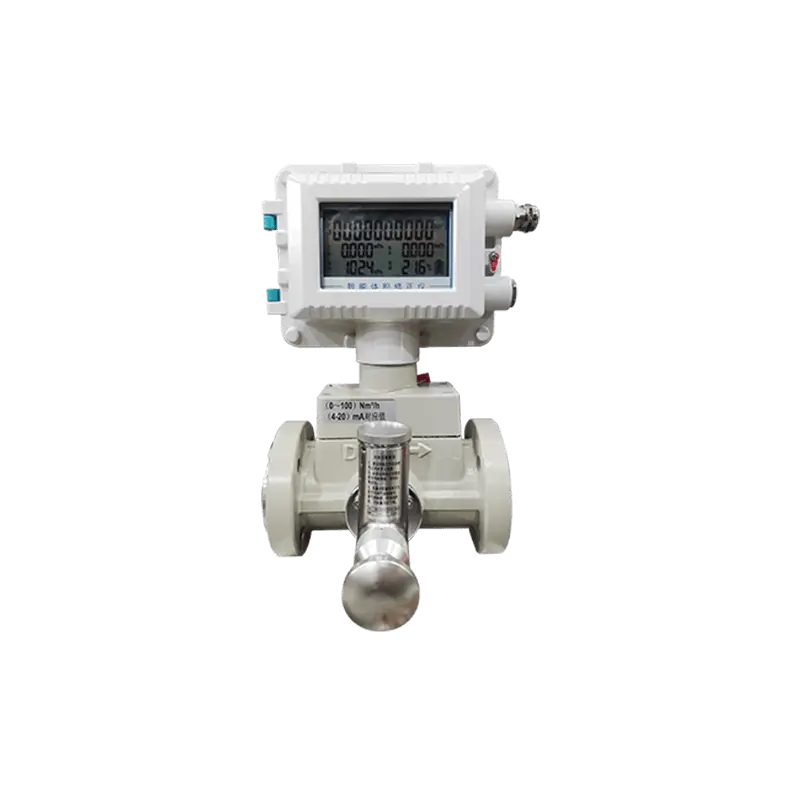
Different regions and industries may use different units, but they all describe the same concept: the amount of energy supplied to the burner over time. Measurement is typically performed using a calibrated flow meter (such as an orifice plate, thermal mass flow meter, or turbine meter) in the gas train, combined with a gas chromatograph or online calorimeter that continuously or periodically measures the actual heating value of the fuel. In many modern systems, the heat input is calculated by the combustion controller in real time, allowing operators to monitor energy consumption per batch or per unit of production.
Heat input and heat output are often confused, but they describe different aspects of the heating process.
| Heat Input | Heat Output |
|---|---|
| Energy supplied by the fuel | Useful heat delivered to the furnace or product |
| Determined by fuel flow and heating value | Determined by combustion efficiency and heat transfer efficiency |
| Always higher than useful heat output | Always lower than total heat input because some energy is lost |
For example, if a burner has a heat input of 1 MW, not all of that energy becomes useful process heat. Some energy is lost through exhaust gases (typically 10–20% of the input, depending on excess air and flue gas temperature), through furnace walls and openings (5–10% or more in poorly insulated systems), and through incomplete combustion (if the air-fuel ratio is not properly controlled). As a result, the net useful heat available for the product may be only 70–80% of the rated heat input in a well-designed system, and considerably less in older or poorly maintained equipment.
This is why improving combustion efficiency and furnace insulation is just as important as selecting the correct burner capacity. A burner with 1 MW heat input and 95% combustion efficiency still loses 50 kW in the exhaust; reducing excess air from 20% to 10% can cut that exhaust loss by roughly 2–3 percentage points, adding significant savings over a year of operation.
Heat input directly influences the performance of the entire heating system.
Properly matched heat input helps achieve:
Stable furnace temperatures – the burner can maintain setpoint without excessive cycling or overshoot.
Faster heating – adequate power reduces ramp-up times, increasing daily throughput.
Higher production efficiency – less time spent waiting for temperature recovery after loading.
Lower fuel consumption – when the burner operates efficiently at its design point, specific fuel consumption (e.g., kWh per tonne of product) decreases.
Better product quality – consistent thermal conditions reduce rejects and rework.
Reliable burner operation – the burner stays within its optimal firing range, avoiding issues like flame instability or component overheating.
Selecting a burner based solely on its maximum capacity without considering the actual heat requirement can reduce overall system performance. For example, a furnace requiring only 500 kW of useful heat but fitted with a 1,500 kW burner will cycle constantly, suffering from poor temperature control and accelerated wear on the ignition and valve components.
One of the primary objectives of burner selection is to match the burner's heat input with the furnace heat load.
If heat input is too low:
The furnace may never reach the required temperature, or only after an excessively long soak period.
Heating time increases, directly reducing production capacity – a 20% undersized burner can extend cycle times by 30–50% due to the exponential nature of heat-up curves.
Temperature recovery becomes slower after loading, causing bottlenecks downstream.
The burner may run continuously at 100% output, reducing its turndown capability and leaving no margin for disturbances.
If heat input is too high:
The burner cycles more frequently (on-off or high-low) because even the minimum firing rate overshoots the heat demand.
Temperature control becomes less stable, with larger oscillations around the setpoint.
Fuel efficiency may decrease because of increased purging losses and heat storage in the refractory during each cycle.
Furnace components may experience unnecessary thermal stress, reducing refractory life by as much as 30–50%.
The best burner is not necessarily the one with the highest heat input, but the one that closely matches the heating requirements of the application. A well-sized burner allows the control system to use its full turndown ratio effectively, maintaining stable temperature with smooth modulation rather than abrupt switching.
Several factors influence the available heat input.
Different fuels contain different amounts of energy.
For example:
Natural gas – LHV approx. 35.9 MJ/Nm³, HHV approx. 39.8 MJ/Nm³.
LPG (propane) – LHV approx. 93 MJ/Nm³, requiring only about 38% of the volume of natural gas for the same heat input.
Hydrogen – LHV approx. 10.8 MJ/Nm³, much lower volumetric energy density, requiring larger pipe sizes for the same kW.
Biogas – varies widely from 15–25 MJ/Nm³ depending on methane concentration, requiring careful adjustment of the gas train and control settings.
Each fuel has its own heating value, which affects the energy available during combustion. The Wobbe Index (which combines heating value with specific gravity) is often used to assess fuel interchangeability, as it directly impacts the air-fuel ratio settings and flame stability.
Increasing fuel flow increases the amount of energy entering the burner. However, flow rate is not independent of pressure—it is governed by the orifice size in the gas train and the upstream gas pressure. Doubling the absolute pressure roughly doubles the mass flow (and thus the heat input) for a fixed orifice, assuming ideal gas behaviour.
Modern burners regulate fuel flow automatically according to process demand. They use modulating control valves with position feedback, driven by a signal from the combustion controller, to adjust flow smoothly across the firing range.
Stable inlet gas pressure helps maintain consistent fuel flow and stable heat input. Most industrial gas trains are designed for a nominal supply pressure of 20–50 mbar for low-pressure systems, though medium-pressure systems (1–5 bar) are used for larger burners or longer piping runs.
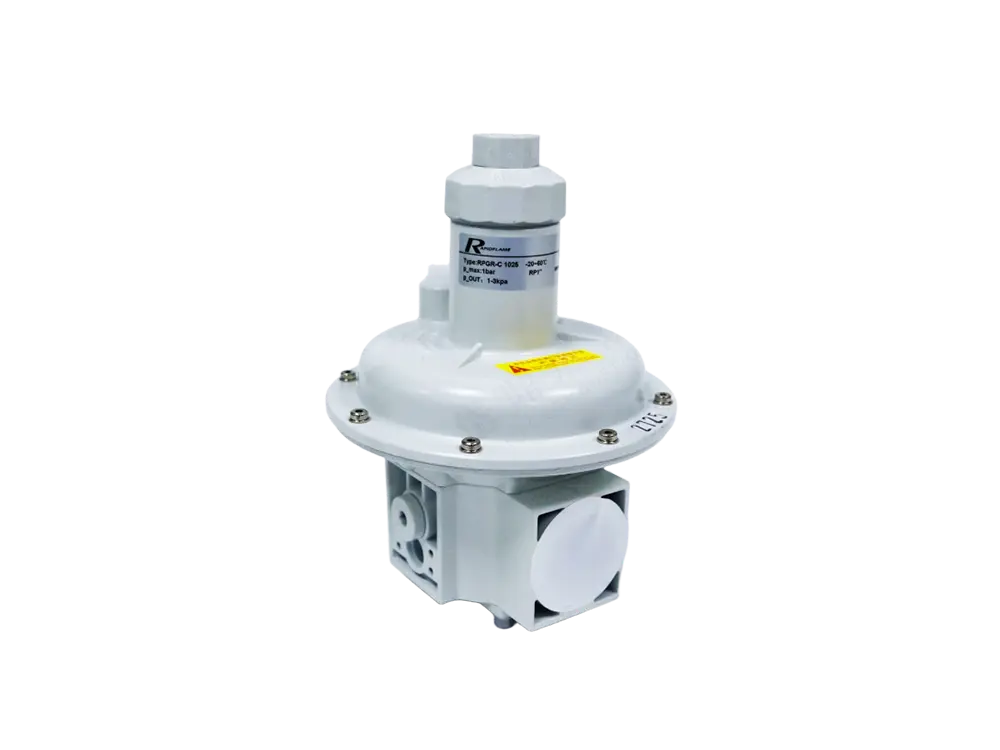
Pressure fluctuations—for example, a drop of 10 mbar—can reduce heat input by 5–10% if the regulator cannot compensate, leading to flame instability and temperature deviations. Proper gas train design includes a pressure regulator sized to handle the maximum flow while maintaining stable outlet pressure over the entire turndown range.
Each burner is designed to operate within a specified heat input range, often expressed as a minimum–maximum value (e.g., 100–1,000 kW). The turndown ratio (maximum divided by minimum) defines how much flexibility the burner offers; a 10:1 turndown means the burner can reduce its heat input to 10% of the maximum while still maintaining stable combustion.
Operating outside this range may reduce combustion quality and shorten equipment life. At inputs below the minimum, the flame becomes unstable and prone to lift-off; above the maximum, the burner head and refractory may overheat, and flame impingement risks increase.
Heat input alone does not determine combustion efficiency.
Efficient combustion depends on:
Correct air-fuel ratio – the mixture must be within the flammable range and close to stoichiometric for complete oxidation.
Proper burner design – including mixing intensity, flame retention, and turndown performance.
Stable flame – as discussed previously, instability causes CO and unburned hydrocarbon spikes.
Good fuel-air mixing – ensures every fuel molecule encounters sufficient oxygen within the flame zone.
Appropriate furnace conditions – backpressure, draft, and temperature influence the combustion process.
Two burners with the same heat input can produce different operating results if their combustion systems are designed differently. For instance, a burner with staged-air technology may achieve the same thermal output as a standard burner but with 50% lower NOx emissions, while a poorly designed burner at the same heat input could generate three times the CO emissions due to inadequate mixing.
Many engineers assume that selecting a larger burner provides additional safety or production capacity.
In reality, excessive heat input may create several problems:
Uneven temperature distribution – a very short, intense flame may concentrate heat in one zone, leaving cold areas elsewhere.
Reduced combustion efficiency – operating at low turndown forces the burner to run inefficiently, often with higher excess air to maintain stability.
Increased fuel consumption – frequent cycling and poor low-fire performance waste energy; the oversized burner may actually consume more fuel per production unit than a correctly sized one.
More frequent burner cycling – thermal cycling causes expansion and contraction of the refractory, leading to cracking and premature failure.
Poor process control – control loops struggle to tame an oversized power input, resulting in temperature oscillations that affect product quality.
Higher maintenance costs – more cycles mean more wear on valves, actuators, and ignition components, shortening replacement intervals.
Matching heat input to the actual process requirement generally produces better long-term performance than oversizing the burner. A burner selected with a 10–20% margin above the calculated steady-state load (to cover start-up and heat losses) is usually sufficient, provided the turndown ratio allows stable low-fire operation during partial loads.
When determining the appropriate burner heat input, engineers should evaluate:
Furnace heat load – calculated from the mass, specific heat, and temperature rise of the charge, plus losses through the structure.
Required operating temperature – higher temperatures increase radiation losses and may require additional firing capacity.
Production rate – the throughput in kg/h or pieces/hour determines how much energy must be delivered per unit time.
Heating time – the allowable ramp-up time from cold start to setpoint; shorter times demand higher heat input.
Fuel type – the heating value and combustion characteristics of the available fuel affect sizing.
Furnace dimensions – chamber volume and surface area influence heat storage and wall losses.
Insulation quality – better insulation reduces the heat input needed to maintain a given temperature.
Process characteristics – batch vs. continuous, load variations, and required temperature profile all matter.
Future production flexibility – allowing some margin for increased throughput or different products is wise, but not excessive.
Heat input should be considered together with combustion efficiency, burner turndown ratio, and automatic control capability. A burner with a high turndown (e.g., 20:1) and good low-fire stability can handle a wider range of loads without cycling, making it far more flexible than a high-heat-input burner with a narrow turndown that forces it to cycle frequently.
Not exactly. Heat input refers to the energy supplied by the fuel, while burner capacity often describes the burner's designed operating range. In practice, the two terms are closely related, but they are not always interchangeable. For example, a burner may be rated for a thermal input of 500 kW at a specific gas pressure, but the actual "capacity" might also be expressed as a flow rate (e.g., 50 Nm³/h of natural gas). Manufacturers typically specify both the heat input range and the corresponding fuel flow rates for different gas types.
Only when operating at maximum output. Most modern industrial burners use modulating controls, allowing fuel consumption to vary according to process demand rather than continuously operating at full heat input. A 1,000 kW burner operating at 50% firing rate consumes approximately the same fuel as a 500 kW burner at 100%, but the larger burner may offer better stability and turndown if selected correctly.
Yes. Most industrial burners can modulate their heat input by adjusting fuel flow and combustion airflow while maintaining the appropriate air-fuel ratio. The adjustment range is limited by the burner's turndown ratio; for instance, a burner with a 10:1 turndown can reduce its heat input from 1,000 kW down to 100 kW while still maintaining stable combustion. Modulation is typically achieved through a modulating gas valve linked to the temperature controller, often in combination with a variable-frequency drive on the combustion air fan.
In general, burner heat input should be selected based on the calculated furnace heat load, together with a suitable engineering margin. Oversizing the burner significantly beyond the actual heat demand is usually not recommended. A typical best practice is to size the burner for the maximum steady-state heat load plus an allowance for start-up losses (often 10–20%), but then to select a burner with sufficient turndown to operate efficiently at lower loads. The goal is to keep the burner operating in its optimal modulation range (typically 40–80% of maximum) during normal production, with the extra capacity reserved for cold starts or future increases in throughput.
Burner heat input represents the total thermal energy supplied to an industrial burner through fuel. It is a fundamental specification that influences burner selection, furnace design, process performance, and energy consumption.
However, heat input alone does not determine the success of an industrial heating system. The best results are achieved when heat input is properly matched to the furnace heat load and supported by efficient combustion, effective heat transfer, and intelligent control. Understanding this relationship helps engineers design heating systems that deliver high efficiency, stable operation, and consistent product quality.
DYDTEC Combustion specializes in industrial gas burners and complete combustion systems for OEM equipment manufacturers and industrial heating applications.
Our engineering solutions are widely used in:
Ceramic kilns
Aluminum melting furnaces
Heat treatment furnaces
Industrial drying systems
Hot air generators
Thermal oxidizers (RTO)
Other customized industrial heating equipment
Our expertise includes:
Industrial gas burners
Low NOx combustion technology
Burner Management Systems (BMS)
Combustion system integration
Energy-efficient combustion optimization
OEM burner customization
Technical support for furnace manufacturers
For more technical resources, engineering insights, and combustion system knowledge, explore the DYDTEC Combustion Knowledge Center.