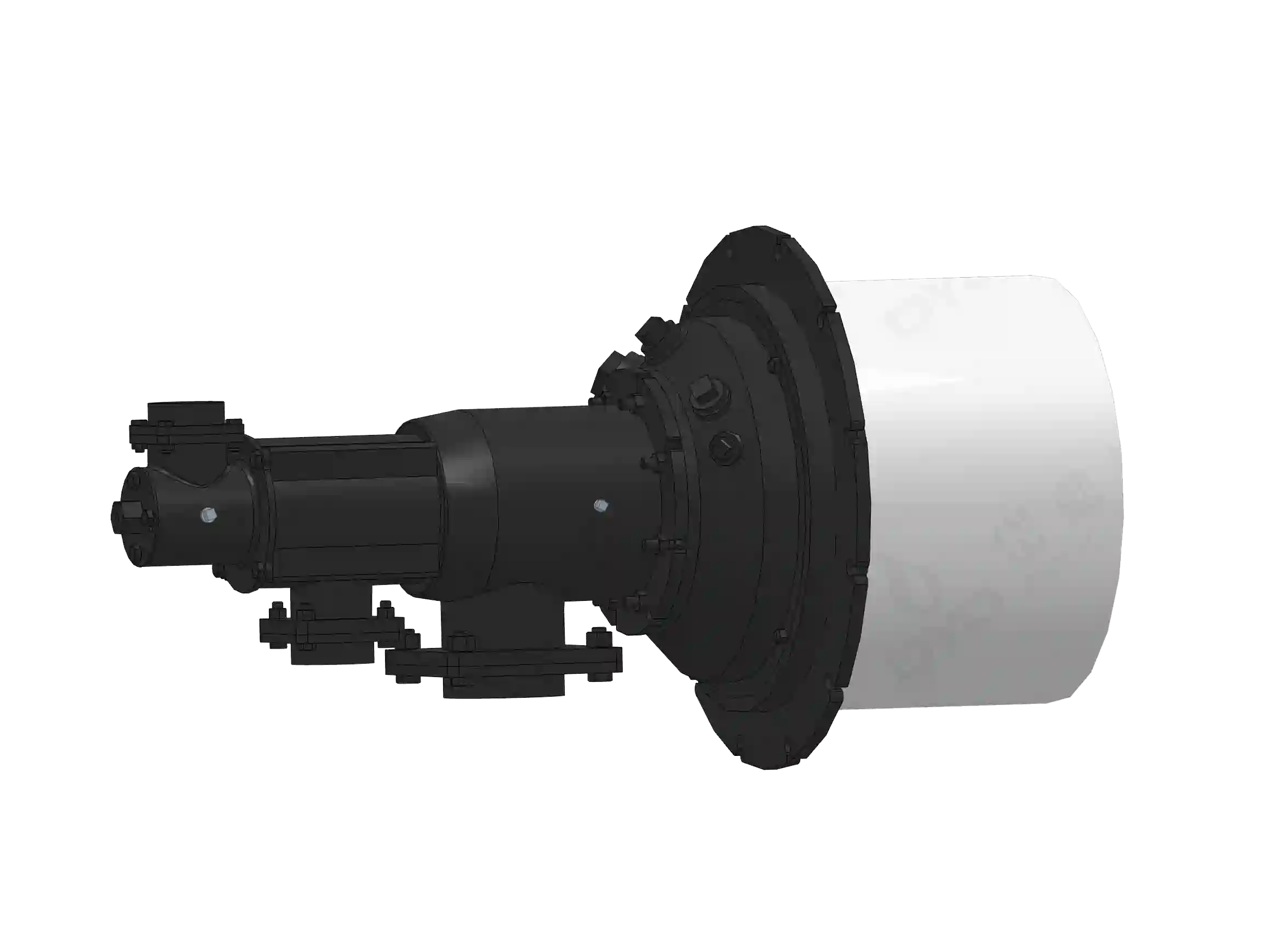
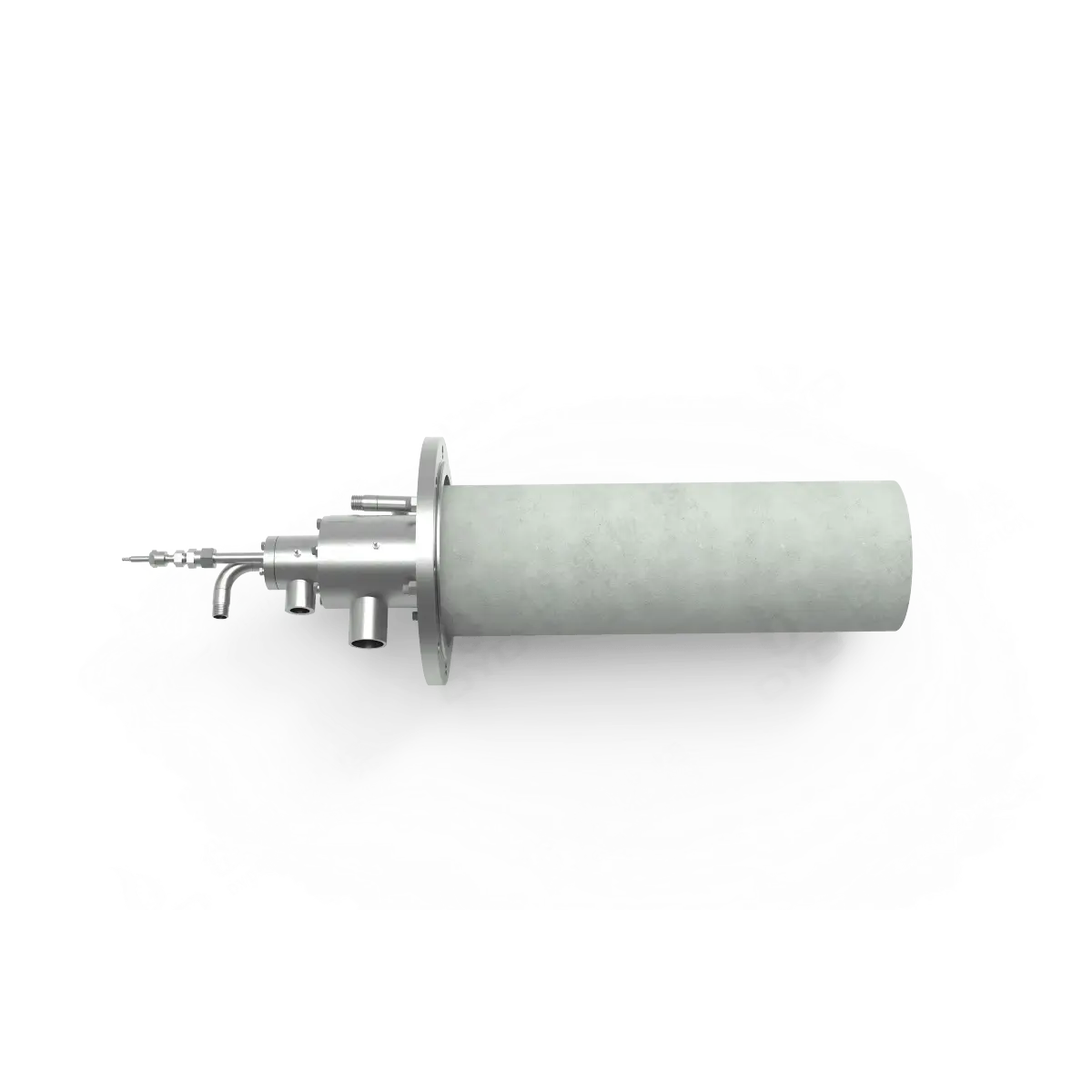
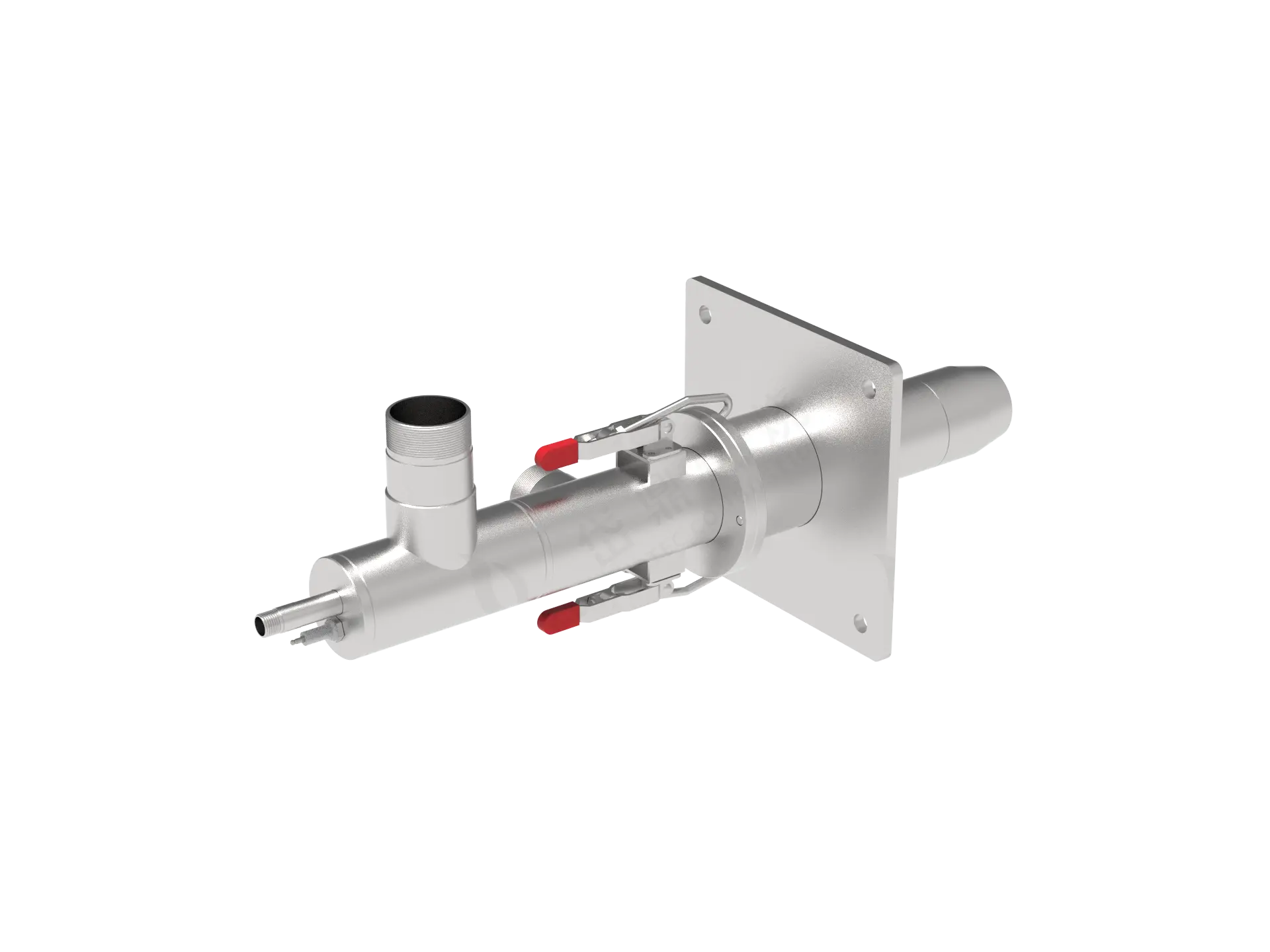
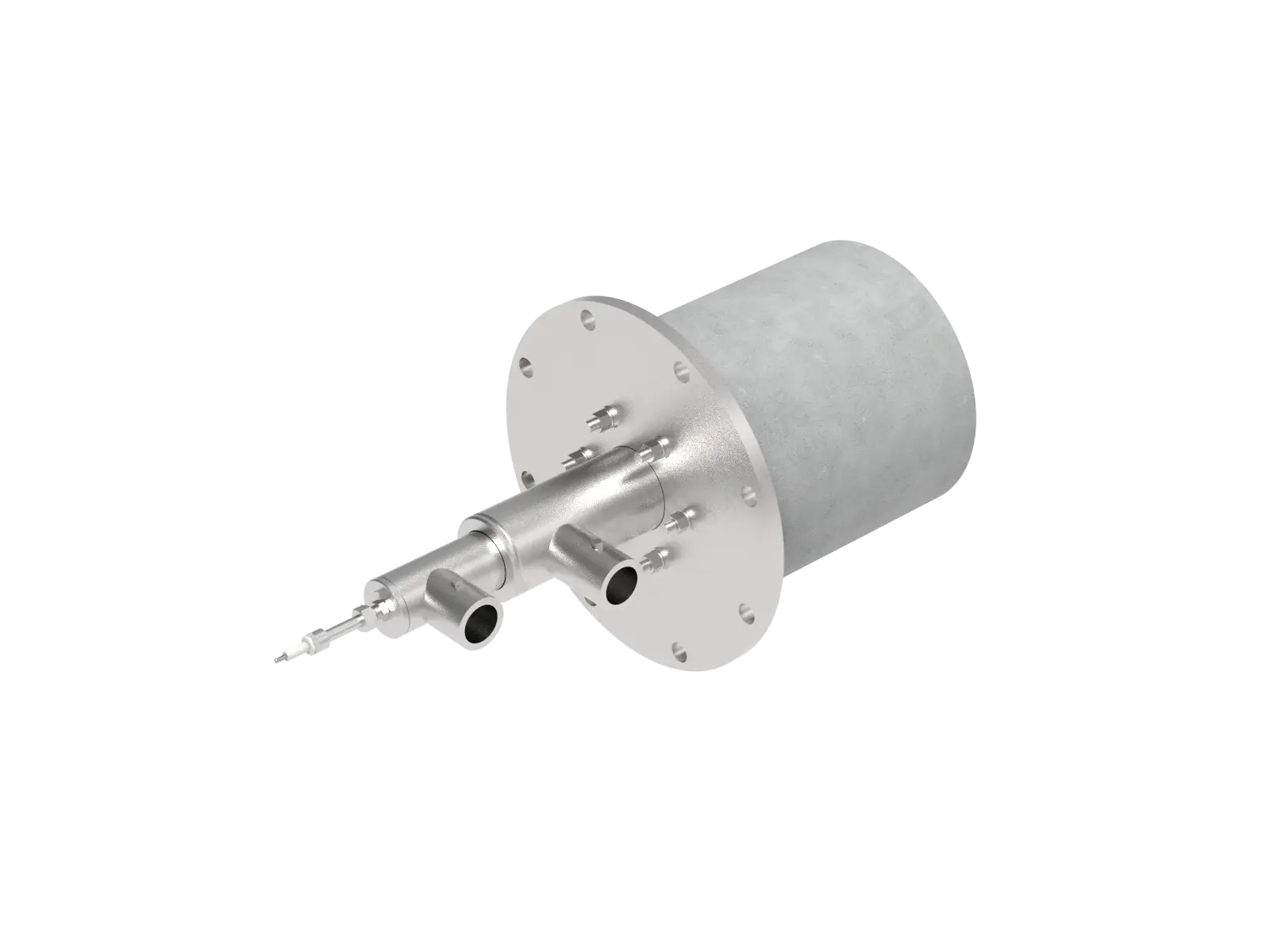
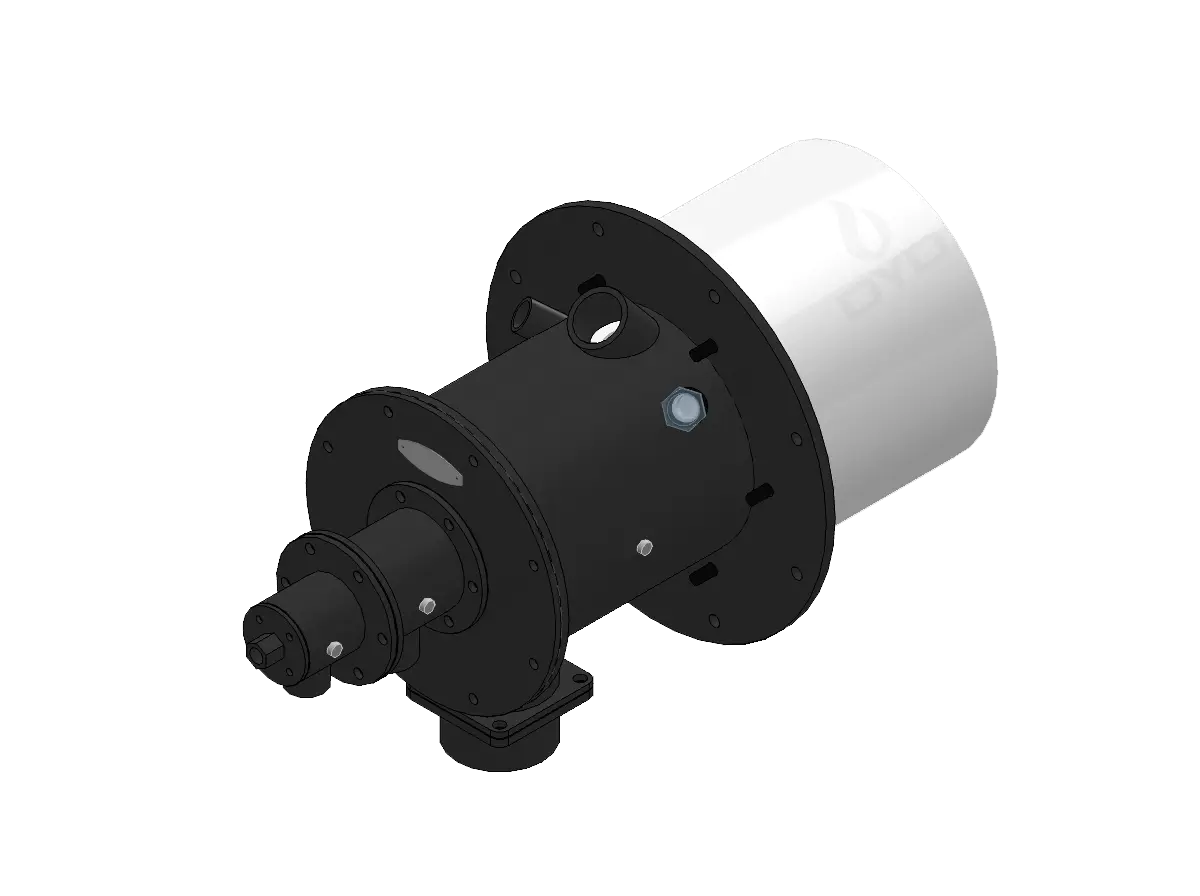
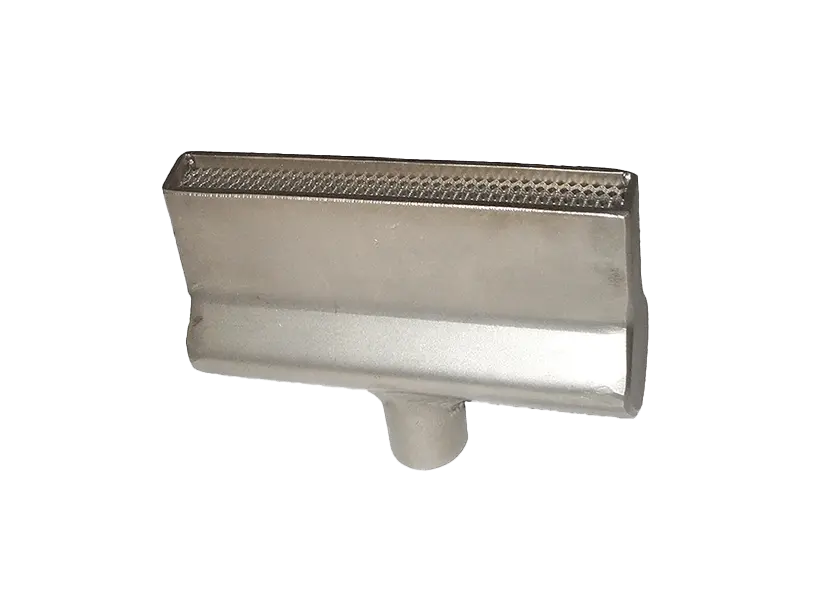
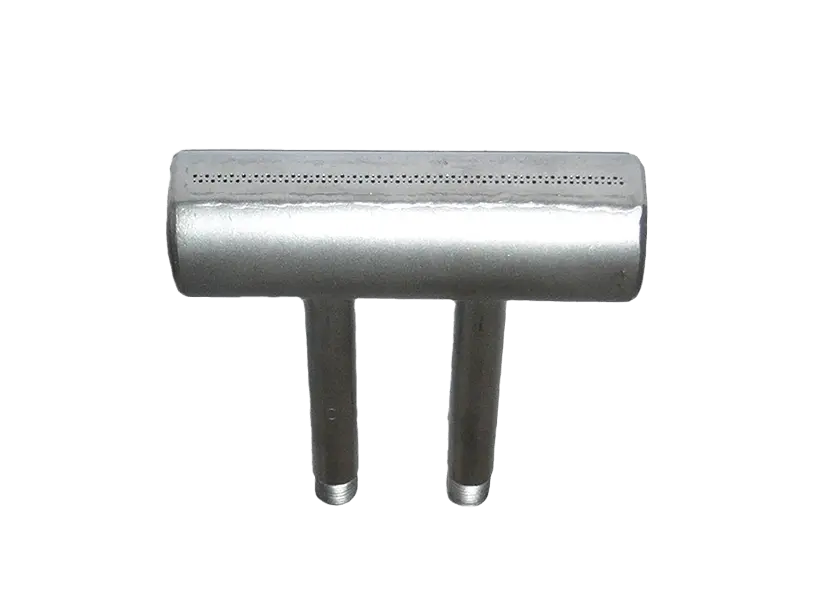
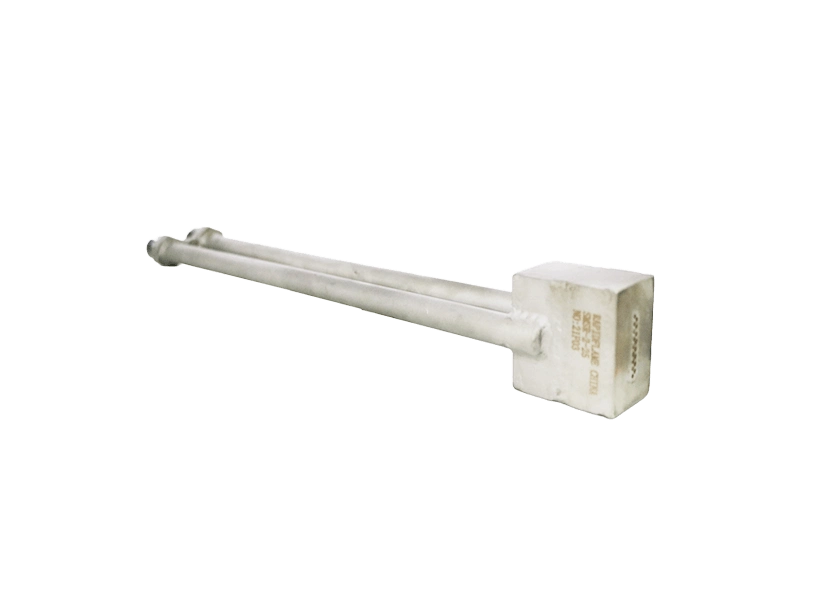
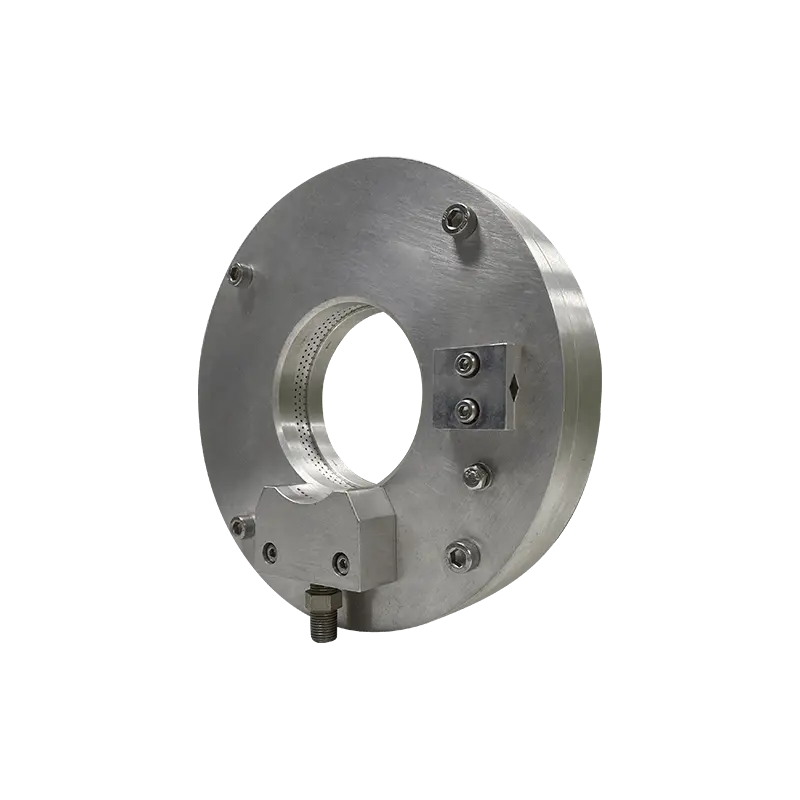
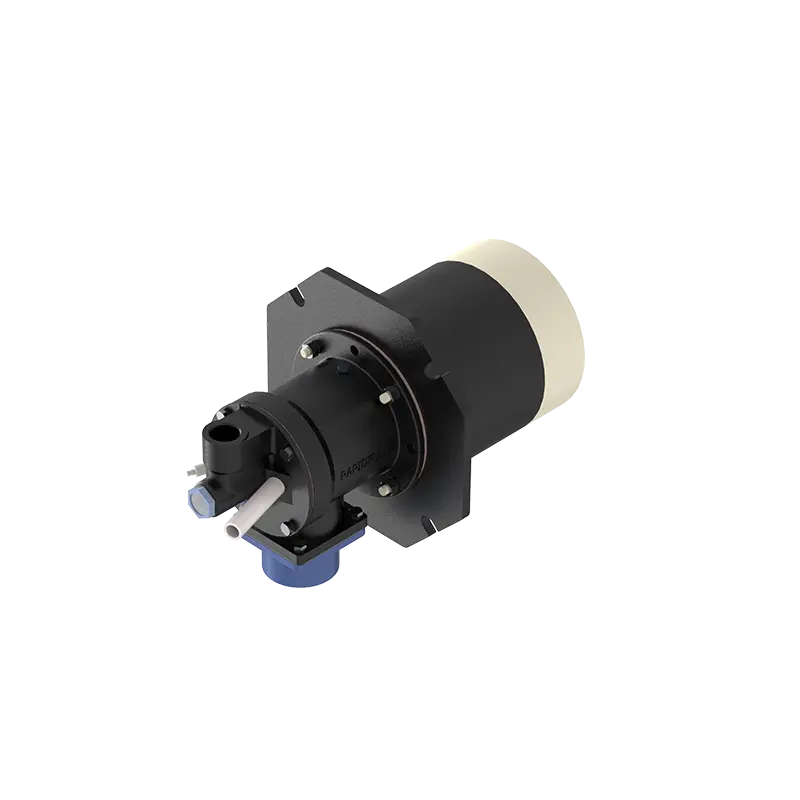
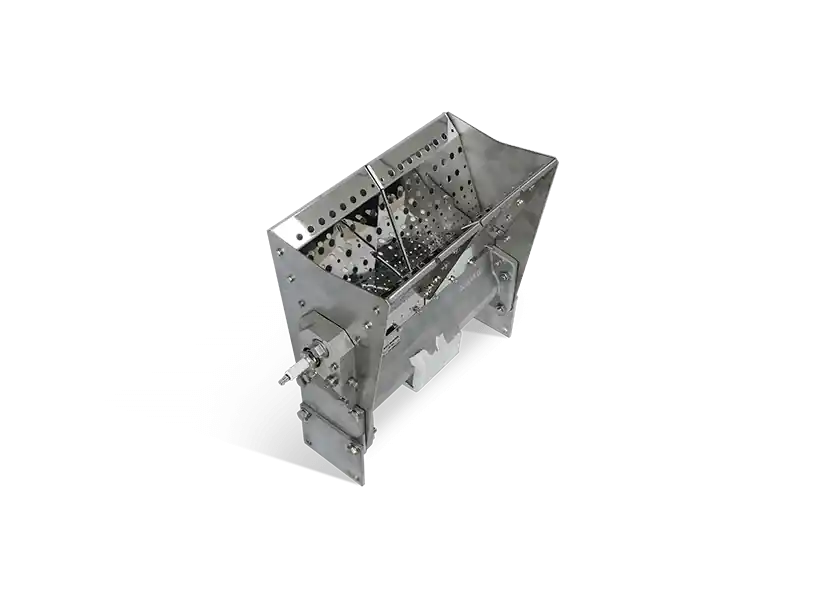
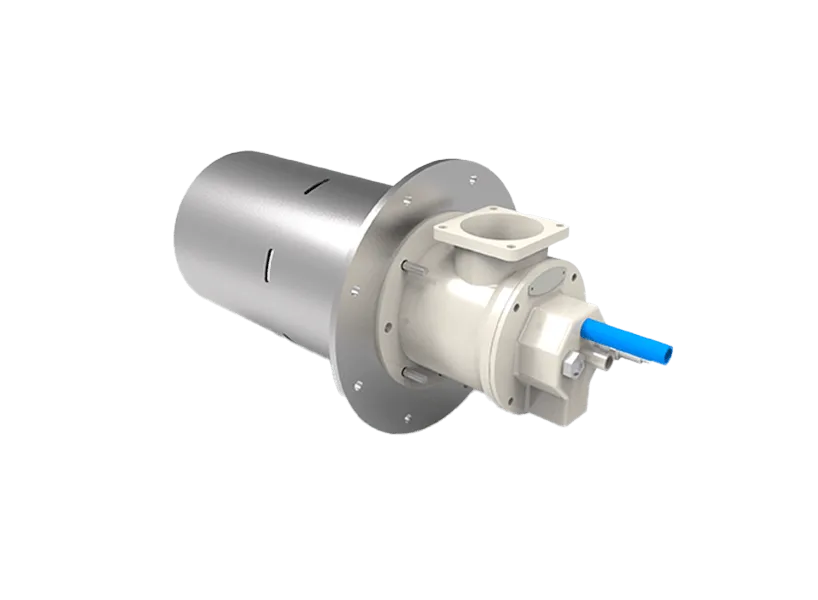
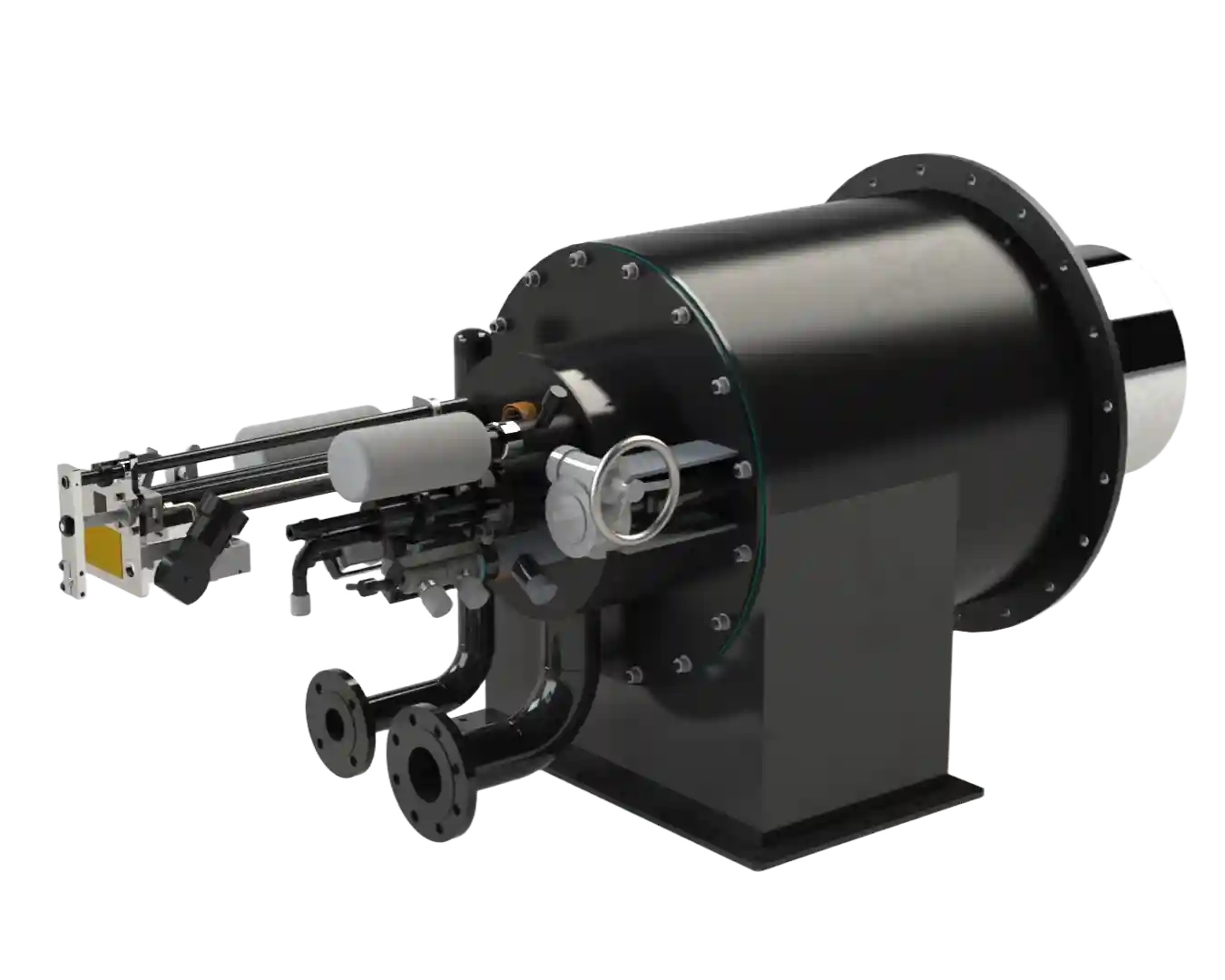
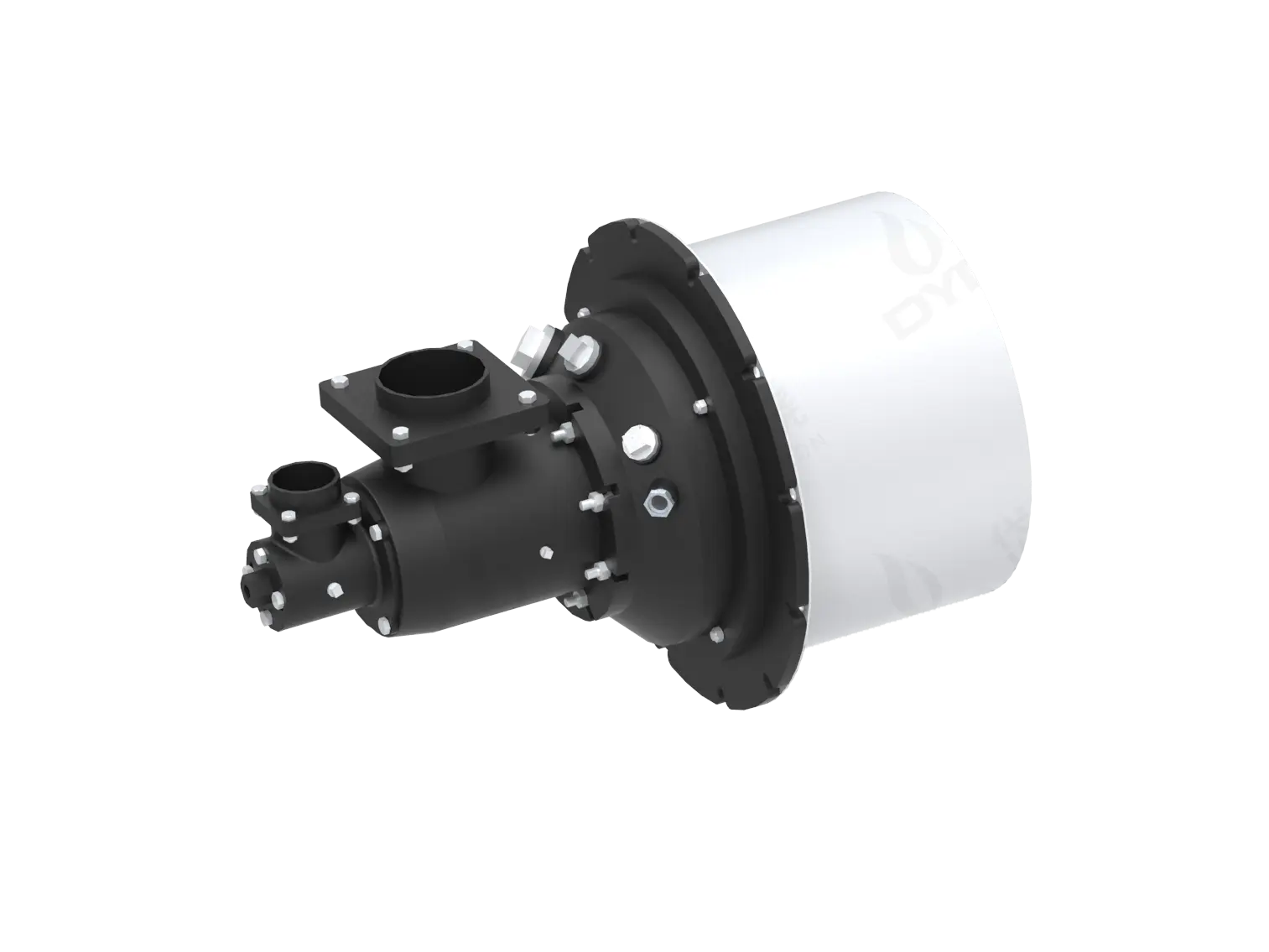
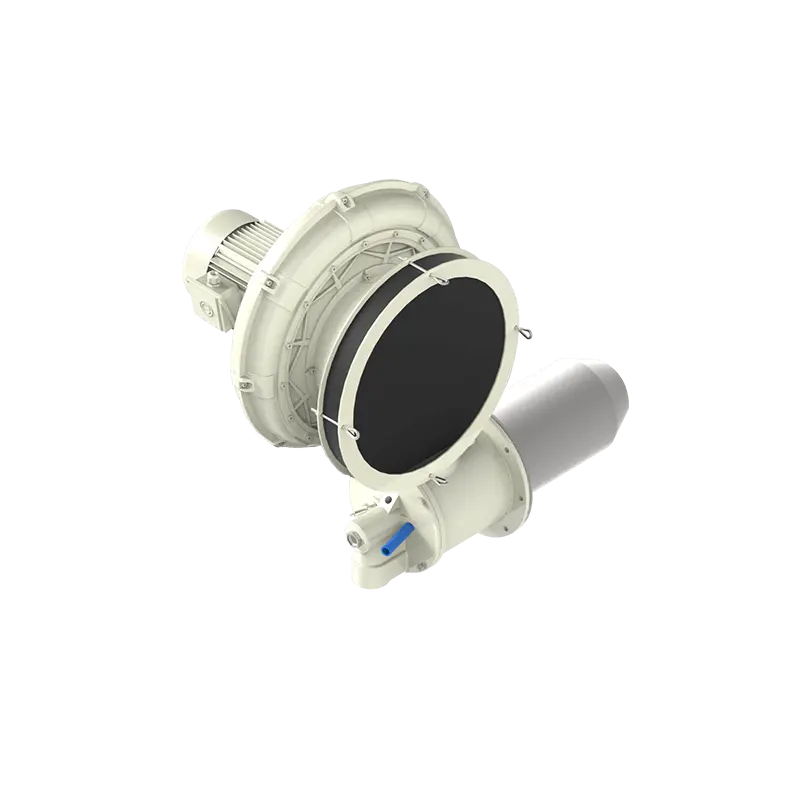
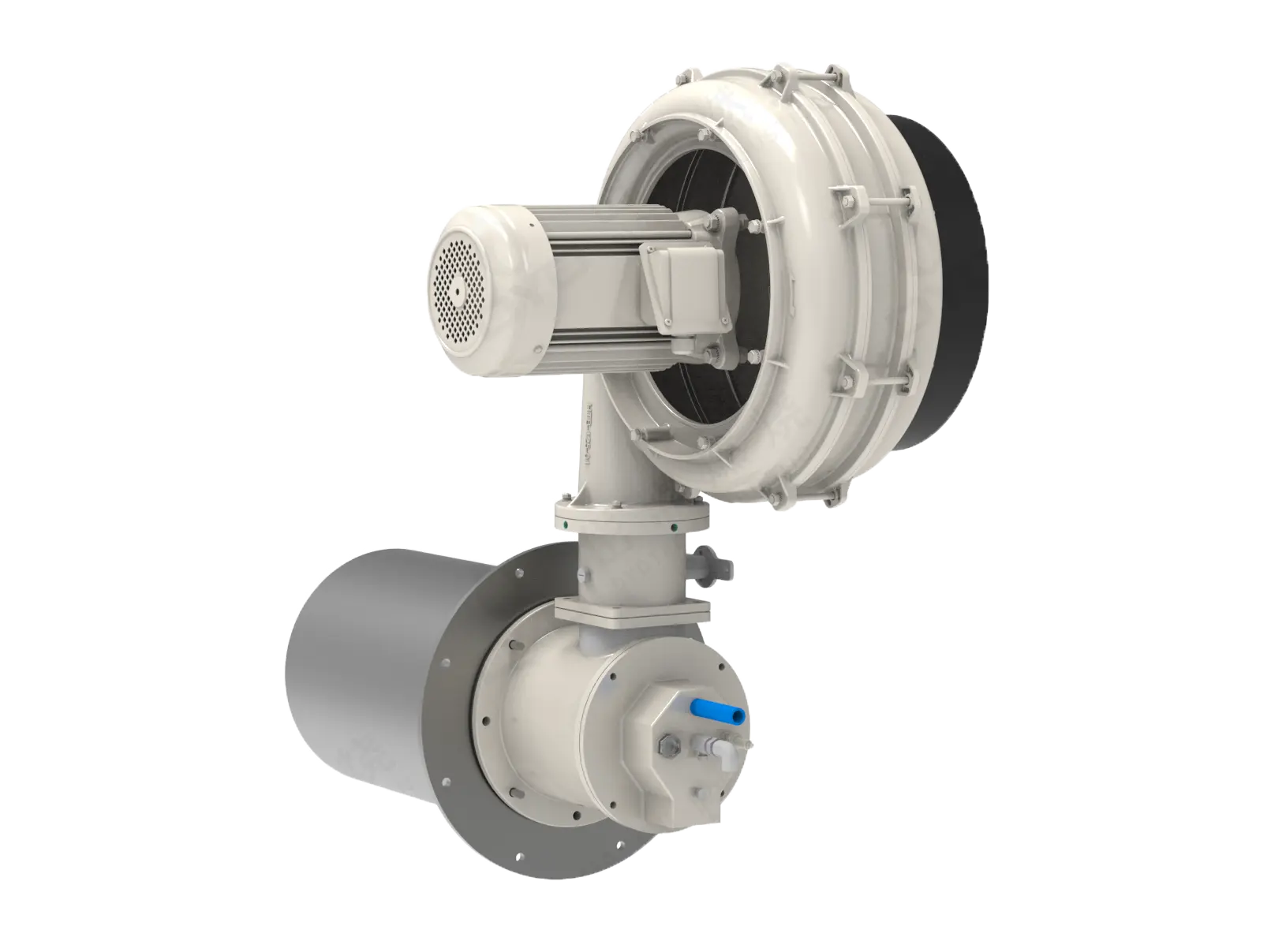
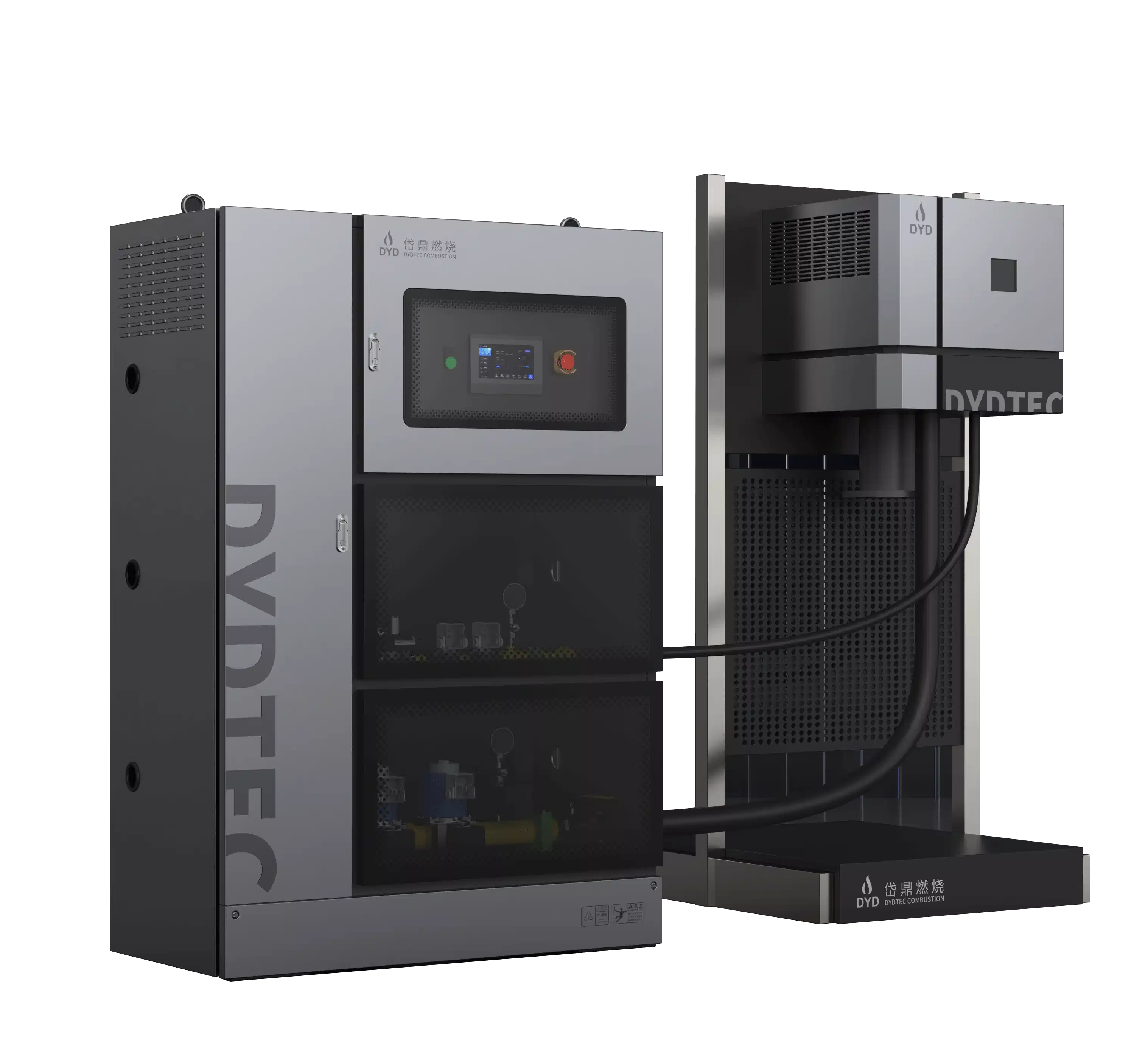
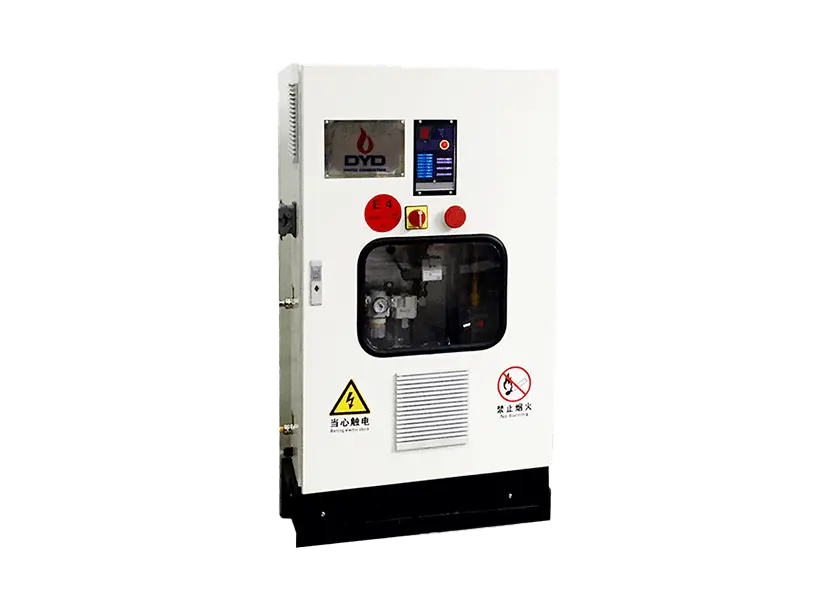
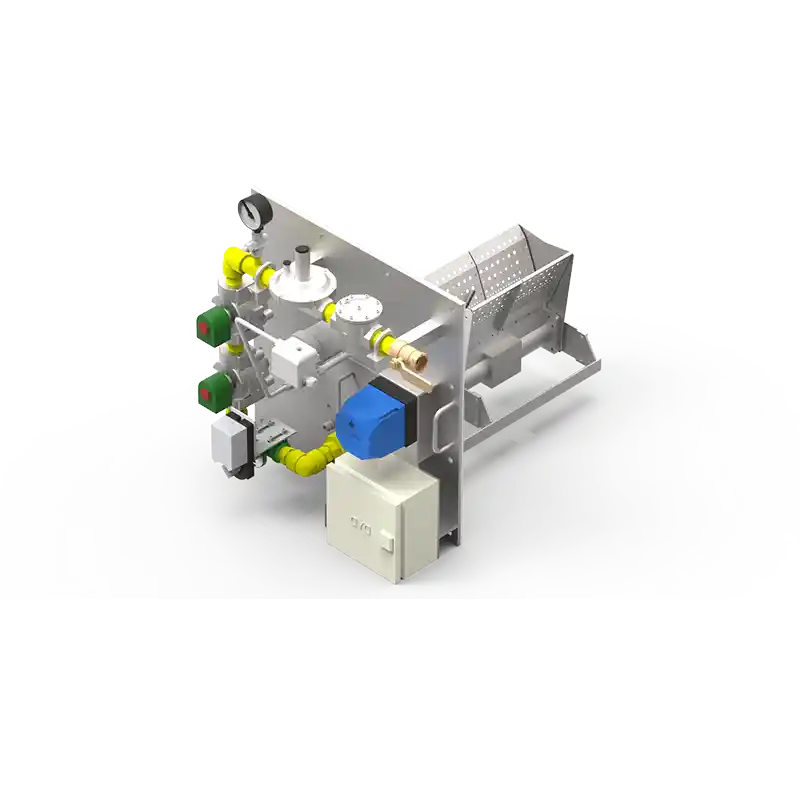
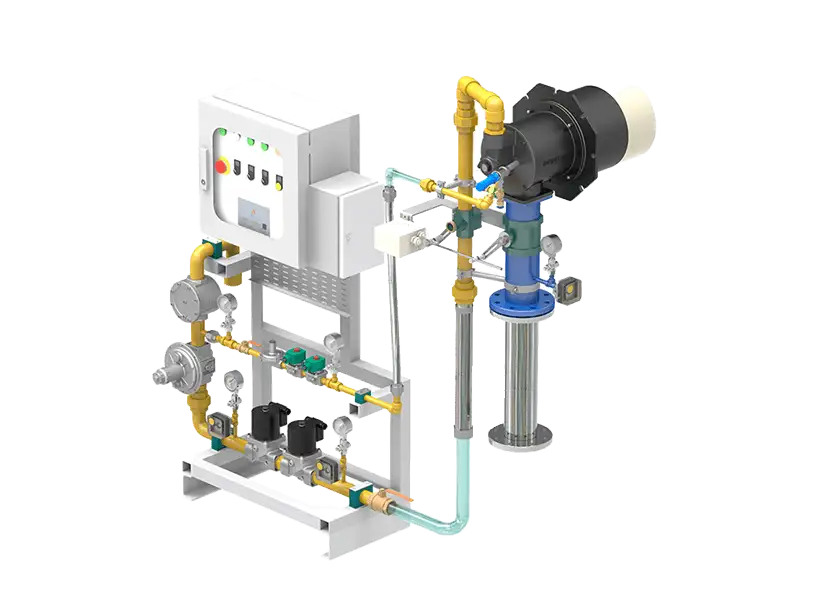
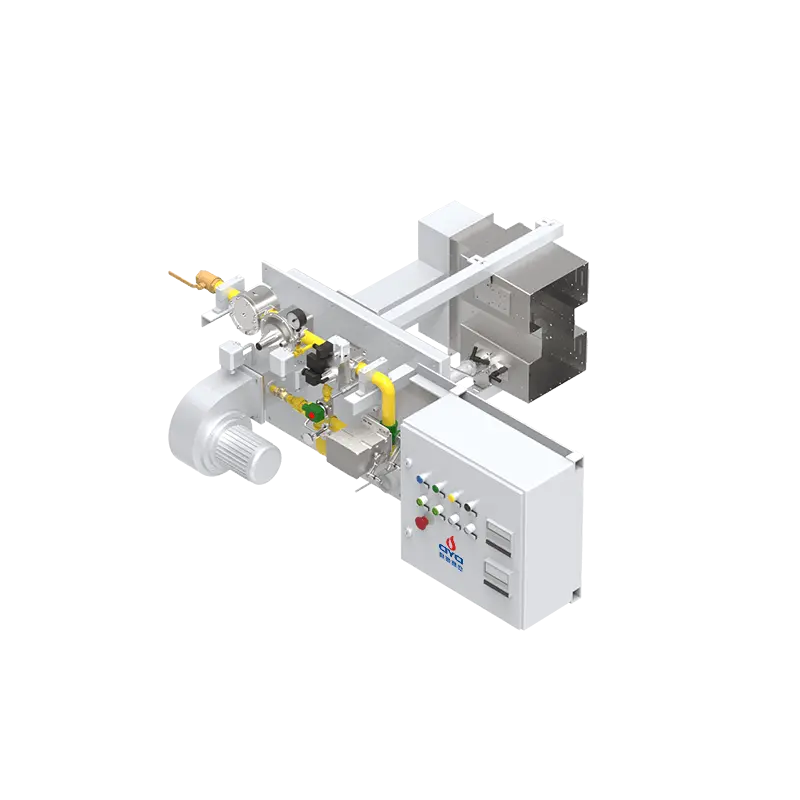
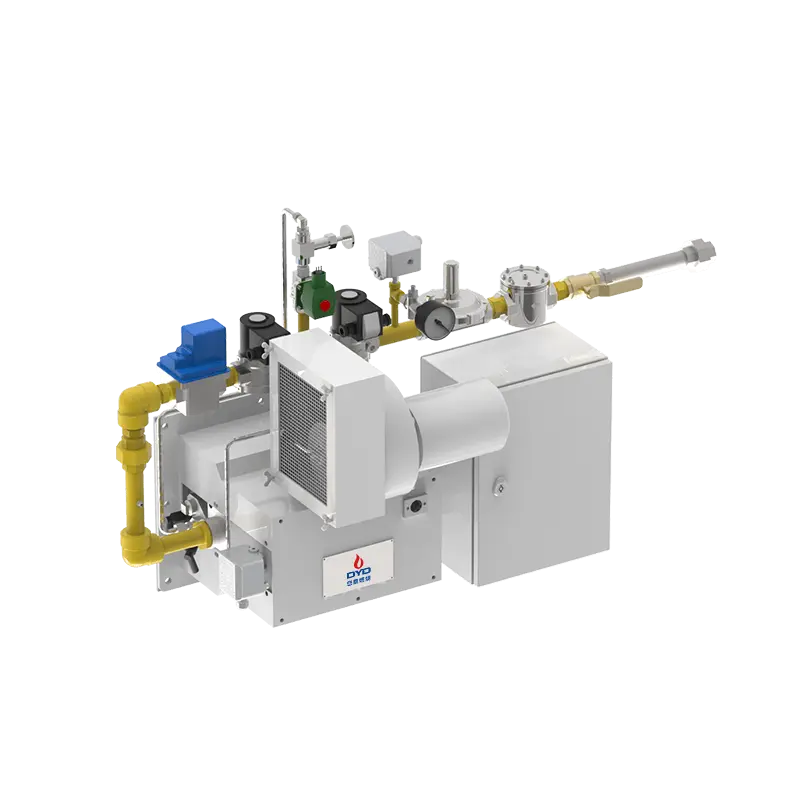
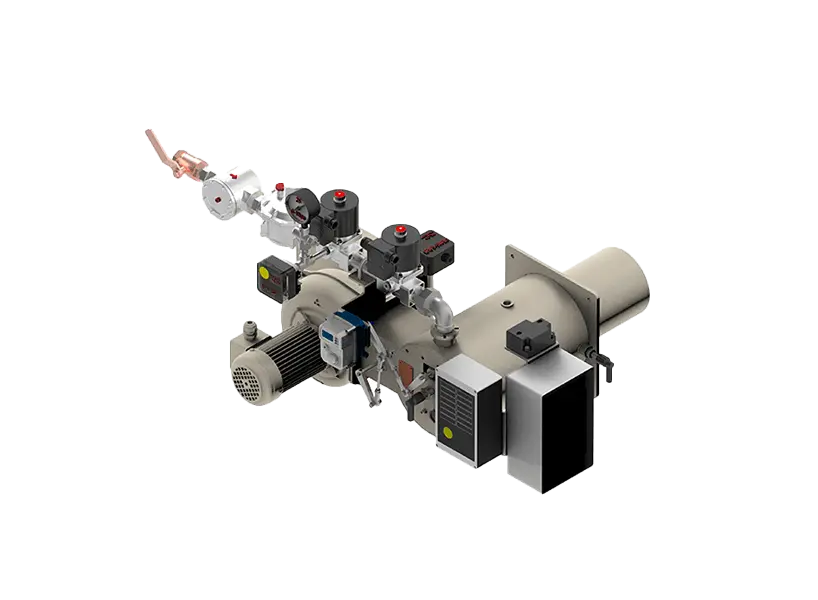
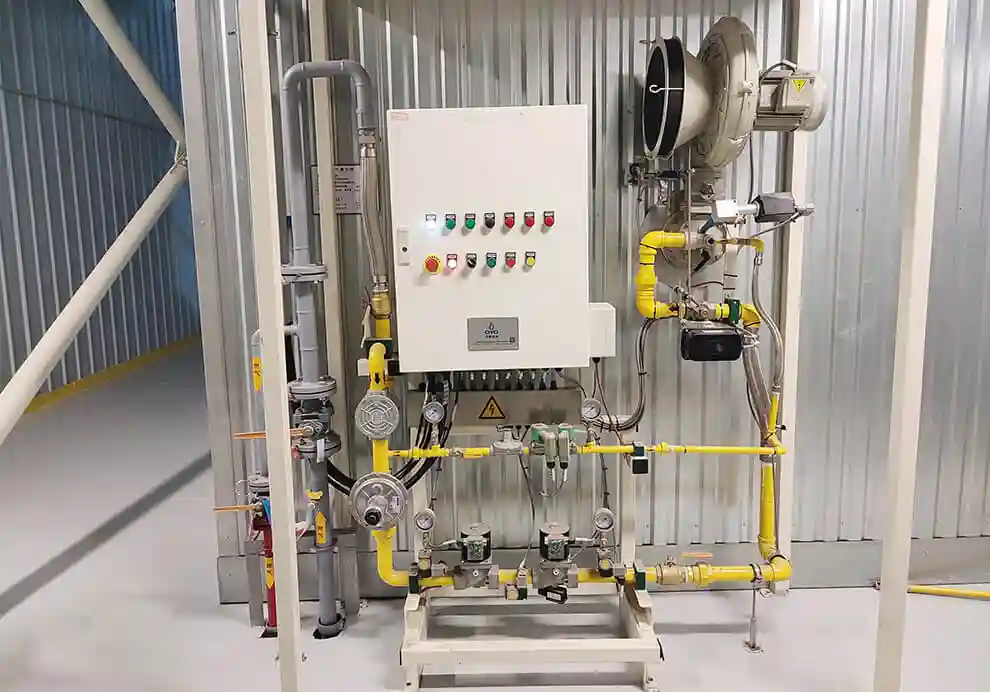
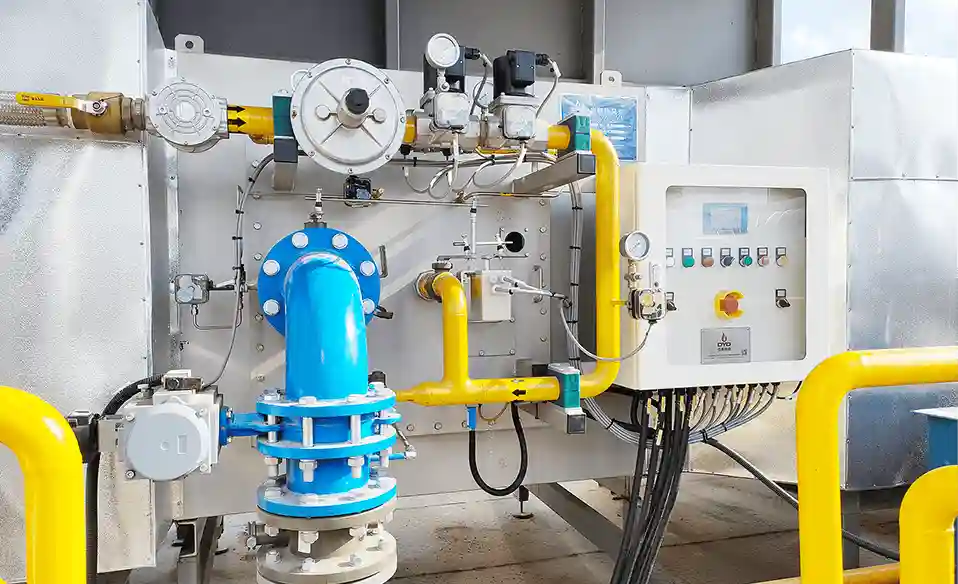
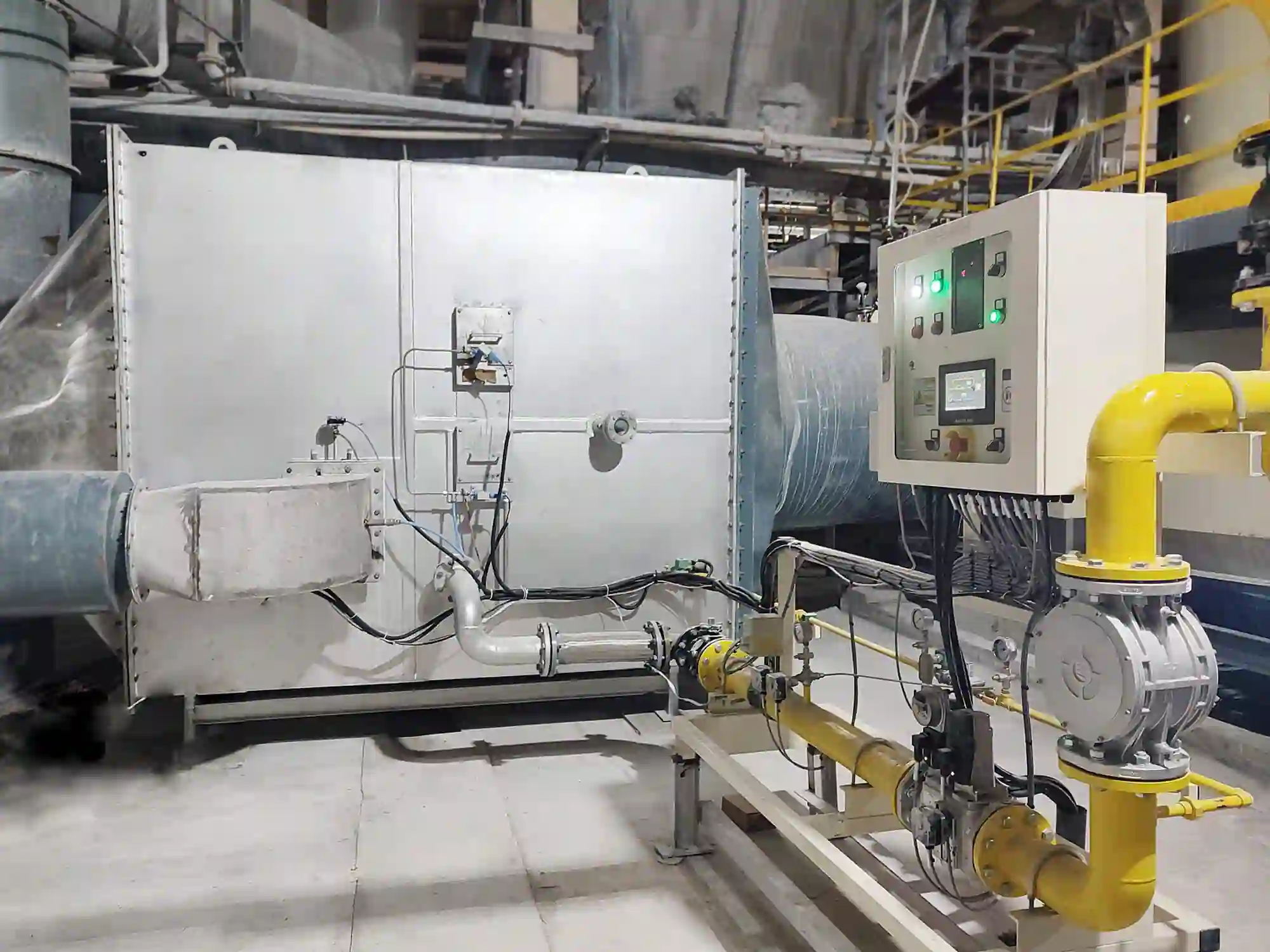
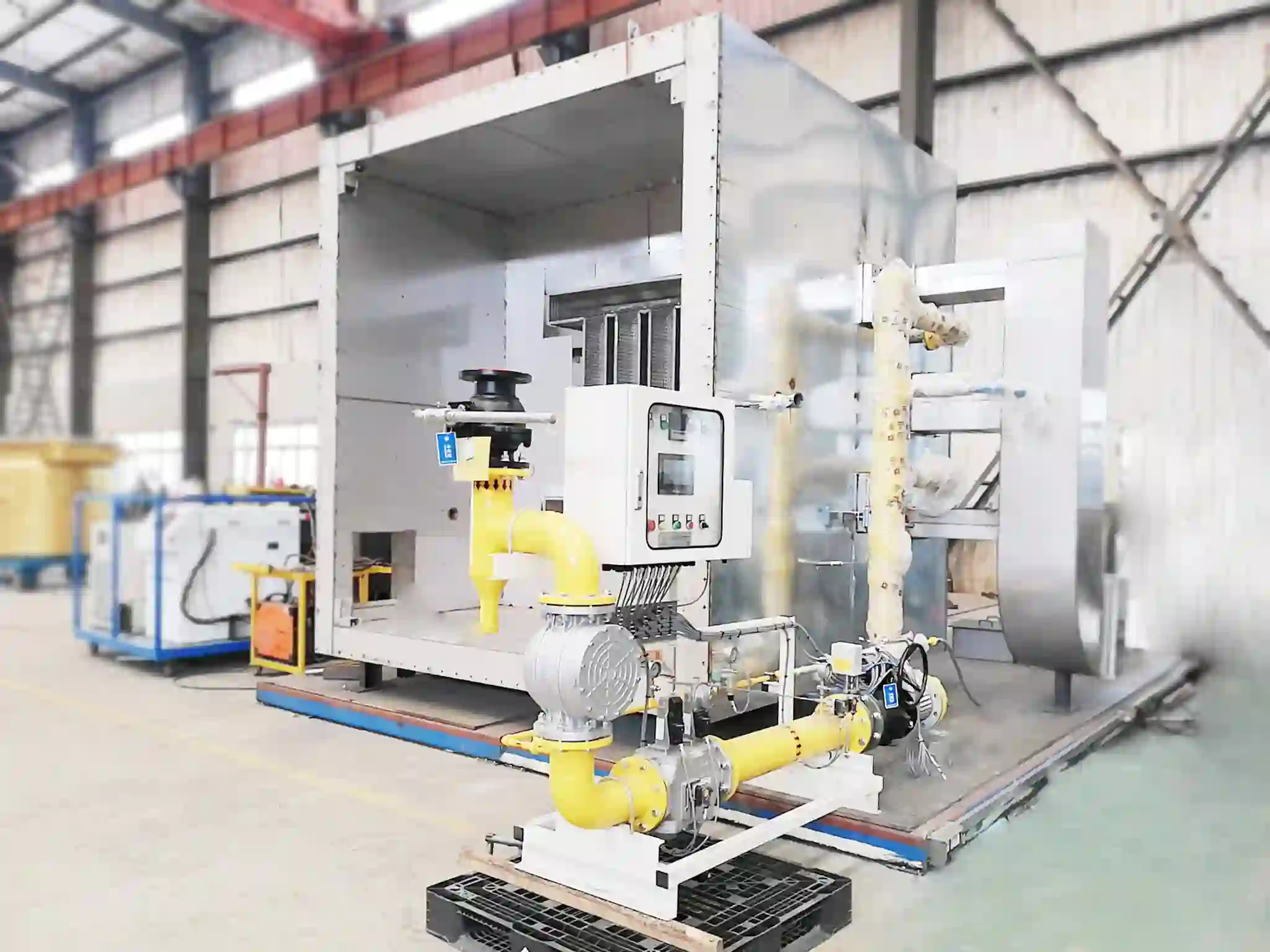
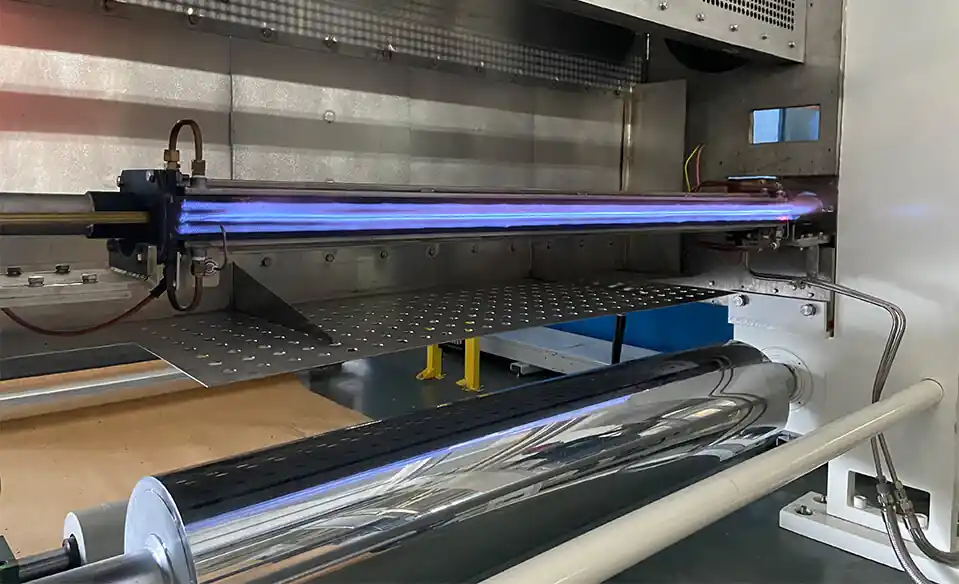
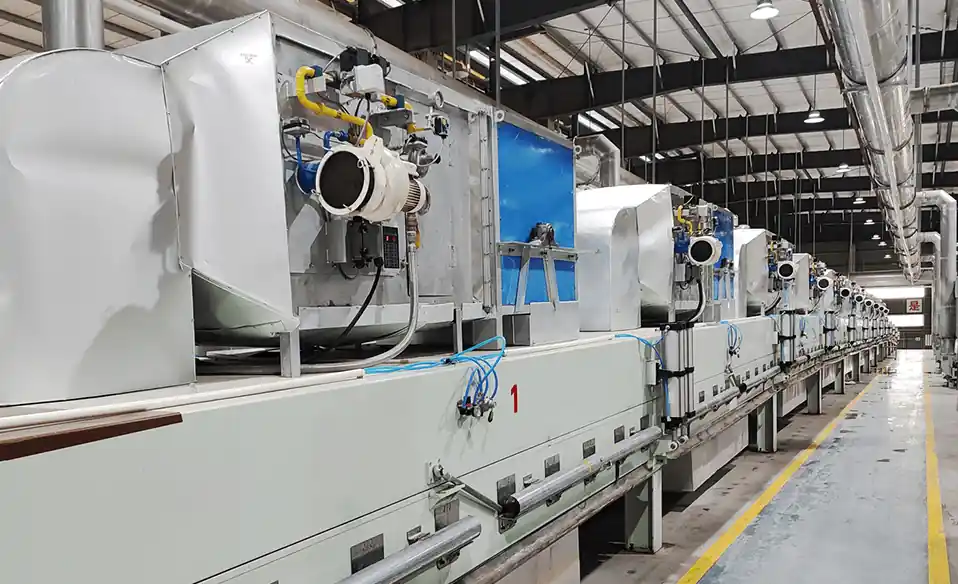
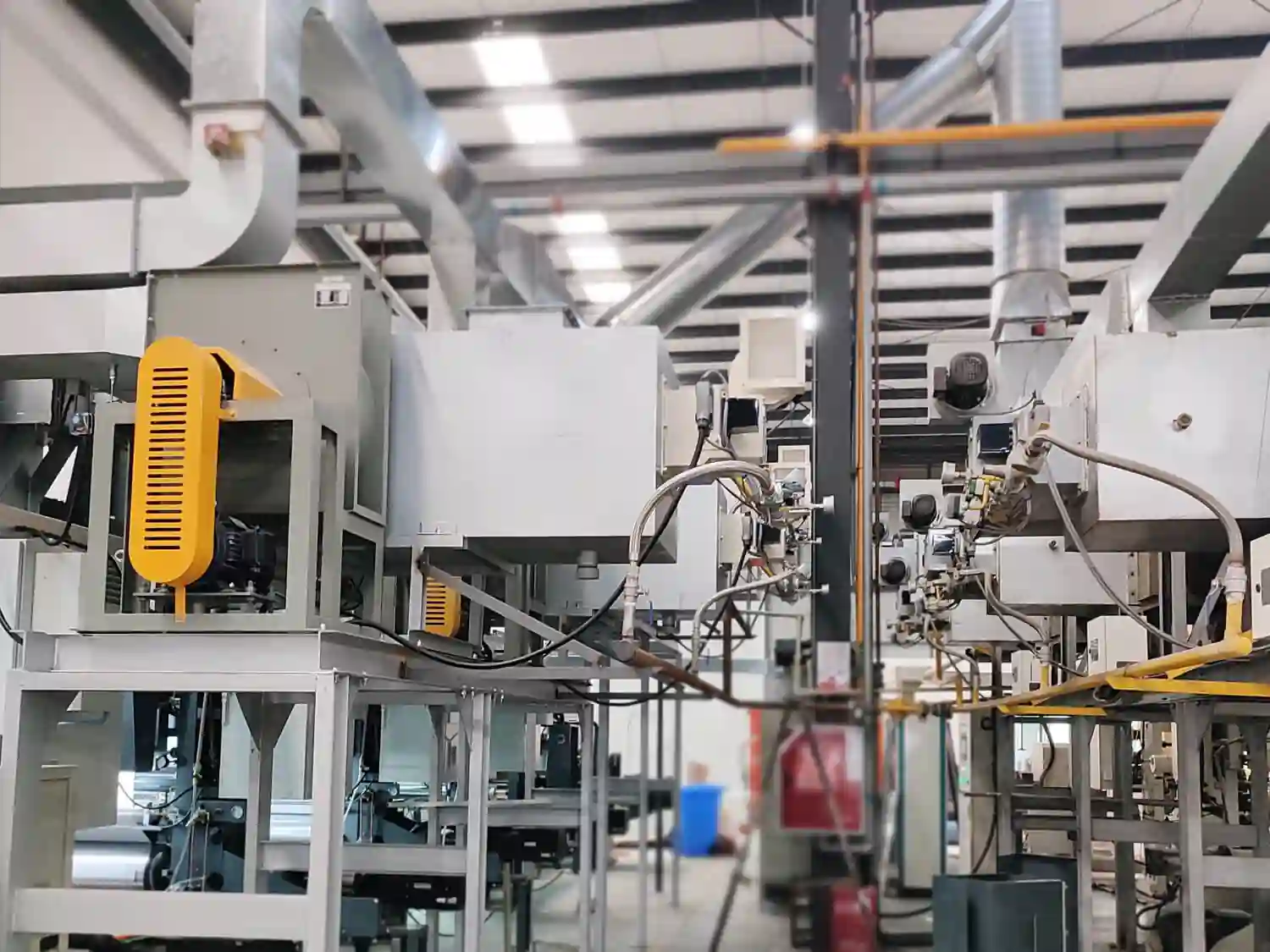
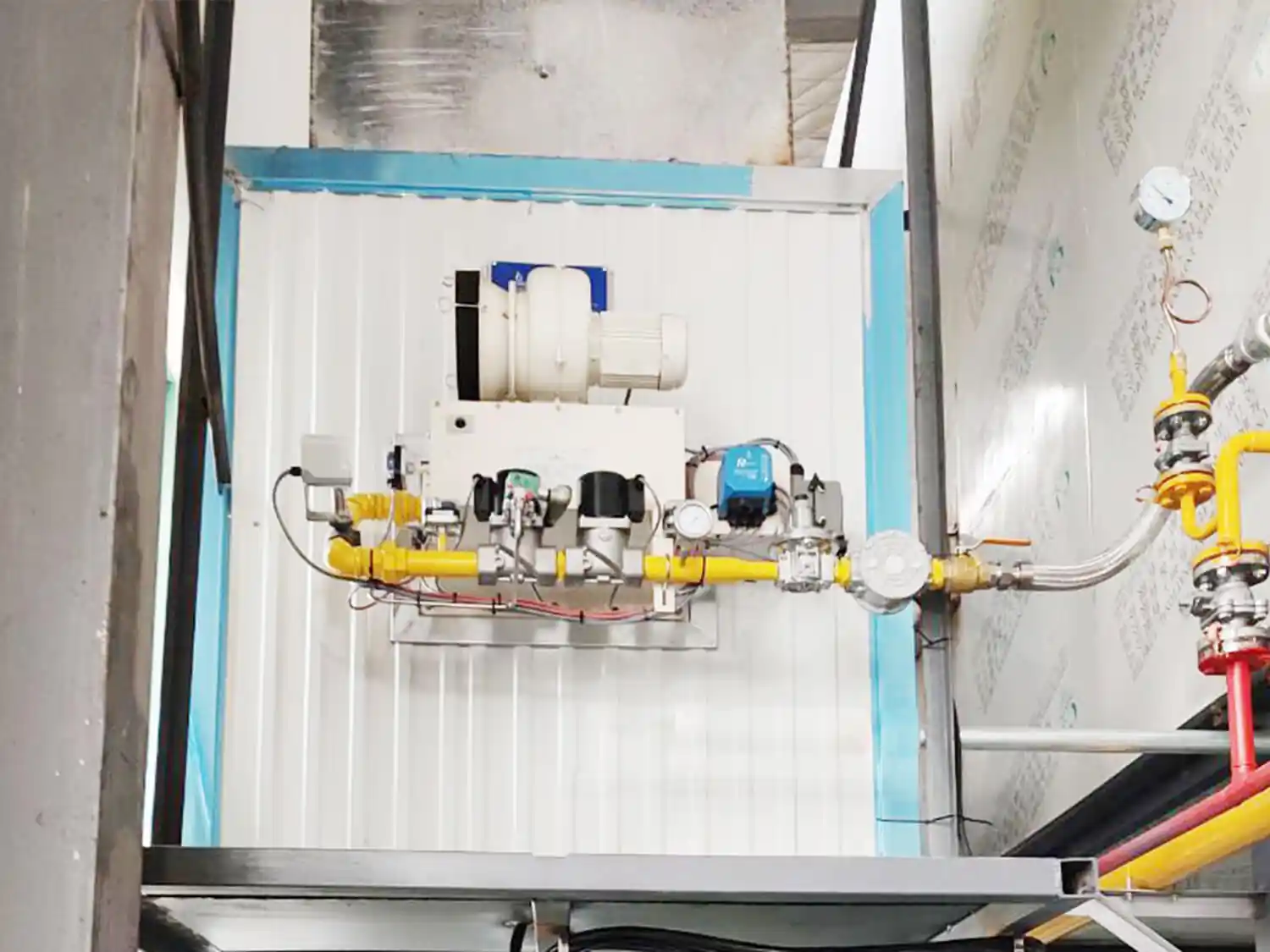
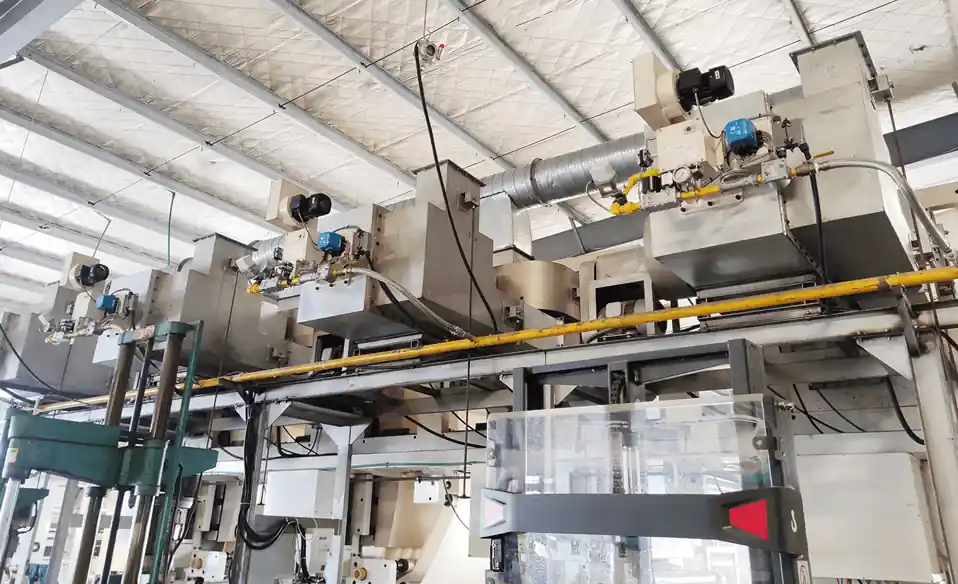
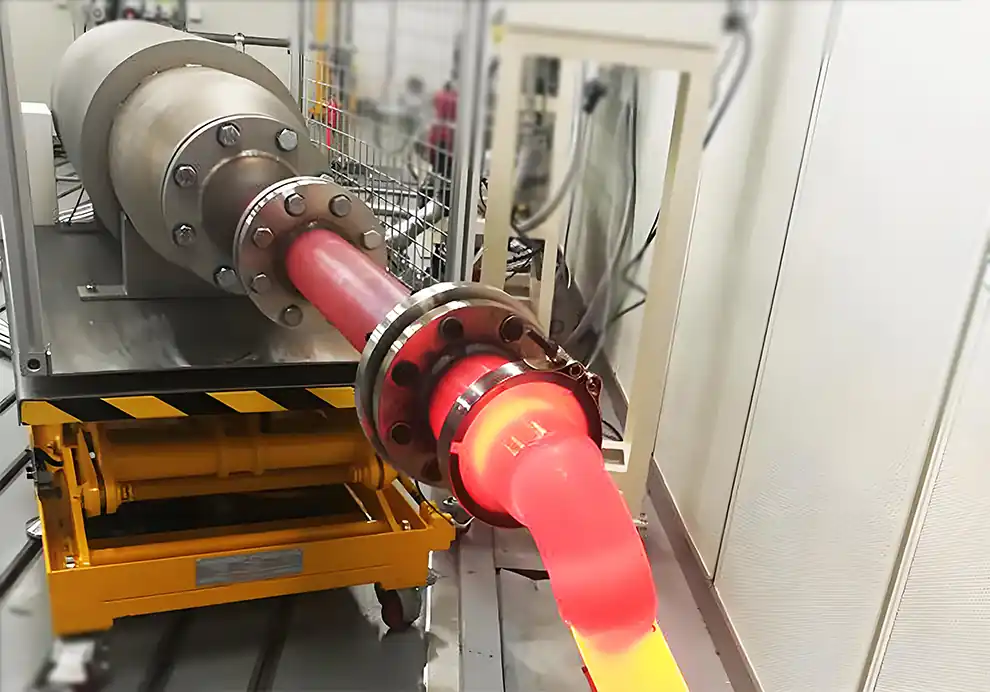
Burner turndown ratio is the ratio between a burner's maximum firing rate and its minimum stable firing rate while maintaining safe and reliable combustion. For example, if a burner has a maximum capacity of 10 MW and can operate stably down to 1 MW, its turndown ratio is 10:1. This ratio defines the flexibility of the burner to match varying process loads. A higher turndown ratio allows a burner to operate efficiently across a wider load range without frequent start-stop cycles, improving energy efficiency, temperature control, equipment life, and process stability. In practice, turndown is often limited by flame stability at low firing rates—as fuel and air velocities decrease, the flame becomes more susceptible to lift-off or flashback—so achieving a high ratio requires advanced burner head design, precise valve control, and sophisticated combustion management.
Many people focus only on burner capacity, fuel type, or NOx emissions when selecting an industrial burner. While these parameters are essential, they do not fully determine how well the burner will perform under real production conditions, where the heat demand rarely stays constant.
However, experienced furnace designers know that turndown ratio often determines how well the entire heating system performs in real production. A burner may have the correct heat input and low emissions at full fire, but if it cannot modulate down to match partial loads, it will cycle on and off, creating temperature swings and wasting energy.
A burner with an inadequate turndown ratio may lead to:
Frequent burner cycling – the burner repeatedly starts and stops to maintain temperature, causing thermal shock and wear.
Temperature fluctuations – cycling creates oscillations of ±10°C or more, affecting product quality.
Excess fuel consumption – each start-up requires purging and re-heating, increasing fuel use by 5–15% compared to continuous modulation.
Reduced product quality – uneven temperatures lead to inconsistent metallurgy, dimensional errors, or surface defects.
Higher maintenance costs – more cycles shorten the life of igniters, valves, and flame detectors, increasing spare parts and labour.
Increased emissions – frequent purging and transient combustion during start-up can release spikes of CO and unburned hydrocarbons.
In continuous industrial heating processes, these issues can significantly impact production efficiency. For example, a heat treatment furnace operating 24/7 that cycles 50 times per day instead of modulating continuously could waste over 100,000 kWh of natural gas annually, purely from start-up losses.
Turndown ratio is simply:
Maximum Burner Capacity ÷ Minimum Stable Burner Capacity
For example:
| Maximum Capacity | Minimum Capacity | Turndown Ratio |
|---|---|---|
| 5 MW | 1 MW | 5:1 |
| 10 MW | 2 MW | 5:1 |
| 10 MW | 1 MW | 10:1 |
| 20 MW | 2 MW | 10:1 |
| 20 MW | 1 MW | 20:1 |
A 10:1 burner can continuously modulate from 100% down to 10% output. This means that if the furnace only needs 15% of the burner’s full capacity at a given moment, the burner would still have to cycle (since 15% is below its minimum), whereas a 20:1 burner can handle that same load continuously at 15% without cycling.
The larger the ratio, the greater the operating flexibility. However, it is important to note that turndown ratio is not a fixed number for all fuels—a burner designed for natural gas may achieve only 8:1 when firing LPG or hydrogen because of differences in flame speed and heating value. Manufacturers typically specify turndown for a specific fuel and conditions, and it should be verified during commissioning.
Industrial processes rarely operate at full load all day. In most manufacturing environments, the heat demand fluctuates continuously due to changes in production schedules, product mix, and ambient conditions.
Production conditions constantly change because of:
Different product sizes – larger or smaller batches require different heating rates.
Variable furnace temperatures – some products need higher soaking temperatures than others.
Startup and shutdown – heating up from cold demands full capacity, but holding at temperature requires much less.
Batch production – loading and unloading cause temporary heat losses that must be compensated.
Seasonal production demand – winter operation increases heat losses through walls and openings, requiring higher firing rates.
Heat loss variations – as refractory ages or insulation degrades, heat losses change over time.
Without sufficient turndown capability, the burner must repeatedly shut off and restart whenever the process load drops below its minimum stable firing rate. This creates several problems, which are detailed below.
Most industrial furnaces require precise temperature control. Examples include:
Aluminum melting furnaces – temperature must be held within ±5°C to control dross formation and metal quality.
Heat treatment furnaces – hardening and tempering cycles demand tight temperature uniformity to meet hardness specifications.
Forging furnaces – uneven heating causes grain growth and cracking during forming.
Ceramic kilns – firing curves must be followed exactly to prevent warping or glaze defects.
Glass furnaces – temperature gradients cause optical distortions and stress fractures.
Drying ovens – moisture content depends on stable air temperature; fluctuations cause over-drying or under-drying.
If the burner cannot reduce its firing rate enough, the furnace temperature overshoots the setpoint. The burner shuts off, and the temperature drops until the controller calls for heat again, then the burner reignites. This cycle repeats continuously, often with periods of 1–5 minutes. The resulting temperature ripple can be as large as ±15°C, which is unacceptable for many high-precision processes.
A high turndown burner can instead remain continuously lit while adjusting its flame size smoothly. When the heat demand is low, the burner reduces its output proportionally, maintaining a steady flame and a nearly constant furnace atmosphere. The result is:
Smaller temperature fluctuations – often within ±2–3°C for well-tuned modulating systems.
Better product consistency – each batch sees the same thermal history.
Improved process control – PID controllers can work with a linear, responsive actuator rather than a bang-bang (on-off) system.
Every burner ignition wastes fuel. During the start-up sequence, the system must first purge the furnace with air (which blows out residual heat), then ignite a pilot flame, then bring the main burner online. During this period, fuel is consumed but little useful heat reaches the product because the burner is either off or at a low, inefficient stage. Additionally, each start-up introduces cold air, which cools the furnace and must be reheated.
When cycling occurs dozens or hundreds of times per day, fuel losses become significant. In a 1 MW furnace that cycles 50 times per day, with each start-up consuming an extra 0.5 m³ of natural gas (equivalent to about 0.5 kWh) and causing a heat loss of several kWh, the annual waste can exceed 50,000 kWh. High turndown burners minimize cycling, allowing continuous modulation instead. This usually improves overall thermal efficiency by 5–10% compared to on-off control, because the burner stays at its optimal air-fuel ratio and does not repeatedly cool down the furnace.
Frequent ignition creates thermal stress on components such as:
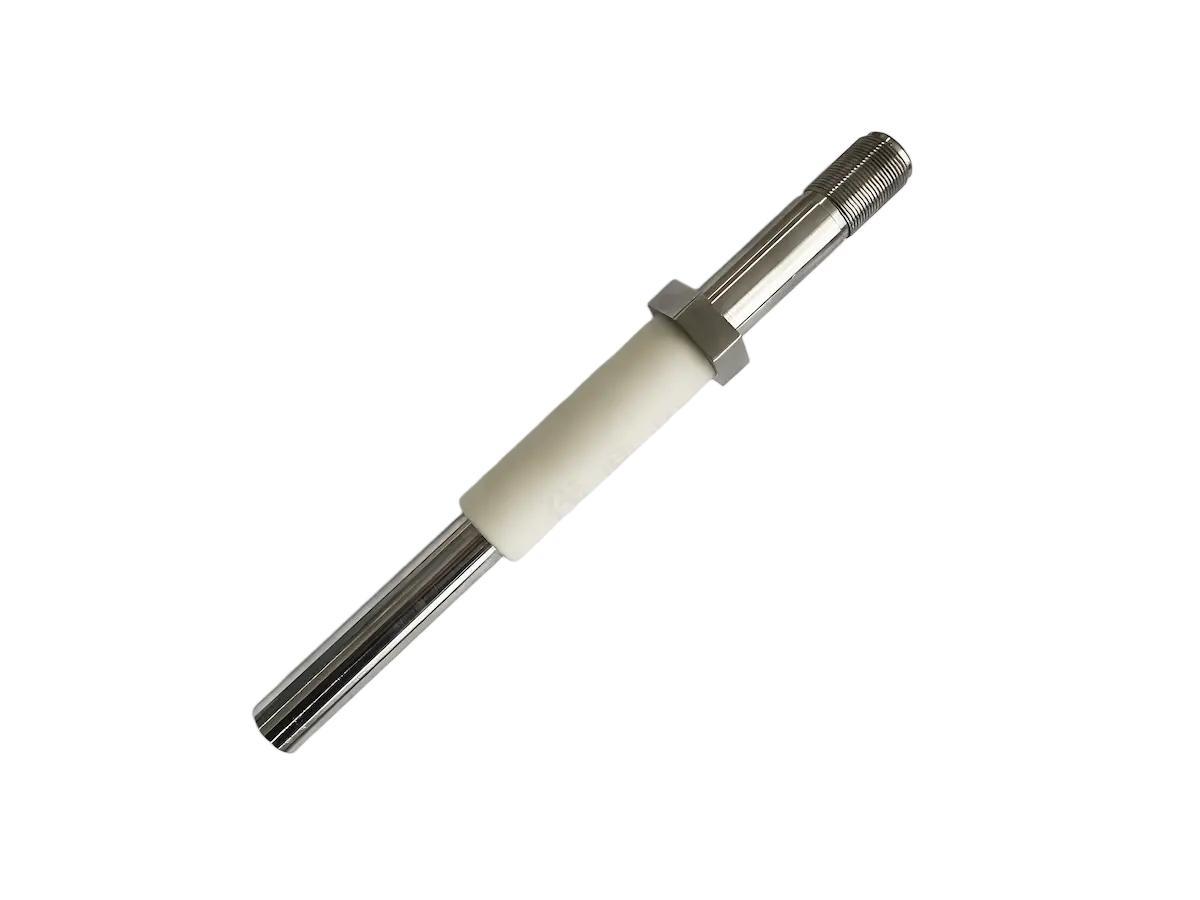
Ignition electrodes – repeated sparking erodes the tips, requiring replacement every few months in cycling systems.
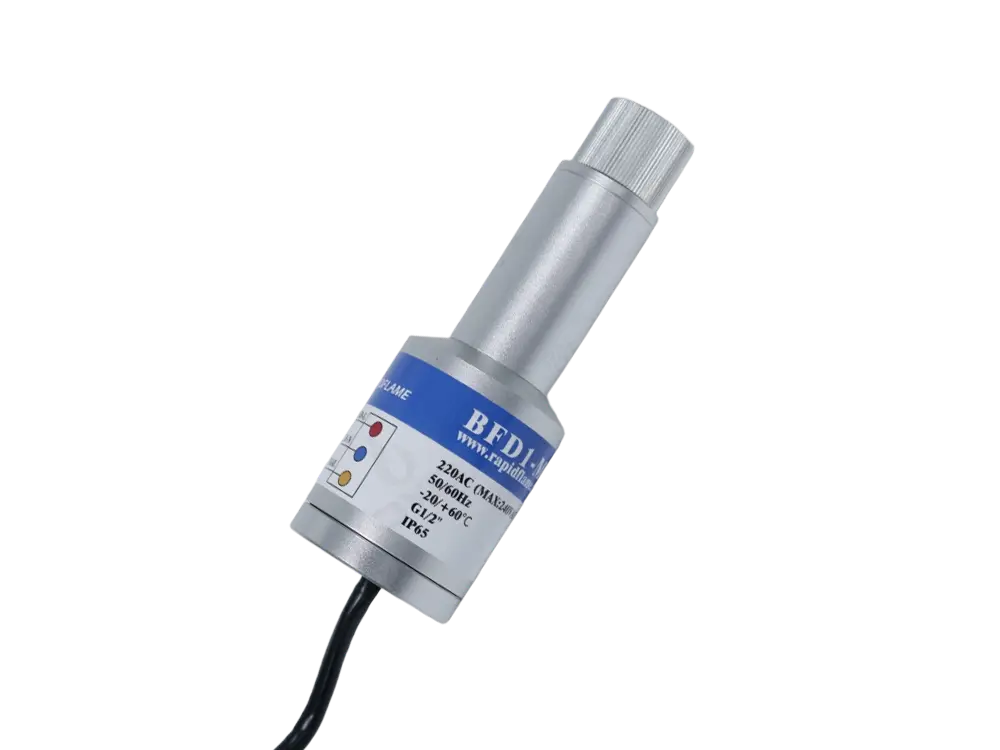
Flame detectors – thermal cycling causes soot buildup and false readings, leading to nuisance trips.
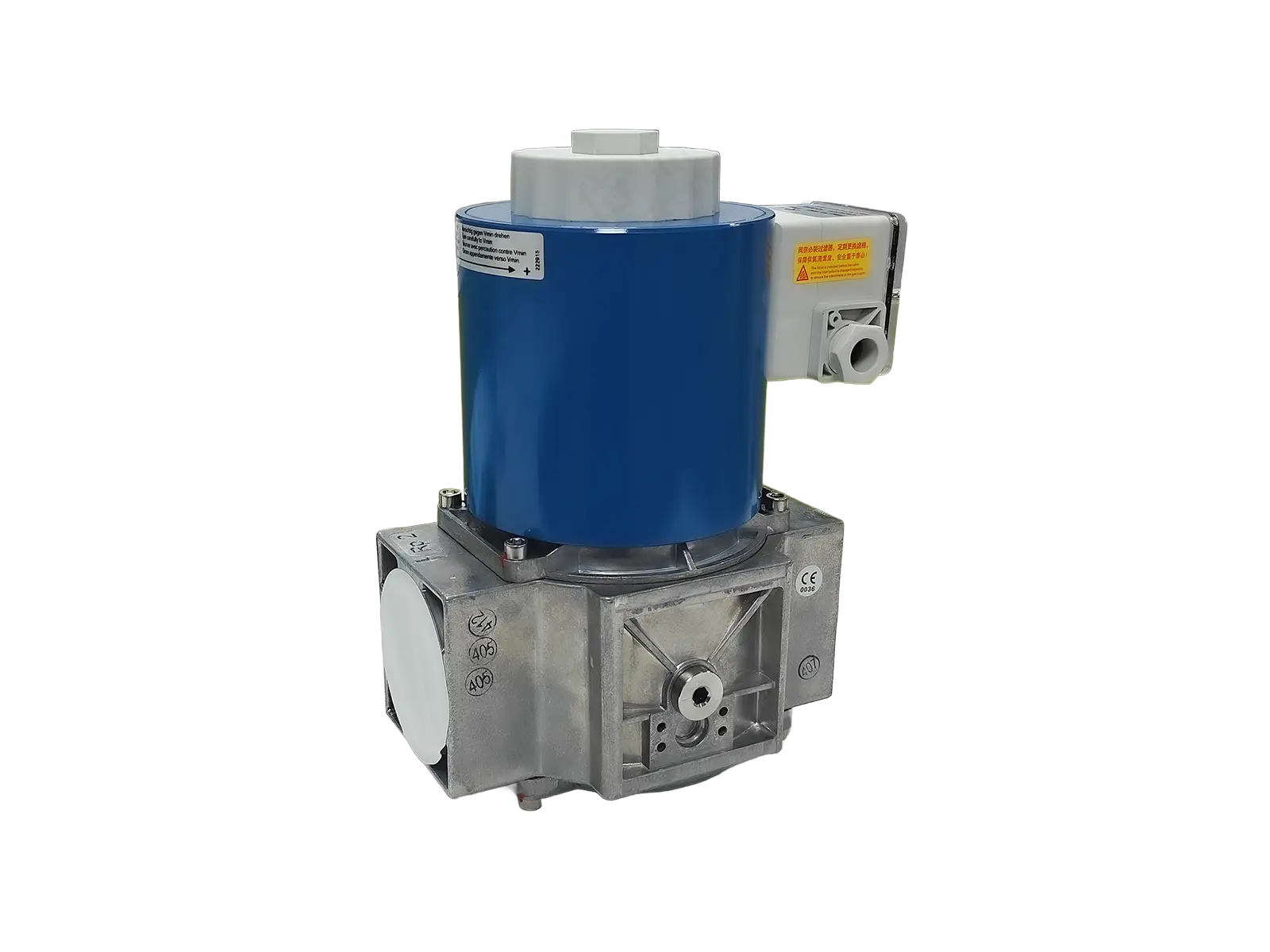
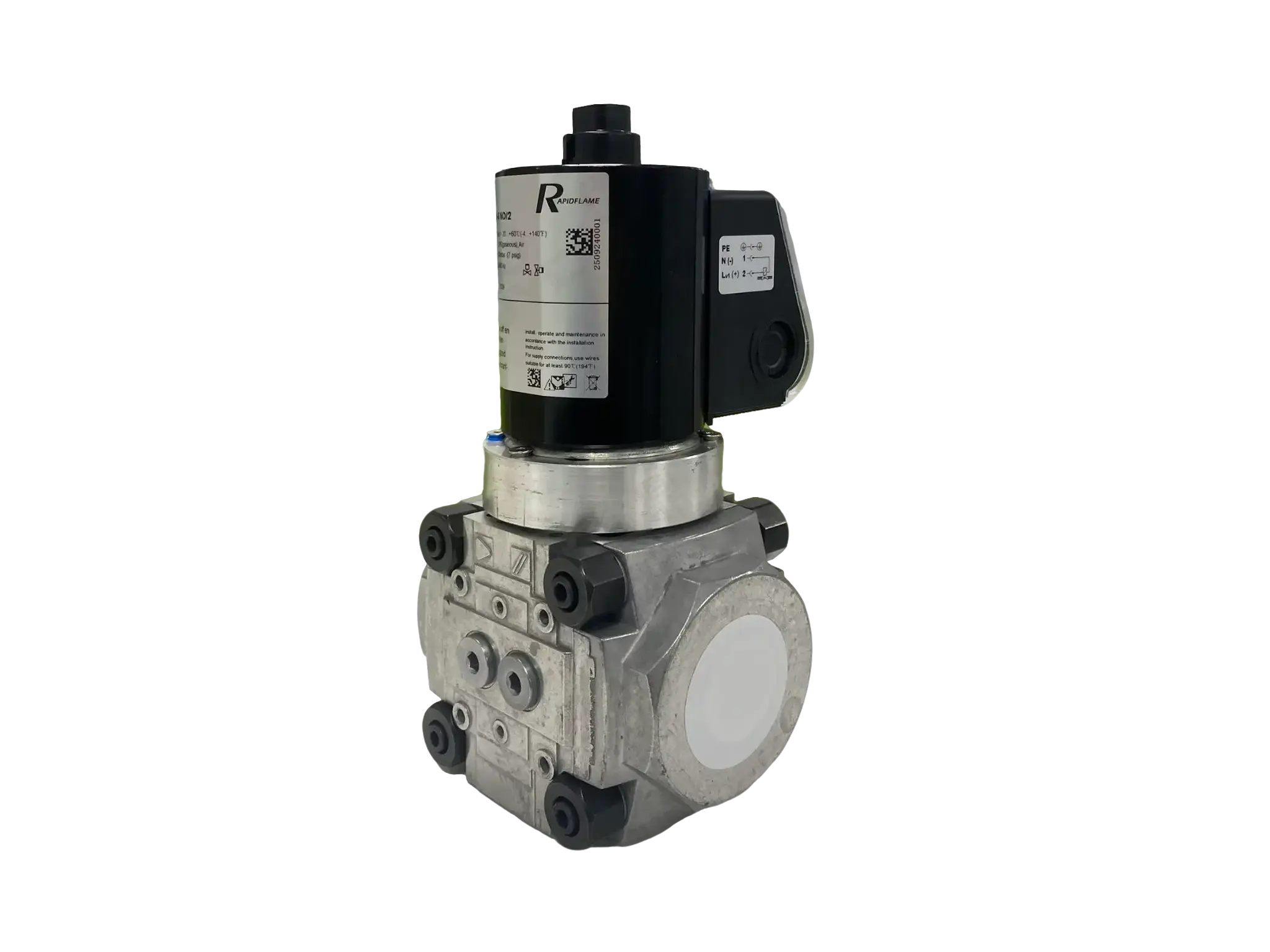
Gas valves – the on-off solenoids wear mechanically; modulating valves experience less frequent full open-close cycles.
Actuators and servo motors – continuous modulation uses a wider range of motion but with fewer abrupt stops and starts.
Control systems – PLCs and relays experience fewer write cycles and electrical transients.
Continuous modulation dramatically reduces mechanical wear. For example, a modulating valve that moves gently over its range may last 5–10 years, while an on-off valve that cycles thousands of times per year may fail in 2–3 years. Maintenance intervals become longer, and reliability increases, leading to higher overall equipment effectiveness (OEE).
Temperature instability often results in:
Uneven heating – parts near the burner see higher temperatures than those far away, causing differential expansion.
Inconsistent metallurgical properties – hardness, tensile strength, and microstructure vary from batch to batch.
Surface defects – oxidation, scaling, or discoloration due to fluctuating oxygen levels.
Warping – thermal gradients cause bending or twisting in thin-walled parts.
Dimensional variation – shrink rates change with temperature, affecting final sizes.
Stable combustion produces a stable furnace atmosphere and more uniform heat distribution. When the flame is continuously present, the heat transfer pattern remains constant, and the product experiences a consistent thermal profile. This leads to higher first-pass yield and lower scrap rates.
Different burner technologies provide different operating ranges.
| Burner Type | Typical Turndown Ratio |
|---|---|
| Atmospheric burner | 3:1 – 5:1 |
| Standard forced-draft burner | 5:1 – 8:1 |
| Industrial modulating burner | 10:1 |
| High-performance industrial burner | 15:1 – 20:1 |
| Advanced low-NOx burner | Up to 30:1 (depending on design) |
Actual performance depends on:
Burner design – the shape of the flame retention zone, swirl angle, and mixing chamber.
Fuel type – natural gas provides higher stability at low fire than hydrogen or propane, but advanced designs can handle various fuels.
Control strategy – parallel or cross-limiting controls affect how accurately air and fuel are matched at low loads.
Combustion air system – variable-frequency drives (VFD) on fans allow precise air control, whereas fixed-speed fans with dampers lose accuracy at low positions.
Furnace pressure – positive or negative draft can influence flame anchoring, especially at low firing rates.
Installation quality – even the best burner will have reduced turndown if piping or combustion air ducting is restrictive.
It is always advisable to consult the manufacturer’s performance curve for the specific fuel and operating pressure, rather than assuming a generic ratio.
Not necessarily. While higher turndown ratios provide greater flexibility, they also introduce engineering challenges. At very low firing rates—for example, below 10% of maximum—the fuel and air velocities are low, and the flame can become weak and vulnerable.
At very low firing rates, maintaining:
flame stability – the flame must stay anchored; low velocities may cause lift-off or flashback.
proper air-fuel mixing – low Reynolds numbers reduce turbulence, impairing mixing and increasing CO.
low emissions – the flame temperature drops, which can increase CO and may also affect NOx formation.
ignition reliability – re-ignition after a low-fire shutdown may be difficult if the burner head has cooled.
becomes increasingly difficult. Therefore, achieving a high turndown ratio requires careful burner design rather than simply reducing fuel flow. Design features such as multi-stage fuel injection, variable swirl, or even separate pilot burners are often used to extend the lower limit.
In many applications, a 10:1 turndown is entirely sufficient and offers a good balance between flexibility and cost. Pushing to 20:1 or 30:1 may add significant expense to the burner and control system, with marginal benefits if the process never operates below 10% load. Engineers should evaluate the actual load profile to determine the required turndown.
Several factors determine the achievable turndown ratio.
The flame must remain attached to the burner head. This is governed by the balance between the flame speed (which depends on fuel type, temperature, and mixture) and the flow velocity of the fuel-air mixture.
If fuel velocity becomes too low (relative to flame speed), the flame may propagate back into the burner—flashback. If velocity is too high, the flame lifts off and may extinguish. At low firing rates, both velocities drop, and the margin of stability narrows. Burner geometry, particularly the flame retention ring, creates a recirculation zone that acts as a permanent pilot, extending the stable range.
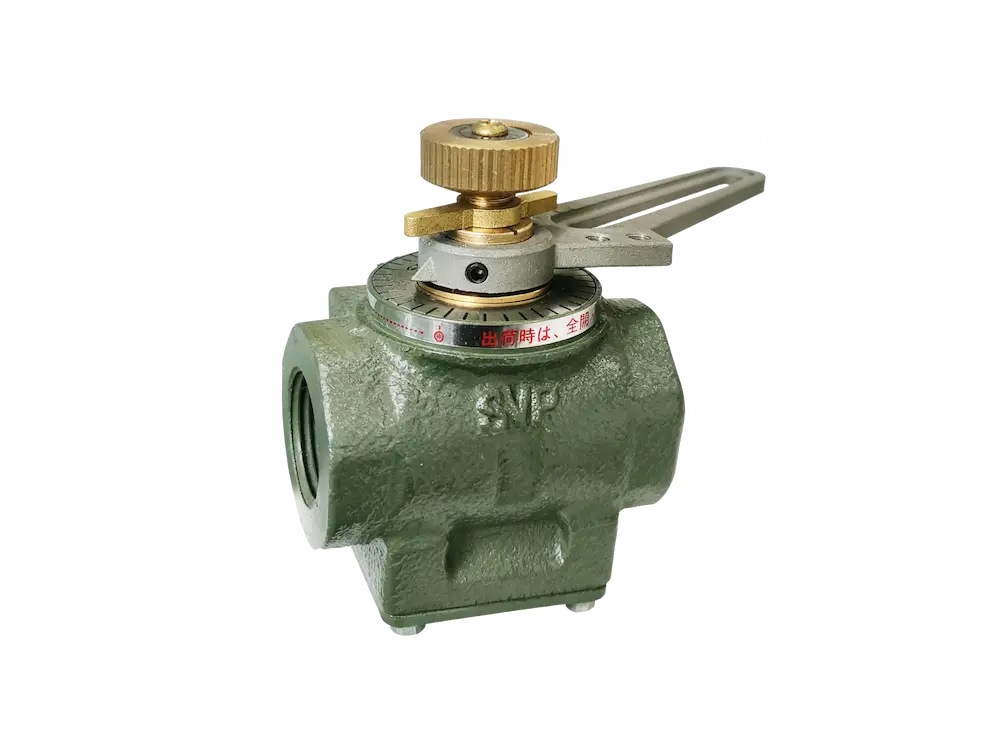
Gas valves must regulate flow accurately over a wide range. Many linear or equal-percentage valves provide good control from 10–100% of their range, but below 10% the flow characteristic becomes nonlinear and hysteresis increases. Poor valve resolution reduces modulation capability, making it hard to maintain a steady low-fire output. Modern proportional control valves with high-resolution position feedback and advanced PID tuning can improve low-load performance, but they cost more.
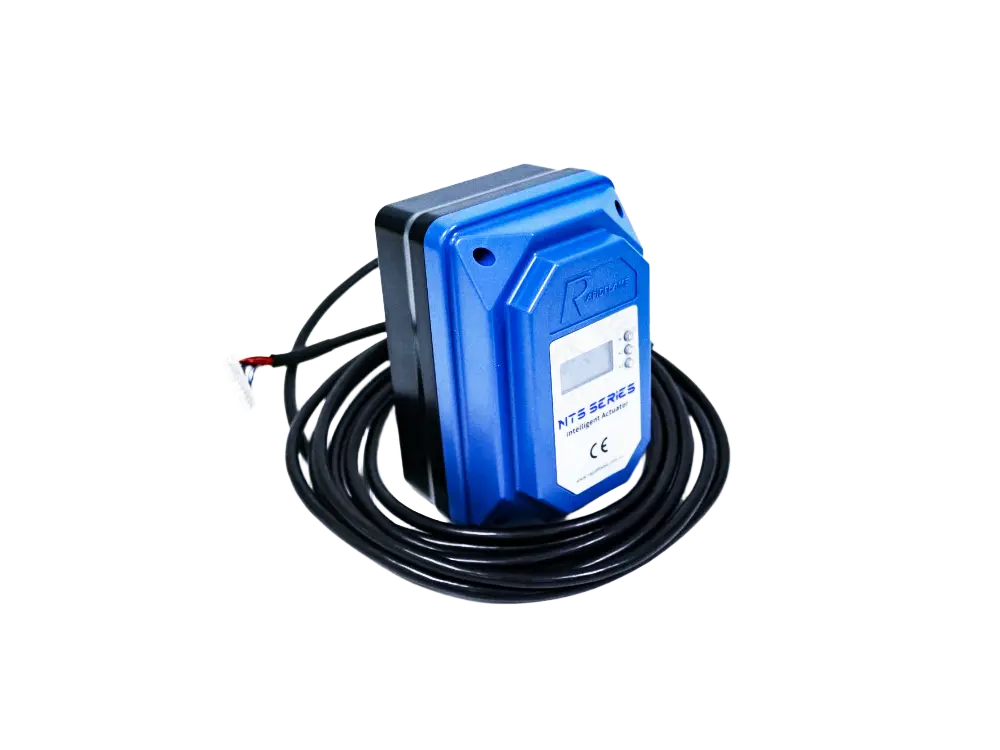
Both insufficient and excessive combustion air reduce combustion quality. At low fire, the air damper or fan must deliver a very small but accurately metered airflow. If the air is too high, the flame cools and becomes unstable; if too low, CO forms. Industrial burners typically use servo-controlled air dampers with cam-profile linkages, or variable-frequency drives on combustion fans, to achieve linear air response across the full range. Electronic ratio control with oxygen trim can further refine the air-fuel ratio at every firing point.
Today's industrial burners often incorporate:
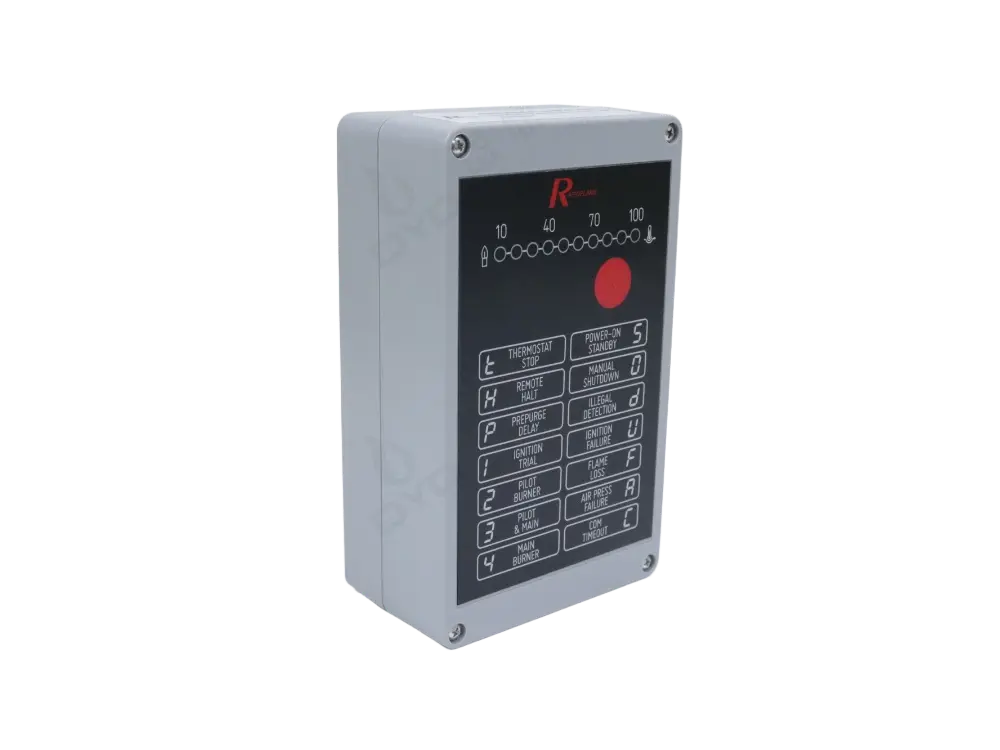
PLC-based combustion control – providing precise timing and sequence logic.
Electronic ratio control – using digital position feedback and mathematical functions to linearize the air/fuel response.
Digital combustion management – with built-in diagnostic and trend monitoring.
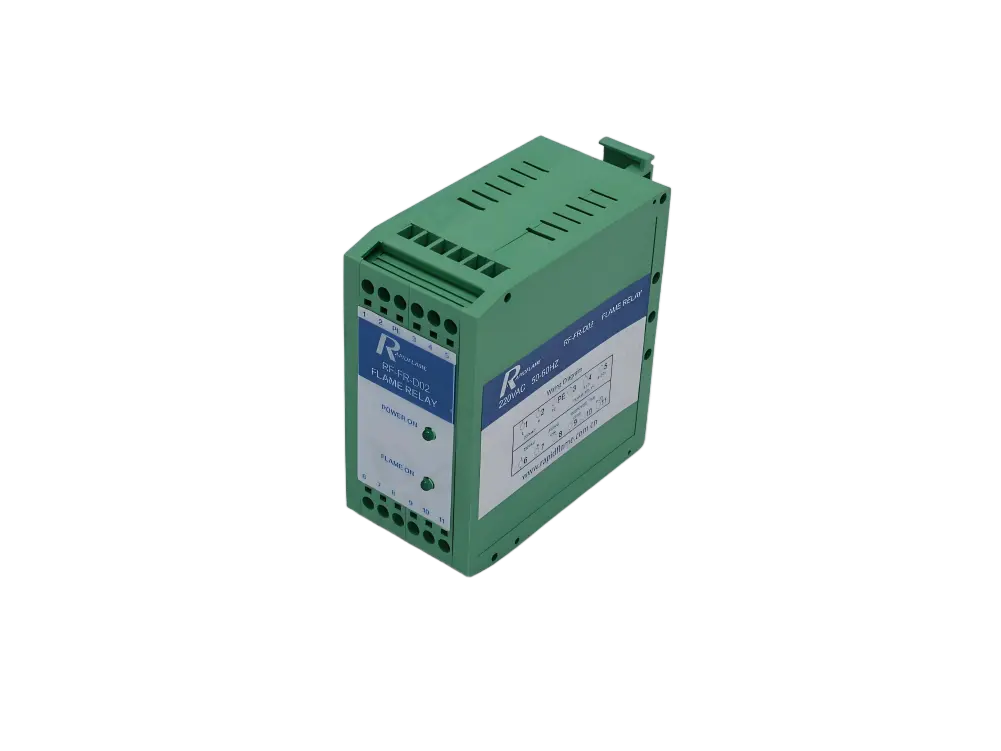
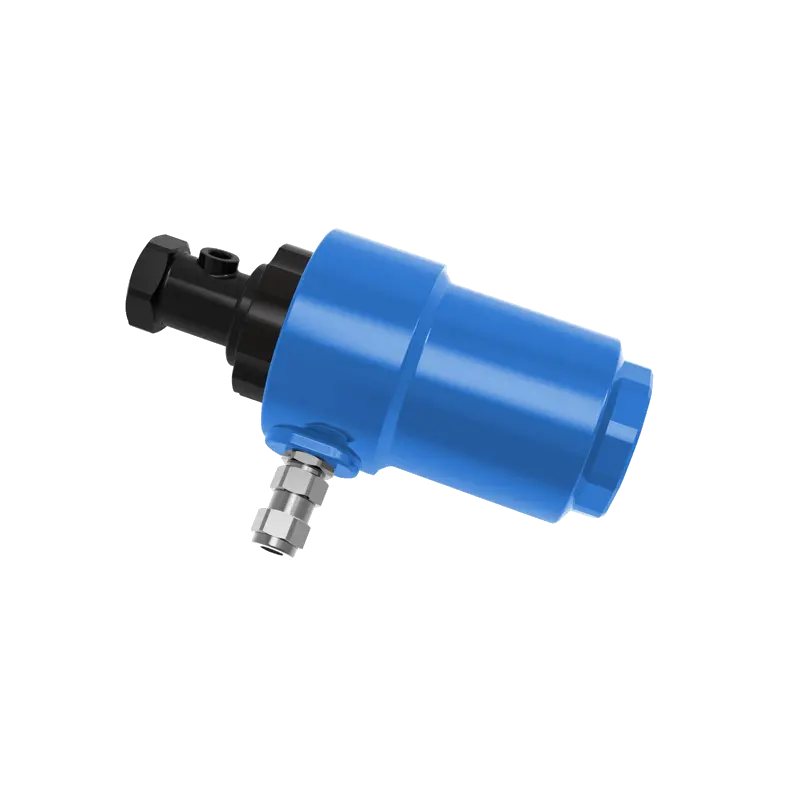
Flame supervision systems – with UV or IR scanners that maintain sensitivity even at low flame levels.
Automatic diagnostics – alerting operators to valve drift or sensor offset.
These systems enable smooth modulation while maintaining safety. For instance, cross-limiting logic ensures that air always leads on an increase in firing rate and fuel leads on a decrease, preventing transient rich or lean conditions that could cause instability or emissions spikes.
Yes. A properly designed burner with a high turndown ratio can help maintain low emissions over a wide operating range. However, if combustion becomes unstable at low fire, emissions can degrade.
At low firing rates, the excess oxygen often increases because the air control is less precise. High excess oxygen cools the flame and may reduce thermal NOx (which is temperature-driven), but it can increase CO and unburned hydrocarbons. More importantly, if the flame becomes weak and unsteady, local hot spots can form, causing spikes in NOx. Some low-NOx burners rely on staged combustion or internal flue gas recirculation, which are effective only when the flow velocities remain within a certain envelope. At very low fire, these mechanisms may not function as intended, leading to higher NOx than at full fire.
This is why many modern low-NOx burners combine staged combustion, internal flue gas recirculation, optimized burner heads, and precision air-fuel ratio control. The objective is to maintain both stable combustion and low emissions from high fire down to minimum load. When selecting a burner for a low-NOx application, it is essential to examine the emissions curve across the entire turndown range, not just at the design point.
When choosing an industrial burner, engineers should evaluate more than just heat input. The following questions help define the required turndown:
What is the minimum process heat demand during normal production? (Consider idle periods, partial loads, and low-throughput shifts.)
How stable must furnace temperature remain? (If tight control is needed, avoid cycling.)
Will production load vary frequently? (Batch processes with high variability benefit from high turndown.)
Is continuous operation required? (Continuous furnaces run 24/7 and rarely need full fire, but they must maintain temperature—so turndown is critical.)
What emission regulations apply? (Some low-NOx requirements may limit turndown if the burner cannot meet emissions at low fire.)
Is energy efficiency a priority? (Cycling wastes fuel, so higher turndown often saves energy.)
Can the combustion control system support full modulation? (The burner is only as good as its controller.)
Selecting a burner solely by maximum capacity often results in oversized equipment that cycles excessively. A common best practice is to size the burner such that the normal operating point is at about 60–70% of maximum, allowing the burner to handle load increases without reaching 100%, and also providing room to reduce output without hitting the lower limit. The turndown ratio should then be chosen so that the minimum stable fire is below the lowest expected load, ensuring continuous modulation under all conditions.
Yes. For many industrial furnaces, a 10:1 turndown ratio provides an excellent balance between flexibility, combustion stability, and cost. It allows the burner to modulate down to 10% of full output, which covers the vast majority of load variations in typical manufacturing environments. Unless the process demands extreme low-fire capability (e.g., holding at very low temperatures for long periods), 10:1 is a reliable and economical choice.
No. Only specially engineered burner systems with advanced combustion controls can reliably operate over such a wide modulation range. Achieving 20:1 or higher requires precision valve control, linear air response, and often special burner head designs such as multiple fuel ports or staged mixing. These systems cost more and require careful commissioning, so they are justified only when the process load varies significantly or when extremely tight temperature control is mandatory.
Indirectly, yes. The fuel savings come primarily from fewer burner starts, improved temperature control, reduced standby losses, and optimized combustion. For example, a furnace that moves from on-off control to 10:1 modulating control can reduce fuel consumption by 5–8% in many applications. The exact savings depend on the load profile and how often cycling would otherwise occur. It is also worth noting that a higher turndown ratio can improve heat distribution, which may reduce over-firing and energy waste.
Not exactly. Boiler turndown considers the complete boiler system—including the burner, heat exchanger, water circulation, and steam pressure control—and may be limited by boiler integrity at low firing rates. Burner turndown specifically describes the operating range of the combustion equipment itself, independent of the heat exchanger. For a boiler, the burner may have a 10:1 turndown, but the boiler’s maximum turndown could be 8:1 because of steam quality or thermal stress concerns. Thus, when specifying a burner for a boiler, the total system turndown must be considered, not just the burner’s capability.
Burner turndown ratio is one of the most important—but often overlooked—performance indicators in industrial combustion systems. It defines the burner's ability to match real process loads without cycling, which directly affects temperature stability, energy efficiency, equipment longevity, and product quality.
A properly selected turndown ratio enables:
Stable flame operation – continuous combustion without start-stop disturbances.
Accurate temperature control – smooth modulation holds setpoints with minimal deviation.
Reduced fuel consumption – fewer cycling losses and better average efficiency.
Lower maintenance costs – less thermal and mechanical stress on components.
Improved product quality – consistent thermal processing leads to uniform properties.
Better overall furnace efficiency – the entire system operates closer to its design optimum.
Rather than focusing only on maximum burner capacity, engineers should evaluate how well a burner performs across the entire operating range. In modern industrial heating applications, effective modulation is often the key to achieving energy efficiency, process stability, and long-term reliability.
DYDTEC Combustion is a professional manufacturer of industrial combustion systems and burner solutions. The company specializes in the design and integration of high-performance gas burners, low-NOx combustion technology, combustion control systems, and customized heating solutions for industrial furnaces, aluminum melting, heat treatment, drying, RTO, and other thermal processing applications. With a focus on energy efficiency, combustion stability, and intelligent control, DYDTEC helps furnace manufacturers and industrial users optimize thermal performance while reducing fuel consumption and emissions.