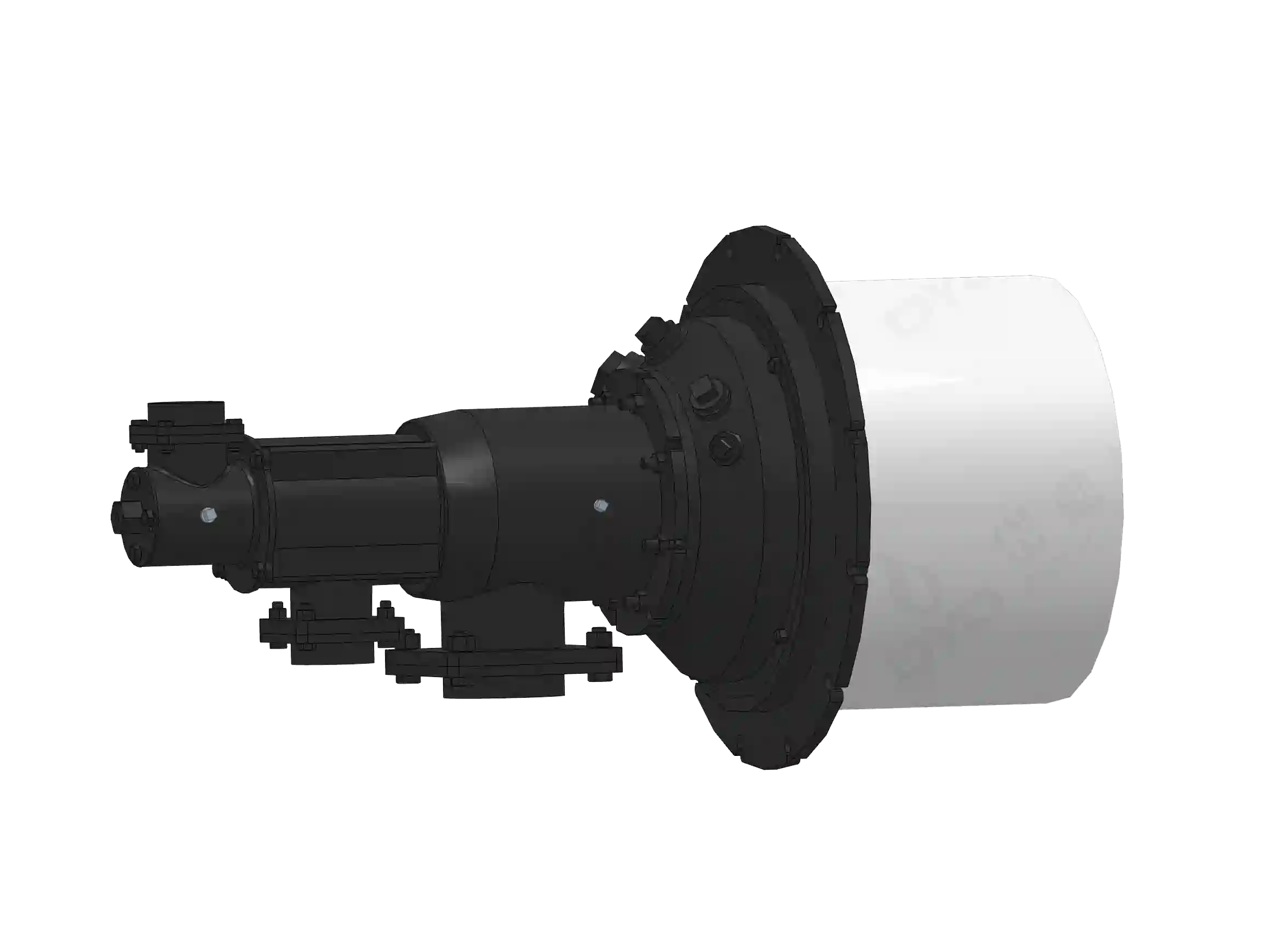
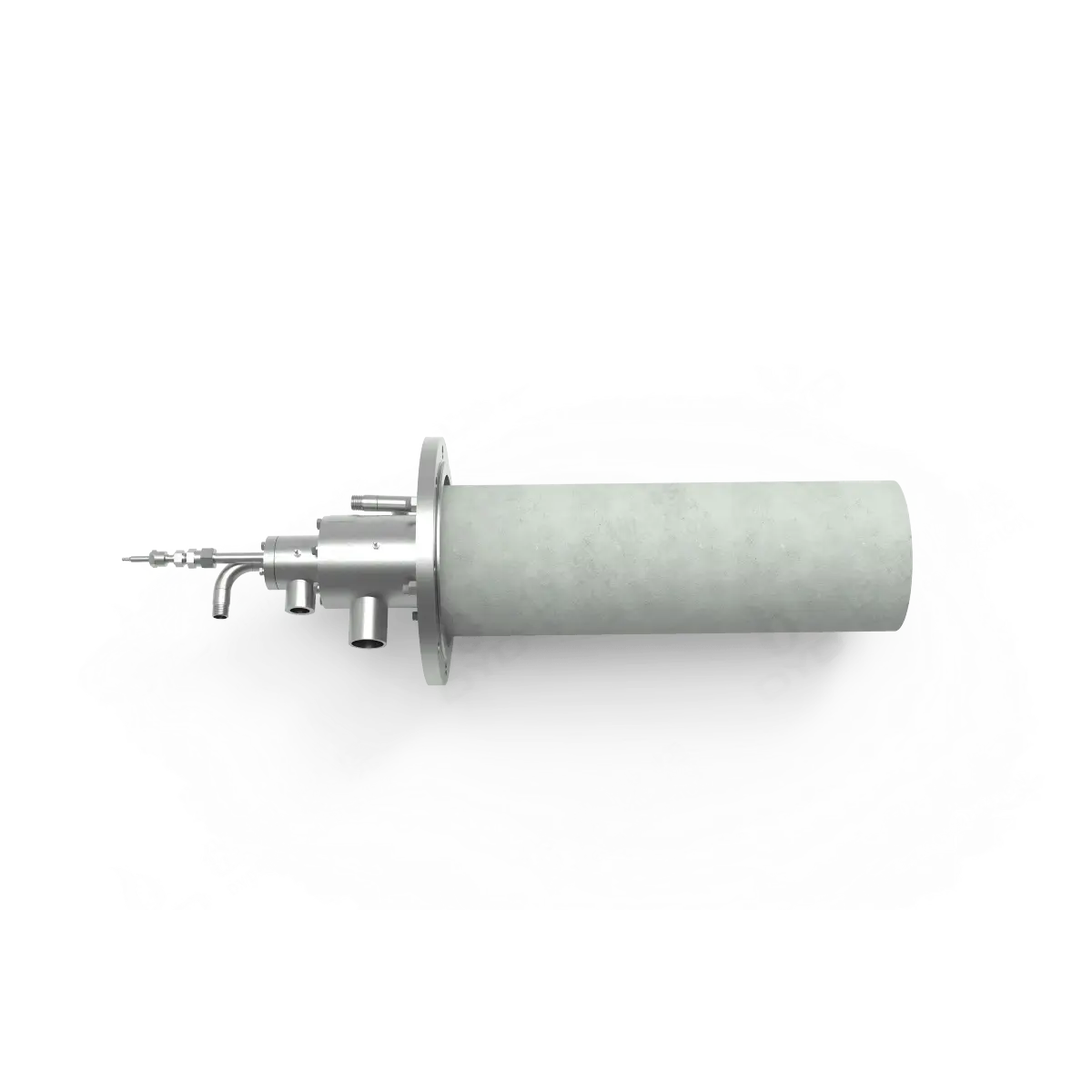
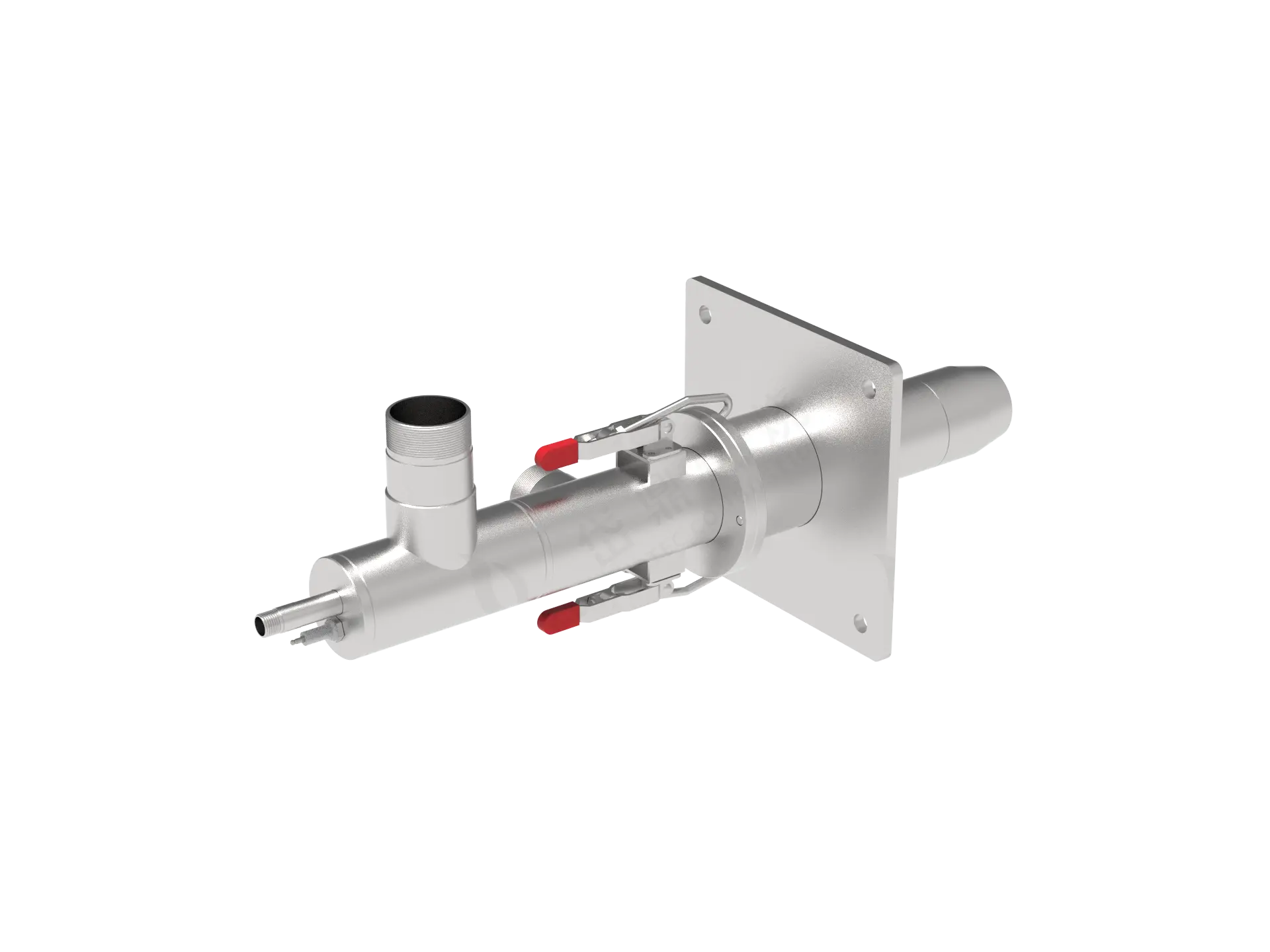
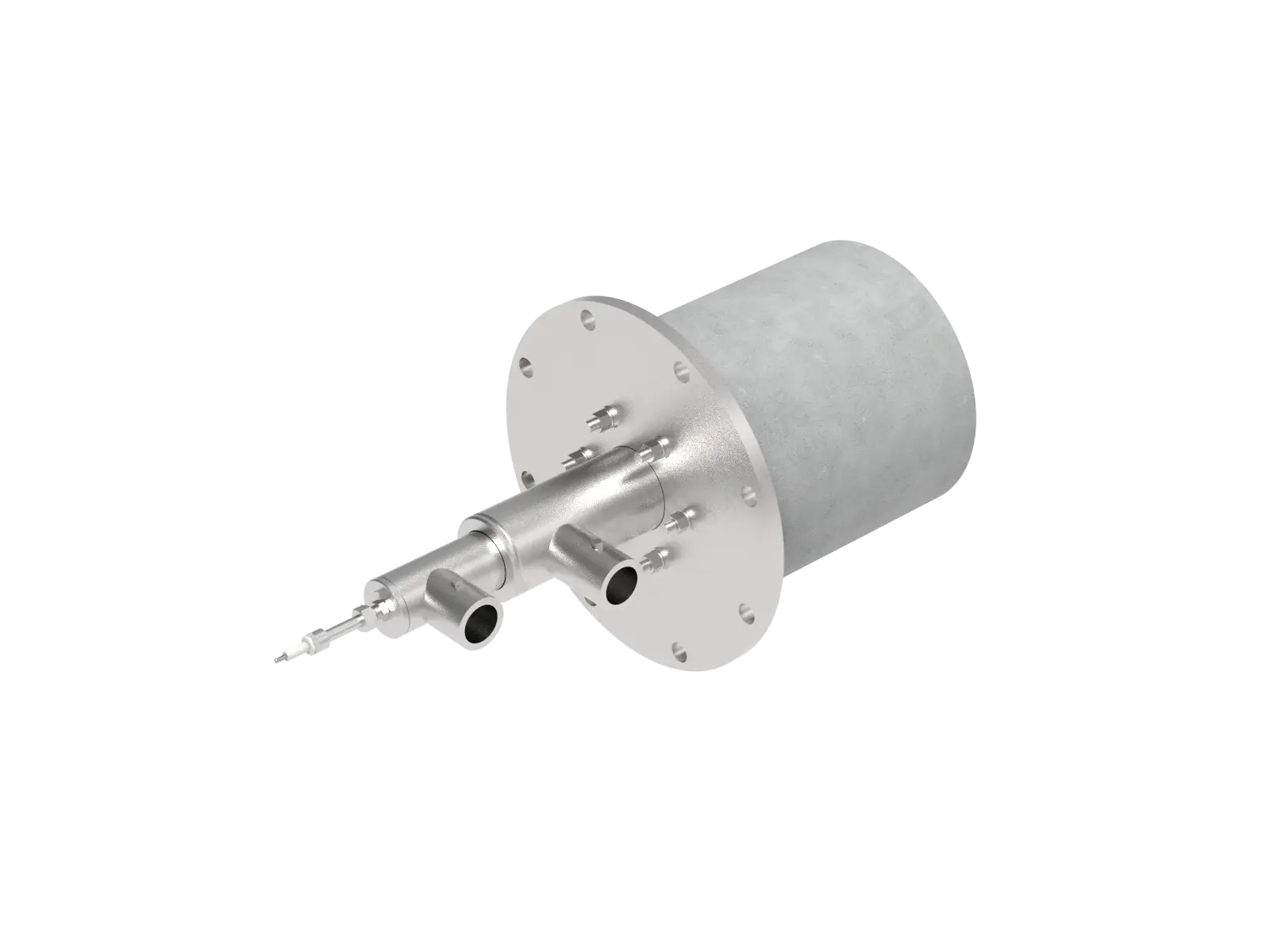
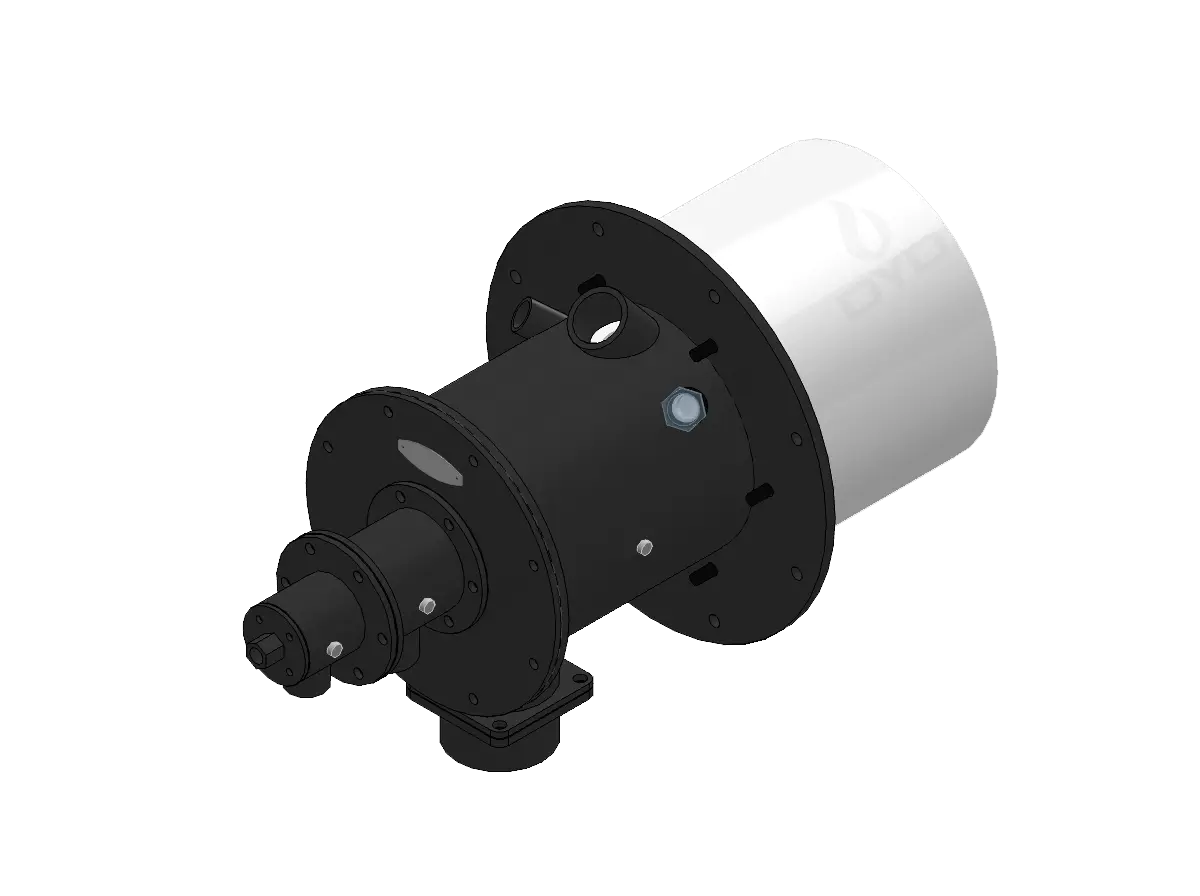
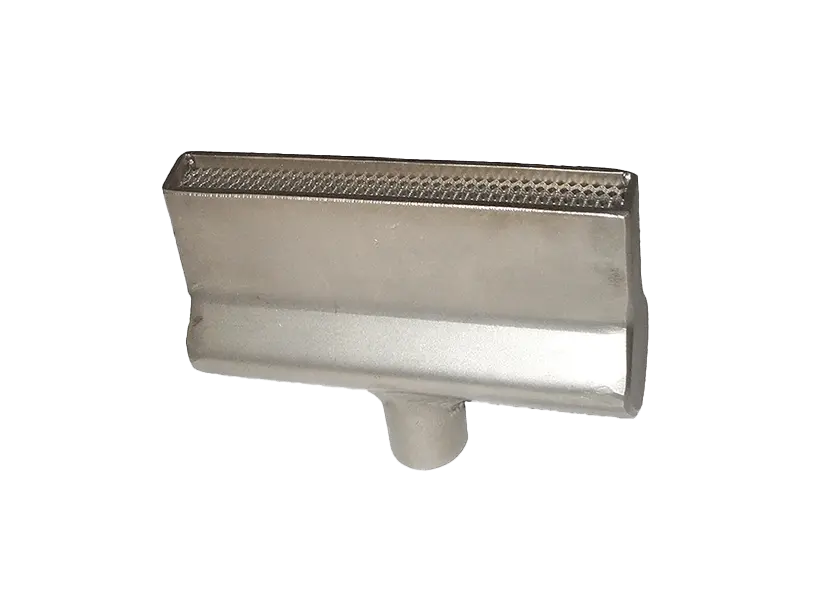
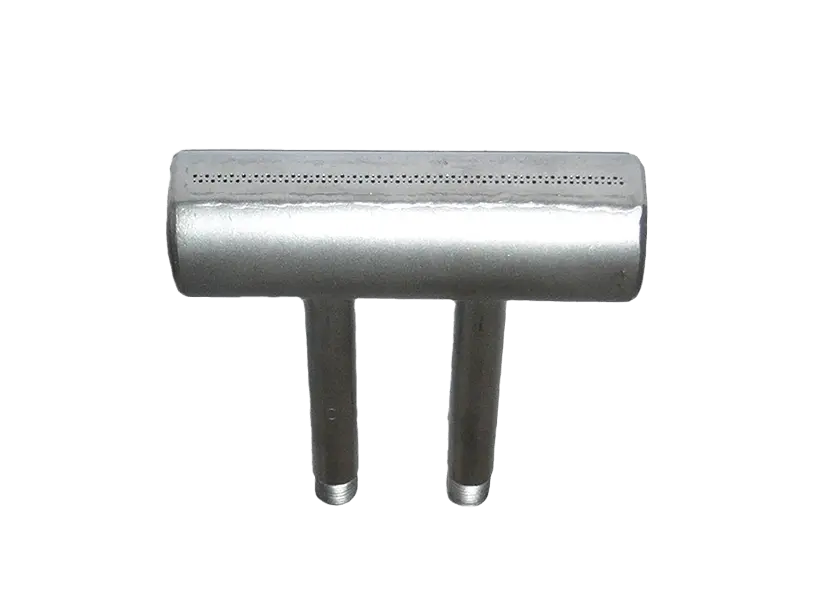
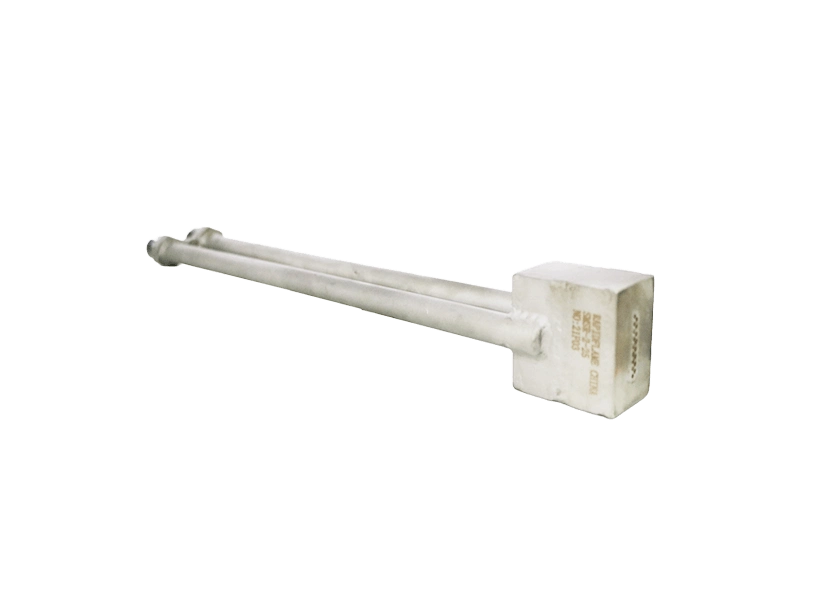
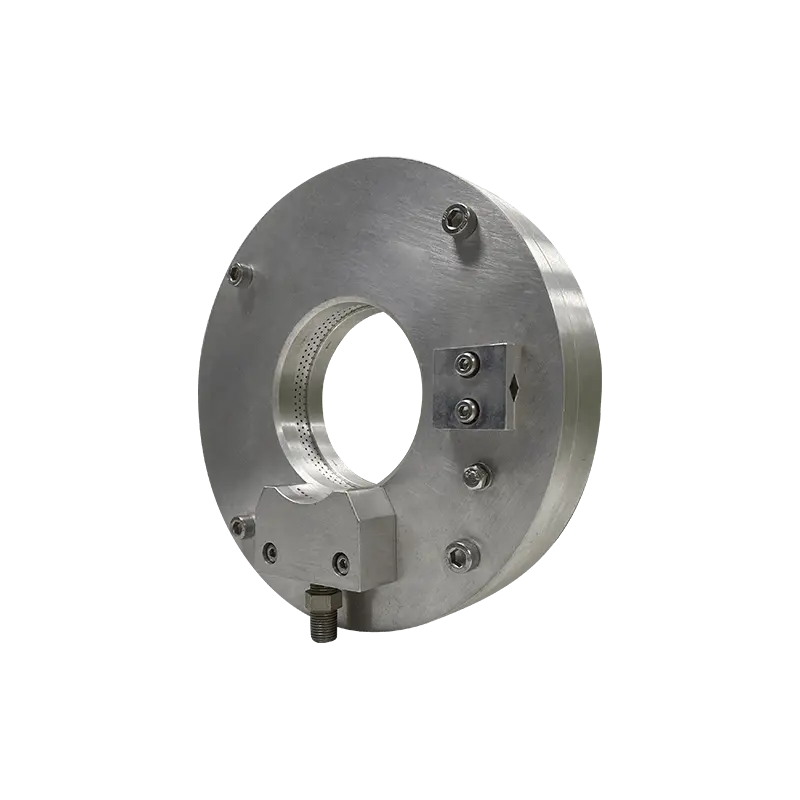
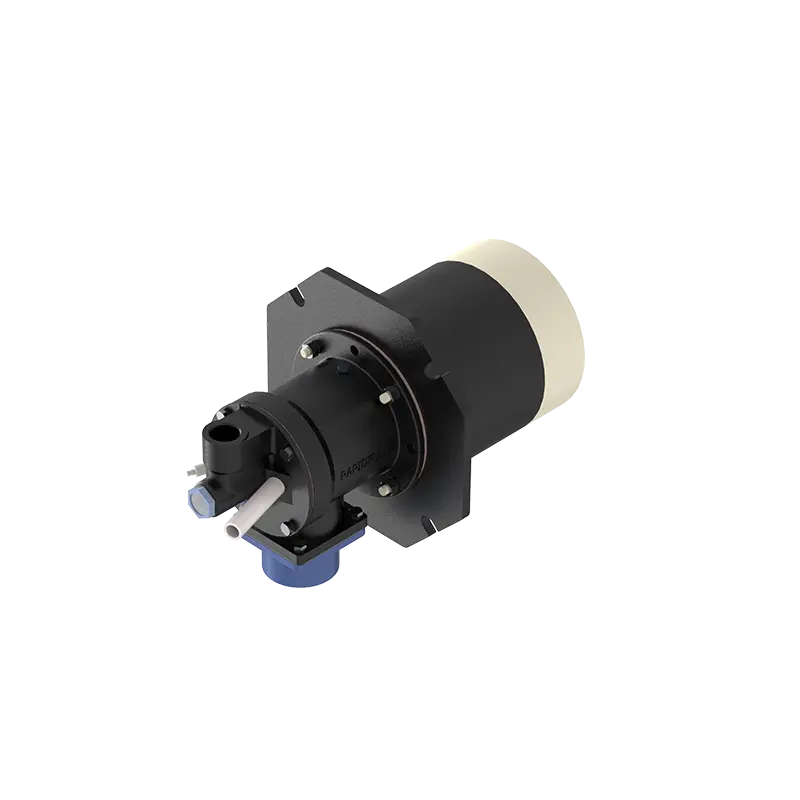
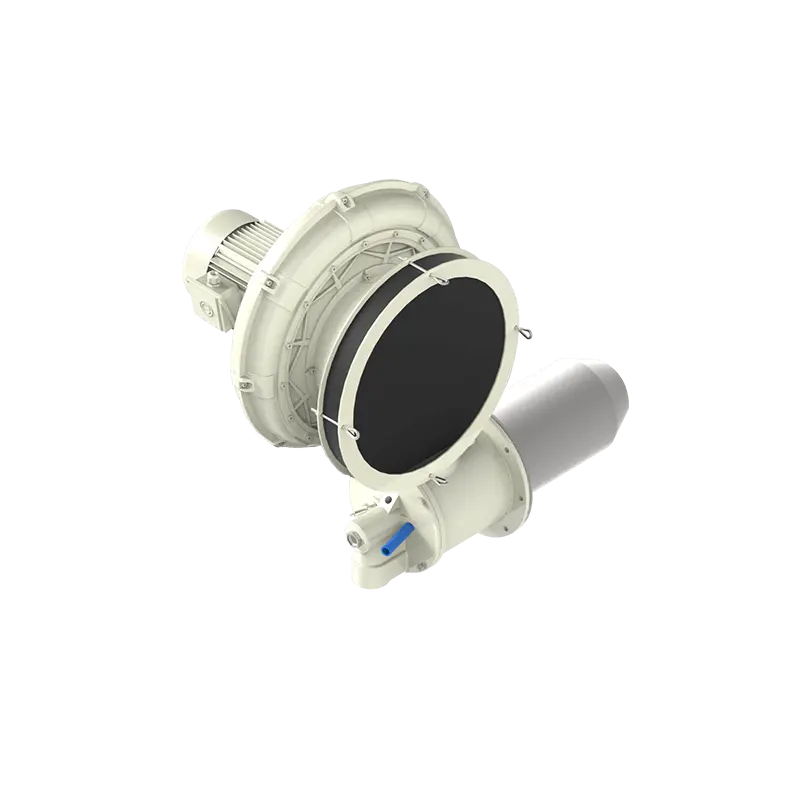
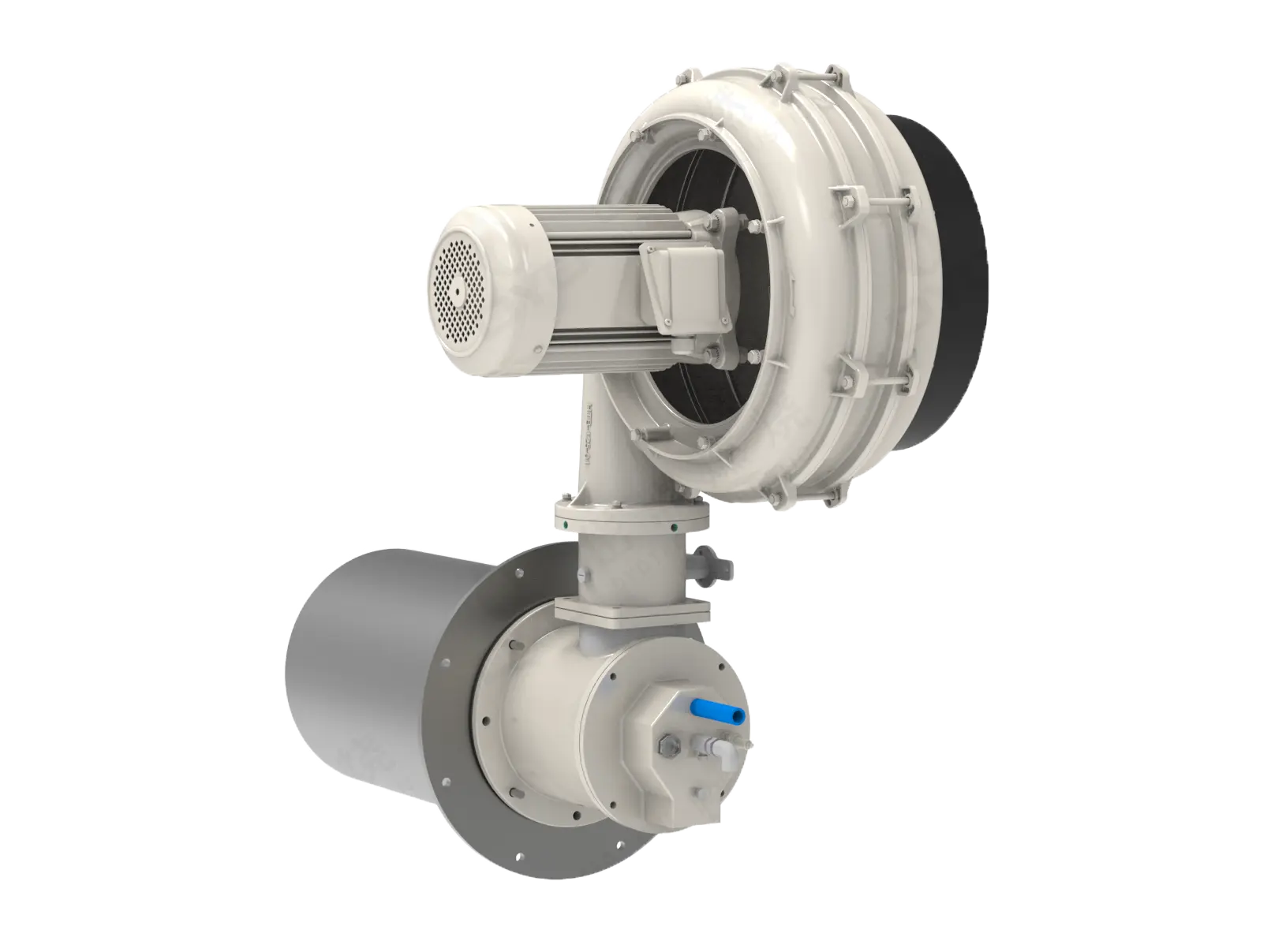
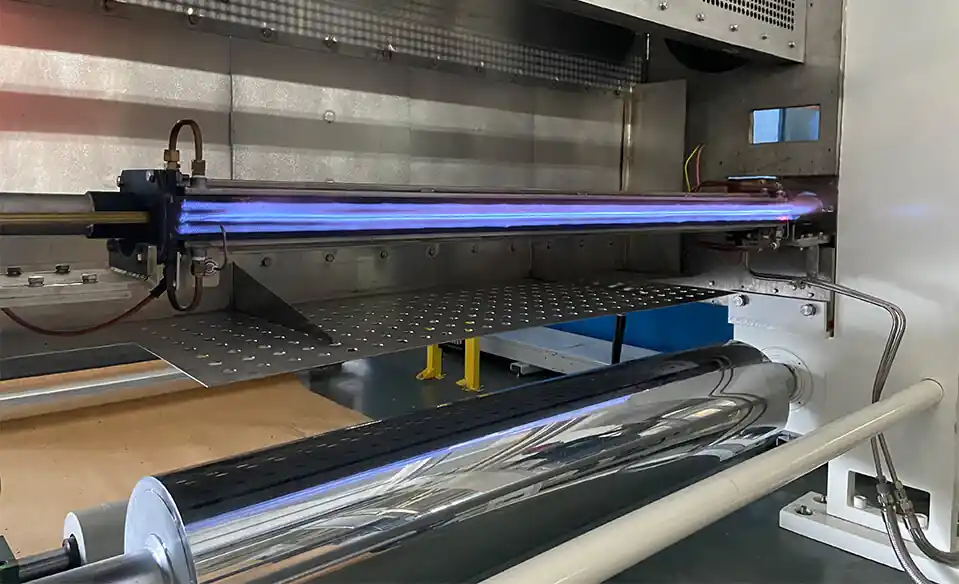
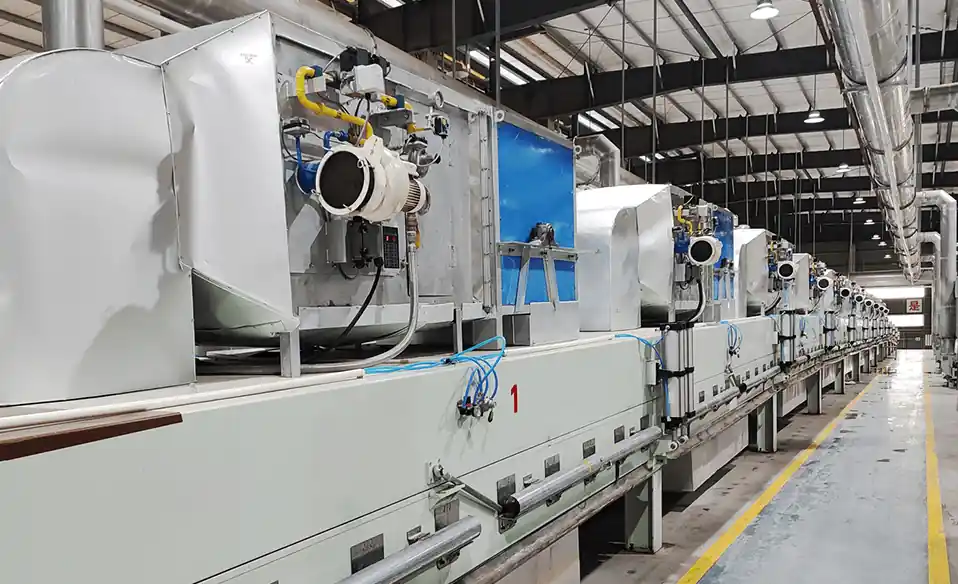
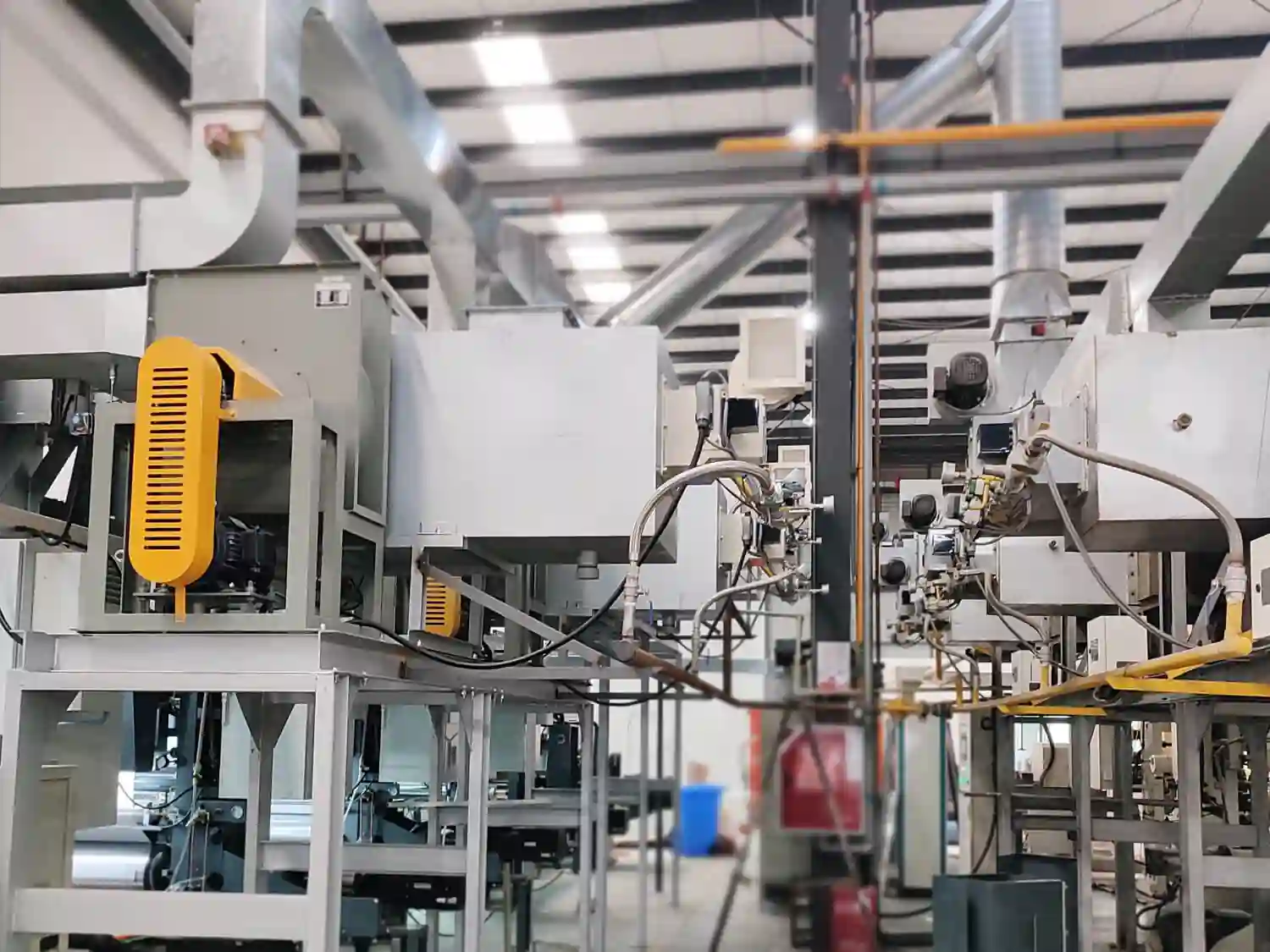
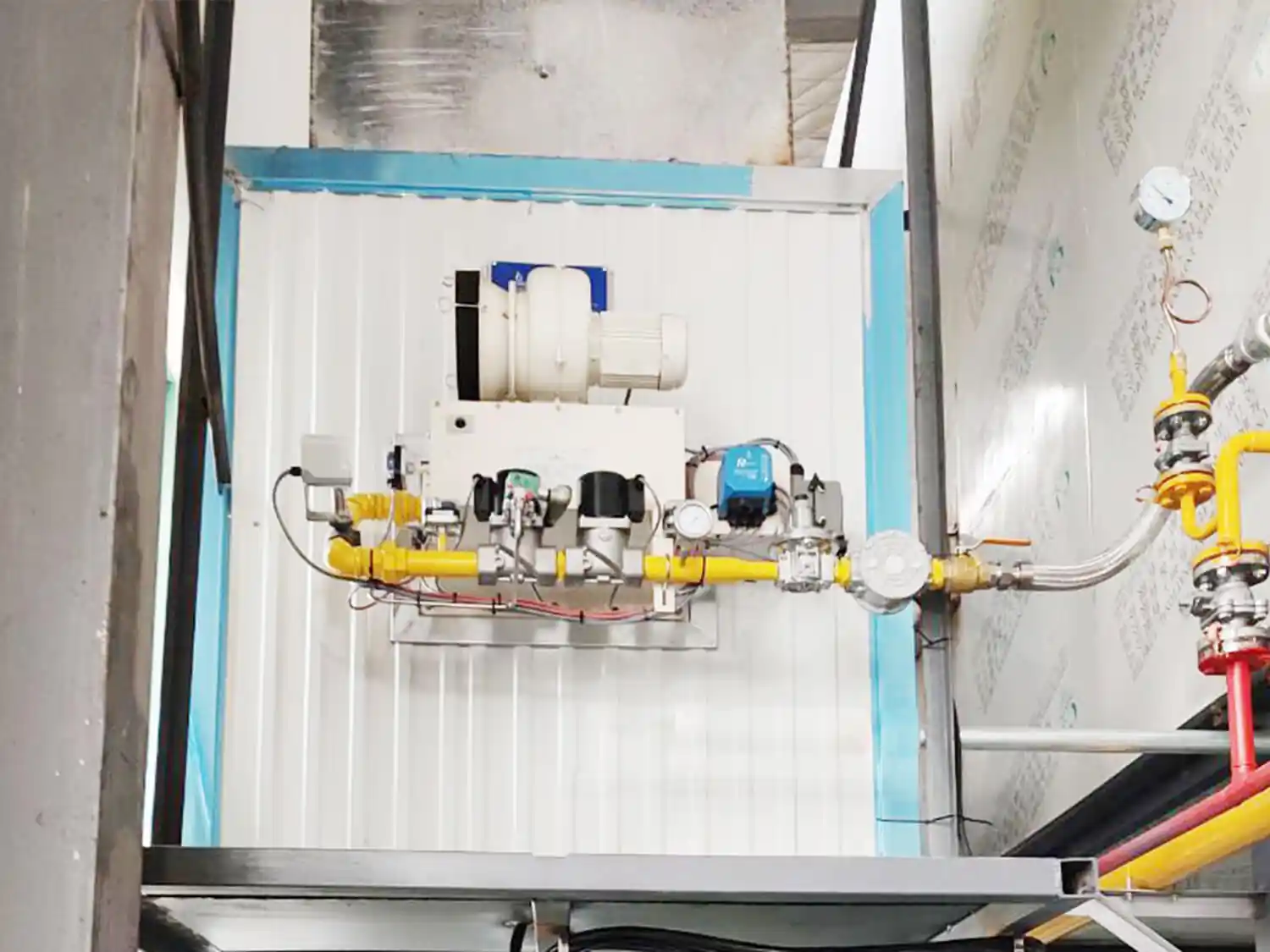
Burner combustion efficiency refers to how effectively a burner converts the chemical energy of fuel into useful heat through the combustion process. In practical terms, it is the percentage of the fuel's total calorific value that is released as usable thermal energy, rather than being lost as unburned fuel or sensible heat in the exhaust gases. For a well-tuned natural gas burner, combustion efficiency typically ranges from 95% to 99% (based on lower heating value, LHV), meaning 5% or less of the fuel energy is lost through the flue. Combustion efficiency does not account for heat lost through furnace walls, openings, or radiation to the surroundings—those are considered thermal efficiency or overall system efficiency.
In industrial applications, combustion efficiency is influenced by several factors, including:
Air-to-fuel ratio – the most critical variable; even a 10% deviation from optimal can reduce efficiency by 2–3%.
Flame stability – unstable flames cause incomplete combustion and CO formation.
Fuel quality – variations in heating value or composition affect the combustion process.
Burner design – the burner's mixing geometry determines how thoroughly fuel and air combine.
Heat transfer conditions – while not directly part of combustion efficiency, they affect how much of the released heat is actually utilized.
Excess air level – the single largest controllable factor; typical targets are 5–15% excess air for natural gas.
Combustion control accuracy – precise modulation and ratio control maintain efficiency across the firing range.
A burner with high combustion efficiency produces more usable heat from the same amount of fuel while reducing fuel waste, emissions, and operating costs. For a large industrial furnace consuming 100,000 m³ of natural gas per month, a 2% improvement in combustion efficiency can save roughly 2,000 m³ of gas—equivalent to substantial annual cost savings and CO₂ emission reductions.
Many people assume that a larger burner automatically provides better performance. In reality, how efficiently the burner burns fuel is often more important than its maximum firing capacity. A burner with 1,000 kW heat input but only 90% combustion efficiency delivers only 900 kW of useful heat to the furnace, whereas a 950 kW burner with 98% efficiency delivers 931 kW—more useful heat from less fuel.
Combustion efficiency measures how completely fuel is burned and how much of the released energy can be utilized by the heating process. It is calculated by comparing the energy contained in the fuel to the energy lost through:
Incomplete combustion – unburned carbon, CO, or hydrocarbons leaving the furnace.
Sensible heat loss – hot exhaust gases carrying away heat that could have been used.
Radiation and convection losses from the burner itself (though these are usually small).
An efficient burner should:
Burn fuel completely – no visible smoke, minimal CO (typically < 50 ppm at 3% O₂).
Produce a stable flame – consistent shape and intensity without flickering or lift-off.
Minimize unburned fuel – less than 0.1% of fuel energy as chemical loss.
Maintain an optimal air-fuel ratio – typically 5–15% excess air for natural gas, balancing completeness and heat loss.
Generate consistent heat output – predictable energy release for stable process control.
Reduce unnecessary heat losses – minimize exhaust temperature while avoiding condensation and corrosion.
The goal is not simply to create a larger flame—but to convert fuel into useful thermal energy as efficiently as possible.
No. Although the two terms are often confused, they describe different aspects of system performance.
| Combustion Efficiency | Thermal Efficiency |
|---|---|
| Measures how completely fuel burns | Measures how much heat reaches the process |
| Focuses on the burner | Focuses on the entire heating system |
| Influenced by combustion quality | Influenced by insulation, heat transfer, exhaust losses, and furnace design |
| Usually higher than overall system efficiency | Represents actual useful energy utilization |
A burner may achieve excellent combustion efficiency while the furnace still performs poorly if excessive heat escapes through the exhaust or furnace walls. For instance, a burner with 98% combustion efficiency operating in a furnace with poor insulation (20% wall loss) and a high exhaust temperature (10% loss) may deliver only 70–75% thermal efficiency to the product. This distinction is critical because improving the burner alone may not solve overall energy waste if the furnace itself is inefficient.
Higher combustion efficiency delivers benefits beyond fuel savings.
Incomplete combustion wastes fuel. For every 1% reduction in combustion efficiency, a burner consumes roughly 1% more fuel to maintain the same heat output. For a typical 1 MW furnace operating 8,000 hours per year, a 1% efficiency loss represents approximately 80,000 kWh of wasted energy annually—equivalent to 8,000 Nm³ of natural gas.
Every percentage point of improvement can reduce long-term operating costs, especially in continuously operating furnaces where fuel is the largest variable cost.
Efficient combustion lowers:
Natural gas consumption – the direct cost of fuel, often the largest operating expense.
LPG consumption – where propane or butane is used.
Maintenance costs – less sooting and carbon buildup reduce cleaning frequency.
Production costs – per-unit energy costs drop, improving profit margins.
For facilities operating around the clock, even small efficiency improvements can generate substantial annual savings. A 2% efficiency improvement in a medium-sized ceramic kiln can save tens of thousands of dollars per year, often paying for a new combustion control system within 12–18 months.
Poor combustion often produces:
Carbon monoxide (CO) – a toxic gas and indicator of wasted fuel.
Unburned hydrocarbons (UHC) – contributes to smog and odour.
Soot – visible black smoke, indicative of severe incomplete combustion.
Smoke – particulate emissions that can violate air quality permits.
Optimized combustion also helps maintain lower NOx emissions when combined with appropriate burner design. While NOx is primarily a function of flame temperature and oxygen availability, stable, complete combustion allows low-NOx burners to operate as designed without CO spikes.
A stable, efficient flame produces more uniform heat distribution. This leads to:
Better product quality – consistent thermal processing yields uniform properties.
Improved process consistency – less variability from batch to batch.
Reduced temperature fluctuations – tighter control around setpoint, often within ±2–3°C.
Proper combustion reduces:
Flame instability – which can cause mechanical vibration.
Burner overheating – due to localized hot spots or radiation.
Carbon deposits – which clog flame ports and reduce efficiency.
Thermal stress – from cycling and uneven heating.
As a result, burner components generally require less maintenance and enjoy longer service life. For example, ignition electrodes in a well-tuned, continuously modulating burner may last 5–7 years, whereas in a cycling burner with poor combustion they may need replacement every 1–2 years.
This is the single most important factor.
Too Little Air
Insufficient combustion air causes:
Incomplete combustion – unburned carbon and CO.
High CO emissions – can exceed 1,000 ppm in severe cases.
Yellow flames – from carbon particle incandescence.
Soot formation – black smoke and carbon deposits.
Lower efficiency – wasted fuel energy.
Too Much Air
Excess air also wastes energy. Each 1% increase in excess air above the optimum level reduces efficiency by approximately 0.1–0.15%, because the extra air must be heated from ambient to exhaust temperature and then carries that heat out of the system.
Additional air absorbs heat and carries it out through the exhaust, reducing useful heat available to the process. For a 1 MW burner operating at 20% excess air instead of 10%, the extra heat loss is roughly 10–15 kW—comparable to the electrical load of a small building.
Modern burners aim to maintain the optimum excess-air level across the entire operating range. Typical targets for natural gas are:
| Firing Condition | Typical Excess Air |
|---|---|
| High fire (100%) | 5–10% |
| Mid-range (50–70%) | 10–15% |
| Low fire (10–30%) | 15–30% |
At low fire, higher excess air is often necessary to maintain flame stability, but advanced burners with better retention rings can keep excess air lower.
The burner head determines how well fuel and air mix. Good burner design provides:
Uniform mixing – ensuring that all fuel molecules encounter enough oxygen.
Stable flame anchoring – the flame stays attached to the burner without lift-off or flashback.
Proper flame shape – matching the furnace geometry and heat transfer requirements.
Complete combustion – low CO and UHC across the turndown range.
Advanced burner geometries, such as those with staged air or internal flue gas recirculation, can significantly improve combustion performance while also reducing NOx emissions. The interaction between fuel injector placement, swirl angle, and throat profile directly affects the mixing intensity and flame stability.
Fuel composition affects flame characteristics. Examples include:
Natural gas – varying methane content (85–98%) changes heating value and flame speed.
LPG – propane and butane have higher heating values and faster flame speeds than natural gas.
Biogas – methane content varies (40–70%), significantly affecting air requirements.
Coke oven gas – contains hydrogen and CO, with low density and high flame speed.
Blast furnace gas – very low heating value, requiring large volumes and special burners.
Hydrogen blends – high flame speed and low ignition energy, requiring burner modifications.
Each fuel has different heating values, flame speeds, and combustion requirements. Burners should be matched to the intended fuel, and if fuel switching is expected, the burner should be designed for the most demanding fuel or include a multi-fuel control strategy. The Wobbe Index, which combines heating value with specific gravity, is a key parameter for predicting fuel interchangeability and its effect on air-fuel ratio.
An unstable flame reduces combustion quality. Problems include:
Flame lift-off – the flame detaches from the burner, causing erratic heating and possible extinction.
Flashback – the flame moves back into the mixing zone, damaging the burner.
Flame oscillation – periodic movement that changes heat release and may trigger pressure pulses.
Frequent flame failure – nuisance shutdowns that interrupt production.
Stable combustion supports consistent efficiency. When the flame is stable, the air-fuel ratio remains constant, the mixing pattern is steady, and the heat release is predictable. Any instability immediately affects efficiency because the combustion process becomes inconsistent.
Industrial processes rarely operate at full load continuously. A burner's turndown ratio determines how low it can modulate while maintaining stable and efficient combustion. Burners with wide turndown ratios maintain efficient combustion even at low firing rates because they can reduce fuel and air in proportion without resorting to cycling.
Poor modulation often leads to excessive cycling and unnecessary fuel consumption. Each start-up requires a purge cycle (which blows heat out of the furnace) and a reheat period, both of which waste energy. A burner with insufficient turndown may cycle 50–100 times per day, increasing fuel consumption by 5–10% compared to continuous modulation.
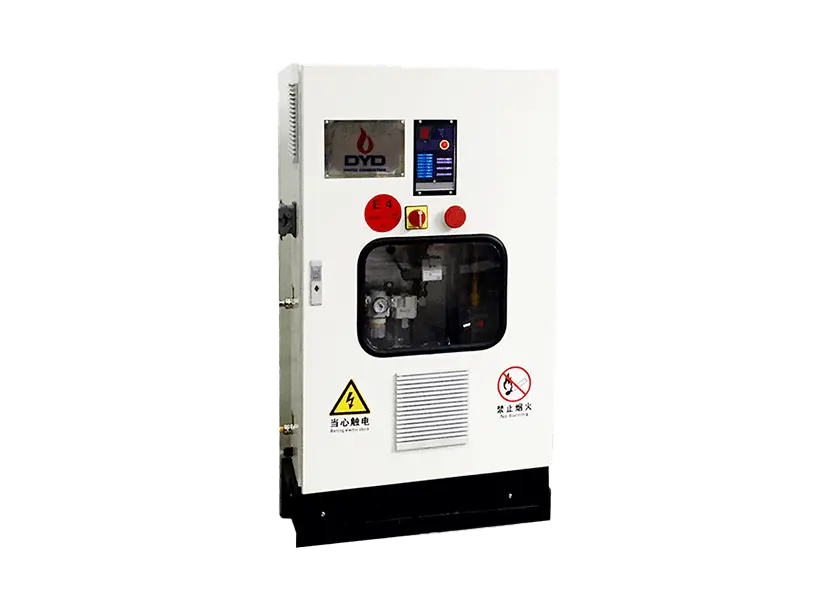
Modern combustion systems typically include:
PLC controls – providing precise timing and sequence logic.
Electronic ratio control – maintaining the correct air-fuel ratio across the firing range using cam-profile or digital mapping.
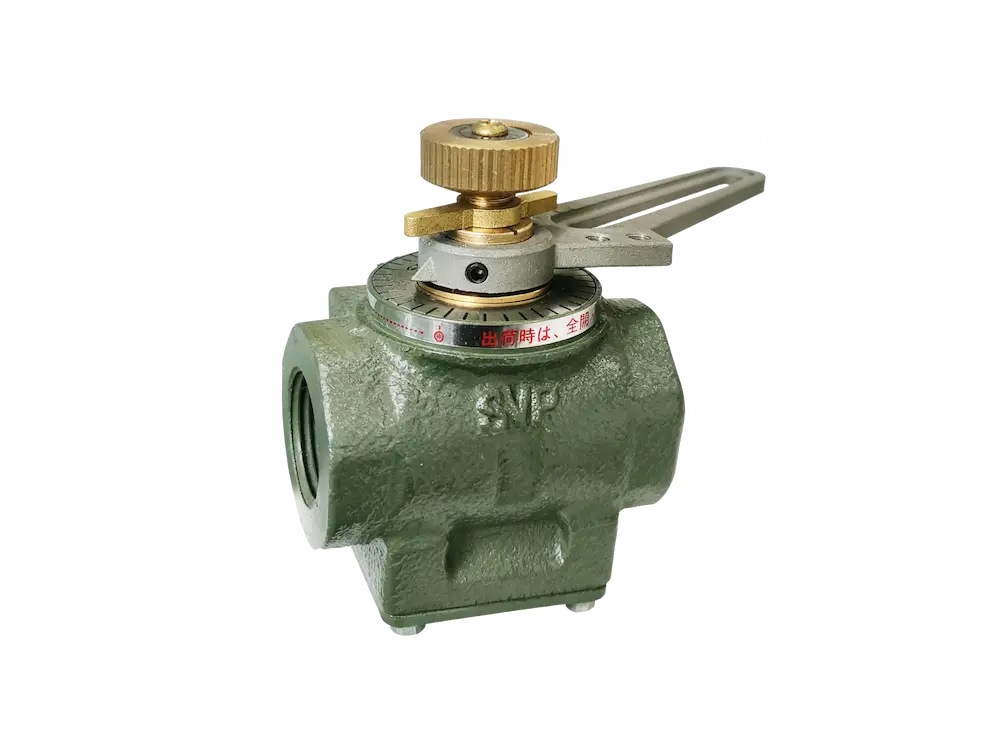
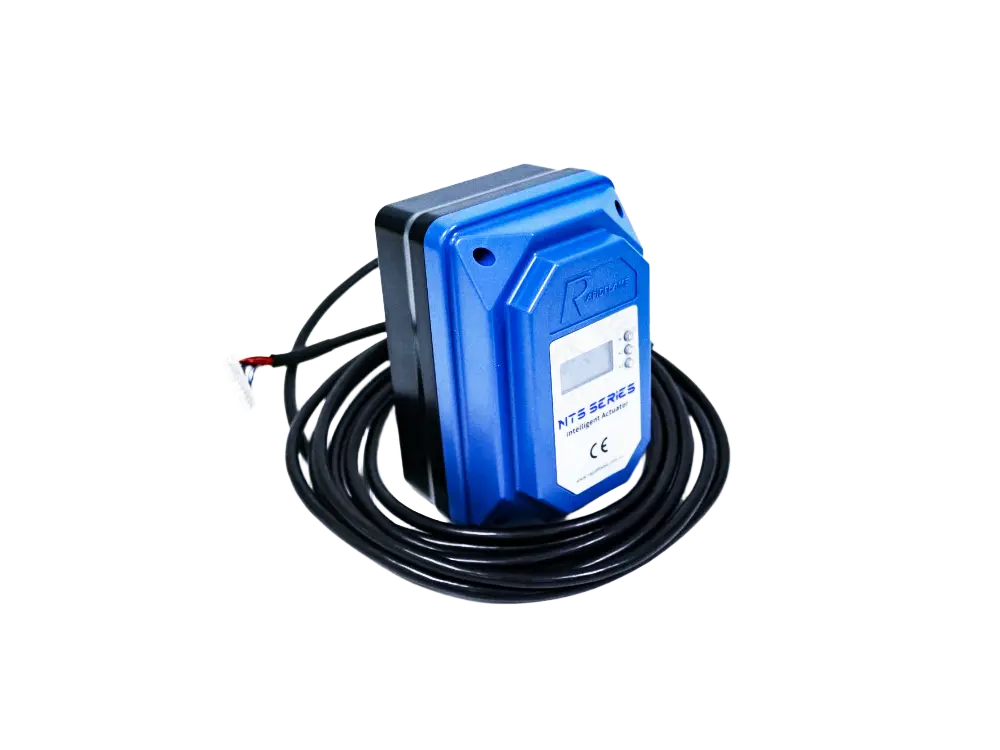
Servo motors – accurately positioning air dampers and gas valves.
Variable-frequency combustion fans – allowing precise air volume control without throttling losses.
Oxygen trim systems – continuously adjusting the air-fuel ratio based on flue gas O₂ readings, compensating for temperature, humidity, and fuel changes.
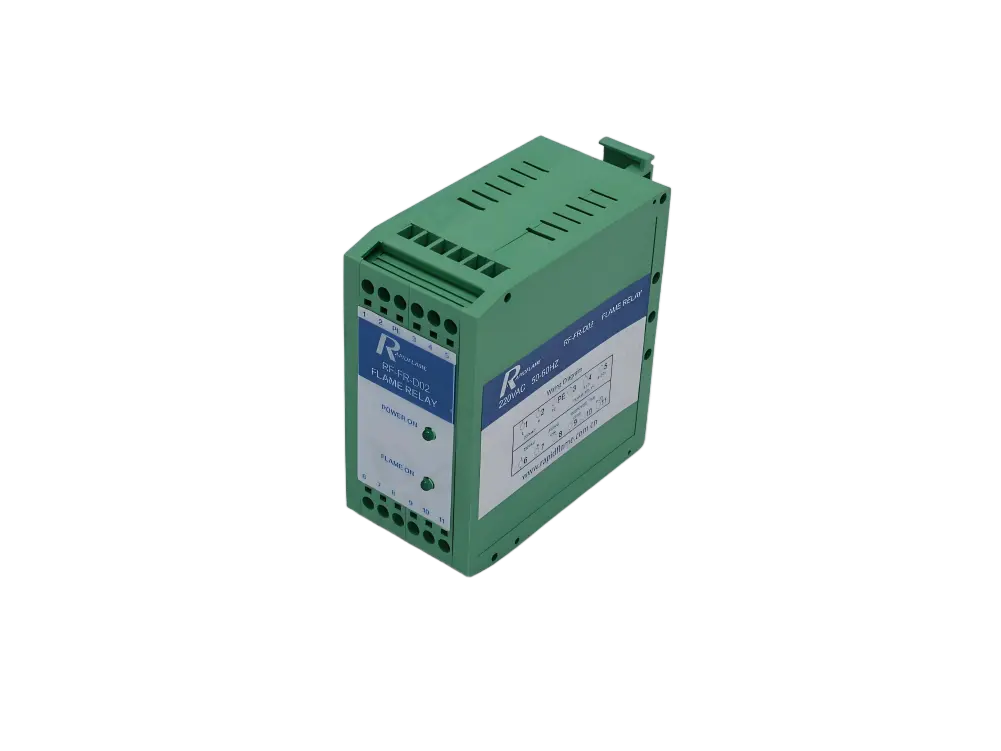
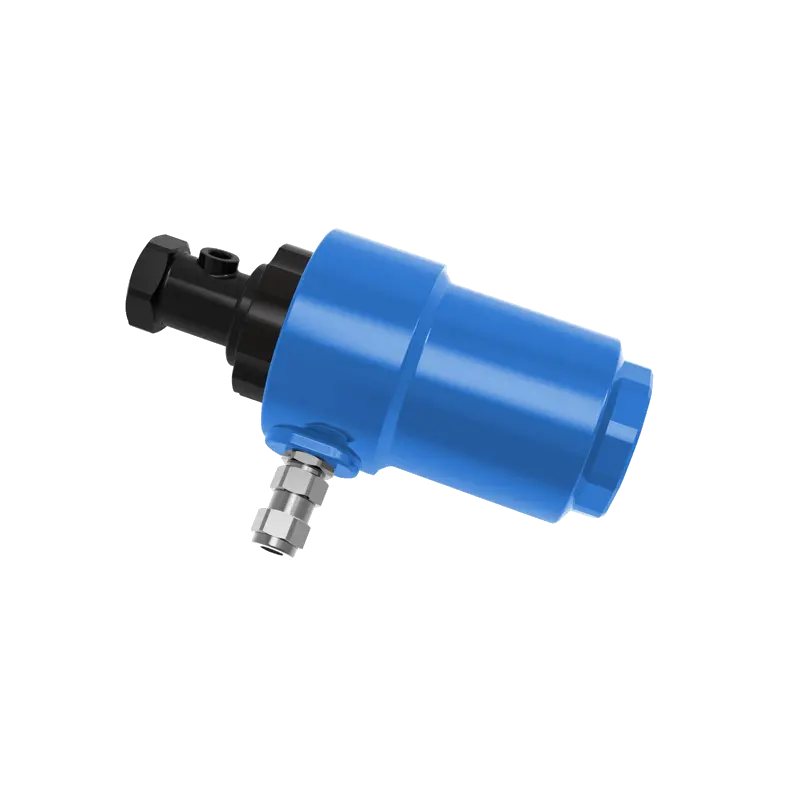
Flame supervision – UV or IR scanners ensuring flame presence and quality.
These technologies continuously optimize combustion conditions, reducing the need for manual tuning and adapting to changing process conditions. A well-implemented control system can improve combustion efficiency by 2–5% compared to manual or simple on-off control.
Engineers commonly evaluate combustion performance by measuring exhaust gases. A combustion analyzer—either a portable unit for periodic checks or a permanently installed continuous emissions monitor—samples the flue gas and provides critical data.
Typical measurements include:
Oxygen (O₂) – indicates the amount of excess air; typical target 2–4% O₂ for natural gas at high fire.
Carbon dioxide (CO₂) – a byproduct of complete combustion; higher CO₂ generally indicates more efficient combustion (for natural gas, max CO₂ is about 11–12%).
Carbon monoxide (CO) – indicates incomplete combustion; should be below 50 ppm (at 3% O₂) for good performance.
Flue gas temperature – higher temperatures mean more heat is being carried away; the difference between flue gas temperature and ambient is a direct measure of sensible heat loss.
Excess air – calculated from O₂ reading; excess air (%) = O₂ / (21 - O₂) × 100.
NOx emissions – while primarily an environmental concern, NOx often correlates with flame temperature and can indicate over-firing or poor ratio control.
Using these values, combustion analyzers estimate combustion efficiency and identify opportunities for optimization. The efficiency calculation takes into account the fuel's heating value, the measured flue gas losses (both chemical and sensible), and the dilution effects of excess air. Most modern analyzers provide an instantaneous efficiency reading, as well as recommendations for adjustment.
Common indicators include:
Higher-than-normal gas consumption – the most obvious sign; fuel bills increase without a corresponding increase in production.
Unstable furnace temperature – difficulty maintaining setpoint, overshoots, and undershoots.
Frequent burner cycling – the burner turns on and off more often than expected.
High CO emissions – visible on flue gas analyzer or portable monitor; often accompanied by headaches or eye irritation in operators.
Visible smoke or soot – black or grey exhaust indicates severe incomplete combustion; yellow flames inside the furnace are also a warning sign.
Yellow or irregular flame – instead of a clean blue flame, the flame appears orange or flickering.
Carbon buildup around the burner – deposits on the burner head, refractory, or furnace floor indicate incomplete combustion.
Increased maintenance frequency – more frequent cleaning, igniter replacement, or valve repairs.
If these symptoms appear, combustion tuning or burner servicing may be required. Ignoring these signs can lead to escalating fuel costs, higher emissions, and eventually equipment failure.
Several practical steps can improve combustion performance.
Regular combustion tuning ensures the correct amount of combustion air throughout the firing range. This involves using a portable combustion analyzer to sample the flue gas at multiple firing points and adjusting the ratio control curve to minimize CO while maintaining a moderate excess air level. Ideally, this should be performed annually or whenever fuel composition changes.
Routine maintenance includes:
Cleaning burner heads – removing carbon and dust deposits that alter mixing patterns.
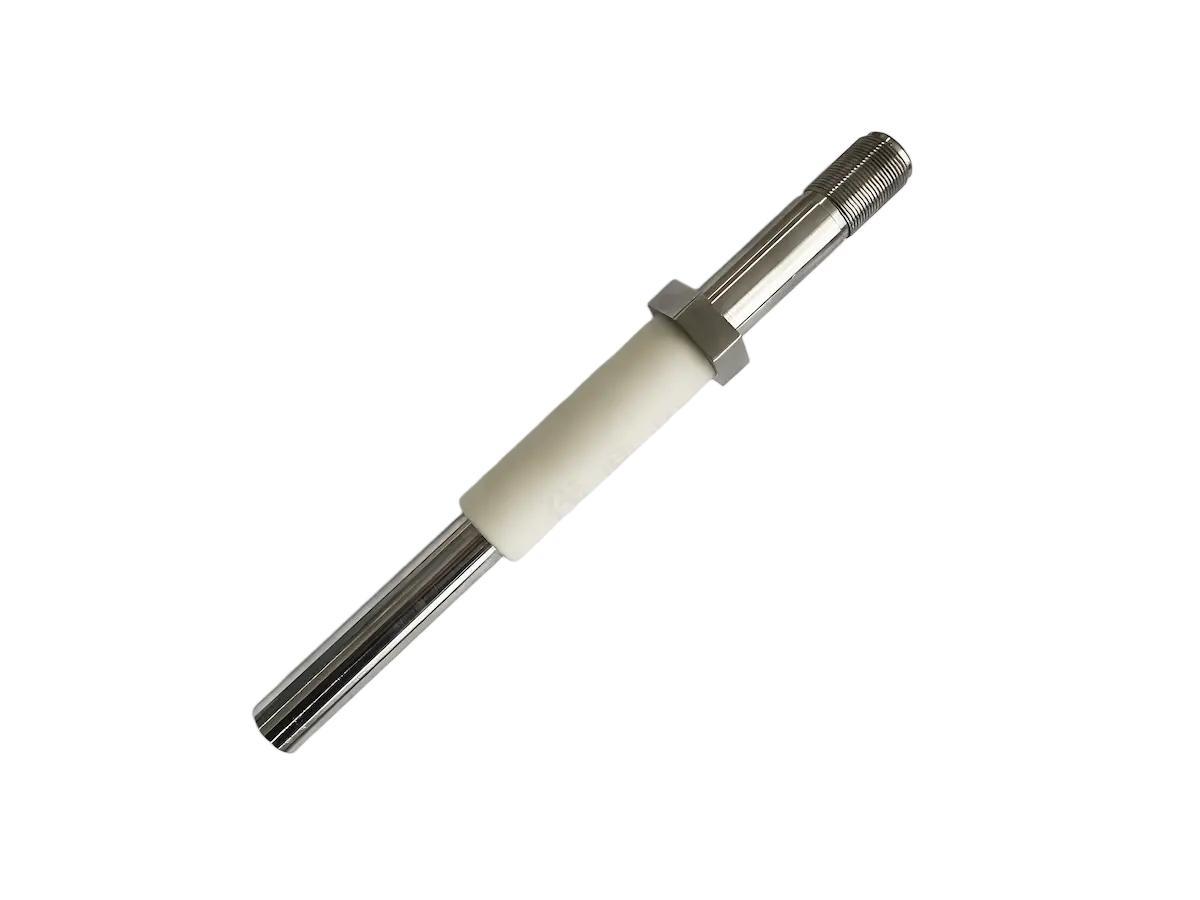
Inspecting ignition systems – checking spark electrodes and leads for wear or damage.
Checking flame detectors – cleaning optical lenses and verifying sensitivity.
Verifying gas pressure – ensuring the regulator is providing stable pressure at all loads.
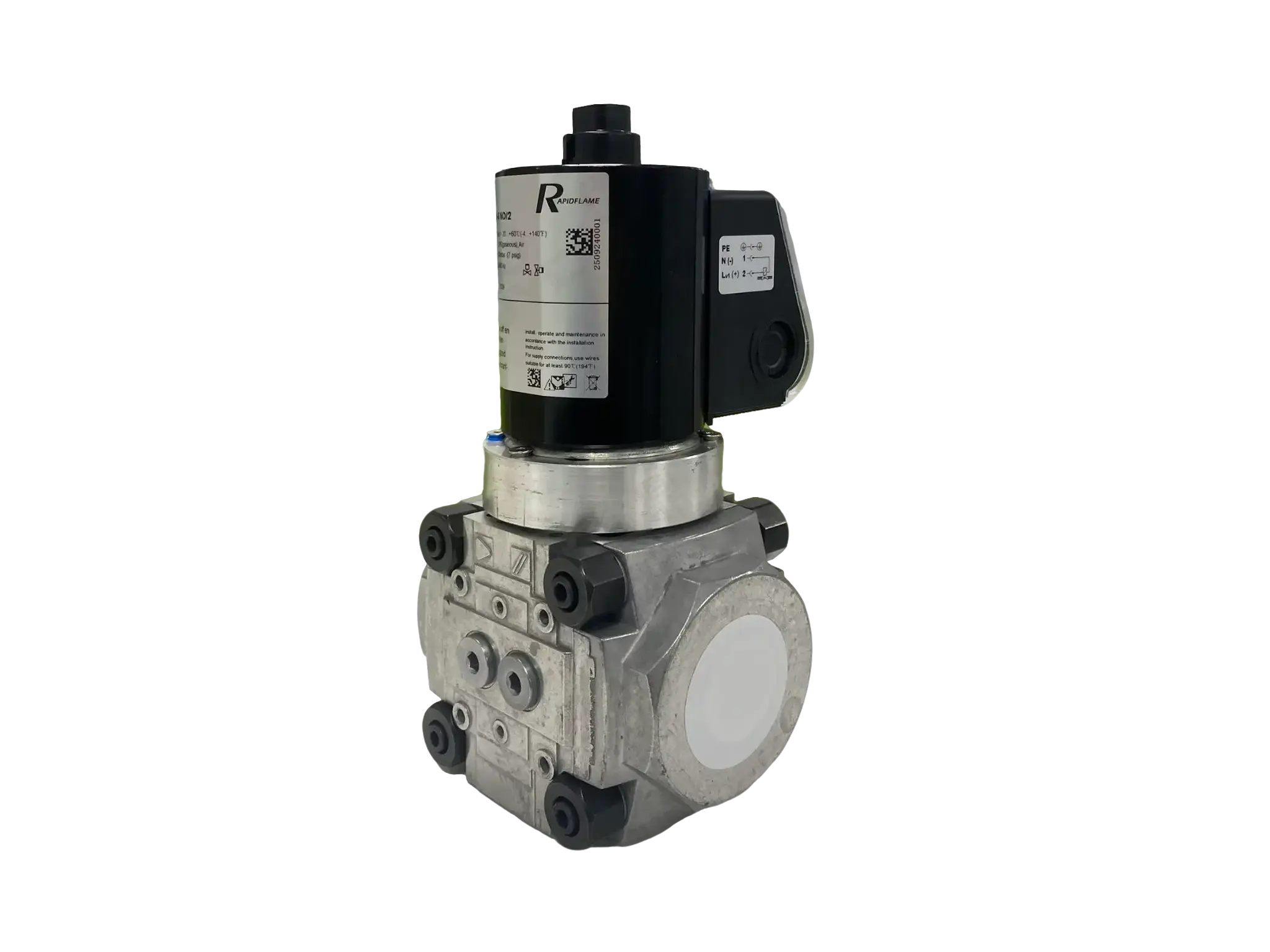
Calibrating control valves – checking that valve position feedback matches the actual flow.
Modern electronic controls improve:
Modulation accuracy – better valve and damper positioning at all firing rates.
Air-fuel ratio stability – electronic ratio control with O₂ trim.
Load response – faster adaptation to process changes.
Fuel savings – typically 3–8% compared to mechanical linkage systems, and even more compared to manual controls.
Operating with excessive air is one of the most common causes of efficiency loss. Installing an oxygen trim system can automatically maintain optimal excess-air levels, compensating for changes in ambient temperature, humidity, and fuel calorific value. A properly tuned oxygen trim system typically reduces excess air by 5–10 percentage points, improving efficiency by 0.5–1.5%.
Even perfect combustion cannot compensate for poor furnace design. Proper insulation, heat recovery (e.g., recuperators or regenerators to preheat combustion air), and airflow management improve overall system efficiency. For example, preheating combustion air from 20°C to 300°C can improve overall efficiency by approximately 5–8%, as less fuel is needed to achieve the same flame temperature.
Well-designed industrial gas burners operating under optimal conditions typically achieve very high combustion efficiency—often 95–99% on a lower heating value (LHV) basis. For reference, a burner with 98% combustion efficiency means that only 2% of the fuel's chemical energy is lost through the flue as sensible heat or chemical loss. However, the overall energy efficiency of a heating system also depends on furnace design, heat recovery, insulation, and process conditions. A furnace with poor heat transfer may have a thermal efficiency of only 60–70% even with 98% combustion efficiency.
Generally, yes. More complete combustion reduces wasted fuel. However, total fuel use also depends on load profile, furnace heat losses, production schedule, and process requirements. A burner with 98% efficiency that cycles 100 times per day may consume more fuel than a burner with 96% efficiency that modulates continuously, because of cycling losses. Therefore, combustion efficiency should be considered alongside turndown ratio and overall system design.
Yes. Too much combustion air absorbs heat and carries it out through the exhaust, reducing the amount of useful heat transferred to the process. For every 1% excess air above the optimum, combustion efficiency drops by approximately 0.1–0.15%. At 20% excess air, the efficiency loss is roughly 2–3% compared to operation at 5–10% excess air. Additionally, high excess air can reduce flame temperature, slowing heating rates and reducing heat transfer.
Industrial facilities commonly verify combustion performance during commissioning, scheduled maintenance (typically annual or bi-annual), burner tuning, fuel changes, or whenever abnormal fuel consumption or unstable combustion is observed. For critical processes, continuous flue gas analysis with an oxygen trim system is recommended, as it provides real-time efficiency monitoring and automatic adjustment. Frequent checks are especially important when fuel composition varies, such as when using biogas or hydrogen blends.
Absolutely. Proper combustion reduces carbon monoxide, soot, and unburned hydrocarbons while helping advanced burner systems maintain low NOx emissions. Incomplete combustion increases CO and UHC significantly; these not only waste fuel but also contribute to air pollution. Stable combustion also helps low-NOx burners operate within their design parameters, preventing NOx spikes during transients. Thus, maintaining high combustion efficiency is directly beneficial for meeting environmental permit requirements.
Burner combustion efficiency is one of the most important indicators of industrial burner performance. It reflects how effectively fuel is converted into useful heat through stable and complete combustion.
High combustion efficiency contributes to:
Lower fuel consumption – reducing operating costs and improving sustainability.
Reduced emissions – meeting environmental standards and protecting worker health.
Improved temperature control – enabling consistent product quality.
Better product quality – fewer defects and rework.
Lower maintenance costs – extended component life.
Longer equipment life – reduced thermal and mechanical stress.
Rather than focusing only on burner capacity, industrial users should evaluate combustion efficiency alongside burner design, control systems, turndown ratio, and furnace performance to achieve the best long-term operating results.
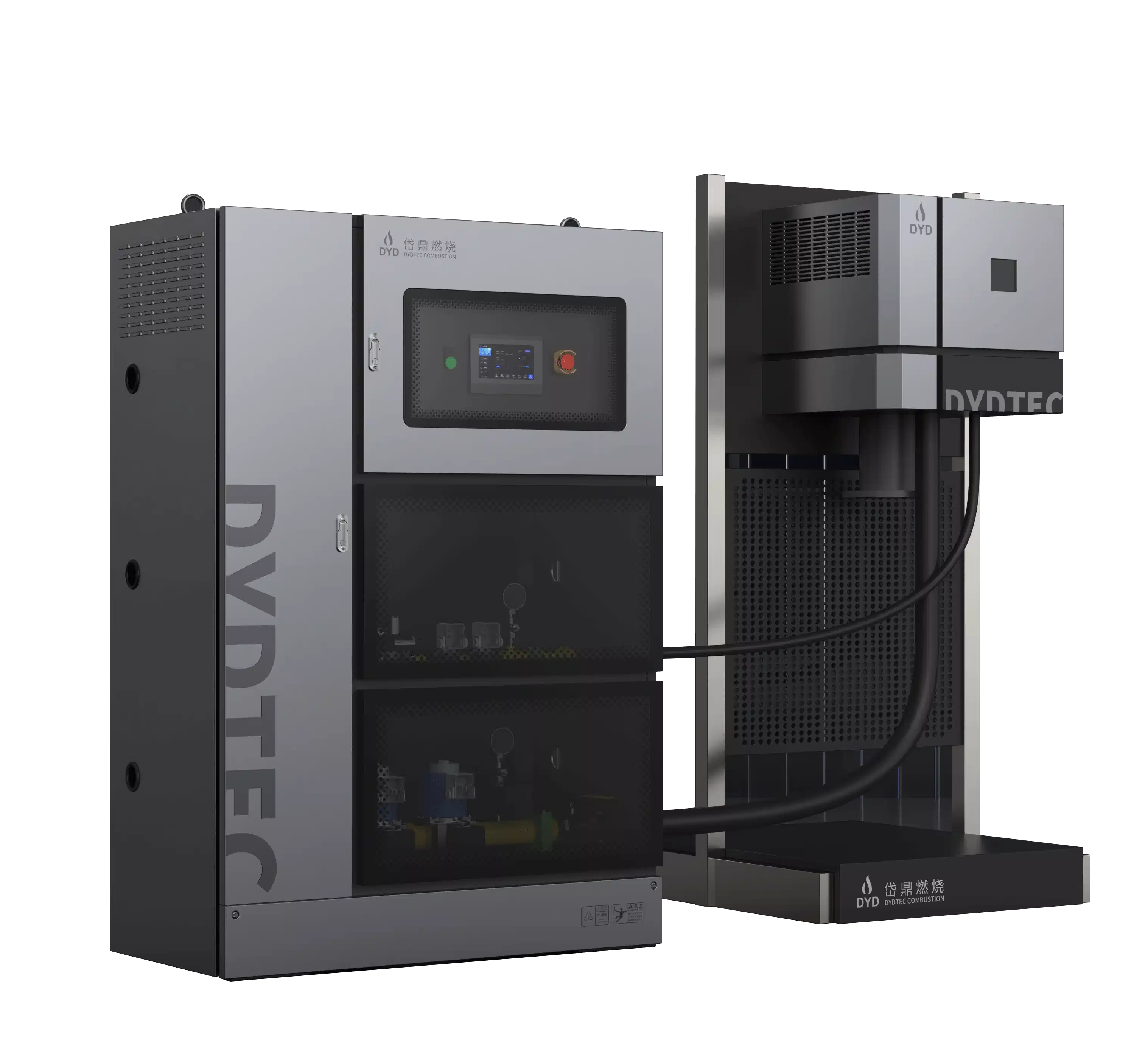
DYDTEC Combustion is a professional supplier of industrial combustion systems and customized burner solutions. The company specializes in high-efficiency gas burners, low-NOx combustion technology, intelligent combustion control systems, and integrated heating solutions for industrial furnaces, aluminum melting, heat treatment, drying equipment, RTO systems, and other thermal processing applications. By combining advanced burner design with precise combustion control, DYDTEC helps furnace manufacturers and industrial users improve combustion efficiency, reduce fuel consumption, enhance process stability, and meet increasingly stringent environmental requirements.